
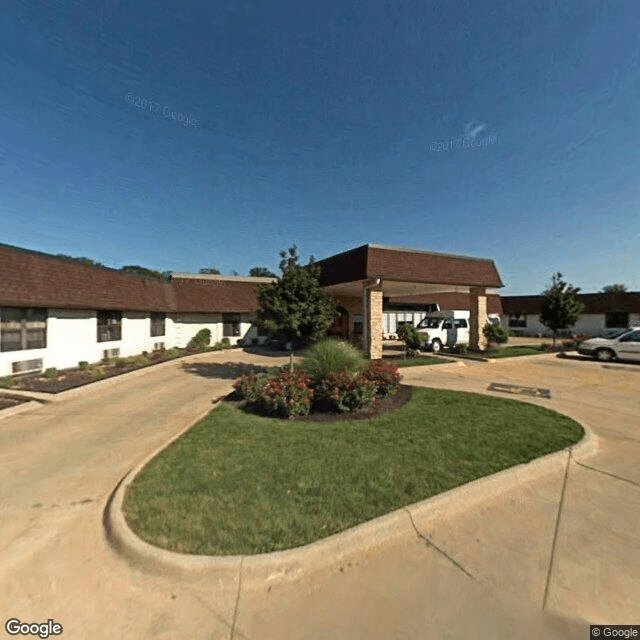
2700 W 30th Ave, Emporia, KS 66801
To contact a resident: (316) 342-1001
For more information about senior living options: (866) 208-4318
Overall Review of Holiday Estates
Pros
 Mark is a great guy who answered all questions and concerns about the injury and the therapy plan.
- He was very kind and talkative with the other residents in the therapy unit.
- The nursing staff, recreation department and therapy provided excellent care.
- Special thanks to Jamy in Social Services for their assistance.
- Great care and great staff; they are always doing something for residents.
- Holiday Resort is a nice facility.
Cons
 They let him stay filthy and won’t clean his room, provide aftercare, or listen to his concerns.
- They won’t change his sheets when his feet bleed and won’t provide basic items like washcloths, wipes, or lotion; they don’t bring medicine or food on time.
- If you transfer facilities, they will throw away meds rather than release them for transfer.
- The facility is horrible, starting with the administration; they are consistently short-staffed and terrible at communicating with family.
- Calls go unreturned and the administrator is extremely rude and not helpful.
- It is very expensive for substandard care, and if the person is of sound mind they will be extremely miserable there.
- They hire terrible staff with no kindness, and My mother was severely abused with nothing done.
- They lost yoga pants and billed for supplies that were provided.
Review
Holiday Estates in Emporia, Kansas appears best suited for families that can act as constant advocates and residents whose care needs are modest enough to be managed with vigilant supervision. The community does not consistently deliver reliable daily care or timely clinical support, so the most compatible placements are those where family or a trusted surrogate can monitor medication administration, room cleanliness, and day-to-day responsiveness. In short, this is not a hands-off option for someone who requires steady medical oversight or consistently respectful, attentive staff; it is a potential fit only where robust family involvement is planned and expected.
Those weighing alternatives should note a clear caveat: anyone with serious medical needs, complex wound care, frequent medication schedules, or a requirement for reliable, respectful communication should seriously consider other communities. The pattern of delayed or missed meds, delayed meals, and inconsistent basic care tasks raises red flags for anyone prioritizing safety and predictability. Prospective families should also consider whether a facility with documented staff shortages and uneven administrative follow-through can meet long-term health and well-being goals. For families seeking a facility with a consistently high standard of care and transparent, responsive leadership, there are better options in the area.
On the positive side, when competent professionals are present, there is evidence of meaningful impact. A number of remarks point to capable therapy and social-service support delivering real benefit to residents, with specifics highlighting effective rehabilitation activity and attentive social-work engagement. Where therapy staff engage with residents, along with recreation personnel, the care experience can be more constructive, and some residents do seem to benefit from the focused attention of therapists and social-services staff. This demonstrates that the facility can operate competently in a best-case scenario, and that dedicated professionals do bring value to residents when conditions allow.
However, those strengths are consistently outweighed by core drawbacks. Chronic understaffing surfaces as a recurrent theme, leading to communication gaps with families and occasional frustration from residents who need timely assistance. Administrative leadership is frequently described as unhelpful or unavailable, with reports of rude conduct and poor responsiveness that erode trust. Basic operations, like timely administration of medications and consistent housekeeping, are uneven at best, and there are distressing anecdotes of neglected personal care, as well as billing and supply issues that erode confidence in the facility’s governance. The combination of short-staffing, poor communication, and mismanagement creates a risky environment for long-term care.
Candidly, these cons do not merely temper the positives; they redefine the decision framework. Families must insist on concrete, verifiable safeguards: a clear med-management protocol with accountable staff, reliable housekeeping standards, and transparent channels for timely updates from leadership. Prospective residents should request detailed care plans, ask to review recent incident reports, and observe shifts to gauge whether the current team can sustain quality care. A trial period, if available, might reveal whether management has the capacity to improve workflows and communication. Above all, insist on a culture of responsiveness, where concerns are acknowledged and addressed promptly rather than deferred.
The bottom line is straightforward. Holiday Estates carries significant risk for anyone who cannot supervise care closely or who depends on consistent, professional staff to deliver daily living assistance. While there are pockets of quality, therapy services and some compassionate staff, the dominant experience reflected in multiple reviews is one of inconsistency, staffing strain, and difficult administrative interactions. For families with the flexibility and determination to supervise care, the facility may function as a workable option in the short term. For anyone prioritizing dependable care, safety, and a culture of proactive communication, alternatives in Emporia or nearby communities are strongly recommended. This decision hinges on whether robust oversight is feasible and whether the facility commits to meaningful improvements in staffing, communication, and core daily care.
 Independent Living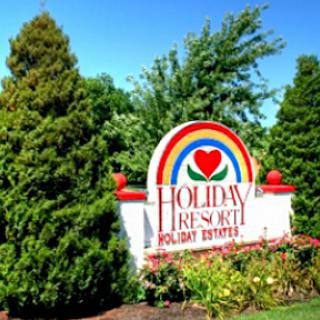



 Comprehensive Guide to Medicare Coverage for Hospice Care
 Caring for Those Who Care: Recognizing, Understanding, and Overcoming Caregiver Burnout
 Caregiver Exhaustion: Recognizing the Signs and Restoring Your Well-Being