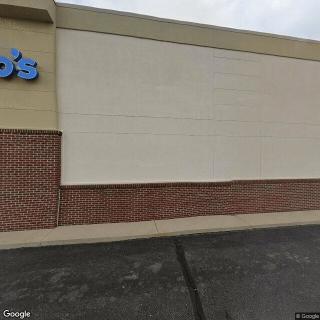
1620 Wheeler Street, Emporia, KS 66801
For more information about senior living options: (866) 208-4318
Overall Review of Flint Hills Care Center
Pros
 Flint Hills Care Center is an amazing place with friendly, considerate staff for all residents.
- The facility has a warm, family-like atmosphere.
- The staff treat residents and their families with love and respect.
- The administrator goes out of her way to create a comfortable space for residents.
- The nurses and aides are compassionate, professional, and supportive.
- The facility is clean and maintains a safe, secure environment.
- Nutritious and tasty meals are provided, with staff attentive to dietary requests.
- A variety of activities are offered to keep residents engaged and well cared for.
- Families describe the care as loving and well-coordinated by a caring team.
Cons
 The mother hated the facility and the care she received was horrible.
- The facility is terrible, and all the staff are neglectful.
- CPR was performed on a patient with a DNR, which was deemed inappropriate.
- The bad outweighs the good, and little was done toward the mother’s end of life.
- The social worker is manipulative and not suitable for her current line of work.
- Loved ones are told to believe they are not being cared for.
- The staff forget that this is a home for residents and treat it like just a job.
- The rooms are not spacious and the price is not reasonable.
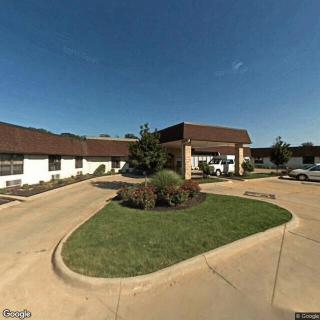
- The facility isn’t the prettiest or fanciest.
Review
Flint Hills Care Center in Emporia, Kansas is best suited for seniors who want a small, home-like environment where caregivers form real, ongoing relationships with residents and families. It works well for those who value daily life organized around warmth, accessible activities, and meals that feel nourishing rather than institutional. This setting shines when medical needs are relatively stable and the priority is consistent, personalized attention from a staff that treats residents like neighbors. Those who require intensive, high-acuity medical oversight or frequent, highly controlled end-of-life decisions should consider alternatives. The facility’s strongest suit is the human connection: resident-to-staff bonds, a family-like atmosphere, and a culture that many families describe as genuinely caring.
Among the clearest advantages are a compassionate, responsive staff and a clear emphasis on creating a supportive home environment. Multiple families report staff who are friendly, comforting, and deeply invested in residents’ well-being. The administrator and leadership are cited as going the extra mile to tailor spaces and care to individual needs, with stories of staff staying late or modifying routines to accommodate preference. Cleanliness and a welcoming, “homey” feel recur across testimonials, and meals are described as nutritious and tasty enough to meet daily expectations for a nursing-home setting. A broad array of activities and opportunities to socialize further strengthens the sense of normalcy and belonging, values that matter greatly to families seeking steady, relational care rather than sterile efficiency.
But the positive picture is tempered by notable caveats. A minority of reviews raise severe concerns about neglect or misaligned care plans, including a claim that a CPR decision was carried out despite a DNR directive. Other accounts paint a different picture yet still flag issues with the social work process and initial care at admission. In several instances, families describe a sense that care can drift into being viewed as a job rather than a vocation, and there are mentions of staff turnover or perceived gaps in consistency. Non-clinical drawbacks also surface in a few reflections: rooms are not particularly spacious, and some readers question whether the price aligns with the value delivered. Taken together, the cons are not the majority experience, but they are real enough to warrant serious diligence.
The way the facility’s strengths interact with these concerns matters for decision-making. When the core experience revolves around compassionate, relationship-forward care, the pros often overwhelm the negatives for many residents and families. The environment’s “homey” and intimate feel reduces loneliness and fosters trust, which can translate into better day-to-day cooperation, calmer mornings, and more open communication about needs. Stories of administrators personally attending to residents’ comfort and staff who sit with residents to talk through difficult days add credibility to the claim that care can be deeply personalized. For families prioritizing connection, continuity, and a cooperative, family-like culture, Flint Hills Care Center can deliver a level of warmth that outpaces many larger facilities.
For families evaluating options, several practical steps illuminate whether this community will meet expectations. Schedule multiple visits at different times to observe staff responsiveness, watch for how residents are greeted, and notice whether staff know and use residents’ preferences. Request current residents’ and families’ access to the care planning process, and ask how the facility handles end-of-life decisions and DNR directives in real cases. Inspect the dining experience and resident activities calendar, and ask to speak with caregivers about typical days. Inquire specifically about reassignment risk, staff stability, and any recent changes in administration or caregiving protocols. Finally, verify how billing aligns with services and what adjustments are possible if medical or daily living needs change.
In the end, Flint Hills Care Center offers a compelling option for families who prize a warm, relational, and home-like setting with consistently praised staff and clean, nutritious care. It stands out when personal attention and a supportive, family-oriented culture are the deciding factors, and when residents do not require constant high-intensity medical intervention. However, the occasional red flag raised by a small subset of families, concerns about care consistency, medical decision-making, and value for price, means due diligence cannot be skipped. For those who can tolerate or explicitly mitigate those risks through thorough inquiry, strong staff relationships, a welcoming environment, and a proven track record of resident satisfaction make Flint Hills Care Center a credible, even strong, choice. For others, especially those with elevated medical needs or a preference for very clear, standardized protocols, exploring larger or more medically oriented options may yield greater peace of mind.
 41 resident community capacity
 Skilled Nursing Facility
 Beauty salon
 Cable or satellite TV
 Dining room
 Fully furnished
 Garden
 Housekeeping services
 Kitchenette
 Move-in coordination
 Outdoor space
 Restaurant-style dining
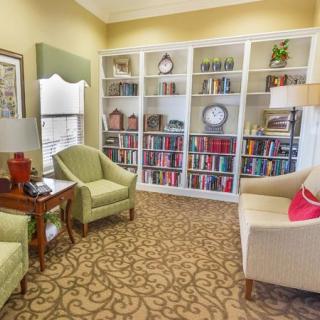
 Small library
 Telephone
 Wi-Fi/high-speed internet available
 24-hour call system
 Activities of daily living assistance
 Assistance with bathing
 Assistance with dressing
 Assistance with transfers
 Diabetes diet
 Medication management
 Mental wellness program
 Special dietary restrictions


 Recognizing the Journey: Understanding and Navigating Anticipatory Grief
 Encouraging Participation in Adult Day Care: A Guide to Supporting a Hesitant Parent
 Comprehensive Exploration of Living Wills and Other Advance Directives