Glen Oaks Alzheimers Special Care Center Costs & Pricing
Glen Oaks Alzheimer's Special Care Center stands out in terms of its monthly costs when compared to both Polk County and the broader state averages in Iowa. The center offers a Semi-Private room at $5,000, which is considerably higher than the county average of $3,924 and the state average of $3,885. For those seeking more privacy, a Studio room at Glen Oaks is priced at $6,000, again exceeding local and state averages - $3,533 in Polk County and $3,613 across Iowa. While these costs reflect a premium that may be associated with specialized care for Alzheimer's residents, they highlight the center's positioning as a dedicated facility catering specifically to the needs of individuals facing cognitive challenges.
Floor plans
Glen Oaks Alzheimers Special Care Center
Polk County
Iowa
Semi-Private
$5,000
$3,924
$3,885
Studio
$6,000
$3,533
$3,609
Overall Review of Glen Oaks Alzheimers Special Care Center
common
Staff care comes up often
Residents and families describe caregivers who are attentive and compassionate.
Across the reviews, families repeatedly say the staff takes their loved one’s needs seriously and treats residents with kindness. Several people specifically mention staff being knowledgeable about dementia and patient in day-to-day interactions, including nursing care and help with personal care tasks. A few reviews also criticize management and professionalism, but even those comments generally still acknowledge there are good individual caregivers on the team.
differentiator
Alzheimer’s-focused care stands out
The reviews emphasize Alzheimer’s specialty programming and dementia-experienced support.
Many reviewers highlight that the community is geared toward Alzheimer’s and related dementia, describing staff that understands what residents are going through. Reviews also point to structured approaches to keep residents engaged, including daily activity programming and social time that supports different ability levels. Some residents’ stories describe care that works through advanced stages of dementia, with help that matches changing routines and needs.
common
Cleanliness is a consistent theme
Multiple reviews describe the building as clean and well kept.
Several reviews mention the facility being clean, immaculate, and pleasant-smelling, often as part of first impressions and ongoing visits. Families and visitors describe a calm, cared-for environment, and at least a few mention specific observations like rooms being maintained and overall upkeep. A small number of reviews report negative experiences that include hygiene and communication concerns, but cleanliness is still frequently noted in positive terms.
common
Food is a mix of praise and critique
Dining shows up often, with residents sometimes pleased and others less impressed.
Many reviewers comment on meals and food options, including mentions of food being good, meals being available regularly, and dining supporting residents throughout the day. Others say the meals are average or not a standout, and one reviewer contrasts dining quality with a preference to put more resources into care. Overall, reviews suggest dining is part of the daily experience, but satisfaction varies.
caveat
Cost concerns are recurring
Several reviews call out the price as a downside.
A recurring caution in the reviews is that the community is expensive compared with expectations. Some reviewers still feel the level of care justifies it, but at least a couple of comments frame cost as the main drawback despite other positives like staff and activities. One review contrasts the expense with the overall experience, and others describe having less money than they wanted to spend before choosing this type of memory care.
caveat
Pet policy changes upset some families
Some reviews express disappointment after pets were no longer allowed.
A negative review says the facility’s pet-friendly messaging did not match what happened after a change, specifically describing cats being removed. Another review echoes concern that pets were no longer allowed, framing it as a loss of companionship for residents. Other reviews mention animals living on-site, so expectations may differ depending on timing and the specific animal type.
How we summarize
We summarize when many written reviews mention each theme; a review can touch several themes, and only frequently mentioned themes are displayed.
Features
Housing
21 resident community capacity
Studio apartments
Types of Care
Assisted Living
Memory Care
Pets
Cats allowed
Dogs allowed
Amenities
Activities off-site
Activities on-site
Air-conditioning
Bath tubs
Beautician on-site
Beauty salon
Cable or satellite TV
Devotional services off-site
Devotional services on-site
Dining room
Financing advice
Fully furnished
Garden
Ground floor units
Guasts at mealtime
Guest parking
Handicap accessible
Hiking trails
Housekeeping services
Indoor common areas
Kitchenette
Laundry
Move-in coordination
Outdoor common areas
Outdoor space
Party space
Private bathrooms
Respite or short term stays offered
Security gate
Spa
TV room
Telephone
Wheelchair accessible showers
Wi-Fi/high-speed internet available
Transportation
Des Moines International (7 miles away)
Transportation & parking
Care Services
24-hour call system
24-hour supervision
Activities of daily living assistance
Assistance with bathing
Assistance with dressing
Assistance with transfers
Coordination with health care providers
Dementia waiver
Diabetes diet
Diabetic care
High acuity care
Hospice waiver
Incontinence care
Meal preparation and service
Medication management
Mental wellness program
Mild cognitive impairment
Special dietary restrictions
Specialized memory care programming
Transportation arrangement (medical)
Transportation to doctors appointments
Dining
Diabetes diet
Gluten-free
Guest meals
Low / no sodium
Meals provided
No Sugar
Professional chef
Restaurant style dining
Special dietary restrictions
Special dining programs
Vegan
Vegetarian
Activities
Activities off-site
Art classes
Arts and crafts
Bible study group
Book club
Catholic services
Community-sponsored activities
Cooking classes
Cooking club
Devotional activities offsite
Devotional activities on-site
Educational speakers / life long learning
Fitness programs
Games
Gardening club
Live musical performances
Other religious services
Protestant services
Religious services
Resident-run activities
Scheduled daily activities
Stories
Visiting chaplain or priest
Yoga / chair yoga
Nearby Places of Interest
This part of Urbandale, Iowa, offers a range of amenities that cater to the needs of seniors looking for a convenient and comfortable living environment. With several physicians, pharmacies, and hospitals in close proximity, residents have easy access to healthcare services. Additionally, there are cafes and restaurants nearby, providing options for dining out or grabbing a quick bite to eat. The presence of parks allows for leisurely walks or outdoor activities, while the nearby theater offers entertainment options. Places of worship offer opportunities for spiritual engagement within the community. Overall, this area provides a well-rounded environment with essential services and recreational opportunities for seniors looking to settle in Urbandale.
Physicians
Urbandale Family Physicians (0.1 miles)
Iowa Nebraska Primary Care (1 miles)
Woodard Hearing Centers (1.1 miles)
Christian Eye Clinic (1.2 miles)
Dermatology & Dermatologic Surgery Center (1.2 miles)
Mercy Family Medicine of Urbandale (1.5 miles)
Allergy Institute, PC (1.6 miles)
Cafes
Panera Bread (0.1 miles)
Starbucks (1.8 miles)
Starbucks (1.8 miles)
Starbucks (2 miles)
Restaurants
Teds Coney Island West (0.2 miles)
Viva Mexican Restaurant (1.5 miles)
Jethro’s BBQ n’ Bacon Bacon (1.8 miles)
Valley West Mall (1.8 miles)
McAlister's Deli (1.8 miles)
Culver's (1.9 miles)
Hotels near Iowa Machine Shed Restaurant (2 miles)
Glen Oaks Alzheimer's Special Care Center stands out in terms of its monthly costs when compared to both Polk County and the broader state averages in Iowa. The center offers a Semi-Private room at $5,000, which is considerably higher than the county average of $3,924 and the state average of $3,885. For those seeking more privacy, a Studio room at Glen Oaks is priced at $6,000, again exceeding local and state averages - $3,533 in Polk County and $3,613 across Iowa. While these costs reflect a premium that may be associated with specialized care for Alzheimer's residents, they highlight the center's positioning as a dedicated facility catering specifically to the needs of individuals facing cognitive challenges.
The features of Glen Oaks Alzheimer's Special Care Center are meticulously designed to support residents in their daily lives, addressing both their physical and emotional needs. With 24-hour supervision, residents receive continuous care that enhances their safety and security, while assistance with activities of daily living, such as bathing and dressing, promotes independence and dignity. The coordination with healthcare providers ensures that medical needs are promptly addressed, and personalized medication management helps to maintain overall health stability. Specialized memory care programming and a mental wellness program cater specifically to cognitive challenges, fostering engagement and promoting mental stimulation. Furthermore, incontinence care provides essential comfort, while meal preparation tailored to dietary requirements nourishes both body and mind. Transportation arrangements for medical appointments underscore the commitment to holistic care by ensuring access to necessary health services. Each feature reflects a comprehensive approach aimed at enhancing the quality of life for individuals with dementia or Alzheimer's disease.
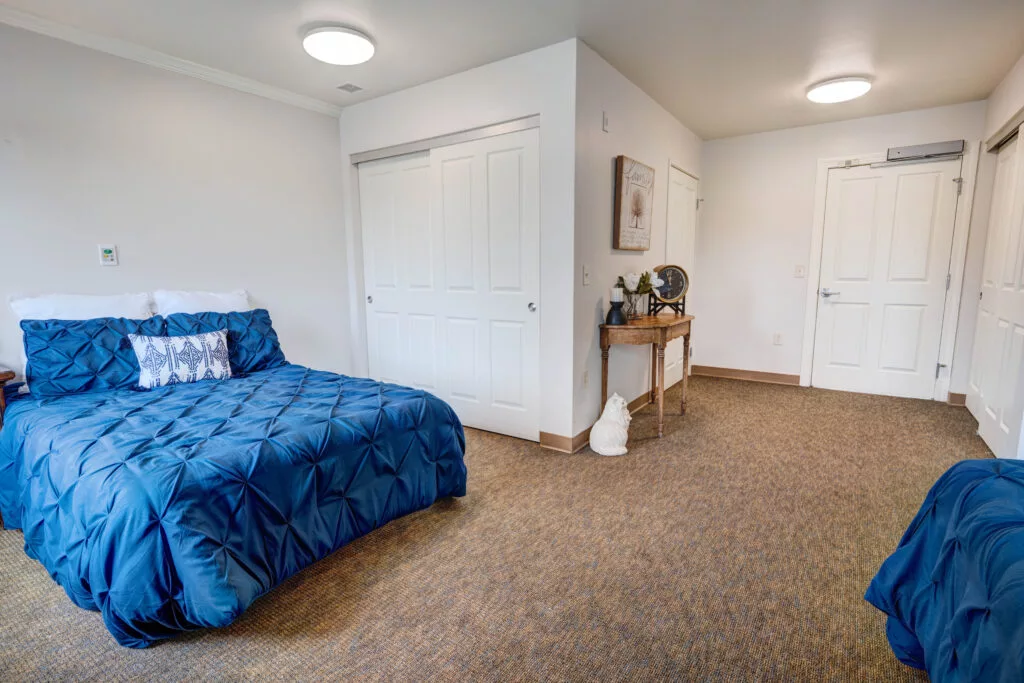
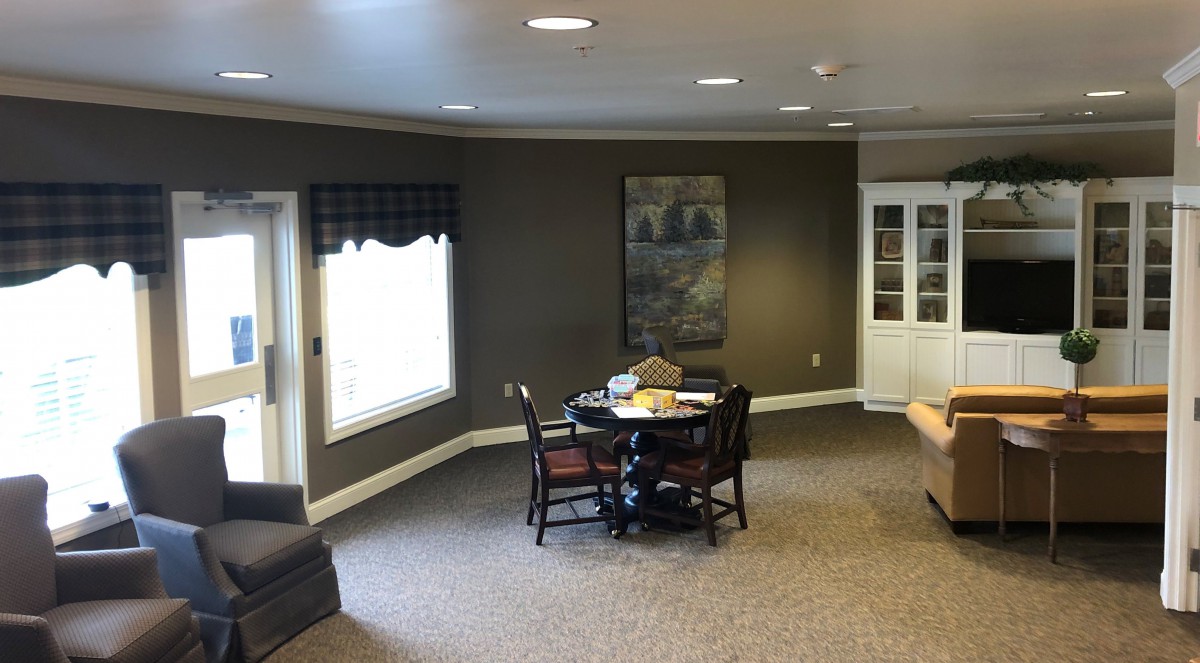
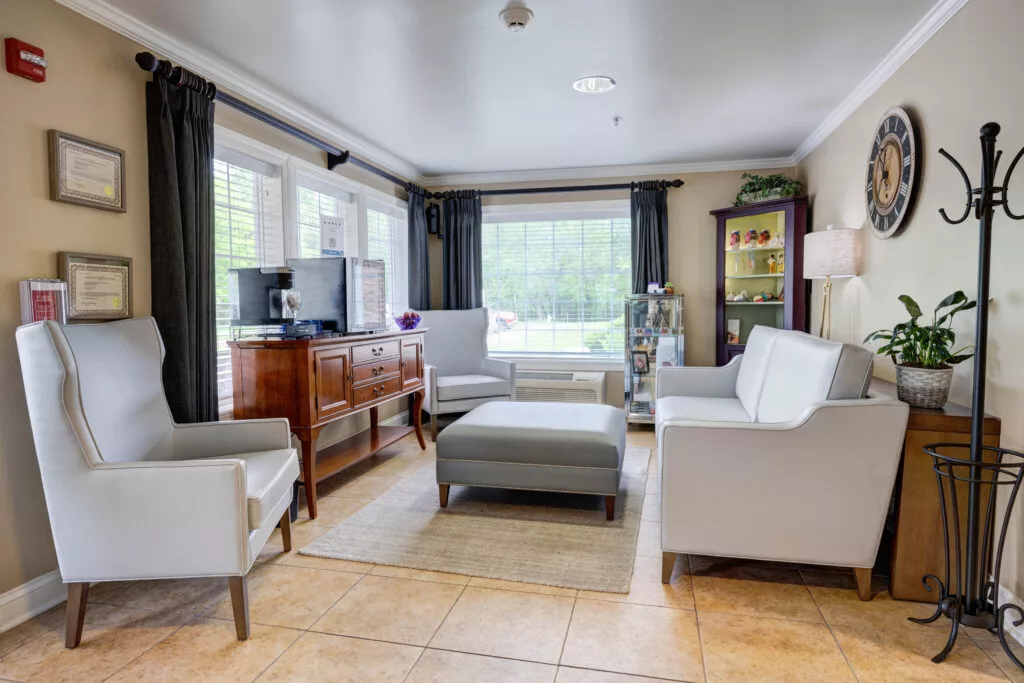
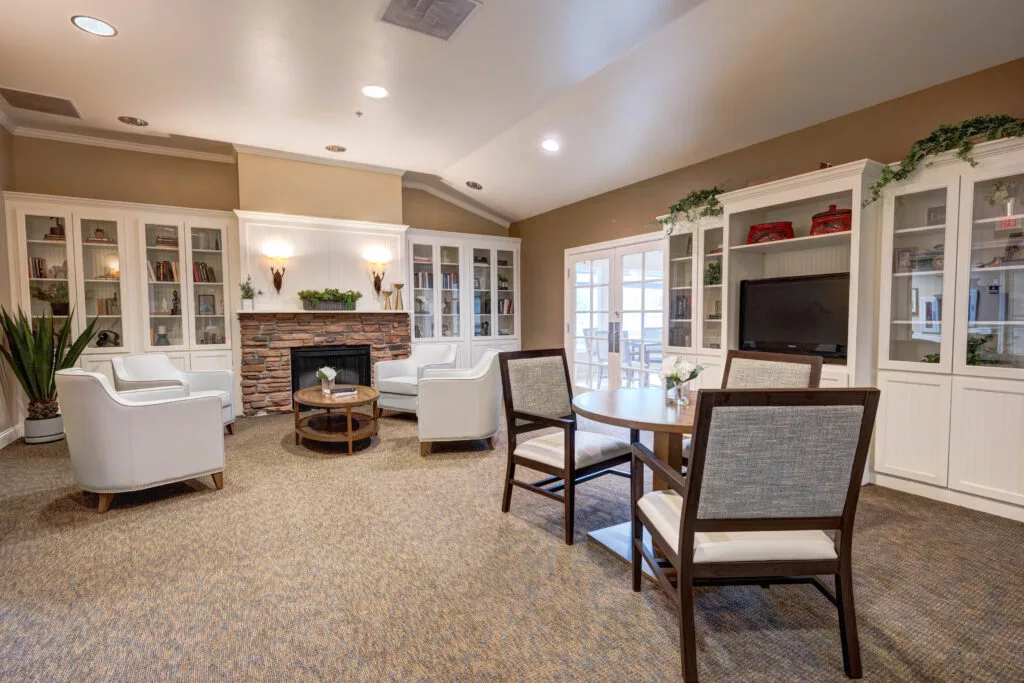
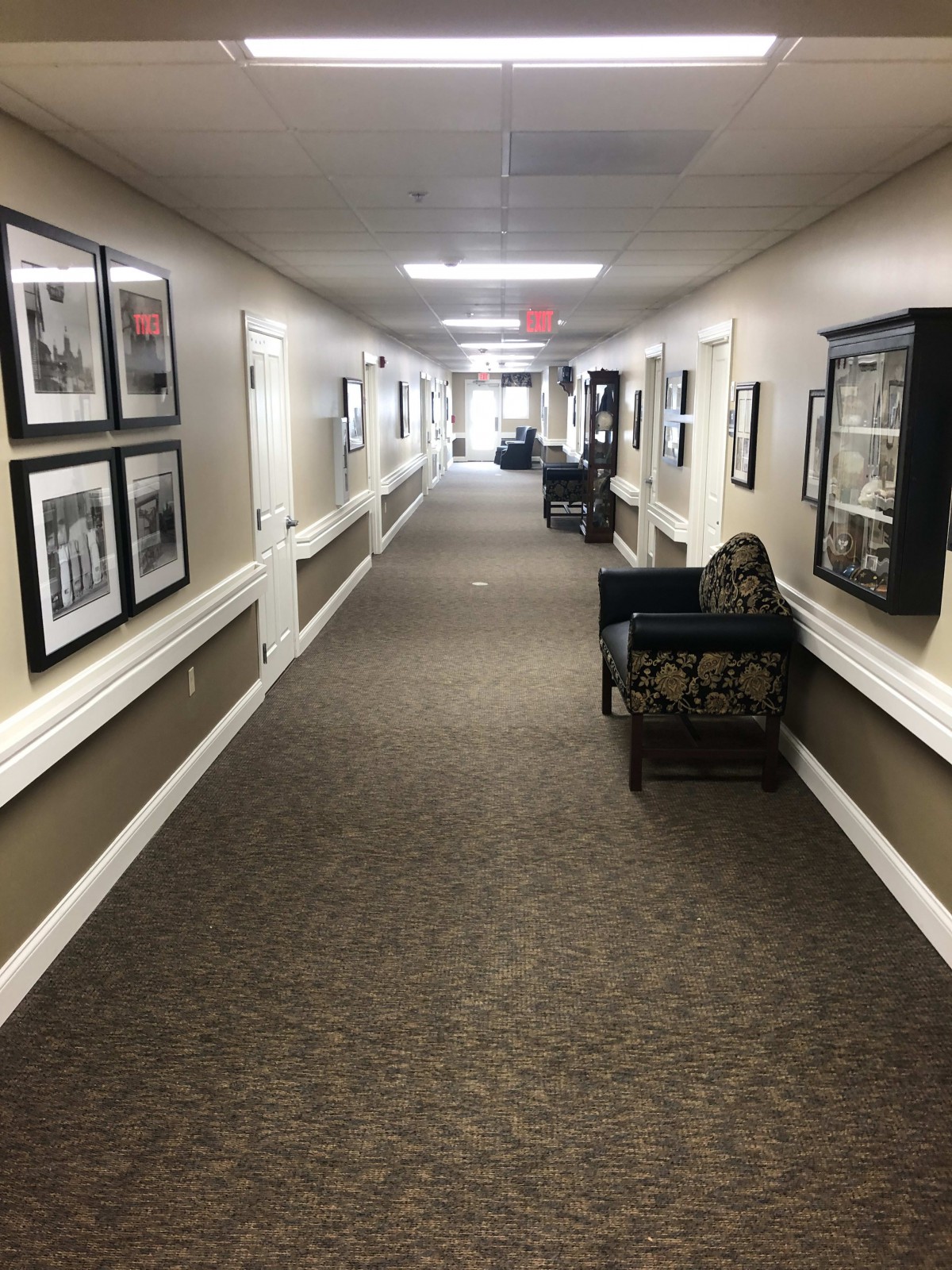
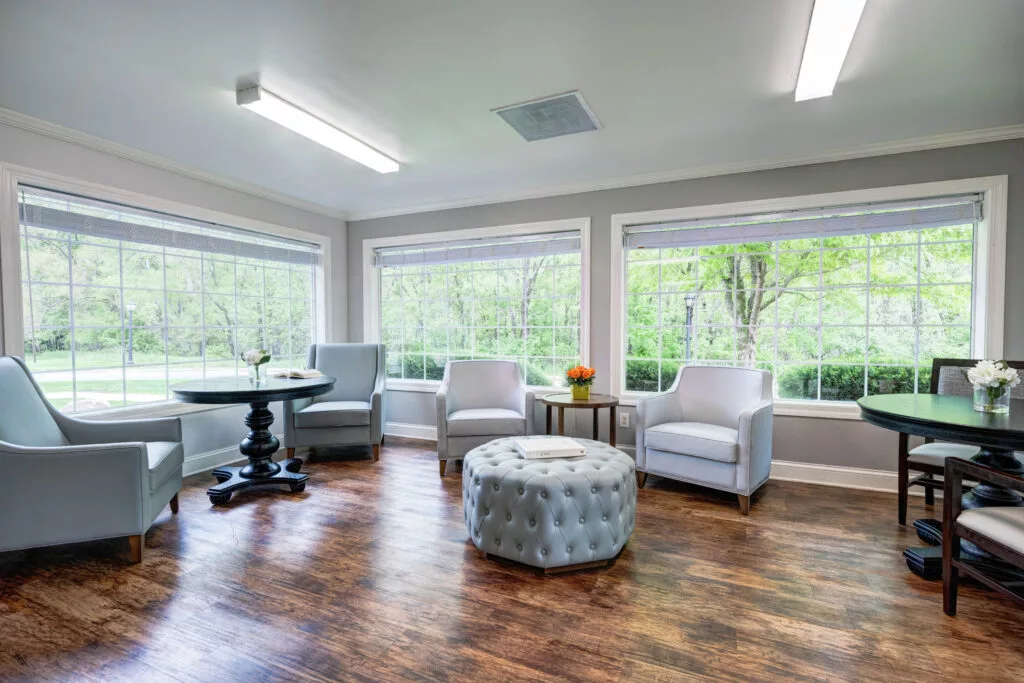
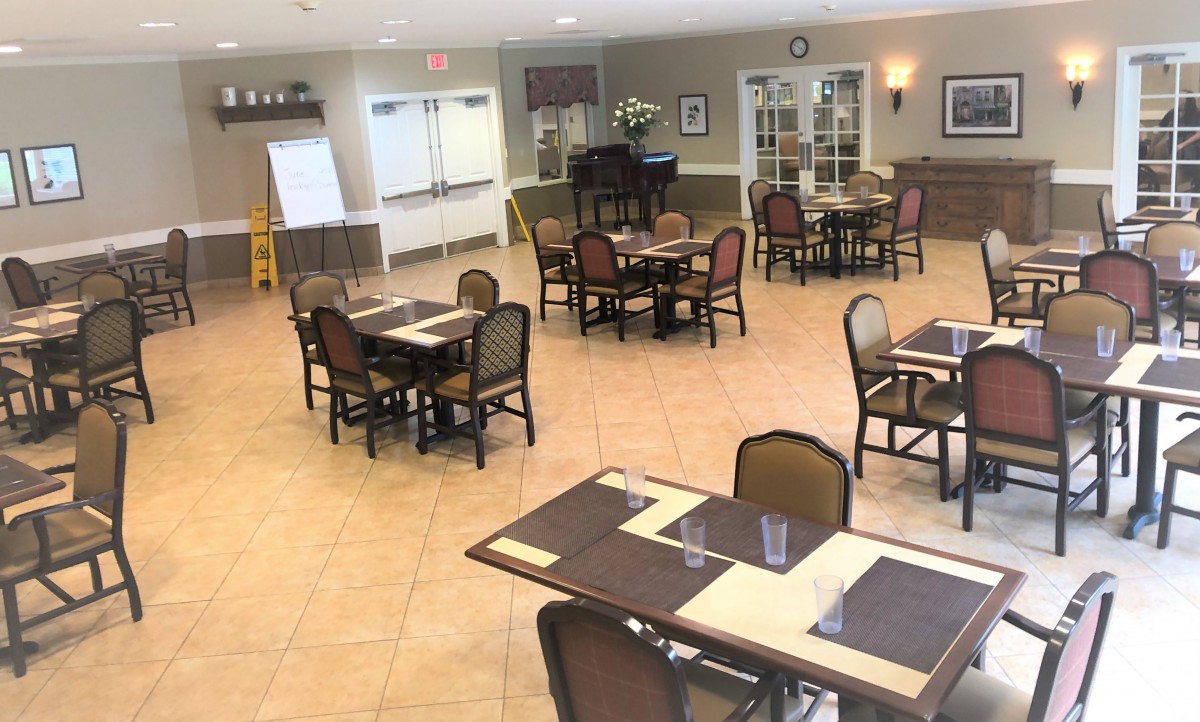
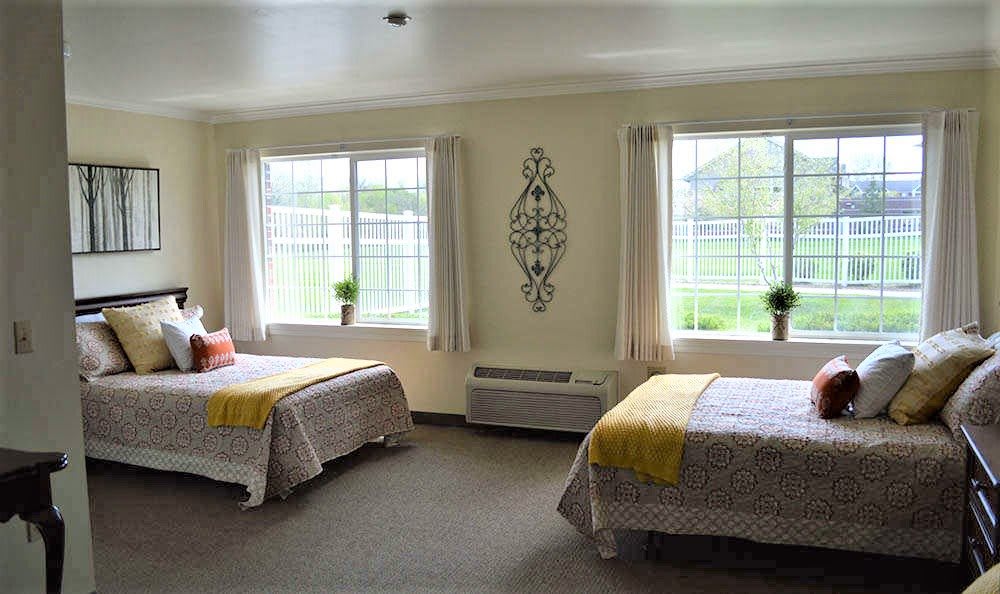
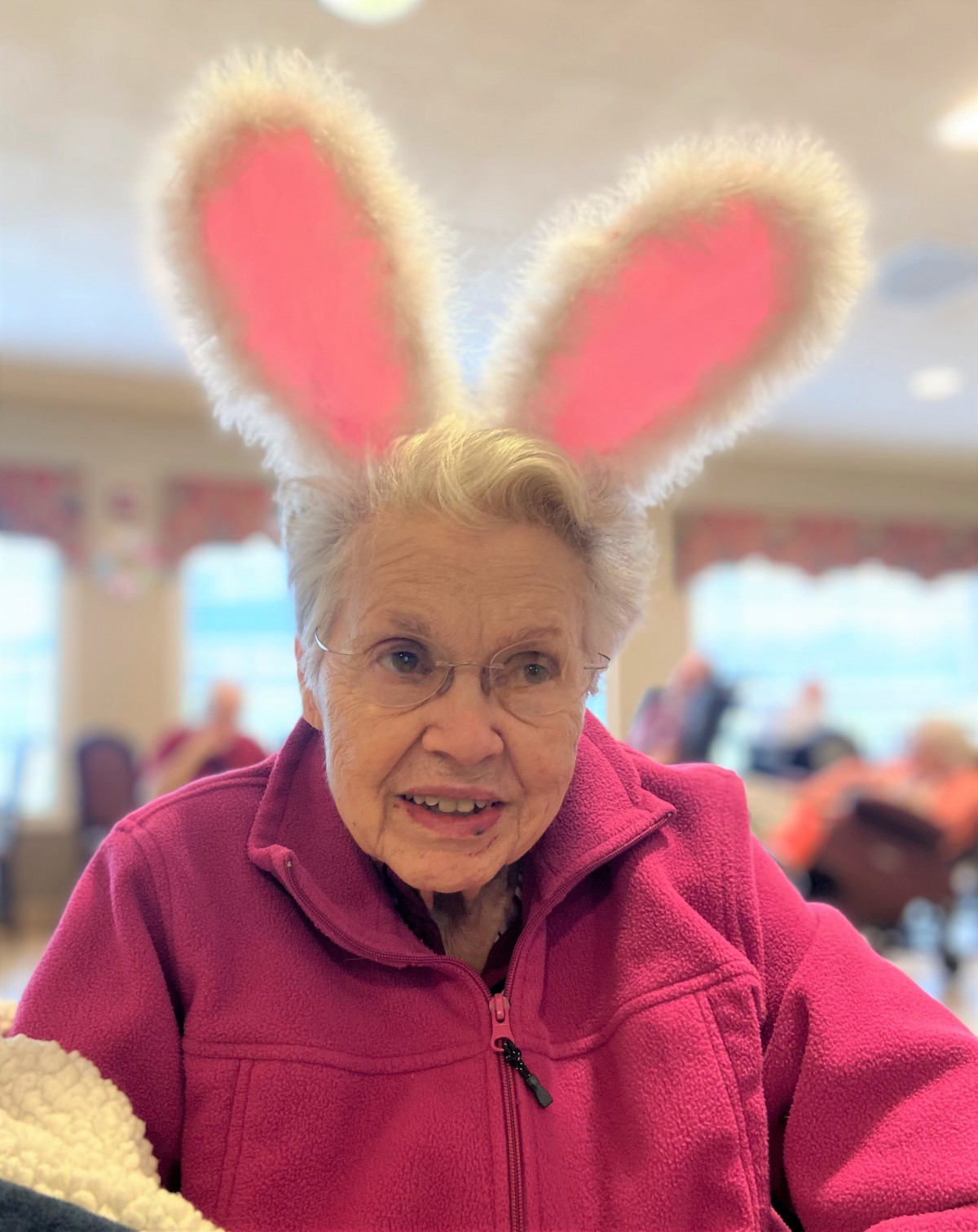
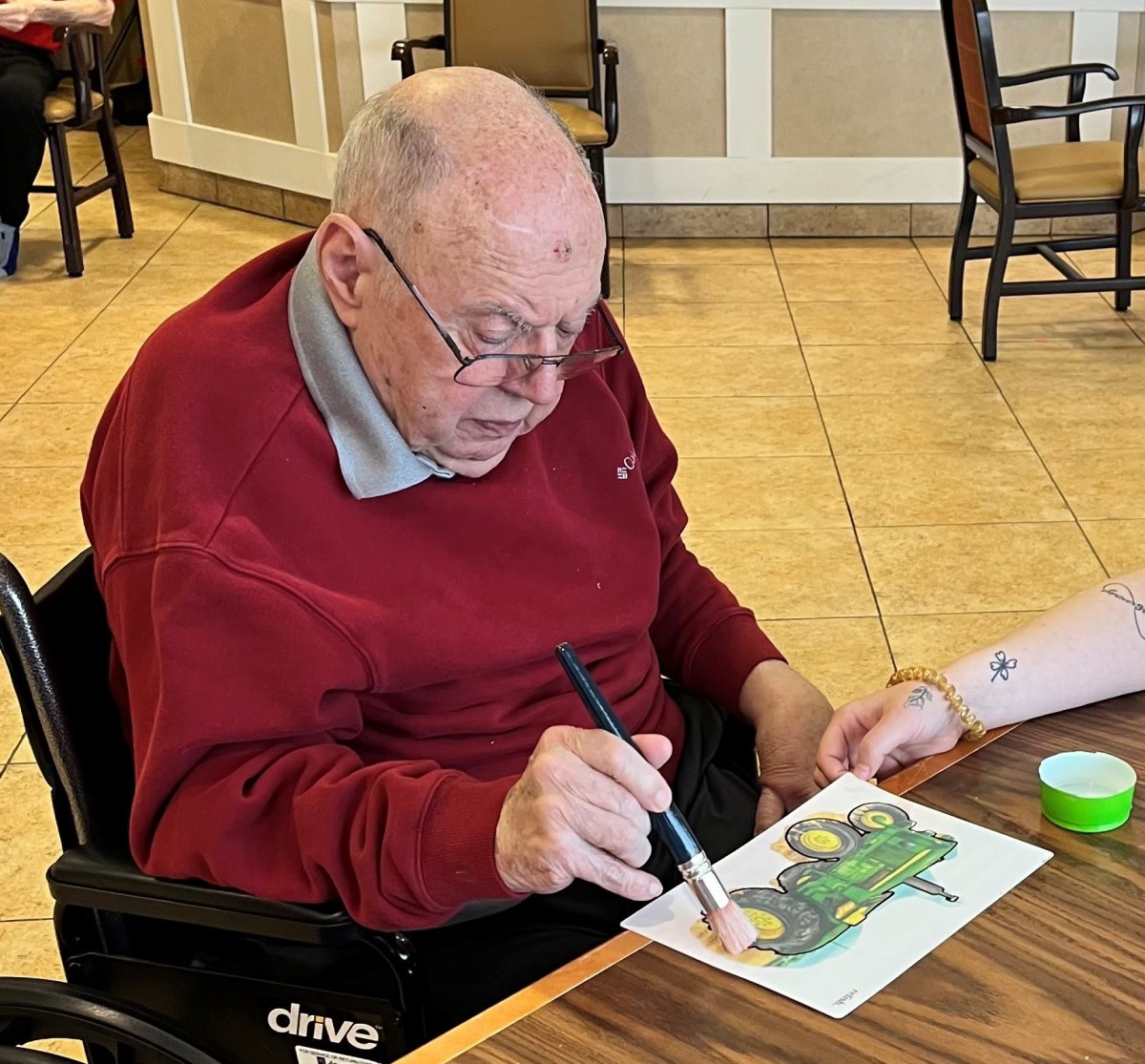
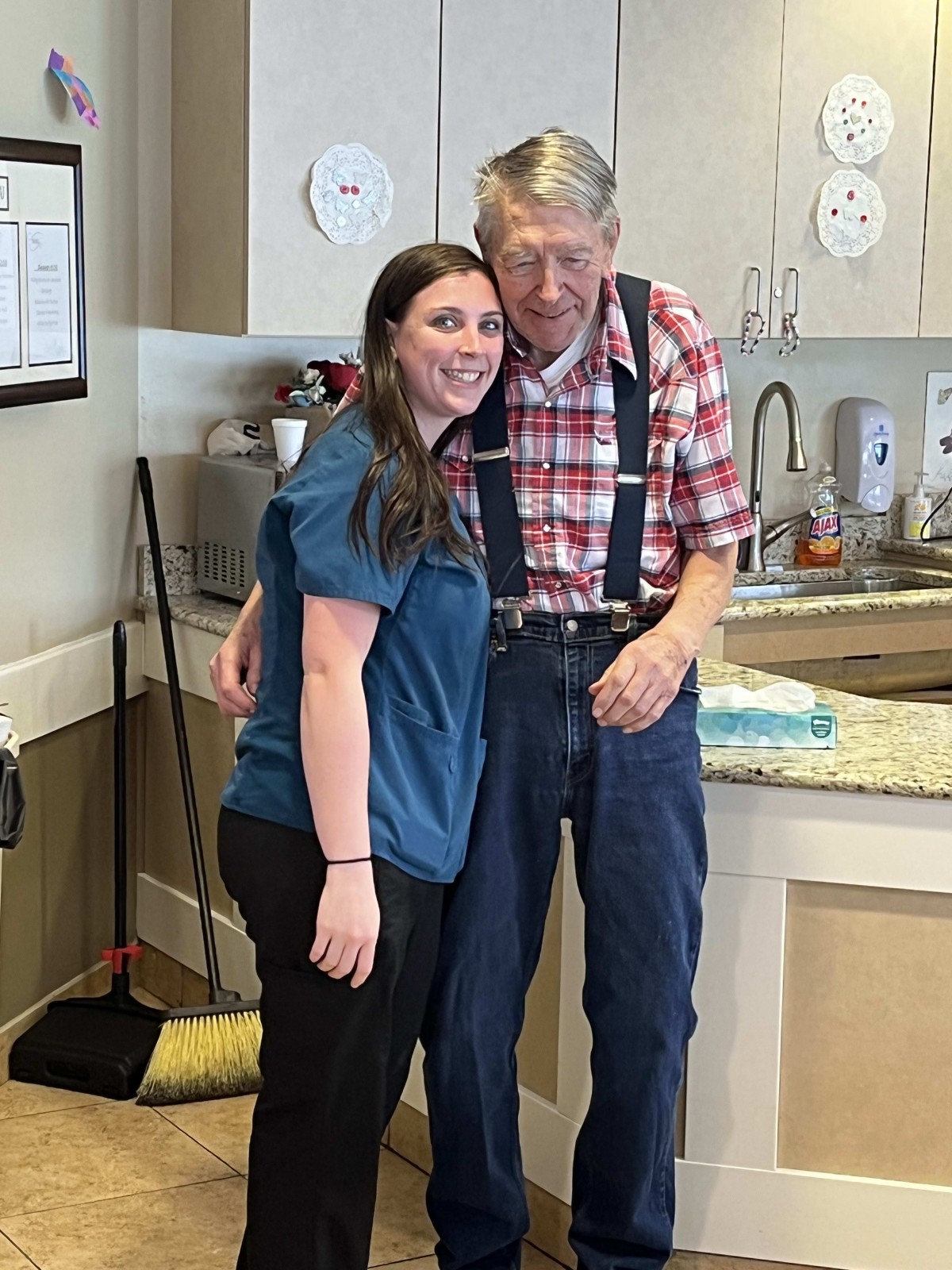
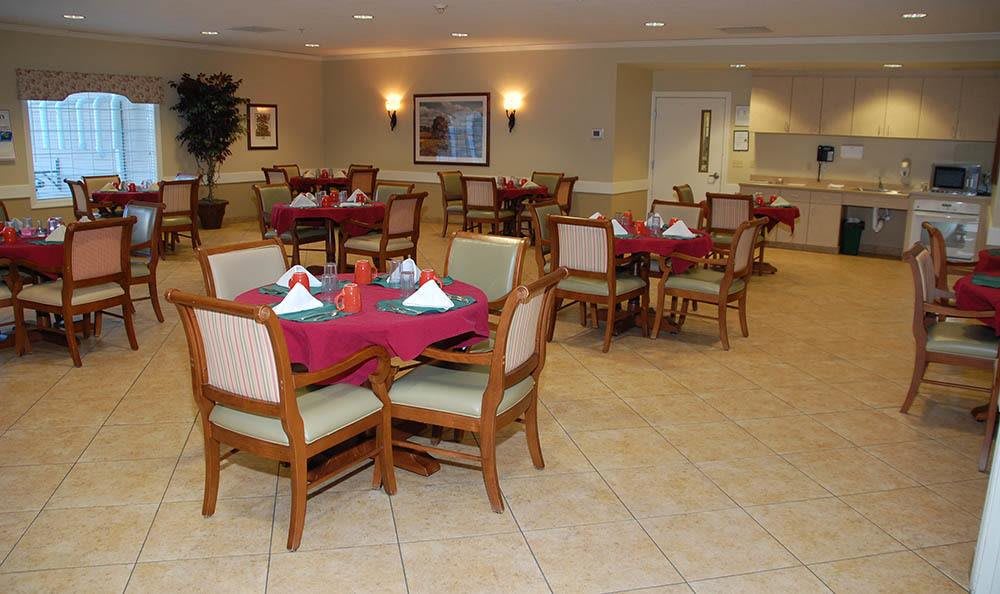
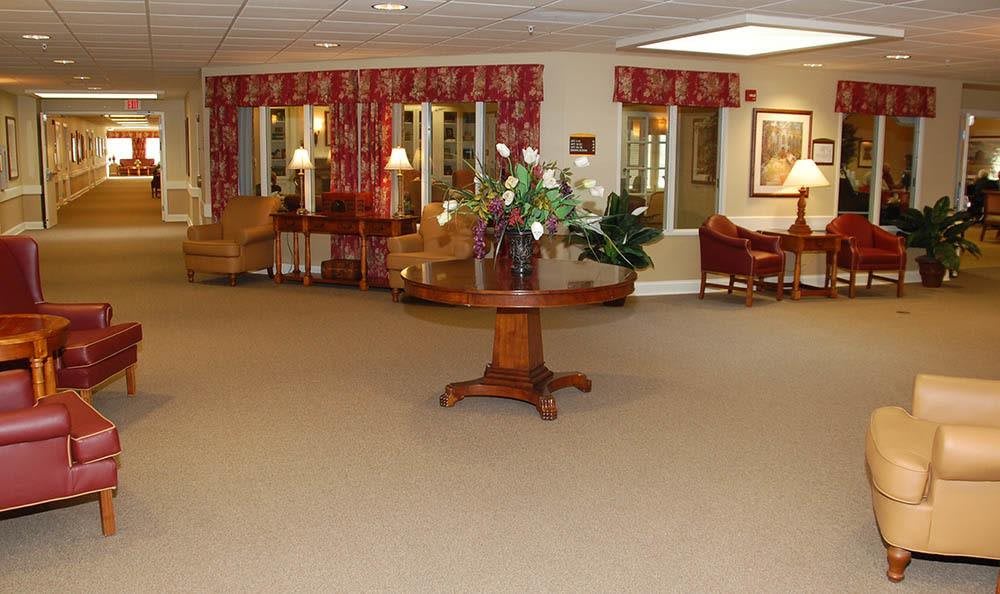
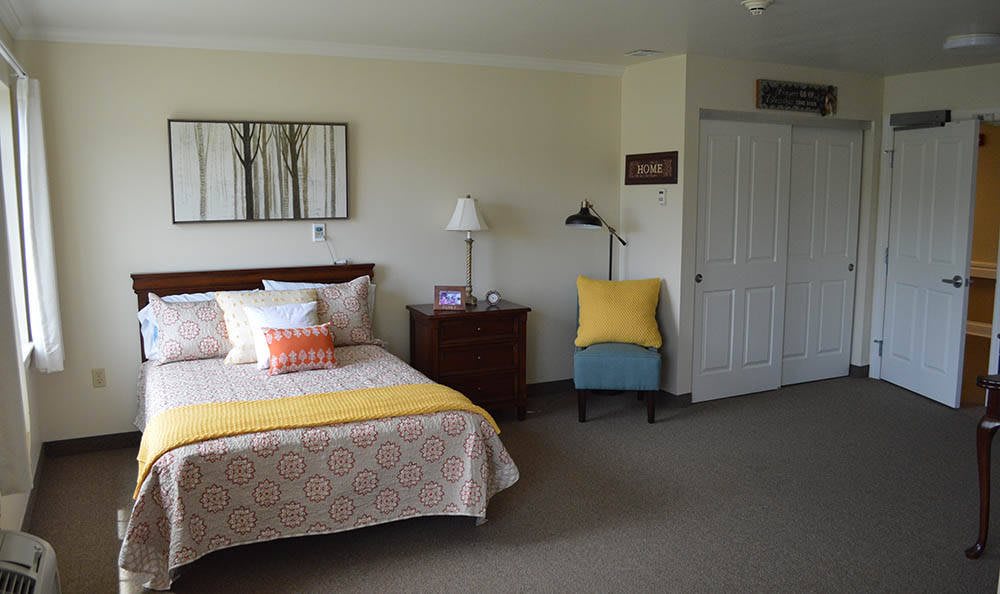
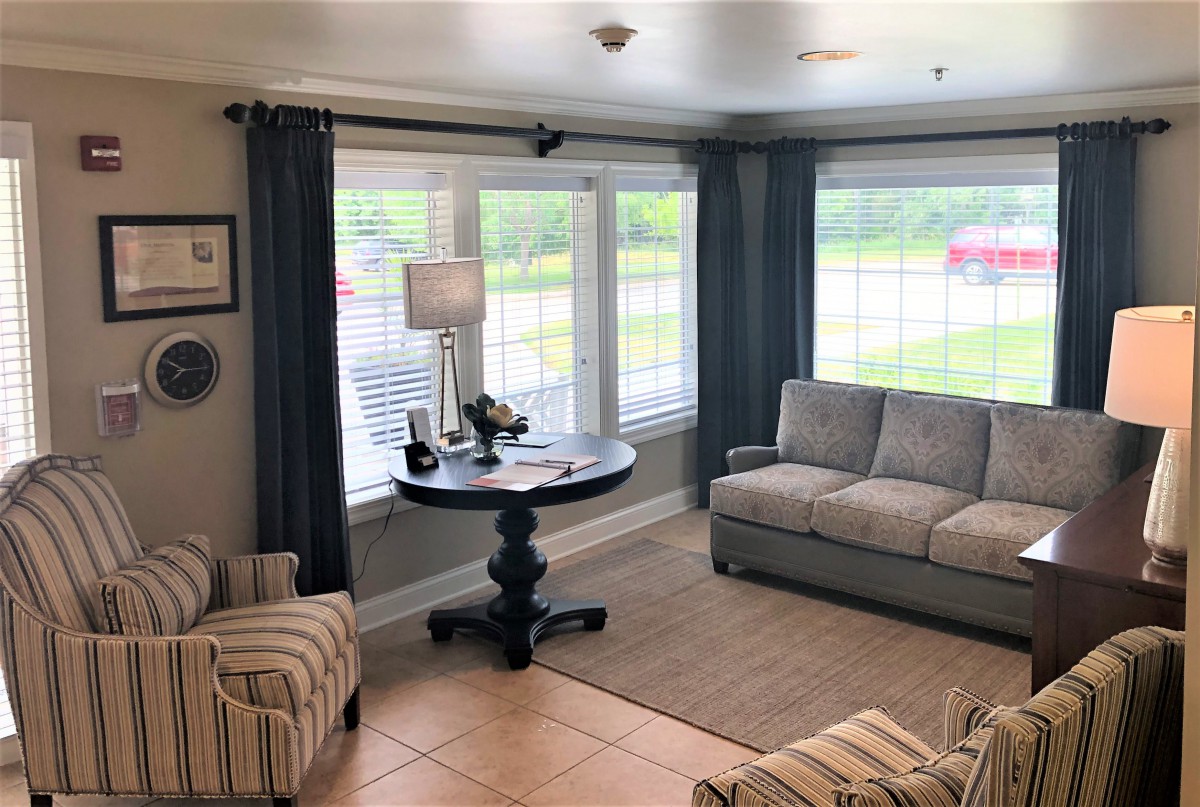
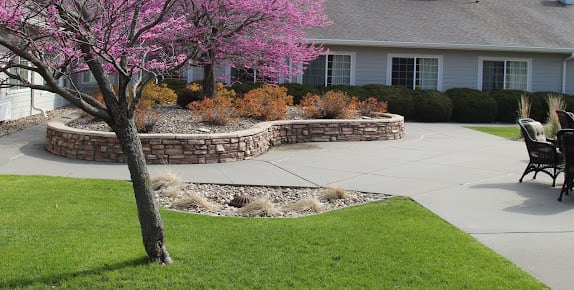
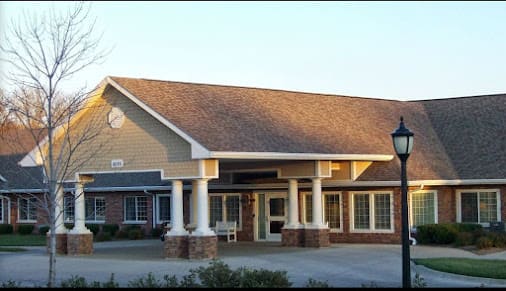
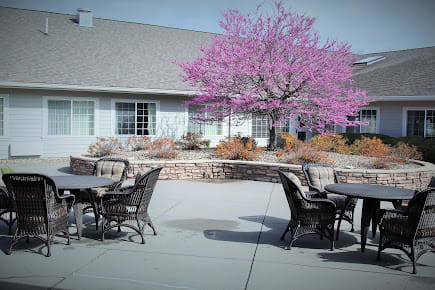
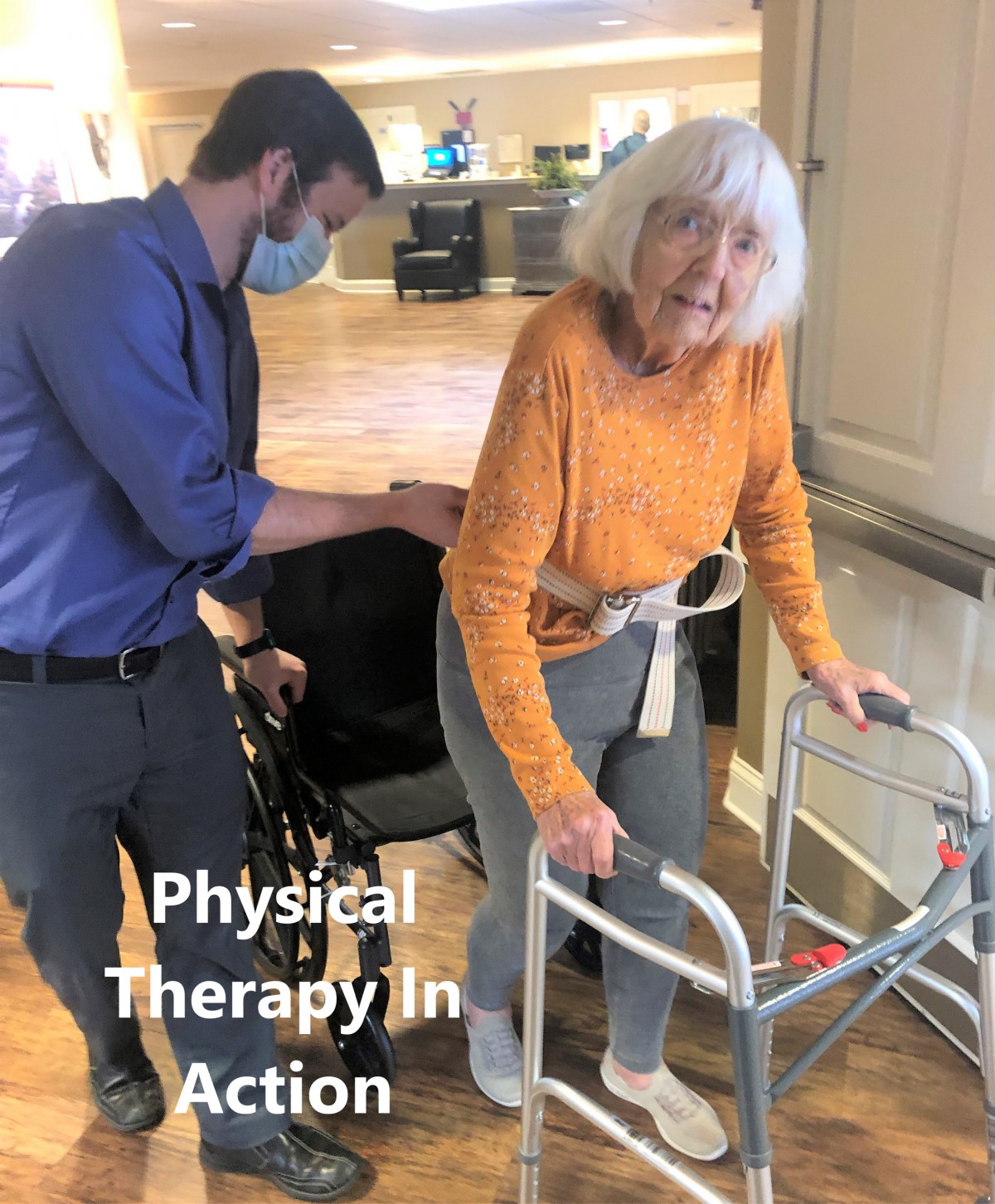
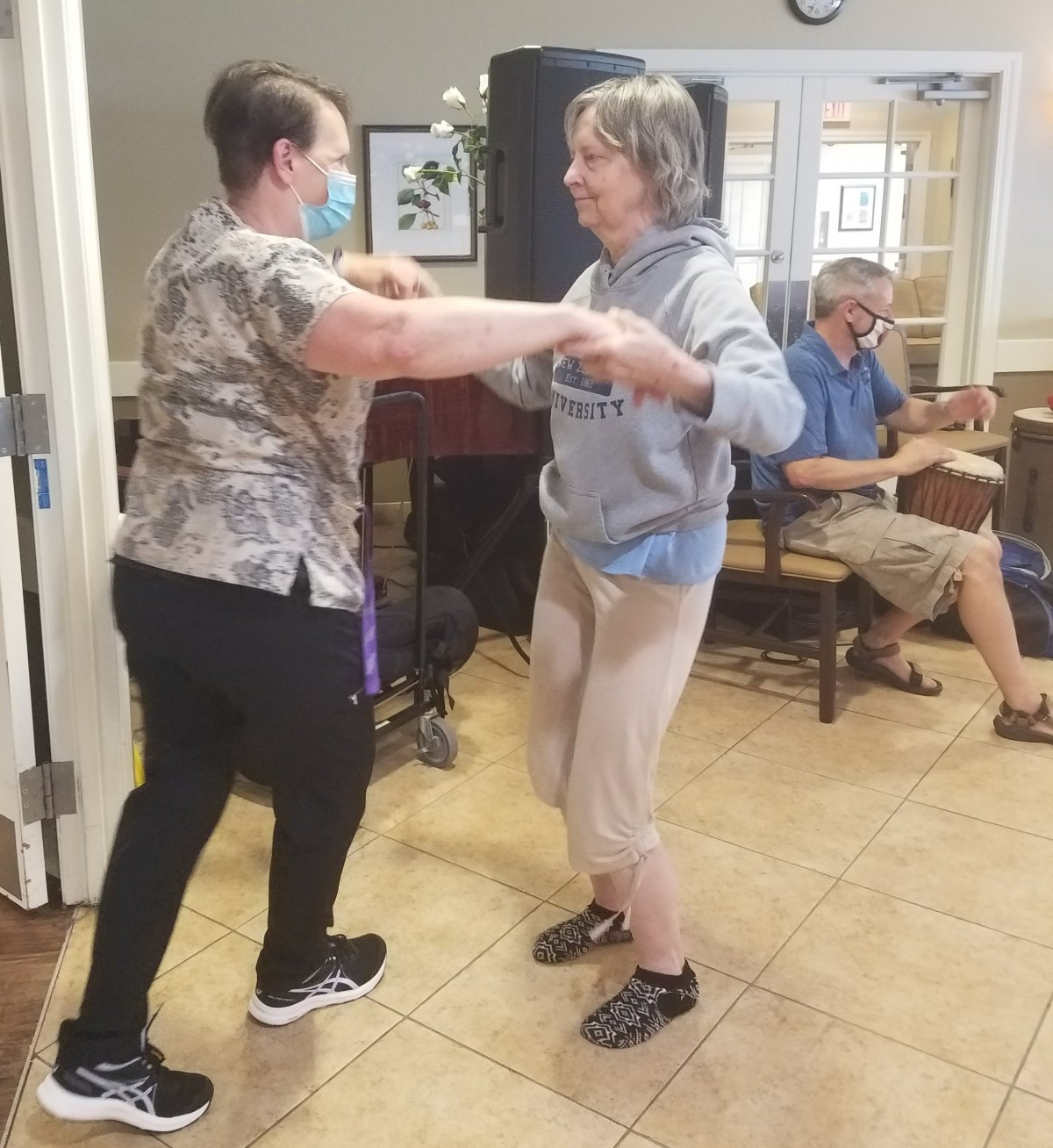
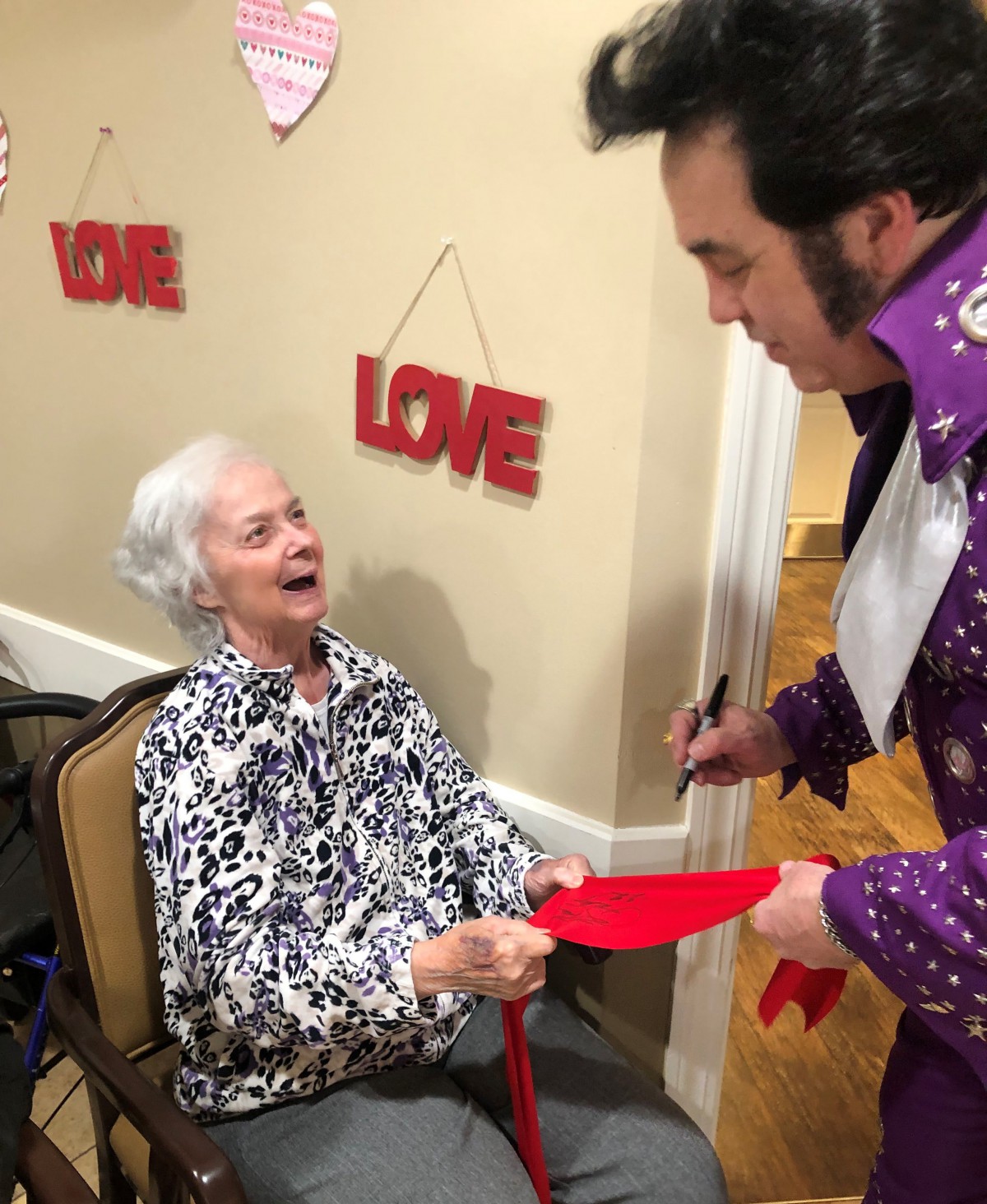
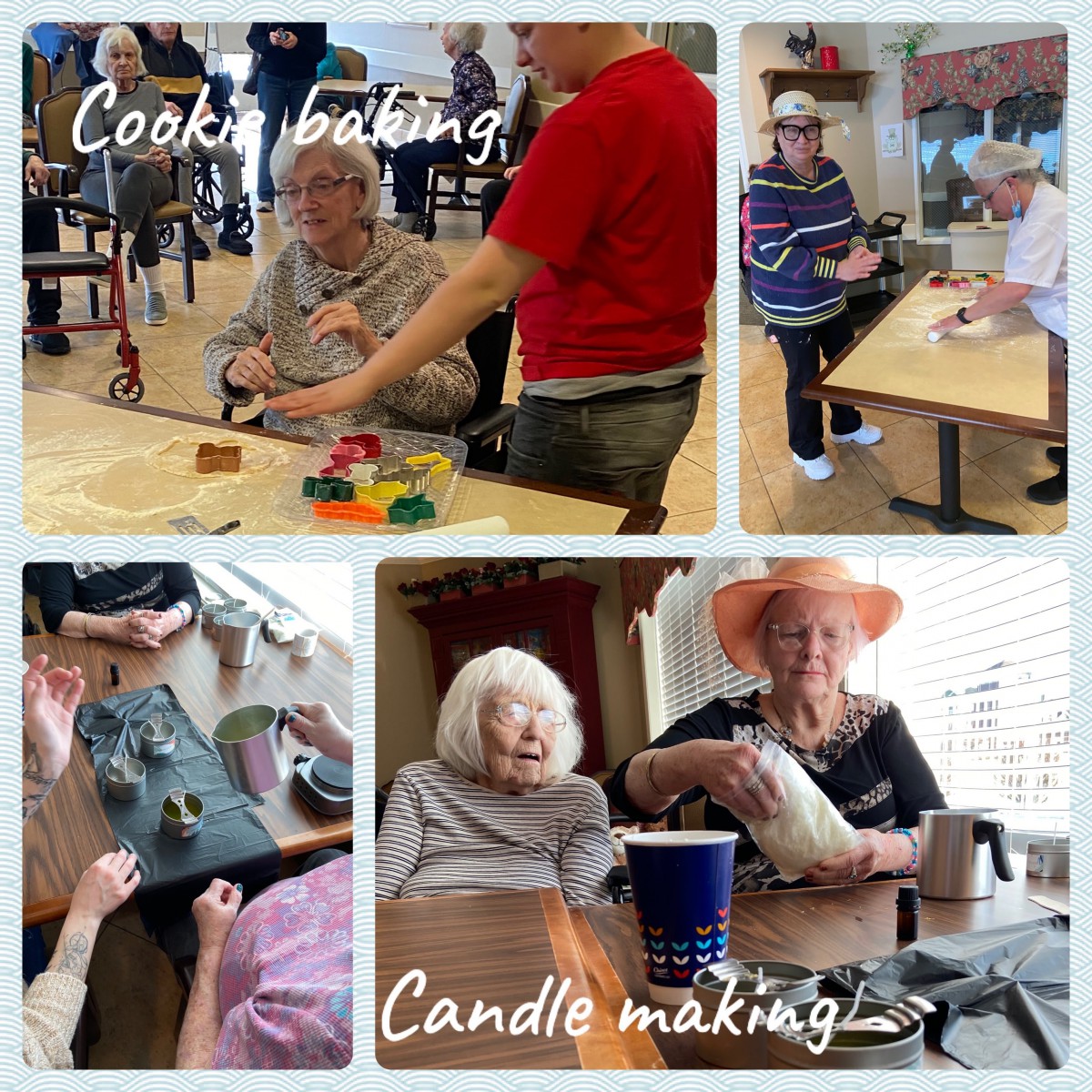
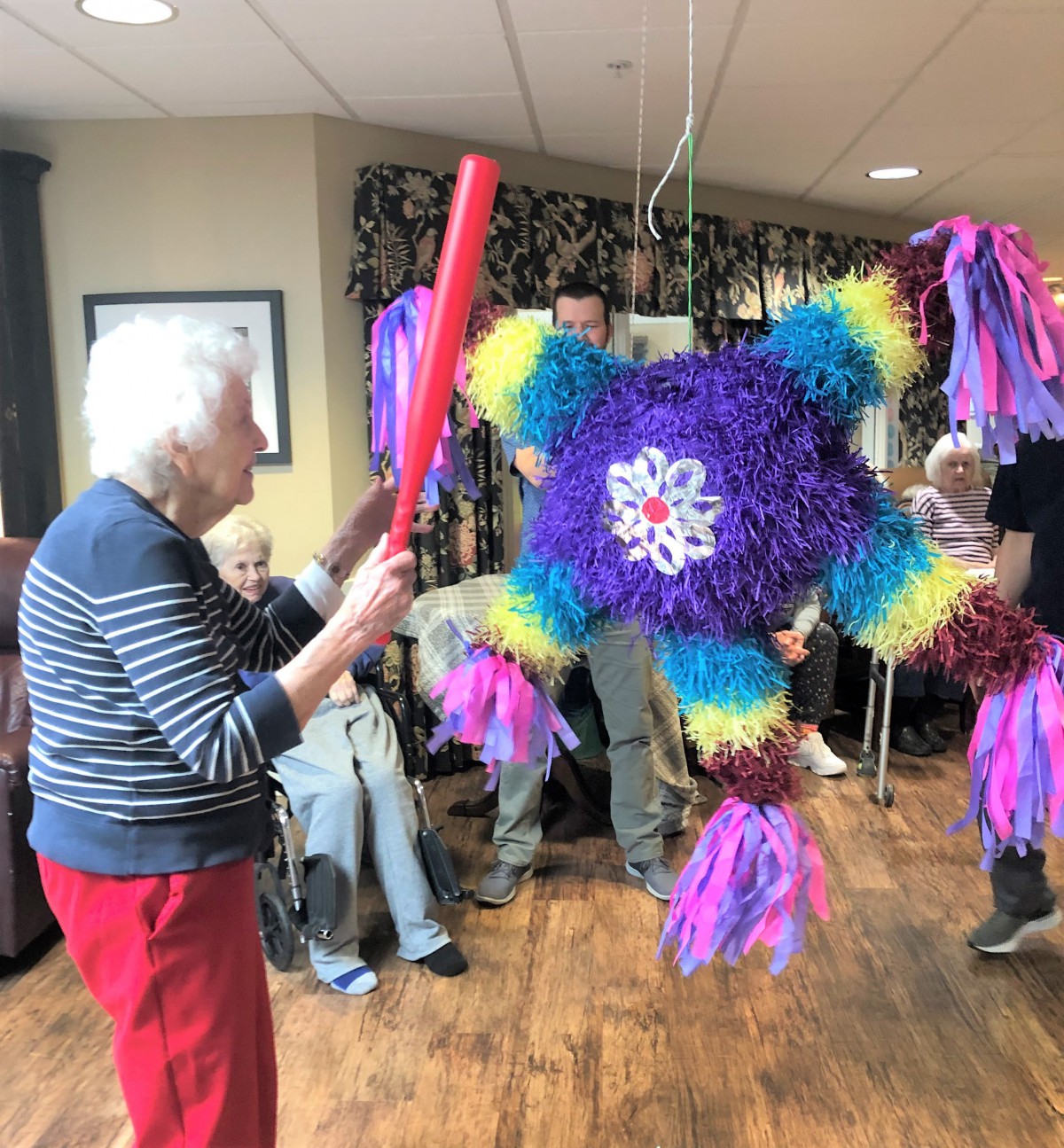
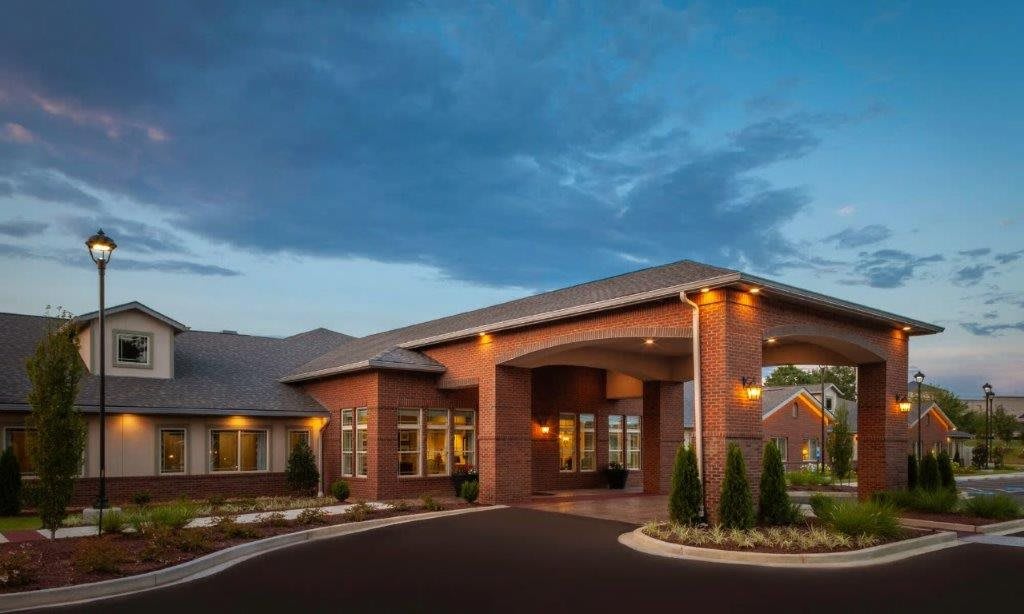
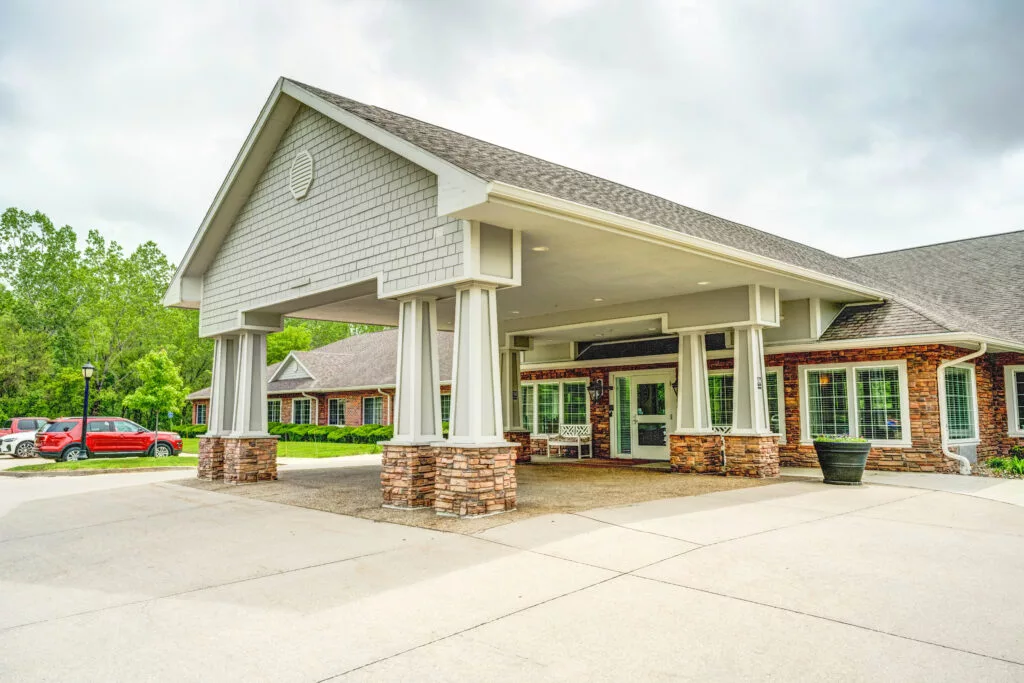
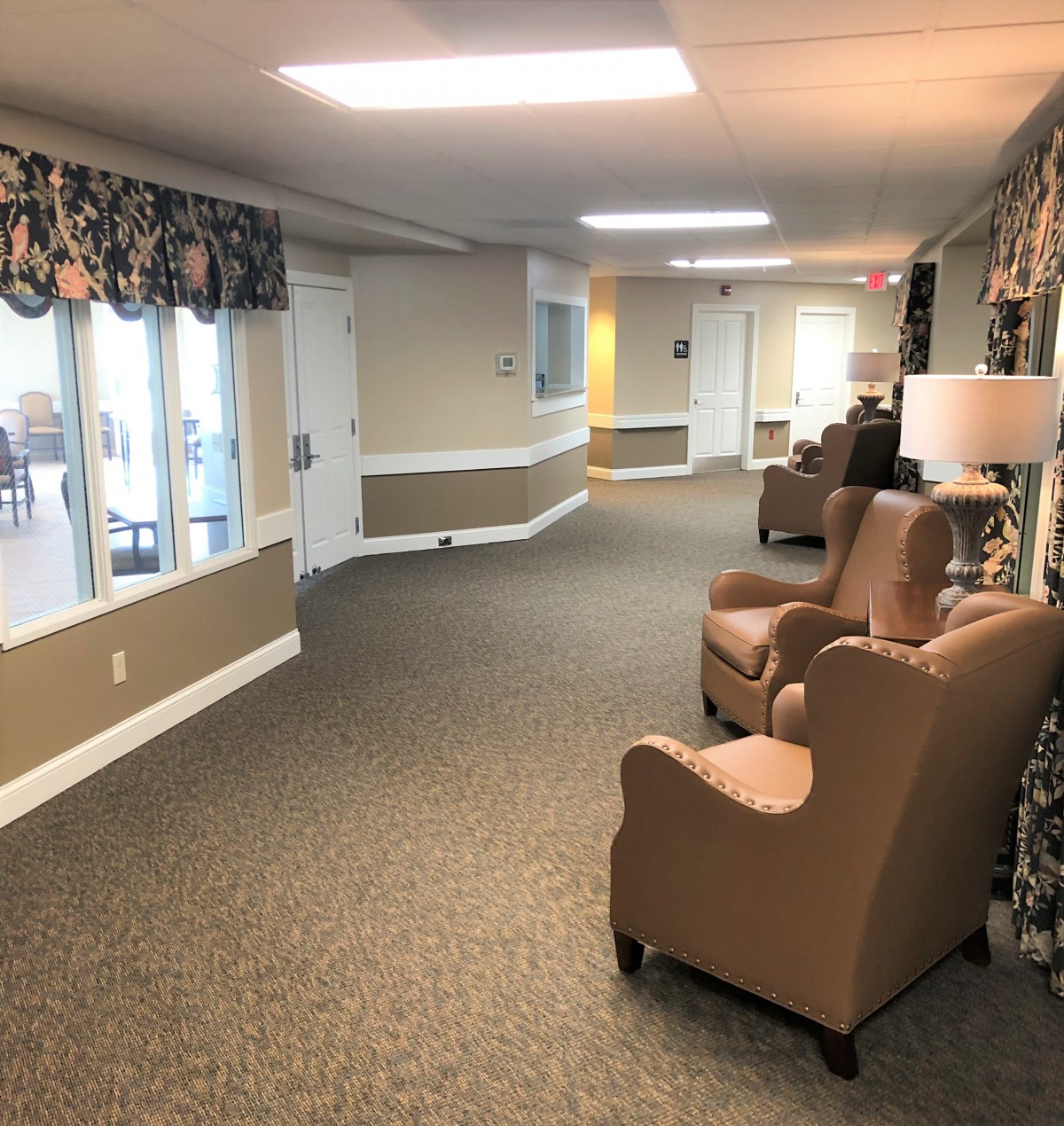
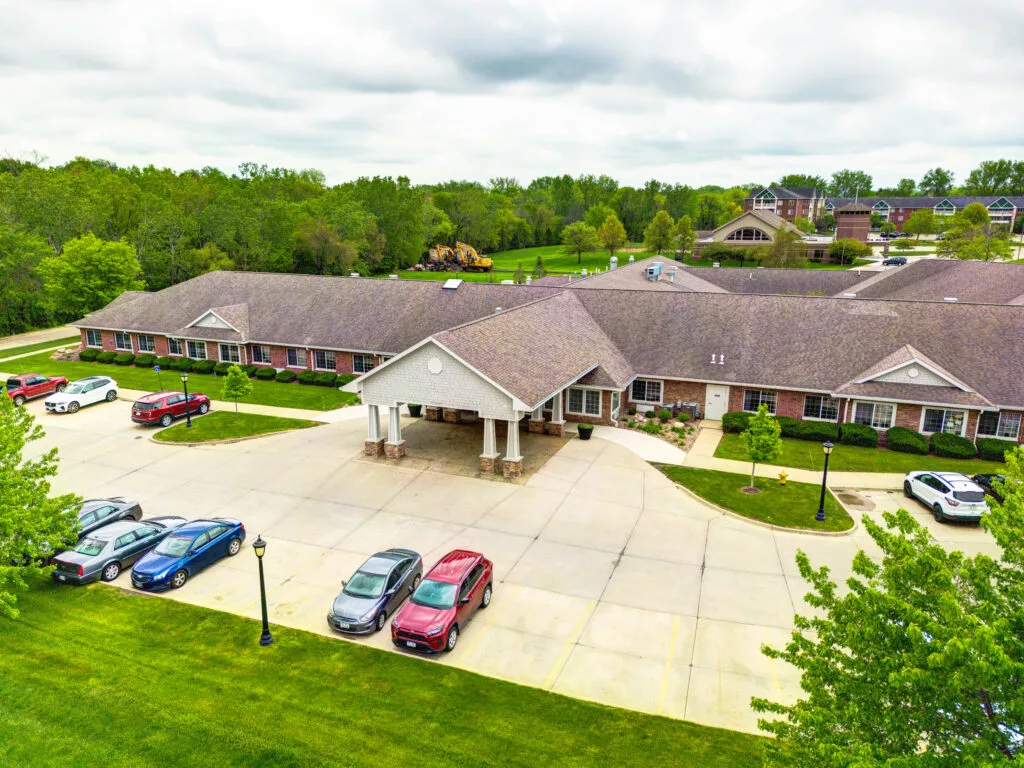
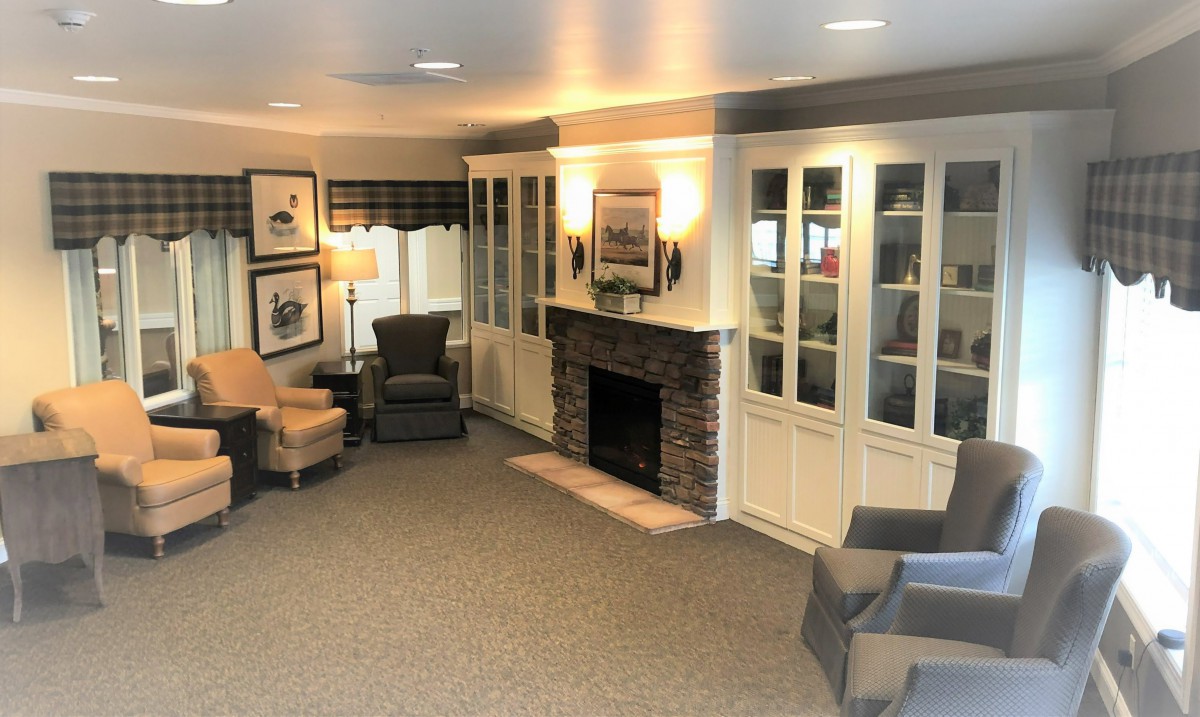
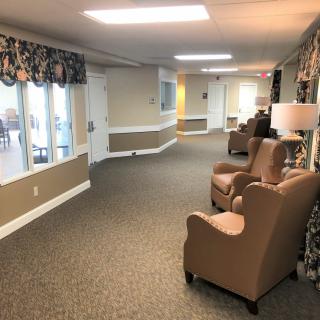
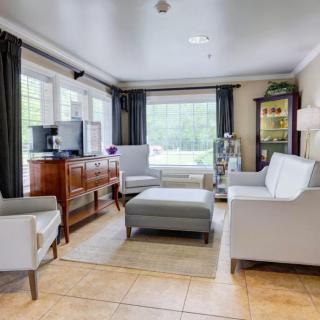
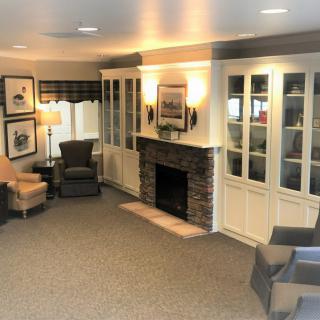
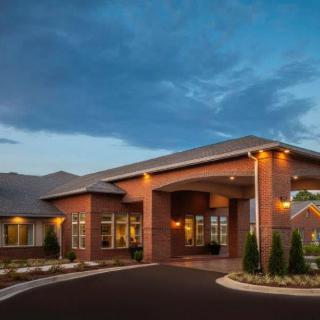
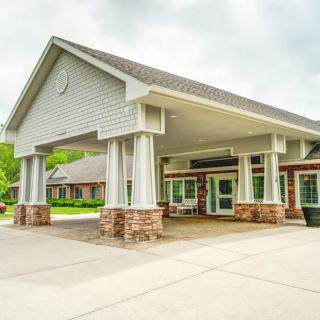
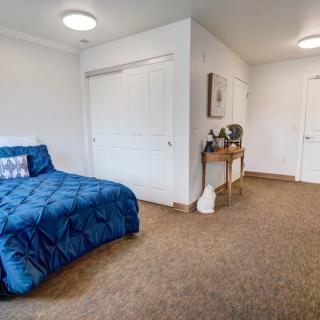
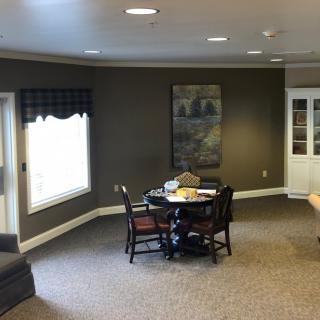
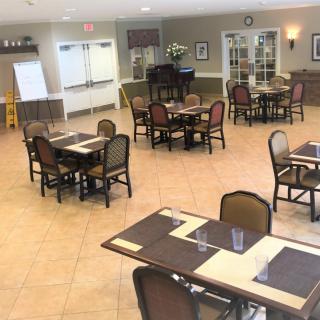
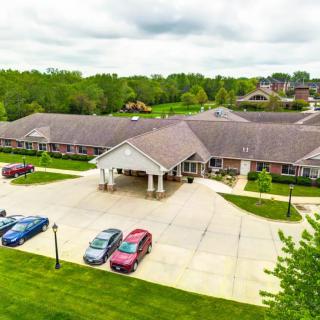
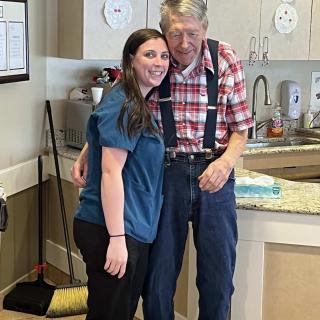
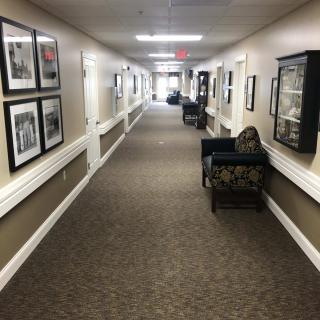
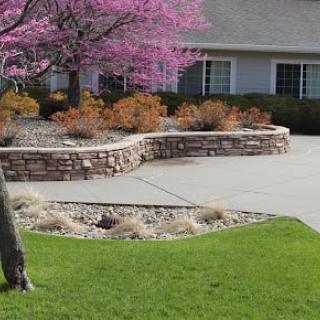
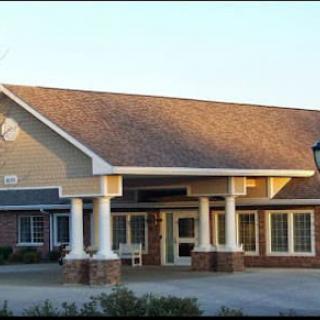
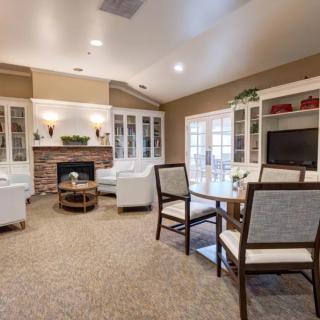
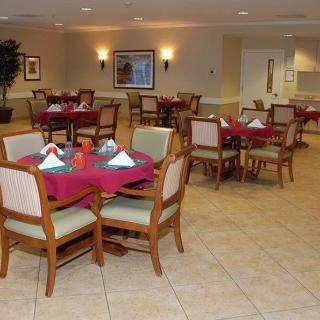
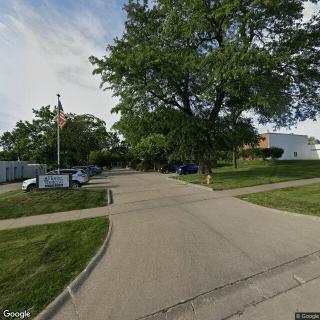
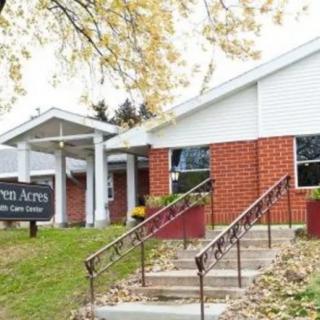
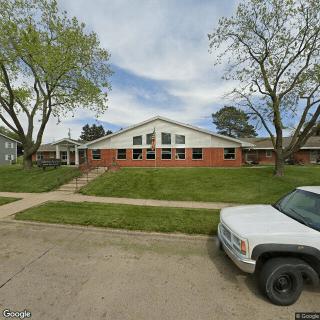
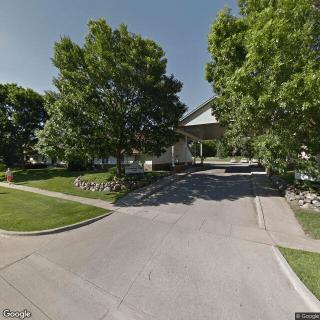
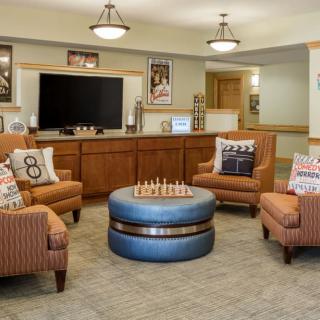
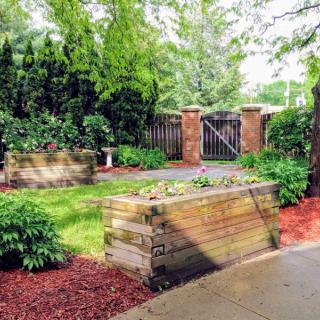
Glen Oaks Alzheimers Special Care Center on seniors.fyi includes 31 photos including images showing interior, decor, building, bedroom, landscaping, windows, living room, seating area, and more.
Nearby Communities
The Arbordale
Urbandale, IA
4.8 from 57 reviews
$2,005 to $2,685 / month
Welcoming, family-like community with spacious, updated apartments and active social programs.
Holiday Illahee Hills
Urbandale, IA
4.5 from 166 reviews
$1,969 to $3,589 / month
Strong sense of community with attentive staff and restaurant-style dining.
Senior Helpers - Urbandale, IA
Urbandale, IA
4.7 from 37 reviews
Strong memory-care trained staff with consistent caregivers and excellent cooking/cleaning.
Home Instead - Des Moines, IA
Urbandale, IA
4.9 from 63 reviews
Compassionate, professional caregivers with flexible scheduling and strong emotional support.
Karen Acres Care Center
Urbandale, IA
4 from 37 reviews
24/7 supervision with comprehensive care and restaurant-style dining.
Karen Acres Health Care Center
Urbandale, IA
4 from 36 reviews
Caring, attentive staff with comfortable private-room accommodations.
Fairmeadows Village Retirement Community
West Des Moines, IA
3.6 from 34 reviews
$725 to $835 / month
Friendly staff and clean, affordable apartments.
Edencrest At Green Meadows
Johnston, IA
4.4 from 66 reviews
$4,900 to $6,691 / month
Friendly, caring staff in a clean, pleasant environment with on-site activities.
Bishop Drumm Retirement Center
Johnston, IA
3.9 from 82 reviews
$2,000 to $2,900 / month
Friendly staff in a well-maintained, close-knit community with a range of care options.
Sundown syndrome, or sundowning, is a phenomenon in dementia patients characterized by increased confusion and agitation during late afternoon and evening, influenced by factors like disrupted circadian rhythms and fatigue. Effective caregiver strategies include establishing routines and managing environmental light while addressing caregiver stress through support services.
Delirium is a rapidly onset, reversible cognitive disturbance often caused by acute medical issues, while dementia is a gradual and irreversible decline due to chronic neurodegenerative diseases. Accurate differentiation between the two is essential for appropriate treatment and management in older adults.
Dementia, including Alzheimer’s disease, is often mischaracterized in terms of lethality as it leads to complications that can be fatal rather than being a direct cause of death; it causes a progressive decline in cognitive and physical health, making patients vulnerable to infections and other health crises. Effective management of nutrition, hydration, and communication is crucial in patient care, with palliative care becoming vital in advanced stages to enhance comfort and quality of life while caregivers play a key role amidst the challenges posed by the disease.
Get PricingAsk A QuestionSchedule A TourContact Senior Advisor
By clicking submit, you agree to our Partner's Terms of Use. You
also consent to receive calls and texts, which may be autodialed, from our Partner. Your consent is not a condition to
using our Partner's service. Please visit our Partner's Privacy Policy for information about their privacy practices.

 21 resident community capacity
 Studio apartments
 Assisted Living
 Memory Care
 Cats allowed
 Dogs allowed
 Activities off-site
 Air-conditioning
 Bath tubs
 Beautician on-site
 Cable or satellite TV
 Devotional services off-site
 Dining room
 Financing advice
 Fully furnished
 Garden
 Ground floor units
 Guest parking
 Handicap accessible
 Hiking trails
 Housekeeping services
 Indoor common areas
 Kitchenette
 Laundry
 Move-in coordination
 Outdoor common areas
 Party space
 Private bathrooms
 Respite or short term stays offered
 Security gate
 Spa
Spa Telephone
 Wheelchair accessible showers
 Wi-Fi/high-speed internet available
 Des Moines International (7 miles away)
 Transportation & parking
 24-hour call system
 Assistance with bathing
 Assistance with dressing
 Assistance with transfers
 Diabetes diet
 Diabetic care
 High acuity care
 Hospice waiver
 Incontinence care
 Meal preparation and service
 Medication management
 Mental wellness program
 Special dietary restrictions
 Transportation arrangement (medical)
 Art classes
 Bible study group
 Book club
 Cooking classes
 Educational speakers / life long learning
 Fitness programs
 Games
Games Live musical performances
 Welcoming, family-like community with spacious, updated apartments and active social programs.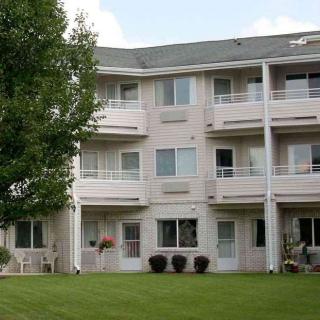

 Comprehending Evening Confusion in Dementia: Causes, Manifestations, and Support
 Delirium and Dementia: Unraveling the Key Differences
 Are Dementia and Alzheimer's Disease Lethal? A Comprehensive Exploration