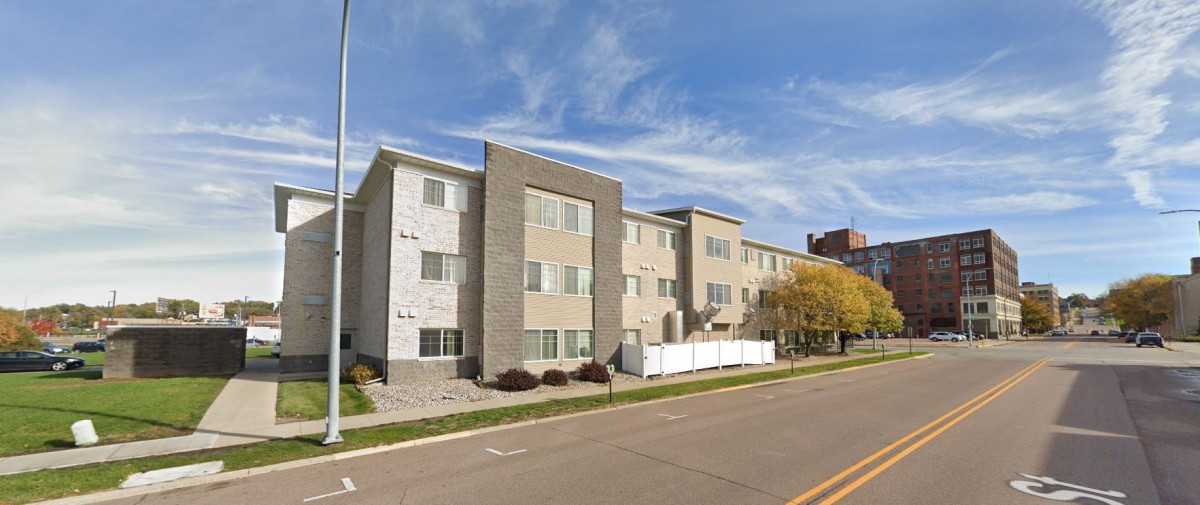
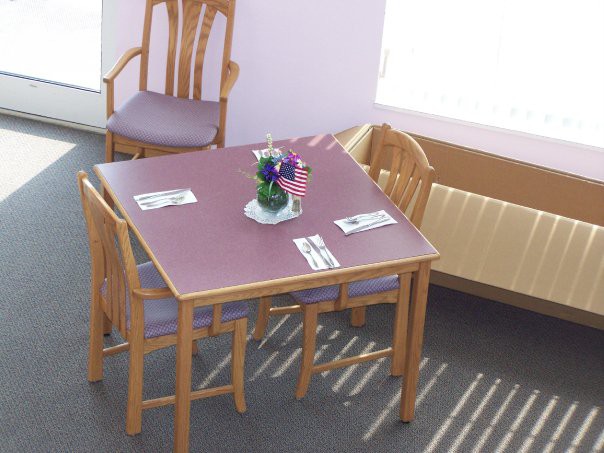
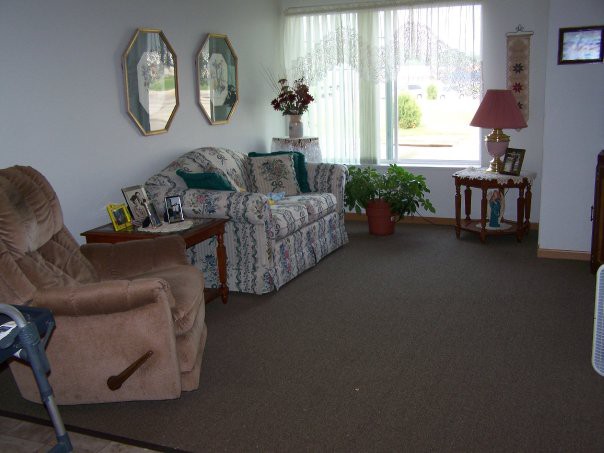

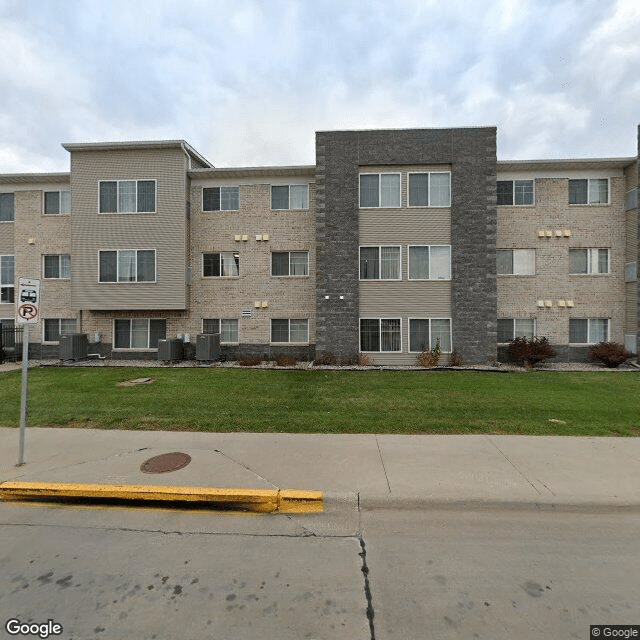
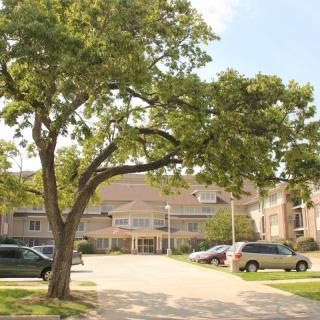
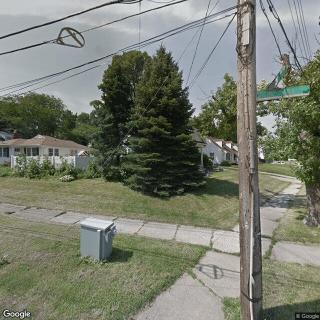
725 Pearl Street, Sioux City, IA 51101
For more information about senior living options: (866) 208-4318
Prime Assisted Living Costs & Pricing
Prime Assisted Living offers competitive pricing for its one-bedroom accommodations at $725 per month, significantly lower than the average costs in Woodbury County and across Iowa, where monthly expenses hover around $2,910 and $2,862 respectively. This affordability not only makes Prime Assisted Living an attractive option for individuals seeking supportive care but also reflects a commitment to providing quality services without compromising on comfort or accessibility. By maintaining such reasonable rates, Prime Assisted Living positions itself as a viable choice for families looking to ensure their loved ones receive excellent care in a comfortable environment while being mindful of their financial considerations.
| Floor plans | Prime Assisted Living | Woodbury County | Iowa |
|---|---|---|---|
| 1 Bedroom | $725 | $2,910 | $2,863 |
Assisted Living communities with a similar price nearby
-
from -$25 / mo
Prime Assisted Living
$700 / month23.9 miles away
Overall Review of Prime Assisted Living
Pros
 This place is amazing.
- The staff is supremely knowledgeable and helpful.
- The food is good.
- The residents who live there are friendly and inviting.
- The grandparent who lives there absolutely loves it.
- The place deserves five stars.
Cons
 The management is poor.
- The designated smoking area is in a location where the general public walks through smoke.
- Smoking in front of the building is undesirable.
- The menu for the meals needs to be reworked.
Review
Prime Assisted Living in Sioux City is best suited for seniors who want a practical blend of support and social engagement. The community works well for residents who crave approachable, capable staff, dependable daily routines, and a friendly neighbor network. Families will appreciate staff who are described as knowledgeable and helpful, and an atmosphere where residents mingle with ease. The meals receive favorable notes, and the overall vibe is inviting. For couples or older adults seeking a nearby, walkable option with reliable caregiving and accessible activities, Prime stands out as a sensible choice.
However, there are clear caveats. The biggest red flag in the feedback is concerns about management quality, which can signal inconsistent communication or oversight. For families who prioritize tightly run operations, transparent accountability, and proactive problem-solving, Prime’s current leadership may feel unsettled. Additionally, the smoke policy around the entrance and the desire to rework the menu to broaden nutritious options suggest that residents or families with strict standards for environment and nutrition may want to consider other options.
On the upside, Prime earns points where it matters most: staff are described as knowledgeable and truly helpful, and the community exudes friendliness. Residents interact readily, creating a lively, low-stress social fabric that can ease isolation. Meals are generally praised, with the kitchen delivering solid options and a reliable dining rhythm. These strengths partially counter the concerns about management and operational consistency: a warm, engaged caregiver team can compensate for some lapses in process, and a good dining program reduces the risk of meal fatigue. Still, the impact of leadership gaps remains a critical question for long-term reliability.
Yet there are palpable tensions that prospective residents should weigh. The negative voice centers on management quality, implying potential gaps in oversight, scheduling, and communication. When leadership falters, even the best-intentioned staff may struggle to maintain consistent standards. The smoking area near the building entrance is another friction point; while not a safety crisis, it creates an awkward first impression for visitors and can impact the experience of non-smoking residents and families. Menu improvements also emerge as a recurring theme, with residents invited to weigh in on favorites and nutritional goals to elevate variety and balance. These issues aren’t fatal, but they do shape day-to-day satisfaction.
Operationally, Prime offers a credible daily rhythm: capable care, a pleasant social milieu, and solid meals. The resident population tends to be friendly and inviting, which shortens the adjustment period for newcomers and supports meaningful connections. The commitment of staff to resident welfare is evident in the repeated praise for their knowledge and willingness to help. For families, this translates into reliable day-to-day interactions, predictable routines, and the comfort of visible engagement. The caveats, management questions, menu optimization, and smoking-area placement, should be weighed against these assets, especially when evaluating ongoing quality and long-term satisfaction.
For families deciding where to place a loved one, Prime is a pragmatic, workable option for those who prize a friendly, engaged community and dependable care staff. It is less ideal for families where governance and operational consistency are non-negotiables, or where a smoke-free, continually evolving menu is essential. Prospective residents should schedule a thorough on-site tour, speak with current residents and families, request to see sample menus and care plans, and ask direct questions about management structure, responsiveness to concerns, and smoking policy enforcement. If those checks align with expectations, Prime Assisted Living can deliver a comfortable, sociable home with competent caregiving; if not, alternatives with stronger leadership and stricter environmental controls are worth pursuing.
 120 resident community capacity
 Assisted Living
 Activities on-site
 Air-conditioning
 Beauty salon
 Cable or satellite TV
 Computer center
 Devotional services off-site
 Dining room
 Fitness room
 Fully furnished
 Gaming room
 Garden
 Housekeeping services
 Indoor common areas
 Kitchenette
 Move-in coordination
 Outdoor space
 Private bathrooms
 Restaurant-style dining
 Small library
 Telephone
 Wellness center
 Wi-Fi/high-speed internet available
 Sioux Gateway (7 miles away)
 Community operated transportation
 24-hour call system
 Ambulatory care
 Assistance with bathing
 Assistance with dressing
 Assistance with transfers
 Diabetes diet
 Diabetic care
 Medication management
 Special dietary restrictions
 Concierge services
 Planned day trips



 Assisted Living Expenses and Long-Term Care Insurance: A Comprehensive Exploration
 Securing Financial Support for Assisted Living: A Comprehensive Overview
 Social Security Benefits and Assisted Living: Navigating Options Across the U.S.