

117 Pierce St Suite 100, Sioux City, IA 51101
To contact a resident: (712) 233-5494
For more information about senior living options: (866) 208-4318
Overall Review of Recover Health of Iowa
Pros
 Erik helps patients regain mobility with minimal pain and supports their goal of walking without a walker.
- Aveanna Home Health is praised for its dedicated staff who truly care about patient outcomes and consistently go above and beyond.
- Aveanna takes extra time to provide exceptional care and connects patients to additional resources, making a meaningful difference.
- Recover Health Services provides wonderful at-home care for patients recovering from surgery, enabling them to stay in their own homes.
- The Recover Health team is helpful, kind, and knowledgeable, with flexible scheduling and confident wound care that supports healing.
- The Recover Health Sioux City team is amazing, dedicated to the community, and includes Jen and Matt as wonderful partners.
Cons
 The nurses here frequently violate HIPAA, showing patients' photos and disclosing their names and conditions, with no action taken after complaints.
Review
Recover Health of Iowa is best suited for seniors and adults who want thorough post-acute and ongoing home-based care, especially after surgery or during ongoing recovery from conditions that limit mobility. The core value is healing in the familiar environment of home, with skilled nursing, therapy, and wound-care services delivered in regular, predictable visits. The strongest endorsements come from people who felt tangible gains from the rehab process: one patient described knee-replacement rehab that helped them move with dramatically less pain and progress toward walking without a walker, while another recalled a full continuum of care that enabled healing at home rather than in a facility. Across the board, the tone emphasizes the human side of care, staff who are patient, knowledgeable, and willing to tailor visits to individual needs. For families prioritizing home-based recovery, the Recover Health Sioux City team stands as a capable and reliable partner.
This option is less ideal for families whose loved one requires constant, around-the-clock supervision or a social, activity-rich living environment that a traditional assisted-living setting provides. It is wise to consider alternatives if the goal is 24/7 monitoring, highly structured social programming, or a setting designed to minimize isolation with built-in peer engagement. A notable caveat in the review pool is a privacy-related complaint alleging HIPAA violations by a nurse; while this appears as a single, isolated account, it underscores the importance of verifying privacy safeguards, clear physician orders, and strict patient-confidentiality protocols before commencing services. In short, Recover Health shines when care is delivered at home with flexible scheduling and clinical skill, but it may not meet all needs for those seeking continuous supervision or a facility-based social milieu.
The most compelling pro, flexible, responsive care, does more than offset several potential drawbacks. Families repeatedly highlight the ease of scheduling home visits, the warmth and competence of nurses, and the confidence that wound-care and post-operative rehabilitation are being handled by seasoned professionals. The ability to stay in one’s own home while receiving therapy and nursing support reduces hospital readmission risk and accelerates comfort and recovery. When pain relief and mobility improvement are measurable outcomes, as one patient noted, the value becomes clear: a strong rehab focus combined with compassionate attention can translate into real daily gains and a smoother transition back to independent living. These positives tend to eclipse uncertainty about the occasional negative review when the care plan is clearly defined and aligned with medical guidance.
Team dynamics emerge as another decisive factor. The reviews repeatedly call out a cohesive, mission-driven group, names like Jen and Matt surface as reliable coordinators whose collaboration with patients and families reinforces trust. The sentiment that “the team at Recover Health Sioux City is amazing” and that staff are “super sweet” and deeply knowledgeable in wound care creates a sense of continuity and predictability that families crave during recovery. This is more than just clinical competence; it is the reputational multiplier that accompanies consistent communication, proactive problem-solving, and a willingness to work with partners to maximize outcomes. In a landscape where care quality hinges on day-to-day interactions, the interpersonal strength of the Recover Health crew becomes a core asset.
From a decision-making standpoint, several practical filters shape whether Recover Health fits. The framework centers on goals: is the objective rapid rehabilitation after surgery, ongoing management of a chronic condition, or wound-care with periodic nursing oversight? Next, assess the home environment and caregiver network: is the dwelling conducive to frequent visits, and can family members participate in care planning? Clarify who supervises the plan, how often the care plan is updated, and what happens if a therapy or nursing need escalates. Finally, verify expectations around privacy, documentation, and communication channels with the agency. While the majority of feedback points to dependable, high-quality care, the privacy concern cited in one review makes it essential to request a clear privacy policy, patient consent practices, and a transparent report-and-resolution process before the first visit.
In the end, Recover Health of Iowa represents a strong, practical option for families prioritizing home-based recovery with skilled therapy, reliable nursing, and flexible scheduling. It is especially well-suited for post-surgical rehabilitation, wound-care needs, and ongoing in-home support where healing in a familiar setting matters most. The main caveat is that this model does not deliver the all-day supervision or the built-in social ecosystem of a facility-based assisted living option. For those who can operate within a home-care framework and want proven staff dedication, the value is substantial: measurable progress, comfort, and a care team that treats recovery as a coordinated mission. Prospective families should initiate a candid dialogue about goals, privacy safeguards, and visit-frequency expectations, then review references to confirm that the care plan aligns with the anticipated trajectory.
 Sioux Gateway (6 miles away)




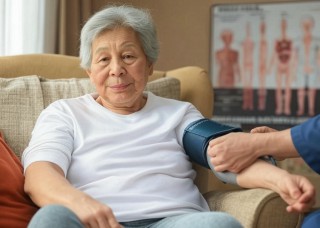 Comprehensive Guide to Blood Pressure Charts for Older Adults: Understanding Normal and High Readings by Age
 Financing Long-Term Nursing Home Care Through Social Security: A Thorough Exploration
 Essential Knowledge on Pneumonia in Older Adults