For more information about senior living options: (866) 208-4318
2.8 from 120 reviews
5 stars
43
4 stars
11
3 stars
6
2 stars
3
1 stars
57
Overall Review of St Luke's Regional Medical Ctr
differentiator12 reviews mention this
Care quality is mixed
Residents describe both excellent clinical care and serious gaps during emergency visits.
A number of reviews praise staff for being compassionate, listening, and helping quickly—especially in areas like the ER, ICU, and labor and delivery. Some reviewers also mention clear communication and being able to understand treatment plans.
At the same time, other reviews describe delayed response, rushed or unprofessional interactions, and communication breakdowns that made situations feel worse—ranging from emergency waits to behavioral unit concerns. Overall, the reviews don’t describe a consistently smooth experience across every department or visit type.
common19 reviews mention this
Staff warmth stands out
Many reviewers single out kindness and compassion from nurses and doctors.
Across the reviews, residents and families repeatedly describe nurses and care teams as considerate, attentive, and helpful. Several mentions focus on staff taking time to explain what is happening, checking in frequently, and making patients more comfortable.
Even in more critical reviews, some people still call out specific staff as a bright spot—suggesting warmth and support can exist alongside other problems. That contrast shows up often in the way the reviews are written.
caveat16 reviews mention this
Communication and follow-through complaints
Residents frequently report difficulty getting answers and consistent updates.
Several reviews describe problems with communication—such as not being called back with results, unclear explanations, or staff not returning calls. Others mention difficulty reaching departments or switching points of contact without resolution.
Some families also describe being left waiting without updates while in pain or concerned about a child’s condition. A smaller set of reviews also notes staff dismissiveness, which made patients feel unheard.
caveat14 reviews mention this
Billing and collections cause frustration
Reviews describe repeated billing errors and collection-related follow up.
A recurring theme is trouble with billing accuracy and next steps—reviews mention issues like incorrect insurance information, unexpected balance charges, and delays in receiving bills. Multiple reviewers say they were contacted by collections even after returning calls or paying.
Some accounts describe down payments being requested unexpectedly, as well as difficulty getting medical billing to provide clear answers. In these reviews, billing problems are often framed as a major source of stress after the care visit.
caveat10 reviews mention this
Cleanliness and long waits
Some residents report filthy conditions and long emergency-room wait times.
A subset of reviews complains about the physical environment, including reports of dirty floors and areas that did not feel properly sanitized. These comments appear alongside concerns about how quickly care was delivered.
Other reviewers describe long waits for treatment, nurses not coming when called, or patients spending hours without seeing a doctor. Together, these experiences are described as making urgent situations feel unsafe or neglected.
common2 reviews mention this
Nearby hospitals and clinics
Several nearby hospitals and physician offices sit within about a mile.
The location is surrounded by other medical options, including nearby physician offices and hospitals. For residents who want additional points of comparison, several categories are within roughly a mile.
This can matter when reviews emphasize that some people chose alternative treatment locations during or after difficult experiences.
How we summarize
Counts show how many written reviews mention each theme; a review can touch several themes, and only frequently mentioned themes are displayed.
Features
Transportation
Sioux Gateway (8 miles away)
Nearby Places of Interest
This area of Sioux City, Iowa, offers a convenient and healthcare-focused environment for senior living. With multiple physician offices and hospitals within walking distance, residents have easy access to medical care. The diverse range of restaurants and cafes provide plenty of dining options, while nearby pharmacies ensure medication needs are met. Transportation services like Siouxland Taxi & Limousine Service are available for getting around the city. For leisure activities, there are theaters like Pirate Cove Theatre and parks like Scenic Park Playground nearby. Overall, this area provides a well-rounded and accessible community for seniors looking to settle in Sioux City.
Physicians
Siouxland Surgical Care (0 miles)
Cardiovascular Associates (0.1 miles)
Siouxland OBGYN (0.1 miles)
Tri-State Specialists (0.1 miles)
David V Wagner (0.1 miles)
Physician Center 2 (0.1 miles)
Siouxland Medical Education Foundation (0.2 miles)
Hospitals
St Luke's Labor And Delivery (0 miles)
St Luke's College - UnityPoint Health Library (0.1 miles)
Senior drivers prioritize comfort, safety, and ease of use in vehicles due to age-related challenges, seeking features like easy entry, clear visibility, and modern driver-assistance technologies. Recommended models include the Subaru Forester, Honda CR-V, and Toyota Camry, with emphasis on test-driving for personal comfort and evaluating crash-test ratings alongside insurance considerations.
Private pay home care offers a flexible caregiving option for older adults and families who don't qualify for government programs, allowing them to directly fund in-home care services that range from daily assistance to specialized support. This model's customization potential enables aging in place while addressing financial considerations through strategic planning options, though clients must navigate marketplace challenges and ensure quality compliance.
Arthritis encompasses over 100 joint disorders affecting people of all ages, leading to symptoms like pain and stiffness that impair mobility and quality of life. Effective management involves early diagnosis, lifestyle changes, medical treatments, emotional support, and ongoing monitoring with healthcare professionals.
Get PricingAsk A QuestionSchedule A TourContact Senior Advisor
By clicking submit, you agree to our Partner's Terms of Use. You
also consent to receive calls and texts, which may be autodialed, from our Partner. Your consent is not a condition to
using our Partner's service. Please visit our Partner's Privacy Policy for information about their privacy practices.

 Sioux Gateway (8 miles away)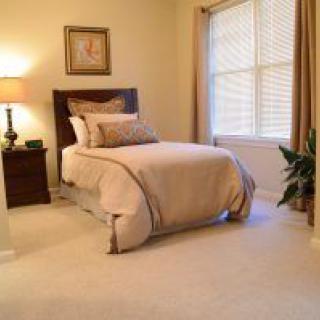
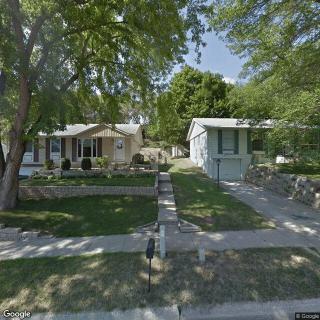
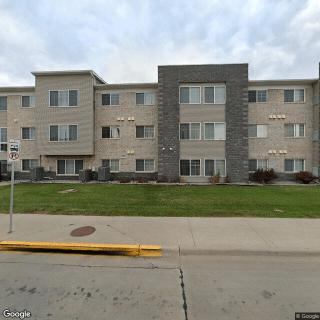
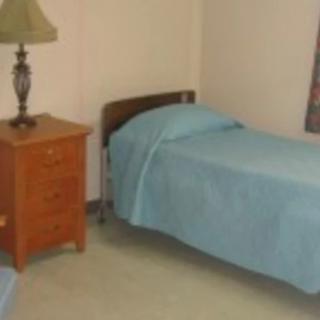
 Clean and inviting environment with spacious, well-lit apartments and attentive staff.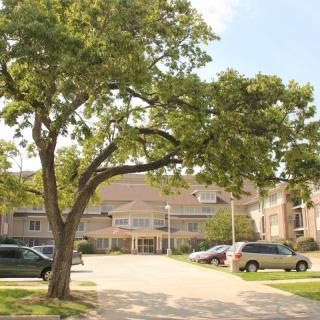


 Top Cars for Senior Drivers and Essential Safety Innovations
 A Closer Look at Private Pay Home Care
 Comprehensive Approaches for Arthritis: A Detailed Guide to Symptoms, Causes, and Care