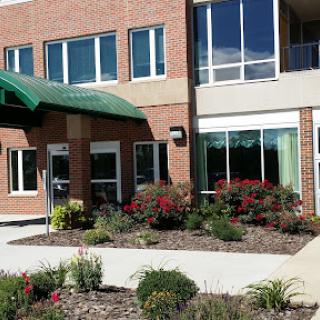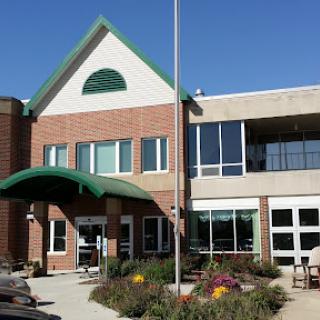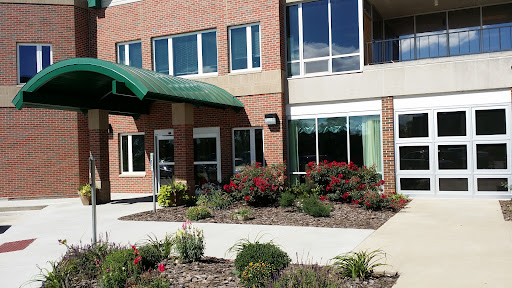
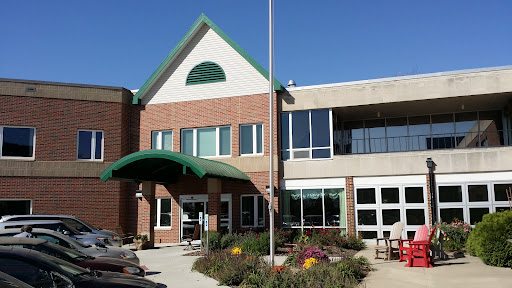
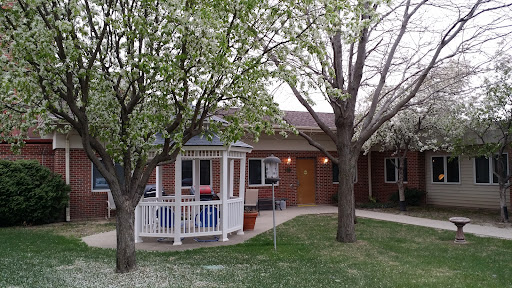

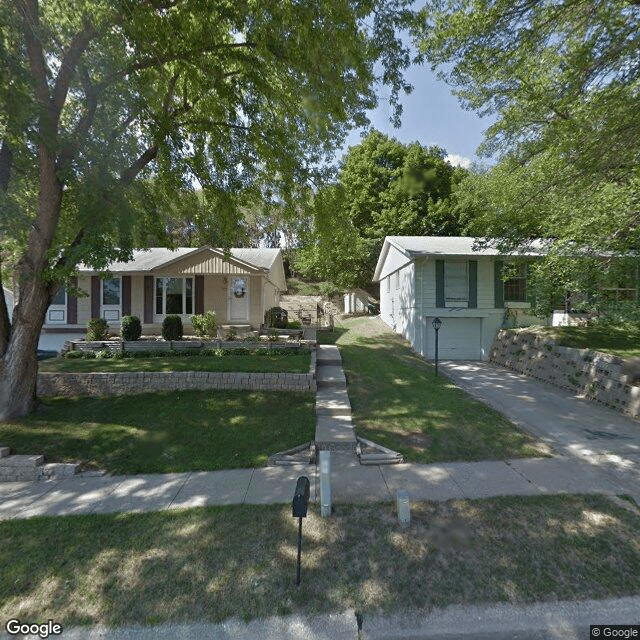
1701 W 25th St, Sioux City, IA 51103
To contact a resident: (712) 252-2726
For more information about senior living options: (866) 208-4318
Overall Review of Holy Spirit Retirement Home
Pros
 The staff are kind and patient with residents.
- The staff are highly skilled and provide attentive care.
- The facility has a strong physical therapy department, among the best in the region.
- The facility is a nice, quiet place to be.
- The facility focuses on rehabilitation and maintenance of residents' functional capabilities.
Cons
 The staff are described as horrible and uncaring, with reports that no one speaks English, they refuse to give Tylenol, fail to answer CNAs, and harass families.
- Personal belongings disappear at the facility.
- The nurses are deemed useless and the staff described as rude, acting bothered when residents need help.
- A family member with kidney failure is left to deteriorate by himself.
- There are lies and a lack of accountability when a wedding ring went missing, with no documentation or witnesses and the ring never found.
- When asked about lost items, responses are delayed, no policy is provided, and the social worker denies knowing the questioner.
- The facility is criticized for streaming a black screen on YouTube.
Review
Holy Spirit Retirement Home in Sioux City, IA is best suited for families seeking a skilled-nursing environment with a strong rehab emphasis and a notably quiet, low-stimulus setting. The facility’s standout asset is the physical therapy component, supported by a staff described as highly skilled in rehabilitation. For seniors who need ongoing medical oversight but still want the chance to recover function and maintain mobility, this campus offers a practical, rehab-forward path. It appeals most to those who prioritize measurable functional gains and a calm atmosphere over high-energy, hustle-centered care. However, it is not the right fit for families demanding consistently warm, multilingual communication, meticulous attention to resident belongings, and transparent, responsive administration.
Those who may want to consider alternatives are families that require unwavering consistency in interpersonal care, English-language fluency across front-line staff, and rigorous accountability for resident belongings and care decisions. Here, reports of language barriers, perceived indifference, and gaps in responsiveness raise red flags for anyone unable to tolerate friction in daily communication or policy clarity. If trust hinges on clear, ongoing dialogue with caregivers and predictable handling of personal items, another option with stronger customer-service norms and sharper safeguarding policies should be pursued. For residents with complex medical needs beyond rehab, or for families needing robust transparency about policies and procedures, alternatives are a prudent hedge.
The primary advantages, notably the rehabilitation focus and the quality of therapy, do offset some concerns in cases where functional recovery is the central objective. The facility’s PT department is frequently highlighted as among the best in the region, a critical factor for seniors who must reclaim or maintain mobility after hospitalization or illness. A quiet, orderly environment can also support those who fear overstimulation or confusion. When therapy progresses well, and a resident’s independence improves, these positives become substantial justification to choose Holy Spirit for the right patient profile. Yet therapy wins must be weighed against uneven day-to-day care experiences and the risk of communication gaps that can undermine confidence in overall well-being.
The strongest red flags reside in the care culture and process reliability. Multiple reviews describe rude or unresponsive staff, with some accounts alleging that residents’ needs are not promptly addressed and even that personal belongings disappear. Instances of alleged missed medications, lack of accountability for missing items like a lost wedding ring, and delays in policy responses contribute to a troubling picture of operational gaps. A social worker who cannot consistently engage or provide clear guidance underscores the sense that administrative systems may not be as robust as the clinical skills suggest. When personal security and timely access to basic care become the question marks, the rehab advantages lose some of their luster.
From a practical decision-making standpoint, families should pursue a targeted due diligence plan before committing. Schedule a multi-angled visit that emphasizes therapy sessions, caregiver interactions, and routine pain-management decisions to test the consistency of care. Request recent incident and policy documents, and ask pointed questions about lost-item procedures, accountability, and how English-speaking support is provided to residents who need it. Inquire about staffing patterns for shifts with higher acuity and whether residents experience delays in response times during busy periods. Truthful transparency on these fronts is more predictive of overall satisfaction than therapy accolades alone.
Verdict: Holy Spirit Retirement Home is a viable option for families whose top priority is robust rehab and a tranquil setting, with acceptance of potential friction in daily communication and occasional concerns about accountability. For families prioritizing uniform, empathetic front-line care, reliable English-language communication, and airtight safeguarding of personal belongings, alternatives deserve serious consideration. The facility’s rehabilitation strengths are real and meaningful, but they must be weighed against persistent concerns about care responsiveness and policy transparency. In deciding, align expectations with the resident’s needs: if functional recovery and a quiet environment drive the choice, Holy Spirit can deliver; if everyday care reliability and clear, compassionate engagement are non-negotiable, look elsewhere.
 Assisted Living
 Activities on-site
 Devotional services off-site
 Indoor common areas
 Sioux Gateway (8 miles away)
 Ambulatory care
 Diabetic care
 Meals provided






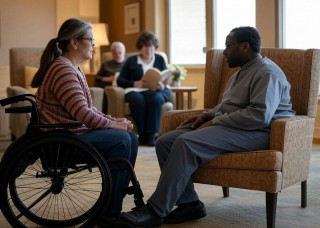 Comprehensive Residential Support and Assisted Living Solutions for Individuals with Disabilities
 Comprehensive Supportive Living Arrangements for Adults with Disabilities
 Funding and Affording Assisted Living: A Thorough Overview