
4755 Parkridge Ave, Pleasant Hill, IA 50327
To contact a resident: (515) 265-5348
For more information about senior living options: (866) 208-4318
Overall Review of Pleasant Hill Residential
Pros
 The facility is great.
- It is clean, and residents are well taken care of.
- The staff is great.
- The place is nice.
- It is a great VA residential home.
Cons
 The facility discharged her sister-in-law to a motel without informing the family because her insurance had been cut off.
- The dependent adult could not push herself in her own wheelchair, bathe herself, cook for herself, drive, or transfer herself.
- Emergency services were called to explain why she was in a motel, and there was no room for her at home.
- Park Ridge Nursing and Rehab should do better.
- There was not enough handicap parking, and some cars did not display handicap placards or plates.
- Visits were denied, preventing loved ones from seeing her.
Review
Pleasant Hill Residential is best suited for seniors who need regular assistance with activities of daily living and who want a clean, well-staffed environment where caregivers provide steady, attentive care. For families balancing safety with a welcoming, home-like atmosphere, this community offers clear strengths: residents commonly receive daily support from a team described as capable and present, and the facility consistently earns praise for its cleanliness and well-kept rooms. The tone from several residents and families is practical and reassuring, with anecdotes of genuine caregiver attention and a setting that feels comfortable for long-term living. In short, this is a viable option for those who prioritize dependable staff and a tidy, orderly home base for ongoing help.
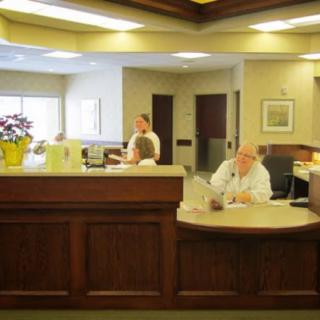
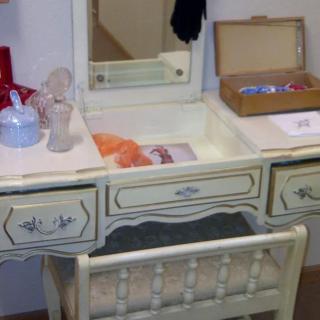
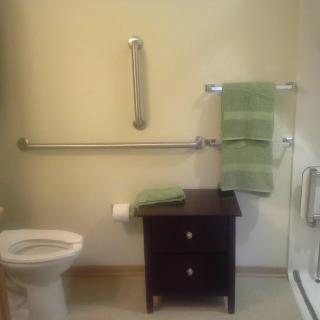
On the positive side, the strongest arguments in favor of Pleasant Hill revolve around staffing quality and the physical environment. Multiple voices highlight attentive staff and a facility that feels clean and well-maintained, with rooms described as pleasant and appropriate for residents who need assistance. Several families state they would confidently place loved ones here, underscoring trust in daily caregiving and the overall resident experience. One account frames it as a solid choice for a VA-adjacent or veteran-focused residential setting, reinforcing the sense that the community can accommodate residents with specific caregiving needs. Taken together, these positives point to reliable day-to-day support and a dignified living space that can support quality of life for those requiring help with routine tasks.
Yet the negatives are concrete and cannot be dismissed. The most troubling issue centers on a discharge incident where a dependent adult unable to perform basic self-care was placed in a motel after insurance was cut off, an action that triggered urgent involvement from emergency services and hospital staff. That episode signals potential gaps in discharge planning, financial coordination, and communication with families during insurance transitions. In addition, several reviewers voice concerns about access and courtesy for visitors: notes about limited or frustrating entry for visitors and inconsistent parking accessibility hint at logistical friction that can strain family involvement and oversight. These risks are not minor administrative quibbles; they touch directly on safety, continuity of care, and the ease with which loved ones can stay engaged in a residentā€™s daily life.
Because the strong points revolve around cleanliness and caregiver continuity, these advantages do offset some everyday frustrations but do not fully counterbalance the most serious concerns. Where Pleasant Hill shines, the combination of a well-kept environment and dependable staff can support stable routines, predictable care, and a sense of normalcy for residents who rely on assistance. This means families can feel confident about the daily life of a resident who needs help with bathing, transfers, dressing, and meals, as well as the general ambiance that contributes to comfort and dignity. However, the disconcerting discharge episode and visitor-access issues remain meaningful risks that can undermine trust and complicate care coordination, especially for families managing insurance timelines and ongoing medical needs.
For families weighing options, those who require airtight discharge policies, transparent billing, and consistently easy visitor access may want to evaluate alternatives more closely. If the priority is a facility with no ambiguity around when and how a resident will be discharged, how insurance matters are handled, and how families are kept in the loop, other communities with stronger documented processes may be preferable. Likewise, if parking and entry ease are non-negotiable, such as for relatives with mobility challenges or frequent visits, these concerns should be explored in-depth during a tour and visit. Pleasant Hill remains a solid choice for caregivers seeking a clean, staffed environment for someone who needs ongoing help, provided that thorough questions are asked and concrete assurances are secured regarding discharge planning, insurance coordination, and visitor access.
In the end, the decision hinges on balancing reliable day-to-day care against the risk of a breakdown in care transitions and visitor practicality. Pleasant Hill is not a marginal option; it is a capable, well-maintained community that delivers steady support and a respectful living environment. That strength is most compelling for families who can actively engage with the staff, demand clear discharge and billing practices, and ensure access barriers do not impede essential connection with a dependent loved one. For those who prioritize unshakable safety nets around transitions and unencumbered family involvement, it may be wise to compare with alternatives that emphasize those exact assurances. A thorough site visit, candid conversations with the care team, and a detailed review of discharge and visitation policies will illuminate the best fit.
 Assisted Living
 Skilled Nursing Facility
 Activities on-site
 Devotional services off-site
 Indoor common areas
 Des Moines International (8 miles away)
 Ambulatory care
 Diabetic care
 Meals provided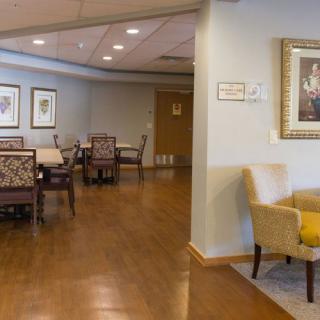


 How and When Medicaid May Cover Assisted Living Costs
 A Detailed Exploration of Assisted Living Medicaid Waivers Across the United States
 Comprehensive Residential Support and Assisted Living Solutions for Individuals with Disabilities