
2555 Guthrie Avenue, Des Moines, IA 50317
For more information about senior living options: (866) 208-4318
Village Assisted Living Costs & Pricing
At Village Assisted Living, the monthly costs for accommodations reflect a commitment to quality care and comfortable living environments. For a studio, residents can expect to spend $3,950 per month, which is notably higher than the averages in both Polk County at $3,533 and across Iowa at $3,613. When considering a one-bedroom unit, the cost rises further to $4,300 - a significant difference compared to Polk County's average of $2,528 and Iowa's average of $2,862. These figures suggest that while Village Assisted Living may come at a premium compared to local benchmarks, this investment aligns with the enhanced services and amenities that promote an enriching lifestyle for its residents.
| Floor plans | Village Assisted Living | Polk County | Iowa |
|---|---|---|---|
| Studio | $3,950 | $3,533 | $3,609 |
| 1 Bedroom | $4,300 | $2,528 | $2,863 |
Assisted Living communities with a similar price nearby
-
About the same

Prairie Hills of Des Moines
$3,950 to $5,000 / month5.7 miles away -
from -$770 / mo

Windsor Manor - Indianola
$3,180 to $4,580 / month18.1 miles away -
from -$200 / mo
Rock Creek Senior Living
$3,750 to $5,135 / month9.3 miles away -
from +$156 / mo
Bickford of West Des Moines
$4,106 to $4,867 / month11.1 miles away -
from +$250 / mo

Independence Village of Ankeny
$4,200 to $4,800 / month7.9 miles away
Overall Review of Village Assisted Living
Pros
 Valley View Village is a beautiful community!
- The staff are incredibly kind, compassionate, and caring for all residents and families.
- Wonderful facility with helpful staff who are there for you every step of the way.
- A wonderful campus filled with dedicated, caring team members.
- The staff took such good care of him. He loved to banter with them and they treated him in such a loving and caring way.
- They fed him amazing food that he still talks about!
- They made sure he understood his therapy and cheered him on so that he was encouraged to keep improving.
- They let us hang up pictures to keep us close to him even when we weren't there.
- The nursing staff treats my mom with dignity and they also have fun with her.
- Valley View Village has created a beautiful, welcoming home with many activity opportunities and great food.
Cons
 They were extremely disappointed by the CNA's rude attitude and failure to follow protocol when using the gait belt for their grandmother.
- There was only one CNA for 30 residents, which was unacceptable.
- Understaffing caused residents to wait long periods for bathroom assistance and to be put to bed.
- Inquiries about availability for a resident's father were not answered, with voicemails left and no callbacks.
- The staffing and communication issues raised concerns about the level of care and responsiveness.
Review
Valley View Village in Des Moines is best suited for seniors who want a warm, faith-forward community with a true campus feel, where independent living blends into assisted living, memory care, and skilled nursing without forcing a move to a different campus. It works well for residents who value daily activity opportunities, approachable staff, and a homey atmosphere that emphasizes kindness, worship, and social connection. The setting appeals to families seeking a holistic living environment where residents can age in place as needs evolve and where care teams are consistently described as caring and attentive. It is especially fitting for those who prize a strong sense of community and a Christian ethos that shapes day-to-day life.
Those who should consider alternatives include families prioritizing razor-sharp staffing immediacy or intense clinical oversight. Persistent understaffing and occasional gaps in responsiveness have surfaced in multiple accounts, with reports of long waits for help or a single CNA managing numerous residents. Some reviews describe rude staff behavior or protocol lapses, highlighting potential reliability risks when rapid assistance is essential. For families whose priorities center on non-faith-based environments, or on seamless, consistently available communication with leadership, other communities may provide a better fit. Prospective movers who require near-constant, on-demand assistance should compare options with stronger staffing models before committing.
The core strengths of Valley View Village lie in its genuine warmth, comprehensive care options, and a campus culture that feels like a close-knit neighborhood. Staff repeatedly earn praise for their kindness, attentiveness, and willingness to go the extra mile, paralleling the sense that residents are valued and known by name. The facility’s breadth, Independent Living through Skilled Nursing, creates a seamless continuum, which helps families avoid fraught transitions and keeps familiar staff involved as needs shift. The activity slate is robust, with daily programs that promote social engagement, movement, and purpose. And the care team’s performance in skilled services, including therapy and daily living support, is frequently cited as life-changing, delivering tangible improvements and a sense of normalcy for families.
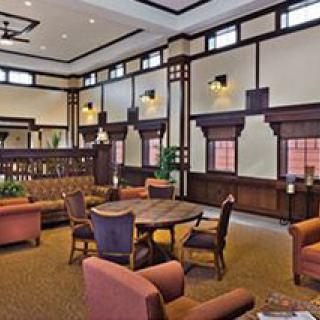
Evidence from resident stories reinforces the upside: a long-time caregiver presence, clean, well-lit rooms with large windows, and the freedom to personalize spaces with photos contribute to a genuine home feel. Families praise the dining experience and note patients who flourish, recovering function and mood in part due to dedicated encouragement from staff. The Health Center’s approach to worship, music, and social connection further anchors residents in a meaningful daily rhythm. The community’s Christian identity is not ornamental; it shapes interaction, accountability, and the way residents are addressed and engaged. For many, these elements combine to justify the choice, especially when the goal is a supportive, family-like environment that honors dignity and personal history.
If this campus is the chosen path, concrete steps should guide the evaluation. Visit and observe how staff allocate attention during peak activity times and how quickly assistance is forthcoming in common scenarios. Talk with multiple staff leaders, nursing, activities, and administration, about call-bell response times, staffing ratios, and how transitions between levels are managed. Inquire about specific plans for the resident’s daily routine, therapy goals, and ways family input is incorporated into care planning. Bring questions about communication protocols, transparency of pricing, and the cadence of feedback from leadership. These conversations, paired with an in-person tour, will illuminate whether the community’s strengths align with the unique needs of a loved one.
The bottom line is practical and clear: Valley View Village offers a compelling, family-centered, faith-oriented environment with a broad care continuum that can deliver meaningful quality of life improvements for many residents. The standout advantages, genuine kindness, a robust activity calendar, solid meals, and an overall sense of home, are powerful when matched with a desire for continuity of care on a single campus. The caveat is staffing reliability; where immediate assistance and consistent, highly responsive care are non-negotiable, the crowding of needs and occasional missteps may tilt the balance toward alternatives. A thoughtful visit, direct conversations about staffing expectations, and a clear plan for future needs will determine if this campus becomes the right long-term home or if another community better serves the priorities at hand.
 108 resident community capacity
 Assisted Living
 Independent Living
 Memory Care
 Skilled Nursing Facility
 Air-conditioning
 Beauty salon
 Cable or satellite TV
 Computer center
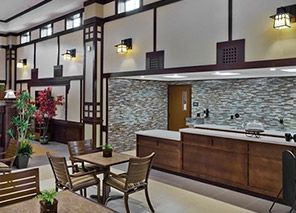
 Dining room
 Fitness room
 Fully furnished
 Gaming room
 Garden
 Housekeeping services
 Kitchenette
 Move-in coordination
 Outdoor space
 Private bathrooms
 Restaurant-style dining
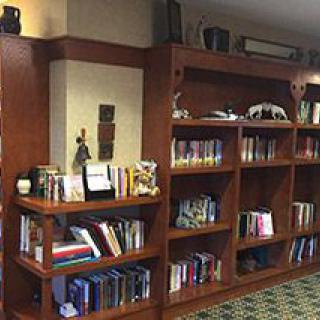
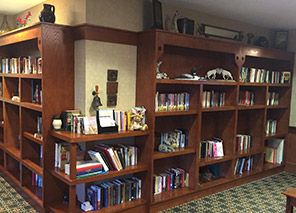
 Small library
 Telephone
 Wellness center
 Wi-Fi/high-speed internet available
 Des Moines International (7 miles away)
 Community operated transportation
 12-16 hour nursing
 24-hour call system
 Activities of daily living assistance
 Assistance with bathing
 Assistance with dressing
 Assistance with transfers
 Diabetes diet
 Medication management
 Mental wellness program
 Special dietary restrictions
 Concierge services
 Planned day trips



 Comprehensive Guide to VA Nursing Homes: A Crucial Long-Term Care Resource for Veterans
 Estimating the Expenses of At-Home Dementia Care: A Detailed Exploration
 Comprehensive Insights on the Late Stages of Dementia: What to Expect and How to Provide Care