Edencrest at The Tuscany offers competitive pricing for its residents, with monthly rates that are generally lower than both the county and state averages. For a one-bedroom unit, the cost is $2,200, compared to Polk County's average of $2,528 and Iowa's average of $2,862. Two-bedroom options are available at $2,750, which is also more affordable than the county's typical cost of $3,047 and Iowa's $3,329. The studio apartments at Edencrest present a unique offering at $3,550; while slightly above Polk County's average of $3,533 and below the state average of $3,613, this price reflects the premium amenities and services provided. Overall, Edencrest at The Tuscany stands out as an attractive option for those seeking high-quality living arrangements in a desirable location without exceeding budgetary constraints.
Floor plans
Edencrest at The Tuscany
Polk County
Iowa
1 Bedroom
$2,200
$2,528
$2,863
2 Bedrooms
$2,750
$3,047
$3,329
Studio
$3,550
$3,533
$3,609
Memory care communities with a similar price nearby
Residents and families consistently describe the staff as kind, professional, and responsive.
Across many reviews, families emphasize a warm welcome, friendliness, and a team that treats residents with care and respect. Several people also describe good follow-through on requests and clear communication with staff during the move-in period. There are also a few negative experiences tied to staffing, training, and communication quality, especially in memory care.
common4 reviews mention this
Dining gets mixed feedback
Meals are a frequent part of the conversation, with both praise and complaints.
Some residents or families highlight variety and satisfaction with food. Others say the menu could be more varied or that meals declined after a chef change. The community offers restaurant-style dining and meal options designed for special diets, which aligns with why dining shows up so often in reviews.
common5 reviews mention this
Activities and outings fill the days
Activities and outings come up often in resident life reports.
Many reviews mention scheduled activities and a sense that residents have things to do. Several families cite outings and participation as a positive part of day-to-day life. A couple of reviewers also note gaps, such as a loved one not joining in, but the overall pattern is that activities are offered regularly.
caveat4 reviews mention this
Memory care gets the sharpest caveats
Memory care experiences include recurring complaints about staffing and communication.
A few reviews specifically call out concerns in memory care, including the need for more staff training and difficulties with compliance during hygiene or other tasks as dementia worsens. Others describe communication and service delays, including staffing shortages that slowed help and follow-through. While some memory-care comments are neutral-to-positive about overall safety, the negative feedback is strong enough to be a consistent theme.
caveat3 reviews mention this
Cost is a frequent concern
Pricing is described as expensive, with a few mixed notes about specials or competitiveness.
Some reviewers say the cost was the main downside, and one mentions being charged additional days after a death. Another review notes a special price for the first 12 months, which suggests some flexibility at move-in. Weekend staffing is also linked to a concern about being contracted and costly.
How we summarize
Counts show how many written reviews mention each theme; a review can touch several themes, and only frequently mentioned themes are displayed.
Features
Housing
52 resident community capacity
1-bedroom apartments
2-bedroom apartments
Studio apartments
Types of Care
Assisted Living
Independent Living
Memory Care
Pets
Cats allowed
Dogs allowed
Amenities
Activities off-site
Activities on-site
Air-conditioning
Bath tubs
Beautician on-site
Beauty salon
Cable or satellite TV
Cafe
Computer center
Devotional services off-site
Devotional services on-site
Dining room
Fitness room
Full kitchen
Fully furnished
Gaming room
Garden
General store
Ground floor units
Guasts at mealtime
Guest parking
Handicap accessible
Housekeeping services
Indoor common areas
Kitchenette
Laundry
Move-in coordination
Outdoor space
Overnight guests
Party space
Private bathrooms
Private patio, deck, or balcony
Resident parking
Respite or short term stays offered
Restaurant-style dining
Security gate
Small library
Spa
TV room
Telephone
VA Benefits Consultation
Wellness center
Wheelchair accessible showers
Wi-Fi/high-speed internet available
Transportation
Des Moines International (13 miles away)
Community operated transportation
Transportation & parking
Transportation arrangement
Transportation arrangement (non-medical)
Care Services
12-16 hour nursing
24-hour call system
24-hour supervision
Activities of daily living assistance
Ambulatory care
Assistance with bathing
Assistance with dressing
Assistance with transfers
Coordination with health care providers
Dementia waiver
Diabetes diet
Diabetic care
High acuity care
Hospice waiver
Incontinence care
Meal preparation and service
Medication management
Mental wellness program
Mild cognitive impairment
Personal care assistants
Special dietary restrictions
Specialized memory care programming
Transportation arrangement (medical)
Transportation to doctors appointments
Dining
Anytime dining
Diabetes diet
Guest meals
International cuisine
Low / no sodium
Meals provided
No Sugar
Professional chef
Restaurant style dining
Room service
Special dietary restrictions
Vegetarian
Activities
Activities off-site
Art classes
Arts and crafts
Book club
Community-sponsored activities
Concierge services
Cooking classes
Cooking club
Day trips and outings
Devotional activities offsite
Devotional activities on-site
Educational speakers / life long learning
Fitness programs
Gardening club
Happy hour
Live dance or theater performances
Live musical performances
Live well programs
Planned day trips
Protestant services
Resident-run activities
Scheduled daily activities
Stories
Nearby Places of Interest
This part of Altoona, Iowa offers a variety of convenient amenities for seniors looking to reside in the area. With several healthcare options such as Physicians, Eye Care Centers, and Hearing Aid Centers within a few miles, residents have easy access to medical services. Additionally, there are pharmacies nearby for medication needs. For leisure activities, there are restaurants serving a range of cuisines, a movie theater for entertainment, and cafes for socializing. In case of emergencies or specialized medical care, there are hospitals and surgical centers within a short driving distance. Overall, this area provides a well-rounded environment with essential services and recreational options for seniors to enjoy their retirement years comfortably.
Edencrest at The Tuscany offers competitive pricing for its residents, with monthly rates that are generally lower than both the county and state averages. For a one-bedroom unit, the cost is $2,200, compared to Polk County's average of $2,528 and Iowa's average of $2,862. Two-bedroom options are available at $2,750, which is also more affordable than the county's typical cost of $3,047 and Iowa's $3,329. The studio apartments at Edencrest present a unique offering at $3,550; while slightly above Polk County's average of $3,533 and below the state average of $3,613, this price reflects the premium amenities and services provided. Overall, Edencrest at The Tuscany stands out as an attractive option for those seeking high-quality living arrangements in a desirable location without exceeding budgetary constraints.
Edencrest at The Tuscany's comprehensive array of features is designed to create a supportive environment for individuals experiencing memory-related challenges. With 24-hour supervision, residents receive constant oversight that enhances their safety and wellbeing, while assistance with activities of daily living, such as bathing and dressing, promotes dignity and independence. The effective coordination with healthcare providers ensures that residents' medical needs are consistently managed, supported by the dementia waiver which affirms the specialized care approach. Incontinence care and meal preparation cater to personal health requirements and preferences, while medication management helps maintain stability in cognitive function. Additionally, programs focused on mental wellness and specialized memory care programming foster engagement and cognitive stimulation tailored to each individual's abilities. Finally, transportation arrangements for medical appointments guarantee access to necessary healthcare services, creating a holistic support system for those at various stages of dementia or Alzheimer's care.
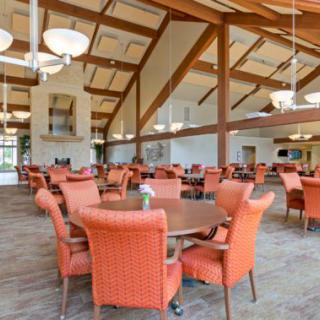
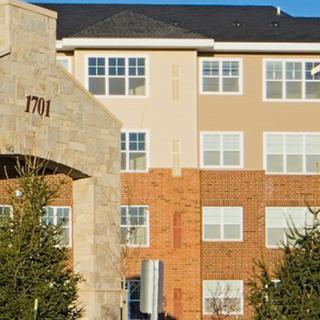
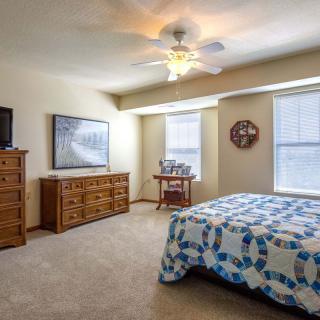
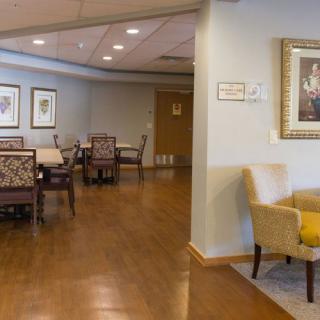
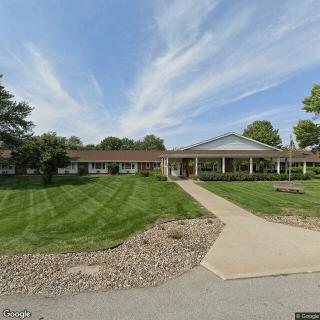
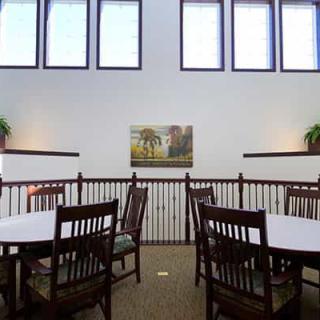
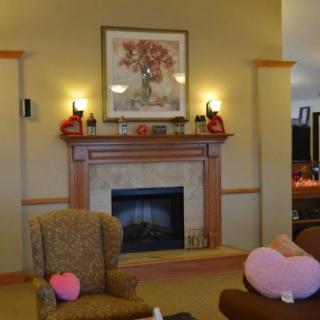
Edencrest at The Tuscany on seniors.fyi includes 6 photos including images showing outdoors, park, nature, trees, dining, kitchen, interior, living room, and more.
Nearby Communities
From the Heart Senior Care LLC
Altoona, IA
5 from 1 review
Prompt, thorough care with proactive communication.
Vintage Cooperative of Altoona
Altoona, IA
5 from 5 reviews
$1,344 to $1,391 / month
Affordable 1- and 2-bedroom options with full kitchens and on-site amenities (devotional services, beautician, fitness programs, Wi?Fi).
Prairie Village of Altoona
Altoona, IA
4.9 from 44 reviews
Caring staff and a strong sense of community.
Altoona Nursing And Rehabilitation Center
Altoona, IA
2.5 from 38 reviews
Broad on-site amenities and care services, including dining, salon, activities, and transportation.
Altoona Nursing and Rehab
Altoona, IA
3 from 47 reviews
Nice, clean, and friendly environment.
Prairie Vista Village
Altoona, IA
4.7 from 57 reviews
Modern, well-kept facility with spacious, light-filled apartments and attentive staff.
Courtyard Estates at Hawthorne Crossing
Bondurant, IA
4.1 from 60 reviews
$5,800 to $6,700 / month
Friendly staff, clean facility, and a broad range of on-site amenities and activities.
Valley View Village
Des Moines, IA
4.3 from 26 reviews
$990 to $1,100 / month
Comprehensive care options across levels with affordable rates and on-site dining.
Elsie Mason Manor
Des Moines, IA
4 from 29 reviews
$776 to $3,000 / month
Very affordable pricing relative to Polk County and Iowa averages, with active on-site programs.
Dementia encompasses progressive neurological disorders that impair cognitive functions and can lead to paranoia due to cognitive decline and emotional changes. The article discusses the triggers of paranoia in dementia, caregiver strategies for managing it, and the importance of distinguishing between dementia-related paranoia and other psychiatric conditions.
Memory care activities are essential for improving the quality of life of seniors with cognitive impairments, as they stimulate cognitive function, promote well-being, and encourage social interaction through tailored strategies. These activities combine structured exercises with spontaneous tasks, sensory engagement, physical workouts, creative pursuits, and intergenerational interactions to enhance emotional connection and a sense of purpose.
Transitioning from assisted living to memory care is driven by an individual's cognitive decline and specific needs, requiring careful evaluation of indicators like increased confusion and wandering. The process involves consulting medical professionals, researching suitable communities, considering financial and legal aspects, and ensuring effective communication for personalized care plans.
Get PricingAsk A QuestionSchedule A TourContact Senior Advisor
By clicking submit, you agree to our Partner's Terms of Use. You
also consent to receive calls and texts, which may be autodialed, from our Partner. Your consent is not a condition to
using our Partner's service. Please visit our Partner's Privacy Policy for information about their privacy practices.








 52 resident community capacity
 1-bedroom apartments
 Assisted Living
 Independent Living
 Memory Care
 Cats allowed
 Dogs allowed
 Activities off-site
 Air-conditioning
 Bath tubs
 Beautician on-site
 Cable or satellite TV
 Cafe
Cafe Computer center
 Devotional services off-site
 Dining room
 Fitness room
 Full kitchen
 Fully furnished
 Gaming room
 Garden
 General store
 Ground floor units
 Guest parking
 Handicap accessible
 Housekeeping services
 Indoor common areas
 Laundry
 Move-in coordination
 Outdoor space
 Overnight guests
 Party space
 Private bathrooms
 Private patio, deck, or balcony
 Respite or short term stays offered
 Restaurant-style dining
 Security gate
 Small library
 Spa
Spa Telephone
 VA Benefits Consultation
 Wheelchair accessible showers
 Wi-Fi/high-speed internet available
 Des Moines International (13 miles away)
 Community operated transportation
 12-16 hour nursing
 24-hour call system
 Ambulatory care
 Assistance with bathing
 Assistance with dressing
 Assistance with transfers
 Diabetes diet
 Diabetic care
 High acuity care
 Hospice waiver
 Incontinence care
 Medication management
 Mental wellness program
 Special dietary restrictions
 Transportation arrangement (medical)
 Art classes
 Book club
 Concierge services
 Cooking classes
 Day trips and outings
 Educational speakers / life long learning
 Happy hour
 Live dance or theater performances
 Live musical performances
 Protestant services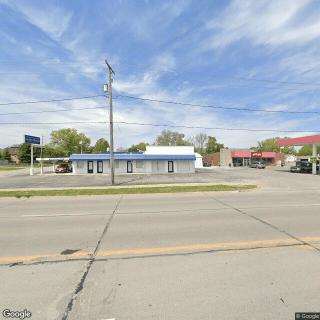
 Prompt, thorough care with proactive communication.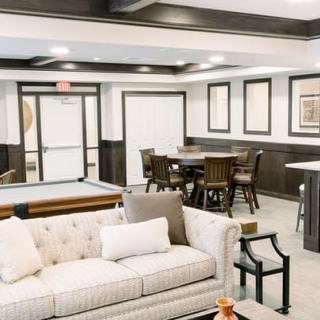



 Dementia, Paranoia, and Caregiver Guidance: Understanding the Connection
 Engaging Memory Care Activities That Enhance Quality of Life
 When to Transition from Assisted Living to Memory Care: Key Indicators, Steps, and Finding the Right Community