Altoona Nursing And Rehabilitation Center in Altoona, IA

Save

  • Interior

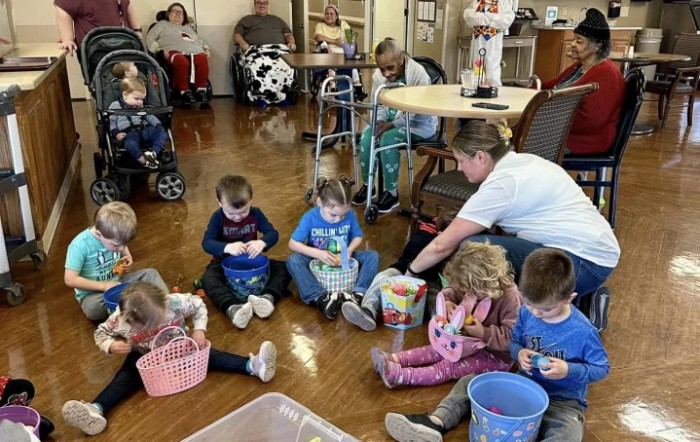
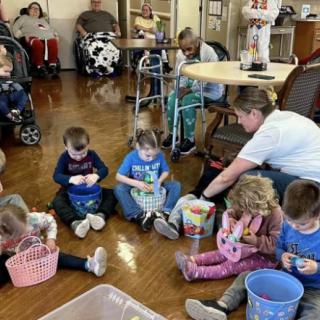
    Children and elderly people engage in a group activity indoors.
  • Outdoors

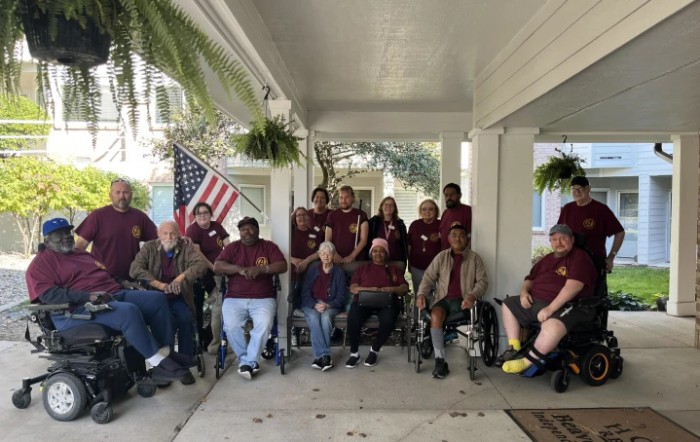
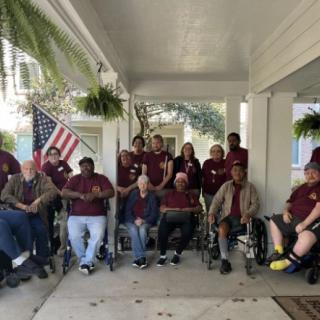
    A group of people poses together on a porch with an American flag in the background.
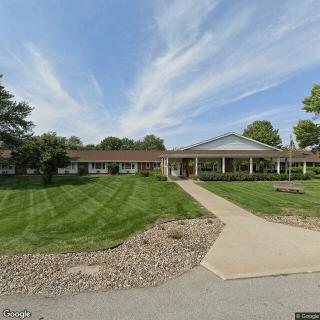
  • Building

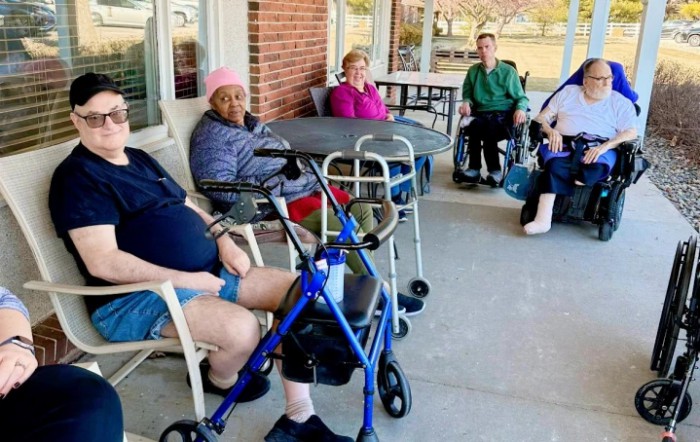
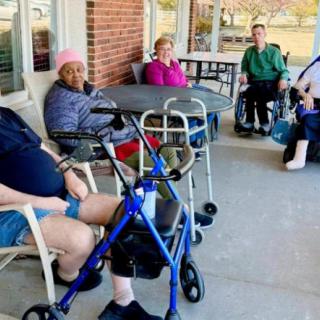
    A group of elderly individuals seated outside a building, some using wheelchairs and walkers.
  • Dining

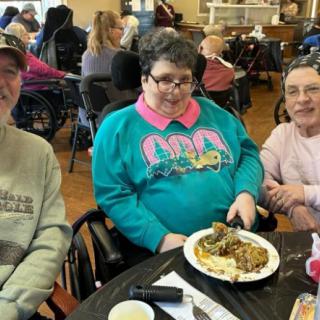
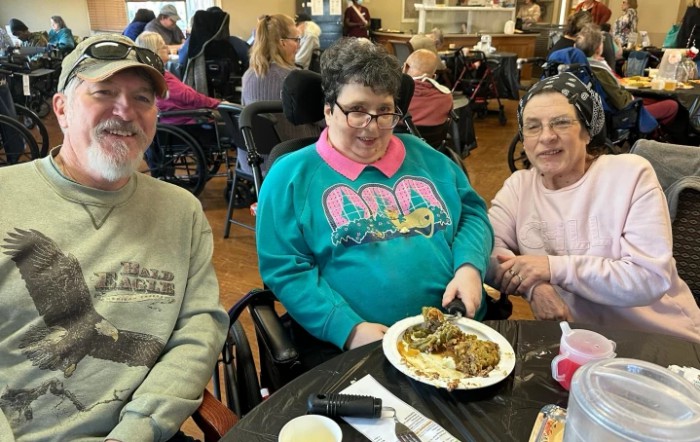
    A group of people enjoying a meal together indoors.
  • Exercise

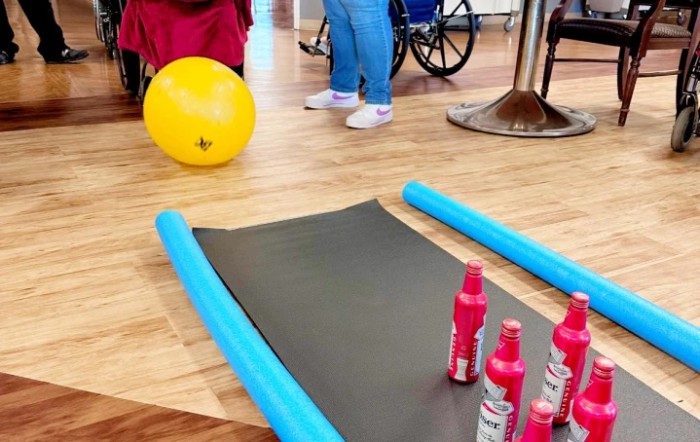
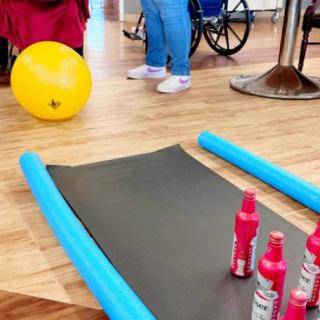
    A setup for an indoor exercise session with a yoga mat, foam rollers, and a yellow ball.
  • Wheelchair

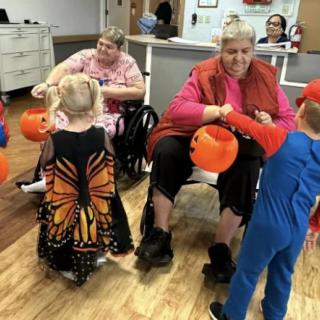
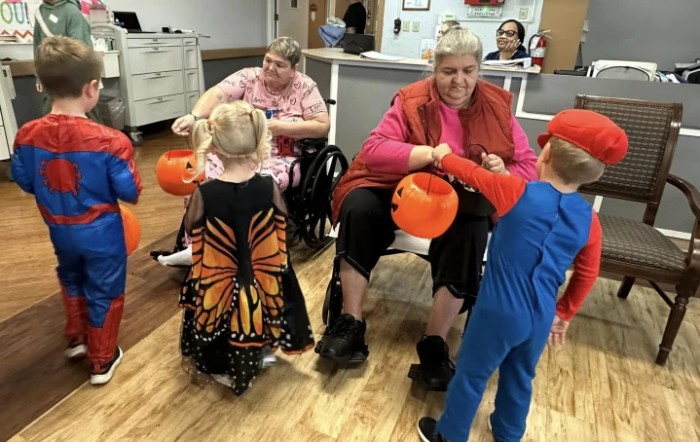
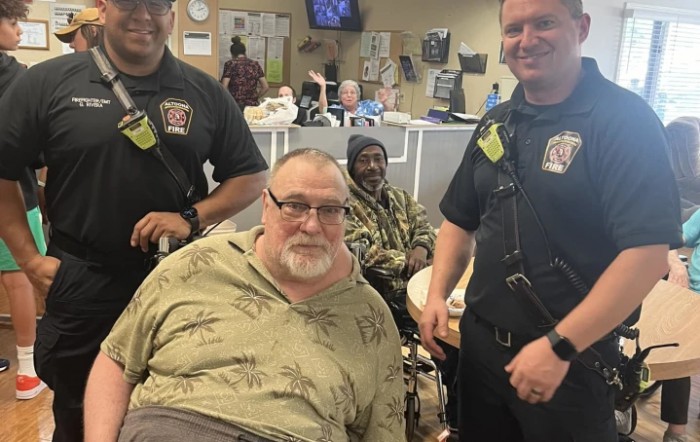
    Children in Halloween costumes interacting with seniors during a community event.

Altoona Nursing And Rehabilitation Center in Altoona, IA

200 Seventh Avenue Sw, Altoona, IA 50009

For more information about senior living options: (844) 490-3973

2.5 from 38 reviews
5 stars
10
4 stars
3
3 stars
3
2 stars
1
1 stars
21

Skilled Nursing Facility

Overall Review of Altoona Nursing And Rehabilitation Center

Pros

  • pro The leadership, clinical, and admissions teams are top notch and always lead with care and compassion for residents.
  • pro Their skilled care along with short-term and long-term services makes Altoona Nursing and Rehab a great place.
  • pro The facility has been taking great care of residents, with the director of nursing Lynne described as awesome, and the staff working hard to regain trust and doing an excellent job.
  • pro In the past, many staff members were respectful and kind, and the facility was clean with rooms kept well maintained.
  • pro The staff were helpful during the admission process, showing a supportive and caring team.

Cons

  • pro The administration is described as inept and unable to communicate basic messages.
  • pro The facility repeatedly failed to contact the family, including when the mother was hospitalized with COVID and pneumonia.
  • pro The staff allegedly transferred a patient's room to another person without informing the family.
  • pro The facility is characterized as unsafe and not health-conscious by reviewers.
  • pro The place is labeled unprofessional and suggested to be closed down to prevent harm.
  • pro The staff are described as rude and unaccountable, with residents waiting long periods for help.
  • pro Understaffing is a persistent problem, leading to delays in care and assistance.
  • pro The food is described as terrible, and residents are left without meals or in dirty, dingy conditions.

Review

This community is best suited for families seeking short-term, skilled rehabilitation with the potential for solid clinical progress when hands-on oversight is possible. It can serve as a workable option for residents who can be actively involved in care planning and stay engaged with the care team. However, for those prioritizing consistent, reliable daily care over the long term, especially if cognitive impairment is present or a memory care environment is needed, alternatives should be seriously considered. The facility's past performance suggests that outcomes may hinge on leadership direction and the level of family involvement.

Families should explicitly consider alternatives if dependable communication, uninterrupted daily support, and predictable service are non-negotiable requirements. There are repeated red flags around responsiveness and information flow, including missed calls to family members, incomplete bed holds, and disjointed discharge processes. For anyone who cannot personally supervise or appoint a trusted POA to monitor care continuously, the risk of missed updates, delayed decisions, and unaddressed concerns rises significantly. In other words, the care experience can deteriorate into a pattern where important details slip through the cracks.

On the upside, when administration and clinical leaders are aligned, the facility can deliver meaningful rehab progress. Several reviews note competent nursing, attentive therapy staff, and a capacity to handle short-term, goal-driven care. The presence of long-tenured clinicians and the facility's willingness to admit Medicare/Medicaid residents create practical access for families navigating sticker-price concerns. In those moments, residents can achieve rehabilitation milestones, regain mobility, and return home or transition to a less intensive setting with a clearer plan. Those positives, however, are fragile in the face of systemic miscommunication and staffing instability.

The most troubling patterns center on communication failures, staffing gaps, and inconsistent accountability. Families describe administrators who are slow to return calls, do not reliably inform primary contacts, and make bed-hold decisions without family coordination. Instances of patients being left in hospital settings without timely notification, lost belongings or glasses, and disorganized discharge plans emphasize a recurring fragility in daily operations. Reports of poor room cleanliness, long waits for assistance with basic needs, and staff who are perceived as rude or unresponsive further undermine trust. The facility has also faced severe accusations, including cases of pressure ulcers and even sepsis tied to perceived delays in care, with some reviews referencing state-level investigations.

Given these divergent experiences, families should approach a tour with a sharp checklist and clear expectations. Probe nurse-to-patient ratios, weekend coverage, and the cadence of daily rounds. Request to meet the director of nursing and admissions staff to assess whether proactive communication is standard practice. Ask for recent survey results or state findings, and request examples of how care plans are adjusted when concerns arise. Confirm how family notifications are managed for hospital transfers, medication changes, or essential recovery milestones. For dementia care scenarios, assess whether secure units and specialized staff are available and whether the environment feels safe and engaging.

In the end, Altoona Nursing and Rehabilitation Center presents a mixed proposition. The strongest case for it rests with families who can commit to rigorous oversight and who prioritize rehab potential when a clear care plan is in place. The strongest warning is for those who require steady, high-touch daily care and consistent, transparent communication as nonnegotiable standards. If the decision leans toward this facility, lock in a targeted rehab itinerary with explicit goals, assign a reliable point person for daily updates, and insist on visible, measurable progress reviews. If these safeguards cannot be guaranteed, proactively explore other options better aligned with reliable staffing, robust communication, and a consistently clean, respectful care environment.

Features

Housing

  • 106 resident community capacity 106 resident community capacity

Types of Care

  • Skilled Nursing Facility Skilled Nursing FacilitySkilled Nursing Facilities are crucial for seniors as they provide round-the-clock medical care, rehabilitation services, and assistance with daily activities. These facilities ensure that seniors receive the specialized care they need to maintain their health and well-being as they age.

Amenities

  • Air-conditioning Air-conditioningAir conditioning is important for seniors as they are more vulnerable to heat-related illnesses and may have underlying health conditions that make it difficult for them to regulate their body temperature. It helps to keep them comfortable, safe, and healthy in hot weather.
  • Beauty salon Beauty salonBeauty salons are important for seniors because they provide a space for them to feel pampered, socialize, and maintain their personal grooming and hygiene. Regular visits to a beauty salon can help boost seniors' self-esteem and overall well-being.
  • Cable or satellite TV Cable or satellite TVCable or satellite TV is important for seniors because it provides entertainment, news, and companionship, helping to combat loneliness and boredom. It also offers a wide range of programming options tailored to different interests and preferences.
  • Computer center Computer centerA computer center is essential for seniors as it provides access to technology, communication tools, and resources that can enhance their daily lives. It allows them to stay connected with loved ones, engage in online activities, and learn new skills, ultimately promoting socialization and mental stimulation.
  • Dining room Dining roomDining rooms are important for seniors as they provide a space for socialization, connection, and nutritious meals. They offer opportunities for residents to bond over shared meals, foster a sense of community, and promote healthy eating habits. Dining rooms also ensure that seniors have access to well-balanced meals tailored to their dietary needs and preferences.
  • Fitness room Fitness roomHaving a fitness room in a senior living community is essential for seniors to stay active, maintain their physical health, and improve their overall well-being. Regular exercise can help prevent falls, reduce the risk of chronic diseases, and promote mental sharpness. It also provides social opportunities for residents to connect with others and enjoy a sense of community.
  • Fully furnished Fully furnishedFully furnished senior living communities are important for seniors because they provide convenience, comfort, and a hassle-free moving experience. Seniors can easily settle into their new living space without the stress of having to buy and move furniture. This allows them to focus on enjoying their new home and community.
  • Gaming room Gaming roomGaming rooms are important for seniors as they provide a fun and engaging environment for socializing, cognitive stimulation, and physical activity. Games can improve memory, problem-solving skills, and overall mental well-being while fostering friendships and reducing feelings of isolation.
  • Garden GardenGardens are important for seniors as they provide a peaceful and therapeutic environment for relaxation, physical activity, and socialization. Being in nature has been shown to reduce stress, improve mood, and promote overall well-being. Gardens also offer opportunities for seniors to engage in gardening activities, which can improve mobility, flexibility, and cognitive function. Additionally, gardens create a sense of community and connection with others who share a passion for plants and outdoor spaces.
  • Housekeeping services Housekeeping servicesHousekeeping services are important for seniors because they help maintain a clean and safe living environment, promote independence, and reduce the risk of accidents or illnesses. Additionally, having assistance with household chores can alleviate physical strain and allow seniors to focus on other aspects of their well-being.
  • Kitchenette KitchenetteKitchenettes are important for seniors living in senior living communities because they provide the convenience and independence of being able to prepare simple meals and snacks in the comfort of their own living space. This can help promote a sense of autonomy and well-being for seniors, allowing them to maintain some level of control over their dietary choices and daily routines.
  • Move-in coordination Move-in coordinationMove-in coordination is important for seniors because it helps ease the transition into their new living environment. It ensures that all logistics, such as packing, organizing movers, and setting up utilities are taken care of, allowing seniors to focus on settling in and adjusting to their new home. Having a smooth move-in process can alleviate stress and anxiety, making the transition smoother and more enjoyable for seniors.
  • Outdoor space Outdoor spaceOutdoor spaces are important for seniors as they provide opportunities for physical activity, social interaction, exposure to natural light and fresh air, and a sense of connection to nature. Having access to outdoor spaces can improve overall well-being and quality of life for older adults living in senior communities.
  • Private bathrooms Private bathroomsPrivate bathrooms are important for seniors in senior living communities because they provide independence, dignity, and comfort. Having a private bathroom allows seniors to maintain their personal hygiene routines without the need for assistance, promoting a sense of autonomy and privacy. Additionally, private bathrooms help prevent the spread of infections and provide a safe and clean environment for seniors to navigate safely.
  • Restaurant-style dining Restaurant-style diningRestaurant-style dining is important for seniors because it allows them to enjoy delicious, nutritious meals in a social and upscale setting. This enhances their dining experience, promotes healthy eating habits, and fosters socialization with fellow residents, ultimately contributing to their overall well-being and quality of life.
  • Small library Small librarySmall libraries are important for seniors as they provide access to a variety of reading materials, including books, newspapers, and magazines. This can help stimulate their minds, keep them engaged, and provide a sense of community through book clubs and other social activities. Additionally, reading has been shown to improve cognitive function and overall mental well-being in older adults.
  • Telephone TelephoneTelephones are important for seniors as they provide a lifeline for communication with loved ones, emergency services, and healthcare providers. They offer a sense of security and independence, enabling seniors to stay connected and access assistance when needed.
  • Wellness center Wellness centerWellness centers are important for seniors because they offer a variety of programs and services that promote physical, mental, and emotional well-being. These centers provide opportunities for exercise, socialization, education, and relaxation, helping seniors maintain their overall health and quality of life.
  • Wi-Fi/high-speed internet available Wi-Fi/high-speed internet availableWi-Fi/high-speed internet is important for seniors to stay connected with loved ones, access online resources, and participate in virtual activities to combat feelings of loneliness and isolation. It also allows them to easily manage healthcare needs, access entertainment, and engage in lifelong learning opportunities.

Transportation

  • Des Moines International (13 miles away) Des Moines International (13 miles away)
  • Community operated transportation Community operated transportationCommunity operated transportation is crucial for seniors as it provides them with the means to access essential services, social activities, and medical appointments. It allows seniors to maintain their independence and quality of life by ensuring they can participate in activities outside of their homes. Additionally, community-operated transportation services offer a safe and reliable way for seniors to travel without having to rely on family or friends for assistance.
  • Transportation arrangement Transportation arrangementTransportation arrangements are crucial for seniors as they may face challenges with driving, mobility, or access to public transportation. Having reliable transportation services ensures that seniors can easily attend appointments, social activities, and maintain their independence and quality of life.
  • Transportation arrangement (non-medical) Transportation arrangement (non-medical)Transportation arrangements are essential for seniors as they provide access to essential services, activities, and social interactions outside the home. This service helps maintain independence, mobility, and overall well-being for seniors who may have limited transportation options.
  • Transportation to doctors appointments Transportation to doctors appointmentsTransportation to doctors appointments is crucial for seniors as it ensures they have access to necessary medical care and support, promoting their health and well-being. It allows them to receive timely treatment, monitor existing conditions, and address any new health concerns efficiently. Additionally, transportation services can help seniors maintain their independence and quality of life by enabling them to stay connected with their healthcare providers.

Care Services

  • 12-16 hour nursing 12-16 hour nursing12-16 hour nursing care is crucial for seniors in order to ensure around-the-clock monitoring, timely medication administration, and prompt response to any health concerns or emergencies. This level of care helps to promote the overall well-being and safety of seniors living in senior living communities.
  • 24-hour call system 24-hour call system24-hour call systems are important for seniors because they provide peace of mind and immediate assistance in case of emergencies. This technology ensures that help is always available, promoting safety and security for elderly individuals living alone or in assisted living facilities.
  • 24-hour supervision 24-hour supervision24-hour supervision is important for seniors to ensure their safety, well-being, and access to immediate assistance in case of emergencies or health issues. This constant support provides peace of mind for both seniors and their loved ones, allowing them to age in place with dignity and security.
  • Activities of daily living assistance Activities of daily living assistanceActivities of daily living assistance are important for seniors because they provide essential support with tasks such as eating, bathing, dressing, and mobility. This assistance helps seniors maintain their independence, dignity, and overall quality of life as they age.
  • Assistance with bathing Assistance with bathingAssistance with bathing is crucial for seniors as it helps maintain personal hygiene, prevents infections, and ensures their overall well-being and comfort. It also provides a sense of dignity and independence for seniors who may struggle with this task on their own.
  • Assistance with dressing Assistance with dressingAssistance with dressing is important for seniors because it helps maintain their independence, promotes personal hygiene, prevents accidents and injuries, and improves overall quality of life. This service ensures that seniors can continue to dress comfortably and confidently, despite any physical limitations they may have.
  • Assistance with transfers Assistance with transfersAssistance with transfers is crucial for seniors as it helps prevent falls and injuries, maintains their independence, and ensures they can safely navigate their living environment. It also provides peace of mind for both seniors and their loved ones.
  • Diabetes diet Diabetes dietA diabetes diet is crucial for seniors as it helps manage blood sugar levels, reduce risks of complications, and improve overall health and well-being. By following a balanced and nutritious diet tailored to their specific needs, seniors can better control their diabetes and enhance their quality of life.
  • Meal preparation and service Meal preparation and serviceMeal preparation and service are crucial for seniors as they may have limited mobility or energy to cook nutritious meals. Having access to healthy and convenient food options can ensure they are getting the proper nutrition needed to maintain their overall health and well-being.
  • Medication management Medication managementMedication management is crucial for seniors to ensure they are taking the right medications at the correct dosages and times. This helps prevent adverse drug interactions, reduces the risk of medication errors, and promotes overall health and well-being. Proactive management also allows for adjustments as needed based on changing health conditions or new prescriptions.
  • Mental wellness program Mental wellness programMental wellness programs are essential for seniors as they promote cognitive stimulation, emotional support, and social engagement. These programs help prevent isolation, depression, and cognitive decline, ultimately enhancing the overall quality of life for older adults.
  • Special dietary restrictions Special dietary restrictionsSpecial dietary restrictions are important for seniors because age-related changes in metabolism and health conditions can make it difficult for their bodies to process certain foods. By following a diet tailored to their specific needs, seniors can maintain their overall health and well-being, manage chronic conditions, and reduce the risk of complications such as malnutrition or food interactions with medications.

Dining

  • Diabetes diet Diabetes dietA diabetes diet is crucial for seniors as it helps manage blood sugar levels, reduce risks of complications, and improve overall health and well-being. By following a balanced and nutritious diet tailored to their specific needs, seniors can better control their diabetes and enhance their quality of life.
  • Special dietary restrictions Special dietary restrictionsSpecial dietary restrictions are important for seniors because age-related changes in metabolism and health conditions can make it difficult for their bodies to process certain foods. By following a diet tailored to their specific needs, seniors can maintain their overall health and well-being, manage chronic conditions, and reduce the risk of complications such as malnutrition or food interactions with medications.

Activities

  • Community-sponsored activities Community-sponsored activitiesCommunity-sponsored activities are important for seniors as they provide opportunities for social interaction, mental stimulation, and physical activity. These activities can help improve overall well-being, combat loneliness and isolation, and promote a sense of belonging and purpose among older adults.
  • Concierge services Concierge servicesConcierge services are essential for seniors as they provide assistance with daily tasks and errands, enhance their quality of life by offering convenience and personalized care, and promote a sense of safety and security.
  • Fitness programs Fitness programsFitness programs are crucial for seniors as they help improve strength, flexibility, balance, and overall well-being. Staying active can reduce the risk of chronic diseases, improve mental health, and enhance quality of life in older adults.
  • Planned day trips Planned day tripsPlanned day trips are important for seniors because they offer opportunities for socialization, mental stimulation, and physical activity. They provide a change of scenery and help seniors stay engaged and connected to their community, promoting overall well-being and quality of life.
  • Resident-run activities Resident-run activitiesResident-run activities are important for seniors as they encourage social interaction, creativity, and a sense of autonomy. These activities empower seniors to stay engaged and active in their community while fostering meaningful connections with their peers.
  • Scheduled daily activities Scheduled daily activitiesScheduled daily activities are important for seniors because they provide structure, socialization, mental stimulation, and physical activity. Engaging in regular activities can improve overall well-being and quality of life for seniors living in a community setting.

Description

The Altoona Nursing And Rehabilitation Center in Altoona, IA offers a comprehensive range of amenities and care services to provide a comfortable and supportive environment for its residents. The community features a beauty salon where residents can enhance their personal grooming, as well as cable or satellite TV in each room for entertainment.

To facilitate transportation needs, the community provides community-operated transportation and transportation arrangements to doctors' appointments. A computer center is available for residents to access technology and stay connected with loved ones.

Meals are served in a dining room with restaurant-style dining, offering a variety of options to accommodate special dietary restrictions. For those who prefer cooking their own meals, there is a kitchenette available for use.

The living spaces are fully furnished and offer private bathrooms for convenience and privacy. Housekeeping services ensure that the living spaces are clean and well-maintained.

Residents can enjoy various recreational activities within the community, including a fitness room, gaming room, outdoor space, small library, and wellness center. Concierge services help residents plan day trips and resident-run activities provide opportunities for socializing and engaging with peers.

Care services provided include 24-hour call system and supervision to ensure residents' safety at all times. Assistance with daily activities such as bathing, dressing, transfers are readily available when needed. The staff also helps manage medications according to individual needs and provides specialized diet plans like diabetes diet or special dietary restrictions.

Surrounding the community are several pharmacies, physicians' offices, restaurants, and theaters nearby which ensures easy access to healthcare facilities as well as leisure activities.

Overall, the Altoona Nursing And Rehabilitation Center offers an inclusive assisted living experience with an array of amenities and care services designed to support the physical wellbeing, mental wellness, social engagement, and convenience of its residents.

Nearby Places of Interest

Restaurants

  • Brightside Aleworks (0.6 miles)
  • Taco John's (1.2 miles)
  • Spectators Sports Bar & Grill (1.3 miles)
  • Raising Cane's Chicken Fingers (1.4 miles)
  • Guadalajara Mexican Re (1.4 miles)
  • Wendy's (1.7 miles)
  • Founders Irish Pub (3.6 miles)

Pharmacies

  • Walgreens (0.6 miles)
  • Lutz Pharmacy (0.7 miles)
  • Target Pharmacy (1.7 miles)
  • CVS Pharmacy (1.7 miles)
  • Walgreens (5.2 miles)
  • Kayser Hearing Aid & Audiology (5.3 miles)
  • Walgreens (6.7 miles)

Physicians

  • Whylie Eye Care Centers (0.8 miles)
  • Radiant Complexions Altoona (1.4 miles)
  • Miracle-Ear Hearing Aid Center (1.5 miles)
  • Doctors Now (1.8 miles)
  • Wolfe Eye Clinic (3.6 miles)
  • Iowa Ortho (3.6 miles)
  • MercyOne Pleasant Hill ENT Care (3.6 miles)

Theaters

  • Cinemark Altoona And Xd (1.1 miles)
  • B&B Theatres Ankeny 12 & B-Roll Bowling (7.3 miles)
  • B&B Theater And B-Roll (8.8 miles)

Cafes

  • Panera Bread (6.9 miles)
  • Starbucks (7 miles)
  • Starbucks (8.7 miles)
  • Main Street Cafe & Bakery (8.8 miles)

Hospitals

  • Unity Point Health (7.8 miles)
  • Mercy Medical Center 7 South (8.5 miles)
  • Mercy Hospital Pediatric Unit (8.5 miles)
  • Select Specialty Hospital-Des Moines (8.5 miles)
  • Mercy River Hills Surgery Center (8.6 miles)

Places of Worship

  • Saylorville Baptist Church (8.2 miles)

Frequently Asked Questions

Where is Altoona Nursing And Rehabilitation Center?
What photos are available for Altoona Nursing And Rehabilitation Center in Altoona, Iowa?

Nearby Communities

  • Altoona Nursing and Rehab

    Altoona Nursing and Rehab

    Altoona, IA

    2.5 from 36 reviews
     

    pro Nice, clean, and friendly environment.

  • Vintage Cooperative of Altoona

    Vintage Cooperative of Altoona

    Altoona, IA

     
    $1,344 to $1,391 / month

    pro Affordable 1- and 2-bedroom options with full kitchens and on-site amenities (devotional services, beautician, fitness programs, Wi?Fi).

  • Prairie Village of Altoona

    Prairie Village of Altoona

    Altoona, IA

    4.9 from 44 reviews
     

    pro Caring staff and a strong sense of community.

  • From the Heart Senior Care LLC

    From the Heart Senior Care LLC

    Altoona, IA

    5 from 1 review
     

    pro Prompt, thorough care with proactive communication.

  • Edencrest at The Tuscany

    Edencrest at The Tuscany

    Altoona, IA

    4.1 from 57 reviews
    $2,200 to $3,550 / month

    pro Professional, timely care; friendly memory care staff; modern, well-equipped facilities with engaging activities.

  • Prairie Vista Village

    Prairie Vista Village

    Altoona, IA

    4.7 from 48 reviews
     

    pro Modern, well-kept facility with spacious, light-filled apartments and attentive staff.

  • Courtyard Estates at Hawthorne Crossing

    Courtyard Estates at Hawthorne Crossing

    Bondurant, IA

    4.1 from 57 reviews
    $5,800 to $6,700 / month

    pro Friendly staff, clean facility, and a broad range of on-site amenities and activities.

  • Valley View Village

    Valley View Village

    Des Moines, IA

    4.3 from 26 reviews
    $990 to $1,100 / month

    pro Comprehensive care options across levels with affordable rates and on-site dining.

  • Elsie Mason Manor

    Elsie Mason Manor

    Des Moines, IA

     
    $776 to $3,000 / month

    pro Very affordable pricing relative to Polk County and Iowa averages, with active on-site programs.

Related Resources

  • aid and attendance vaIn-Depth Look at the VA Aid and Attendance Program

    The VA Aid and Attendance program offers financial assistance to veterans needing help with daily activities due to health issues, available through a pension for low-income wartime veterans or an allowance for 100% disabled individuals. Eligibility depends on medical documentation of care needs and navigating guidelines about income and service history, with funds being usable for various healthcare-related expenses.

  • caring for elderly parentsNurturing Our Loved Ones: A Daughter's Journey in Caring for Her Mother

    Please provide the content you'd like summarized.

  • caring for elderly parentsNurturing Our Elders: Linda's Journey of Supporting Her Mother
    Linda's caregiving journey for her elderly mother, Joan, is marked by deep love and challenges as she navigates health changes, emotional support, and practical arrangements while learning to prioritize self-care and utilize community resources. Their evolving relationship highlights resilience and the universal themes of empathy and preparedness in caregiver experiences.