Prairie Hills at Independence

Save

  • Interior

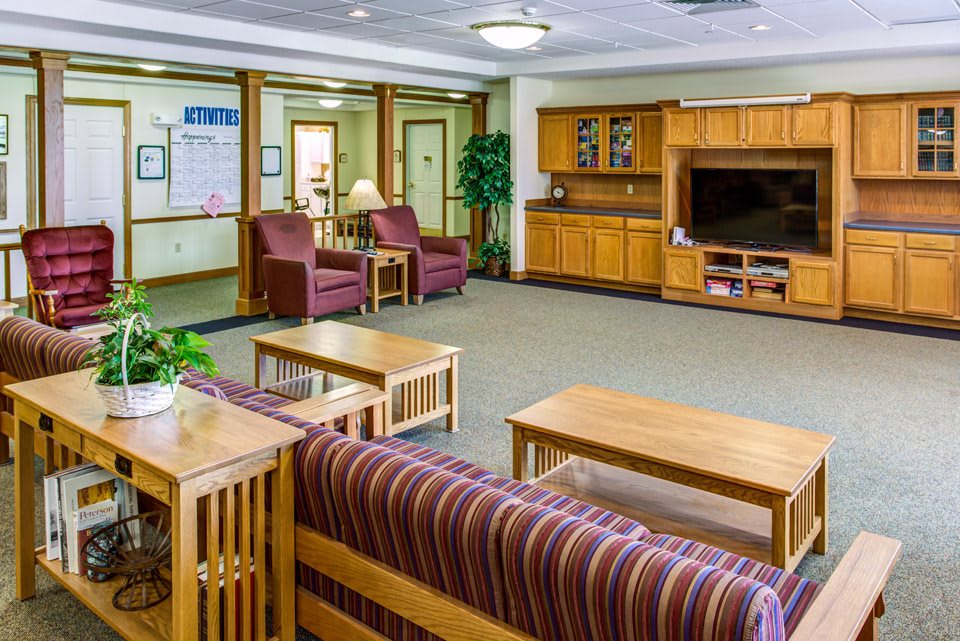
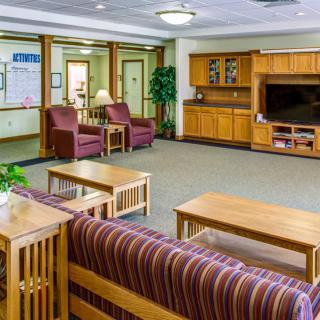
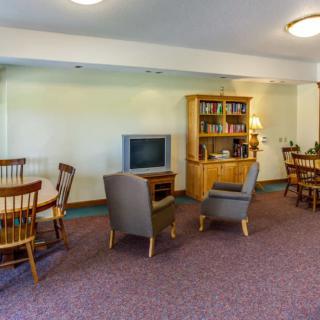
    A cozy living room with comfortable seating and a television cabinet.
  • Decor

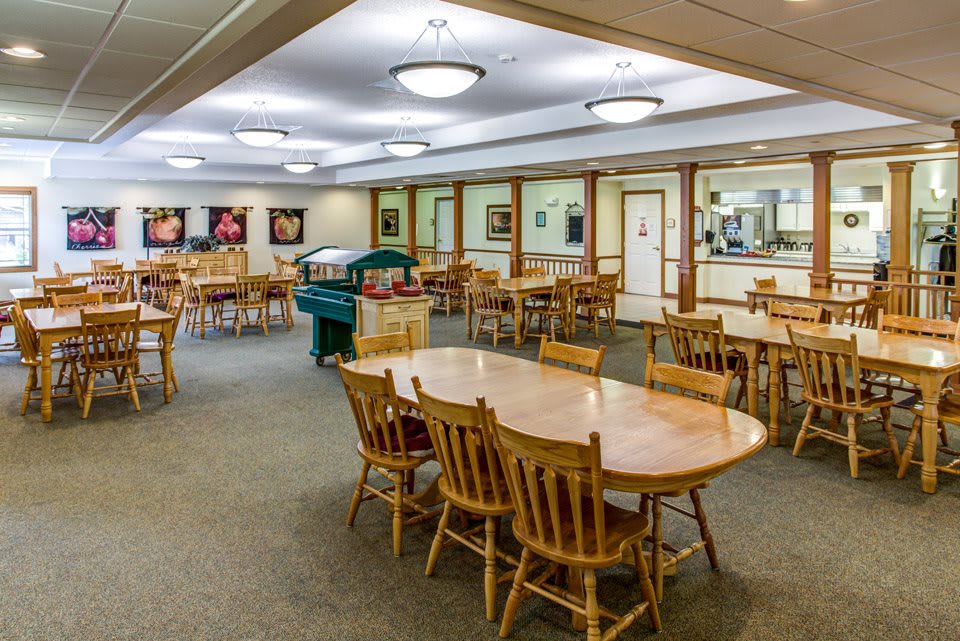
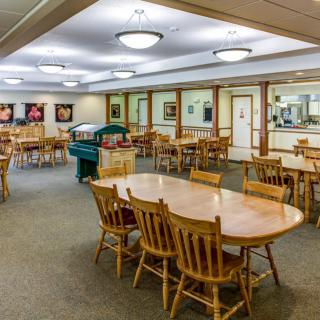
    A spacious dining area with wooden tables and chairs, featuring bright lighting and artwork on the walls.
  • Living Room

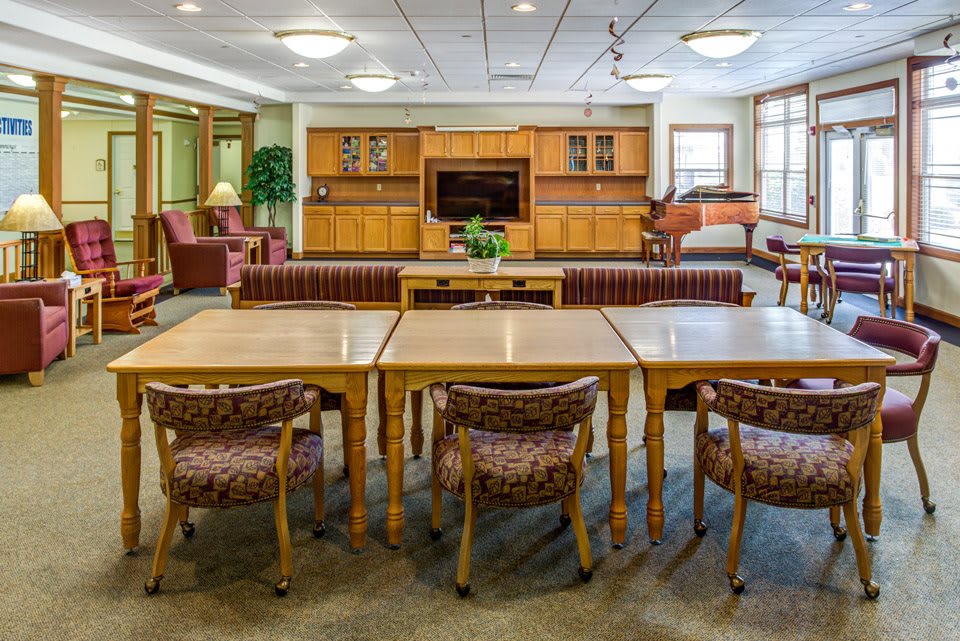
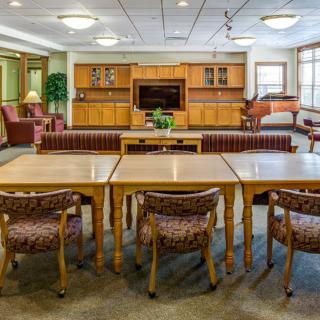
    A spacious and well-lit lounge area with tables, chairs, a piano, and a television.
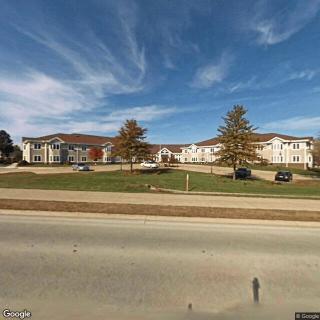
  • Building

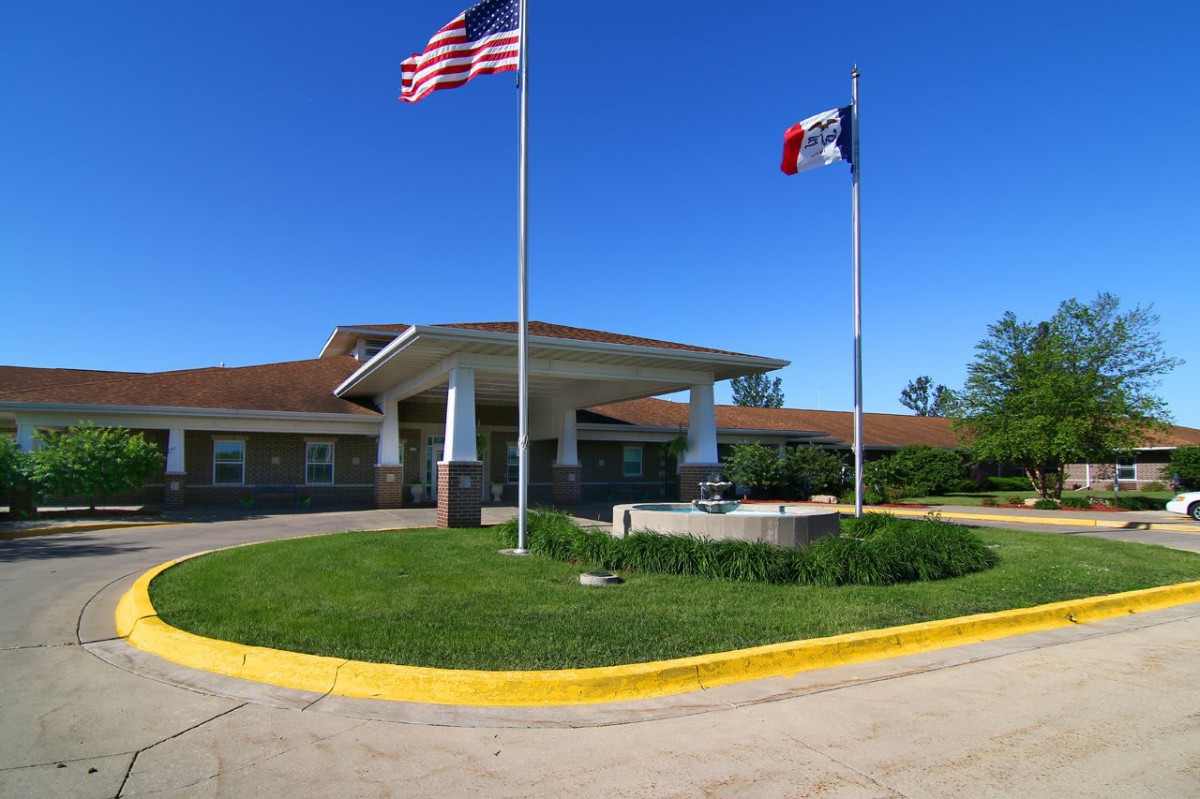
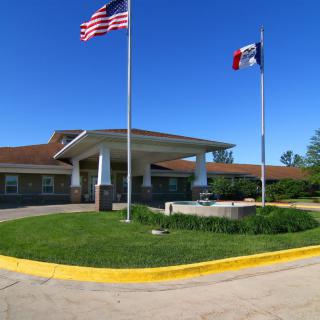
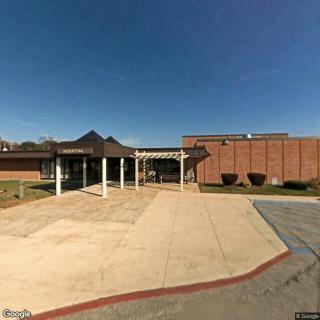
    The entrance of a building with American and Texas flags waving in the breeze under a clear blue sky.
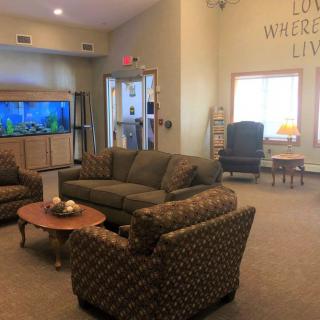
  • Architecture

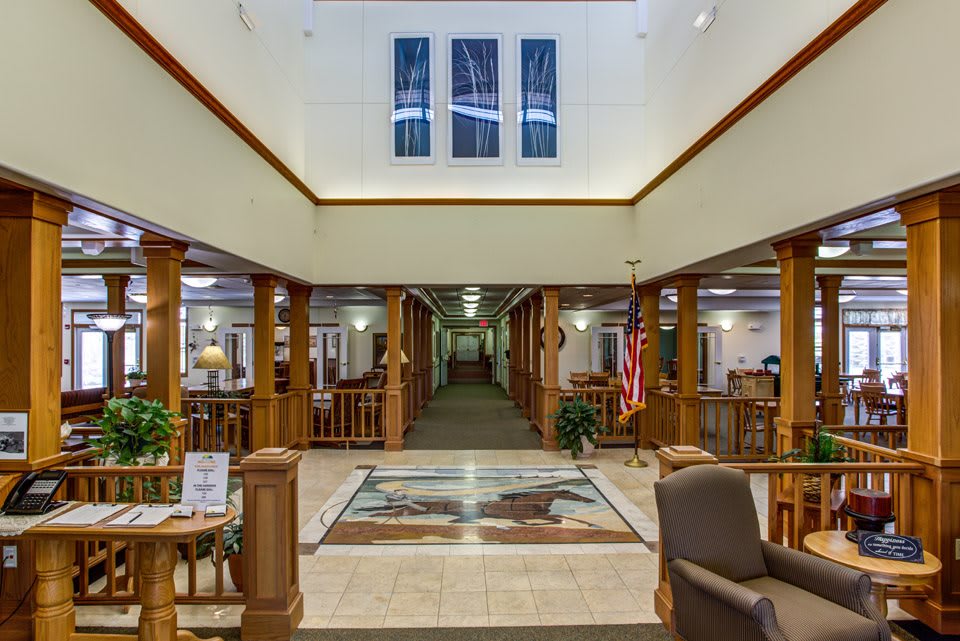
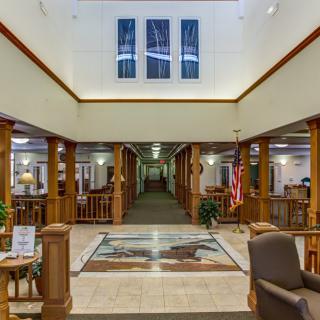
    Spacious lobby with wooden architecture and comfortable seating.
  • Lighting

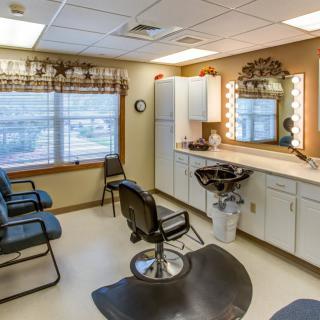
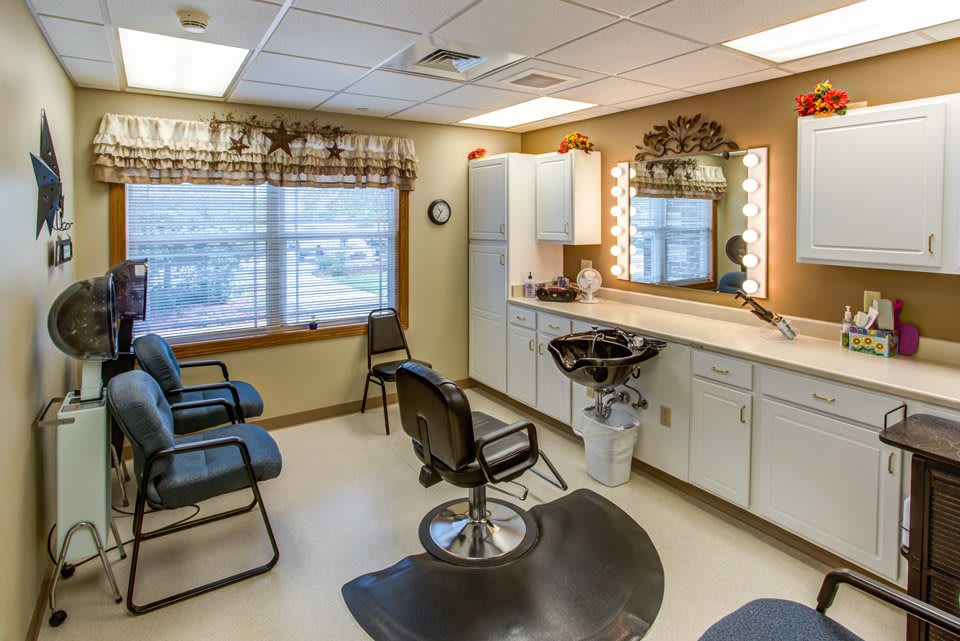
    A tidy hair salon interior with chairs, mirrors, and a styling station.
  • Artwork

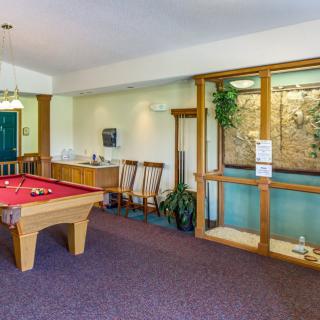
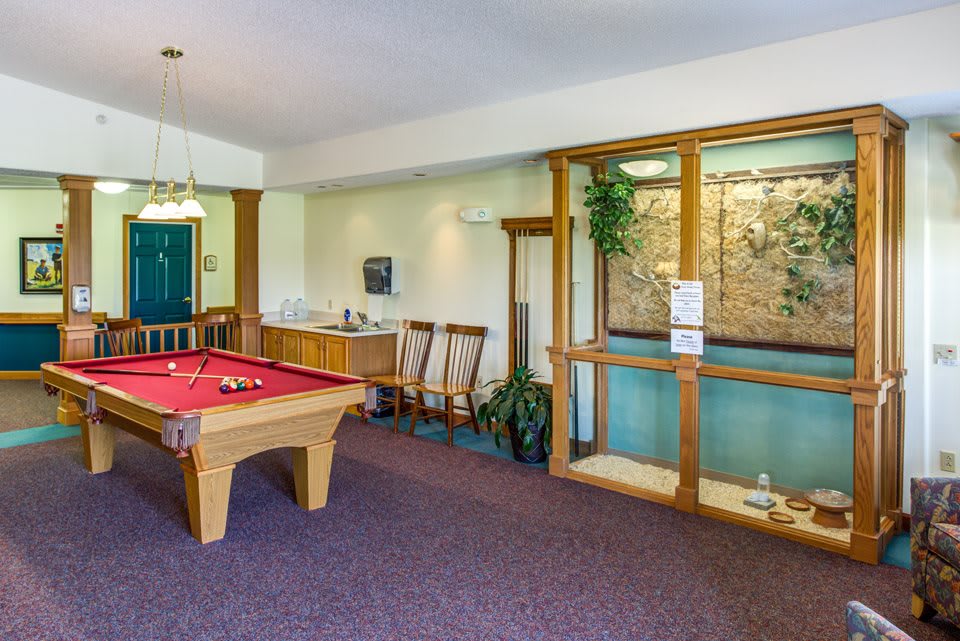
    A cozy game room featuring a pool table and seating area, complemented by decorative plants and artwork.
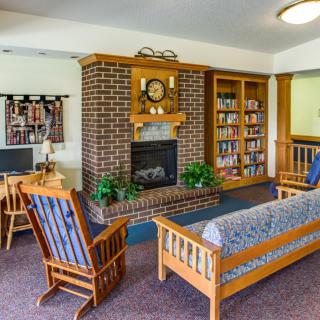
  • Fireplace

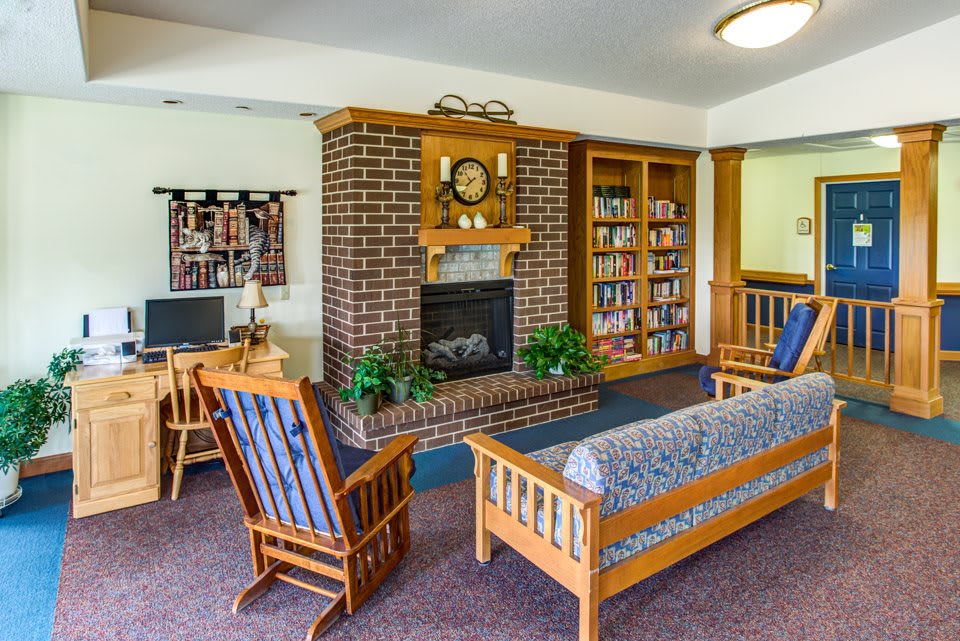
    A cozy living room featuring a brick fireplace, wooden furniture, and a bookshelf.
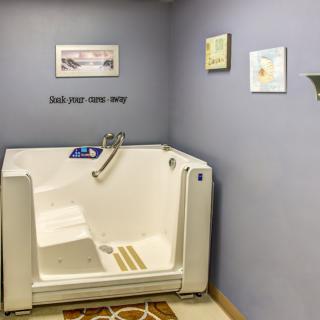
  • Bathroom

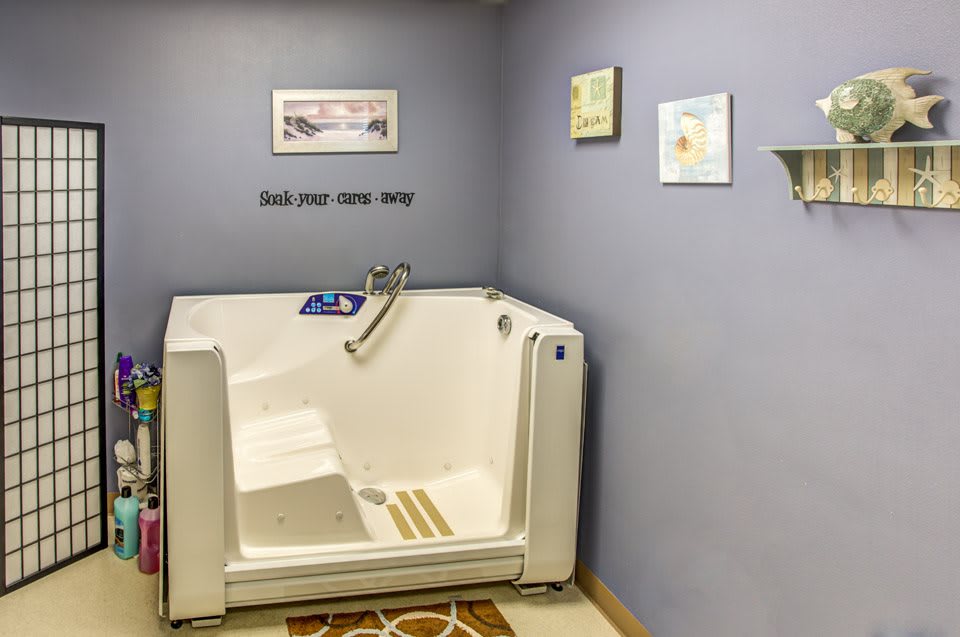
    A well-designed bathroom featuring a walk-in bathtub for accessible and comfortable bathing.

Prairie Hills at Independence

505 Enterprise Dr SW, Independence, IA 50644

For more information about senior living options: (844) 490-3973

4.6 from 68 reviews
5 stars
57
4 stars
5
3 stars
0
2 stars
2
1 stars
4

Assisted Living Memory Care

Prairie Hills at Independence Costs & Pricing

Prairie Hills at Independence offers a range of living options with monthly costs that reflect the quality and services provided. For a studio, residents can expect to pay $3,800 per month, which aligns with the average cost in Buchanan County but is slightly above the state average of $3,613. The one-bedroom apartment is priced at $4,050, matching both the county rate and significantly exceeding Iowa's average of $2,862. Finally, for those considering a two-bedroom option, the cost stands at $5,300 - once again consistent with local pricing yet notably higher than Iowa's average of $3,329. These rates underscore Prairie Hills' commitment to delivering exceptional care and amenities tailored to its residents' needs while reflecting regional market trends.

Floor plansPrairie Hills at IndependenceBuchanan CountyIowa
Studio$3,800$3,800$3,609
1 Bedroom$4,050$4,050$2,863
2 Bedrooms$5,300$5,300$3,329

What level of care are you interested in?

Assisted Living

Memory Care

Independent Living

Skilled Nursing Facility

Continuing Care Retirement Community (CCRC)CCRC

Other


Request a tour at Prairie Hills at Independence

    Overall Review of Prairie Hills at Independence

    Pros

    • pro Reviewers describe Prairie Hills as the perfect place for their loved one, with good food, social activities, and private space.
    • pro The staff are described as helpful and friendly.
    • pro The facility is clean, well maintained, and in a beautiful location.
    • pro Residents are treated with respect and kept safe.
    • pro In-house therapy and on-site physical therapy support residents' mobility and well-being.
    • pro Residents eat well, gain back weight, and seem happier and more socially engaged.
    • pro There are numerous activities and a positive, nurturing environment.
    • pro The care and service are described as amazing and above and beyond.
    • pro The Senior Lifestyle Counselor is described as friendly, respectful, and valued by families.
    • pro Prairie Hills is repeatedly recommended by families and trusted with referrals.

    Cons

    • pro Prairie Hills' quality of care has declined rapidly since it was sold to a new company.
    • pro Residents report meals described as horrid or inedible, with management not addressing their concerns.
    • pro The administrator is described as rude to residents and unwilling to discuss complaints in meetings.
    • pro Prices have increased substantially, with new or extra fees appearing on bills.
    • pro Office leadership reportedly provides little support to caregiving staff, impacting overall care.
    • pro Some residents feel meetings exist mainly to fill schedules and do not allow discussion of concerns, undermining residents' dignity.

    Review

    Prairie Hills Assisted Living has been described by many families as a place that can feel just right for a loved one who wants good meals, social activity, and the comfort of private living space. Several reviews begin with a fond snapshot: a mom who enjoys the company of others, participates in daily activities, and benefits from approachable staff who are readily available when needed. The early impressions paint a picture of a clean, well-maintained environment where residents can feel both secure and engaged. In these accounts, the overall tone is warm and hopeful, with praise for in-house therapies, social events, and the sense that staff members truly care about daily quality of life.

    Yet the same community has an evolving narrative that some families are wrestling with. An update from one family member signals a sharp shift in perception: the facility has been sold to a new company, and the sentiment among those with loved ones living there has shifted toward concern. The new motto they've encountered - "Pay more for less" - echoes a frustration with rising costs and new charges that weren't present before. The sense of caregiving quality, which had once felt stable and robust, began to feel unstable as reports emerged of rapid declines in care, paired with a sense that the new administration focused more on the bottom line than on resident well-being.

    The most pointed criticism centers on the leadership and their handling of resident concerns. A striking incident recounted by a parent involved walking into a resident/admin meeting and hearing a dismissive tone from the administrator toward people who were voicing complaints about meals. One resident described the administrator's response as rude, insisting the conversation be moved to private discussions in her office. The reviewers emphasize that meetings exist to address and discuss issues like meal quality and overall care, but when residents feel hushed or dismissed, trust erodes. The quoted line, "Just because we stay in our offices, doesn't mean we don't care," was cited as emblematic of a disconnect between leadership and residents. The frustration is compounded by the perception that activities are listed to fill schedules rather than to reflect genuine input from residents and their families, leaving some feeling talked over rather than heard.

    These concerns about management come alongside accounts from families who have seen a different Prairie Hills in action. A number of residents' families stress that there are definitely good, dedicated staff members who provide meaningful, attentive care. They speak of staff who treat loved ones with respect, listen to their wishes, and strive to keep residents safe. Physical therapy and other in-house therapies are mentioned as valuable, and several families note improvements in mood, appetite, and social engagement when staff stay consistently involved. In some cases, families recount that their loved ones have gained back weight, become more social, or regain a sense of normalcy through daily routines, activities, and therapy.

    Amid the mixed feelings, there is a large contingent of positive testimonials highlighting the facility's strengths. Many reviews laud the staff as friendly, kind, and helpful, and point to a welcoming environment that makes residents feel valued. The facility is repeatedly described as clean and well maintained, with a location that families find attractive and accessible. Several reviewers mention the breadth of activities and community engagement, from weekly outings to bus rides and memory-care programming that helps residents stay mentally and physically engaged. The care teams are portrayed as going above and beyond in many instances, with families noting responsive communication and genuine concern for their loved ones' happiness and safety.

    Some comments spotlight particular staff and community connections that leave lasting impressions. A Senior Lifestyle Counselor named Sarah Zimmerman receives frequent praise from colleagues and community partners for her warmth, respect, and proactive engagement with residents and families. The impression is that thoughtful staff, from activity coordinators to on-site therapists, play a crucial role in shaping a positive lived experience at Prairie Hills. Across several reviews, people credit these individuals with creating a sense of belonging, whether through daily interactions, personalized care, or outreach to local centers and services. The consistent theme is that respectful, person-centered care can be found at Prairie Hills when staff are supported and empowered to do their jobs.

    In the broader landscape of feedback, one family's experience illustrates both the supportive and challenging sides of Prairie Hills. A relative who moved his parents into Prairie Hills in 2023 describes a transition that restored his peace of mind regarding his father's care. He highlights in-house therapy, memory-care resources, and a team willing to tailor care to evolving needs. He emphasizes how the staff's readiness to help and the facility's overall quality contributed to a positive portrayal, even as he acknowledges the ongoing need to monitor pricing and services. The emphasis is on a well-run environment where the sense of community, cleanliness, and professional support remains strong.

    Taken together, the collection of reviews presents Prairie Hills as a community with a proven record of wellness, companionship, and professional care for many residents and families. The favorable experiences center on nourishing meals, meaningful activities, safe and comfortable living spaces, and staff members who treat residents with kindness and dignity. The less favorable notes point to organizational changes, cost pressures, and perceived gaps in communications and resident-voice responsiveness following ownership changes. The most persistent call to action is for better transparency, more open doors and conversations from administration, and a recommitment to engaging residents in discussions about meals, budgets, and everyday care.

    For families considering Prairie Hills, the message is nuanced. The facility has a track record of warmth, active programming, and reliable care through a broad network of staff who are praised for their dedication. At the same time, prospective residents and their loved ones may wish to have direct conversations with leadership about costs, service levels, and opportunities for resident input. Tours, questions about meal planning and quality, and a review of in-house therapies and memory-care options can help families gauge how the community aligns with their expectations and needs. In any case, Prairie Hills appears to be a place that has offered many families comfort and community over the years, while also inviting ongoing attention to governance, communication, and the evolving balance between quality care and the prices that support it.

    Features

    Housing

    • 1-bedroom apartments 1-bedroom apartments1-bedroom apartments are important for seniors because they provide a sense of independence, privacy, and autonomy while still offering the necessary space for comfortable living. These apartments allow seniors to maintain their own personal space and lifestyle preferences in a supportive community setting.
    • Studio apartments Studio apartmentsStudio apartments are important for seniors because they offer a smaller, more manageable living space that is easier to navigate and maintain as physical abilities decline. Additionally, studio apartments provide seniors with independence and privacy while still being part of a community that offers support and social opportunities.

    Types of Care

    • Assisted Living Assisted LivingAssisted living facilities provide crucial support and care for seniors who may need help with daily tasks such as medication management, bathing, and meal preparation. These communities offer a safe and comfortable environment where seniors can maintain their independence while receiving the assistance they need to thrive in their golden years.
    • Memory Care Memory CareMemory care is crucial for seniors as it provides specialized support and services for individuals with dementia or Alzheimer's disease. These programs offer a safe and secure environment where residents receive personalized care, cognitive stimulation, and help with daily activities. Memory care helps seniors maintain their independence, quality of life, and dignity while also providing peace of mind for their families.

    Pets

    • Cats allowed Cats allowed"Pet friendly" senior living communities are important for seniors because pets provide companionship, reduce feelings of loneliness and depression, promote physical activity and mental stimulation, and offer a sense of purpose and responsibility. Pets can improve overall well-being and quality of life for seniors in many ways.
    • Dogs allowed Dogs allowed"Pet friendly" senior living communities are important for seniors because pets provide companionship, reduce feelings of loneliness and depression, promote physical activity and mental stimulation, and offer a sense of purpose and responsibility. Pets can improve overall well-being and quality of life for seniors in many ways.

    Amenities

    • Activities off-site Activities off-siteEngaging in off-site activities is crucial for seniors to maintain social connections, stay active, and stimulate their minds. It promotes overall well-being and helps combat feelings of isolation and loneliness.
    • Activities on-site Activities on-siteActivities on-site are important for seniors because they provide opportunities for socialization, mental stimulation, physical activity, and overall well-being. Engaging in activities can help seniors stay active, maintain their independence, and improve their quality of life.
    • Air-conditioning Air-conditioningAir conditioning is important for seniors as they are more vulnerable to heat-related illnesses and may have underlying health conditions that make it difficult for them to regulate their body temperature. It helps to keep them comfortable, safe, and healthy in hot weather.
    • Beautician on-site Beautician on-siteHaving a beautician on-site at a senior living community is important for seniors as it allows them to easily access grooming and personal care services, boosting their self-esteem and overall well-being. It also provides convenience and helps seniors maintain their sense of independence and personal style.
    • Cable or satellite TV Cable or satellite TVCable or satellite TV is important for seniors because it provides entertainment, news, and companionship, helping to combat loneliness and boredom. It also offers a wide range of programming options tailored to different interests and preferences.
    • Devotional services off-site Devotional services off-siteDevotional services off-site are important for seniors as they provide spiritual nourishment, social engagement, and a sense of community outside of the senior living facility. This can enhance overall well-being and help combat feelings of isolation and loneliness often experienced by older adults.
    • Devotional services on-site Devotional services on-siteDevotional services on-site provide seniors with spiritual support and a sense of community, as well as an opportunity for reflection and guidance during their senior living experience. This can promote emotional well-being and connection to others, leading to a more fulfilling and enriching lifestyle in their later years.
    • Garden view Garden viewGarden views are important for seniors as they provide natural beauty and tranquility, promoting relaxation and overall well-being. Access to green spaces can also encourage outdoor activity and socialization, enhancing physical and mental health.
    • Ground floor units Ground floor unitsGround floor units are important for seniors because they provide easy accessibility, reduced risk of falls and injuries, and convenience for those with mobility issues. Seniors can avoid climbing stairs or using elevators, making daily tasks and activities more manageable and enjoyable.
    • Handicap accessible Handicap accessible"Handicap accessible" amenities are crucial for seniors to ensure they can easily navigate and access facilities, services, and activities without barriers or limitations due to physical impairments. This promotes independence, safety, and inclusivity for seniors in senior living communities.
    • Indoor common areas Indoor common areasIndoor common areas are crucial for seniors as they provide a space for socialization, recreation, and community engagement, promoting overall well-being and reducing feelings of isolation and loneliness.
    • Kitchenette KitchenetteKitchenettes are important for seniors living in senior living communities because they provide the convenience and independence of being able to prepare simple meals and snacks in the comfort of their own living space. This can help promote a sense of autonomy and well-being for seniors, allowing them to maintain some level of control over their dietary choices and daily routines.
    • Outdoor common areas Outdoor common areasOutdoor common areas are important for seniors as they provide a space for socialization, physical activity, and relaxation. Being outside in nature can improve mood and overall well-being, while also encouraging movement and engagement with others. These spaces can help combat feelings of isolation and promote a sense of community among residents.
    • Respite or short term stays offered Respite or short term stays offeredRespite or short term stays provide seniors with a temporary solution when their regular caregiver is unavailable, offering them the opportunity to receive additional care and support during times of need, while also giving caregivers a chance to rest and recharge.
    • Wheelchair accessible showers Wheelchair accessible showersWheelchair accessible showers are crucial for seniors as they provide a safe and independent bathing option for those with mobility challenges. These showers help prevent falls and allow seniors to maintain their dignity and autonomy while ensuring they can bathe comfortably.
    • Wi-Fi/high-speed internet available Wi-Fi/high-speed internet availableWi-Fi/high-speed internet is important for seniors to stay connected with loved ones, access online resources, and participate in virtual activities to combat feelings of loneliness and isolation. It also allows them to easily manage healthcare needs, access entertainment, and engage in lifelong learning opportunities.

    Care Services

    • Ambulatory care Ambulatory care"Ambulatory care services provide essential medical support and treatment to seniors without requiring hospitalization, allowing them to maintain their independence and quality of life while managing chronic conditions or receiving routine medical care."
    • Diabetic care Diabetic careDiabetic care is crucial for seniors as they are more susceptible to developing diabetes due to aging and other health conditions. Proper management of diabetes can help prevent complications such as heart disease, vision loss, and nerve damage, improving the overall quality of life for seniors in senior living communities.
    • Incontinence care Incontinence careIncontinence care is essential for seniors to maintain their dignity, hygiene, and overall quality of life. By addressing incontinence issues promptly and effectively, seniors can enjoy a sense of independence and comfort in their daily activities.
    • Medication management Medication managementMedication management is crucial for seniors to ensure they are taking the right medications at the correct dosages and times. This helps prevent adverse drug interactions, reduces the risk of medication errors, and promotes overall health and well-being. Proactive management also allows for adjustments as needed based on changing health conditions or new prescriptions.

    Dining

    • Anytime dining Anytime diningAnytime dining is important for seniors because it allows them the flexibility to eat when they are hungry, rather than being restricted to set meal times. This can be especially beneficial for those with medical conditions or medications that affect their appetite, as well as those who may have difficulty adhering to a strict dining schedule. Overall, anytime dining promotes independence and overall well-being for seniors in senior living communities.
    • Guest meals Guest mealsGuest meals are important for seniors living in senior living communities because they provide an opportunity for socialization and companionship. Sharing a meal with friends, family, or new acquaintances can help combat feelings of loneliness and isolation, promote a sense of community, and enhance overall well-being. Additionally, guest meals allow seniors to enjoy delicious food in a comfortable setting without the hassle of cooking or cleaning up, making dining a pleasurable and stress-free experience.
    • Low / no sodium Low / no sodiumLow/no sodium options are important for seniors because excessive sodium intake can lead to high blood pressure, heart disease, and other health issues commonly experienced by older adults. By choosing low/no sodium foods, seniors can better manage their health and reduce their risk of developing these conditions.
    • Meals provided Meals provided"Meals provided" are crucial for seniors in assisted living communities as it ensures they have access to nutritious, balanced meals without the stress of meal planning and preparation. This can help promote overall health and well-being for seniors who may have limited mobility or cognitive abilities.
    • No Sugar No SugarNo sugar diets are important for seniors because they can help prevent or manage chronic conditions such as diabetes, heart disease, and obesity. Sugar can also contribute to cognitive decline and inflammation in the body, so reducing sugar intake can lead to overall improved health and well-being in older adults.
    • Restaurant style dining Restaurant style diningRestaurant style dining is important for seniors as it offers them a social and enjoyable dining experience, promotes healthy eating habits, and provides personalized menu options to cater to their dietary needs and preferences. This type of dining setting can enhance their overall quality of life and create a sense of community within the senior living facility.
    • Room service Room serviceRoom service is important for seniors in a senior living community because it provides convenience and allows them to have their meals delivered directly to their room. This can be especially beneficial for seniors who may have mobility issues or difficulty accessing the dining area. Room service ensures that seniors are able to receive nutritious meals without having to navigate through the facility, allowing them to maintain their independence and overall well-being.
    • Special dining programs Special dining programsSpecial dining programs are important for seniors because they provide nutritious meals tailored to their dietary needs and preferences. These programs also offer socialization opportunities, promote overall health and well-being, and can help prevent malnutrition.
    • Vegetarian VegetarianA vegetarian diet is important for seniors because it can help lower the risk of chronic diseases, maintain a healthy weight, and provide essential nutrients needed for aging bodies. Additionally, plant-based diets are often easier on digestive systems and can contribute to overall well-being in older adults.

    Activities

    • Art classes Art classesArt classes are important for seniors because they provide a creative outlet, improve cognitive function, reduce stress and anxiety, promote socialization, and enhance overall well-being and quality of life.
    • Bible study group Bible study groupBible study groups provide seniors with a sense of community, spiritual growth, and support during their later years. It helps them stay connected to their faith, find comfort in difficult times, and build meaningful relationships with others.
    • Catholic services Catholic servicesCatholic services are important for seniors because they provide spiritual support, a sense of community, and opportunities for social interaction that can enhance overall well-being and quality of life in their later years.
    • Cooking classes Cooking classesCooking classes are important for seniors as they provide opportunities for social interaction, enhance cognitive skills, promote healthy eating habits, and boost confidence in the kitchen.
    • Devotional activities offsite Devotional activities offsiteDevotional activities offsite are important for seniors because they provide social engagement, spiritual growth, and a sense of community outside of their living environment. This can improve overall well-being, mental health, and combat feelings of isolation or loneliness.
    • Devotional activities on-site Devotional activities on-siteDevotional activities on-site provide seniors with a sense of community, spiritual fulfillment, and emotional support, promoting overall well-being and a positive sense of purpose in their lives.
    • Educational speakers / life long learning Educational speakers / life long learningEducational speakers and lifelong learning opportunities are crucial for seniors as they provide mental stimulation, promote social engagement, and contribute to overall well-being. Continuous learning helps seniors stay mentally sharp, build new skills, and maintain a sense of purpose and fulfillment in their lives. It also allows them to stay connected to the world around them and fosters a sense of community within senior living facilities.
    • Other religious services Other religious servicesOther religious services are important for seniors as they provide a sense of community, spiritual comfort, and opportunities for socializing. These services can help seniors feel connected to their faith and maintain a sense of purpose and belonging in their later years.
    • Protestant services Protestant servicesProtestant services are important for seniors because they provide spiritual nourishment, community support, and a sense of belonging. These services can help seniors connect with others who share their faith, find comfort and guidance in times of need, and maintain a sense of purpose and fulfillment in their later years.
    • Visiting chaplain or priest Visiting chaplain or priestHaving a visiting chaplain or priest at a senior living community is important for seniors because it provides spiritual support, comfort, and guidance during a time of life that can be challenging and uncertain. Their presence can help seniors feel connected to their faith, find peace of mind, and cope with the emotional and mental struggles they may face in their later years.

    Description

    Prairie Hills at Independence in Independence, IA is an assisted living community that offers studio apartments specifically designed for memory care. Our community provides a comfortable and secure environment for individuals who require specialized care for their memory impairment.

    Residents of Prairie Hills at Independence can enjoy a variety of amenities to enhance their quality of life. We offer a range of activities on-site to keep residents engaged and entertained. Our community is air-conditioned for optimal comfort, and we have a beautician on-site to help residents look and feel their best. Cable or satellite TV is available in each apartment, and we also offer devotional services both on-site and off-site. Residents can enjoy beautiful garden views or spend time in our outdoor common areas.

    Our community is designed to be accessible for individuals with mobility challenges, as we have ground floor units and wheelchair-accessible showers. Indoor common areas provide space for socializing and relaxation, while kitchenettes are available for residents who prefer to prepare their own meals. Wi-Fi/high-speed internet ensures that residents can stay connected with loved ones online.

    At Prairie Hills at Independence, we offer various care services to meet the individual needs of our residents. This includes diabetic care, incontinence care, and medication management.

    Dining at our community is both delicious and nutritious. We provide low/no sodium options, cater to special dietary needs such as no sugar or vegetarian preferences, and offer restaurant-style dining with room service available. Special dining programs are also offered to provide unique culinary experiences.

    In addition to excellent care and amenities, Prairie Hills at Independence offers a range of engaging activities for spiritual wellness. Residents can participate in Bible study groups, Catholic services, cooking classes, educational speakers/lifelong learning sessions, devotional activities both on-site and off-site, other religious services such as Protestant services, as well as regular visits from chaplains or priests.

    Conveniently located near cafes, parks, pharmacies, physicians, restaurants, transportation options, places of worship, and hospitals, Prairie Hills at Independence ensures that residents have easy access to essential services and amenities in the surrounding area.

    Overall, Prairie Hills at Independence provides a welcoming and supportive assisted living community for individuals requiring memory care.

    Nearby Places of Interest

    This part of Independence, Iowa offers a variety of amenities that cater to senior living. There are multiple pharmacies within close proximity for easy access to medications and health supplies. Places of worship are also conveniently located nearby for spiritual fulfillment. A selection of restaurants and cafes provides options for dining out or enjoying a relaxing cup of coffee with friends. The area features several parks where seniors can enjoy nature and outdoor activities. Access to hospitals and physicians ensures quality healthcare services are readily available. Transportation options include two nearby airports for ease of travel, as well as U-Haul rental services for any moving or transportation needs. Overall, this neighborhood in Independence provides a comfortable and convenient environment for seniors looking to settle down and enjoy their retirement years.

    Pharmacies

    • Stability Rx (0.3 miles)
    • Hartig Drug (1.3 miles)
    • Ryan Pharmacy (1.6 miles)
    • Between Times Christine Fisher Oelwein (15.7 miles)
    • Oelwein Family Pharmacy (15.7 miles)
    • Schuchmann's Pharmacy (15.8 miles)

    Places of Worship

    • Triumphant Christian Center (0.4 miles)
    • First Baptist Church (1.2 miles)
    • St Johns Church (1.4 miles)
    • Archdiocese of Dubuque (1.5 miles)
    • Southern Baptist Convention (1.6 miles)
    • Calvary Evangelistic Center (1.7 miles)
    • Holiness Literature International (1.7 miles)

    Restaurants

    • McDonald's (0.4 miles)
    • Lucky Buffet (0.4 miles)
    • Los Jinetes (1.3 miles)
    • Mr. Pete's Mexican Grill (1.3 miles)
    • Okobogi Grill (1.3 miles)
    • Buttermilk Cafe (1.4 miles)
    • Subway (1.5 miles)

    Parks

    • Three Elms County Park (1.2 miles)
    • Veteran's Park (1.4 miles)
    • Boies Bend County Park (6.7 miles)
    • Cedar Rock State Park (7 miles)
    • Land of Corn Park Pavillion (8.5 miles)
    • Winthrop City Park (8.6 miles)
    • Fontana Park (10.7 miles)

    Cafes

    • R & R Cafe (1.3 miles)
    • Scotters Coffee (1.4 miles)

    Hospitals

    • Mental Health Inst (1.5 miles)
    • Independence Dialysis (1.8 miles)
    • Buchanan County Health Center (1.8 miles)
    • Peoples Memorial Hospital (1.8 miles)
    • West Village Care Center (1.9 miles)
    • East Towne Care Center (1.9 miles)
    • Winthrop Medical Clinic (8.6 miles)

    Physicians

    • Covenant Clinic (1.8 miles)
    • Covenant Clinic (8.5 miles)
    • Covenant Clinic (15.3 miles)
    • MercyOne Oelwein Family Medicine (15.6 miles)

    Transportation

    • Independance Airport (2.4 miles)
    • Independence Municipal Airport (IIB) (2.5 miles)
    • U-Haul Neighborhood Dealer (14.9 miles)
    • X-L Specialized Trailers (15.4 miles)

    Theaters

    • The Grand Theatre (15.7 miles)

    Frequently Asked Questions

    How much does it cost to live at Prairie Hills at Independence in Independence, IA?
    What floor plans and room types does Prairie Hills at Independence offer?
    Where is Prairie Hills at Independence?
    Does Prairie Hills at Independence provide care for residents with dementia or Alzheimer's disease?
    Does Prairie Hills at Independence allow residents to have pets?
    What photos are available for Prairie Hills at Independence in Independence, Iowa?

    Nearby Communities

    Assisted Living in Nearby Cities

    Related Resources

    • dementia careA Holistic Dementia Care Guide: Effective Strategies for Memory Support

      The guide on holistic dementia care outlines the complexity of dementia and stresses the need for individualized caregiver strategies that include medical treatment, psychological support, and environmental adaptations, while emphasizing early detection, various therapeutic options, and caregiver support to enhance quality of life and maintain dignity.

    • dementia careMemory Care Pathways: A Holistic Guide to Dementia Support

      "Memory Care Pathways: A Holistic Guide to Dementia Support" outlines the complexities of dementia and its various types, emphasizing early detection, patient-centered care strategies, caregiver support, and long-term care options while addressing legal and financial considerations to enhance the quality of life for individuals with dementia and their families.

    • sundown syndromeComprehending Evening Confusion in Dementia: Causes, Manifestations, and Support
      Sundown syndrome, or sundowning, is a phenomenon in dementia patients characterized by increased confusion and agitation during late afternoon and evening, influenced by factors like disrupted circadian rhythms and fatigue. Effective caregiver strategies include establishing routines and managing environmental light while addressing caregiver stress through support services.


    Get Pricing Ask A Question Schedule A Tour Contact Senior Advisor