
500 Sycamore St, Waterloo, IA 50703
To contact a resident: (319) 235-7754
For more information about senior living options: (866) 208-4318
Hotel President Apartments Costs & Pricing
The Hotel President Apartments offer competitive monthly rates that significantly undercut the average costs observed in Black Hawk County and across Iowa. For instance, a studio apartment at this establishment is priced at $745 per month, which is markedly lower than the county average of $1,530 and the state average of $3,613. Similarly, their one-bedroom unit is available for $796 per month - again a considerable savings compared to Black Hawk County's average of $1,580 and Iowa's statewide average of $2,862. These rates position the Hotel President Apartments as an appealing option for those seeking quality accommodations without the hefty price tag typically associated with rental properties in both the county and state.
| Floor plans | Hotel President Apartments | Black Hawk County | Iowa |
|---|---|---|---|
| Studio | $745 | $1,530 | $3,609 |
| 1 Bedroom | $796 | $1,580 | $2,863 |
Overall Review of Hotel President Apartments
Pros
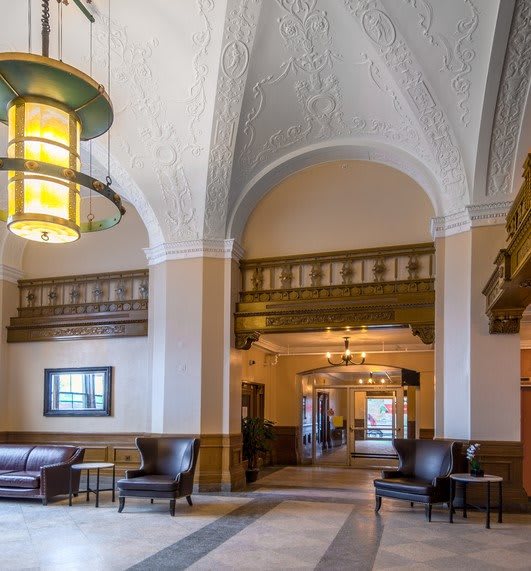
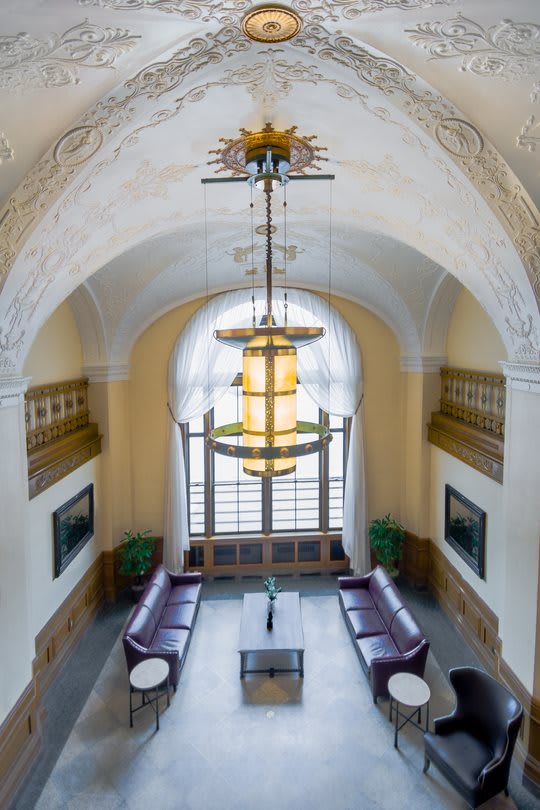
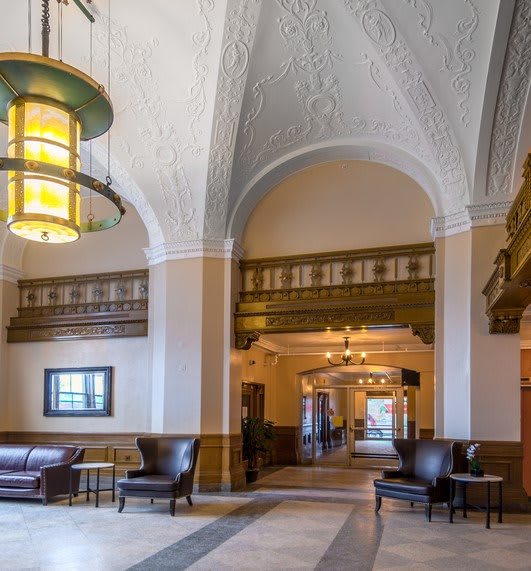
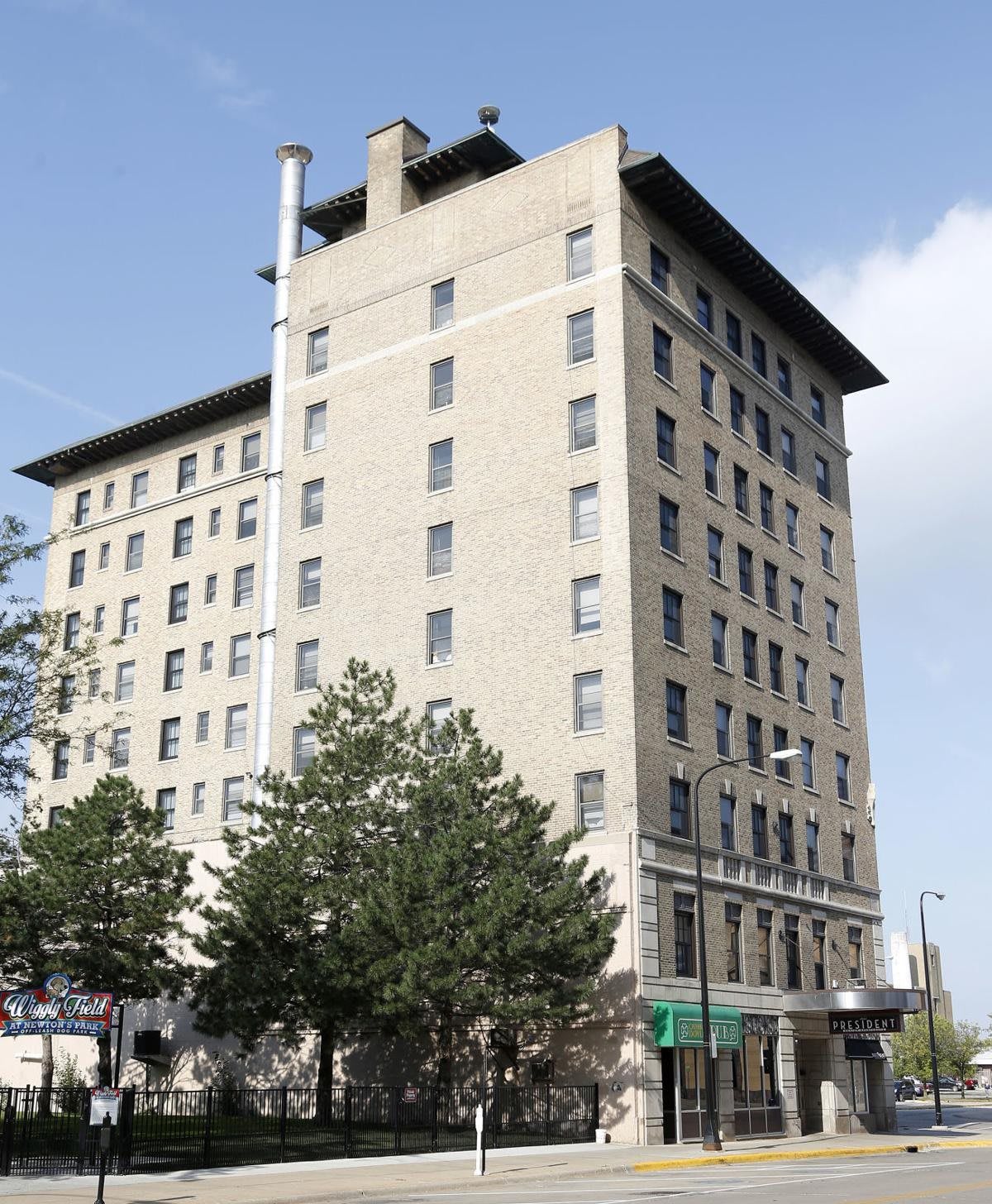
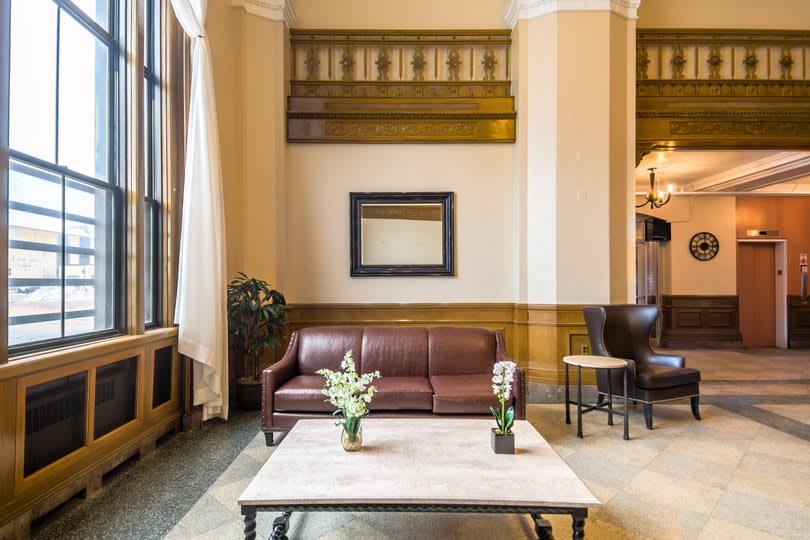
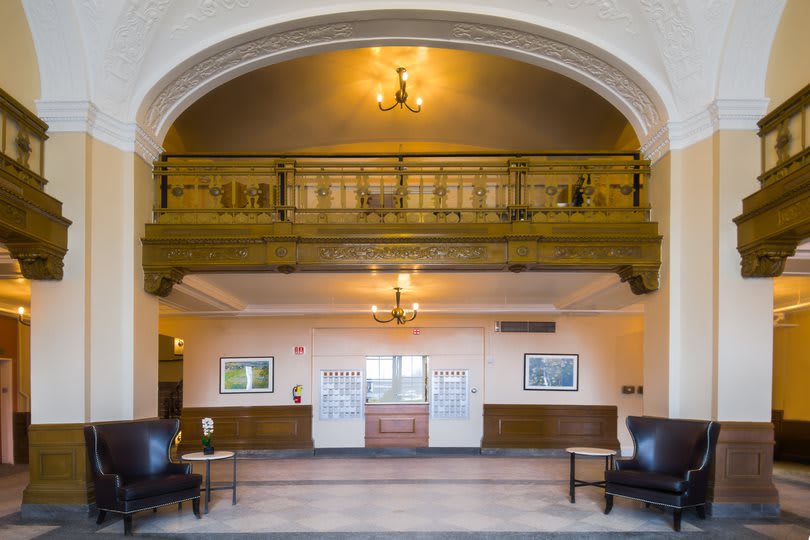
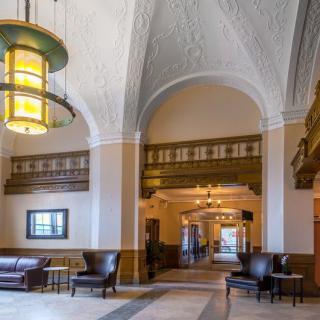
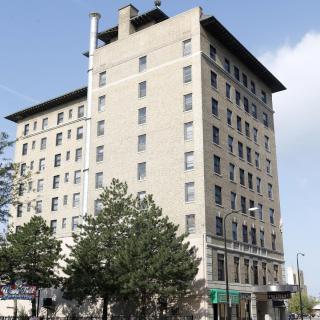
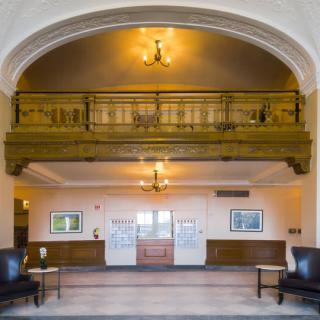
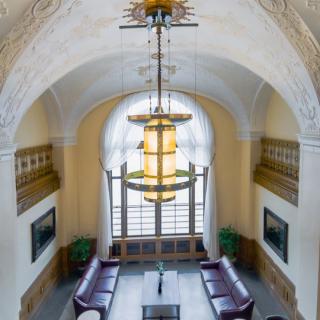
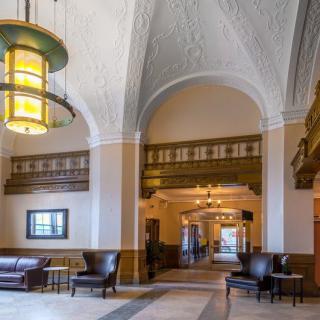
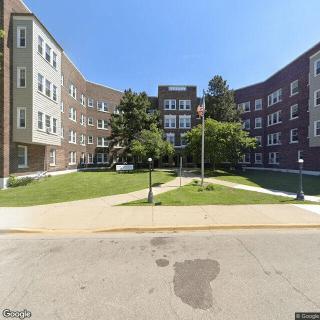
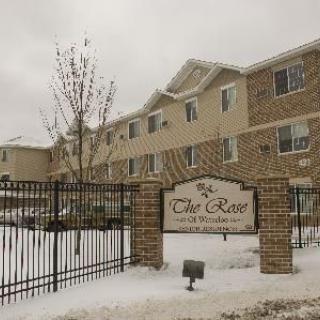
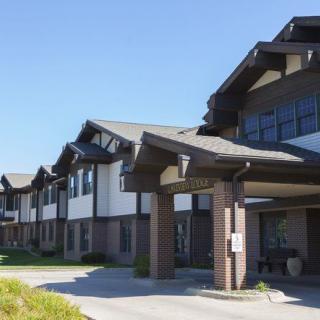
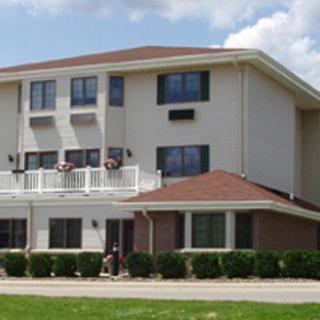
 Such a beautiful building!
Cons
 Management is doing a terrible job by allowing unvaccinated dogs and dogs without city licenses.
- The dogs poop in the beer garden and the owners refuse to pick it up.
- If this continues, Animal Control, the Health Department, and Waterloo code compliance will be notified.
- Residents and managers smoke within 25 feet of the door, violating state law.
- The building is definitely haunted.
- It is not good for people in wheelchairs; it is not handicapped accessible; elevators break often.
- There are only second-floor apartments, making it unsuitable for those who cannot take stairs.
- They will lie to you to get you to move in.
- Construction is not complete; closet promises were not fulfilled (no bars or shelves).
- No heat at times; the entrances are always dirty.
Review
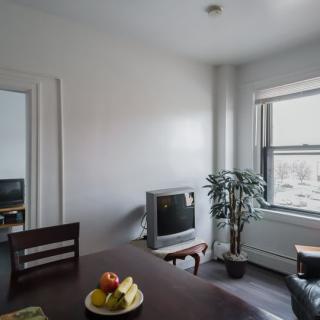
Hotel President Apartments in Waterloo is best suited for independent seniors who prize a stately, historic building and can tolerate uneven upkeep and a living environment where accessibility and safety features are not reliably dependable. The property presents as a visually striking, older structure with charm that may appeal to residents who want character over modern polish. However, it is not a fit for those who depend on consistent accessibility, steady climate control, or a quietly managed community. Prospective residents should be prepared to navigate frequent maintenance quirks and a management dynamic that has shown itself unresponsive at times. In short, the building’s beauty is real, but it does not compensate for the practical gaps in care and operations.
Those who should seriously consider alternatives include wheelchair users or anyone who needs reliable accessibility, including functional elevators and stable heat. The property is described as not handicapped accessible, with elevators that break down and a layout that effectively limits the building to second-floor apartments. That means residents who require minimizing stairs or who rely on assistive devices will face persistent friction. Another red flag is the environmental and policy environment: ongoing smoking near entryways, and a setting where safety and cleanliness standards appear inconsistently enforced. Families seeking a transparent, resident-centered management culture will likely find the experience unsatisfactory.
The most salient positive note, the building’s aesthetic appeal, offers a counterbalance to several serious drawbacks, yet it does not fully offset the core issues. The charm may help when evaluating a short-term stay or a scenario where independence is high and mobility challenges are not a concern. But the combination of misleading communications about improvements, unfinished construction, and inconsistent amenities undermines trust and reliability. When a space looks great in photos but fails on heat, maintenance, and truthfulness about promised features, the visual appeal becomes a secondary comfort rather than a true advantage for making a long-term choice.
On day-to-day living, the risk calculus tilts toward caution. Residents and managers smoking within 25 feet of doors creates ongoing health and safety concerns, and there is a troubling pattern of neglected cleanliness in entryways. The claim that the property is not ready for occupancy in a way that aligns with family expectations, evidence of unfinished closets, missing fixtures, and sporadic heat, points to a broader governance issue. For families budgeting for ongoing care, the lack of predictable service levels translates into higher stress and potential unexpected costs, making this an option to cross off unless substantial improvements are demonstrated.
The reviews collectively portray a culture where maintenance responsiveness and honest communication are compromised. The “haunted” descriptor, whether literal or figurative, underscores a persistent unease that permeates daily life. Coupled with the fear of city or health-code enforcement actions over dog management, litter, and general maintenance, the environment can feel unstable. For households prioritizing routines, privacy, and predictable safety, these elements are a meaningful deterrent. In short, the environment does not align with the expectations of families that require reliability, transparency, and a calm, well-regulated living space.
In deciding whether this community can meet specific needs, the prudent path is to demand concrete assurances before committing. Prospective residents should seek written promises on heat reliability, elevator maintenance schedules, and a clear, enforceable policy on cleanliness and odor control in common areas. Request documentation of pest and animal control compliance, and insist on a plan for accessibility improvements or alternative housing options on floors other than the second. If those assurances cannot be provided, or if the management history remains unstable, it is advisable to compare with other local options that offer verifiable maintenance responsiveness, guaranteed accessibility, and a more coherent approach to resident safety and comfort. In the end, this building may suit a bold, independent renter who can tolerate significant operational risk, but for most families weighing assisted living choices, alternatives offer a far more predictable, safer path.
 Active Adult Communities (55+)
 Cats allowed
 Dogs allowed
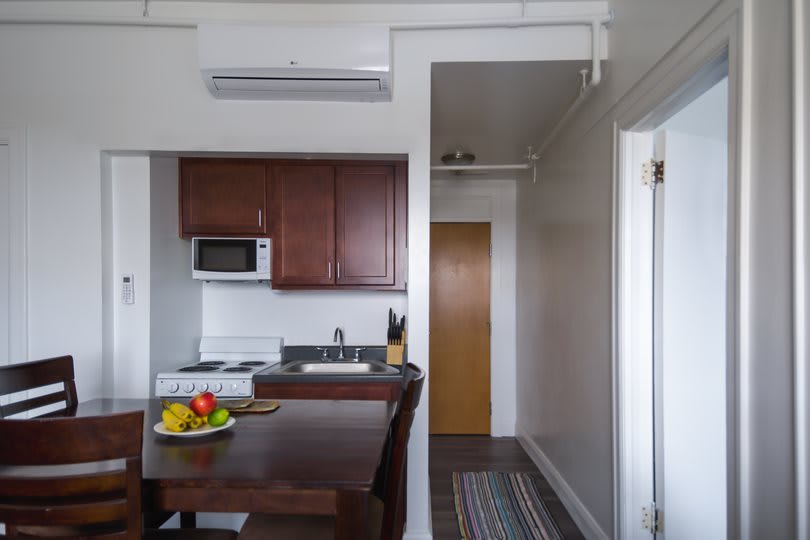
 Air-conditioning
 Bath tubs
 Handicap accessible
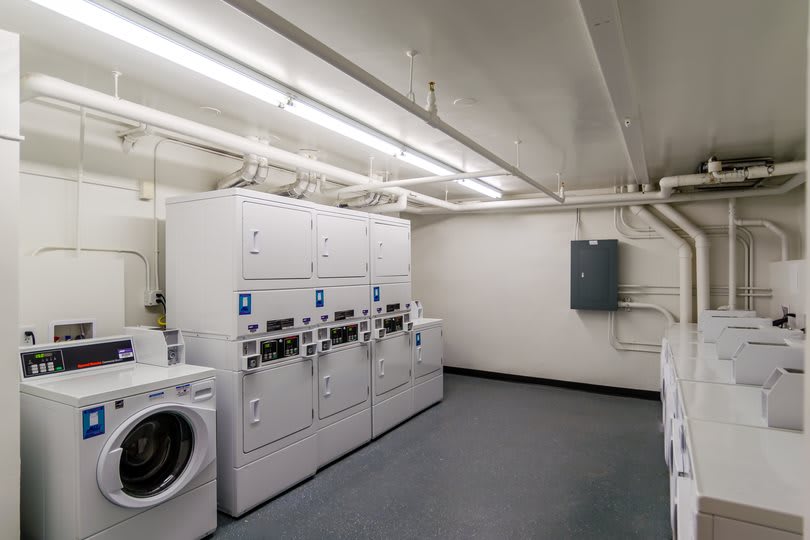
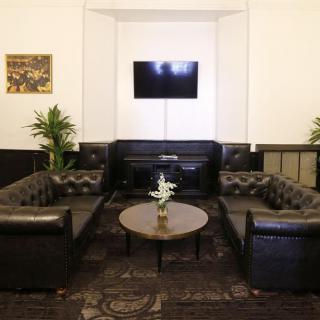
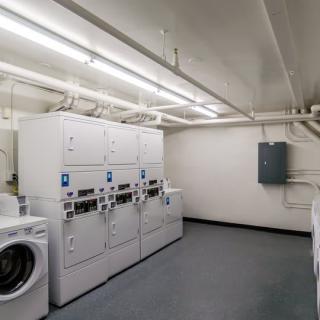
 Indoor common areas
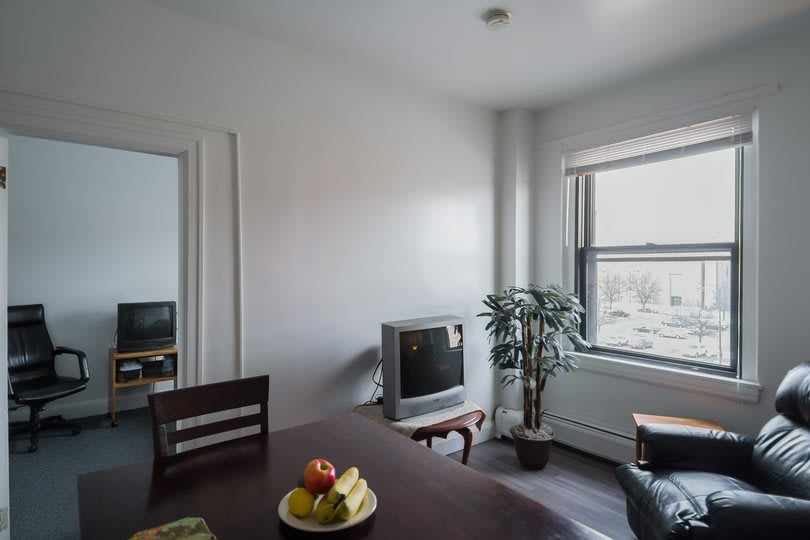
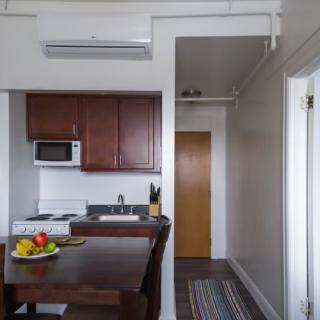
 Kitchenette
 Waterloo Municipal (5 miles away)
 In-Depth Look at the VA Aid and Attendance Program
 Nurturing Our Loved Ones: A Daughter's Journey in Caring for Her Mother
 Nurturing Our Elders: Linda's Journey of Supporting Her Mother