
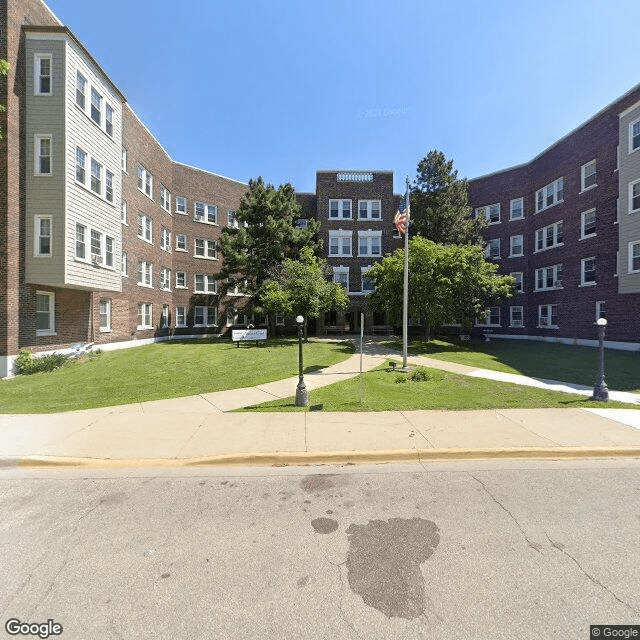
315 Walnut St, Waterloo, IA 50703
To contact a resident: (319) 232-3486
For more information about senior living options: (866) 208-4318
Overall Review of Walnut Court Retirement Comm
Pros
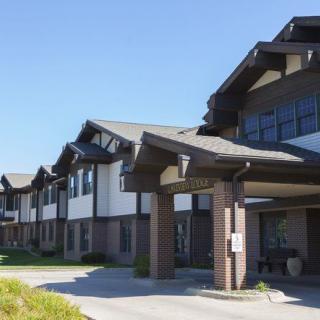
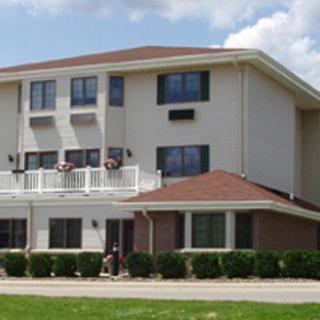
 The place is nice.
- The place is quiet.
Cons
 The resident manager was very rude.
- The resident manager hung up on the caller.
Review
Walnut Court Retirement Comm in Waterloo, IA is best suited for seniors who want a quiet, no-frills independent living option. It serves residents who can handle most daily routines on their own or with limited outside help, and who do not rely on ongoing safety monitoring or on-site care coordination. For households that require regular assistance, robust falls prevention, or proactive management with clear, responsive communication, this community is unlikely to meet expectations. The core appeal lies in a simple, low-stimulus backdrop that favors privacy and predictable daily rhythms over structured programs or comprehensive support.
Those considering alternatives should note that Walnut Court may not satisfy anyone who needs daily care, frequent check-ins, or formal medical alert support. Families prioritizing a highly responsive manager, predictable service levels, or active programming will likely find better alignment elsewhere. Memory care, enhanced supervision, and on-site wellness staff are areas where competing communities typically deliver more confidence. Prospective residents who want more social engagement, transportation options, or meal and housekeeping packages should plan to look beyond this site to communities with clearly defined service tiers.
The most evident positive is the environment itself: a quiet, straightforward setting that can feel like a retreat from busier campuses. The phrase “nice quiet place” captures a core benefit, reduced noise, fewer distractions, and predictable routines that support a calm daily life. “It’s a place to sleep” signals a basic, no-frills proposition: clean, stable shelter without the expectation of expansive amenities or aggressive activity calendars. For a subset of seniors who prize simplicity and privacy, this can translate into low stress and easy, reliable lodging.
The dominant concerns are significant. A resident-manager interaction described as rude and dismissive immediately undercuts trust in safety and accountability. If frontline communication is abrasive or unhelpful, addressing falls prevention and the availability of Medical Alert becomes unreliable, raising real safety questions. The absence of clear, proactive safety programs and insufficiently responsive management create a material risk, especially for residents who encounter mobility challenges or medical changes. With multiple reviews reflecting a similar disconnect between residents and leadership, consistency of care and responsiveness appears to be a real business risk.
In weighing positives against the cons, the balance tips toward caution. The quiet, independent-friendly vibe can offset only so much when concerns about safety, dignity, and predictable service remain unresolved. For a resident who can self-manage and has strong external supports, family, paid caregivers, or a robust home-health setup, the site may work as a basic, low-cost lodging now and then. For anyone with a need for reliable safety nets, timely problem-solving, or a community that treats concerns with urgency and respect, Walnut Court’s current mix of attributes falls short.
When evaluating this community, conduct a focused, practical tour with concrete questions. Ask for a demonstration of how falls prevention is handled, what role the resident manager plays in ongoing safety planning, and whether Medical Alert services can be ordered directly on-site. Verify meal options, housekeeping routines, transportation, and whether residents have access to social activities or enrichment offers. Request recent references and a clear outline of service levels, contracts, and cost structures. Compare with nearby independent living or assisted options that emphasize responsive management and proactive safety measures, and consider a contingency plan, whether that means arranging home-care support or pursuing a community with stronger resident-rights protections, before making a commitment.
 Independent Living
 Waterloo Municipal (5 miles away)

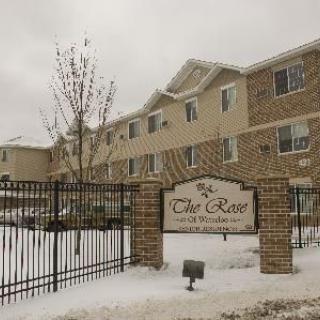


 6 Crucial Ways an Elder Law Attorney Assists Families
 Navigating the Tax Landscape of Caregiving: Credits, Deductions, and Beyond
 Highly Beneficial Low-Impact Exercises for Senior Living Residents