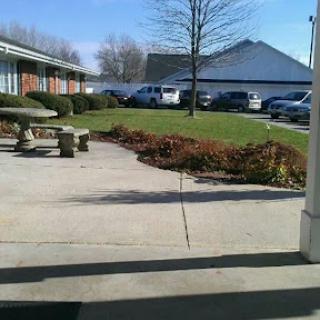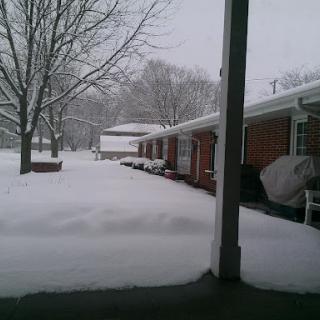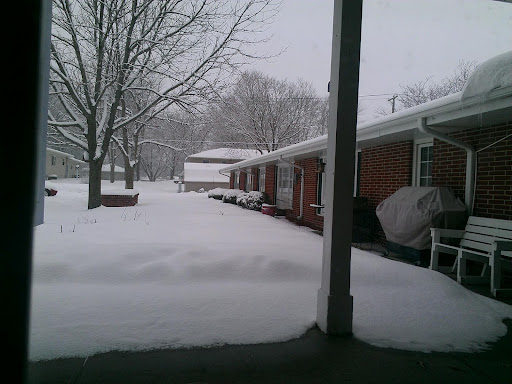
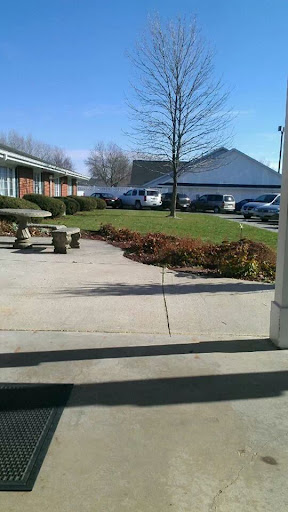
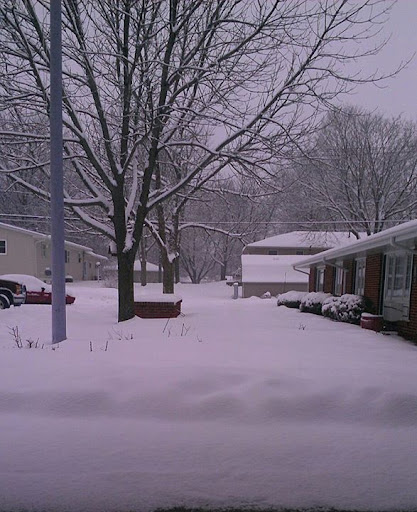
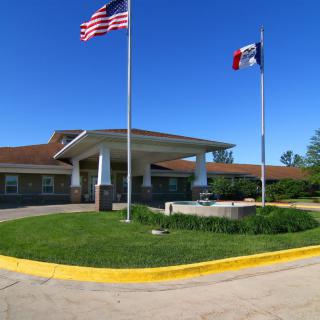
1610 Third Street Ne, Independence, IA 50644
For more information about senior living options: (866) 208-4318
Overall Review of Abcm Rehab Centers Of Independence West Campus
Pros
 The staff are very friendly and anticipate residents' needs.
- The resident is well groomed and well taken care of during visits.
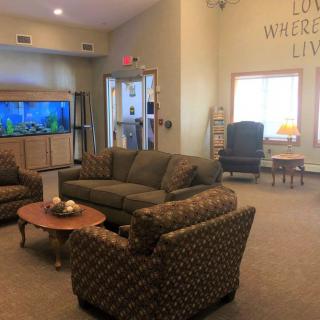
- The facility is very clean and rooms are neat and orderly.
- The staff handle challenging behavior with care and professionalism.
- Emerald Oaks staff and residents are wonderful.
- Local volunteers and school programs regularly engage with residents.
- The nursing staff plan events and keep residents engaged.
- The facility is a great place to live with attentive care.
- The staff are accommodating to family visits and involvement.
- The care provided is loving, and residents recover and do well.
Cons
 The reviewer cannot in good conscience recommend the facility.
- A nurse allegedly threatened the resident, and staff behavior was troubling.
- Medications were changed about every 10 days and rarely given time to work.
- The resident fell 12 times in 13 weeks, indicating serious safety concerns.
- Most meals were unappetizing and left much to be desired.
- The grandmother did not receive proper rotation or repositioning, and the family had to locate a nurse to administer morphine and check vitals, with no lung checks.
- The corporate office was criticized for lacking in many areas, including poor maintenance, ungraded grounds, and restrictions on updates.
Review
Abcm Rehab Centers Of Independence West Campus is best suited for seniors who need substantive daily assistance and for families that prize a clean, approachable, and person-centered care team. The campus tends to work well for wheelchair-bound residents who require help with grooming, transfers, and routine tasks, delivered by staff who are perceived as friendly, attentive, and capable of anticipating needs. Families seeking a warm, local, community feel with visible, hands-on care during visits will often find the environment reassuring. In short, this campus is a practical fit for residents who benefit from intimate, hands-on care rather than high-tech abundance or large-scale programming.
That said, potential residents with certain needs should explore alternatives. Several reviews raise serious safety and care questions, particularly around memory care and medical oversight. Instances of medication changes and delays, multiple falls, and reports of inadequate monitoring during comfort-focused or end-of-life periods signal potential gaps in daily clinical governance. For families navigating advanced dementia, severe mobility concerns, or demanding safety standards, other facilities with stronger dementia protocols, more consistent medication management, and higher staffing ratios may offer greater peace of mind. The caveat is not mere disagreement with a particular staff member; it is the pattern that suggests insufficient safeguards for vulnerable residents.
On the positive side, the strongest pros center on cleanliness, dignity, and frontline care. Residents tend to be well groomed, rooms remain neat, and staff members who interact with residents show a willingness to anticipate needs and manage difficult behaviors without flare-ups. The day-to-day atmosphere can feel calm and respectful, with caregivers who convey compassion in routine tasks and in moments that matter most to families. For families who emphasize a humane, person-first approach and who value a facility where housekeeping and personal presentation are consistently maintained, these advantages can translate into meaningful, everyday quality of life and reduced stress during visits. Yet these strengths do not fully compensate for the most consequential drawbacks when safety and consistent clinical oversight are nonā€‘negotiable.
Practical guidance for families considering a tour begins with a sharp focus on safety, medical management, and team stability. Investigate staffing levels by shift and whether residents consistently see the same aides and nurses, or if turnover erodes continuity of care. Inquire about medication management practices: how changes are authorized, how quickly adjustments are implemented, and how oversight is documented. Ask about fall prevention programs, reassessment routines, and the cadence of vitals checks, especially for residents with chronic conditions or comfort-focused needs. A tour should also probe dining quality, nutrition oversight, and whether families can partake in meals with loved ones, an indicator of engagement and resident happiness. Finally, assess how concerns are escalated and addressed at the corporate level, and request concrete examples of corrective actions taken after past issues. A facility that cannot provide transparent, actionable responses to these questions should prompt closer scrutiny or alternatives.
The bottom line is that this campus delivers a reliable, compassionate frontline experience within a clean, well-maintained setting. The benefit is most evident for residents who require significant daily assistance and who thrive on a warm, neighborly environment where staff are visibly engaged and respectful. However, the care gaps highlighted in several reviews, medication management inconsistencies, delayed responses, and safety lapses, are real risks for residents with advanced dementia or fragile medical status. For families prioritizing rigorous safety protocols, robust memory-care programming, and predictable governance, alternative communities with stronger clinical oversight are advisable. In weighing options, the decisive move is a candid, in-person assessment that focuses on staffing reliability, safety culture, and the specific care plan for the loved one, ensuring expectations align with what the West Campus can consistently deliver over the long term.
 37 resident community capacity
 Skilled Nursing Facility
 Beauty salon
 Cable or satellite TV
 Dining room
 Fully furnished
 Garden
 Housekeeping services
 Kitchenette
 Move-in coordination
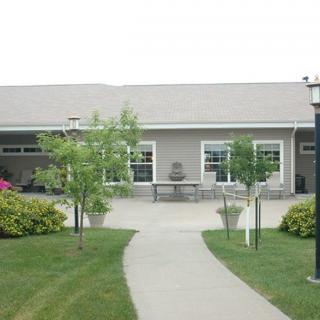
 Outdoor space
 Restaurant-style dining
 Small library
 Telephone
 Wi-Fi/high-speed internet available
 24-hour call system
 Activities of daily living assistance
 Assistance with bathing
 Assistance with dressing
 Assistance with transfers
 Diabetes diet
 Medication management
 Mental wellness program
 Special dietary restrictions

 Seniors and Modern Transportation: Exploring Uber, Lyft, and Other Ride-Hailing Options
 Comprehensive Guide to Qualifying for Home Health Care Services
 Powerful Realities of Elder Abuse and the Most Effective Ways to Report It