At Prairie Hills of Cedar Rapids, the monthly costs for various room types reflect a premium compared to both Linn County and the broader state of Iowa. For instance, a studio at Prairie Hills is priced at $4,375, significantly higher than the county's average of $3,933 and the state's average of $3,613. Similarly, a one-bedroom unit demands $5,200, nearly double the county's rate of $3,097 and well above Iowa's average of $2,862. The two-bedroom option is priced at $5,825, which again stands in stark contrast to Linn County's average of $3,825 and the state average of $3,329. These figures suggest that while Prairie Hills may provide exceptional amenities and services justifying its costs, potential residents should carefully consider their budget in comparison to local options.
Floor plans
Prairie Hills of Cedar Rapids
Linn County
Iowa
Studio
$4,375
$3,933
$3,609
1 Bedroom
$5,200
$3,097
$2,863
2 Bedrooms
$5,825
$3,825
$3,329
Assisted Living communities with a similar price nearby
Residents and families describe staff as consistently caring and responsive.
Across the reviews, families and visitors repeatedly say the staff is welcoming, kind, and takes time to help. Multiple comments describe strong communication and a smooth move-in, with caregivers helping families navigate needs. Several residents’ experiences also mention safety, comfort, and getting help when it’s needed.
common18 reviews mention this
It feels clean and homey
The building and living spaces are described as clean, calm, and home-like.
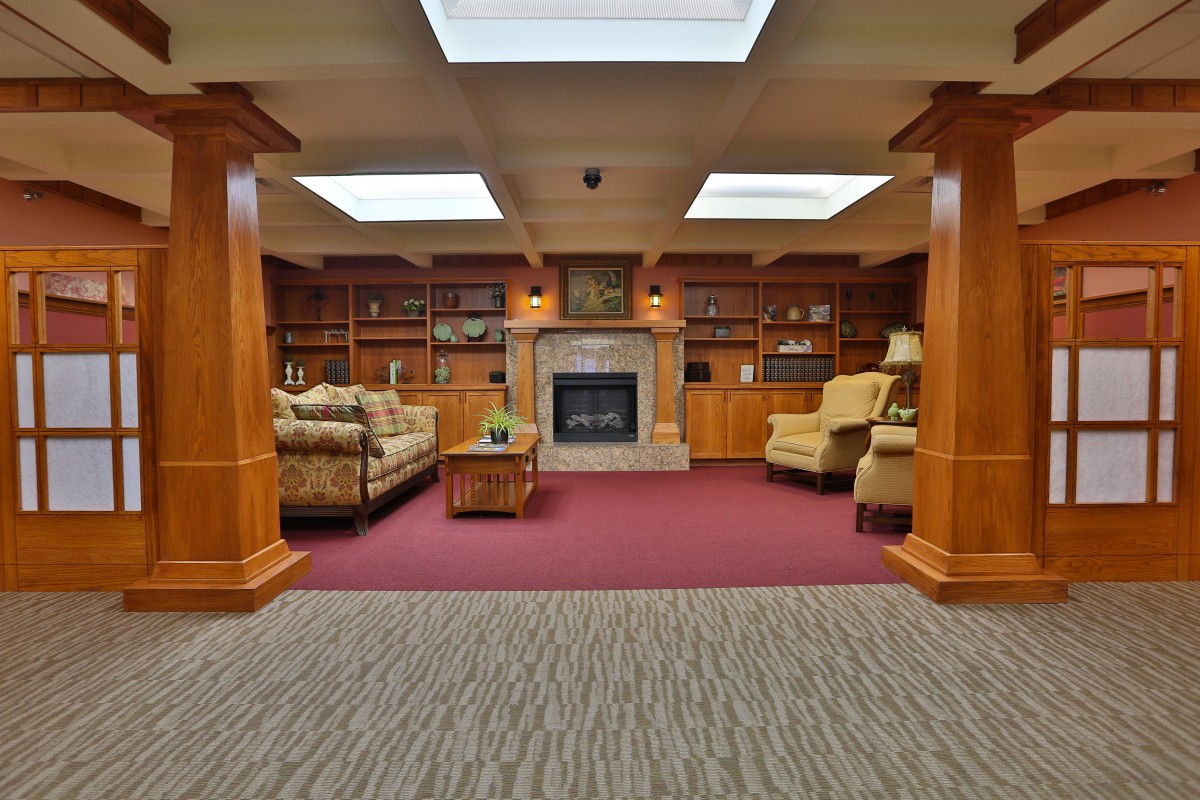
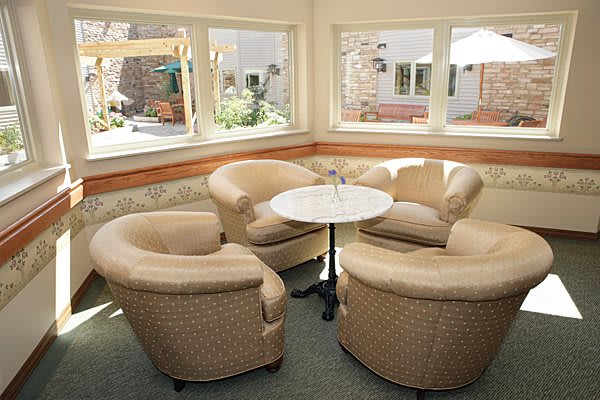
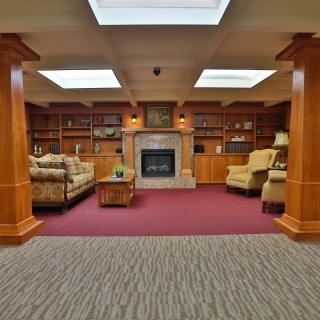
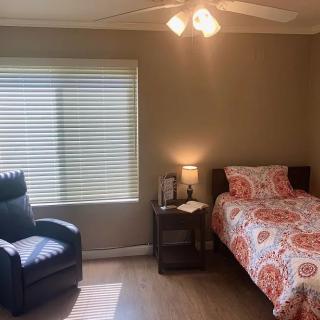
Many reviewers point to a homey feel rather than an institutional atmosphere, along with cleanliness and well-kept spaces. Several also highlight features like the rooftop garden and overall appearance of the community. Room details come up as well, including the sense that the setup supports comfort for residents.
common11 reviews mention this
Activities help residents stay engaged
Reviews frequently mention activities that keep residents social and active.
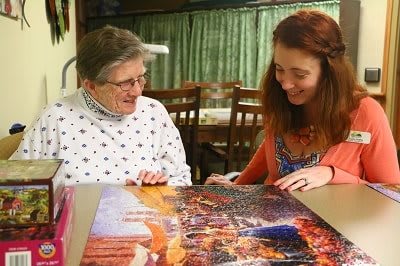
Residents and families describe regular events and outings, including groups like bingo and happy hour. Reviews also reference entertainment such as live music and seasonal events, plus ongoing chances for crafts and exercise. The community’s activity schedule is a recurring reason families say their loved ones feel comfortable day to day.
caveat6 reviews mention this
Dining gets mixed reactions
Dining is a frequent point of disappointment for some residents and families.
Some reviews say the food is good and that the kitchen staff cooks their own food on-site. But other residents’ experiences focus on major problems, including slow service, limited choice, and meals that were described as unappetizing or poorly prepared. The contrast shows that dining satisfaction varies, with staffing and meal timing coming up in the negative comments.
caveat7 reviews mention this
Price is a recurring concern
Several reviews say the community is expensive for assisted living.
Multiple reviewers mention cost as a drawback, including comments that they wish senior care were more affordable. Even where families say the community is worth it, the price is still raised as a concern. This aligns with the shown pricing positioning being above county and state benchmarks across unit types.
caveat2 reviews mention this
Weekend staffing gets criticized
At least two reviews raise concerns about staffing on weekends.
Some reviewers specifically call out that the community is poorly staffed on weekends. Elsewhere in the reviews, families describe staff going above and beyond during visits, but weekend staffing is singled out as a recurring weakness. If you prioritize weekend coverage, it’s worth asking what support is available during those shifts.
How we summarize
Counts show how many written reviews mention each theme; a review can touch several themes, and only frequently mentioned themes are displayed.
Features
Housing
1-bedroom apartments
2-bedroom apartments
Studio apartments
Types of Care
Assisted Living
Amenities
Activities off-site
Activities on-site
Air-conditioning
Bath tubs
Beautician on-site
Cable or satellite TV
Computer center
Devotional services on-site
Dining room
Full kitchen
Garden
Ground floor units
Guasts at mealtime
Guest parking
Handicap accessible
Housekeeping services
Indoor common areas
Kitchenette
Laundry
Outdoor common areas
Overnight guests
Party space
Private patio, deck, or balcony
Resident parking
Respite or short term stays offered
TV room
Wi-Fi/high-speed internet available
Transportation
Eastern Iowa (7 miles away)
Transportation & parking
Care Services
Ambulatory care
Diabetic care
Incontinence care
Medication management
Dining
Anytime dining
Guest meals
Meals provided
Professional chef
Restaurant style dining
Room service
Activities
Activities off-site
Art classes
Bible study group
Catholic services
Cooking classes
Day trips and outings
Devotional activities on-site
Educational speakers / life long learning
Happy hour
Live musical performances
Other religious services
Visiting chaplain or priest
Wine tasting
Nearby Places of Interest
This part of Cedar Rapids, Iowa, offers a convenient and diverse array of amenities essential for senior living. With a variety of physicians, pharmacies, and hospitals in close proximity, residents have easy access to healthcare services. Additionally, there are numerous dining options nearby including fast food chains like Burger King and Arby's, as well as sit-down restaurants such as Nick's Bar & Grill. For those looking to stay active and enjoy nature, several parks are within a short distance from the area. Places of worship are also easily accessible for spiritual needs. Overall, this neighborhood provides a mix of practical conveniences and recreational opportunities that can cater to the needs of seniors looking to retire in Cedar Rapids.
At Prairie Hills of Cedar Rapids, the monthly costs for various room types reflect a premium compared to both Linn County and the broader state of Iowa. For instance, a studio at Prairie Hills is priced at $4,375, significantly higher than the county's average of $3,933 and the state's average of $3,613. Similarly, a one-bedroom unit demands $5,200, nearly double the county's rate of $3,097 and well above Iowa's average of $2,862. The two-bedroom option is priced at $5,825, which again stands in stark contrast to Linn County's average of $3,825 and the state average of $3,329. These figures suggest that while Prairie Hills may provide exceptional amenities and services justifying its costs, potential residents should carefully consider their budget in comparison to local options.
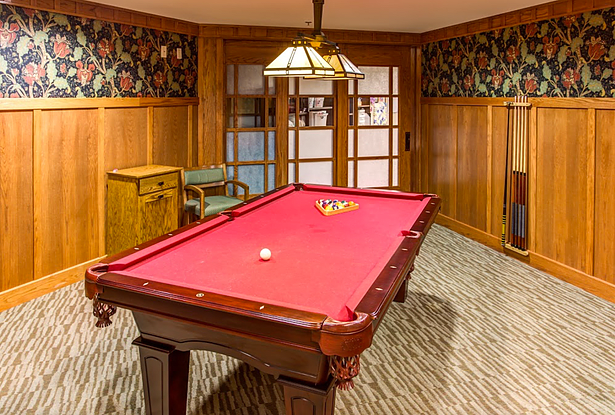
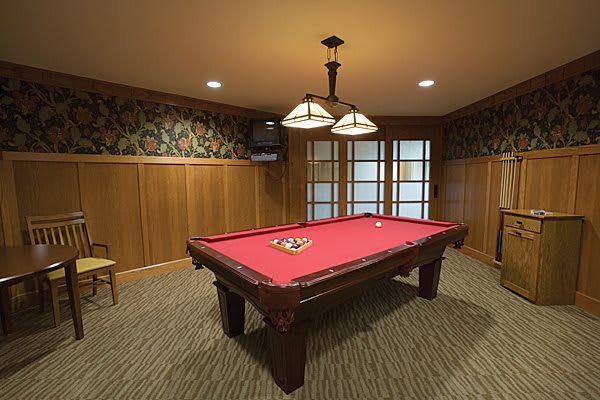
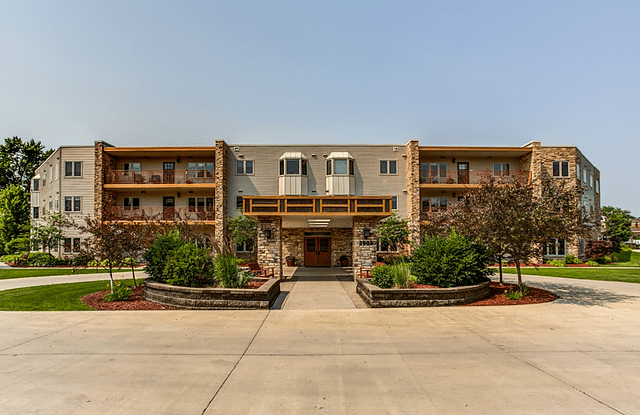
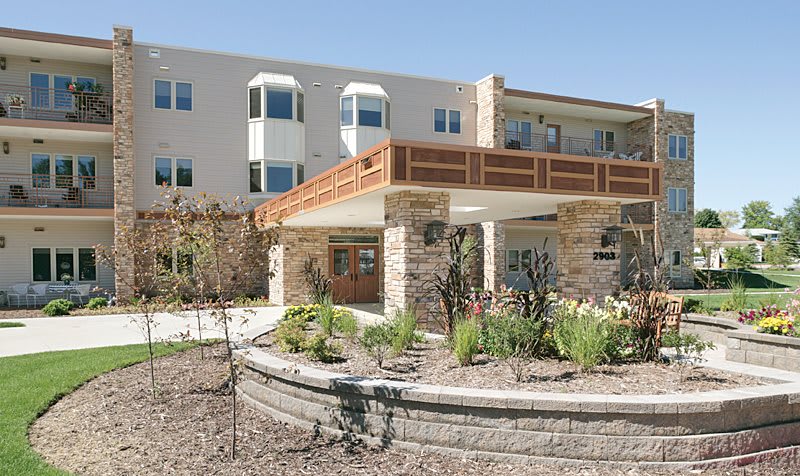
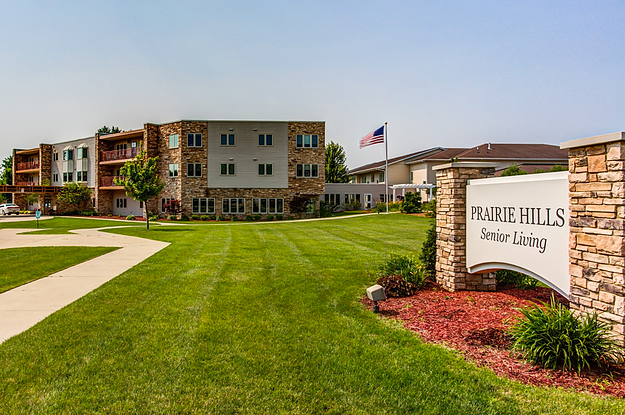
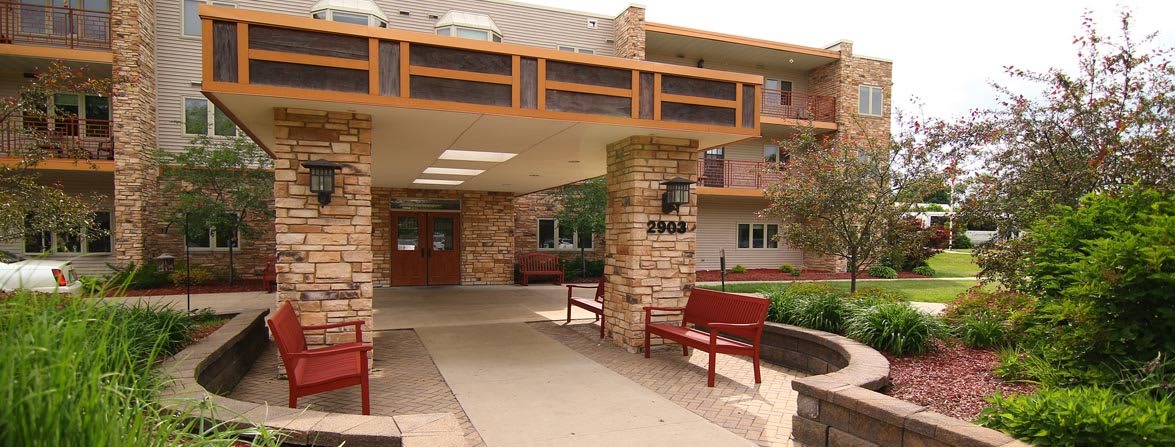
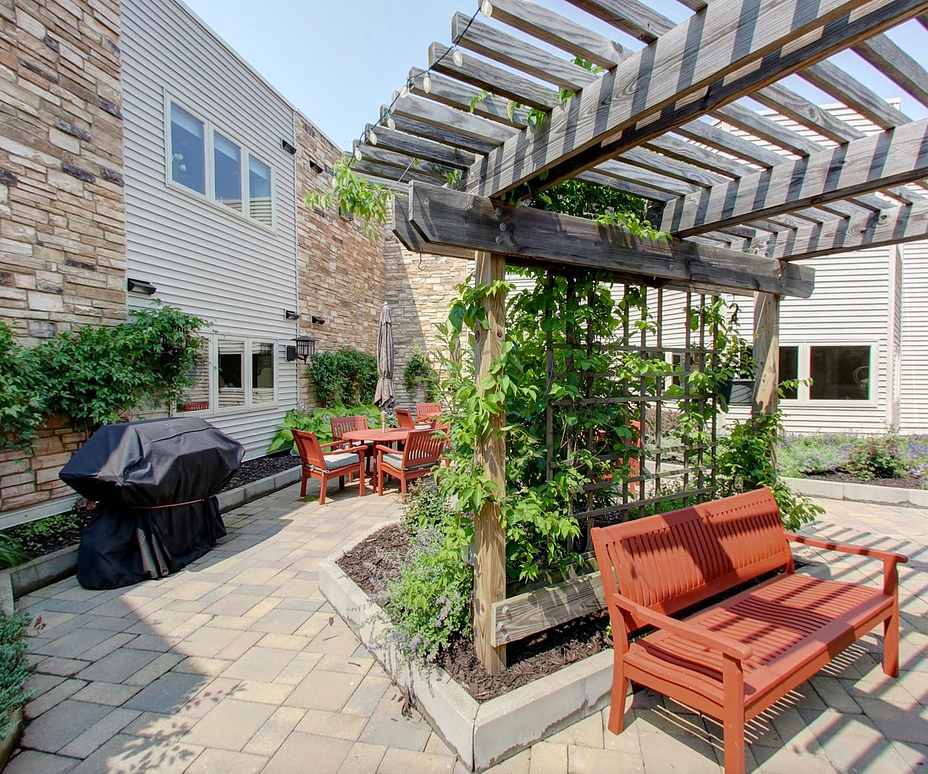
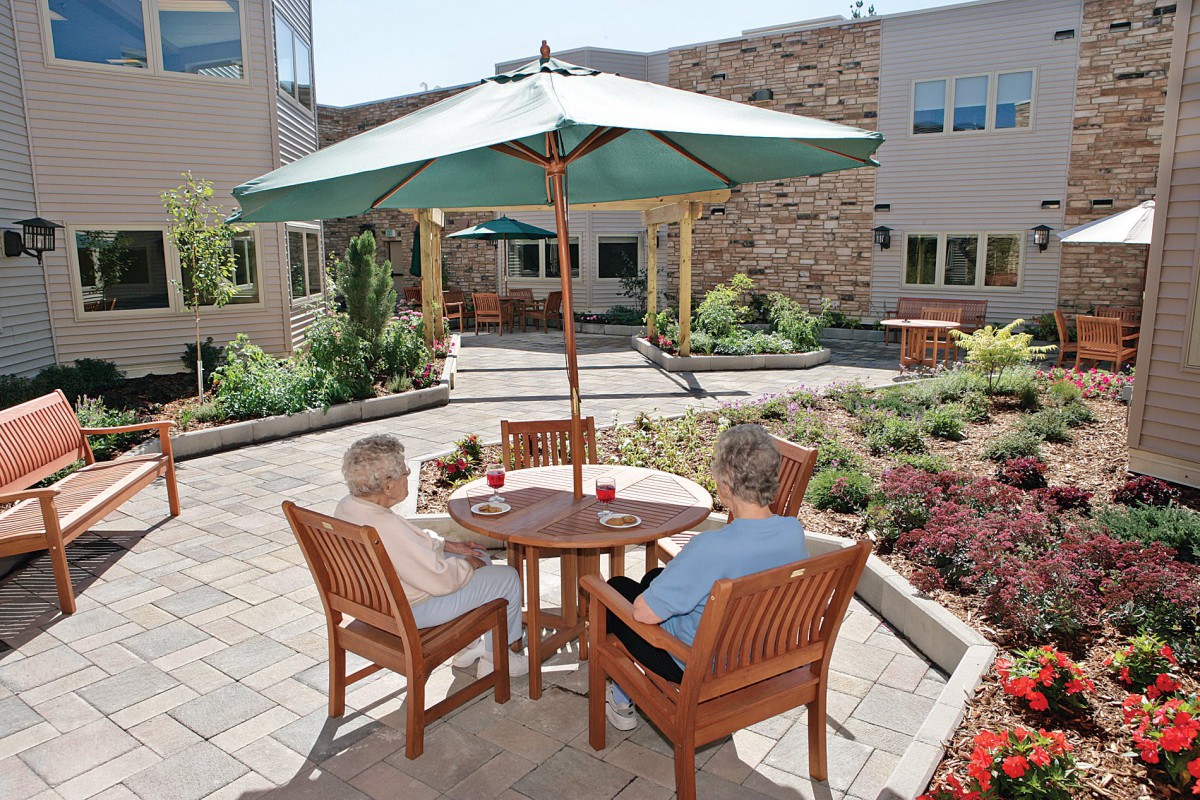
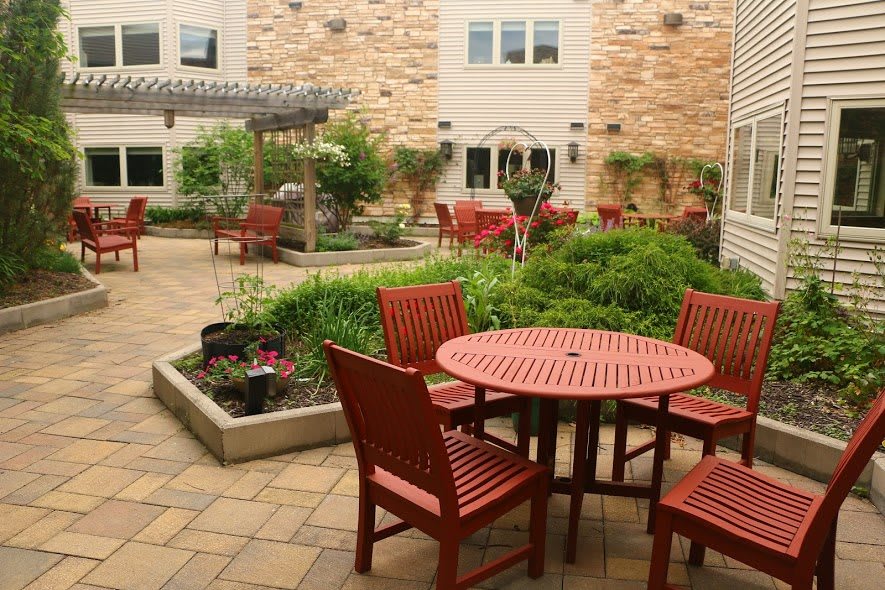
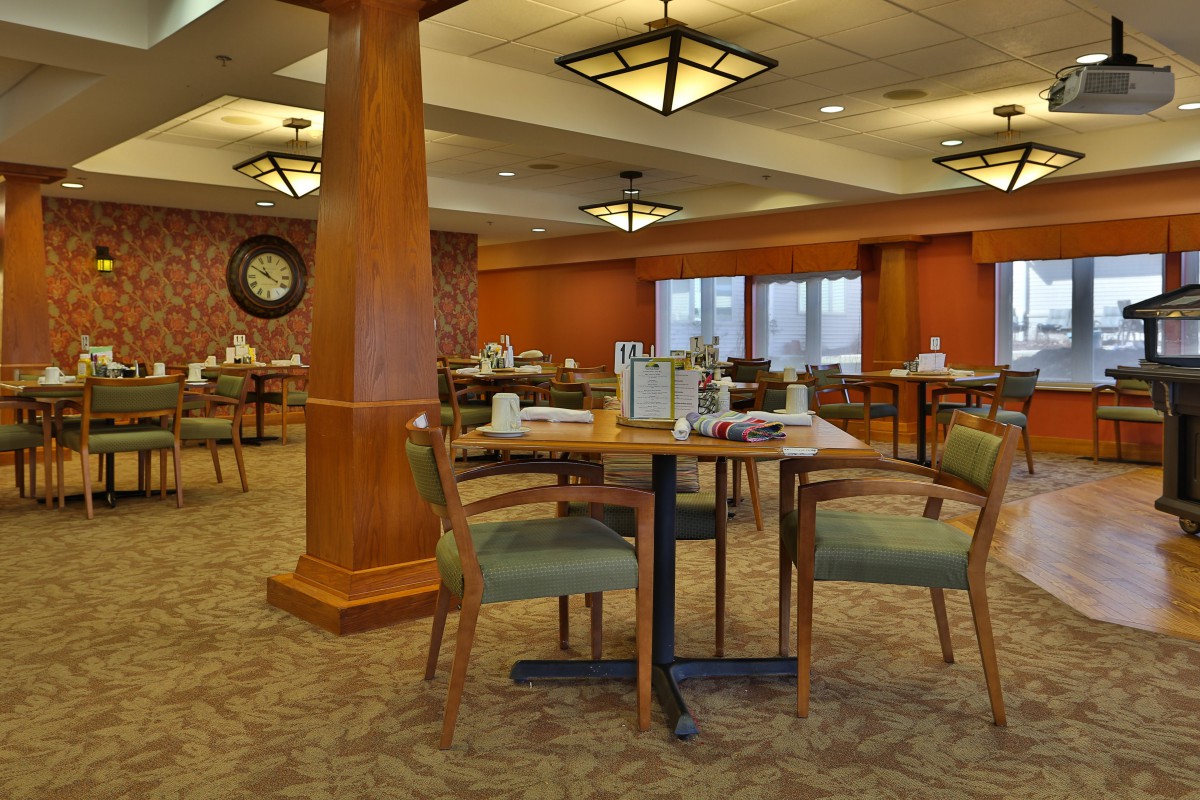
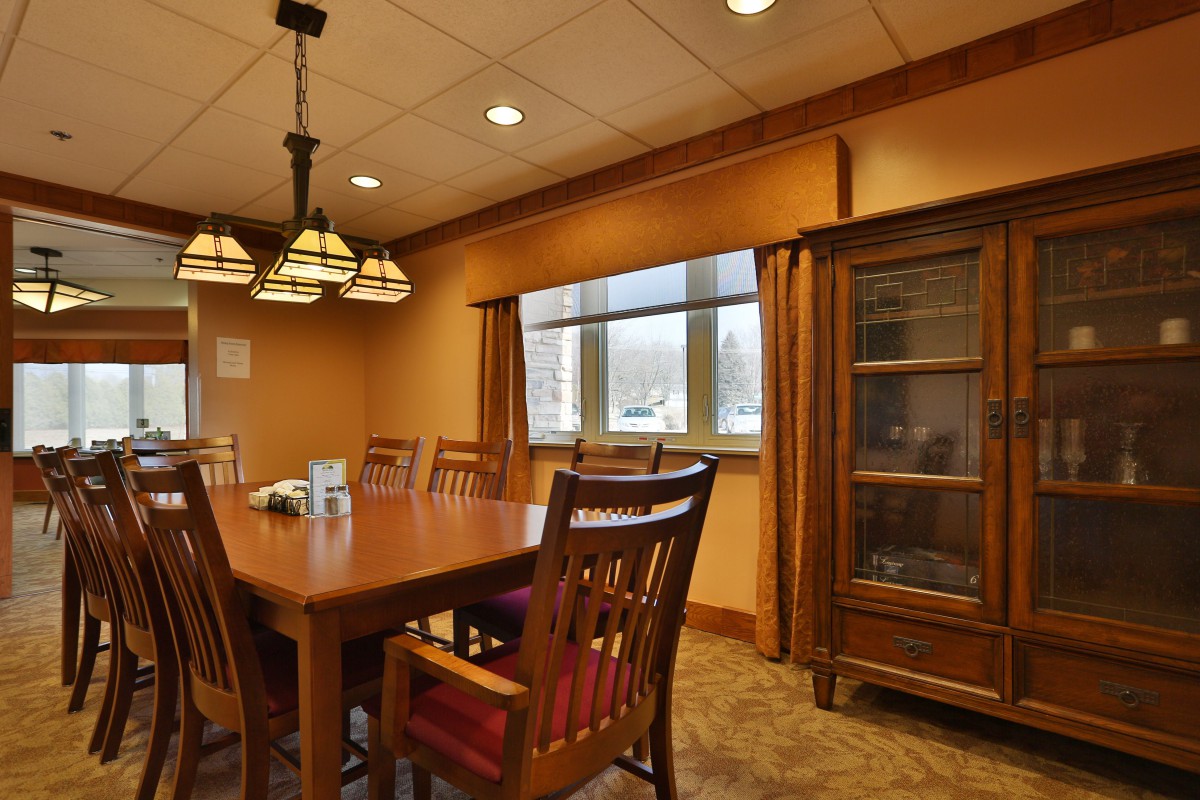
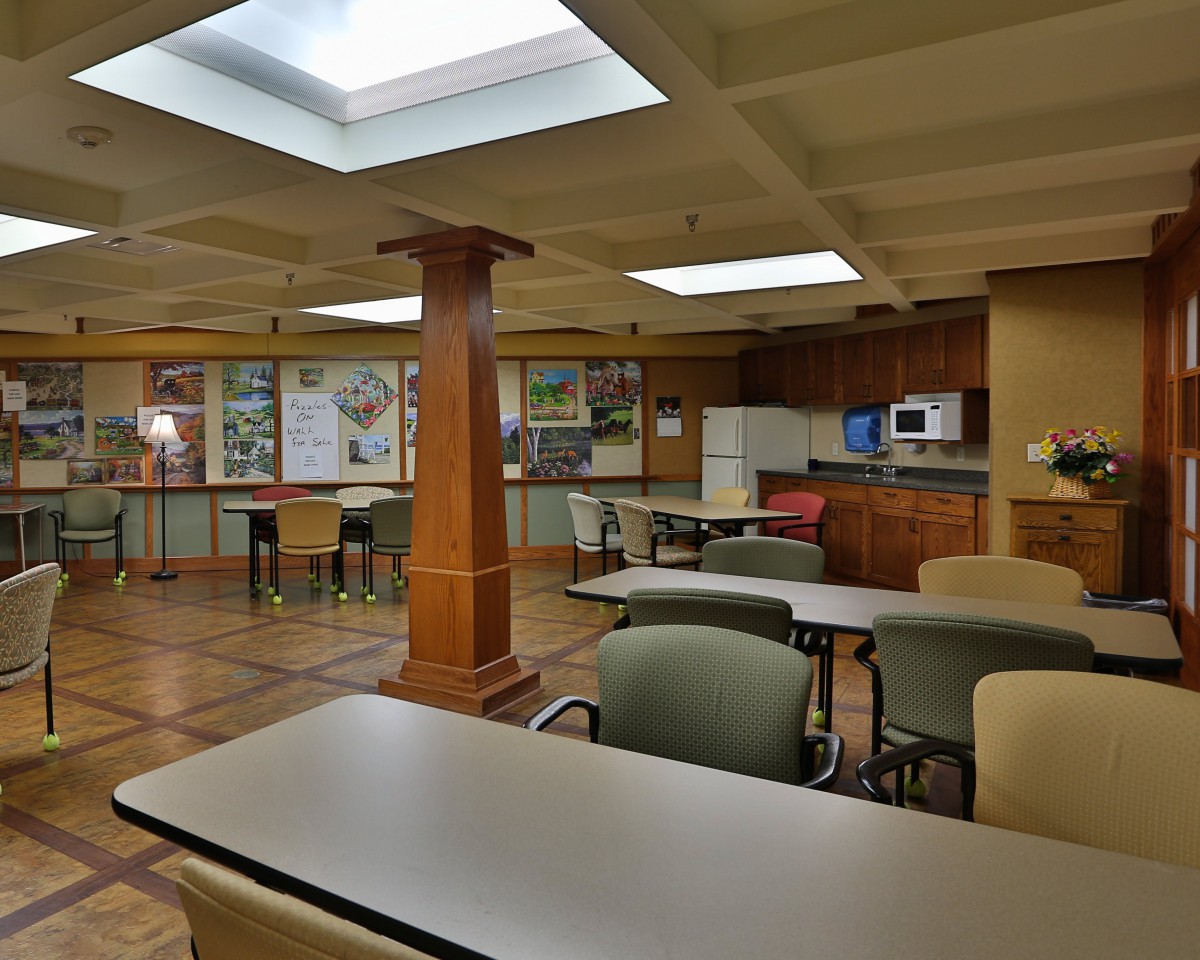
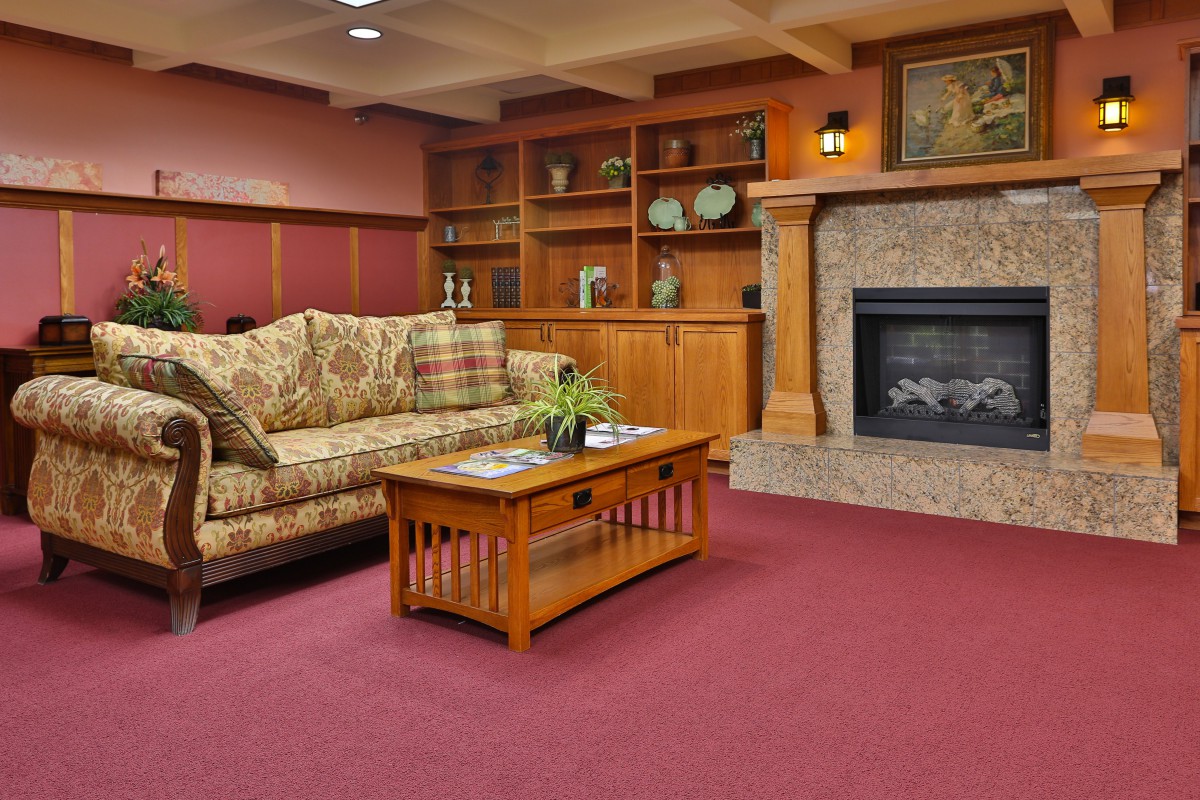
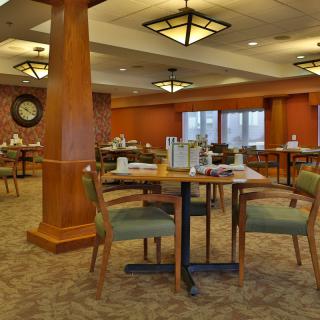
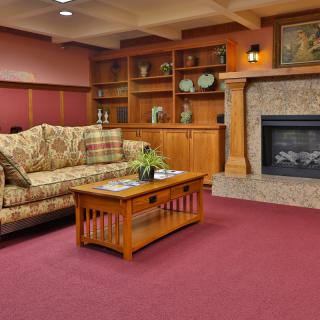
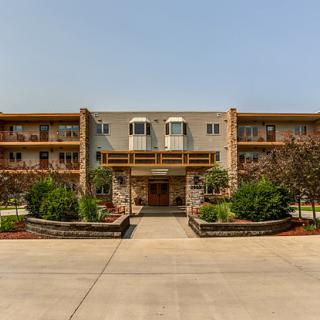
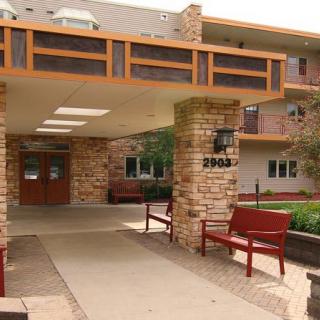
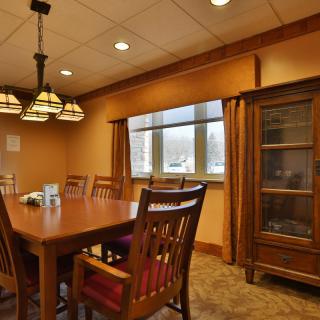
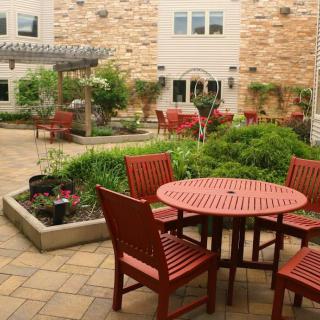
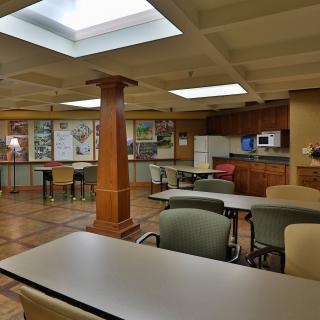
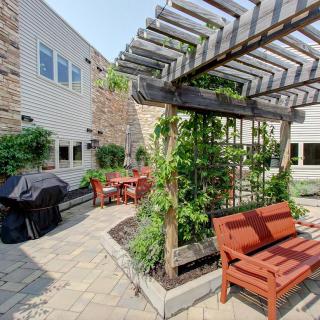
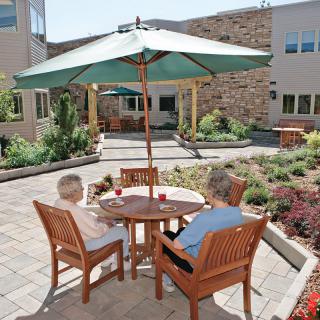
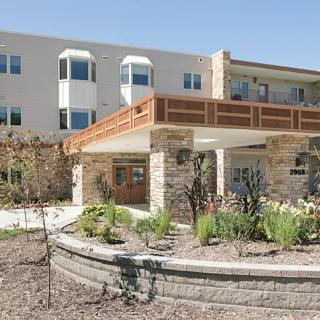
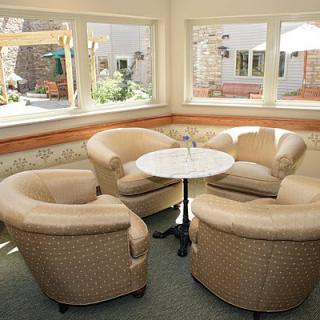
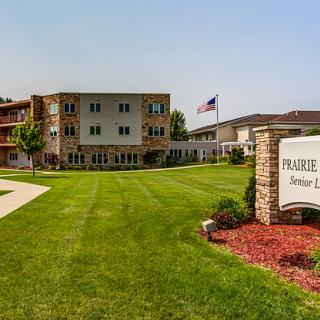
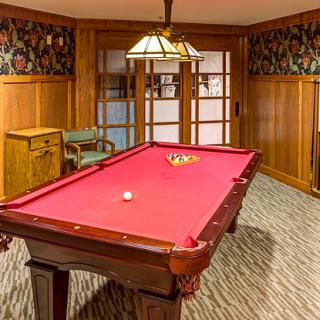
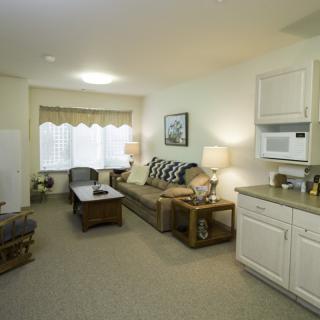
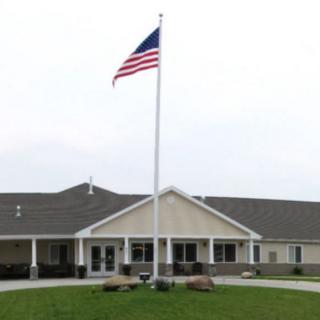
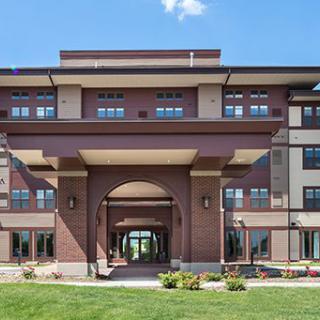
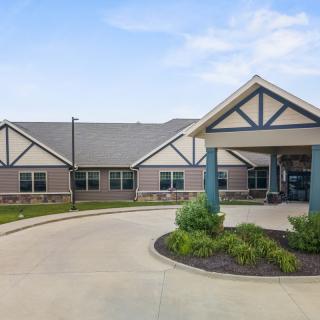
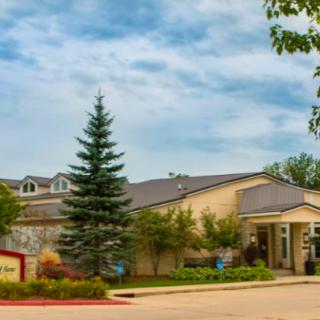
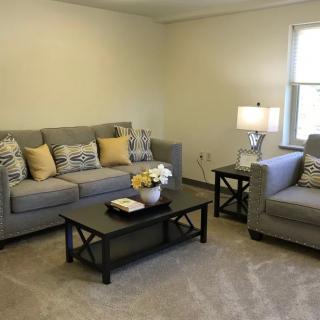
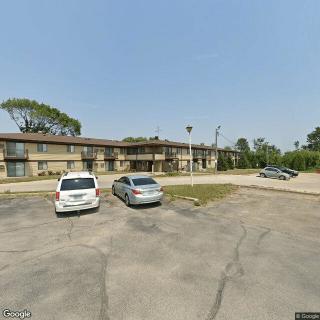
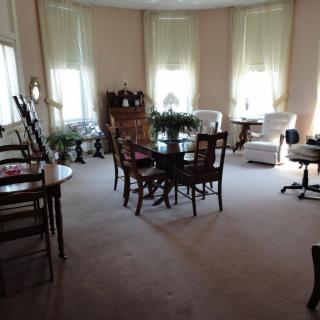
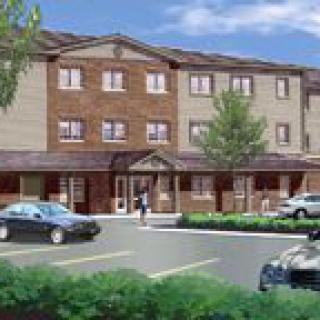
Prairie Hills of Cedar Rapids on seniors.fyi includes 18 photos including images showing interior, billiards, building, patio, garden, wood paneling, landscaping, dining, and more.
Nearby Communities
West Ridge Care Center
Cedar Rapids, IA
4.3 from 29 reviews
24/7 care with broad amenities and activities.
The Views
Cedar Rapids, IA
Extensive amenities and Memory Care with 24/7 supervision.
MeadowView Memory Care Village
Cedar Rapids, IA
4.6 from 23 reviews
Excellent staff coordination and a clean, spacious, dementia-friendly environment with social spaces.
The Views of Cedar Rapids
Cedar Rapids, IA
4.6 from 38 reviews
$4,330 to $5,320 / month
Caring staff and engaging activities in a warm, home?like environment.
Ridgeview Assisted Living
Cedar Rapids, IA
4.9 from 29 reviews
$3,250 to $4,125 / month
Family-like community with attentive staff, 24-hour nursing, and varied activities.
Prairie Hills Cedar Rapids
Cedar Rapids, IA
4.5 from 22 reviews
On-site nursing and medication management with restaurant-style dining and transportation.
Cedar Village Senior Residences
Cedar Rapids, IA
4.6 from 11 reviews
$673 / month
Friendly, responsive staff with clear communication and engaging resident activities.
Kingston Hill
Cedar Rapids, IA
4.6 from 7 reviews
$2,165 / month
Affordable pricing compared to Linn County and Iowa averages.
Irving Point
Cedar Rapids, IA
3.9 from 14 reviews
$610 / month
Clean, spacious independent-living apartments with affordable pricing and on-site amenities.
The deductibility of assisted living expenses on taxes hinges on factors like the individual's medical condition and service nature, typically requiring the resident to be "chronically ill" per IRS definitions. Taxpayers may deduct eligible medical expenses related to personal care services but generally not rent unless primarily for medical care, and they should maintain thorough documentation to support claims while considering itemizing versus standard deductions.
The guide highlights the importance of assisted living facilities for aging veterans needing daily support, discusses unique challenges they face, and outlines available financial assistance from the VA, including the Aid and Attendance program. It emphasizes understanding eligibility criteria and navigating the VA system to access necessary benefits effectively.
The article compares assisted living and skilled nursing facilities, detailing their differing levels of assistance, medical support, cost structures, and day-to-day experiences. It emphasizes that assisted living is for those needing help with daily activities while maintaining independence, whereas skilled nursing facilities provide intensive medical care with 24-hour staff supervision.
Get PricingAsk A QuestionSchedule A TourContact Senior Advisor
By clicking submit, you agree to our Partner's Terms of Use. You
also consent to receive calls and texts, which may be autodialed, from our Partner. Your consent is not a condition to
using our Partner's service. Please visit our Partner's Privacy Policy for information about their privacy practices.

 1-bedroom apartments
 Assisted Living
 Activities off-site
 Air-conditioning
 Bath tubs
 Beautician on-site
 Cable or satellite TV
 Computer center
 Devotional services on-site
 Dining room
 Full kitchen
 Garden
 Ground floor units
 Guest parking
 Handicap accessible
 Housekeeping services
 Indoor common areas
 Laundry
 Outdoor common areas
 Overnight guests
 Party space
 Private patio, deck, or balcony
 Respite or short term stays offered
 Wi-Fi/high-speed internet available
 Eastern Iowa (7 miles away)
 Transportation & parking
 Ambulatory care
 Diabetic care
 Incontinence care
 Medication management
 Anytime dining
 Art classes
 Bible study group
 Cooking classes
 Day trips and outings
 Educational speakers / life long learning
 Happy hour
 Live musical performances
 Wine tasting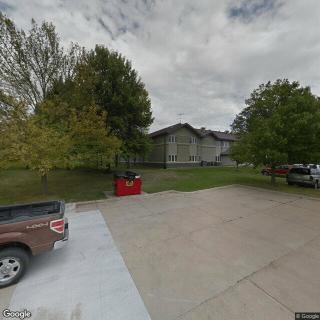
 24/7 care with broad amenities and activities.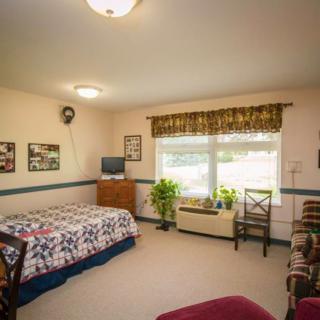
 Is Assisted Living Deductible on Your Taxes? Understanding the Complexities of Assisted Living Expenses and Deductions
 Assisted Living Support for Veterans: A Complete and Detailed Overview
 Exploring the Contrasts Between Assisted Living and Skilled Nursing