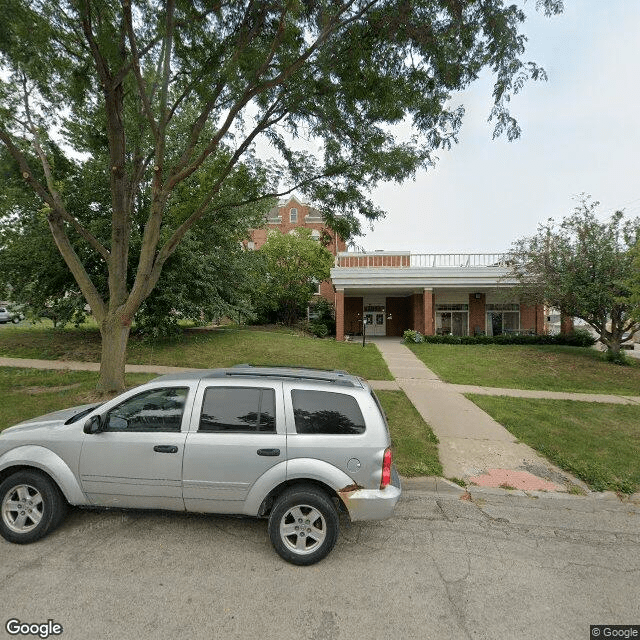
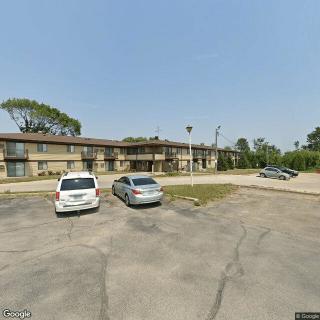
202 12th St NW, Cedar Rapids, IA 52405
To contact a resident: (319) 362-1382
For more information about senior living options: (866) 208-4318
Kingston Hill Costs & Pricing
At Kingston Hill, the monthly cost for a studio apartment is set at $2,165, which represents a significant savings compared to both Linn County and the broader state average. In contrast, residents in Linn County face an average studio rent of approximately $3,933, while the overall figures for Iowa reflect costs around $3,613. This indicates that Kingston Hill not only offers competitive pricing but also provides a more affordable alternative for those seeking quality living options without straining their financial resources. The difference in costs highlights Kingston Hill's commitment to accessible housing while maintaining high standards of comfort and convenience.
| Floor plans | Kingston Hill | Linn County | Iowa |
|---|---|---|---|
| Studio | $2,165 | $3,933 | $3,609 |
Independent Living communities with a similar price nearby
-
from -$165 / mo
Garnett Place
$2,000 to $5,000 / month4.1 miles away -
from +$335 / mo
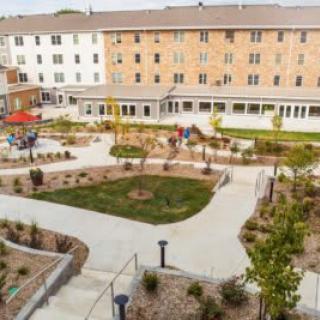
Cottage Grove Place, a CCRC
$2,500 to $3,995 / month3.1 miles away -
from +$135 / mo
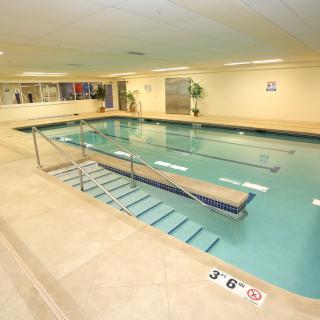
Melrose Meadows Retirement Community
$2,300 to $3,200 / month22.5 miles away -
from -$376 / mo
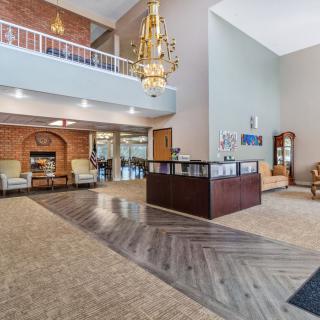
Holiday Walden Place
$1,789 to $3,365 / month23.2 miles away -
from +$335 / mo
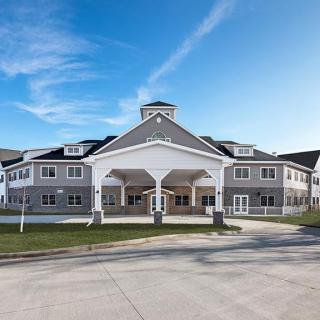
Boyson Heights Senior Living
$2,500 to $5,500 / month3.4 miles away
Overall Review of Kingston Hill
Pros
 The staff are comprised of great members and are very friendly.
- The staff are very caring and helpful.
Cons
 The place is closing.
- Funding has gone defunct.
Review
Kingston Hill in Cedar Rapids is best suited for families that prize warm, person-centered caregiving where staff interactions feel genuinely personal. This community demonstrates that the heart of care lives in daily relationships, the kind of atmosphere where aides and caregivers are consistently described as friendly, caring, and helpful. For residents who value real-time attention, quick responsiveness, and a staff team that treats ordinary moments as opportunities to assist, Kingston Hill delivers on a foundational, human connection that can make day-to-day life more comfortable and predictable.
Those who may want to consider alternatives are primarily families prioritizing long-term stability and ongoing financial viability. The most consequential red flag presented in the current landscape is the mention that the place is closing and that funding went defunct. That kind of uncertainty matters as much as any care quality metric because it directly affects continuity of services, potential moves, and the overall security of deposits or payments. For residents with more complex medical needs or for whom sustained operation and future planning are nonnegotiables, exploring facilities with documented financial stability and explicit exit or transition plans is prudent.
The most convincing pros center on the staff experience. Multiple reviews highlight staff as a standout feature: they are described as great, friendly, caring, and helpful. Those personal touches translate into reliable daily assistance, patient communication, and a sense that aides know residents by name and routines. In practice, this kind of warmth can reduce anxiety, shorten response times for basic needs, and preserve dignity in everyday tasks. When measured against the main risk, potential instability, these advantages provide meaningful short-to-mid-term value, especially for residents who gain comfort from predictable, person-first interactions.
However, the clear con is the facility’s stated financial fragility and potential closure. That threat is not a minor caution; it frames every other consideration. If closure occurs, residents face abrupt transitions, possible relocation logistics, and the emotional toll of leaving a familiar community and caregivers. Even with strong day-to-day care, the lack of assured continuity undermines long-range planning, caregiver consistency, and the trust families place in a residence to remain stable over years. Pros do offset some immediate satisfaction, but they cannot completely compensate for the structural risk to long-term residency and care continuity.
In weighing how the pros offset the cons, the conclusion is nuanced. The warmth and attentiveness of the staff make Kingston Hill an attractive option for families who can tolerate, and ideally want to mitigate, the risk through proactive planning. The positive staffing culture can preserve quality of life in the near term, support daily routines, and minimize distress during routine care tasks. Yet that same strength cannot erase the implications of possible closure: families must have a concrete plan for what happens if the building or operation changes suddenly. Decision-makers should demand transparent, current information about the facility’s financial status, any impending transitions, and what protections exist for residents financially and medically.
The practical takeaway is clear. If Kingston Hill is on the short list, conduct a rigorous due diligence step-by-step: request a current, detailed status update from management, obtain written assurances about future operation and transition assistance, and ask for documented referrals from current families about their experiences and any steps taken in preparation for a potential move. Compare with nearby communities that offer similar levels of personal attention but with verifiable stability, hence lower existential risk. For families prioritizing genuine caregiver warmth and daily personal attention, Kingston Hill remains compelling; for those prioritizing assured continuity and long-term predictability, it may be wiser to tighten the field to options with clearly sustainable futures. In every case, let stability of operation be as important as the kindness of the staff when choosing the right home.
 Independent Living
 Activities off-site
 Beautician on-site
 Devotional services on-site
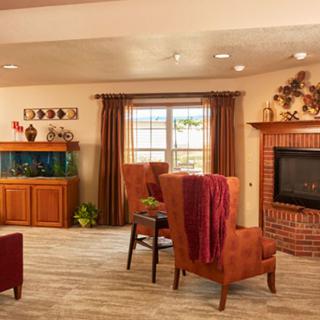
 Indoor common areas
 Outdoor common areas
 Wheelchair accessible showers
 Wi-Fi/high-speed internet available
 Eastern Iowa (6 miles away)
 Ambulatory care
 Diabetic care
 Guest meals
 Art classes
 BBQs or picnics
 Birthday parties
 Cooking classes
 Day trips and outings
 Gardening club
 Intergenerational programs
 Karaoke
 Live musical performances
 Trivia games
 Wii bowling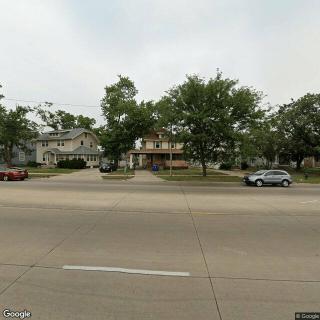
 Comprehensive Guide to Blood Pressure Charts for Older Adults: Understanding Normal and High Readings by Age
 Financing Long-Term Nursing Home Care Through Social Security: A Thorough Exploration
 Essential Knowledge on Pneumonia in Older Adults