For more information about senior living options: (866) 208-4318
2.3 from 53 reviews
5 stars
13
4 stars
2
3 stars
3
2 stars
4
1 stars
31
Overall Review of Heritage Nursing & Rehab Ctr
caveat8 reviews mention this
Food is often described as inadequate
Residents and families frequently report food that is cold, slow, or not suitable.
Multiple reviewers say meals arrive cold and/or take a long time to get, and some describe portions that feel too small. Several also connect food to care needs, including complaints that a diabetic resident received sugary foods and that assistance with eating was inconsistent. A few reviewers mention good experiences with food service around their stay, but the overall feedback on day-to-day meals is mixed and often negative.
caveat16 reviews mention this
Staffing and follow-through concerns
Many reviews describe staff who seem overworked, hard to reach, or unwilling to help.
A large portion of the reviews say families had trouble getting help promptly, including long waits for showering and nursing attention. Several comments point to understaffing or overwork, with residents described as being overlooked and care tasks not completed. A smaller number of reviewers praise specific staff for going above and beyond, but many others say management and communication contribute to inconsistent follow-through.
caveat7 reviews mention this
Poor communication and coordination complaints
Reviewers frequently complain about communication problems during care and discharge.
Several reviewers describe difficulty contacting staff by phone or having calls taken seriously, including situations where concerns were dismissed. Others mention missteps in discharge or coordination, such as discharge information being left to families and last-minute hospital transfers. Even among positive accounts, communication is portrayed more as a success during a transition than as something universally reliable throughout the stay.
common3 reviews mention this
Rehab therapy gets some praise
Therapy support is sometimes credited with noticeable recovery progress.
Some reviewers specifically credit the therapy team and related support for helping them improve after surgery or get back on their feet. Others focus on nursing care problems rather than therapy, but the positive rehab mentions still show up in multiple accounts. Where therapy is discussed positively, it is tied to short-term improvement and coordinated recovery rather than day-to-day facility operations.
common2 reviews mention this
Activities are described both ways
Activity experiences vary widely between residents and units.
One reviewer highlights fun activities such as BINGO and a social atmosphere that helped residents build friendships. Another reviewer, describing a locked unit, says the activity programming is extremely limited and doesn’t meet expected weekly engagement. The community offers on-site activities and devotional services, but reviews disagree on how much residents actually get to do.
caveat2 reviews mention this
Cost draws recurring criticism
Some reviewers say the charges feel too high for what they experienced.
A couple of reviews call out the cost directly, including mentions of monthly pricing that they feel doesn’t match the level of care provided. Another describes an unexpectedly large bill tied to a short stay. While pricing details beyond those comments aren’t widely repeated, cost shows up as part of the broader dissatisfaction for these reviewers.
How we summarize
Counts show how many written reviews mention each theme; a review can touch several themes, and only frequently mentioned themes are displayed.
Features
Types of Care
Assisted Living
Amenities
Activities on-site
Devotional services off-site
Indoor common areas
Transportation
Eastern Iowa (6 miles away)
Care Services
Ambulatory care
Diabetic care
Dining
Meals provided
Activities
Activities on-site
Devotional activities offsite
Nearby Places of Interest
This part of Cedar Rapids, Iowa, offers a convenient and diverse range of amenities for seniors looking to settle in the area. With multiple parks such as Cherokee Trail Park and Beverly Park nearby, residents can enjoy nature walks and outdoor activities. Additionally, there are several pharmacies within close proximity for easy access to medication and health supplies. For dining options, there are various restaurants like Arby's and Nick's Bar & Grill offering different cuisines. The presence of hospitals like St Luke's Hospital and Mercy Medical Center provides peace of mind knowing that medical services are easily accessible. Various physicians' offices are also located nearby for healthcare needs. Additionally, cafes like Starbucks offer a cozy place to socialize or relax with a cup of coffee. Places of worship such as Central Church of Christ and Good Shepherd Lutheran Parsonage cater to spiritual needs within the community. Overall, this neighborhood presents a well-rounded living environment with convenience and comfort in mind for seniors looking to call Cedar Rapids home.
Activities of Daily Living (ADLs) are fundamental tasks vital for an individual's independence, particularly in older adults over 85, and include functions like bathing and dressing; assessing ADLs alongside Instrumental Activities of Daily Living (IADLs) helps determine the level of required assistance due to age-related health challenges. Tailored support plans, involving family and community resources, are essential for maintaining dignity and autonomy in assisted living environments.
Medicare does not cover assisted living costs, as it focuses on acute medical needs and short-term care, with exceptions for certain medically necessary services like physical therapy. Individuals must explore other options such as Medicaid, veterans' benefits, or long-term care insurance to manage these expenses effectively.
Choosing between assisted living and nursing homes involves evaluating emotional and financial factors, with assisted living offering independence and support for daily activities at a lower cost, while nursing homes provide intensive medical care for individuals with significant health needs. The decision is influenced by personal preferences, health status, cognitive function, and varying Medicaid coverage across states.
Get PricingAsk A QuestionSchedule A TourContact Senior Advisor
By clicking submit, you agree to our Partner's Terms of Use. You
also consent to receive calls and texts, which may be autodialed, from our Partner. Your consent is not a condition to
using our Partner's service. Please visit our Partner's Privacy Policy for information about their privacy practices.

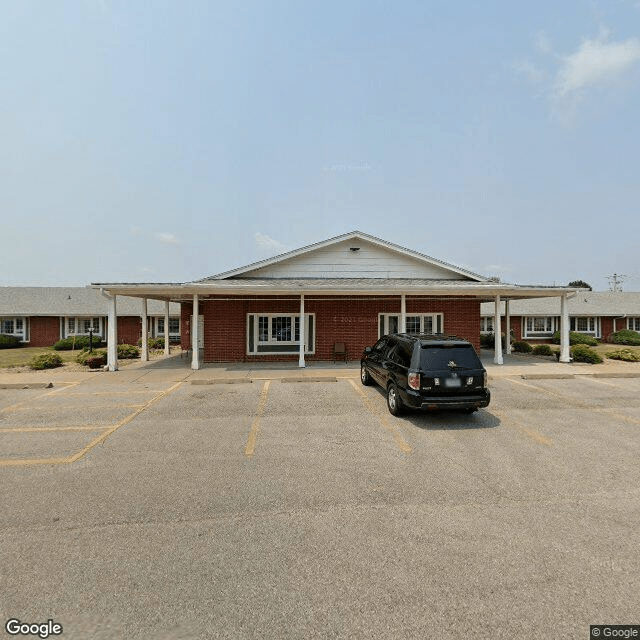
 Assisted Living
 Activities on-site
 Devotional services off-site
 Indoor common areas
 Eastern Iowa (6 miles away)
 Ambulatory care
 Diabetic care
 Meals provided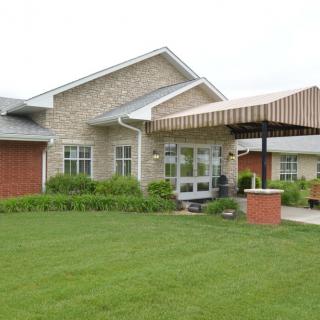
 Clean, well-maintained facility with friendly staff and engaging activities.

 Comprehensive Insights into Activities of Daily Living (ADLs) and Their Assessment
 Medicare Coverage for Assisted Living: An In-Depth Exploration
 Choosing the Right Senior Care: A Detailed Exploration of Assisted Living and Nursing Homes