
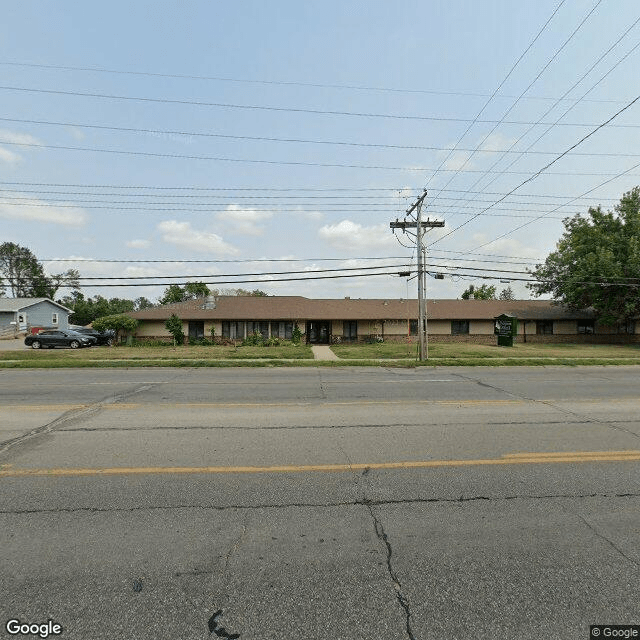
307 Edgewood Rd SW, Cedar Rapids, IA 52404
To contact a resident: (319) 365-4116
For more information about senior living options: (866) 208-4318
Evergreen Estates II Costs & Pricing
Evergreen Estates II offers a 1-bedroom unit at a monthly cost of $3,913, which positions it above the average rates observed in Linn County and the wider state of Iowa. In comparison, the average cost for similar accommodations in Linn County stands at $3,097, while the statewide average is notably lower at $2,862. This pricing suggests that Evergreen Estates II may provide unique amenities or services that justify its higher rate. Potential residents and their families should consider these figures within the context of their specific needs and expectations regarding quality and support services when evaluating options in this competitive market.
| Floor plans | Evergreen Estates II | Linn County | Iowa |
|---|---|---|---|
| 1 Bedroom | $3,913 | $3,097 | $2,863 |
Assisted Living communities with a similar price nearby
-
from -$663 / mo
Ridgeview Assisted Living
$3,250 to $4,125 / month0.9 miles away -
from -$533 / mo

Stirlingshire
$3,380 to $4,470 / month21.2 miles away -
from +$462 / mo
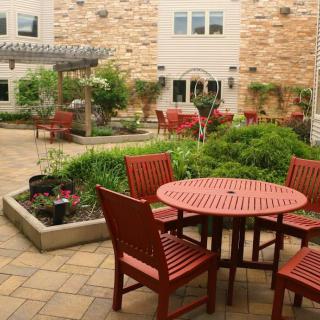
Prairie Hills of Cedar Rapids
$4,375 to $5,825 / month1.0 miles away -
from +$417 / mo
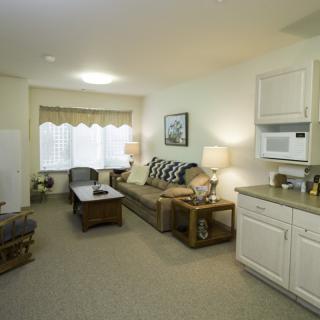
The Views of Cedar Rapids
$4,330 to $5,320 / month0.9 miles away -
from -$463 / mo

The Keystones of Cedar Rapids
$3,450 to $6,575 / month6.2 miles away
Overall Review of Evergreen Estates II
Pros
 The staff are caring.
- The food is good.
- There is great care for an affordable price.
Cons
 The staff is rude.
- The facility is not the cleanest.
- The overall atmosphere is dark and depressing.
- They would rather be in jail, believing they would be treated more like a human there.
- Most residents are afraid to speak up or act.
Review
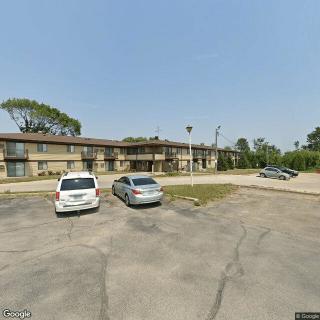
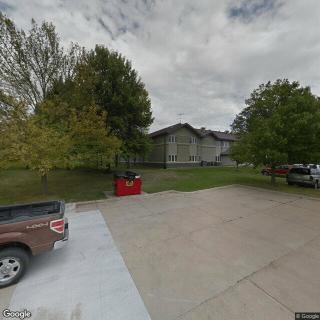
Evergreen Estates II in Cedar Rapids is best suited for seniors who need reliable, affordable daily care and are comfortable with a straightforward, no-frills environment. The community presents a practical option for families prioritizing cost effectiveness over luxury, focusing on essential services such as help with bathing, dressing, medication management, and supervision. For residents who can tolerate a subdued atmosphere and expect steady caregiving as the core value, this facility delivers basic safety and assistance within a price point that keeps long-term expenses manageable.
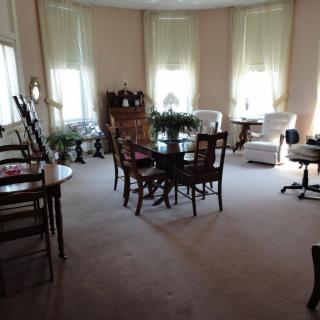
Those who prize cleanliness, a warm and uplifting atmosphere, and consistently respectful staff should seriously consider alternatives. The narrative around Evergreen Estates II includes reports of not being the cleanest and a generally dark, depressing ambiance. Interactions with staff are described as rude by some, and a troubling undercurrent suggests residents feel inhibited from speaking up. For families seeking a culture that prioritizes dignity, encouragement, and open channels for feedback, these dynamics are meaningful red flags that undermine the confidence needed for ongoing placement.
The most tangible positives, caring staff and affordable pricing, do offer meaningful value in the right light. When caregivers are engaged, residents receive timely assistance with daily tasks and supervision, which can translate into safer, more predictable daily routines and reduced anxiety for families. The affordability angle keeps care within reach, which is especially important for long-term stays or limited budgets. Food is described as decent, not exceptional, which aligns with the overall value proposition: solid nourishment at a cost that fits the price band. These pros matter, but they do not erase the impact of the more troubling concerns that accompany the environment.
The core cons are not incidental; they touch the heart of everyday life. Cleanliness issues affect comfort and health, while a persistently dark mood drains social engagement and can foster isolation. Rude or dismissive staff behavior directly undermines trust, potentially elevating stress for residents who rely on consistent, respectful interaction. Most troubling is a reported culture where residents feel afraid to speak up, suggesting issues with resident rights, responsive complaint resolution, and accountability. In practical terms, these factors elevate risk and diminish quality of life, making it difficult to justify placement for families seeking a consistently humane, empowering experience.
For families weighing options, the path is to scrutinize two dimensions during visits: operational transparency and daily lived experience. Request concrete, time-bound answers about staff-to-resident ratios on each shift, escalation procedures for concerns, and concrete examples of recent improvements. Inquire about the routine of housekeeping, laundry, and dining service, plus how social activities are facilitated and whether residents can participate without pressure. Observe interactions firsthand: are residents greeted warmly, is the facility clean, do common spaces feel inviting, and is there evidence of resident participation in meaningful activities? Tours should be followed by candid references about pride in the facility and changes implemented after feedback.
In the final tally, Evergreen Estates II functions as a practical, budget-conscious choice for families who can accept a less engaging atmosphere and potential interpersonal friction in exchange for affordable daily care. It is not an optimal pick for those who demand consistently high standards of cleanliness, vibrant social life, and a culture of respectful, empowering resident engagement. If finances constrain options, this community may be worth a cautious trial with clearly defined expectations and active monitoring. When dignity, comfort, and proactive care are non-negotiable, however, it is wise to pursue alternatives that deliver stronger evidence of respectful staff behavior, cleaner surroundings, and a robust resident voice.
 Assisted Living
 Activities on-site
 Devotional services off-site
 Indoor common areas
 Eastern Iowa (6 miles away)
 Ambulatory care
 Diabetic care
 Meals provided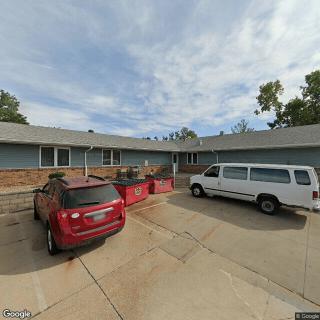

 Social Security Benefits and Assisted Living: Navigating Options Across the U.S.
 An Extensive Exploration of the VA Aid and Attendance Benefit
 Senior Transition Services: Understanding Their Role, Cost, and Importance