For more information about senior living options: (866) 208-4318
2.5 from 73 reviews
5 stars
19
4 stars
5
3 stars
6
2 stars
6
1 stars
37
Overall Review of Heritage Specialty Care
common2 reviews mention this
Nursing and CNA care varies
Many residents and families describe caring nurses and CNAs.
Several reviewers say the nursing team treats residents with respect and is helpful when assistance is needed. Others also point to pockets of inconsistency, with some staff described as supportive while other interactions are criticized. Overall, reviews suggest that daily experience depends heavily on who is on shift.
differentiator2 reviews mention this
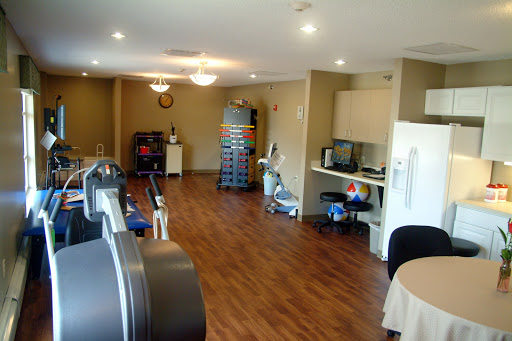
Rehab therapy is a bright spot
Therapy support is repeatedly described as helpful for recovery.
Multiple reviewers highlight physical and occupational therapy as a key reason they saw progress. One person credits therapy with improving walking and another describes being able to return home after a short rehab stay. Reviews also associate the rehab experience with organized care during the transition in.
caveat2 reviews mention this
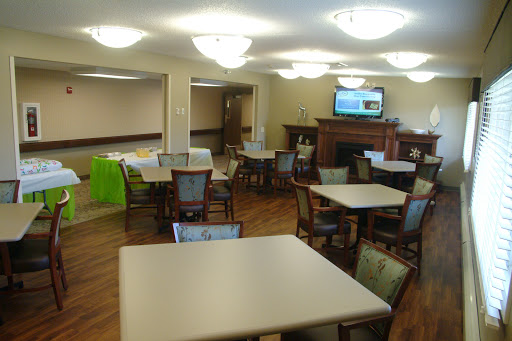
Food quality draws criticism
Residents and families frequently complain about meals.
Reviews describe food arriving cold or not matching residents’ needs, including concerns about portion size and meal service timing. Some reviewers also raise diet-related problems for residents with diabetes, including reports of higher-sugar foods. Together, these comments suggest meal experience is uneven.
caveat2 reviews mention this
Help requests can be slow
Call and room assistance complaints show up often.
Some reviewers report needing to wait a long time for help after pressing a call light, or describe delays when staff say they will return. Others criticize communication, including difficulty getting in touch with staff and being left to handle discharge details themselves. These reports point to responsiveness as a recurring concern.
caveat2 reviews mention this
Value and costs are questioned
Several reviewers say the pricing doesn’t match the experience.
A few families mention sticker shock and directly question whether the cost is worth it. Others frame the situation as charging a lot for limited or inadequate day-to-day support. Taken together, reviews suggest cost is a key source of dissatisfaction for some residents and families.
How we summarize
Counts show how many written reviews mention each theme; a review can touch several themes, and only frequently mentioned themes are displayed.
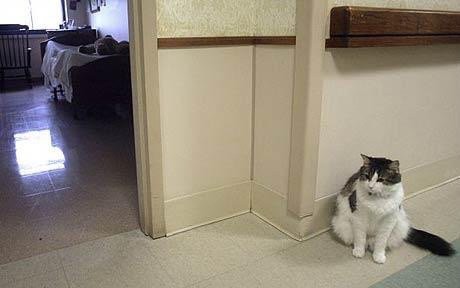
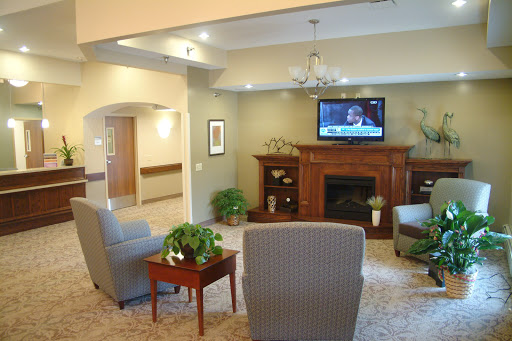
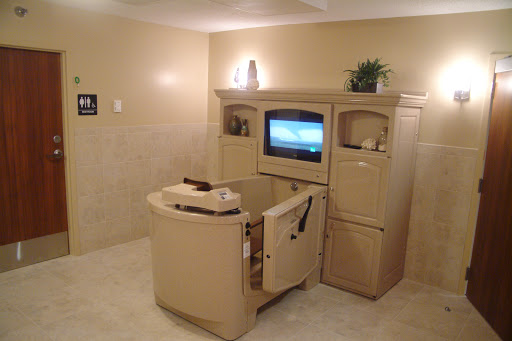
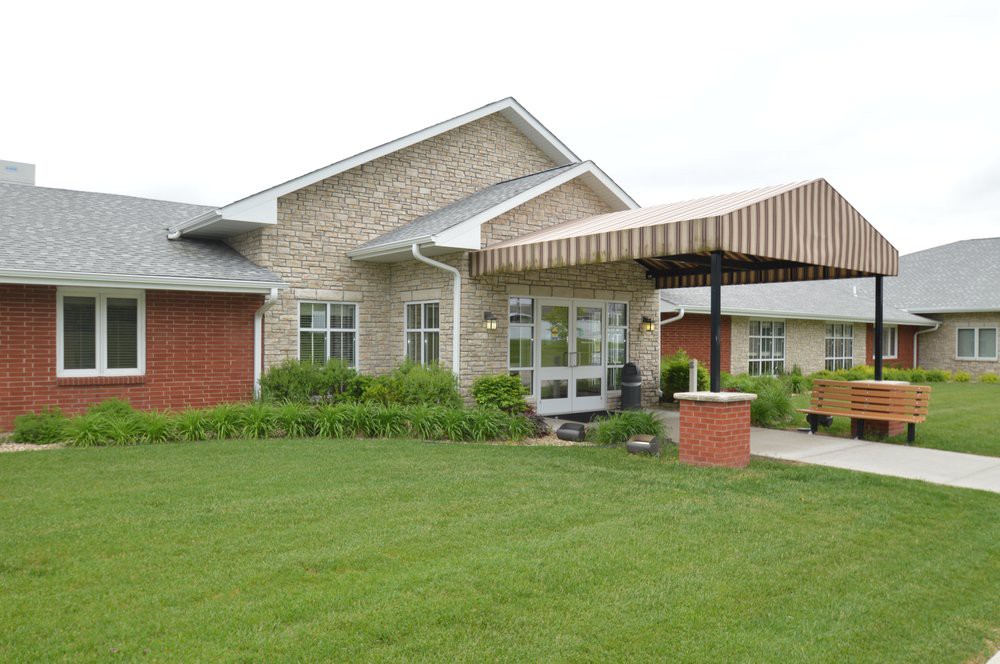
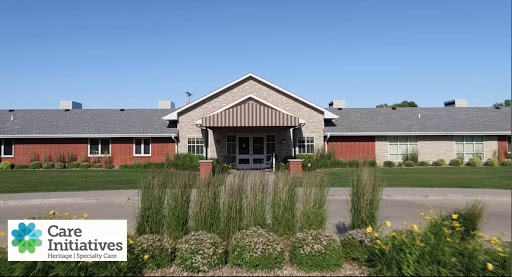
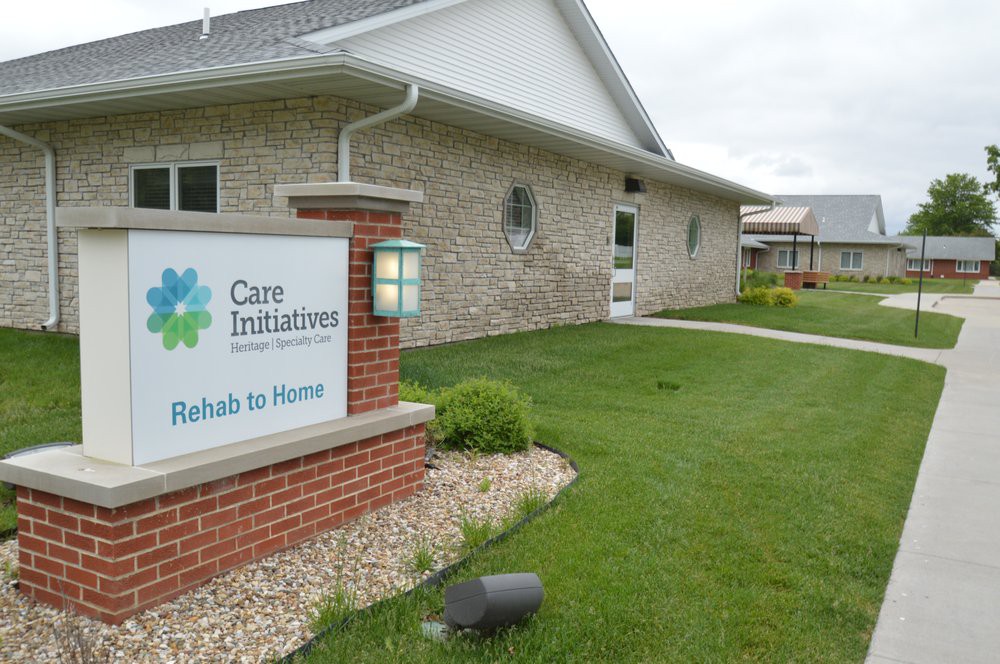
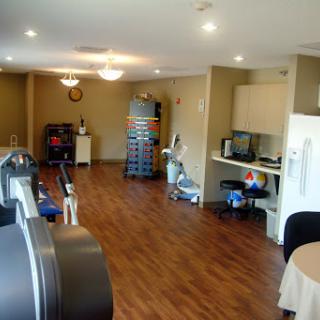
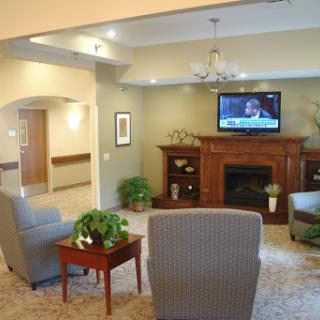
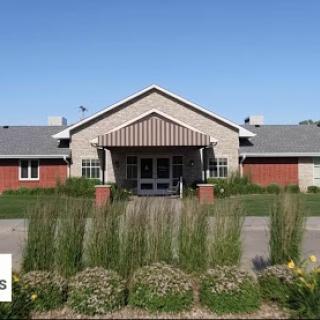
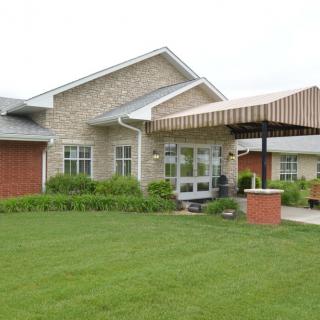
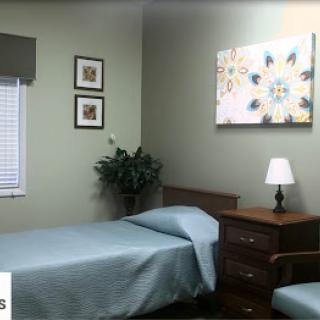
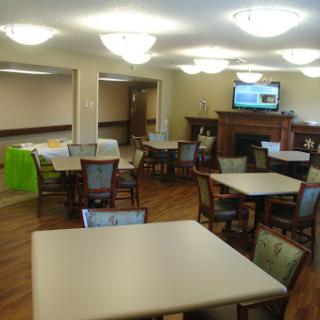
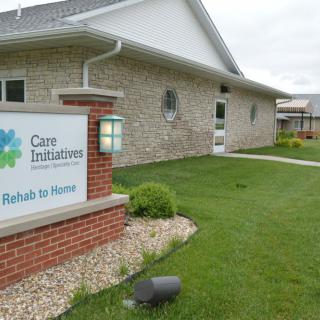
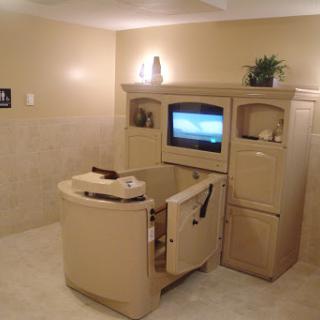
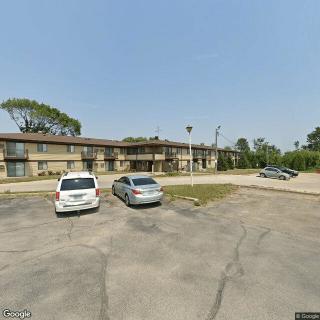
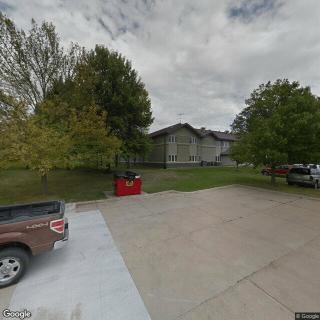
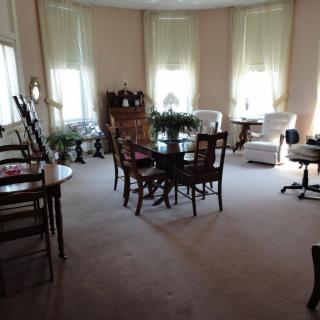
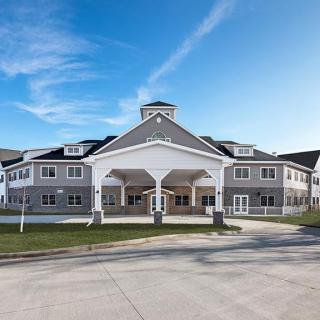
Heritage Specialty Care on seniors.fyi includes 14 photos including images showing landscaping, interior, television, building, exterior, brick, entrance, outdoor, and more.
Nearby Communities
Heritage Nursing & Rehab Ctr
Cedar Rapids, IA
2.3 from 53 reviews
Diabetic care available with on-site activities and nearby healthcare options.
Evergreen Estates I
Cedar Rapids, IA
$3,834 / month
Comprehensive care with 24-hour supervision and a wide range of amenities.
Evergreen Estates II
Cedar Rapids, IA
1.7 from 3 reviews
$3,913 / month
Specialized assisted living with diabetic care and engaging activities
Peony Park Apartments
Cedar Rapids, IA
5 from 1 review
Ample nearby amenities and healthcare access.
Cedar Village Senior Residences
Cedar Rapids, IA
4.6 from 11 reviews
$673 / month
Friendly, responsive staff with clear communication and engaging resident activities.
West Ridge Care Center
Cedar Rapids, IA
4.3 from 29 reviews
24/7 care with broad amenities and activities.
Kingston Hill
Cedar Rapids, IA
4.6 from 7 reviews
$2,165 / month
Affordable pricing compared to Linn County and Iowa averages.
Irving Point
Cedar Rapids, IA
3.9 from 14 reviews
$610 / month
Clean, spacious independent-living apartments with affordable pricing and on-site amenities.
Boyson Heights Senior Living
Cedar Rapids, IA
4.5 from 46 reviews
$2,500 to $5,500 / month
Friendly, attentive staff in a bright, well-maintained setting with active programs and strong family communication.
Weight training is vital for seniors to maintain muscle mass, bone density, and overall health, combating age-related declines through customized resistance exercises that enhance balance and well-being. Safe routines should start with realistic goals and proper form, while emphasizing gradual progress and consultations with healthcare providers to ensure safety and effectiveness.
The Sandwich Generation comprises adults managing the dual responsibilities of caring for aging parents and raising children, leading to significant emotional, logistical, and financial challenges. This situation is exacerbated by longer life expectancies and cultural expectations, necessitating effective coping strategies and support resources to alleviate caregiver stress and burnout.
The article highlights eight essential assistive devices that improve the independence and safety of older adults, addressing issues related to mobility, balance, vision, hearing, and dexterity. It emphasizes the importance of proper selection guided by healthcare professionals to enhance seniors' quality of life while allowing them to age in place.
Get PricingAsk A QuestionSchedule A TourContact Senior Advisor
By clicking submit, you agree to our Partner's Terms of Use. You
also consent to receive calls and texts, which may be autodialed, from our Partner. Your consent is not a condition to
using our Partner's service. Please visit our Partner's Privacy Policy for information about their privacy practices.





 201 resident community capacity
 Skilled Nursing Facility
 Air-conditioning
 Beauty salon
 Cable or satellite TV
 Computer center
 Dining room
 Fitness room
 Fully furnished
 Gaming room
 Garden
 Housekeeping services
 Kitchenette
 Move-in coordination
 Outdoor space
 Private bathrooms
 Restaurant-style dining
 Small library
 Telephone
 Wellness center
 Wi-Fi/high-speed internet available
 Eastern Iowa (6 miles away)
 Community operated transportation
 12-16 hour nursing
 24-hour call system
 Activities of daily living assistance
 Assistance with bathing
 Assistance with dressing
 Assistance with transfers
 Diabetes diet
 Medication management
 Mental wellness program
 Special dietary restrictions
 Concierge services
 Planned day trips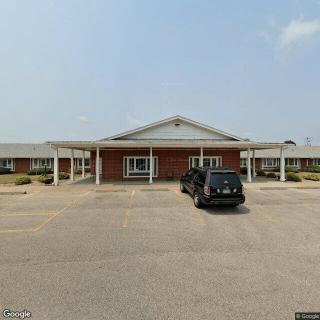
 Diabetic care available with on-site activities and nearby healthcare options.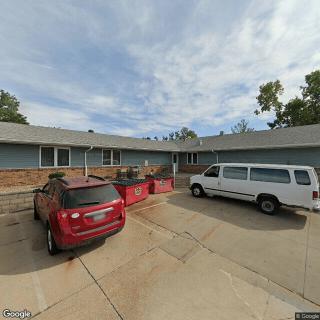



 Weight Training for Seniors: Building Strength and Vitality
 Understanding the Sandwich Generation: Stress and Responsibilities for Multigenerational Caregivers
 8 Essential Assistive Devices for Older Adults