Rosewalk Village of Lafayette

Save

  • Interior

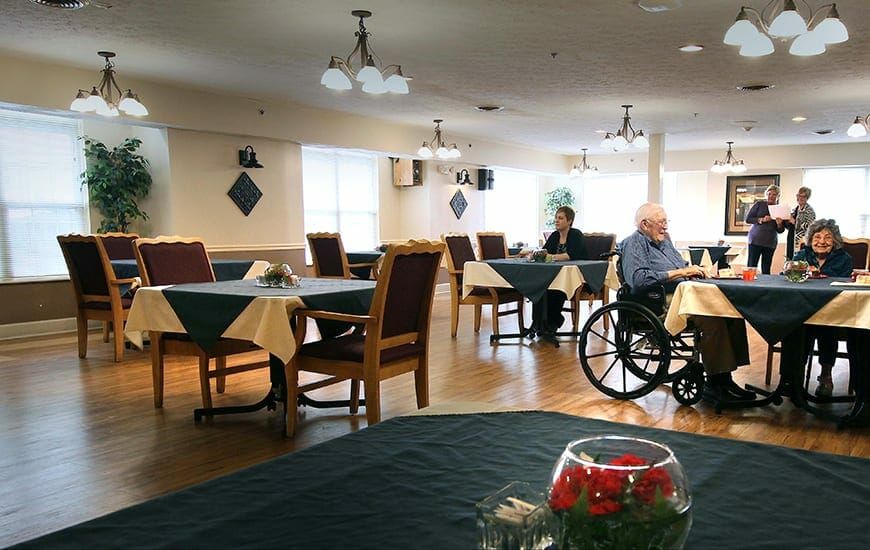
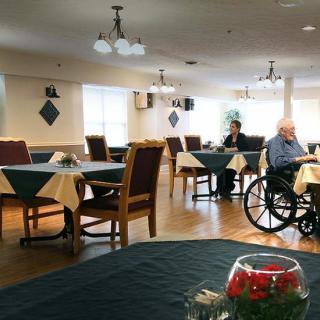
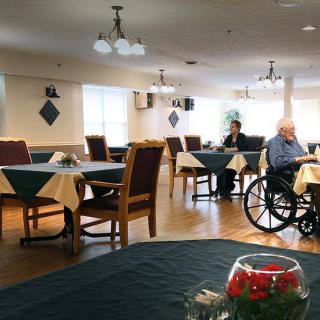
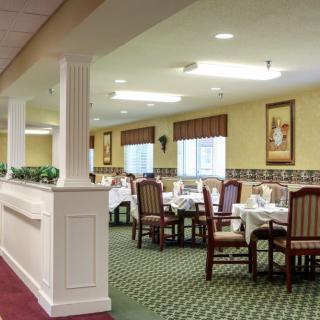
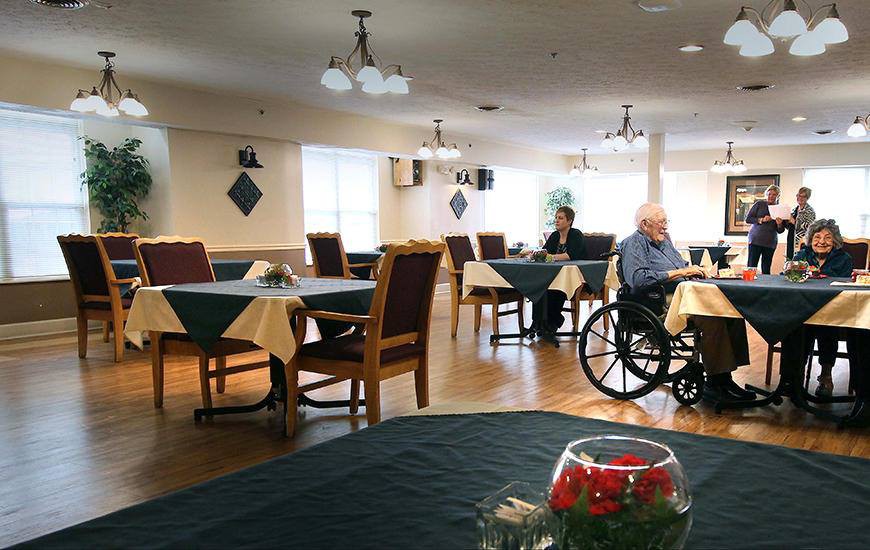
    A quiet dining area in a care facility, with tables and chairs, occupied by a few elderly individuals.
  • Decor

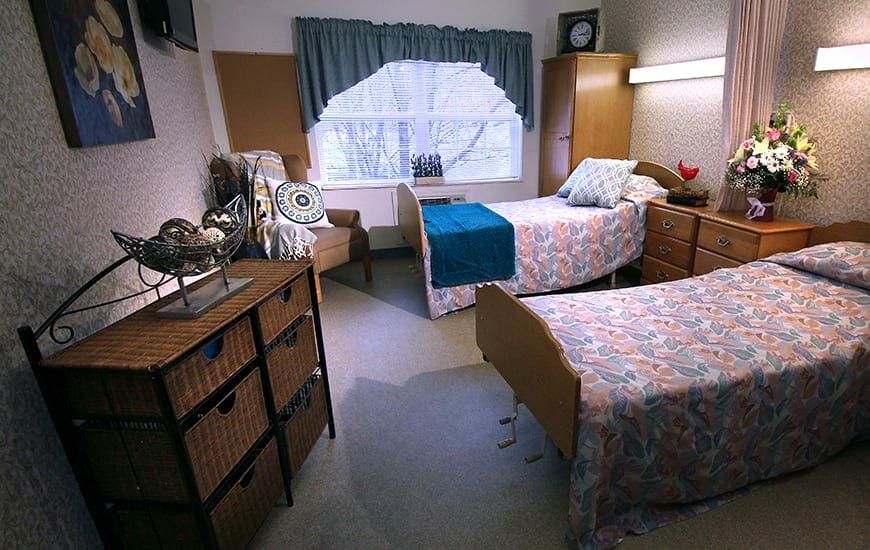
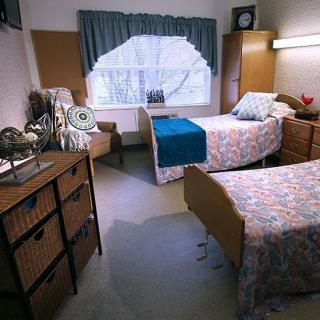
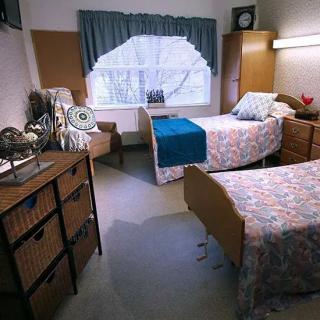
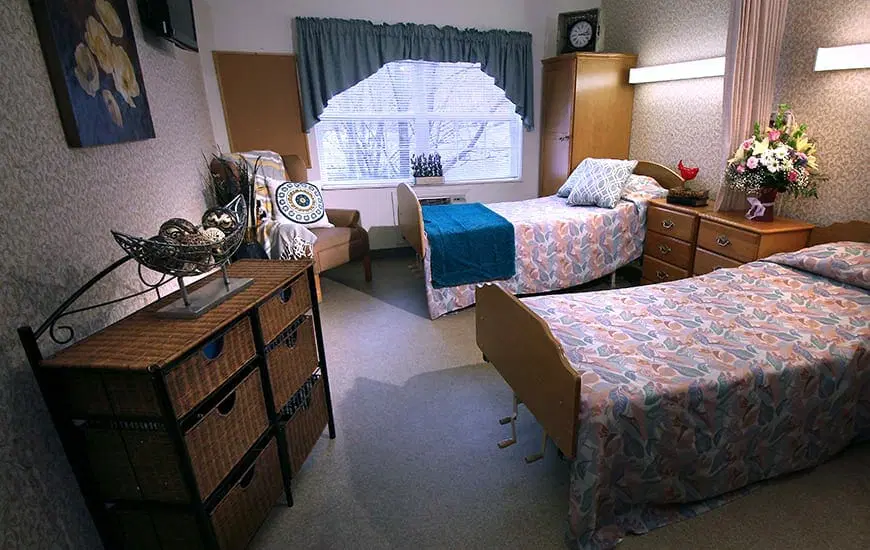
    A cozy shared bedroom with two beds and simple decor.
  • Living Room

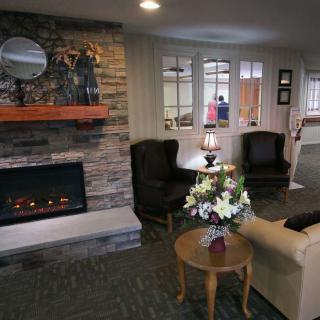
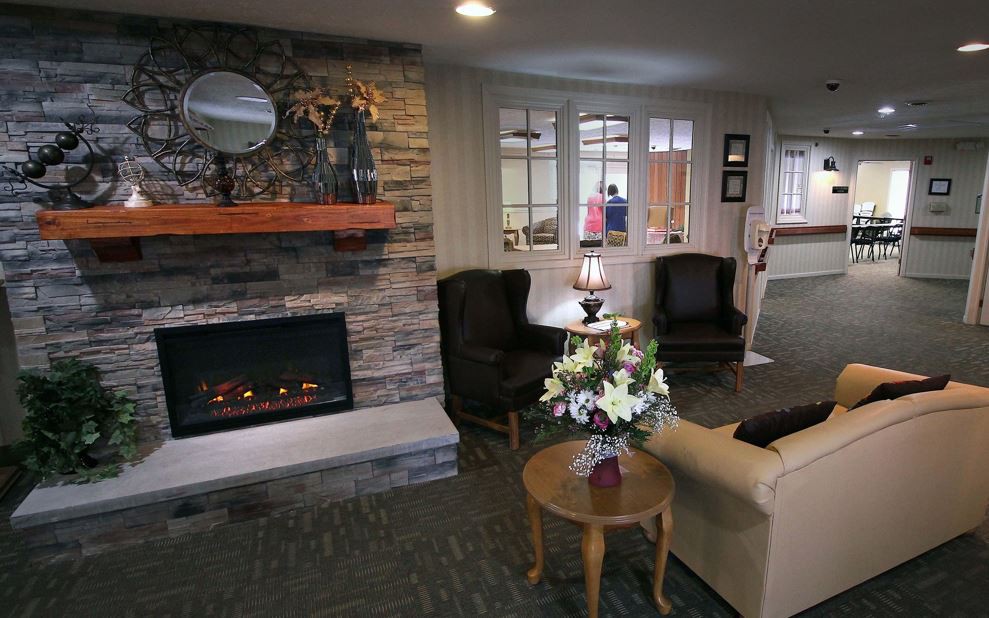
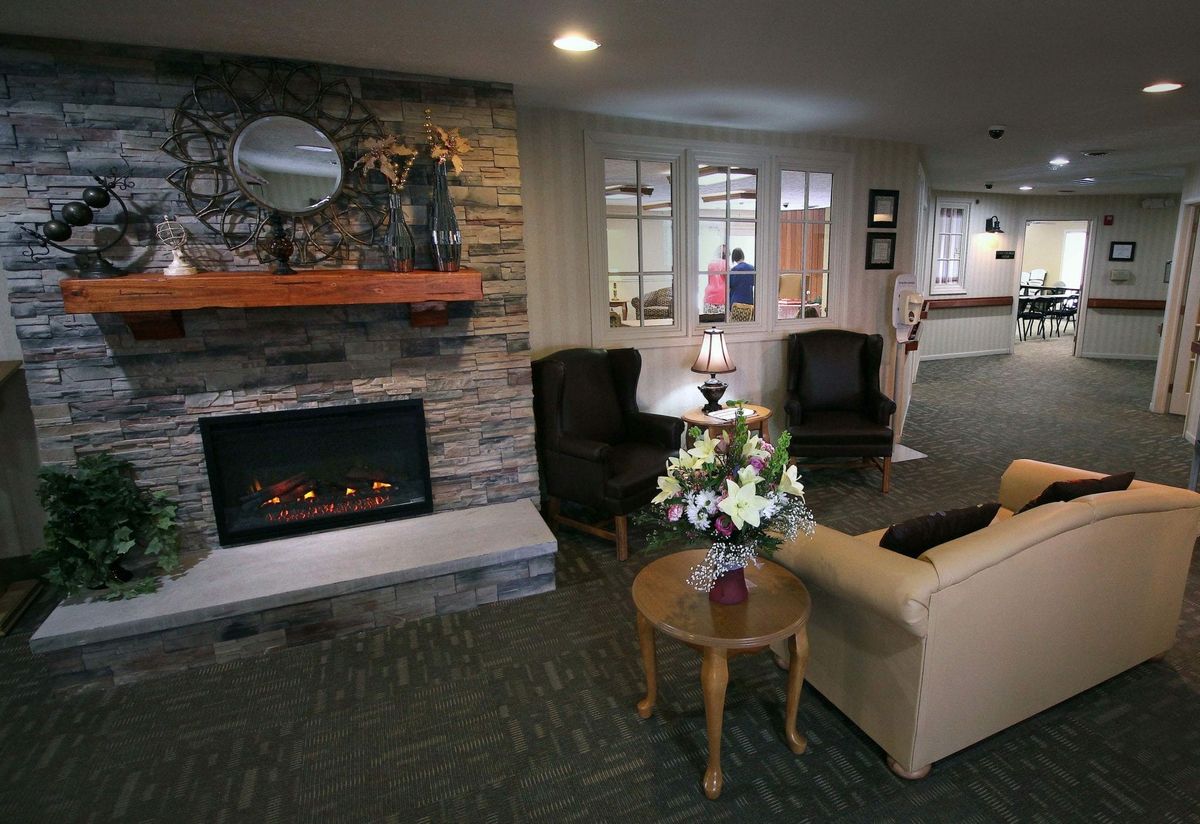
    A cozy living room area with a fireplace, comfortable seating, and a coffee table with flowers.
  • Building

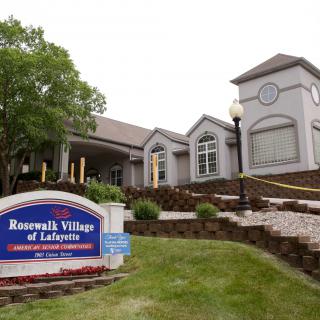
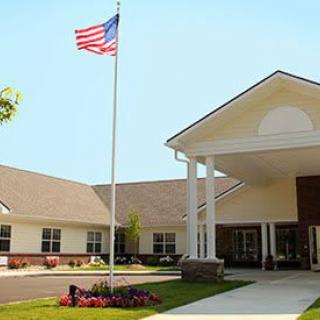
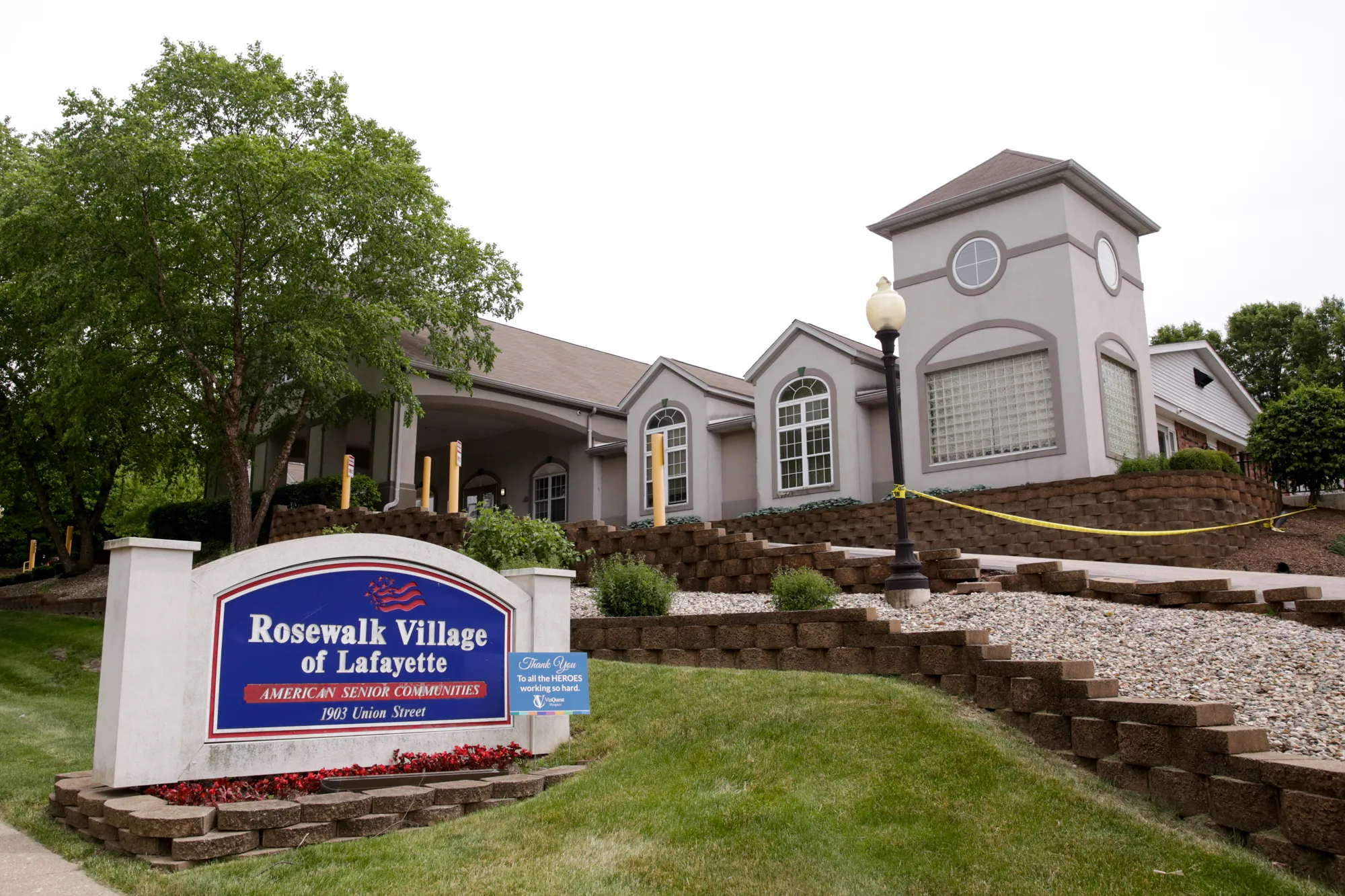
    Exterior view of a senior living facility with a welcoming sign and landscaped surroundings.
  • Bedroom

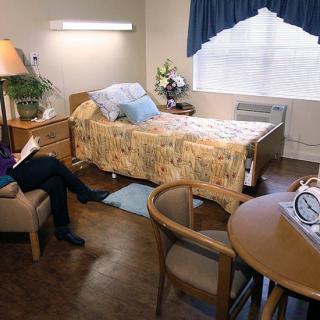
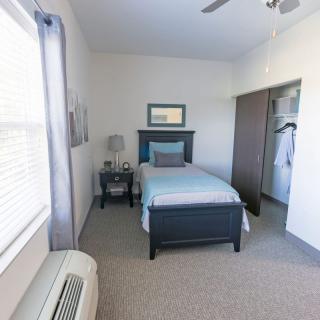
    A cozy bedroom featuring two neatly made beds, decorated with floral and solid color linens, alongside a window with curtains.
  • Windows

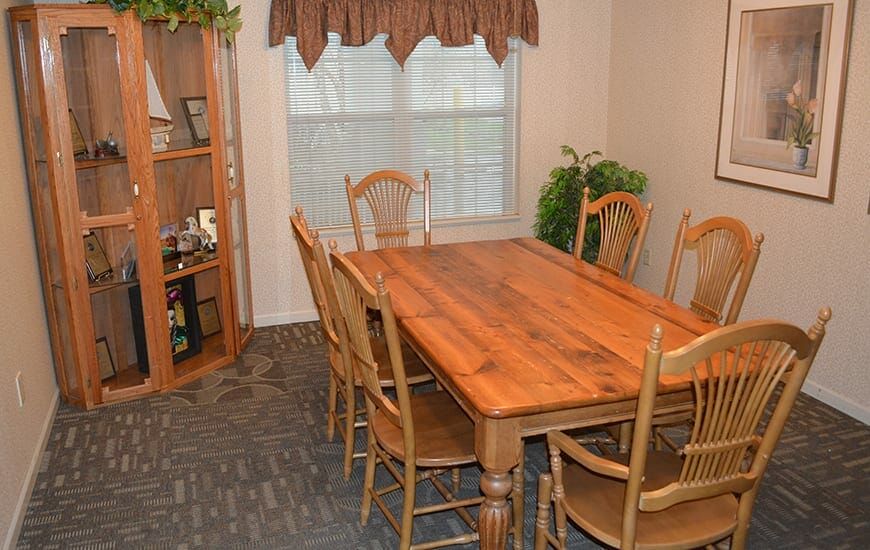
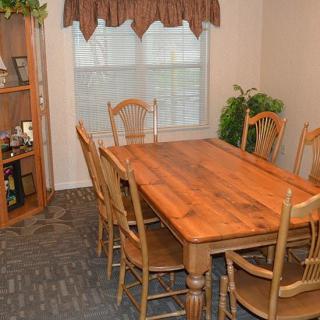
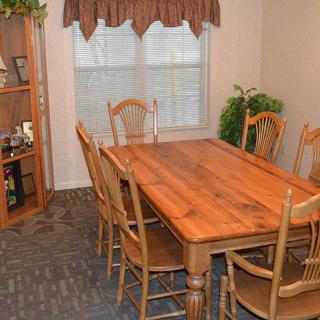
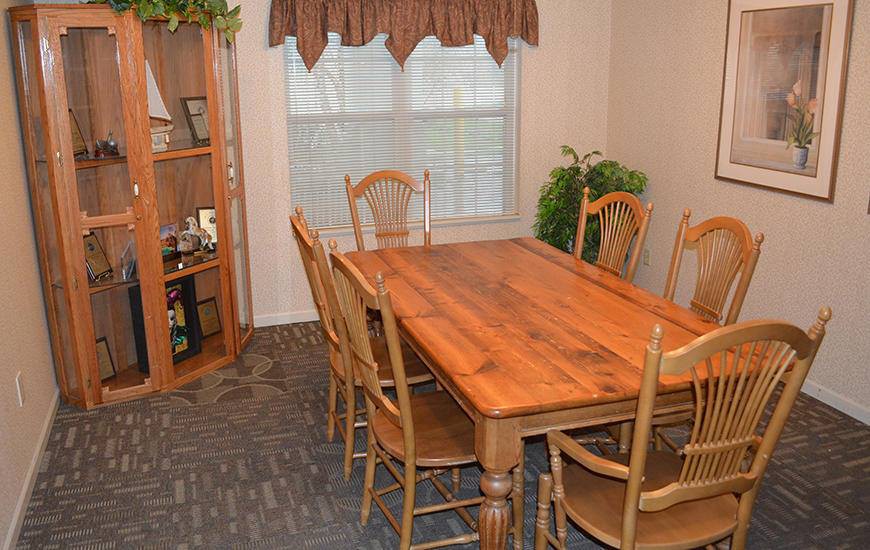
    Cozy dining room with a wooden table and chairs, complemented by a bookshelf and indoor plant.
  • Dining

    A quiet dining area in a nursing home with tables set for meals, featuring an elderly person in a wheelchair.
  • Fireplace

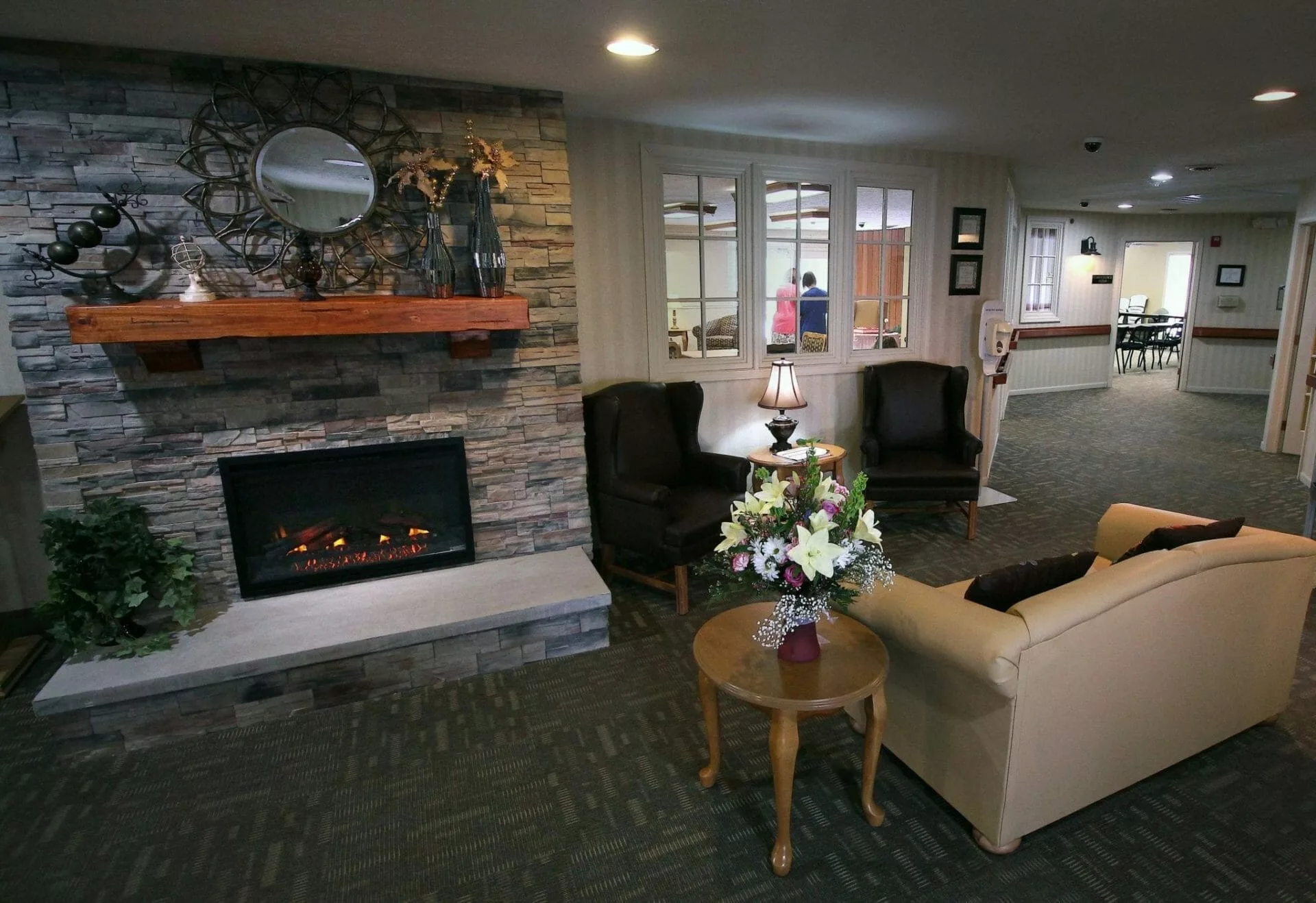
    A cozy living room interior with a stone fireplace, armchairs, and a floral centerpiece on a wooden table.
  • Bathroom

    An accessible bathroom with tiled walls and floor, featuring a shower area, grab bars, and neatly arranged towels.
  • Hallway

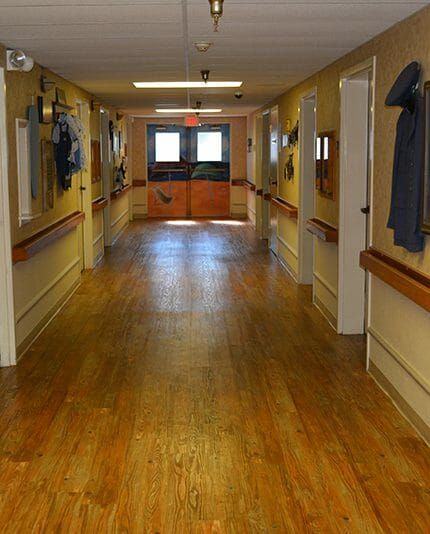
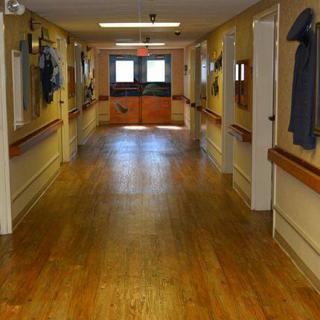
    An empty hallway in a healthcare facility featuring wooden floors and double doors at the end.
  • Stone Wall

    A cozy living room with a stone fireplace and comfortable seating.
  • Indoor Plants

    A cozy dining room featuring a wooden table and chairs, a bookshelf, and a window adorned with curtains.
  • Hospital Bed

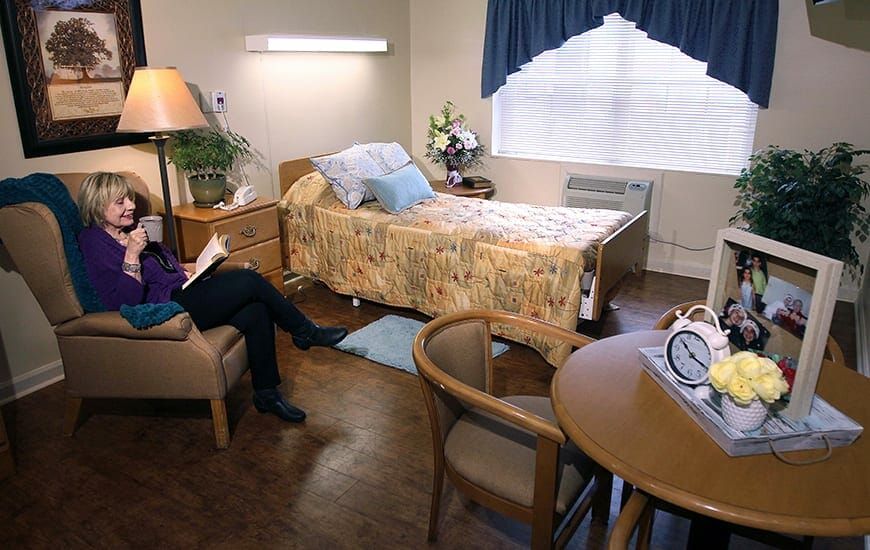
    A hospital room with a bed, table, chair, and a person sitting.

Rosewalk Village of Lafayette

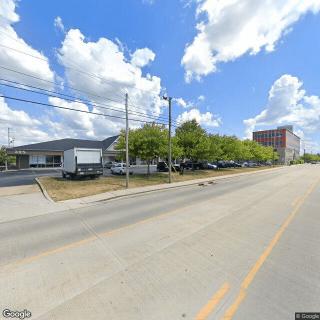
1903 Union St, Lafayette, IN 47904

For more information about senior living options: (844) 490-3973

4.2 from 89 reviews
5 stars
67
4 stars
4
3 stars
3
2 stars
2
1 stars
13

Assisted Living Independent Living Memory Care Skilled Nursing Facility

Overall Review of Rosewalk Village of Lafayette

Pros

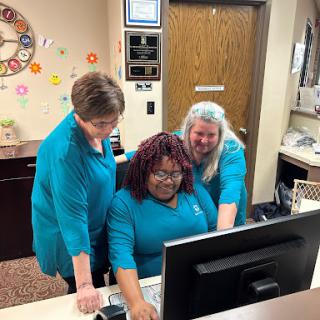
  • pro Stacy, the Director of Nursing, goes above and beyond to help and is caring and compassionate.
  • pro The staff are great and genuinely care about the residents.
  • pro The food is delicious.
  • pro The management team is very helpful.
  • pro Rosewalk's team is friendly and provides a home-like environment.
  • pro Jacquie, the Director of Admissions, is knowledgeable and highly helpful.
  • pro Nate is kind and strives to ensure residents are cared for.
  • pro There are really good and caring CNAs and nurses.
  • pro Rosewalk is great for rehab-to-home therapy and tailors care to each patient.
  • pro The therapy department has great rapport and treats each resident as an individual.

Cons

  • pro Several residents upstairs were reportedly not placed in memory care despite needing it, and their needs weren't being met.
  • pro Many CNAs and some staff were described as not really caring about the residents.
  • pro A reviewer described Rosewalk as a poor place to bring loved ones, citing rude care, poor care, and disrespect toward residents and families.
  • pro A dining incident was noted where a dinner tray did not include all items on the order, suggesting the ticket wasn't checked.
  • pro It was claimed that some CNAs and staff would take long breaks, causing delays and leaving residents waiting for care.
  • pro Call lights were left unanswered for 30 minutes or more, indicating unreliability in responding to calls.
  • pro Dementia care was criticized for being abrupt rather than gentle, with residents not being greeted or informed before assistance.

Review

Nestled in Lafayette, Rosewalk Village emerges in many voices as a place that families can feel confident about when choosing care for a loved one. A number of reviewers highlight a culture of heartfelt dedication among the staff, with a particular emphasis on Stacy - described both as the Director of Nursing and as a compassionate presence who goes above and beyond to fix issues and support residents and families. The gratitude voiced for Stacy is palpable, with one writer thanking her for guiding them through difficult times and another noting that her care and willingness to stay with a problem until it's resolved make a real difference. It's clear that for many, Stacy's leadership represents a cornerstone of the community's strength.

Beyond one standout nurse leader, several reviewers draw attention to the overall warmth and competency of the staff. Family members repeatedly mention that the team genuinely cares about residents and their safety, and they praise the facility's food, calling it delicious, with management described as helpful and responsive. Numerous families express relief and appreciation that their loved ones are treated with respect and kindness, and that the environment feels welcoming and safe. The atmosphere is painted as home-like, with a sense that both routine and special moments are handled with attentiveness and care.

Tours and initial impressions are also described in a consistently positive light. Visitors note Rosewalk's home-like vibe and its active memory care program, where activities and engagement are visible even during tours. The experience of touring is portrayed as smooth and reassuring, reinforcing the impression that the facility prioritizes both the comfort and the stimulation of residents. In particular, the memory care environment is highlighted as active, with ongoing programming designed to keep residents engaged and supported.

The admissions process is another area where the facility earns praise. Jacquie, the Director of Admissions, is singled out as knowledgeable and helpful, with advice to families to reach out to her if they're evaluating care options for a loved one. This emphasis on clear, supportive guidance during the transition into Rosewalk adds to the sense that the community is organized and family-focused. The ability to connect with the right person who can answer questions and facilitate a smooth process matters a great deal to families navigating these decisions.

Yet, as with any large care community, experiences vary. A thoughtful, honest account from a reviewer who had a grandparent in memory care provides a balanced and nuanced perspective. They acknowledge the facility's strengths in rehab and general care, noting kind and capable staff (including ED Nate, described as kind and committed to doing things the right way). At the same time, they point to real concerns about placement and day-to-day execution: residents who may belong in memory care being housed upstairs, gaps in tray accuracy and responsiveness to meals, and the broader point that even well-intentioned CNAs and nurses face heavy workloads that can impact care. The reviewer urges a gentler, more person-centered approach for residents with dementia and emphasizes the importance of consistent, attentive communication with families. It's a reminder that compassionate care requires time, patience, and careful attention to each resident's needs.

Several reviews speak to Rosewalk's strengths as a rehabilitation hub, describing robust rehab-to-home therapy and a strong capacity to support residents who need help regaining function or returning home. The therapy department is praised for its teamwork and the way clinicians meet residents where they are, with therapists and patients building a rapport that fosters progress. For families seeking a facility that can handle rehab pathways with a patient-centered mindset, these accounts are particularly reassuring. They also acknowledge that for residents with higher-level needs, ongoing advocacy from visiting family members may be necessary to ensure services stay aligned with expectations and goals.

Stories of personal care and family moments further illustrate Rosewalk's impact. Several accounts recount compassionate interactions with memory care staff who create welcoming moments for visits, allowing families to share activities and spend meaningful time with loved ones during difficult days. A recurring theme is the sense that Rosewalk works hard to create opportunities for residents to feel VIP-like - whether through personalized care companions on each unit, participation in celebrations, or rooms reserved for family gatherings. The emphasis on dignity, respect, and individualized attention resonates across multiple testimonials, painting a picture of a community that values meaningful experiences alongside daily care.

Of course, not every review is uniformly glowing. Some reviewers express significant concerns about care quality, including reports of delays with call lights, inconsistent attention to meals, and frustration with staffing patterns. One particularly strong critique describes a broader sense of disorganization and a perceived lack of prioritization for certain residents' needs, especially those with dementia. These voices remind readers that, despite many positive experiences, Rosewalk - like any complex care setting - has room for ongoing improvement. Interestingly, several comments also acknowledge this possibility by praising the facility's leadership continuity over the years and suggesting that consistent administration and nursing leadership have yielded tangible benefits, even as gaps remain for some residents.

In sum, Rosewalk Village is portrayed as a community with a strong core: devoted leadership, compassionate nurses and aides, engaging therapy services, and a culture that aspires to treat every resident like family. Families repeatedly report positive impressions of the facility's atmosphere, dining, safety, and activity offerings, alongside heartfelt appreciation for particular staff members who exemplify the level of care they hope to see. At the same time, a candid minority of reviews calls for more focused attention to residents with higher-level needs, more precise execution of meal service, and steadier staffing to ensure timely responses to call lights and consistent, gentle communication with residents living with dementia. Taken together, Rosewalk Village emerges as a well-regarded option with notable strengths and genuine opportunities for ongoing improvement, guided by a leadership team that residents and families often describe as caring, capable, and committed to doing right by those they serve.

Features

Housing

  • 141 resident community capacity 141 resident community capacity

Types of Care

  • Assisted Living Assisted LivingAssisted living facilities provide crucial support and care for seniors who may need help with daily tasks such as medication management, bathing, and meal preparation. These communities offer a safe and comfortable environment where seniors can maintain their independence while receiving the assistance they need to thrive in their golden years.
  • Independent Living Independent LivingIndependent living communities are important for seniors because they offer a safe and supportive environment where older adults can live independently while still having access to amenities and services that enhance their quality of life. These communities provide social opportunities, recreational activities, and assistance with daily tasks, promoting overall well-being and allowing seniors to maintain their independence for as long as possible.
  • Memory Care Memory CareMemory care is crucial for seniors as it provides specialized support and services for individuals with dementia or Alzheimer's disease. These programs offer a safe and secure environment where residents receive personalized care, cognitive stimulation, and help with daily activities. Memory care helps seniors maintain their independence, quality of life, and dignity while also providing peace of mind for their families.
  • Skilled Nursing Facility Skilled Nursing FacilitySkilled Nursing Facilities are crucial for seniors as they provide round-the-clock medical care, rehabilitation services, and assistance with daily activities. These facilities ensure that seniors receive the specialized care they need to maintain their health and well-being as they age.

Amenities

  • Activities on-site Activities on-siteActivities on-site are important for seniors because they provide opportunities for socialization, mental stimulation, physical activity, and overall well-being. Engaging in activities can help seniors stay active, maintain their independence, and improve their quality of life.
  • Air-conditioning Air-conditioningAir conditioning is important for seniors as they are more vulnerable to heat-related illnesses and may have underlying health conditions that make it difficult for them to regulate their body temperature. It helps to keep them comfortable, safe, and healthy in hot weather.
  • Beauty salon Beauty salonBeauty salons are important for seniors because they provide a space for them to feel pampered, socialize, and maintain their personal grooming and hygiene. Regular visits to a beauty salon can help boost seniors' self-esteem and overall well-being.
  • Cable or satellite TV Cable or satellite TVCable or satellite TV is important for seniors because it provides entertainment, news, and companionship, helping to combat loneliness and boredom. It also offers a wide range of programming options tailored to different interests and preferences.
  • Computer center Computer centerA computer center is essential for seniors as it provides access to technology, communication tools, and resources that can enhance their daily lives. It allows them to stay connected with loved ones, engage in online activities, and learn new skills, ultimately promoting socialization and mental stimulation.
  • Devotional services off-site Devotional services off-siteDevotional services off-site are important for seniors as they provide spiritual nourishment, social engagement, and a sense of community outside of the senior living facility. This can enhance overall well-being and help combat feelings of isolation and loneliness often experienced by older adults.
  • Dining room Dining roomDining rooms are important for seniors as they provide a space for socialization, connection, and nutritious meals. They offer opportunities for residents to bond over shared meals, foster a sense of community, and promote healthy eating habits. Dining rooms also ensure that seniors have access to well-balanced meals tailored to their dietary needs and preferences.
  • Fitness room Fitness roomHaving a fitness room in a senior living community is essential for seniors to stay active, maintain their physical health, and improve their overall well-being. Regular exercise can help prevent falls, reduce the risk of chronic diseases, and promote mental sharpness. It also provides social opportunities for residents to connect with others and enjoy a sense of community.
  • Fully furnished Fully furnishedFully furnished senior living communities are important for seniors because they provide convenience, comfort, and a hassle-free moving experience. Seniors can easily settle into their new living space without the stress of having to buy and move furniture. This allows them to focus on enjoying their new home and community.
  • Gaming room Gaming roomGaming rooms are important for seniors as they provide a fun and engaging environment for socializing, cognitive stimulation, and physical activity. Games can improve memory, problem-solving skills, and overall mental well-being while fostering friendships and reducing feelings of isolation.
  • Garden GardenGardens are important for seniors as they provide a peaceful and therapeutic environment for relaxation, physical activity, and socialization. Being in nature has been shown to reduce stress, improve mood, and promote overall well-being. Gardens also offer opportunities for seniors to engage in gardening activities, which can improve mobility, flexibility, and cognitive function. Additionally, gardens create a sense of community and connection with others who share a passion for plants and outdoor spaces.
  • Housekeeping services Housekeeping servicesHousekeeping services are important for seniors because they help maintain a clean and safe living environment, promote independence, and reduce the risk of accidents or illnesses. Additionally, having assistance with household chores can alleviate physical strain and allow seniors to focus on other aspects of their well-being.
  • Indoor common areas Indoor common areasIndoor common areas are crucial for seniors as they provide a space for socialization, recreation, and community engagement, promoting overall well-being and reducing feelings of isolation and loneliness.
  • Kitchenette KitchenetteKitchenettes are important for seniors living in senior living communities because they provide the convenience and independence of being able to prepare simple meals and snacks in the comfort of their own living space. This can help promote a sense of autonomy and well-being for seniors, allowing them to maintain some level of control over their dietary choices and daily routines.
  • Move-in coordination Move-in coordinationMove-in coordination is important for seniors because it helps ease the transition into their new living environment. It ensures that all logistics, such as packing, organizing movers, and setting up utilities are taken care of, allowing seniors to focus on settling in and adjusting to their new home. Having a smooth move-in process can alleviate stress and anxiety, making the transition smoother and more enjoyable for seniors.
  • Outdoor space Outdoor spaceOutdoor spaces are important for seniors as they provide opportunities for physical activity, social interaction, exposure to natural light and fresh air, and a sense of connection to nature. Having access to outdoor spaces can improve overall well-being and quality of life for older adults living in senior communities.
  • Private bathrooms Private bathroomsPrivate bathrooms are important for seniors in senior living communities because they provide independence, dignity, and comfort. Having a private bathroom allows seniors to maintain their personal hygiene routines without the need for assistance, promoting a sense of autonomy and privacy. Additionally, private bathrooms help prevent the spread of infections and provide a safe and clean environment for seniors to navigate safely.
  • Restaurant-style dining Restaurant-style diningRestaurant-style dining is important for seniors because it allows them to enjoy delicious, nutritious meals in a social and upscale setting. This enhances their dining experience, promotes healthy eating habits, and fosters socialization with fellow residents, ultimately contributing to their overall well-being and quality of life.
  • Small library Small librarySmall libraries are important for seniors as they provide access to a variety of reading materials, including books, newspapers, and magazines. This can help stimulate their minds, keep them engaged, and provide a sense of community through book clubs and other social activities. Additionally, reading has been shown to improve cognitive function and overall mental well-being in older adults.
  • Telephone TelephoneTelephones are important for seniors as they provide a lifeline for communication with loved ones, emergency services, and healthcare providers. They offer a sense of security and independence, enabling seniors to stay connected and access assistance when needed.
  • Wellness center Wellness centerWellness centers are important for seniors because they offer a variety of programs and services that promote physical, mental, and emotional well-being. These centers provide opportunities for exercise, socialization, education, and relaxation, helping seniors maintain their overall health and quality of life.
  • Wi-Fi/high-speed internet available Wi-Fi/high-speed internet availableWi-Fi/high-speed internet is important for seniors to stay connected with loved ones, access online resources, and participate in virtual activities to combat feelings of loneliness and isolation. It also allows them to easily manage healthcare needs, access entertainment, and engage in lifelong learning opportunities.

Transportation

  • Community operated transportation Community operated transportationCommunity operated transportation is crucial for seniors as it provides them with the means to access essential services, social activities, and medical appointments. It allows seniors to maintain their independence and quality of life by ensuring they can participate in activities outside of their homes. Additionally, community-operated transportation services offer a safe and reliable way for seniors to travel without having to rely on family or friends for assistance.
  • Transportation arrangement Transportation arrangementTransportation arrangements are crucial for seniors as they may face challenges with driving, mobility, or access to public transportation. Having reliable transportation services ensures that seniors can easily attend appointments, social activities, and maintain their independence and quality of life.
  • Transportation arrangement (non-medical) Transportation arrangement (non-medical)Transportation arrangements are essential for seniors as they provide access to essential services, activities, and social interactions outside the home. This service helps maintain independence, mobility, and overall well-being for seniors who may have limited transportation options.

Care Services

  • 12-16 hour nursing 12-16 hour nursing12-16 hour nursing care is crucial for seniors in order to ensure around-the-clock monitoring, timely medication administration, and prompt response to any health concerns or emergencies. This level of care helps to promote the overall well-being and safety of seniors living in senior living communities.
  • 24-hour call system 24-hour call system24-hour call systems are important for seniors because they provide peace of mind and immediate assistance in case of emergencies. This technology ensures that help is always available, promoting safety and security for elderly individuals living alone or in assisted living facilities.
  • 24-hour supervision 24-hour supervision24-hour supervision is important for seniors to ensure their safety, well-being, and access to immediate assistance in case of emergencies or health issues. This constant support provides peace of mind for both seniors and their loved ones, allowing them to age in place with dignity and security.
  • Activities of daily living assistance Activities of daily living assistanceActivities of daily living assistance are important for seniors because they provide essential support with tasks such as eating, bathing, dressing, and mobility. This assistance helps seniors maintain their independence, dignity, and overall quality of life as they age.
  • Ambulatory care Ambulatory care"Ambulatory care services provide essential medical support and treatment to seniors without requiring hospitalization, allowing them to maintain their independence and quality of life while managing chronic conditions or receiving routine medical care."
  • Assistance with bathing Assistance with bathingAssistance with bathing is crucial for seniors as it helps maintain personal hygiene, prevents infections, and ensures their overall well-being and comfort. It also provides a sense of dignity and independence for seniors who may struggle with this task on their own.
  • Assistance with dressing Assistance with dressingAssistance with dressing is important for seniors because it helps maintain their independence, promotes personal hygiene, prevents accidents and injuries, and improves overall quality of life. This service ensures that seniors can continue to dress comfortably and confidently, despite any physical limitations they may have.
  • Assistance with transfers Assistance with transfersAssistance with transfers is crucial for seniors as it helps prevent falls and injuries, maintains their independence, and ensures they can safely navigate their living environment. It also provides peace of mind for both seniors and their loved ones.
  • Coordination with health care providers Coordination with health care providersCoordination with health care providers is crucial for seniors to ensure proper medical care, medication management, and overall well-being. This collaboration helps prevent overlapping treatments, track progress more effectively, and provide comprehensive support tailored to individual needs.
  • Diabetes diet Diabetes dietA diabetes diet is crucial for seniors as it helps manage blood sugar levels, reduce risks of complications, and improve overall health and well-being. By following a balanced and nutritious diet tailored to their specific needs, seniors can better control their diabetes and enhance their quality of life.
  • Diabetic care Diabetic careDiabetic care is crucial for seniors as they are more susceptible to developing diabetes due to aging and other health conditions. Proper management of diabetes can help prevent complications such as heart disease, vision loss, and nerve damage, improving the overall quality of life for seniors in senior living communities.
  • Meal preparation and service Meal preparation and serviceMeal preparation and service are crucial for seniors as they may have limited mobility or energy to cook nutritious meals. Having access to healthy and convenient food options can ensure they are getting the proper nutrition needed to maintain their overall health and well-being.
  • Medication management Medication managementMedication management is crucial for seniors to ensure they are taking the right medications at the correct dosages and times. This helps prevent adverse drug interactions, reduces the risk of medication errors, and promotes overall health and well-being. Proactive management also allows for adjustments as needed based on changing health conditions or new prescriptions.
  • Mental wellness program Mental wellness programMental wellness programs are essential for seniors as they promote cognitive stimulation, emotional support, and social engagement. These programs help prevent isolation, depression, and cognitive decline, ultimately enhancing the overall quality of life for older adults.
  • Mild cognitive impairment Mild cognitive impairment"Mild cognitive impairment" is important for seniors because it is an early stage of cognitive decline that can potentially progress to more severe conditions such as dementia. Recognizing and addressing mild cognitive impairment can help seniors receive appropriate care and support to maintain their quality of life and independence for as long as possible.
  • Special dietary restrictions Special dietary restrictionsSpecial dietary restrictions are important for seniors because age-related changes in metabolism and health conditions can make it difficult for their bodies to process certain foods. By following a diet tailored to their specific needs, seniors can maintain their overall health and well-being, manage chronic conditions, and reduce the risk of complications such as malnutrition or food interactions with medications.
  • Specialized memory care programming Specialized memory care programmingSpecialized memory care programming is crucial for seniors with cognitive impairments such as dementia or Alzheimer's disease. These programs provide a safe and supportive environment tailored to the unique needs of individuals with memory loss, helping them maintain their independence, dignity, and quality of life.
  • Transportation arrangement (medical) Transportation arrangement (medical)Transportation arrangements for medical purposes are essential for seniors as they may have difficulty driving themselves to appointments or accessing public transportation. Having reliable and safe transportation options ensures that seniors can receive timely medical care and maintain their health and well-being.
  • Transportation to doctors appointments Transportation to doctors appointmentsTransportation to doctors' appointments is crucial for seniors as it ensures they have access to necessary medical care and support for their health needs. Without reliable transportation, seniors may struggle to attend important appointments, leading to potential delays in treatment and health complications. Providing transportation services helps seniors maintain their overall well-being and quality of life.

Dining

  • Diabetes diet Diabetes dietA diabetes diet is crucial for seniors as it helps manage blood sugar levels, reduce risks of complications, and improve overall health and well-being. By following a balanced and nutritious diet tailored to their specific needs, seniors can better control their diabetes and enhance their quality of life.
  • Meals provided Meals provided"Meals provided" are crucial for seniors in assisted living communities as it ensures they have access to nutritious, balanced meals without the stress of meal planning and preparation. This can help promote overall health and well-being for seniors who may have limited mobility or cognitive abilities.
  • Special dietary restrictions Special dietary restrictionsSpecial dietary restrictions are important for seniors because age-related changes in metabolism and health conditions can make it difficult for their bodies to process certain foods. By following a diet tailored to their specific needs, seniors can maintain their overall health and well-being, manage chronic conditions, and reduce the risk of complications such as malnutrition or food interactions with medications.

Activities

  • Activities on-site Activities on-siteActivities on-site are important for seniors because they provide opportunities for socialization, mental stimulation, physical activity, and overall well-being. Engaging in activities can help seniors stay active, maintain their independence, and improve their quality of life.
  • Community-sponsored activities Community-sponsored activitiesCommunity-sponsored activities are important for seniors as they provide opportunities for social interaction, mental stimulation, and physical activity. These activities can help improve overall well-being, combat loneliness and isolation, and promote a sense of belonging and purpose among older adults.
  • Concierge services Concierge servicesConcierge services are essential for seniors as they provide assistance with daily tasks and errands, enhance their quality of life by offering convenience and personalized care, and promote a sense of safety and security.
  • Devotional activities offsite Devotional activities offsiteDevotional activities offsite are important for seniors because they provide social engagement, spiritual growth, and a sense of community outside of their living environment. This can improve overall well-being, mental health, and combat feelings of isolation or loneliness.
  • Fitness programs Fitness programsFitness programs are crucial for seniors as they help improve strength, flexibility, balance, and overall well-being. Staying active can reduce the risk of chronic diseases, improve mental health, and enhance quality of life in older adults.
  • Planned day trips Planned day tripsPlanned day trips are important for seniors because they offer opportunities for socialization, mental stimulation, and physical activity. They provide a change of scenery and help seniors stay engaged and connected to their community, promoting overall well-being and quality of life.
  • Resident-run activities Resident-run activitiesResident-run activities are important for seniors as they encourage social interaction, creativity, and a sense of autonomy. These activities empower seniors to stay engaged and active in their community while fostering meaningful connections with their peers.
  • Scheduled daily activities Scheduled daily activitiesScheduled daily activities are important for seniors because they provide structure, socialization, mental stimulation, and physical activity. Engaging in regular activities can improve overall well-being and quality of life for seniors living in a community setting.

Description

Rosewalk Village of Lafayette is a vibrant assisted living community located in Lafayette, IN. With a range of care options including independent living, memory care, and skilled nursing facility, our community is designed to meet the unique needs of each resident.

At Rosewalk Village of Lafayette, residents can enjoy a peaceful and comfortable lifestyle with access to various amenities. Our indoor common areas provide spaces for socializing and relaxation. Additionally, we offer devotional services off-site for those who wish to practice their faith.

The well-being of our residents is our top priority, which is why we provide specialized diabetic care for individuals who require it. Our trained staff members are dedicated to ensuring that all residents receive the appropriate support and assistance they need.

We believe that staying active and engaged is essential to maintaining a high quality of life. That's why we offer devotional activities offsite for spiritual fulfillment. Residents can also take advantage of nearby cafes, parks, pharmacies, physicians' offices, restaurants, transportation options, places of worship, theaters, and hospitals.

At Rosewalk Village of Lafayette, we strive to create an inclusive and supportive community where residents can thrive. Come experience the exceptional care and personalized attention provided by our dedicated team in a warm and inviting environment.

Nearby Places of Interest

This part of Lafayette, Indiana, offers a convenient and accessible location with various amenities nearby. There are multiple pharmacies within a short distance, making it easy to access medication and healthcare needs. Additionally, there are several physicians' offices and hospitals in the vicinity for medical care. For leisure activities, there are restaurants, cafes, parks, and theaters within a reasonable driving distance. Places of worship are also available for spiritual fulfillment. Overall, this area provides a well-rounded living environment with essential services and recreational options close by.

Pharmacies

  • CVS Pharmacy (0.2 miles)
  • Parkside Pharmacy (0.4 miles)
  • Walgreens (0.5 miles)
  • CVS Pharmacy (1 miles)
  • CVS Pharmacy (1.5 miles)
  • CVS Pharmacy (1.6 miles)
  • Walgreens (1.9 miles)

Physicians

  • St Elizabeth Hospice and Home Health Care (0.4 miles)
  • Mather Vision Group (0.4 miles)
  • Pediatric Associates of Lafayette, PC (0.4 miles)
  • Froberg Pediatric Center (0.5 miles)
  • Michael A Henry MD (0.5 miles)
  • Shannon K. Oates, MD, FACE - IU Health Arnett Physicians Endocrinology & Metabolism (0.5 miles)
  • Orthopedics & Sports Medicine (0.5 miles)

Hospitals

  • Seton Specialty Hospital (0.4 miles)
  • Lafayette Central (0.4 miles)
  • Wabash Valley Alliance (0.9 miles)
  • Pu Student HLTH CTR T6 (2.2 miles)
  • Sagamore Surgical Center (2.4 miles)

Restaurants

  • East End Grill (0.7 miles)
  • Ripple & Company (0.7 miles)
  • McDonald's (0.8 miles)
  • Lafayette Brewing Company (0.9 miles)
  • Original Frozen Custard (0.9 miles)
  • Great Harvest Bread Co. (1 miles)
  • The Tick Tock Tavern & Eatery (1.1 miles)

Places of Worship

  • Kossuth Street Baptist Church (1.2 miles)

Parks

  • McCaw Park Baseball Pressbox (1.2 miles)
  • Tapawingo Park (1.3 miles)

Theaters

  • GQT Eastside 10 IMAX (1.2 miles)
  • GQT Lafayette 7 (2 miles)

Cafes

  • Starbucks (1.4 miles)
  • Greyhouse Coffee & Supply Co. (1.7 miles)
  • Starbucks (1.8 miles)
  • Starbucks (2 miles)
  • Cosi (2.4 miles)

Transportation

  • U-Haul Moving & Storage (2.1 miles)

Frequently Asked Questions

Where is Rosewalk Village of Lafayette?
Does Rosewalk Village of Lafayette provide care for residents with dementia or Alzheimer's disease?
What photos are available for Rosewalk Village of Lafayette in Lafayette, Indiana?

Nearby Communities

Assisted Living in Nearby Cities

Related Resources

  • reminiscence therapyExploring the Power of Reminiscence Therapy for Individuals With Dementia

    Reminiscence therapy helps individuals with dementia recall past memories through structured discussions and meaningful objects, enhancing mood, relationships, and sense of identity while celebrating their lives. It can be practiced in formal settings or at home, requiring sensitivity to personal histories and cultural backgrounds.

  • reminiscence therapyAn In-Depth Look at Reminiscence Therapy in Dementia Care

    Reminiscence therapy is a structured method for older adults, especially those with dementia, to share life stories using prompts and sensory cues, fostering emotional well-being, social engagement, and self-identity. It aims to improve quality of life by enhancing interpersonal connections and cognitive stimulation while requiring careful facilitation to avoid distressing memories.

  • dementia hallucinationsDementia-Related Hallucinations: Causes, Experiences, and Practical Approaches
    Dementia, particularly Lewy body dementia, often involves hallucinations that can significantly distress both patients and caregivers due to disruptions in sensory processing and neurotransmitter imbalances. Effective management includes compassionate communication, environmental adjustments, and a multidisciplinary approach to care while addressing the emotional needs of caregivers.