For more information about senior living options: (866) 208-4318
3.4 from 94 reviews
5 stars
45
4 stars
14
3 stars
0
2 stars
6
1 stars
29
Creasy Springs Health Campus Costs & Pricing
At Creasy Springs Health Campus, the monthly costs for room types reflect a commitment to quality care and a comfortable living environment. The semi-private rooms are priced at $2,820, which is slightly above the average for Tippecanoe County at $2,430 but still offers an appealing alternative to the higher state average of $3,739. For those seeking more solitude, studio apartments are available at $3,690 - competitively positioned above county averages but lower than Indiana's average of $3,258. Lastly, the one-bedroom units are set at $4,770; while this is notably higher than both local and state counterparts ($3,515 and $3,300 respectively), it underscores the premium amenities and personalized services that residents can expect at Creasy Springs. Overall, these costs reflect the campus's dedication to providing a supportive and enriching environment tailored to its residents' needs.
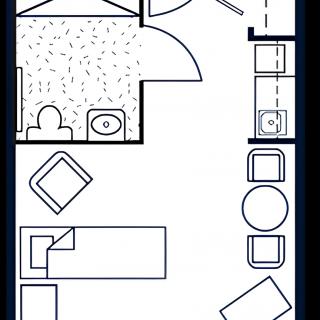
Floor plans
Creasy Springs Health Campus
Tippecanoe County
Indiana
Semi-Private
$2,820
$2,430
$3,739
Studio
$3,690
$3,197
$3,258
1 Bedroom
$4,770
$3,515
$3,300
Assisted Living communities with a similar price nearby
Food is a frequent point of praise and complaint from residents.
Several reviews describe hot, nutritious meals and a chef or dining experience residents actually enjoy. Others mention food that feels inconsistent or not home-cooked, including meals arriving late or served cold. Reviews also cite dietary needs being handled, at least for some residents.
common26 reviews mention this
Staff care feels personal
Many residents describe staff who listen, respond, and treat them with respect.
A large share of reviews say the staff communicates well, learns residents by name, and stays attentive to everyday needs. Families also describe nursing and therapy teams as supportive, professional, and involved with recovery. A smaller set of reviews, however, reports staff not showing up as expected or concerns not being resolved in a timely way.
common11 reviews mention this
Activities keep residents engaged
Residents and families often point to active schedules and outings.
Reviews mention live music, games, trivia, and other planned daily activities that give residents something to do. Several families describe excursions around the community and social events that involve both residents and visitors. Even in reviews that focus on care issues, residents are still described as having activities available.
caveat13 reviews mention this
Care and staffing concerns recur
Some reviews raise serious concerns about staffing and daily follow-through.
A recurring theme is that residents do not always receive timely help with basic needs such as meals, bathing, dressing, or medication handling. Multiple reviews describe being understaffed or understaffing-related delays, including residents ignored or lights not answered promptly. There are also complaints about documentation or coordination, including missed meals and care not matching what families expected during rehab and skilled nursing stays.
common8 reviews mention this
Cleanliness varies by experience
Reviews are mixed on how clean the campus feels day to day.
Several reviews praise the facility as clean and well kept, including clean rooms and an overall spotless feel. Other reviews describe sanitation or maintenance problems, such as soiled items not being addressed and basic supplies not being available when needed. These differences show up even when reviewers otherwise describe caring staff.
caveat5 reviews mention this
Pricing feels high for some
Multiple reviews suggest the cost can feel too high for the value received.
A few reviews explicitly call out overcharging or prices that feel high compared with what families experienced. One review also describes another unit type with rent increases on a fixed income. The community’s pricing bands in the listing place it above county benchmarks across unit types, which may contribute to these concerns.
How we summarize
Counts show how many written reviews mention each theme; a review can touch several themes, and only frequently mentioned themes are displayed.
Features
Housing
133 resident community capacity
1-bedroom apartments
Studio apartments
Types of Care
Assisted Living
Day Program
Independent Living
Memory Care
Skilled Nursing Facility
Pets
Cats allowed
Dogs allowed
Amenities
Activities off-site
Activities on-site
Air-conditioning
Beautician on-site
Beauty salon
Cable or satellite TV
Computer center
Devotional services off-site
Dining room
Fitness room
Fully furnished
Gaming room
Garden
Ground floor units
Handicap accessible
Housekeeping services
Indoor common areas
Kitchenette
Move-in coordination
Outdoor common areas
Outdoor patio
Outdoor space
Overnight guests
Private bathrooms
Resident parking
Respite or short term stays offered
Restaurant-style dining
Small library
Telephone
Wellness center
Wheelchair accessible showers
Wi-Fi/high-speed internet available
Transportation
Community operated transportation
Transportation & parking
Transportation arrangement
Transportation arrangement (non-medical)
Care Services
12-16 hour nursing
24-hour call system
24-hour supervision
Activities of daily living assistance
Ambulatory care
Assistance with bathing
Assistance with dressing
Assistance with transfers
Coordination with health care providers
Diabetes diet
Diabetic care
High acuity care
Incontinence care
Meal preparation and service
Medication management
Mental wellness program
Mild cognitive impairment
Special dietary restrictions
Specialized memory care programming
Transportation arrangement (medical)
Transportation to doctors appointments
Dining
Anytime dining
Diabetes diet
Gluten-free
Guest meals
International cuisine
Low / no sodium
Meals provided
No Sugar
Organic
Professional chef
Restaurant style dining
Room service
Special dietary restrictions
Special dining programs
Vegetarian
Activities
Art classes
Catholic services
Community-sponsored activities
Concierge services
Cooking classes
Day trips and outings
Devotional activities offsite
Educational speakers / life long learning
Fitness programs
Happy hour
Karaoke
Live dance or theater performances
Live musical performances
Live well programs
Planned day trips
Protestant services
Religious services
Resident-run activities
Scheduled daily activities
Wine tasting
Languages Spoken
English
Nearby Places of Interest
This part of Lafayette, Indiana offers convenient access to a variety of amenities such as pharmacies, physicians' offices, restaurants, theaters, hospitals, cafes, and places of worship. The area is well-equipped with several pharmacies including Payless Super Market Pharmacy, Walmart Pharmacy, and Walgreens for all your medication needs. There are also reputable healthcare providers nearby such as Unity Surgical Center and Lafayette Neurology. In terms of dining options, you can enjoy a quick bite at Jimmy John's or sit down for a meal at O'Charley's Restaurant + Bar. For entertainment, GQT Lafayette 7 theater is just a short drive away. Additionally, IU Health Arnett Hospital provides quality medical care in close proximity. Overall, this part of Lafayette offers convenience and accessibility to essential services for seniors looking to settle in the area.
Pharmacies
Payless Super Market Pharmacy (0.3 miles)
Medicap Pharmacy (0.8 miles)
Walmart Pharmacy (1.6 miles)
Walgreens (1.7 miles)
CVS Pharmacy (1.8 miles)
IU Health Arnett Retail Pharmacy - IU Health Arnett Hospital (1.8 miles)
CVS Pharmacy (1.9 miles)
Physicians
Unity Surgical Center (0.3 miles)
Horizon Bioadvance (0.3 miles)
Lafayette Neurology (0.3 miles)
Premier Healthcare For Women (0.4 miles)
Lafayette Obstetrics & Gynecology (0.4 miles)
Woman's Clinic (0.4 miles)
Family & Geriatric Medicine - Lafayette East (0.4 miles)
At Creasy Springs Health Campus, the monthly costs for room types reflect a commitment to quality care and a comfortable living environment. The semi-private rooms are priced at $2,820, which is slightly above the average for Tippecanoe County at $2,430 but still offers an appealing alternative to the higher state average of $3,739. For those seeking more solitude, studio apartments are available at $3,690 - competitively positioned above county averages but lower than Indiana's average of $3,258. Lastly, the one-bedroom units are set at $4,770; while this is notably higher than both local and state counterparts ($3,515 and $3,300 respectively), it underscores the premium amenities and personalized services that residents can expect at Creasy Springs. Overall, these costs reflect the campus's dedication to providing a supportive and enriching environment tailored to its residents' needs.
Creasy Springs Health Campus enhances the well-being of residents with dementia or Alzheimer's through comprehensive features tailored to their unique needs. The 24-hour supervision ensures constant safety and security, while assistance with activities of daily living--such as bathing, dressing, and transfers--promotes dignity and comfort. Coordination with healthcare providers and medication management guarantees that medical needs are consistently met, reducing stress for both residents and families. Specialized memory care programming, along with a mental wellness program, addresses cognitive challenges through engaging activities designed to stimulate memory and social interaction. Additionally, incontinence care supports personal hygiene and self-esteem, while meal preparation services ensure nutritious intake appropriate for each resident's dietary requirements. Transportation arrangements for medical appointments facilitate access to necessary health services, further contributing to holistic support for those navigating the complexities of mild to advanced stages of cognitive impairment.
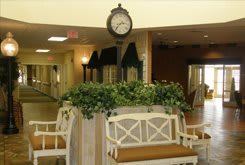
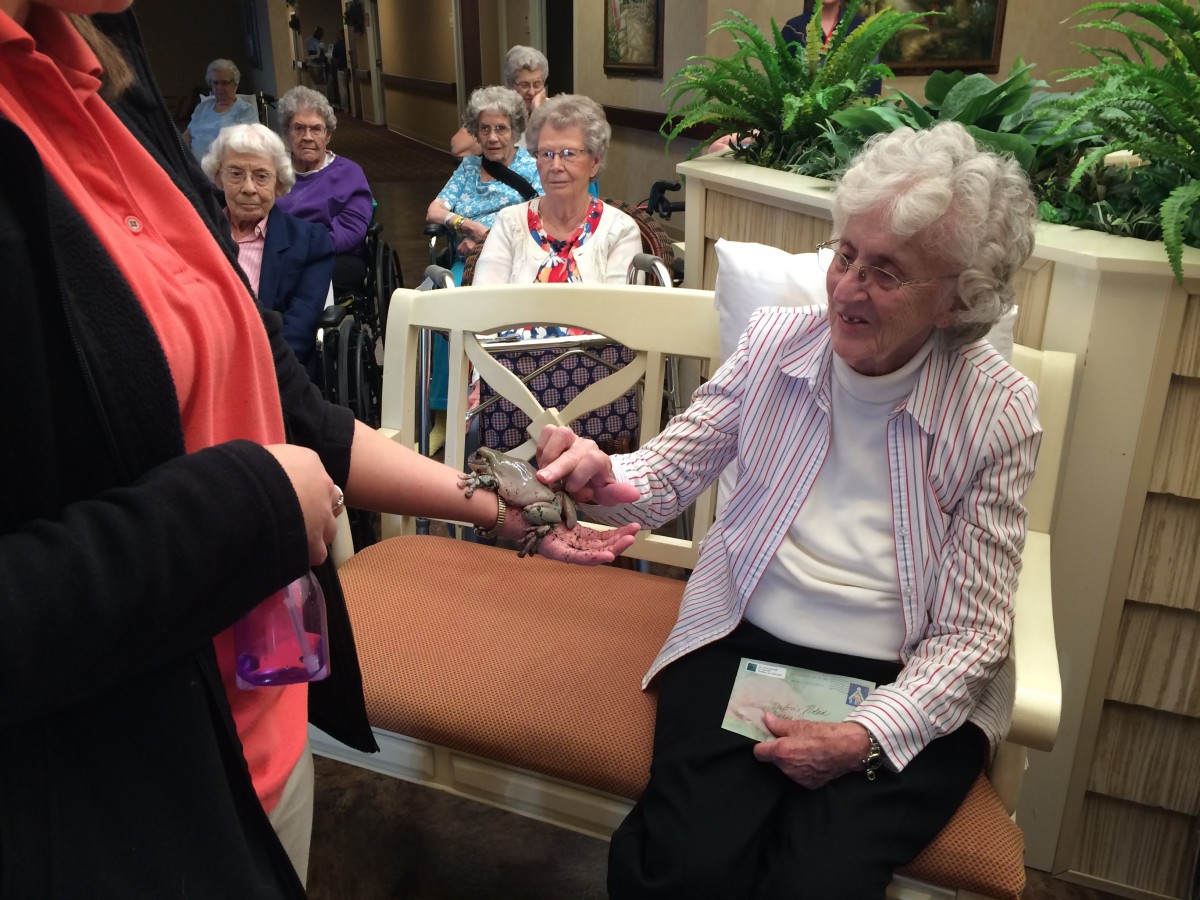
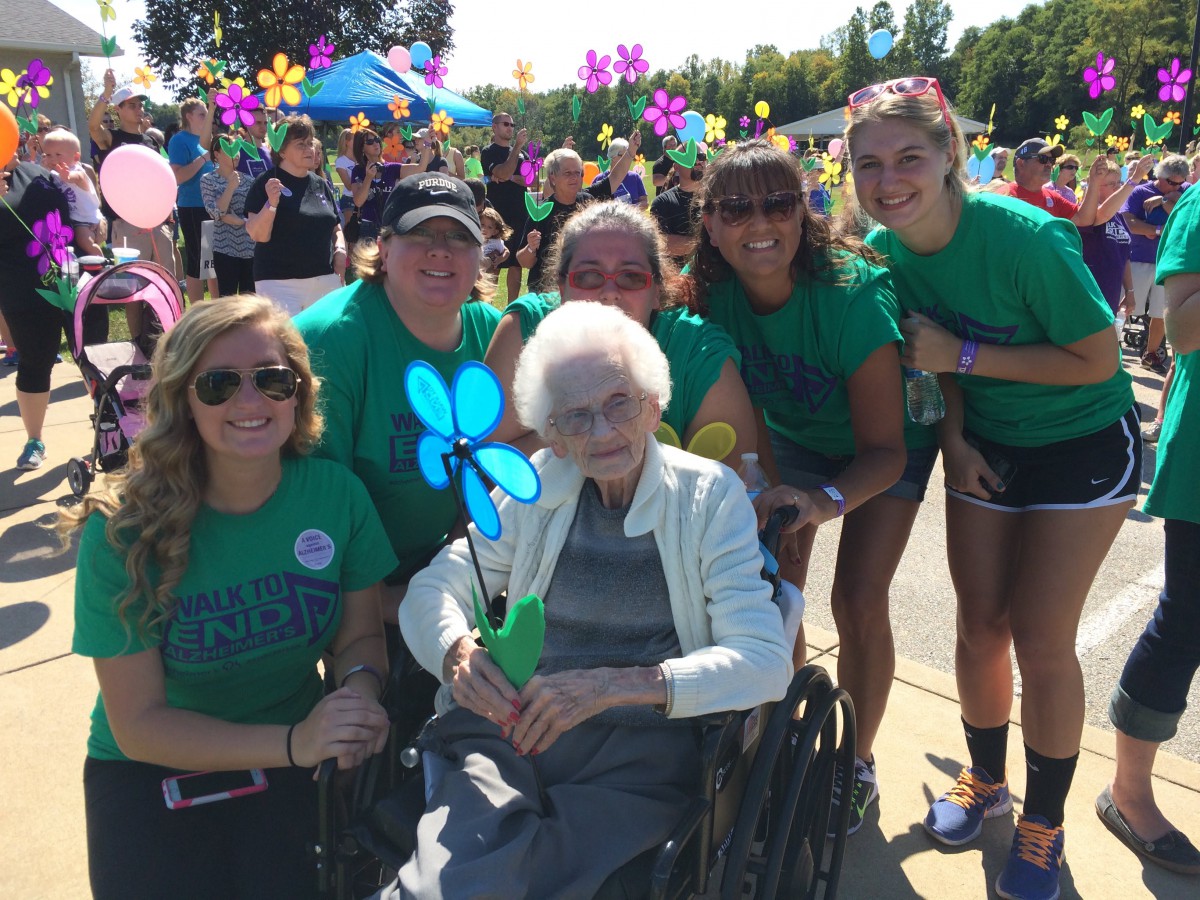
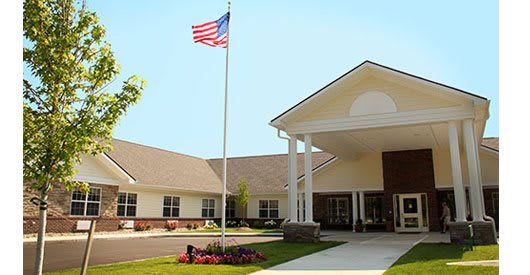
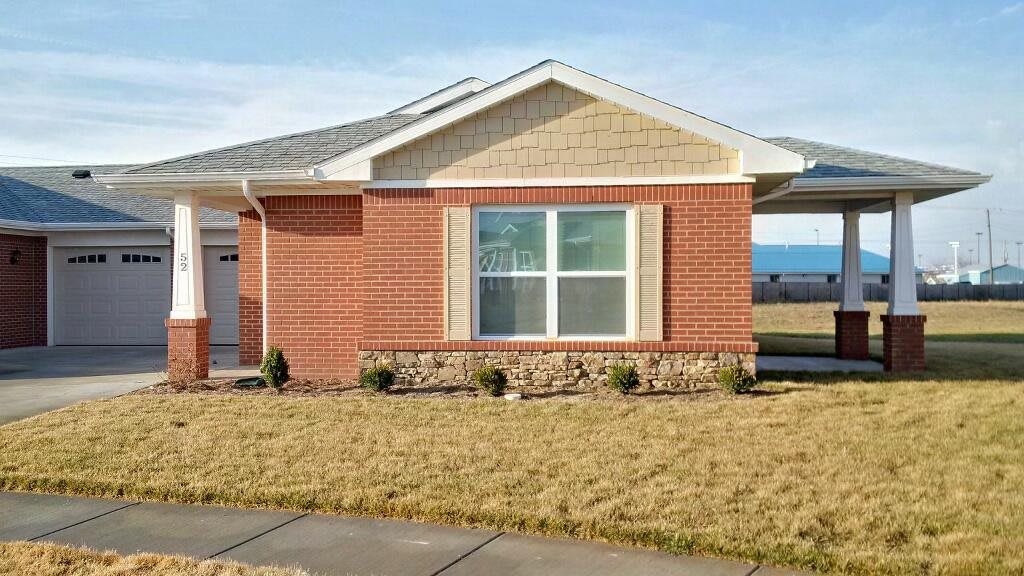
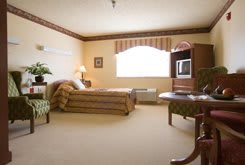
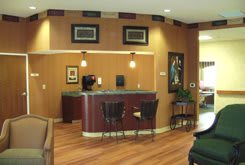
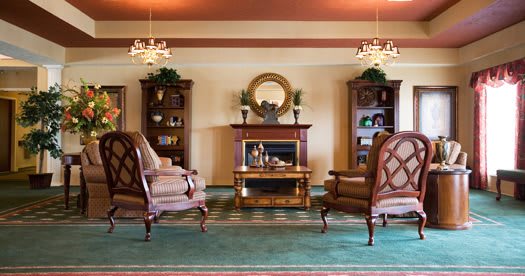
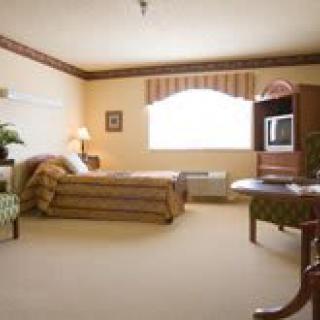
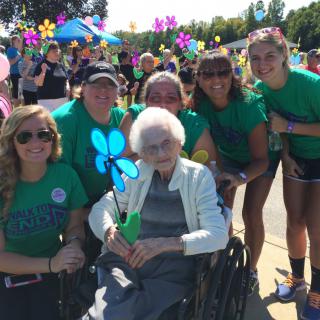
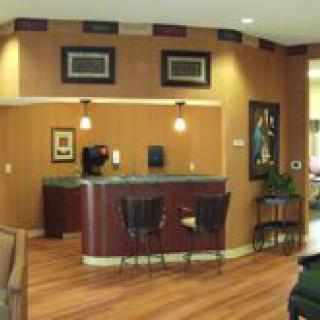
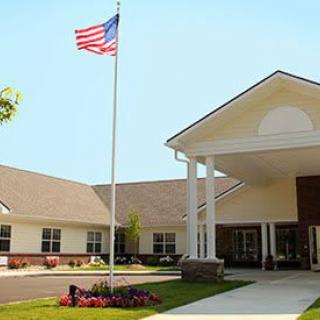
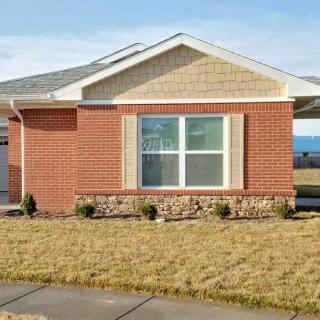
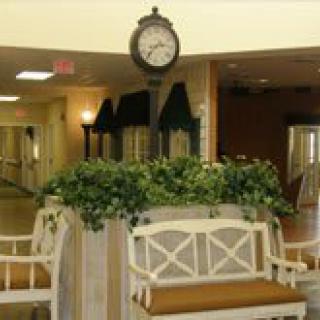
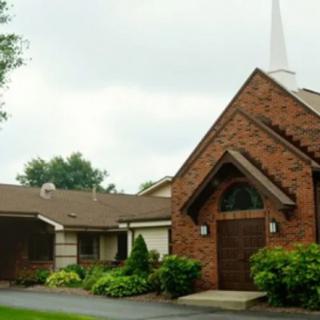
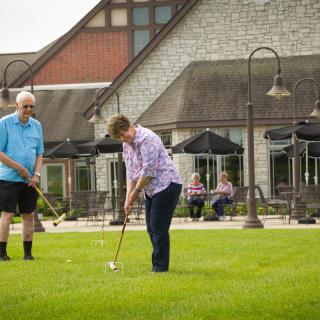
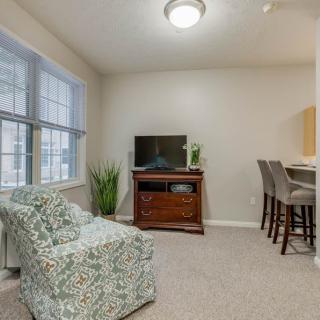
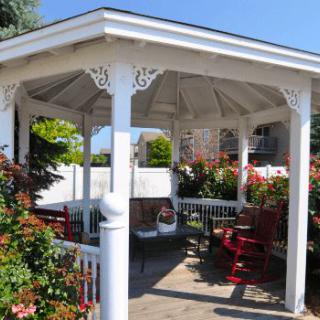
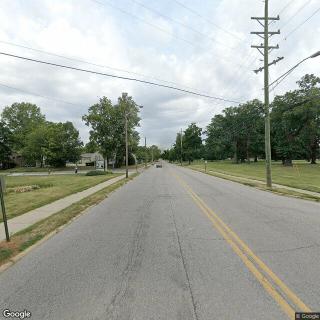
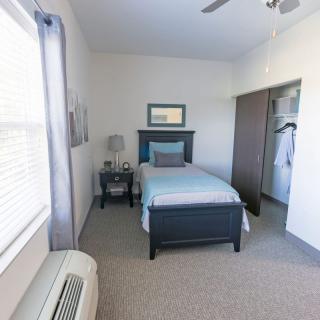
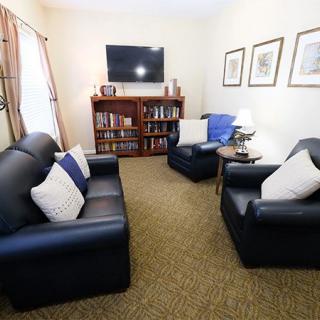
Creasy Springs Health Campus on seniors.fyi includes 11 photos including images showing interior, landscaping, windows, bedroom, decor, dining, single-story, television, and more.
Nearby Communities
Homecare By Design
Lafayette, IN
3.9 from 53 reviews
Punctual, friendly caregivers delivering reliable in-home care with good documentation and easy setup.
Aster Place
Lafayette, IN
4.4 from 114 reviews
$2,370 to $2,780 / month
Caring staff and a welcoming community, with a convenient shuttle service and on-site dining/activities.
Brightstar of Lafayette Indiana
Lafayette, IN
4.9 from 42 reviews
Great access to nearby amenities and healthcare.
Home Instead - Lafayette, IN
Lafayette, IN
4.9 from 84 reviews
Strong communication with families about caregiver changes; proactive search for replacements; well-trained, capable staff.
Five Star Residences of Lafayette
Lafayette, IN
4.5 from 109 reviews
$2,235 to $2,880 / month
Caring staff and an active, friendly community.
Knights of Pythias of Indiana
Lafayette, IN
4 from 1 review
Strong access to nearby medical resources and on-site diabetic care with social indoor spaces.
Glasswater Creek of Lafayette
Lafayette, IN
4.5 from 32 reviews
$3,800 to $4,425 / month
Strong amenities and friendly staff; spacious, hotel-like rooms and a vibrant social environment
Digby Place
Lafayette, IN
4.4 from 85 reviews
$2,220 to $3,465 / month
Kind, attentive staff in a small, well-maintained, close-knit community.
Westminster Village
West Lafayette, IN
4.8 from 132 reviews
$2,150 to $3,090 / month
Friendly staff and engaging activities in well-kept facilities.
The article discusses the late stages of dementia, detailing the progression from mild to severe impairment and highlighting key characteristics such as profound cognitive decline and dependency in daily activities. It emphasizes care strategies focused on comfort and dignity, the importance of advance directives, and the emotional support needed for family caregivers facing this challenging journey.
The article examines the link between certain medications and increased dementia risk, particularly in older adults, emphasizing that long-term or high-dose use of anticholinergics, benzodiazepines, and other drug classes can exacerbate cognitive impairment. It calls for careful medication evaluation and shared decision-making to mitigate these risks while managing treatment efficacy.
The article emphasizes the significance of establishing a power of attorney for elderly parents to enable an agent to make decisions on their behalf regarding health and finances, especially during cognitive or physical decline. It outlines various types of power of attorney, the importance of consulting legal professionals, and the responsibilities and challenges faced by agents, while also discussing alternatives and common misconceptions.
Get PricingAsk A QuestionSchedule A TourContact Senior Advisor
By clicking submit, you agree to our Partner's Terms of Use. You
also consent to receive calls and texts, which may be autodialed, from our Partner. Your consent is not a condition to
using our Partner's service. Please visit our Partner's Privacy Policy for information about their privacy practices.





 133 resident community capacity
 1-bedroom apartments
 Assisted Living
 Day Program
 Independent Living
 Memory Care
 Skilled Nursing Facility
 Cats allowed
 Dogs allowed
 Air-conditioning
 Beautician on-site
 Cable or satellite TV
 Computer center
 Devotional services off-site
 Dining room
 Fitness room
 Fully furnished
 Gaming room
 Garden
 Ground floor units
 Handicap accessible
 Housekeeping services
 Indoor common areas
 Kitchenette
 Move-in coordination
 Outdoor common areas
 Outdoor patio
 Overnight guests
 Private bathrooms
 Resident parking
 Respite or short term stays offered
 Restaurant-style dining
 Small library
 Telephone
 Wellness center
 Wheelchair accessible showers
 Wi-Fi/high-speed internet available
 Community operated transportation
 12-16 hour nursing
 24-hour call system
 Ambulatory care
 Assistance with bathing
 Assistance with dressing
 Assistance with transfers
 Diabetes diet
 Diabetic care
 High acuity care
 Incontinence care
 Medication management
 Mental wellness program
 Special dietary restrictions
 Transportation arrangement (medical)
 Art classes
 Catholic services
 Concierge services
 Cooking classes
 Day trips and outings
 Educational speakers / life long learning
 Happy hour
 Karaoke
 Live dance or theater performances
 Live musical performances
 Wine tasting
 English
 Punctual, friendly caregivers delivering reliable in-home care with good documentation and easy setup.
 Comprehensive Insights on the Late Stages of Dementia: What to Expect and How to Provide Care
 Medications Associated with Dementia Risk: A Comprehensive Overview
 Guiding Your Journey: Understanding Power of Attorney for Elderly Parents