



2201 Cason Street, Lafayette, IN 47904
For more information about senior living options: (866) 208-4318
St. Mary Healthcare Center Costs & Pricing
St. Mary Healthcare Center offers private room accommodations at a monthly cost of $5,700, which is notably higher than the average rates in Tippecanoe County and the broader state of Indiana. In Tippecanoe County, the average cost for similar private room services stands at $4,540, while the statewide average is slightly lower at $4,418. This pricing may reflect St. Mary's commitment to providing higher quality care and amenities, catering to those seeking a premium experience in assisted living or rehabilitation. While the cost may present a financial consideration for prospective residents, it also underscores the center's distinct offerings that may justify this investment in their health and well-being.
| Floor plans | St. Mary Healthcare Center | Tippecanoe County | Indiana |
|---|---|---|---|
| Private | $5,700 | $4,540 | $4,418 |
Skilled Nursing Facilities with a similar price nearby
-
from -$1110 / mo

Signature Healthcare Of Lafayette
$4,590 / month2.3 miles away
Overall Review of St. Mary Healthcare Center
Pros
 Yong Li was kind and helpful in getting the brother ready for a social outing.
 - CARES showed up with tears in their eyes and truly cared about Jimmy.
- Shineon showed up and expressed how much they loved Jimmy.
- St. Mary’s and its incredible team provided exceptional care for the mother.
- Heather, the nursing director, is a true gem who brings warmth and positivity.
- The nursing staff consistently went above and beyond, providing updates and ensuring the family never felt rushed.
- Nurse Jenny was remarkable, with knowledge and attentiveness that reassured visitors.
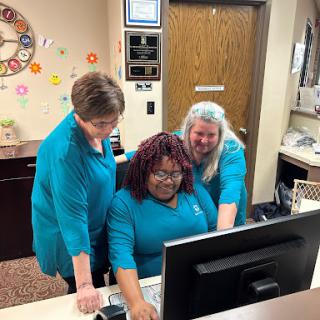
- The staff across offices, nursing, therapy, dining, and cleaning are very friendly, caring, and helpful.
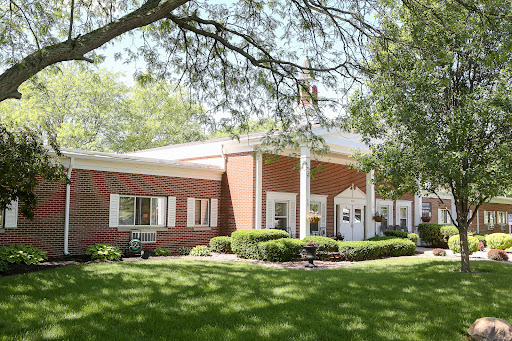
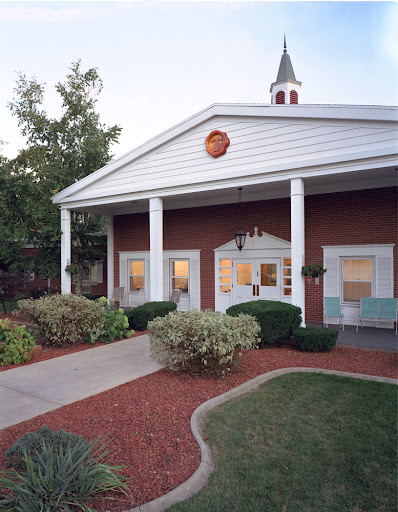
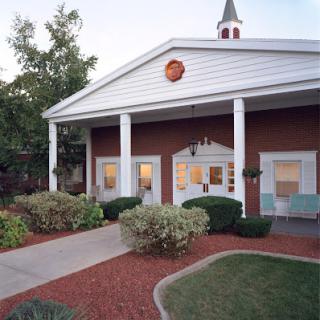
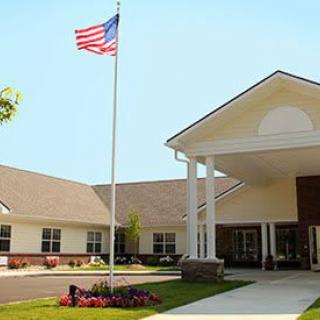
- The grounds are well kept with many flowers and two courtyards to sit and enjoy them.
Cons
 The reviewer states that her husband's health concerns were ignored by the facility.
- The reviewer notes that her husband died after only a week there.
- The reviewer would never recommend ST. Mary's for loved ones to live out their remaining life.
- The reviewer observes that none of the staff attended Jimmy's funeral, while CARES did, indicating a lack of care.
- The reviewer describes the facility's negligence as having almost cost her father his life.
Review
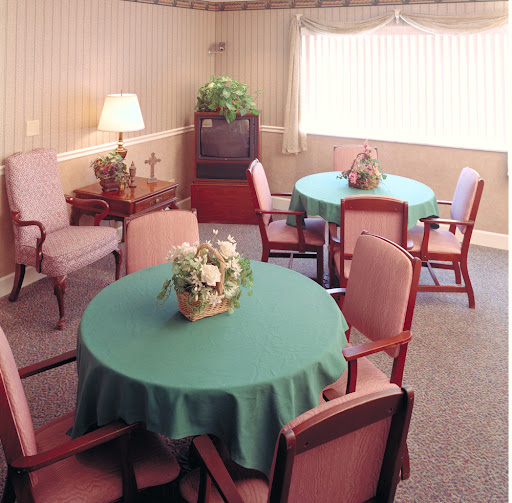
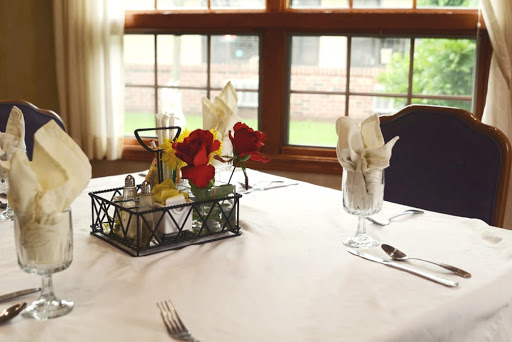
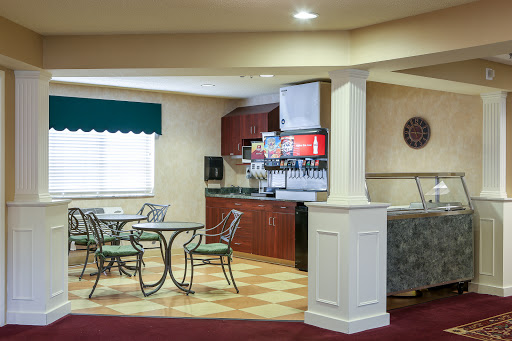
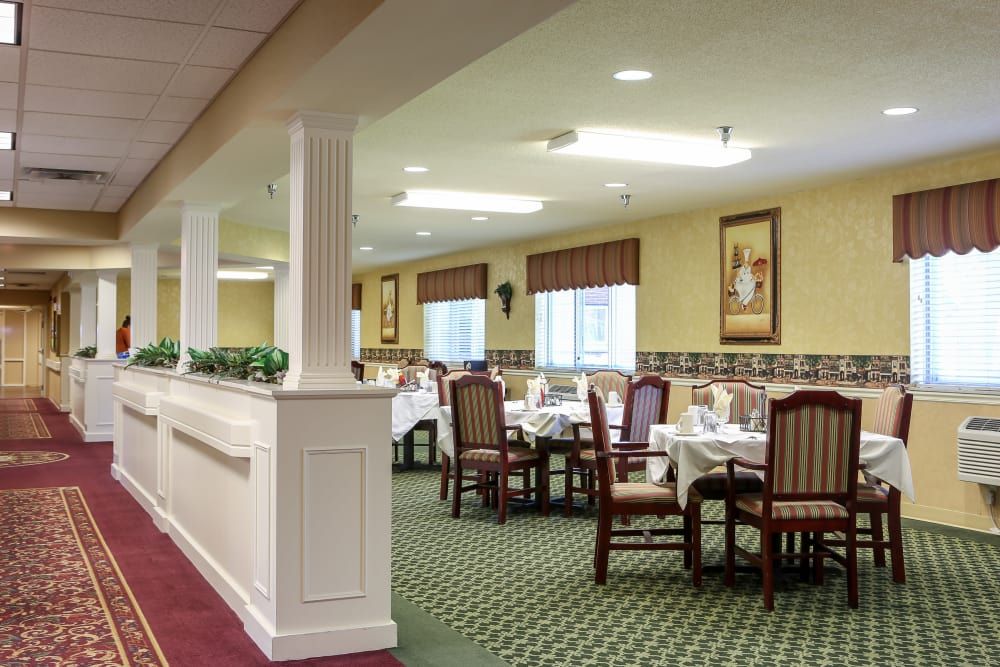
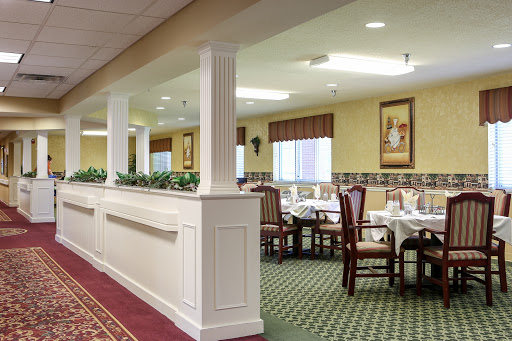
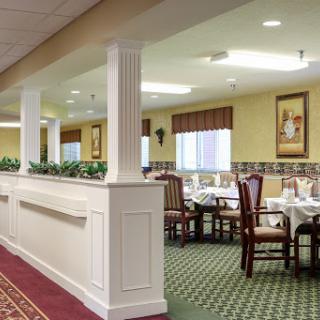
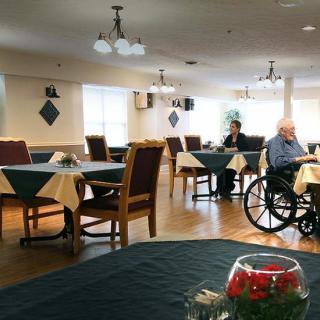
St. Mary Healthcare Center in Lafayette, IN is best suited for families seeking a warm, relationship-driven care environment where staff leadership and daily interactions matter as much as the medical plan. The strongest signals from multiple reviews point to a facility that can deliver compassionate attention when it counts: nursing leadership that responds, front-line nurses who communicate thoughtfully, and aides who treat residents with dignity. Yong Li stands out as an example of bedside kindness, easing transitions and supporting social activity; Heather, the nursing director, is repeatedly praised for accessibility and warmth; Nurse Jenny is cited for reliability and competence. Beyond staff, families note a welcoming dining room, good food variety, pleasant grounds with two courtyards, and an atmosphere that supports family involvement. For residents who thrive on social engagement and personalized attention, St. Mary’s can be a good fit.
However, the community is not without substantial caveats. Several reviews warn that care can be uneven and that some staff fail to address urgent concerns promptly, with one account describing a husband’s health decline after only a week and another alleging life-threatening inattentiveness. The most severe critiques center on perceived neglect, with claims that critical observation and patient safety were not the priority. A few families recount troubling conditions, smell of urine, a perception of minimal front-door engagement, and a memory-care unit described in ways that raise questions about program labeling and staffing. These red flags suggest that safety and consistency cannot be assumed, and families with high needs should approach a tour with a critical checklist and concrete expectations.
Where these risks clash with the positives, the balance tilts toward what St. Mary’s can deliver when care teams are at their best. The reviews consistently highlight attentiveness, transparent communication, and a willingness to go the extra mile to reassure families during difficult times. The hospice-admission support and transitions for loved ones moving from independent settings into care are repeatedly described as thoughtful and well-managed. The culinary program and the overall ambience contribute to a sense of normalcy and comfort, while staff from office to therapy to cleaning are praised for courtesy and reliability. In practical terms, the strong human touch and meaningful resident relationships can offset episodic lapses in process, but only if staffing remains stable and responsive when crises arise.
For residents with dementia or those nearing end of life, these elements become decisive. The facility’s narrative includes transitions that preserve dignity and facilitate social engagement, with praise for staff who advocate for residents’ comfort and involve families in care decisions. The presence of hospice-friendly care and the capacity to support family visits during challenging times are important strengths. Yet the inconsistency noted in some reviews, occasional neglect, odor issues, or under-staffed moments, means no family should assume flawless execution. Tour feedback should probe how memory-care spaces are managed, how safety is maintained around the clock, and what contingencies exist for staffing shortages. These are the details that will determine whether the positives translate into reliable, day-to-day safety.
Practical evaluation steps should shape a decision. Arrange unscripted time with the nursing leadership, specifically to observe responsiveness and communication patterns; request to meet the team members most involved in the resident’s daily care; examine recent incident and care notes, and ask for examples of how concerns were resolved. Visit at various times to gauge staffing consistency, not just peak hours. Review the menu and dining options, and assess the dining experience through a trial meal if possible. Talk to current residents and family members about how updates are delivered and whether they felt supported during transitions. Finally, compare St. Mary’s track record with similar communities in the Lafayette area to ensure expectations align with real-world performance.
Decision guidance: St. Mary’s Healthcare Center is a credible option for families prioritizing warmth, communication, and person-centered care, especially when dementia or hospice needs are involved and the environment supports family involvement. The most persuasive reason to choose it is the consistent, compassionate staff leadership and the ability to foster relationships that comfort both residents and families. The strongest caveats are the reports of neglect or lapses in attention that can put resident safety at risk, and the few accounts of unpleasant odors or under-staffing during non-peak times. If these risks matter, alternatives with steadier staffing and demonstrable safety records should be considered. In all cases, a thorough tour, direct conversations with nursing leadership, and a careful review of staffing patterns will reveal whether St. Mary’s can reliably meet specific care goals.
 79 resident community capacity
 Memory Care
 Skilled Nursing Facility
 Air-conditioning
 Beauty salon
 Cable or satellite TV
 Computer center
 Dining room
 Fitness room
 Fully furnished
 Gaming room
 Garden
 Housekeeping services
 Kitchenette
 Move-in coordination
 Outdoor space
 Private
 Private bathrooms
 Restaurant-style dining
 Small library
 Telephone
 Wellness center
 Wi-Fi/high-speed internet available
 Community operated transportation
 12-16 hour nursing
 24-hour call system
 Activities of daily living assistance
 Assistance with bathing
 Assistance with dressing
 Assistance with transfers
 Diabetes diet
 Medication management
 Mental wellness program
 Special dietary restrictions
 Transportation arrangement (medical)
 Concierge services
 Planned day trips





 Vibrant Senior Living: A Comprehensive Guide for Active Older Adults
 Assisted Living and Memory Care: Understanding Their Core Differences
 Choosing the Right Senior Care: A Detailed Exploration of Assisted Living and Nursing Homes