At The Forum at the Crossing, the monthly cost for a studio apartment is set at $2,275, which positions it as a more affordable option compared to both Marion County's average of $2,869 and the overall state rate of $3,258 in Indiana. This pricing reflects a competitive advantage for The Forum, making it an appealing choice for individuals seeking quality living arrangements without exceeding their budget. The cost differential underscores the value offered by The Forum at the Crossing while still maintaining high standards of service and accommodation.
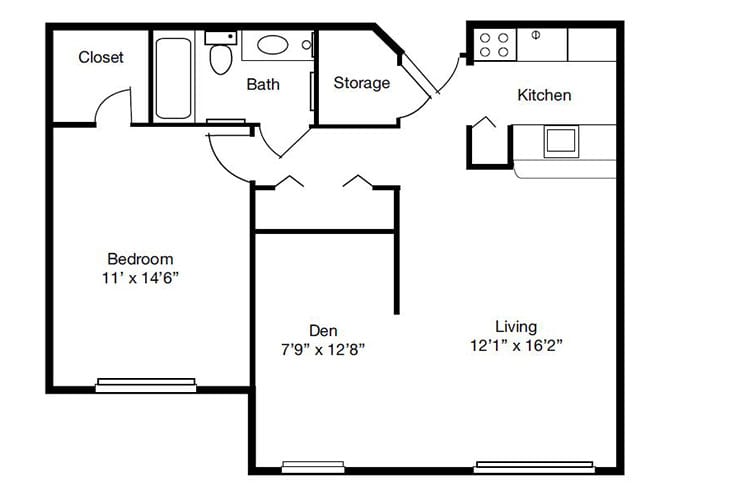
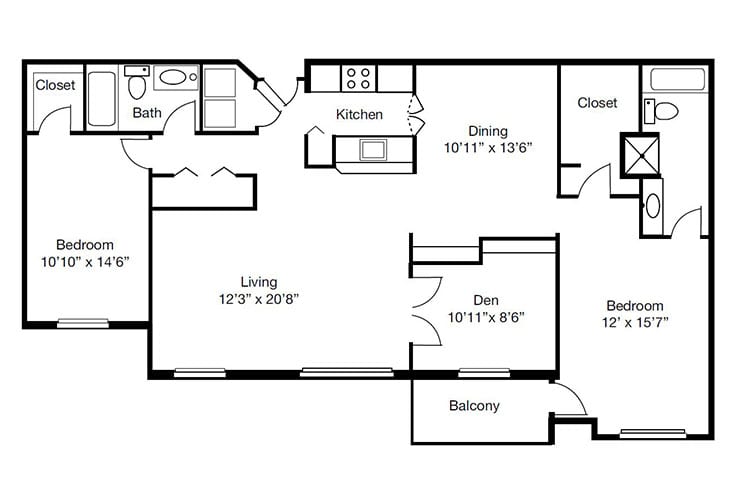
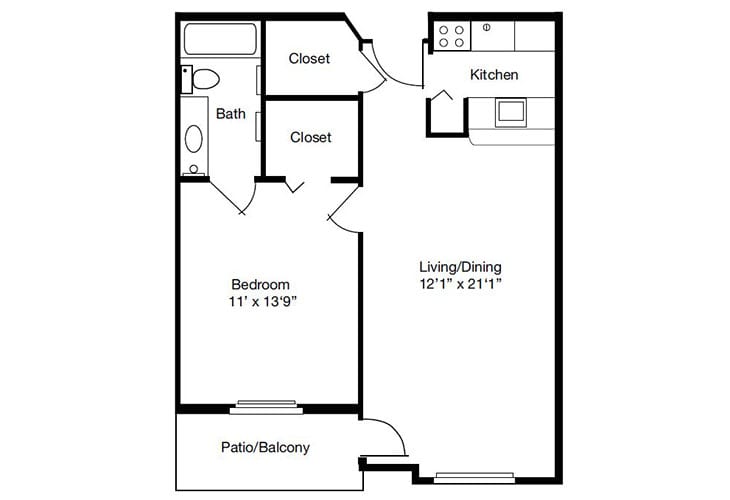
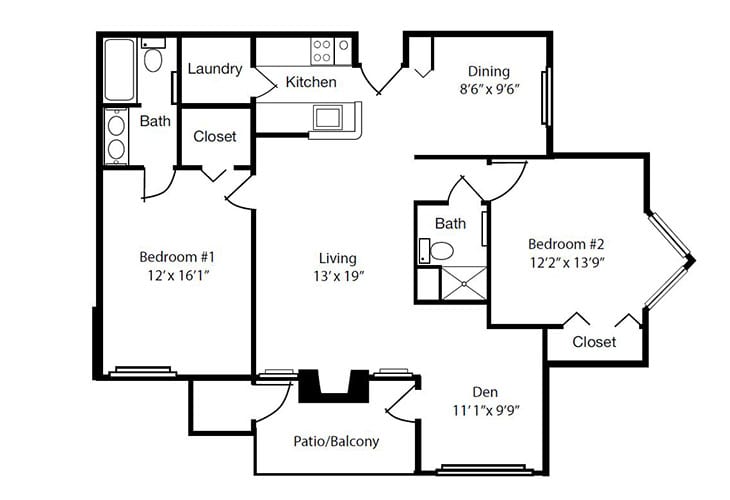
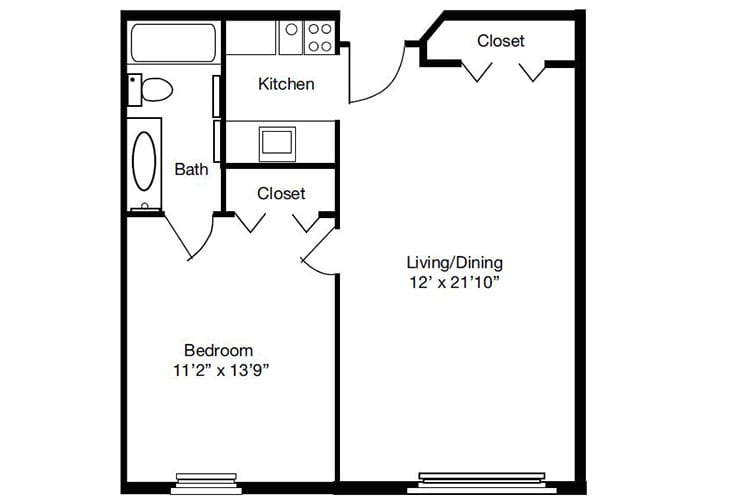
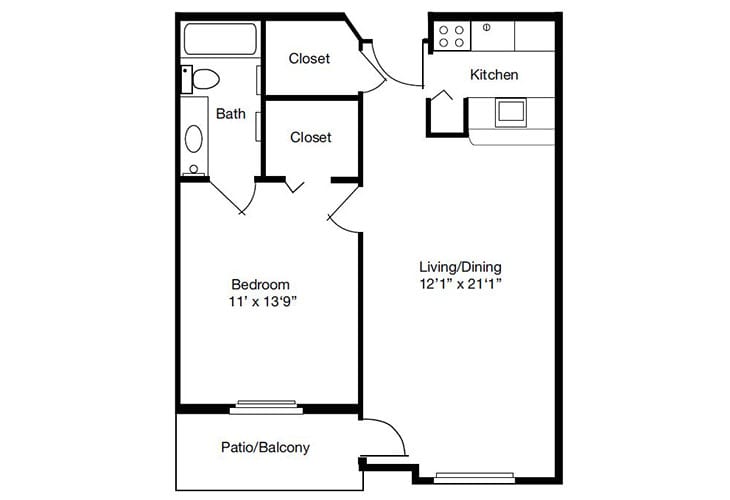
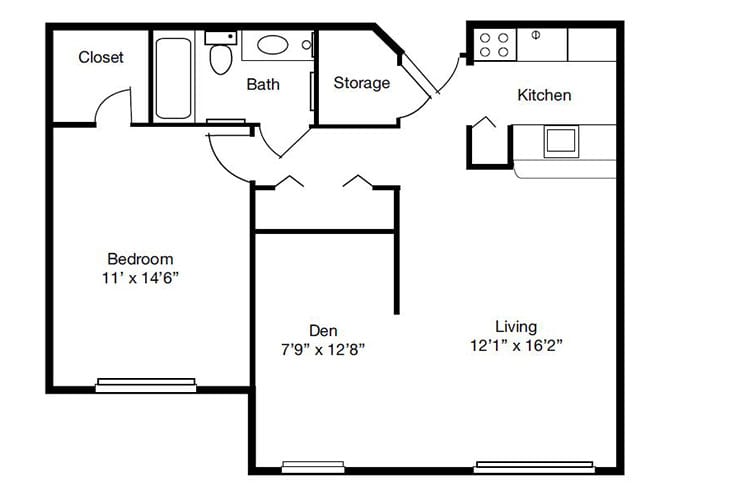
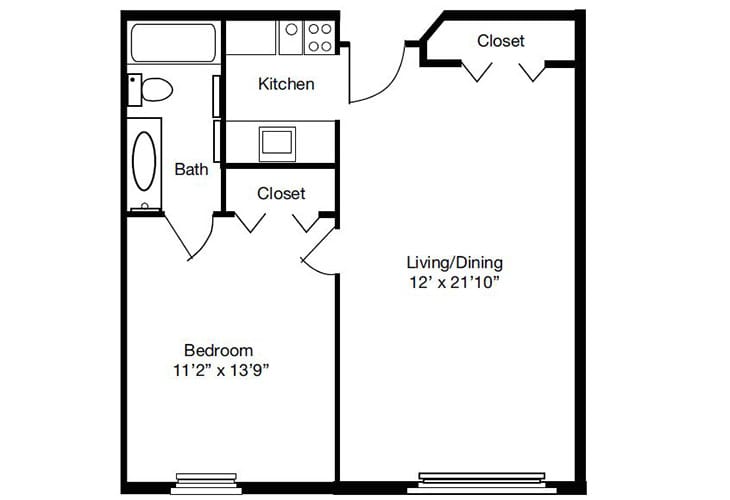
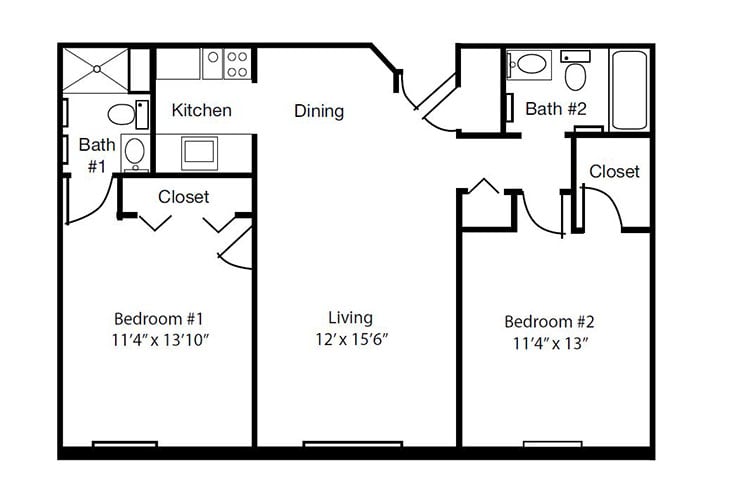
Floor plans
The Forum at the Crossing
Marion County
Indiana
Studio
$2,275
$2,869
$3,258
Assisted Living communities with a similar price nearby
Residents and families repeatedly describe the memory care team as patient and competent.
Several reviews highlight the memory care unit as a place where staff take time, learn residents’ personalities, and provide day-to-day support with patience. Families also mention specialized attention to changing care needs over time, including transitions from independent living to memory care. A few reviewers specifically connect the memory care experience with peace of mind and feeling that their loved ones are in capable hands. At the same time, there are isolated negative accounts about rehab or supervision concerns, so it’s worth asking detailed questions about how care is handled day to day.
common20 reviews mention this
Dining and food quality
Food quality is a frequent bright spot across reviews, often described as restaurant-style.
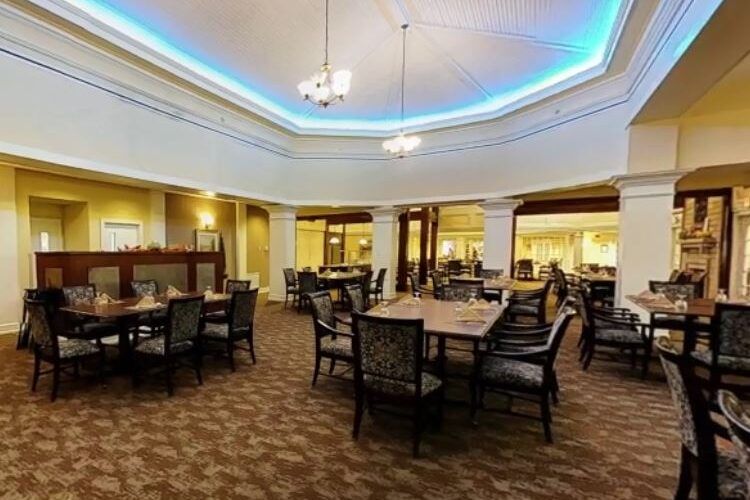
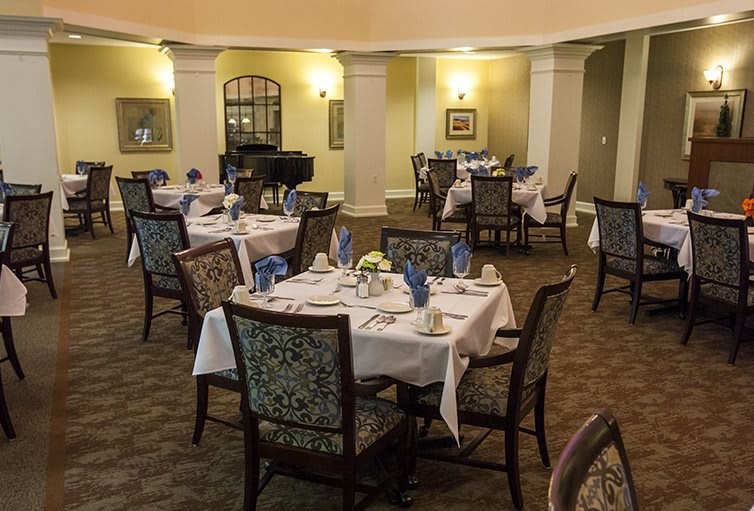
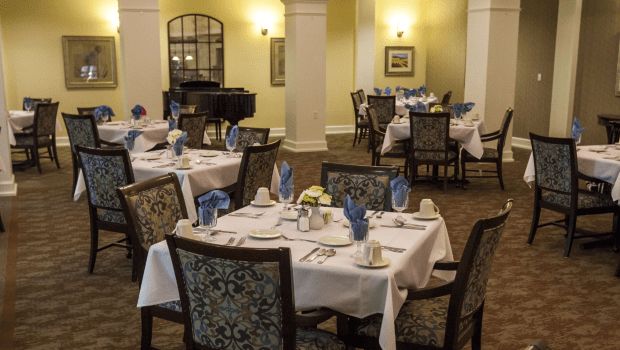
Dining is one of the most consistently mentioned areas, with multiple residents and families describing meals as excellent, well-prepared, and sometimes comparable to restaurant dining. Reviews also mention helpful dining-room staff, including staff who accommodate residents during mealtime and make it easier to socialize. Some reviewers point to variety through daily offerings, and a few mention events like happy hour as a standout. There are also a small number of complaints about food quality declining for some periods, so the experience may vary depending on timing and individual expectations.
common24 reviews mention this
Staff kindness and responsiveness
Across reviews, residents and families describe the staff as caring, respectful, and quick to help.
Staff support comes up repeatedly, with reviewers describing compassionate, patient interactions from aides and nurses through dining and housekeeping. Many reviews say communication is clear and that staff members are willing to assist with transitions, adjustments, and day-to-day needs. Several families also mention staff efforts to keep residents engaged and oriented, including helping residents find their way to activities when needed. The overall pattern is strong, though there are a few negative stories where some care processes felt insufficient or inconsistent, which is a useful point to clarify during a visit.
caveat6 reviews mention this
Cost and value concerns
Some reviews raise affordability concerns or say the pricing is higher than expected.
A number of reviewers say the community can be expensive or that they couldn’t afford it, even while describing other parts of the experience positively. This includes comments that cost was a drawback compared with alternatives, and that affordability affected their decision-making. While pricing is positioned as below county and state averages in the provided price deltas, reviews still reflect that individuals may feel the out-of-pocket cost is too high for their situation. If pricing is a key factor, it’s especially important to compare total monthly costs across care levels and timing of moves.
caveat4 reviews mention this
Maintenance and climate problems
Some residents report maintenance and climate issues that affected comfort at home.
A few reviews mention environmental or upkeep problems, including bugs during a visit and concerns about the building’s upkeep. There are also recurring complaints about heating and cooling reliability, including air conditioning failures and heat outages during different seasons. One review describes apartment issues related to windows and temperature control that contributed to dissatisfaction and a move to a different setting. On the positive side, other reviewers say maintenance and responses to problems were prompt, but the negative accounts suggest you should ask how maintenance requests and climate emergencies are handled in practice.
How we summarize
Counts show how many written reviews mention each theme; a review can touch several themes, and only frequently mentioned themes are displayed.
Features
Housing
104 resident community capacity
1-bedroom apartments
2-bedroom apartments
Types of Care
Assisted Living
Independent Living
Memory Care
Skilled Nursing Facility
Pets
Cats allowed
Dogs allowed
Amenities
Activities off-site
Activities on-site
Air-conditioning
Bath tubs
Beautician on-site
Beauty salon
Cable or satellite TV
Cafe
Computer center
Devotional services on-site
Dining room
Fitness room
Full kitchen
Fully furnished
Gaming room
Garden
General store
Ground floor units
Guasts at mealtime
Guest parking
Housekeeping services
Indoor common areas
Kitchenette
Laundry
Move-in coordination
Outdoor common areas
Outdoor space
Overnight guests
Party space
Pet friendly
Private bathrooms
Private cleaning services
Resident parking
Respite or short term stays offered
Restaurant-style dining
Small library
TV room
Telephone
VA Benefits Consultation
Wellness center
Wheelchair accessible showers
Wi-Fi/high-speed internet available
Transportation
Indianapolis International (16 miles away)
Community operated transportation
Transportation & parking
Transportation arrangement
Transportation arrangement (non-medical)
Care Services
12-16 hour nursing
24-hour call system
24-hour supervision
Activities of daily living assistance
Ambulatory care
Assistance with bathing
Assistance with dressing
Assistance with transfers
Coordination with health care providers
Dementia waiver
Diabetes diet
Hospice waiver
Incontinence care
Meal preparation and service
Medication management
Mental wellness program
Mild cognitive impairment
Physical therapy
Special dietary restrictions
Specialized memory care programming
Transportation arrangement (medical)
Transportation to doctors appointments
Dining
Anytime dining
Diabetes diet
Guest meals
Kosher
Low / no sodium
Low fat
Meals provided
Professional chef
Renal
Restaurant style dining
Room service
Special dietary restrictions
Special dining programs
Vegetarian
Activities
Activities off-site
Art classes
Arts and crafts
Book club
Catholic services
Community-sponsored activities
Concierge services
Cooking classes
Day trips and outings
Devotional activities on-site
Educational speakers / life long learning
Fitness programs
Games
Gardening club
Happy hour
Live dance or theater performances
Live musical performances
Live well programs
Planned day trips
Protestant services
Religious services
Resident-run activities
Scheduled daily activities
Wii bowling
Wine tasting
Yoga / chair yoga
Languages Spoken
English
Videos
Nearby Places of Interest
This part of Indianapolis, Indiana, offers a range of amenities and services that cater to the needs of seniors. From a variety of restaurants including healthy options at Seasons 52 and comfort food at The Cheesecake Factory, to reliable pharmacies like CVS and Walgreens. There are also several cafes for socializing such as Starbucks and Panera Bread. Places of worship such as Orchard Park Presbyterian Church and medical facilities like Indiana Neuroscience Associates provide accessible care. Parks like Gray Road Park offer outdoor recreation opportunities, while theaters like Flix Brewhouse provide entertainment options. With hospitals like St Vincent Hospital Trauma ICU nearby, seniors can feel confident in the healthcare services available in the area. Additionally, transportation options like National Car Rental make getting around easier for those without personal vehicles. Overall, this part of Indianapolis provides a convenient and supportive environment for senior living.
Restaurants
Seasons 52 (0.5 miles)
The Cheesecake Factory (0.7 miles)
Jimmy John's (0.8 miles)
Big Lug Canteen (0.8 miles)
BRU Burger Bar - Keystone (0.8 miles)
Chick-Fil-A (1 miles)
Joella's Hot Chicken (2 miles)
Pharmacies
CVS Pharmacy (0.6 miles)
Walgreens (0.7 miles)
CVS Pharmacy (2.4 miles)
Walgreens (3 miles)
CVS Pharmacy (3 miles)
CVS Pharmacy (3.1 miles)
CVS Pharmacy (3.3 miles)
Cafes
Starbucks (1 miles)
Starbucks (2.2 miles)
Panera Bread (3.1 miles)
Starbucks (3.6 miles)
Panera Bread (5.6 miles)
Places of Worship
Orchard Park Presbyterian Church (2.1 miles)
Second Presbyterian Church (2.3 miles)
St Luke Catholic Church (2.5 miles)
First Friends Church (3.3 miles)
Castleton United Methodist School (4.4 miles)
College Park Church (4.6 miles)
Holy Trinity Church (5.7 miles)
Physicians
Indiana Neuroscience Associates (2.2 miles)
Avruc (2.8 miles)
Midwest Eye Institute (2.8 miles)
Northwest Radiology Network (2.9 miles)
Meridian Plastic Surgeons (3 miles)
Abrams EyeCare Associates (3.5 miles)
Ascension Medical Group - St Vincent - Infectious Disease (3.5 miles)
Parks
Gray Road Park (3 miles)
Central Park Playground (3.1 miles)
Holliday Park (3.5 miles)
Founders Park (4.2 miles)
Meadowlark Park (5 miles)
Transportation
National Car Rental (3.2 miles)
U-Haul Moving & Storage at Michigan Rd (5.3 miles)
Theaters
Flix Brewhouse (3.4 miles)
Regal Ua Galaxy - Indianapolis (5.1 miles)
Hospitals
St Vincent Hospital Trauma ICU (4 miles)
Trauma /Neuro ICU (4 miles)
Community Heart And Vascular Surgery ICU Waiting Room (4.1 miles)
Community (4.3 miles)
Franciscan St Francis Health (4.4 miles)
Community North Hospital (4.5 miles)
Community Rehabilitation Hospital North (4.5 miles)
At The Forum at the Crossing, the monthly cost for a studio apartment is set at $2,275, which positions it as a more affordable option compared to both Marion County's average of $2,869 and the overall state rate of $3,258 in Indiana. This pricing reflects a competitive advantage for The Forum, making it an appealing choice for individuals seeking quality living arrangements without exceeding their budget. The cost differential underscores the value offered by The Forum at the Crossing while still maintaining high standards of service and accommodation.
The Forum at the Crossing offers a comprehensive array of features specifically designed to support residents with dementia and Alzheimer's disease, ensuring their safety and well-being. With 24-hour supervision, staff can promptly address any needs or emergencies, fostering a secure environment. Assistance with daily activities, such as bathing and dressing, not only helps residents maintain personal hygiene but also promotes dignity and comfort. Coordination with health care providers ensures that medical needs are efficiently met, while medication management minimizes the risk of errors crucial for those who may struggle with cognitive challenges. Meal preparation tailored to dietary requirements keeps residents nourished and engaged in social interactions during meal times. The mental wellness program and specialized memory care programming encourage cognitive engagement through tailored activities that stimulate memory retention. Incontinence care provides necessary support without compromising privacy, while transportation arrangements for medical visits enhance access to essential health services. Together, these features create an environment that respects individual needs while promoting overall quality of life for residents experiencing various stages of cognitive decline.
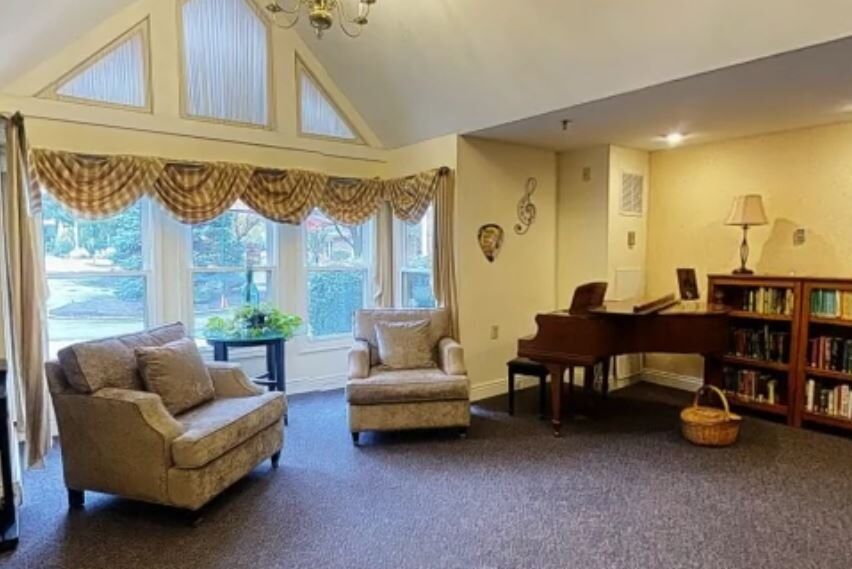
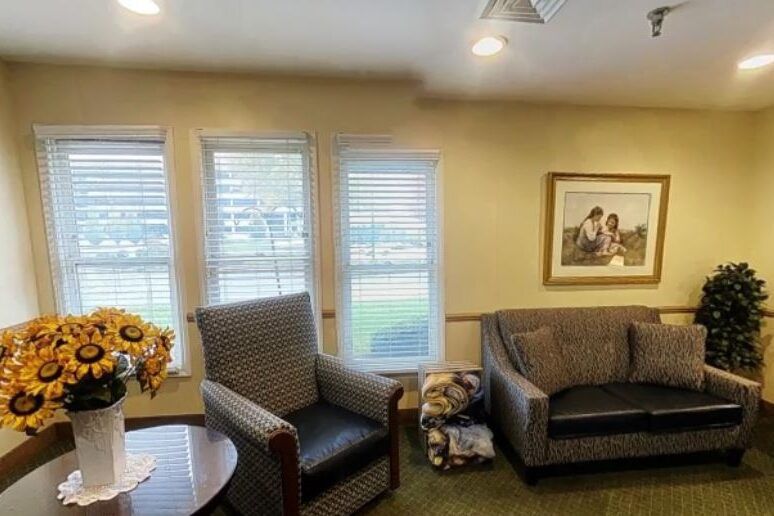
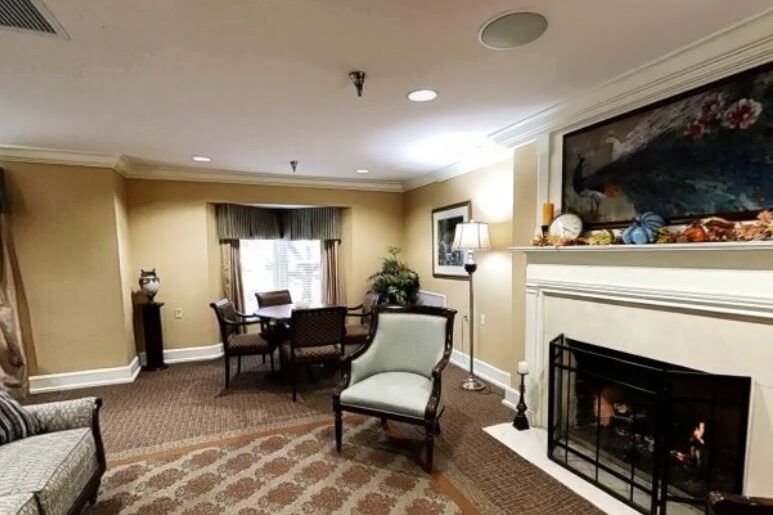
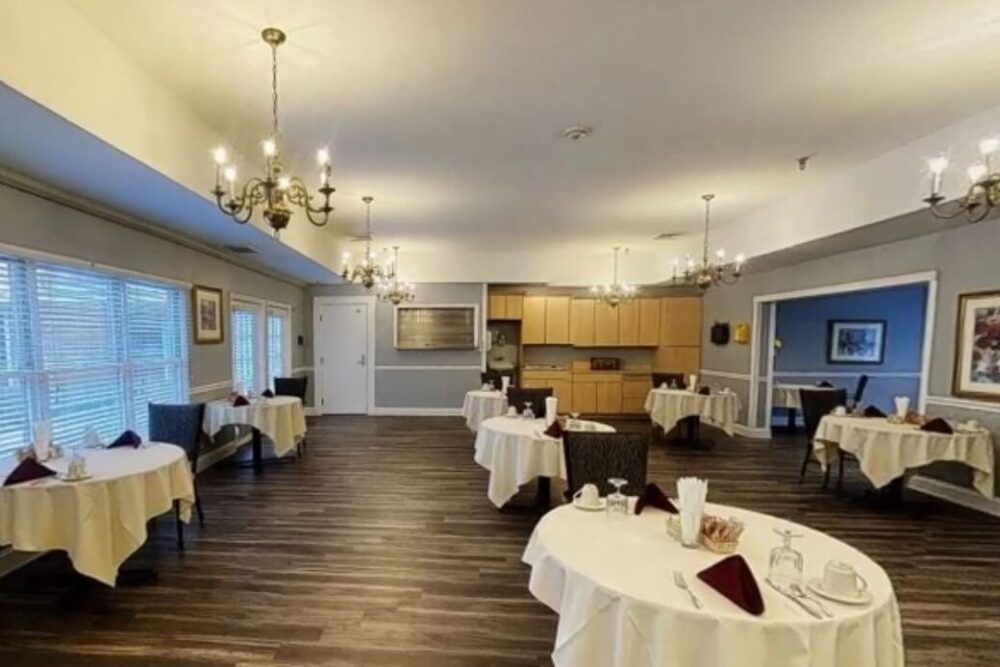
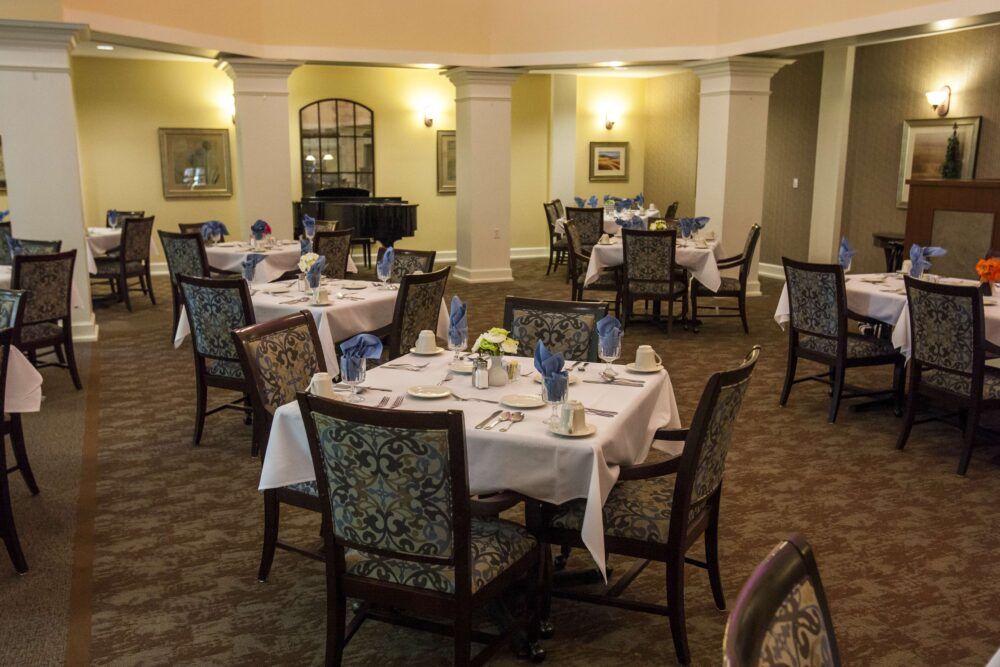
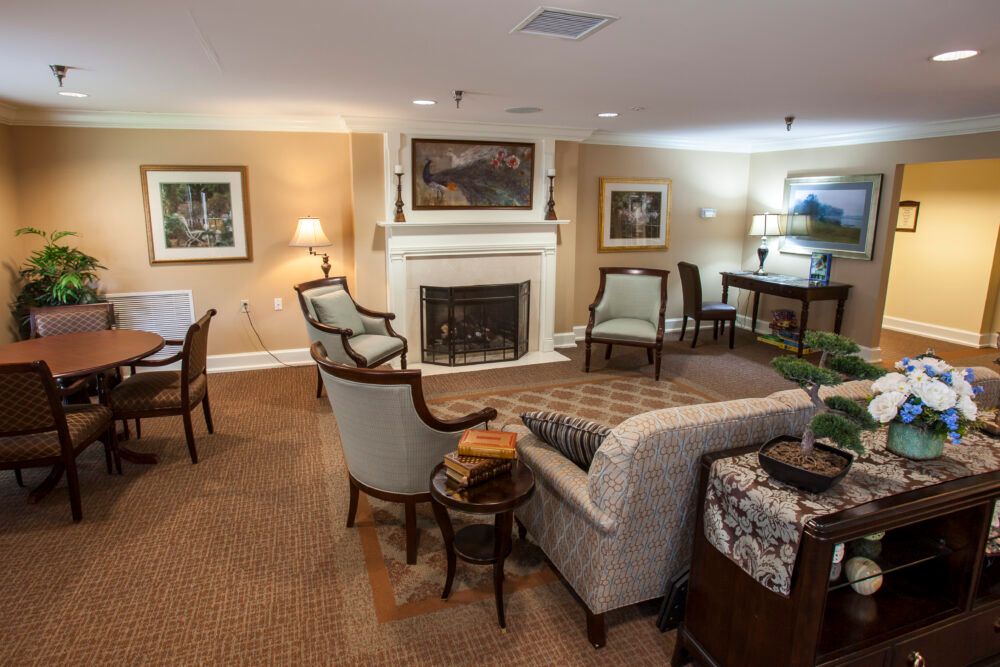
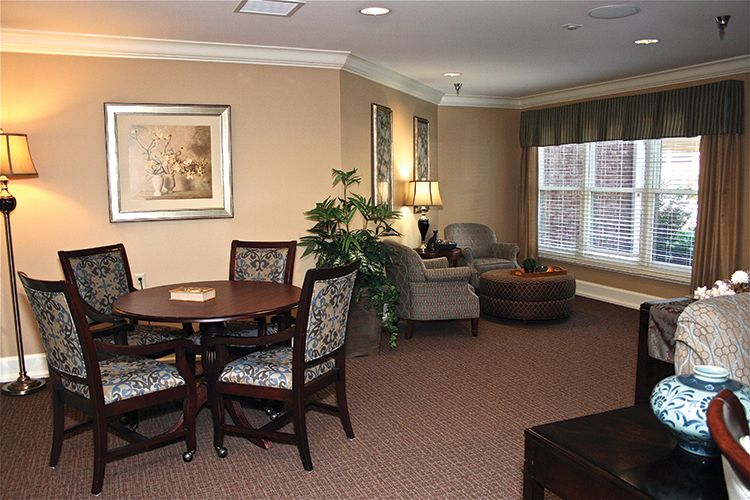
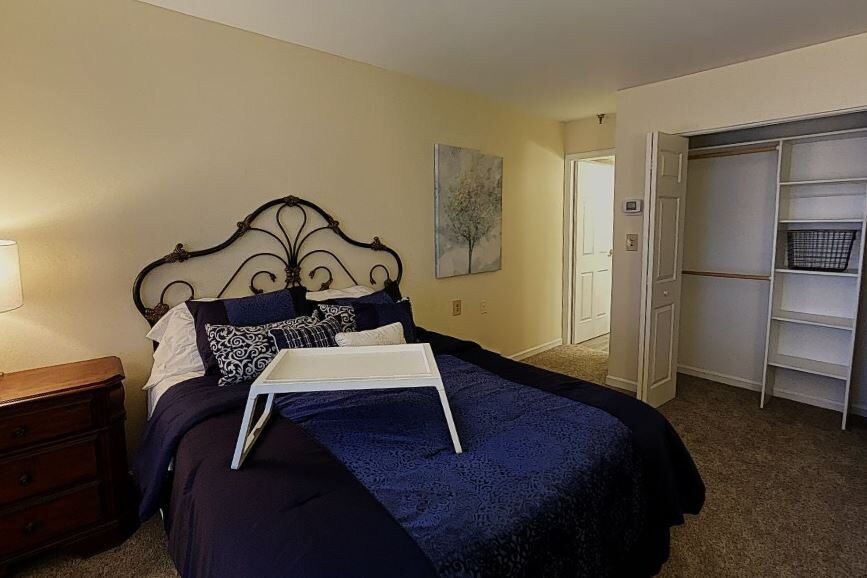
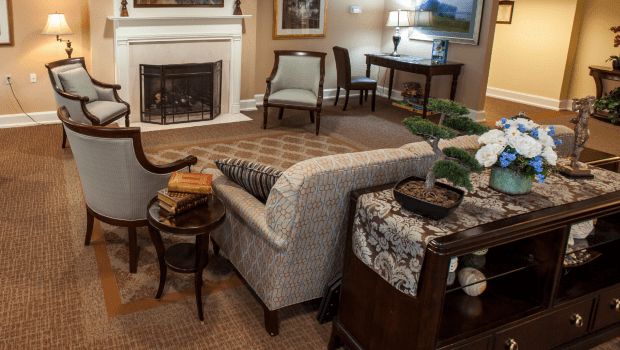
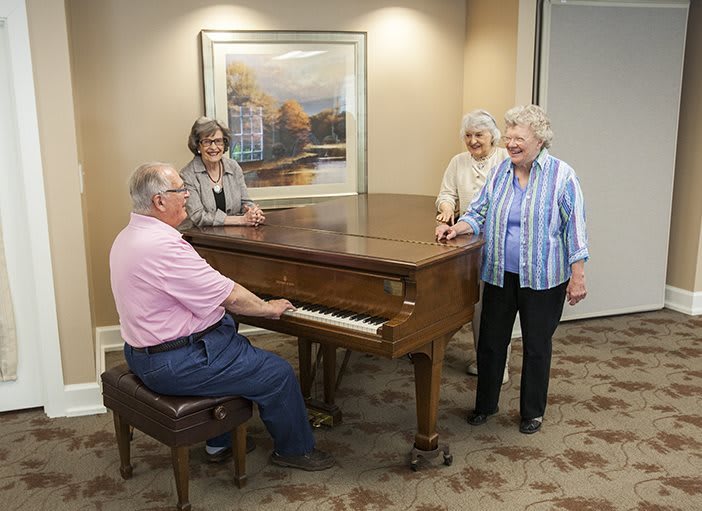
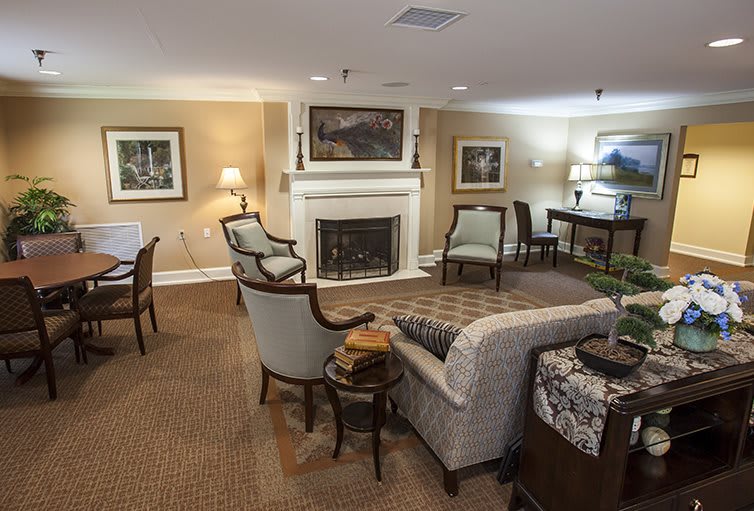
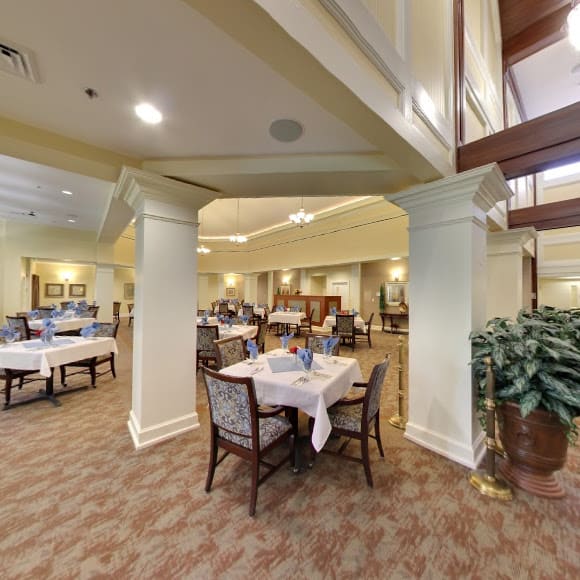
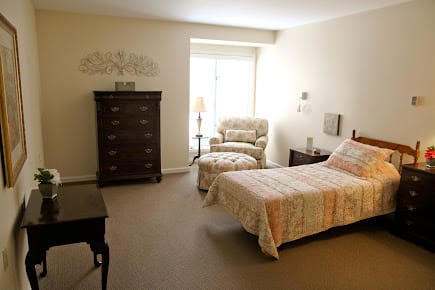
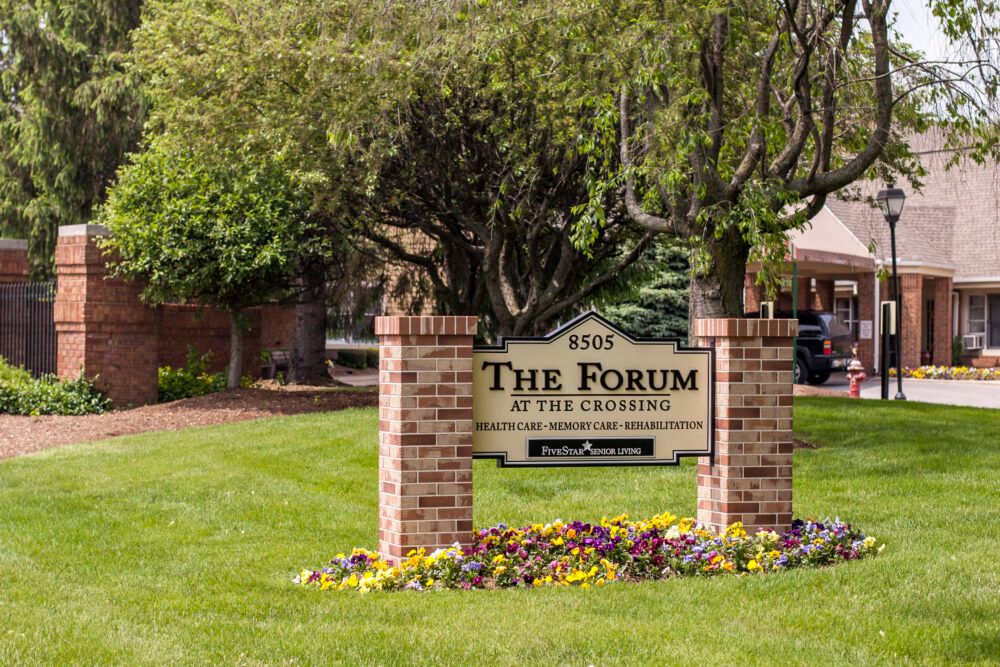
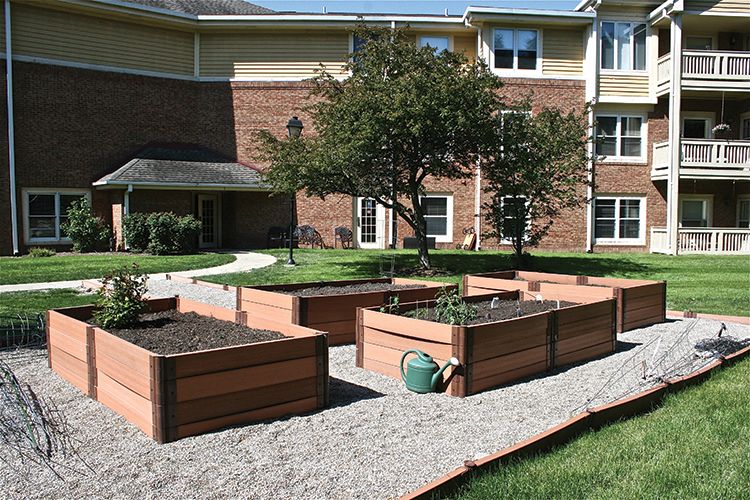
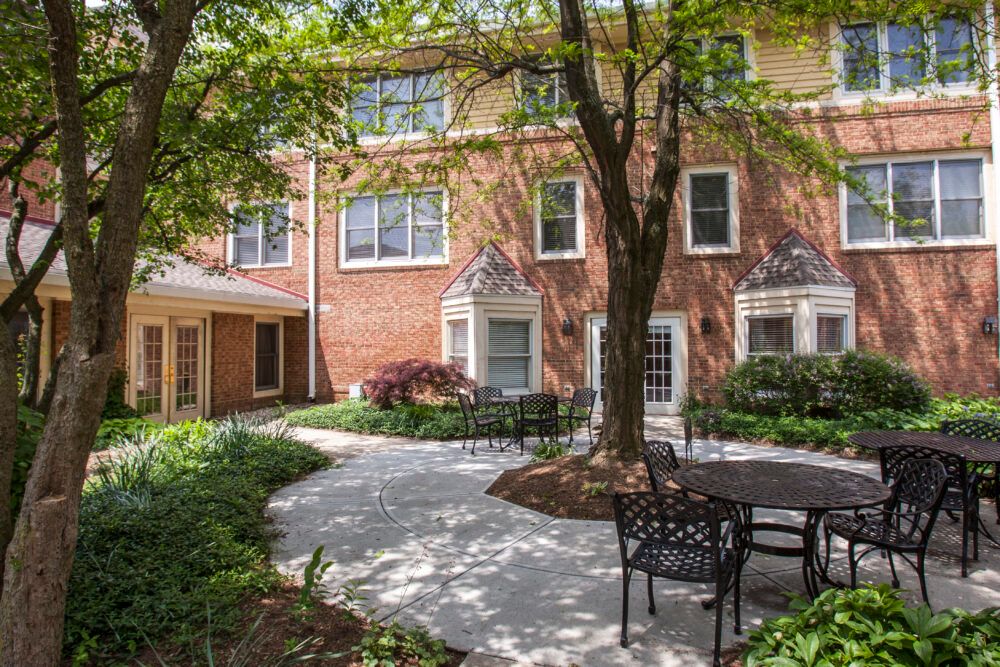
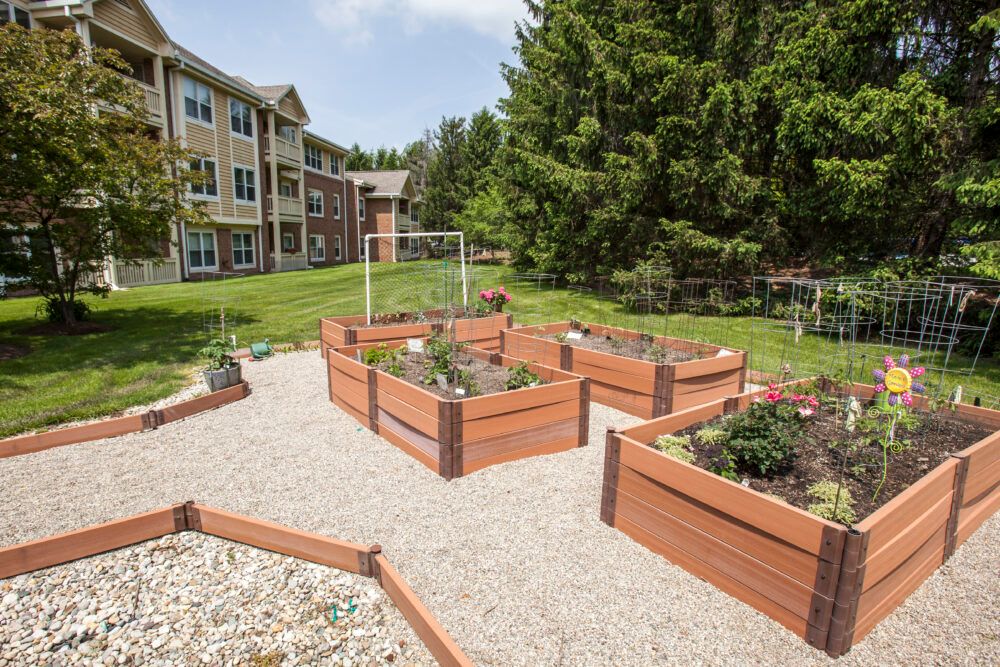
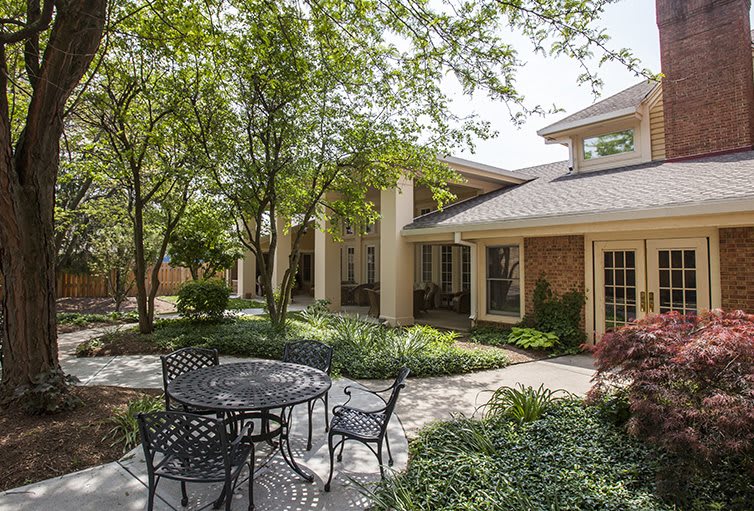
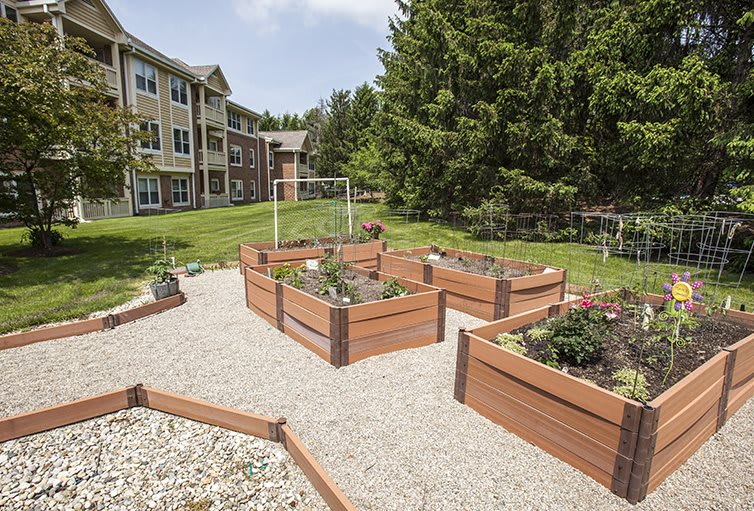
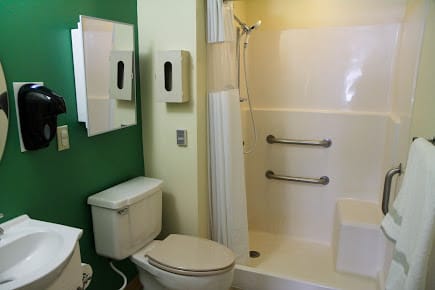
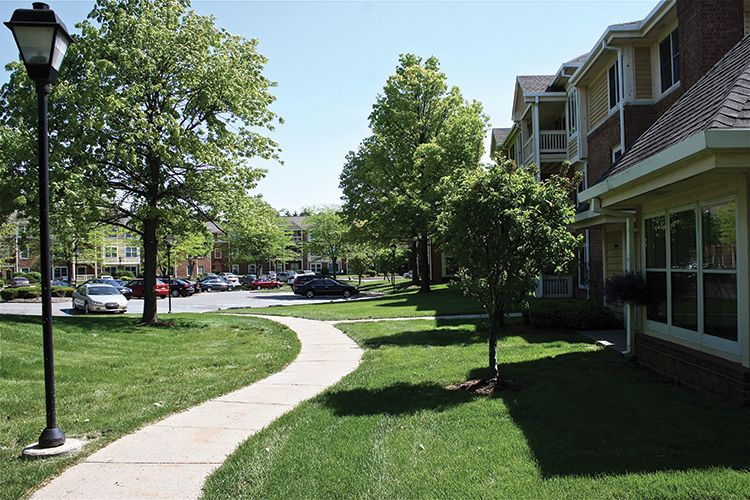
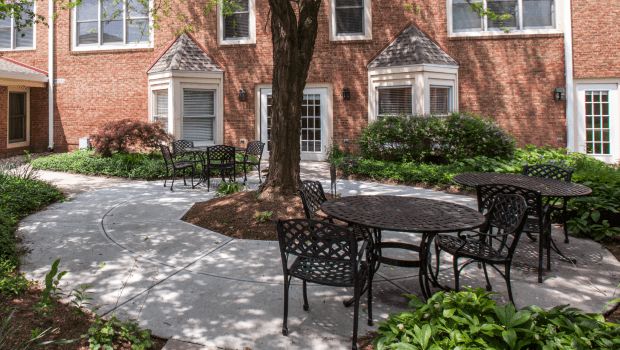
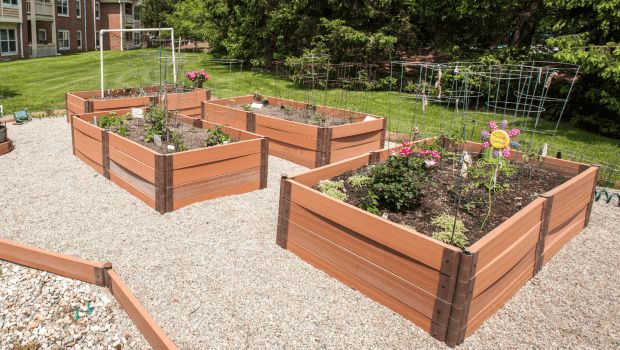
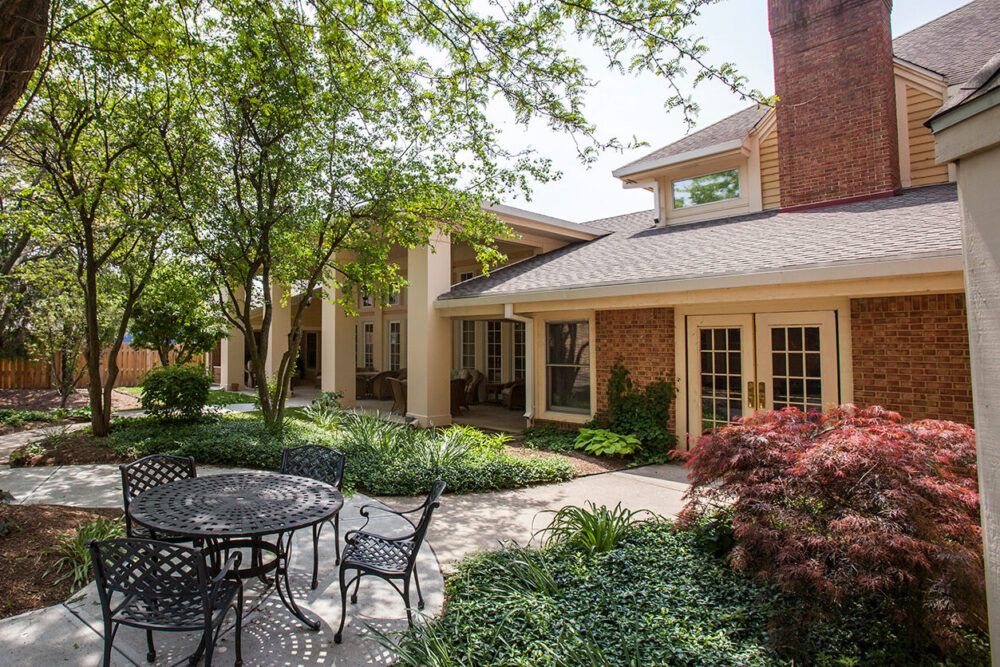
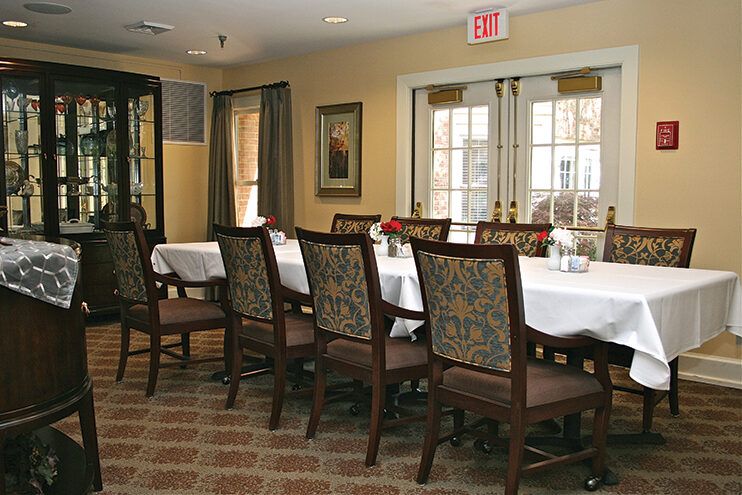
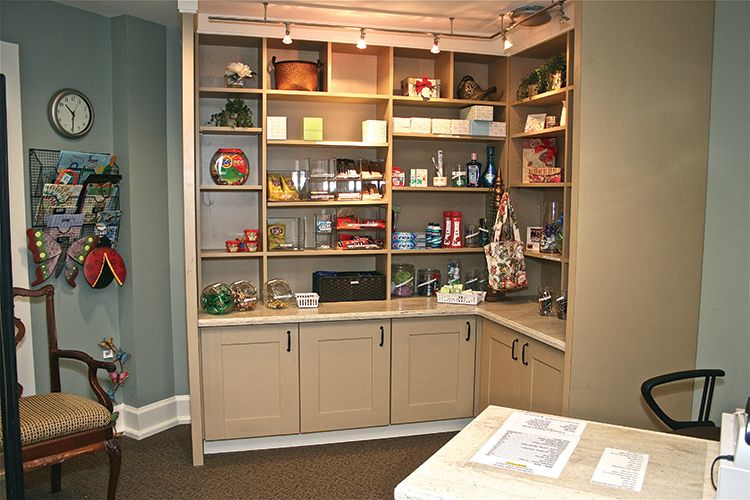
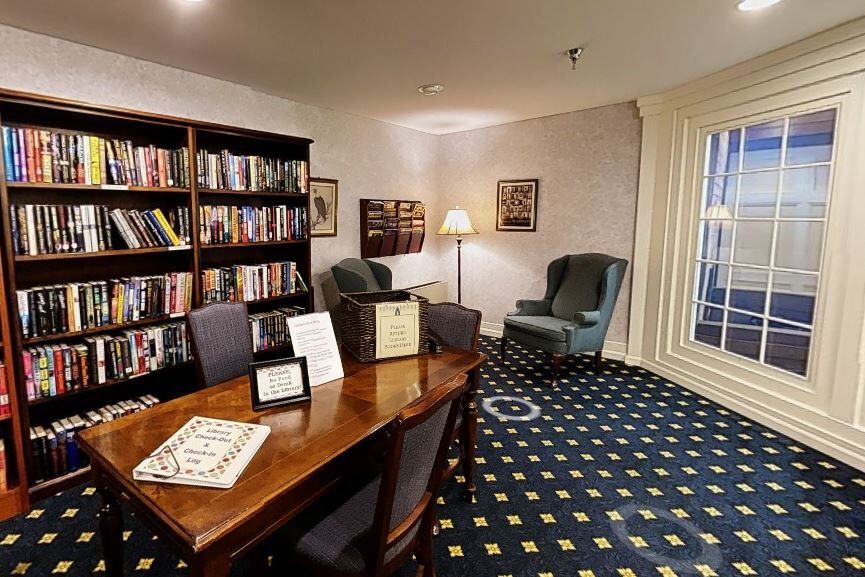
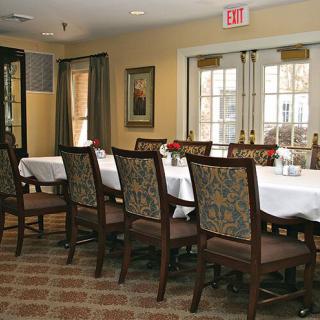
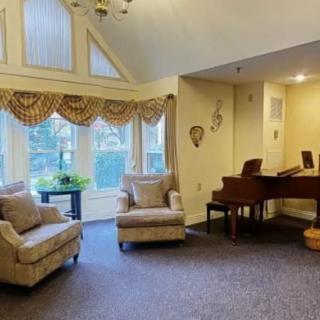
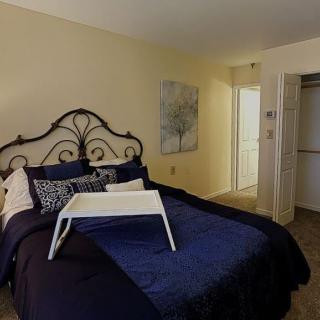
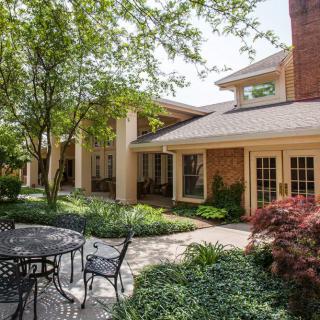
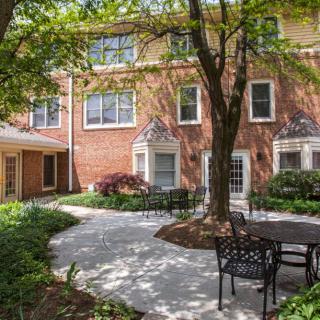
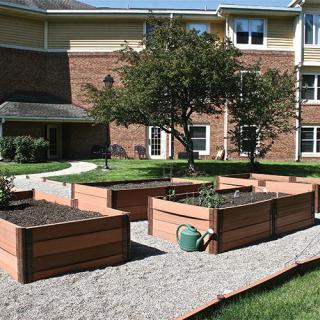
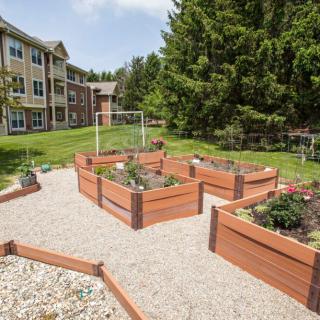
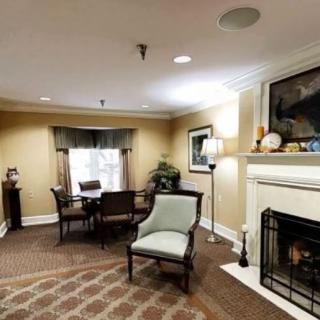
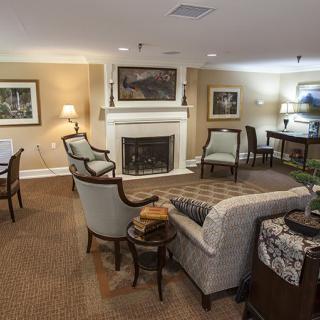
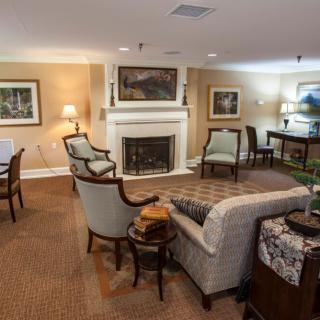
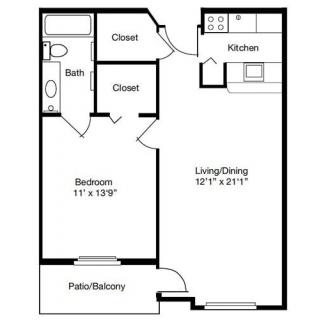
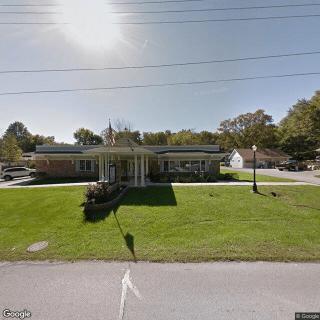
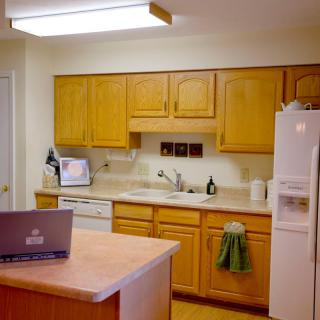
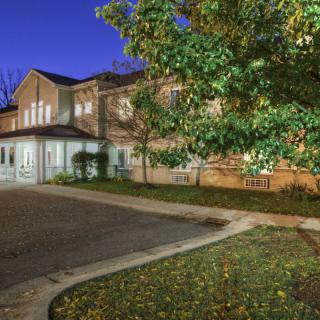
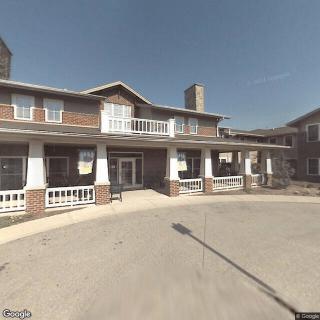
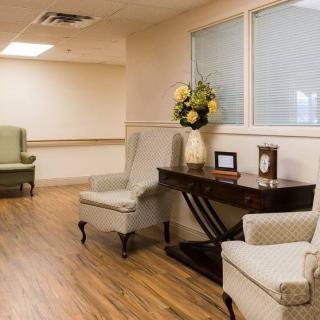
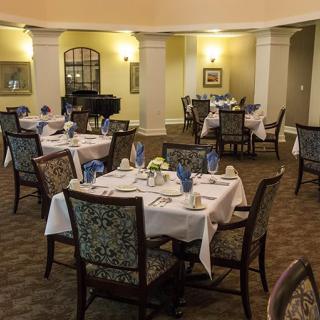
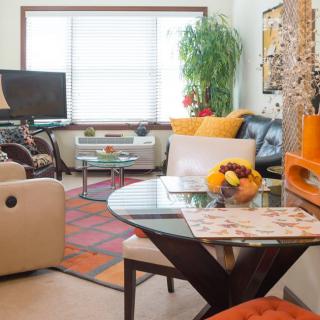
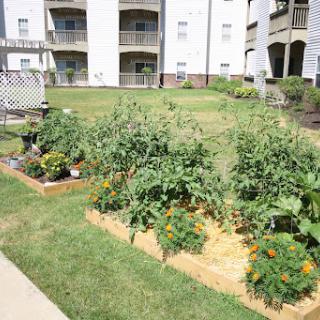
The Forum at the Crossing on seniors.fyi includes 44 photos including images showing interior, floor plan, dining, living room, bedroom, decor, landscaping, bathroom, and more.
Nearby Communities
Senior Home Companions LLC
Indianapolis, IN
1 from 2 reviews
Long-term caregiver relationships with proactive pre-service communication.
Story Cottage at Meridian Hills
Indianapolis, IN
$9,200 / month
Memory care available in a cozy, upscale assisted living setting with nearby amenities.
Affordable Home Care
Indianapolis, IN
5 from 1 review
Affordable care in a convenient Indianapolis location with extensive nearby amenities.
Traditions at Solana
Indianapolis, IN
4.3 from 105 reviews
$3,295 to $4,295 / month
Caring staff and a beautiful, engaging community.
Nora Commons on the Monon
Indianapolis, IN
3.6 from 68 reviews
$859 to $1,083 / month
Spacious, clean, updated apartments with an active, friendly community.
Home Instead - Indianapolis North
Indianapolis, IN
4.9 from 49 reviews
$2,295 to $6,540 / month
A long-tenured, dedicated employee delivers standout service.
Crestwood Village North Apartments
Indianapolis, IN
3.9 from 61 reviews
$564 to $790 / month
Clean, well-maintained environment with included utilities and active social events.
Five Star Residences of Clearwater
Indianapolis, IN
4.6 from 121 reviews
$1,800 to $3,060 / month
Caring staff in a clean, welcoming community with engaging activities and good value.
Rittenhouse Village At Northside
Indianapolis, IN
4.3 from 58 reviews
$2,125 to $3,270 / month
Friendly staff, clean facility, restaurant-style dining, and engaging activities.
Reminiscence therapy helps individuals with dementia recall past memories through structured discussions and meaningful objects, enhancing mood, relationships, and sense of identity while celebrating their lives. It can be practiced in formal settings or at home, requiring sensitivity to personal histories and cultural backgrounds.
Reminiscence therapy is a structured method for older adults, especially those with dementia, to share life stories using prompts and sensory cues, fostering emotional well-being, social engagement, and self-identity. It aims to improve quality of life by enhancing interpersonal connections and cognitive stimulation while requiring careful facilitation to avoid distressing memories.
Dementia, particularly Lewy body dementia, often involves hallucinations that can significantly distress both patients and caregivers due to disruptions in sensory processing and neurotransmitter imbalances. Effective management includes compassionate communication, environmental adjustments, and a multidisciplinary approach to care while addressing the emotional needs of caregivers.
Get PricingAsk A QuestionSchedule A TourContact Senior Advisor
By clicking submit, you agree to our Partner's Terms of Use. You
also consent to receive calls and texts, which may be autodialed, from our Partner. Your consent is not a condition to
using our Partner's service. Please visit our Partner's Privacy Policy for information about their privacy practices.



 104 resident community capacity
 1-bedroom apartments
 Assisted Living
 Independent Living
 Memory Care
 Skilled Nursing Facility
 Cats allowed
 Dogs allowed
 Activities off-site
 Air-conditioning
 Bath tubs
 Beautician on-site
 Cable or satellite TV
 Cafe
Cafe Computer center
 Devotional services on-site
 Dining room
 Fitness room
 Full kitchen
 Fully furnished
 Gaming room
 Garden
 General store
 Ground floor units
 Guest parking
 Housekeeping services
 Indoor common areas
 Laundry
 Move-in coordination
 Outdoor common areas
 Overnight guests
 Party space
 Pet friendly
 Private bathrooms
 Respite or short term stays offered
 Restaurant-style dining
 Small library
 Telephone
 VA Benefits Consultation
 Wellness center
 Wheelchair accessible showers
 Wi-Fi/high-speed internet available
 Indianapolis International (16 miles away)
 Community operated transportation
 12-16 hour nursing
 24-hour call system
 Ambulatory care
 Assistance with bathing
 Assistance with dressing
 Assistance with transfers
 Diabetes diet
 Hospice waiver
 Incontinence care
 Medication management
 Mental wellness program
 Physical therapy
 Special dietary restrictions
 Transportation arrangement (medical)
 Art classes
 Book club
 Catholic services
 Concierge services
 Cooking classes
 Day trips and outings
 Educational speakers / life long learning
 Games
Games Happy hour
 Live dance or theater performances
 Live musical performances
 Wii bowling
 Wine tasting
 English
 Long-term caregiver relationships with proactive pre-service communication.
 Exploring the Power of Reminiscence Therapy for Individuals With Dementia
 An In-Depth Look at Reminiscence Therapy in Dementia Care
 Dementia-Related Hallucinations: Causes, Experiences, and Practical Approaches