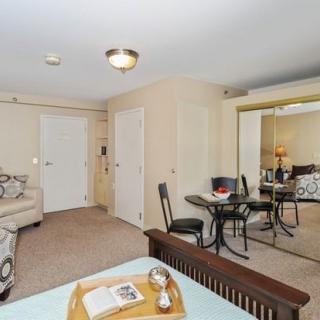
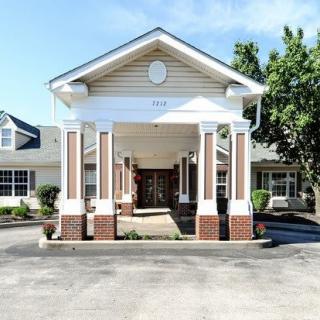
Madison Health Care Center in Indianapolis, IN

7465 Madison Avenue, Indianapolis, IN 46227

For more information about senior living options: (844) 490-3973

3 from 78 reviews
5 stars
26
4 stars
10
3 stars
11
2 stars
2
1 stars
29

Assisted Living Skilled Nursing Facility

Overall Review of Madison Health Care Center

Pros

  • pro The team is amazing and pleasant.
  • pro Joyce did an amazing job touring the facility.
  • pro The staff are caring, friendly, and genuinely attentive to residents.
  • pro The facility is clean, bright, and welcoming.
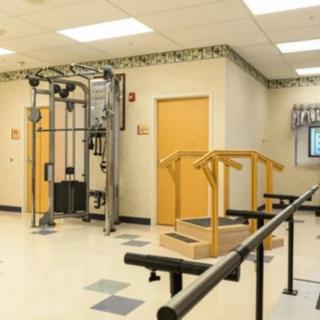
  • pro The therapy has been absolutely wonderful for residents.
  • pro The staff treat residents like family and go above and beyond.
  • pro The facility offers activities for all residents to enjoy.
  • pro The nurses and aides are friendly, professional, and helpful.
  • pro The facility is described as one of the best nursing and rehab centers.

Cons

  • pro The director of nursing refused oxygen for a patient in transport.
  • pro Residents reported that no one cared for them and some went without dinner.
  • pro The facility neglected diabetics, failing to monitor glucose or administer insulin, leaving infections untreated.
  • pro Catheter care was mishandled, causing injury and recatheterization issues.
  • pro Call lights were ignored for hours, and staff were rude and unhelpful.
  • pro The building is poorly maintained with safety and hygiene issues; the place should be shut down.
  • pro Patients developed bedsores because staff did not change them promptly.

Review

Madison Health Care Center in Indianapolis is best suited for families that need rehab-focused care and are prepared to take an active, hands-on role in oversight. The community can deliver meaningful therapy, a friendlier, home-like atmosphere, and responsive caregivers for residents who require structured rehabilitation and daily monitoring. When therapy teams are stable and staff members are genuinely caring, the experience can feel supportive and family-oriented, with residents able to participate in activities, receive help with daily routines, and maintain a sense of normalcy during recovery. This is not a hands-off placement; success hinges on vigilant families who demand consistent attention, timely communication, and reliable medication and wound care.

Those who should consider alternatives are families prioritizing uniform safety, predictability, and flawless day-to-day operations. If concerns about call-light responsiveness, medication administration, infection control, persistent staff shortages, or management accountability are paramount, other options with stronger track records in these areas merit exploration. Residents who cannot tolerate uneven care, inconsistent staffing, or delays in essential services may find the risks outweigh the potential rehab benefits here. For a facility that truly operates as a well-oiled, safety-first environment, look elsewhere, especially if ongoing observation by a capable family member is not feasible.

The main positives at Madison - robust rehabilitation services, a number of compassionate aides, and an atmosphere described as clean and homey - often align with real gains in patient function and mood when staffing is stable. Therapy has earned praise for its effectiveness, and several caregivers and nurses are cited as genuinely attentive, courteous, and willing to go the extra mile for residents. This combination can translate into steady progress, better daily routines, and genuine rapport between residents, families, and staff. Yet the advantages at the bedside are frequently undermined by recurring, higher-level failures: inconsistent call-light response, gaps in medication administration, and disjointed communication that leaves families in the dark about changes in condition or treatment plans. The gap between the best individual caregivers and systemic shortcomings is a recurring tension.

From a decision-making standpoint, there is a clear path to risk management. Pros offset some daily frustrations when families stay engaged, request regular updates, and push for prompt attention to wounds, medications, and changes in therapy goals. The presence of a newer dialysis unit is a potential perk for applicable residents, signaling investment in specialized care. However, the downsides - understaffing, inconsistent supervision, reports of neglect, and episodes where urgent needs were not met - can quickly erode trust and safety. Pros can smooth the edge of convalescence, but the risk of serious lapses remains unless staffing and leadership become consistently reliable. Families should weigh the likelihood of measurable progress against the possibility of preventable complications.

Practical steps for families weighing Madison include arranging an unannounced tour, speaking with both nurses and aides on multiple shifts, and requesting a clear, written plan for discharge and equipment needs. Verify current staffing levels for night and weekend shifts, ask for concrete examples of how call-lights are managed, and review the facility's process for promptly addressing infections, wounds, and medication administration. Confirm the existence of a formal family-liaison structure, and insist on regular, transparent chart reviews that show changes in condition, medications, and therapy progress. If possible, visit with residents who have recent rehab experiences to assess consistency of care and communication in real time.

In the end, Madison Health Care Center offers a credible rehab-focused option for families willing to maintain a vigilant partnership with the facility. It can deliver meaningful therapy, a caring staff on some shifts, and a generally clean environment. Yet for those whose priority is unwavering safety, predictable daily care, and consistently proactive management, alternatives should be seriously evaluated. A well-chosen match will be defined by strong therapy outcomes paired with reliable staffing, transparent communication, and a care culture that makes families feel truly informed and supported rather than left to fill gaps themselves.

Features

Housing

  • 130 resident community capacity 130 resident community capacity

Types of Care

  • Assisted Living Assisted LivingAssisted living facilities provide crucial support and care for seniors who may need help with daily tasks such as medication management, bathing, and meal preparation. These communities offer a safe and comfortable environment where seniors can maintain their independence while receiving the assistance they need to thrive in their golden years.
  • Skilled Nursing Facility Skilled Nursing FacilitySkilled Nursing Facilities are crucial for seniors as they provide round-the-clock medical care, rehabilitation services, and assistance with daily activities. These facilities ensure that seniors receive the specialized care they need to maintain their health and well-being as they age.

Amenities

  • Air-conditioning Air-conditioningAir conditioning is important for seniors as they are more vulnerable to heat-related illnesses and may have underlying health conditions that make it difficult for them to regulate their body temperature. It helps to keep them comfortable, safe, and healthy in hot weather.
  • Beauty salon Beauty salonBeauty salons are important for seniors because they provide a space for them to feel pampered, socialize, and maintain their personal grooming and hygiene. Regular visits to a beauty salon can help boost seniors' self-esteem and overall well-being.
  • Cable or satellite TV Cable or satellite TVCable or satellite TV is important for seniors because it provides entertainment, news, and companionship, helping to combat loneliness and boredom. It also offers a wide range of programming options tailored to different interests and preferences.
  • Computer center Computer centerA computer center is essential for seniors as it provides access to technology, communication tools, and resources that can enhance their daily lives. It allows them to stay connected with loved ones, engage in online activities, and learn new skills, ultimately promoting socialization and mental stimulation.
  • Dining room Dining roomDining rooms are important for seniors as they provide a space for socialization, connection, and nutritious meals. They offer opportunities for residents to bond over shared meals, foster a sense of community, and promote healthy eating habits. Dining rooms also ensure that seniors have access to well-balanced meals tailored to their dietary needs and preferences.
  • Fitness room Fitness roomHaving a fitness room in a senior living community is essential for seniors to stay active, maintain their physical health, and improve their overall well-being. Regular exercise can help prevent falls, reduce the risk of chronic diseases, and promote mental sharpness. It also provides social opportunities for residents to connect with others and enjoy a sense of community.
  • Fully furnished Fully furnishedFully furnished senior living communities are important for seniors because they provide convenience, comfort, and a hassle-free moving experience. Seniors can easily settle into their new living space without the stress of having to buy and move furniture. This allows them to focus on enjoying their new home and community.
  • Gaming room Gaming roomGaming rooms are important for seniors as they provide a fun and engaging environment for socializing, cognitive stimulation, and physical activity. Games can improve memory, problem-solving skills, and overall mental well-being while fostering friendships and reducing feelings of isolation.
  • Garden GardenGardens are important for seniors as they provide a peaceful and therapeutic environment for relaxation, physical activity, and socialization. Being in nature has been shown to reduce stress, improve mood, and promote overall well-being. Gardens also offer opportunities for seniors to engage in gardening activities, which can improve mobility, flexibility, and cognitive function. Additionally, gardens create a sense of community and connection with others who share a passion for plants and outdoor spaces.
  • Housekeeping services Housekeeping servicesHousekeeping services are important for seniors because they help maintain a clean and safe living environment, promote independence, and reduce the risk of accidents or illnesses. Additionally, having assistance with household chores can alleviate physical strain and allow seniors to focus on other aspects of their well-being.
  • Kitchenette KitchenetteKitchenettes are important for seniors living in senior living communities because they provide the convenience and independence of being able to prepare simple meals and snacks in the comfort of their own living space. This can help promote a sense of autonomy and well-being for seniors, allowing them to maintain some level of control over their dietary choices and daily routines.
  • Move-in coordination Move-in coordinationMove-in coordination is important for seniors because it helps ease the transition into their new living environment. It ensures that all logistics, such as packing, organizing movers, and setting up utilities are taken care of, allowing seniors to focus on settling in and adjusting to their new home. Having a smooth move-in process can alleviate stress and anxiety, making the transition smoother and more enjoyable for seniors.
  • Outdoor space Outdoor spaceOutdoor spaces are important for seniors as they provide opportunities for physical activity, social interaction, exposure to natural light and fresh air, and a sense of connection to nature. Having access to outdoor spaces can improve overall well-being and quality of life for older adults living in senior communities.
  • Private bathrooms Private bathroomsPrivate bathrooms are important for seniors in senior living communities because they provide independence, dignity, and comfort. Having a private bathroom allows seniors to maintain their personal hygiene routines without the need for assistance, promoting a sense of autonomy and privacy. Additionally, private bathrooms help prevent the spread of infections and provide a safe and clean environment for seniors to navigate safely.
  • Restaurant-style dining Restaurant-style diningRestaurant-style dining is important for seniors because it allows them to enjoy delicious, nutritious meals in a social and upscale setting. This enhances their dining experience, promotes healthy eating habits, and fosters socialization with fellow residents, ultimately contributing to their overall well-being and quality of life.
  • Small library Small librarySmall libraries are important for seniors as they provide access to a variety of reading materials, including books, newspapers, and magazines. This can help stimulate their minds, keep them engaged, and provide a sense of community through book clubs and other social activities. Additionally, reading has been shown to improve cognitive function and overall mental well-being in older adults.
  • Telephone TelephoneTelephones are important for seniors as they provide a lifeline for communication with loved ones, emergency services, and healthcare providers. They offer a sense of security and independence, enabling seniors to stay connected and access assistance when needed.
  • Wellness center Wellness centerWellness centers are important for seniors because they offer a variety of programs and services that promote physical, mental, and emotional well-being. These centers provide opportunities for exercise, socialization, education, and relaxation, helping seniors maintain their overall health and quality of life.
  • Wi-Fi/high-speed internet available Wi-Fi/high-speed internet availableWi-Fi/high-speed internet is important for seniors to stay connected with loved ones, access online resources, and participate in virtual activities to combat feelings of loneliness and isolation. It also allows them to easily manage healthcare needs, access entertainment, and engage in lifelong learning opportunities.

Transportation

  • Indianapolis International (10 miles away) Indianapolis International (10 miles away)
  • Community operated transportation Community operated transportationCommunity operated transportation is crucial for seniors as it provides them with the means to access essential services, social activities, and medical appointments. It allows seniors to maintain their independence and quality of life by ensuring they can participate in activities outside of their homes. Additionally, community-operated transportation services offer a safe and reliable way for seniors to travel without having to rely on family or friends for assistance.
  • Transportation arrangement Transportation arrangementTransportation arrangements are crucial for seniors as they may face challenges with driving, mobility, or access to public transportation. Having reliable transportation services ensures that seniors can easily attend appointments, social activities, and maintain their independence and quality of life.

Care Services

  • 24-hour call system 24-hour call system24-hour call systems are important for seniors because they provide peace of mind and immediate assistance in case of emergencies. This technology ensures that help is always available, promoting safety and security for elderly individuals living alone or in assisted living facilities.
  • 24-hour supervision 24-hour supervision24-hour supervision is important for seniors to ensure their safety, well-being, and access to immediate assistance in case of emergencies or health issues. This constant support provides peace of mind for both seniors and their loved ones, allowing them to age in place with dignity and security.
  • Activities of daily living assistance Activities of daily living assistanceActivities of daily living assistance are important for seniors because they provide essential support with tasks such as eating, bathing, dressing, and mobility. This assistance helps seniors maintain their independence, dignity, and overall quality of life as they age.
  • Assistance with bathing Assistance with bathingAssistance with bathing is crucial for seniors as it helps maintain personal hygiene, prevents infections, and ensures their overall well-being and comfort. It also provides a sense of dignity and independence for seniors who may struggle with this task on their own.
  • Assistance with dressing Assistance with dressingAssistance with dressing is important for seniors because it helps maintain their independence, promotes personal hygiene, prevents accidents and injuries, and improves overall quality of life. This service ensures that seniors can continue to dress comfortably and confidently, despite any physical limitations they may have.
  • Assistance with transfers Assistance with transfersAssistance with transfers is crucial for seniors as it helps prevent falls and injuries, maintains their independence, and ensures they can safely navigate their living environment. It also provides peace of mind for both seniors and their loved ones.
  • Diabetes diet Diabetes dietA diabetes diet is crucial for seniors as it helps manage blood sugar levels, reduce risks of complications, and improve overall health and well-being. By following a balanced and nutritious diet tailored to their specific needs, seniors can better control their diabetes and enhance their quality of life.
  • High acuity care High acuity careHigh acuity care is important for seniors because it provides specialized medical attention and support for individuals with complex medical needs. This level of care ensures that seniors receive the appropriate treatment and assistance to maintain their health and quality of life as they age.
  • Meal preparation and service Meal preparation and serviceMeal preparation and service are crucial for seniors as they may have limited mobility or energy to cook nutritious meals. Having access to healthy and convenient food options can ensure they are getting the proper nutrition needed to maintain their overall health and well-being.
  • Medication management Medication managementMedication management is crucial for seniors to ensure they are taking the right medications at the correct dosages and times. This helps prevent adverse drug interactions, reduces the risk of medication errors, and promotes overall health and well-being. Proactive management also allows for adjustments as needed based on changing health conditions or new prescriptions.
  • Special dietary restrictions Special dietary restrictionsSpecial dietary restrictions are important for seniors because age-related changes in metabolism and health conditions can make it difficult for their bodies to process certain foods. By following a diet tailored to their specific needs, seniors can maintain their overall health and well-being, manage chronic conditions, and reduce the risk of complications such as malnutrition or food interactions with medications.

Dining

  • Diabetes diet Diabetes dietA diabetes diet is crucial for seniors as it helps manage blood sugar levels, reduce risks of complications, and improve overall health and well-being. By following a balanced and nutritious diet tailored to their specific needs, seniors can better control their diabetes and enhance their quality of life.
  • Special dietary restrictions Special dietary restrictionsSpecial dietary restrictions are important for seniors because age-related changes in metabolism and health conditions can make it difficult for their bodies to process certain foods. By following a diet tailored to their specific needs, seniors can maintain their overall health and well-being, manage chronic conditions, and reduce the risk of complications such as malnutrition or food interactions with medications.

Activities

  • Community-sponsored activities Community-sponsored activitiesCommunity-sponsored activities are important for seniors as they provide opportunities for social interaction, mental stimulation, and physical activity. These activities can help improve overall well-being, combat loneliness and isolation, and promote a sense of belonging and purpose among older adults.
  • Concierge services Concierge servicesConcierge services are essential for seniors as they provide assistance with daily tasks and errands, enhance their quality of life by offering convenience and personalized care, and promote a sense of safety and security.
  • Fitness programs Fitness programsFitness programs are crucial for seniors as they help improve strength, flexibility, balance, and overall well-being. Staying active can reduce the risk of chronic diseases, improve mental health, and enhance quality of life in older adults.
  • Planned day trips Planned day tripsPlanned day trips are important for seniors because they offer opportunities for socialization, mental stimulation, and physical activity. They provide a change of scenery and help seniors stay engaged and connected to their community, promoting overall well-being and quality of life.
  • Resident-run activities Resident-run activitiesResident-run activities are important for seniors as they encourage social interaction, creativity, and a sense of autonomy. These activities empower seniors to stay engaged and active in their community while fostering meaningful connections with their peers.
  • Scheduled daily activities Scheduled daily activitiesScheduled daily activities are important for seniors because they provide structure, socialization, mental stimulation, and physical activity. Engaging in regular activities can improve overall well-being and quality of life for seniors living in a community setting.

Description

Madison Health Care Center is a top-notch assisted living community located in Indianapolis, IN. As a skilled nursing facility, we provide comprehensive care and support to our residents. Our facility boasts a wide range of amenities to ensure our residents have access to everything they need for a comfortable and fulfilling lifestyle.

Our amenities include a beauty salon where residents can enjoy professional grooming services, as well as cable or satellite TV for entertainment. We also offer community-operated transportation to help residents easily get around the area. For those who wish to stay connected, we have a computer center with Wi-Fi/high-speed internet access.

When it comes to dining, we pride ourselves on offering restaurant-style meals in our spacious dining room. We cater to special dietary restrictions and provide delicious and nutritious meals prepared by our expert chefs. Additionally, our small library offers a quiet space for reading and relaxation.

We understand the importance of maintaining an active lifestyle, which is why we offer a variety of activities for our residents. From fitness programs and daily scheduled activities to planned day trips and resident-run activities, there is always something exciting happening at Madison Health Care Center.

We are conveniently located near several cafes, parks, pharmacies, physicians, restaurants, places of worship, hospitals, and transportation options. This ensures that our residents have easy access to all necessary services and amenities within close proximity.

At Madison Health Care Center, residents can expect 24-hour supervision and assistance with activities of daily living such as bathing, dressing, and transfers. Our dedicated staff members also provide medication management and ensure that any special dietary restrictions are accommodated.

In summary, Madison Health Care Center offers a welcoming environment filled with exceptional care services and amenities. Our goal is to provide personalized support while promoting independence and quality of life for each resident in our assisted living community.

Nearby Places of Interest

Pharmacies

  • CVS Pharmacy (0.5 miles)
  • CVS Pharmacy (1.6 miles)
  • CVS Pharmacy (2.2 miles)
  • CVS Pharmacy (2.2 miles)
  • Walgreens (2.4 miles)
  • CVS Pharmacy (2.5 miles)
  • Walgreens (2.5 miles)

Restaurants

  • McDonald's (0.9 miles)
  • Portillo's Hot Dogs (1 miles)
  • Chick-Fil-A (1.6 miles)
  • McDonald's (1.6 miles)
  • Cracker Barrel (1.7 miles)
  • On The Border Mexican Grill & Cantina (2 miles)
  • The Tailgate (2.1 miles)

Physicians

  • Johnstone Family Practice (1.3 miles)
  • Greenwood Orthopedics (1.5 miles)
  • Community Heart and Vascular Physicians (1.6 miles)
  • Windrose Health Network (1.7 miles)
  • Complementary Medicine Center (1.7 miles)
  • Moody Eyes (1.8 miles)
  • James B Records (2.1 miles)

Hospitals

  • Community Hospital South (1.6 miles)
  • OrthoIndy South (3.4 miles)
  • Valle Vista Health System (3.6 miles)
  • St Francis Hospital Breast Center (4.9 miles)
  • Family Physicians Of Johnson County (6.6 miles)

Places of Worship

  • Living Word Bible Church (1.8 miles)
  • Suburban Baptist Church (1.9 miles)
  • Our Lady Of The Greenwood Catholic Church (3.5 miles)
  • Greenwood Christian Church (4.9 miles)
  • New Hope Church (5 miles)
  • Redeemer Bible Church (5.3 miles)
  • Grace Assembly of God (5.8 miles)

Transportation

  • Greenwood Municipal Airport (2.5 miles)

Cafes

  • Starbucks (2.6 miles)
  • Starbucks (3.6 miles)
  • Starbucks (3.8 miles)
  • Starbucks (3.8 miles)

Parks

  • Meridian Woods Park & Neighborhood (2.6 miles)
  • Westside Park (3.1 miles)
  • Craig Park (3.7 miles)
  • Freedom Park Dog Park (4.5 miles)
  • University Playground (5.2 miles)
  • Country Gate Park (6.3 miles)
  • Procter Park (6.6 miles)

Frequently Asked Questions

Where is Madison Health Care Center?

Nearby Communities

  • Angels Of Mercy Hm Health Care

    Angels Of Mercy Hm Health Care

    Indianapolis, IN


    pro Convenient location with access to dining, parks, healthcare, worship, and hospitals.
  • Capitol Station

    Capitol Station

    Indianapolis, IN

    3.3 from 13 reviews
     

    pro Urban location with abundant nearby amenities (dining, parks, healthcare, worship, hospitals, transit).

  • Manorcare Health Services

    Manorcare Health Services

    Indianapolis, IN

    3.5 from 100 reviews
     

    pro Wide range of care options and extensive on-site amenities with 24/7 supervision.

  • The Wellington At Southport

    The Wellington At Southport

    Indianapolis, IN

    4.4 from 47 reviews
     

    pro Full spectrum care options (Independent Living, Assisted Living, Memory Care) with 24/7 supervision and extensive on-site amenities.

  • ComForCare Home Care - South Indianapolis,  IN

    ComForCare Home Care - South Indianapolis, IN

    Indianapolis, IN

    4.4 from 56 reviews
     

    pro Professional owner with responsive communication; friendly, knowledgeable caregivers; flexible services.

  • The Wellington at Southport

    The Wellington at Southport

    Indianapolis, IN

    4.1 from 123 reviews
    $3,176 to $3,985 / month

    pro Friendly staff, clean facilities, and engaging activities.

  • Hellenic Senior Living of Indianapolis

    Hellenic Senior Living of Indianapolis

    Indianapolis, IN

    3.4 from 29 reviews
    $3,400 to $3,800 / month

    pro Clean, inviting environment with friendly staff and good meals.

  • University Heights Health And Living Community

    University Heights Health And Living Community

    Indianapolis, IN

    4.7 from 100 reviews
     

    pro Comprehensive on-site care options with extensive amenities.

  • Greenwood Health And Living Community

    Greenwood Health And Living Community

    Greenwood, IN

    4.7 from 105 reviews
     

    pro Friendly, responsive staff in a clean facility.

Related Resources

  • assisted living activitiesBeyond the Bingo Hall: 50+ Enriching Activities for Seniors in Assisted Living

    Assisted living communities offer diverse activities beyond traditional games to enhance seniors' physical health, cognitive well-being, emotional enrichment, and social connections, including fitness classes, creative expression, and intergenerational interactions. These enriching programs foster community bonds and support residents' independence and happiness.

  • assisted living vs memory careUnderstanding the Distinctions: Assisted Living and Memory Care Explained

    The article differentiates between assisted living and memory care, explaining that assisted living supports seniors with daily activities while promoting independence, whereas memory care provides specialized services for individuals with dementia, focusing on secure environments and cognitive support. It also addresses staff training, safety considerations, costs, family involvement, and transition strategies for families navigating these care options.

  • elderly parent refuses assisted livingGuiding Elderly Parents Who Refuse Assisted Living: 6 Practical Steps

    Family caregivers face emotional, legal, and practical challenges when elderly parents refuse assisted living, often due to fears of losing autonomy. Open conversations and professional assessments can help address these concerns while exploring alternatives and ensuring safety, potentially leading to legal guardianship if necessary.