For more information about senior living options: (866) 208-4318
3.6 from 33 reviews
5 stars
20
4 stars
0
3 stars
2
2 stars
2
1 stars
9
Hellenic Senior Living of Indianapolis Costs & Pricing
Hellenic Senior Living of Indianapolis offers competitive pricing for its residents, particularly when compared to the broader economic landscape of Marion County and the state of Indiana. For a studio apartment at Hellenic, the monthly cost is $3,400, which is higher than the county average of $2,869 and slightly above the state average of $3,258. Similarly, the one-bedroom option is priced at $3,800; this reflects a premium over both the county's $2,917 and Indiana's $3,300 averages. While these costs may appear elevated in comparison to local and state benchmarks, they likely reflect the quality care, amenities, and community environment that Hellenic Senior Living seeks to provide for its residents.
Floor plans
Hellenic Senior Living of Indianapolis
Marion County
Indiana
Studio
$3,400
$2,869
$3,258
1 Bedroom
$3,800
$2,917
$3,300
Memory care communities with a similar price nearby
Overall Review of Hellenic Senior Living of Indianapolis
common19 reviews mention this
Staff friendliness and responsiveness
Residents and families repeatedly describe the staff as caring, helpful, and respectful.
Across the reviews, people describe consistently positive interactions with staff, including aides, nursing staff, and the broader team. Families also mention help with day-to-day needs and support through changes in medications, and one reviewer highlights how quickly maintenance gets handled. A couple of negative reviews, however, raise serious concerns about care reliability, which contrasts with the many accounts of supportive service.
common7 reviews mention this
Clean, well-kept environment
Many reviewers say the community is consistently clean and well maintained.
Several reviews highlight cleanliness from the moment families toured, and they describe a building that looks inviting and stays immaculate. Other residents also mention the facility is kept up and that issues, when they come up, get fixed quickly. This cleanliness theme shows up even among reviewers who were more mixed on other parts of the experience.
common3 reviews mention this
Activities keep residents busy
Residents describe frequent activities that help make the days feel full.
Reviews mention a steady schedule of things to do, including games and group activities, plus social events like birthday parties. Families also describe residents enjoying events after move-in and talk about an activity director as a standout. The community also lists a wide range of daily activities and planned outings, aligning with the way residents describe their routine.
common6 reviews mention this
Food quality is a mixed point
Dining gets mentioned often, with residents describing food they like and others reporting shortages.
Several reviews praise the food as delicious or say they get what they need, including specific help from kitchen staff. Other reviews are less reassuring, including concerns that the facility ran out of food and reports of items going missing. The community offers restaurant-style dining and meals provided, which fits the positive comments but doesn’t eliminate the reported shortages.
caveat4 reviews mention this
Communication can be hard
Some families report difficulty reaching the community by phone.
A recurring complaint is that calls don’t get answered or returned consistently, with messages going unresponded to. One reviewer also describes the problem as becoming more frustrating when they couldn’t visit in person due to restrictions. While the staff is widely described as helpful, these communication issues are significant enough to stand out as a downside in multiple reviews.
caveat3 reviews mention this
Concerns about care reliability
A few reviews describe serious concerns with the quality and timeliness of care.
Some negative reviews report delays after residents press call buttons, including incidents involving falls and urgent health situations. Others raise concerns about staffing, supervision, and medication management, and one review calls out potential neglect and lack of transparency. Even though the community provides services like a 24-hour call system and assistance with daily activities, these accounts describe failures residents and families experienced.
How we summarize
Counts show how many written reviews mention each theme; a review can touch several themes, and only frequently mentioned themes are displayed.
Features
Housing
125 resident community capacity
Types of Care
Assisted Living
Memory Care
Amenities
Activities off-site
Activities on-site
Air-conditioning
Beautician on-site
Beauty salon
Cable or satellite TV
Computer center
Devotional services off-site
Dining room
Fitness room
Fully furnished
Gaming room
Garden
Handicap accessible
Housekeeping services
Indoor common areas
Kitchenette
Move-in coordination
Outdoor common areas
Outdoor space
Private bathrooms
Restaurant-style dining
Small library
Telephone
Wellness center
Wheelchair accessible showers
Wi-Fi/high-speed internet available
Transportation
Indianapolis International (10 miles away)
Community operated transportation
Transportation arrangement
Care Services
24-hour call system
24-hour supervision
Activities of daily living assistance
Ambulatory care
Assistance with bathing
Assistance with dressing
Assistance with transfers
Diabetes diet
Diabetic care
Incontinence care
Meal preparation and service
Medication management
Mental wellness program
Mild cognitive impairment
Special dietary restrictions
Specialized memory care programming
Dining
Diabetes diet
Guest meals
Meals provided
Restaurant style dining
Special dietary restrictions
Activities
Activities on-site
Art classes
Community-sponsored activities
Concierge services
Cooking classes
Day trips and outings
Devotional activities offsite
Fitness programs
Gardening club
Happy hour
Karaoke
Live dance or theater performances
Live musical performances
Planned day trips
Resident-run activities
Scheduled daily activities
Stretching classes
Trivia games
Wii bowling
Yoga / chair yoga
Videos
Nearby Places of Interest
This part of Indianapolis, Indiana, offers a convenient and well-equipped community for senior living. With multiple healthcare facilities such as Windrose Health Network and Community Hospital South nearby, residents have access to quality medical care. Additionally, there are various places of worship like Suburban Baptist Church and Our Lady Of The Greenwood Catholic Church for spiritual fulfillment. For leisure activities, parks like Westside Park and Meridian Woods Park provide opportunities for outdoor recreation. The diverse range of dining options including Portillo's Hot Dogs and Luciana's Mexican Restaurant offer delicious meals without having to travel far. Overall, this area provides a comfortable and accessible environment for seniors looking to settle down in Indianapolis.
Physicians
Windrose Health Network (0.4 miles)
Moody Eyes (0.4 miles)
Complementary Medicine Center (0.4 miles)
Greenwood Orthopedics (0.4 miles)
Community Heart and Vascular Physicians (0.5 miles)
Johnstone Family Practice (1 miles)
James B Records (1.1 miles)
Hospitals
Community Hospital South (0.4 miles)
Valle Vista Health System (3.3 miles)
OrthoIndy South (3.7 miles)
Family Physicians Of Johnson County (5.8 miles)
St Francis Hospital Breast Center (6.2 miles)
Places of Worship
Suburban Baptist Church (0.5 miles)
Our Lady Of The Greenwood Catholic Church (2.8 miles)
Hellenic Senior Living of Indianapolis offers competitive pricing for its residents, particularly when compared to the broader economic landscape of Marion County and the state of Indiana. For a studio apartment at Hellenic, the monthly cost is $3,400, which is higher than the county average of $2,869 and slightly above the state average of $3,258. Similarly, the one-bedroom option is priced at $3,800; this reflects a premium over both the county's $2,917 and Indiana's $3,300 averages. While these costs may appear elevated in comparison to local and state benchmarks, they likely reflect the quality care, amenities, and community environment that Hellenic Senior Living seeks to provide for its residents.
The comprehensive features at Hellenic Senior Living of Indianapolis are designed to support residents with dementia or Alzheimer's disease through a holistic approach to care. The 24-hour supervision ensures that residents are always safe and monitored, which is crucial for individuals who may wander or require immediate assistance. Assistance with activities of daily living, such as bathing, dressing, and transfers, not only promotes dignity but also enhances the quality of life by maintaining a routine that residents can rely on. Incontinence care provides comfort and prevents potential distress associated with this condition. Meal preparation and service tailored to dietary needs not only ensure proper nutrition but also evoke familiarity and routine during mealtimes. Medication management helps residents adhere to prescribed treatments without confusion, while specialized memory care programming and mental wellness programs engage cognitive functions and provide social interaction, fostering a sense of purpose and community among residents experiencing mild cognitive impairment or advanced stages of dementia.
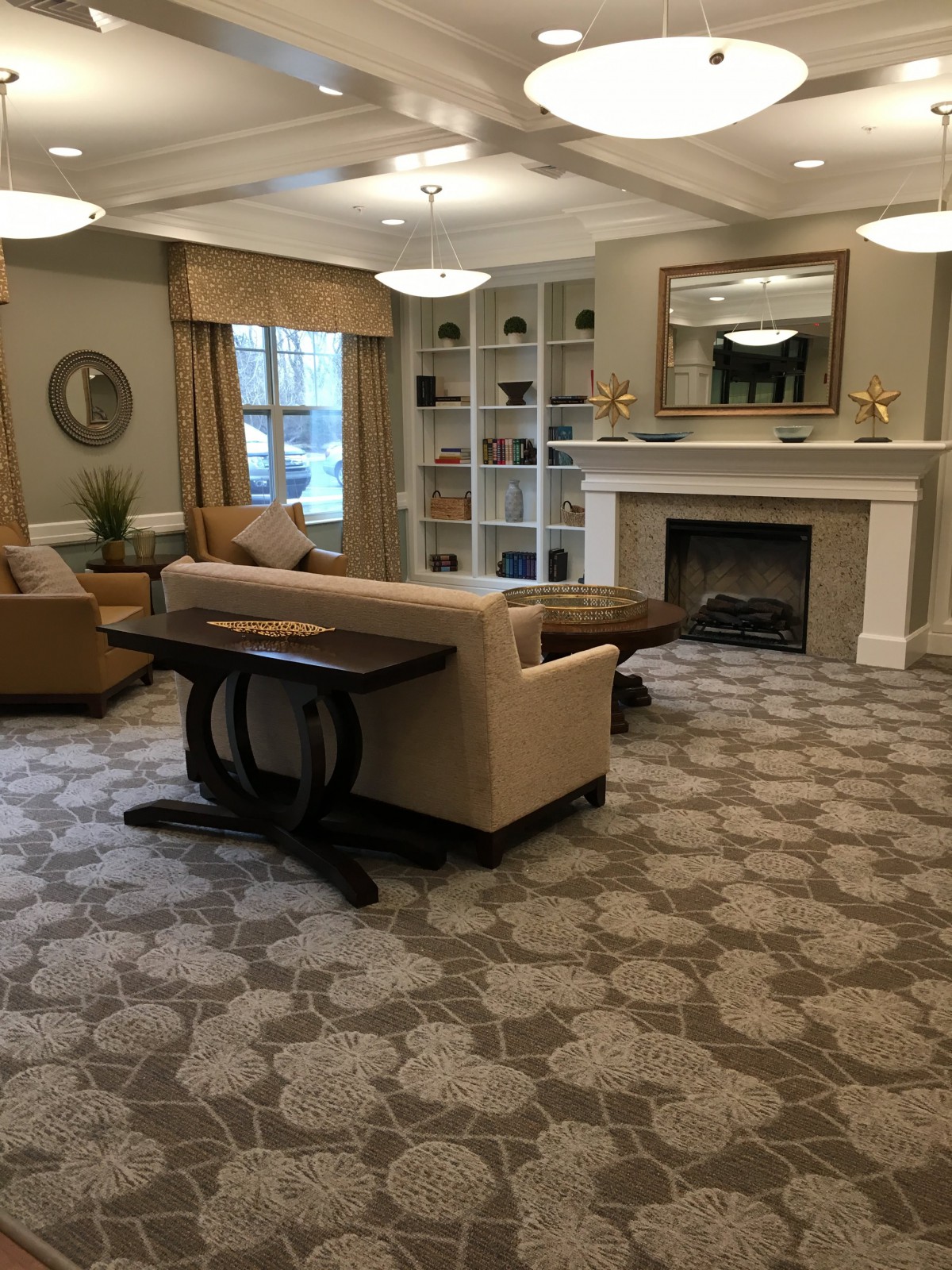
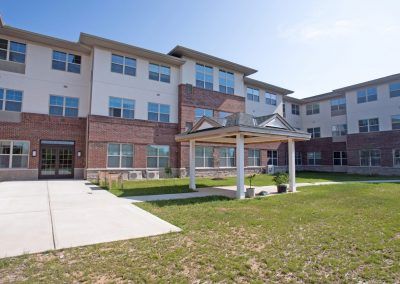
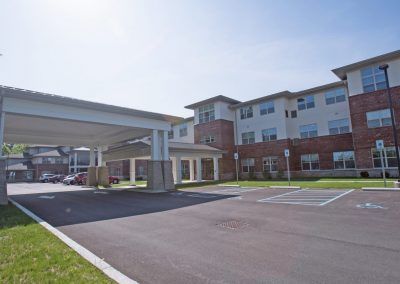
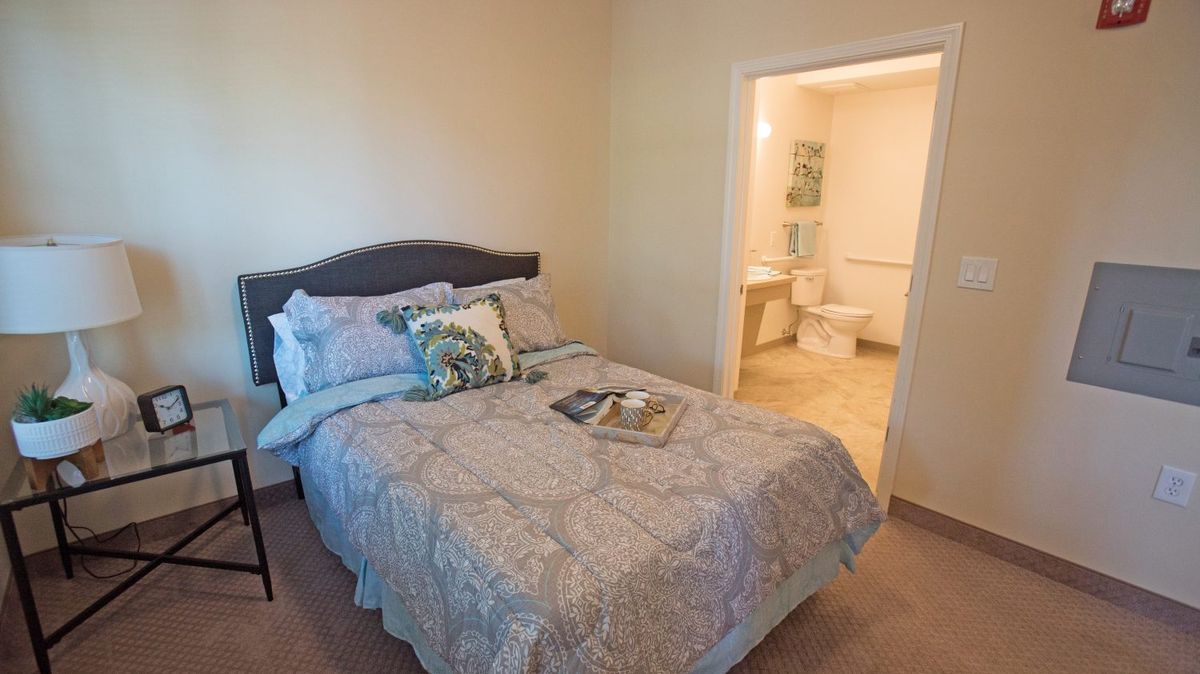
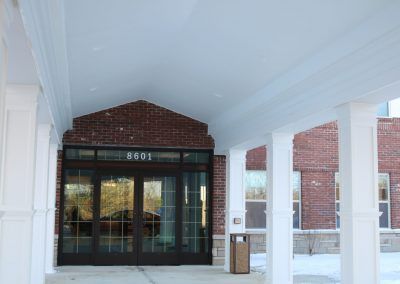
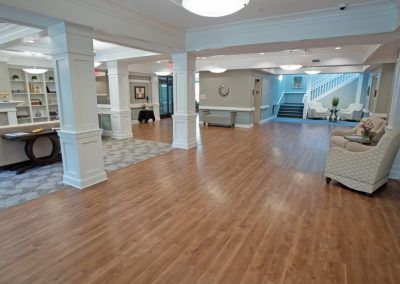
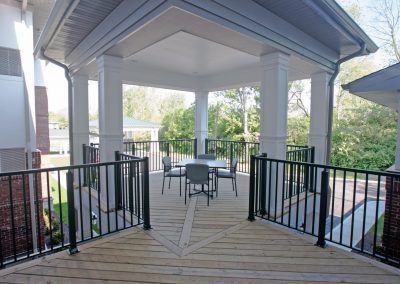
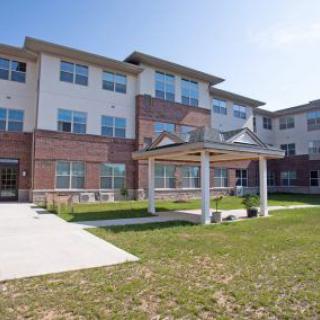
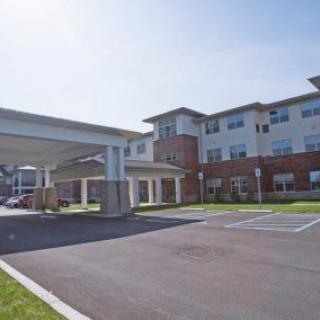
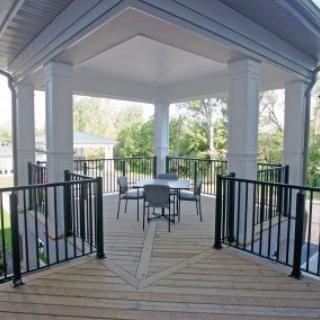
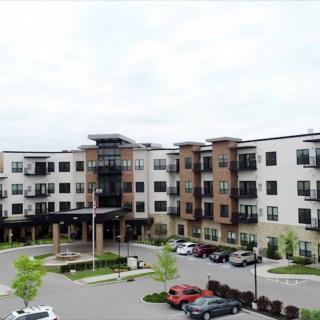
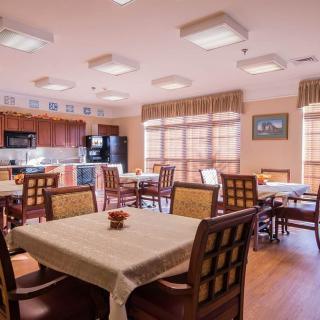
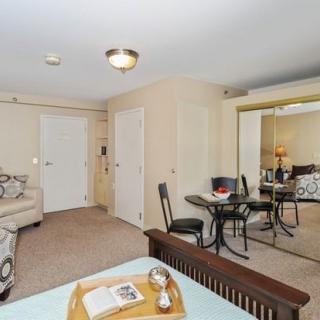
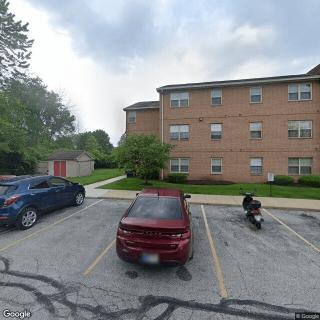
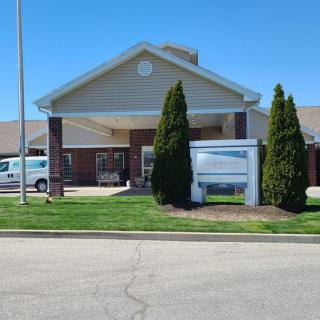
Hellenic Senior Living of Indianapolis on seniors.fyi includes 9 photos including images showing interior, building, architecture, exterior, bedroom, decor, living room, fireplace, and more.
Nearby Communities
University Heights Health And Living Community
Indianapolis, IN
4.7 from 116 reviews
Comprehensive on-site care options with extensive amenities.
Brookhaven at County Line
Indianapolis, IN
3.8 from 55 reviews
$672 to $803 / month
Well-maintained building with spacious, functional apartments, in-unit laundry, and friendly staff.
The Wellington At Southport
Indianapolis, IN
4.4 from 47 reviews
Full spectrum care options (Independent Living, Assisted Living, Memory Care) with 24/7 supervision and extensive on-site amenities.
Greenwood Health And Living Community
Greenwood, IN
4.7 from 125 reviews
Friendly, responsive staff in a clean facility.
Green Park Terrace
Indianapolis, IN
4 from 2 reviews
Peaceful Indianapolis location with easy access to parks, cafes, healthcare, restaurants, and places of worship.
Caregiver support groups are crucial for providing emotional and practical assistance to those caring for loved ones, offering resources, coping strategies, and a sense of community through various organizations and platforms. These groups help alleviate isolation and burnout while addressing the unique challenges faced by caregivers of individuals with specific conditions.
The guide outlines the complexities of Medicaid coverage for assisted living, highlighting significant state-to-state variations, limited coverage often restricted to personal care services, and the existence of specialized waivers for certain needs like memory care. It advises families to consult local Medicaid offices for options while emphasizing the importance of understanding state-specific regulations and facility policies.
Medicaid coverage for assisted living varies by state and is primarily available to low-income individuals, with eligibility dependent on strict income and asset limits. Some states offer HCBS waivers for specific services in assisted living, but families must generally cover room and board costs, and should verify facility acceptance of Medicaid while considering potential waiting lists.
Get PricingAsk A QuestionSchedule A TourContact Senior Advisor
By clicking submit, you agree to our Partner's Terms of Use. You
also consent to receive calls and texts, which may be autodialed, from our Partner. Your consent is not a condition to
using our Partner's service. Please visit our Partner's Privacy Policy for information about their privacy practices.










 125 resident community capacity
 Assisted Living
 Memory Care
 Activities off-site
 Air-conditioning
 Beautician on-site
 Cable or satellite TV
 Computer center
 Devotional services off-site
 Dining room
 Fitness room
 Fully furnished
 Gaming room
 Garden
 Handicap accessible
 Housekeeping services
 Indoor common areas
 Kitchenette
 Move-in coordination
 Outdoor common areas
 Private bathrooms
 Restaurant-style dining
 Small library
 Telephone
 Wellness center
 Wheelchair accessible showers
 Wi-Fi/high-speed internet available
 Indianapolis International (10 miles away)
 Community operated transportation
 24-hour call system
 Ambulatory care
 Assistance with bathing
 Assistance with dressing
 Assistance with transfers
 Diabetes diet
 Diabetic care
 Incontinence care
 Medication management
 Mental wellness program
 Special dietary restrictions
 Art classes
 Concierge services
 Cooking classes
 Day trips and outings
 Happy hour
 Karaoke
 Live dance or theater performances
 Live musical performances
 Trivia games
 Wii bowling
 Comprehensive on-site care options with extensive amenities.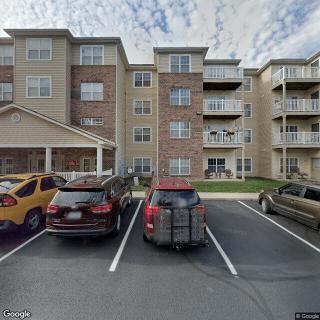


 22 Remarkable Caregiver Support Groups Available Online and In-Person
 Understanding Medicaid Coverage for Assisted Living: A Comprehensive Guide
 How and When Medicaid May Cover Assisted Living Costs