For more information about senior living options: (866) 208-4318
2.8 from 112 reviews
5 stars
44
4 stars
4
3 stars
0
2 stars
11
1 stars
53
Overall Review of Southpointe Healthcare Center
caveat27 reviews mention this
Care responses are inconsistent
Residents describe delayed or ignored call-light and medication support.
Many negative reviews focus on staffing and response time, with residents or families reporting long waits when they pressed call lights, delayed medication, and difficulty getting help for basic needs. Several accounts also describe weekends or after-hours as especially difficult, including nurses or aides allegedly not responding promptly. On the positive side, multiple reviewers say the staff is attentive, responsive to concerns, and takes time to listen, but those comments appear alongside frequent reports of lapses in care delivery.
caveat24 reviews mention this
Cleaning and room condition vary
Some residents and families report cleanliness and room condition issues.
A recurring concern in critical reviews is cleanliness, including descriptions of rooms or bathrooms being dirty or filthy, and some comments mentioning mold or rundown conditions. A smaller number of reviews counter this by saying the building is clean, facilities are well kept, and private rooms are maintained. Because both experiences show up in the reviews, cleanliness seems to depend on the situation and timeframe described by each reviewer.
common19 reviews mention this
Dining quality and temperature draw reactions
Dining quality is a frequent topic in resident and family reviews.
Several reviews mention food problems such as meals arriving cold, being hard to identify or unappetizing, and not matching dietary needs or expectations. Others describe the food more positively, saying it is good, meals look fresh, or dietary needs were handled well. Residents also reference smaller details like meal service timing and portions, which suggests the dining experience can range day to day.
differentiator22 reviews mention this
Therapy experiences split sharply
Rehab and therapy are described both as excellent and as insufficient.
Positive reviews repeatedly highlight therapy staff—especially physical and occupational therapy—as a key reason some people felt they improved, regained mobility, and left stronger. At the same time, multiple critical reviews report missing or insufficient therapy sessions, inadequate wound or personal care support, and rehab that did not match the promised level of help. Taken together, the reviews suggest therapy quality may vary widely by care situation, staffing, and scheduling.
caveat14 reviews mention this
Family communication can be hit-or-miss
Families describe difficulty getting updates and returning calls.
Some families say the facility does not return calls, share information slowly, or keep them waiting for care plan meetings and updates. Other reviewers describe strong communication, regular family updates, and staff being available to answer questions. The contrast suggests communication experience may depend on timing and staff coverage.
How we summarize
Counts show how many written reviews mention each theme; a review can touch several themes, and only frequently mentioned themes are displayed.
Features
Housing
100 resident community capacity
Types of Care
Assisted Living
Skilled Nursing Facility
Amenities
Air-conditioning
Beauty salon
Cable or satellite TV
Computer center
Dining room
Fitness room
Fully furnished
Gaming room
Garden
Housekeeping services
Kitchenette
Move-in coordination
Outdoor space
Private bathrooms
Restaurant-style dining
Small library
Telephone
Wellness center
Wi-Fi/high-speed internet available
Transportation
Indianapolis International (12 miles away)
Community operated transportation
Transportation arrangement
Care Services
24-hour call system
24-hour supervision
Activities of daily living assistance
Assistance with bathing
Assistance with dressing
Assistance with transfers
Diabetes diet
Meal preparation and service
Medication management
Special dietary restrictions
Dining
Diabetes diet
Special dietary restrictions
Activities
Community-sponsored activities
Concierge services
Fitness programs
Planned day trips
Resident-run activities
Scheduled daily activities
Videos
Nearby Places of Interest
Cafes
Starbucks (0.3 miles)
Starbucks (1.9 miles)
Starbucks (4.1 miles)
Starbucks (4.4 miles)
Restaurants
Ale Emporium Greenwood (0.4 miles)
Leon Mexican Cuisine (0.5 miles)
The Tailgate (0.6 miles)
Ben's Soft Pretzels (1.6 miles)
Chick-Fil-A (1.8 miles)
Cracker Barrel (1.8 miles)
McDonald's (1.8 miles)
Physicians
My Ortho Team (0.4 miles)
Franciscan Surgery Center (0.7 miles)
Midwest Eye Institute (0.7 miles)
Southside Pulmonary and Sleep Consultants (0.9 miles)
OrthoIndy Hospital South (1.1 miles)
Johnstone Family Practice (1.8 miles)
Clown Pediatrics PC (1.9 miles)
Transportation
Greenwood Municipal Airport (0.6 miles)
Pharmacies
CVS Pharmacy (0.8 miles)
Industrial Water Chemists (1.7 miles)
CVS Pharmacy (1.8 miles)
CVS Pharmacy (2.1 miles)
Walgreens (2.6 miles)
CVS Pharmacy (2.7 miles)
CVS Pharmacy (2.7 miles)
Hospitals
OrthoIndy South (1.1 miles)
Valle Vista Health System (1.8 miles)
Community Hospital South (2.6 miles)
St Francis Hospital Breast Center (4.4 miles)
Family Physicians Of Johnson County (5.3 miles)
Places of Worship
Living Word Bible Church (2.5 miles)
Our Lady Of The Greenwood Catholic Church (2.5 miles)
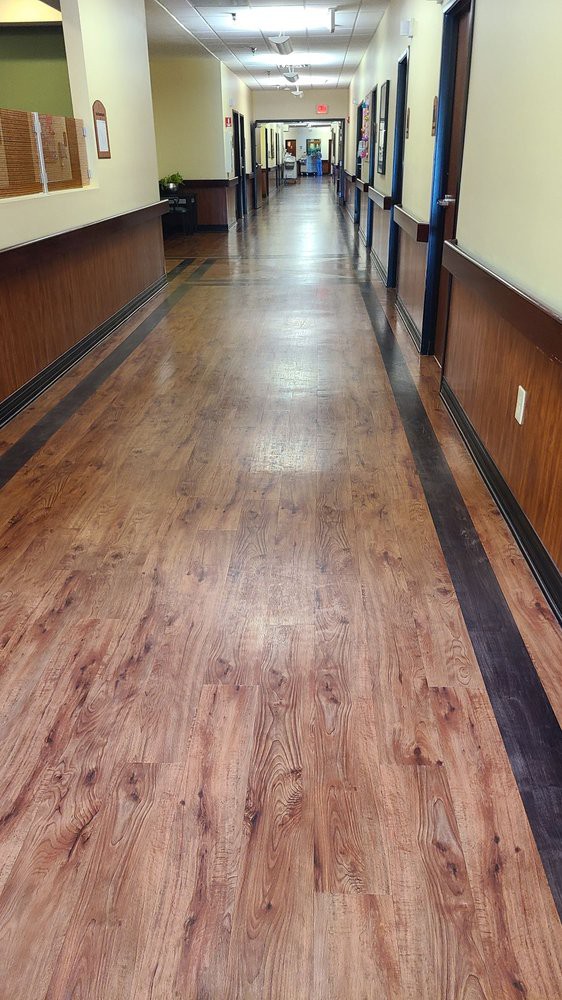
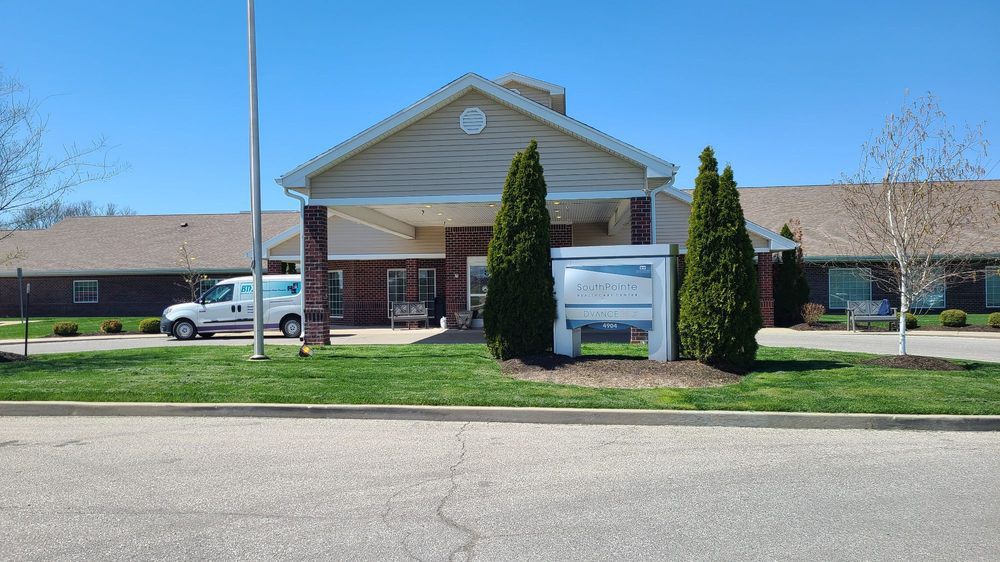
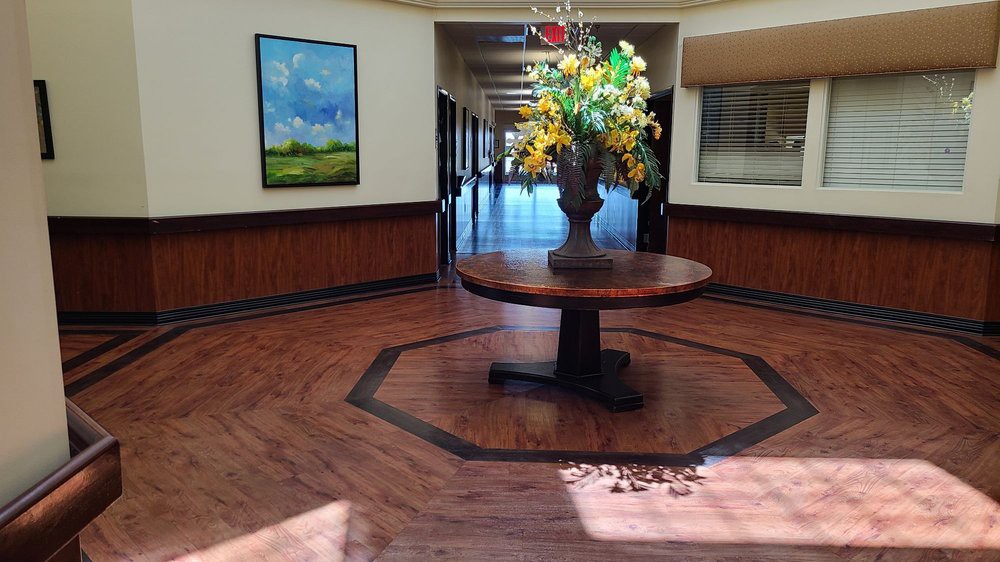
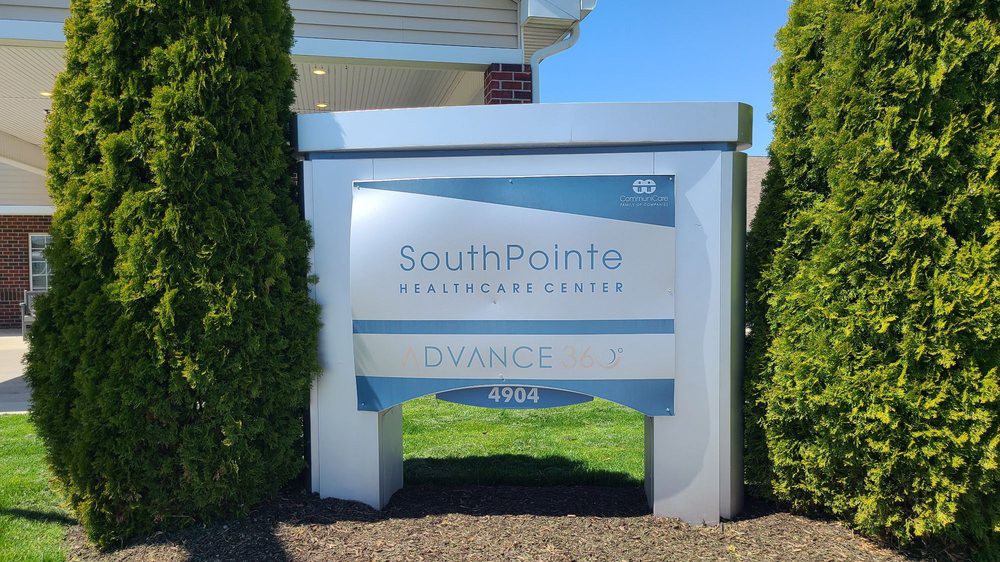
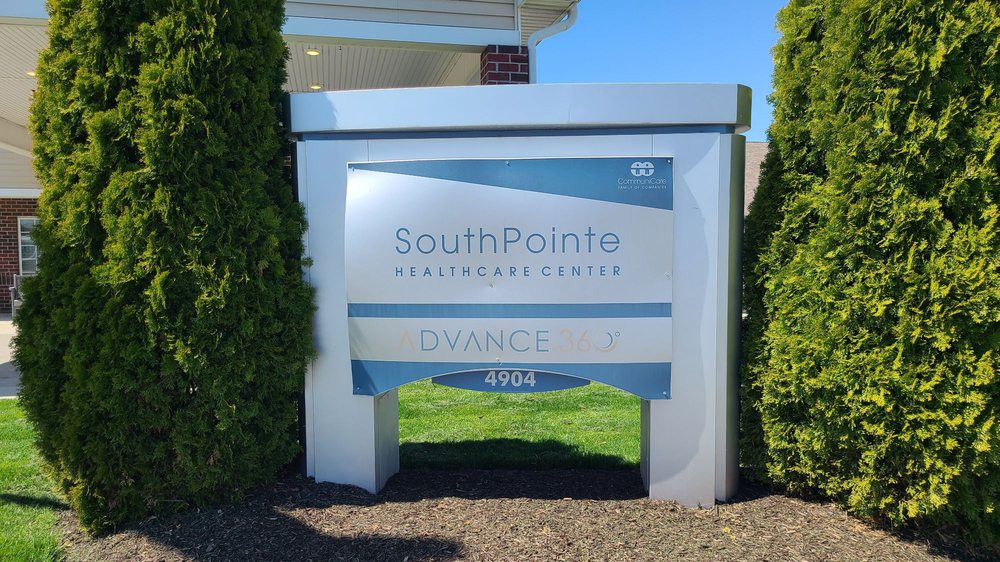
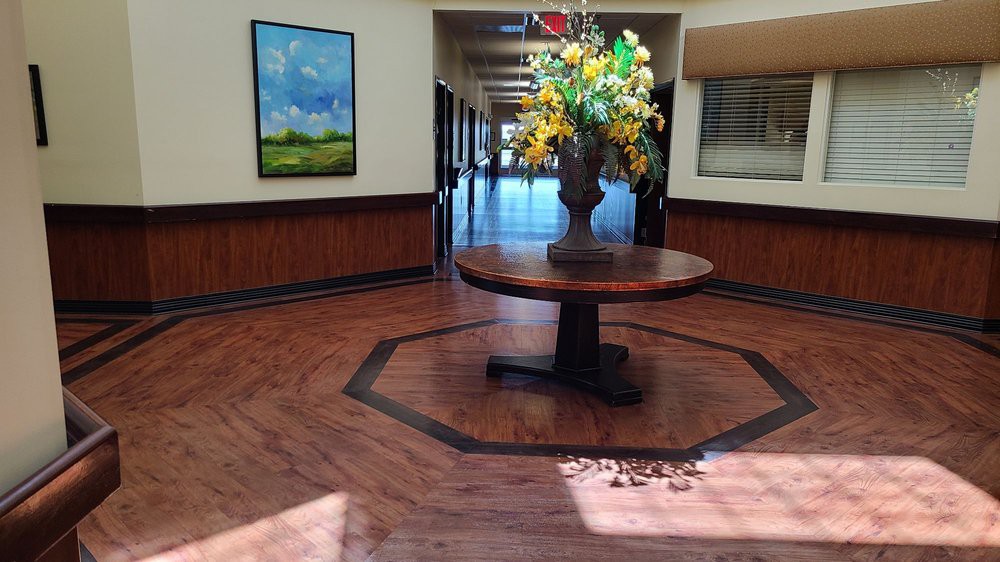
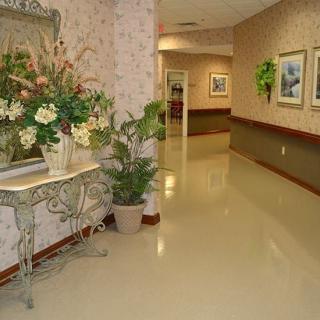
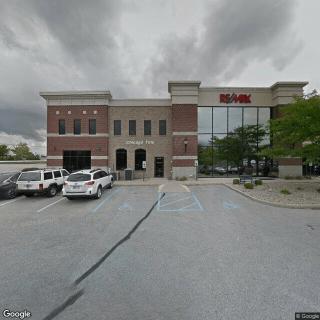
Southpointe Healthcare Center on seniors.fyi includes 6 photos including images showing hallway, interior, building, landscaping, painting, outdoor, decor, healthcare, and more.
Nearby Communities
Magnolia Springs Southpointe
Indianapolis, IN
4.6 from 180 reviews
$3,695 to $7,195 / month
Excellent care and dining; warm staff; engaging activities.
Rosegate Assisted Living
Indianapolis, IN
4.3 from 54 reviews
$1,715 to $2,745 / month
Welcoming, tight-knit community with engaging activities, spacious rooms, and good dining in a convenient location.
Stone Bridge
Indianapolis, IN
3.6 from 83 reviews
Small, personalized community with meals and medication management, plus Wi-Fi access.
Rosegate
Indianapolis, IN
3.7 from 112 reviews
Strong memory care focus with 24/7 supervision and extensive on-site amenities
Assisted living provides moderate support for seniors seeking independence, while memory care offers specialized support for individuals with dementia or cognitive impairments through structured routines and trained staff. Key differences include care approaches, environment security measures, staff training levels, activity types, and cost considerations.
Assisted living communities offer diverse activities beyond traditional games to enhance seniors' physical health, cognitive well-being, emotional enrichment, and social connections, including fitness classes, creative expression, and intergenerational interactions. These enriching programs foster community bonds and support residents' independence and happiness.
The article differentiates between assisted living and memory care, explaining that assisted living supports seniors with daily activities while promoting independence, whereas memory care provides specialized services for individuals with dementia, focusing on secure environments and cognitive support. It also addresses staff training, safety considerations, costs, family involvement, and transition strategies for families navigating these care options.
Get PricingAsk A QuestionSchedule A TourContact Senior Advisor
By clicking submit, you agree to our Partner's Terms of Use. You
also consent to receive calls and texts, which may be autodialed, from our Partner. Your consent is not a condition to
using our Partner's service. Please visit our Partner's Privacy Policy for information about their privacy practices.





 100 resident community capacity
 Assisted Living
 Skilled Nursing Facility
 Air-conditioning
 Beauty salon
 Cable or satellite TV
 Computer center
 Dining room
 Fitness room
 Fully furnished
 Gaming room
 Garden
 Housekeeping services
 Kitchenette
 Move-in coordination
 Outdoor space
 Private bathrooms
 Restaurant-style dining
 Small library
 Telephone
 Wellness center
 Wi-Fi/high-speed internet available
 Indianapolis International (12 miles away)
 Community operated transportation
 24-hour call system
 Activities of daily living assistance
 Assistance with bathing
 Assistance with dressing
 Assistance with transfers
 Diabetes diet
 Medication management
 Special dietary restrictions
 Concierge services
 Planned day trips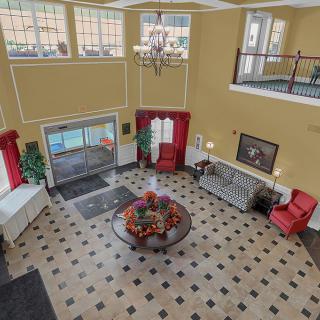
 Excellent care and dining; warm staff; engaging activities.




 Assisted Living and Memory Care: Understanding Their Core Differences
 Beyond the Bingo Hall: 50+ Enriching Activities for Seniors in Assisted Living
 Understanding the Distinctions: Assisted Living and Memory Care Explained