
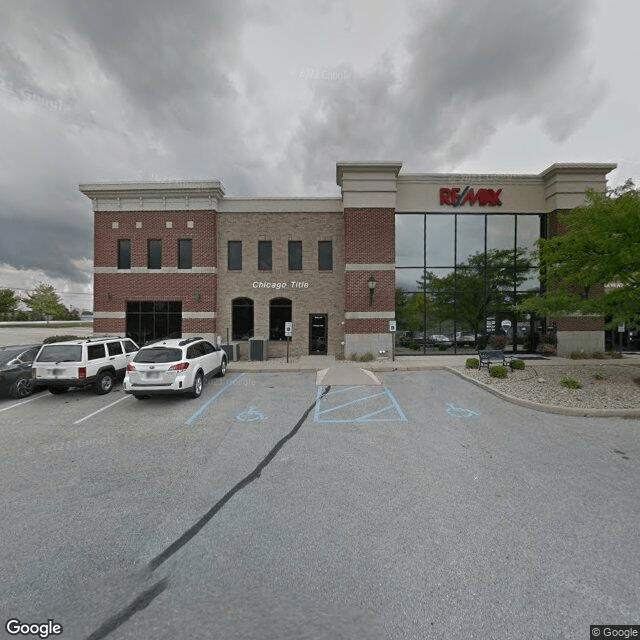
48 North Emerson Ave. Suite 300, Greenwood, IN 46143
To contact a resident: (317) 260-9605
For more information about senior living options: (866) 208-4318
Overall Review of Visiting Angels
Pros
 Visiting Angels provides caring, reliable support for loved ones.
- Jessica and Laura are praised for clear, helpful communication.
- The agency acknowledges its employees and values their contributions.
- Clients' loved ones feel happy and safe with Visiting Angels Greenwood.
- The caregivers are amazing, and the office staff is easy to work with; staff are polite and willing to help.
- The team goes above and beyond to meet families' needs and builds special bonds with clients.
- Earl Gardner is fantastic—punctual, patient, and personable.
- Visiting Angels offers Meet & Greets to ensure caregivers meet everyday needs and is described as respectful, loving, compassionate, and honest.
Cons
 The staff were horrible and unprofessional; they told the aid to leave and failed to provide proper care for a sister with dementia and oxygen needs.
- The agency is a joke; it takes months to find a consistent caregiver and they cannot communicate whether someone will be there, leaving families hanging.
- Scheduling failures left the dad without care for extended periods because there was no one available to attend to him.
- The service is described as a bad train wreck, with private-pay rates around $26 per hour and inconsistent care.
- A caregiver who was 68 years old and about 100 pounds was sent and did not feel comfortable helping the dad in the shower; subsequent staff refused basic chores.
- A caregiver sat for four hours watching television instead of performing tasks, indicating neglect of duties.
- One reviewer warns not to hire this agency.
Review
Visiting Angels in Greenwood, IN is best suited for families seeking in-home care with a strong emphasis on relationship-building between clients and caregivers, supported by responsive office communication. The model works well when the goal is ongoing assistance that feels personal and adaptable, with an emphasis on getting to know the loved one’s routines, preferences, and safety concerns. Families that value a meet-and-greet approach to ensure a caregiver fit, and who are prepared to stay actively involved in scheduling and caregiver matching, will likely have the most durable, positive experience. This agency tends to reward diligence in coordinating care and prioritizes making clients feel safe and valued at home.
Those who may want to consider alternatives include families who require unwavering, guaranteed caregiver consistency and a team with deeply tested dementia-specific protocols across multiple shifts. Several reviews highlight inconsistent caregiver coverage, scheduling gaps, and reliance on specific individuals rather than a uniformly trained staff. For households where even brief lapses could compromise safety or where a loved one has complex or high-acuity needs, the risk of missed shifts or uneven care can outweigh the benefits of the personal touch this agency offers. In such cases, exploring agencies with structured backup systems or different staffing models may be prudent.
On the upside, the strongest pros center on communication, warmth, and a willingness to go beyond basic tasks. Families repeatedly praise office staff for being easy to work with and responsive, with Jessica and Laura singled out for consistent follow-through. Clients report that their loved ones feel cared for, safe, and connected to caregivers who form meaningful bonds. The ability to arrange meet-and-greets helps families feel confident in the fit before care begins, and several reviews highlight caregivers who are punctual, patient, and genuinely invested in the person they serve. These advantages can translate into meaningful daily relief for families and meaningful emotional benefits for clients.
Yet the main cons are not trivial. There are multiple accounts of inconsistent staffing and missed visits, occasionally tied to delays in assigning a caregiver or shifting schedules. A handful of reviews describe unprofessional behavior or insufficient care, including a troubling instance where a caregiver reportedly left a client with dementia and oxygen needs inadequately managed. Other criticisms point to staffing that feels undertrained for certain tasks, with some aides declining to perform basic chores or personal care. Coupled with perceptions of high private-pay rates and uneven reliability, these factors create a real risk calculus that families must weigh carefully.
To mitigate these risks, prospective clients should demand a robust, written care plan that specifies assigned caregivers, back-up coverage, and escalation procedures. Insist on a structured caregiver-matching process with documented criteria and a trial period to assess compatibility. Seek assurances about on-call supervision, prompt communication for schedule changes, and ongoing training focused on dementia care and safety basics. Request routine updates and contact with a dedicated care manager who can coordinate tasks, monitor quality, and intervene quickly if issues arise. By setting clear expectations upfront, families can preserve the benefits of compassionate, home-based care while limiting exposure to the agency’s weaker areas.
In the end, Visiting Angels Greenwood presents a compelling option for families who prioritize personal connection, proactive communication, and a flexible approach to in-home care. The positives, caring, communicative staff; strong office support; and a process that emphasizes matching, can deliver real value to loved ones who thrive on stability of relationship and daily reassurance. However, the decision hinges on tolerance for occasional coverage gaps and variable caregiver performance. If reliability and uniform training across staff are non-negotiable, or if the budget cannot absorb potential scheduling hiccups, it makes sense to compare alternatives. A deliberate, interview-driven engagement with explicit performance expectations will reveal whether this agency is the right partner for the specific care journey ahead.
 Indianapolis International (13 miles away)



 9 Stimulating Memory Activities for Seniors: Puzzles, Cards, and Much More
 Managing Nursing Home Expenses After Medicare Coverage Ends
 Is a Geriatric Care Manager the Right Choice for Your Family?