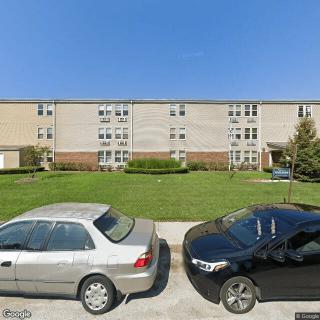
Bethany Village in Indianapolis, IN

Save

  • Interior

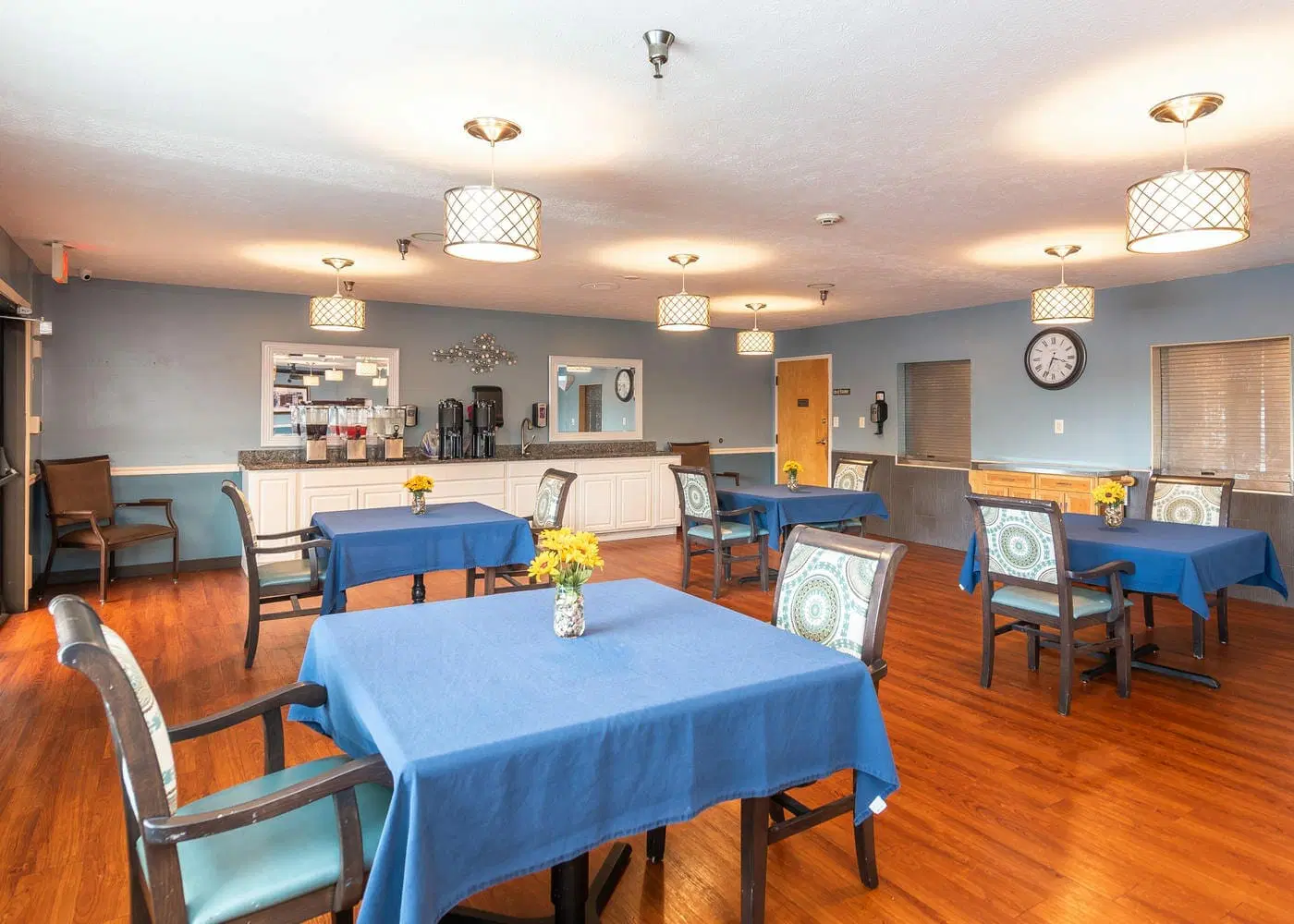
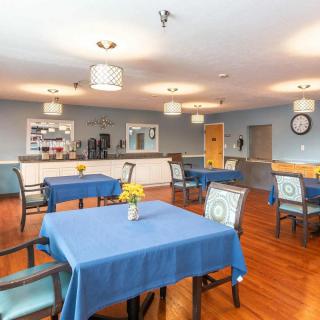
    A bright and inviting dining room with blue tablecloths and modern lighting fixtures.
  • Outdoors

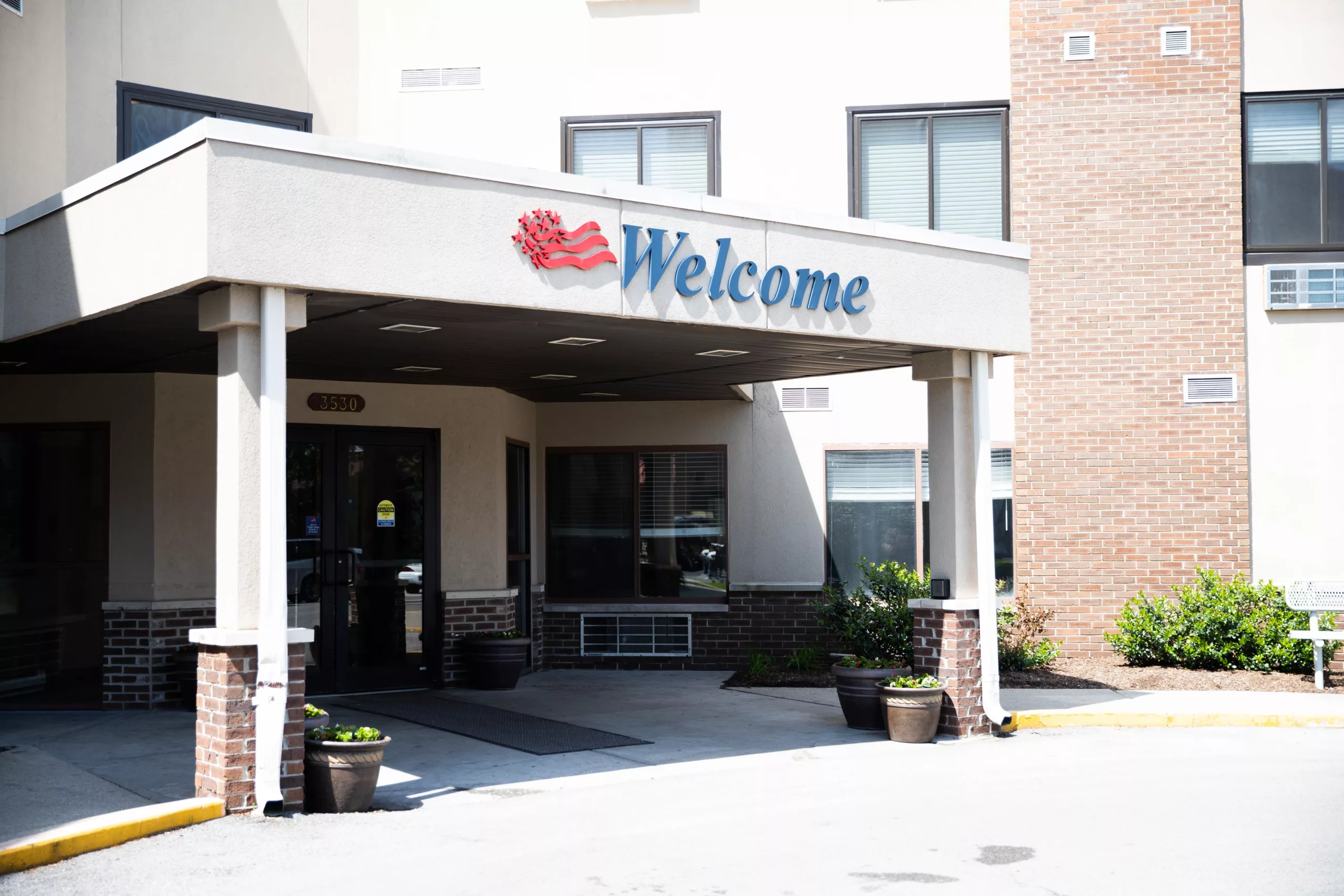
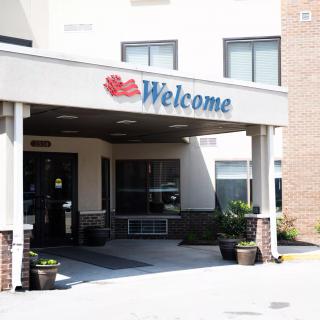
    The entrance of a building with a welcome sign and potted plants.
  • Decor

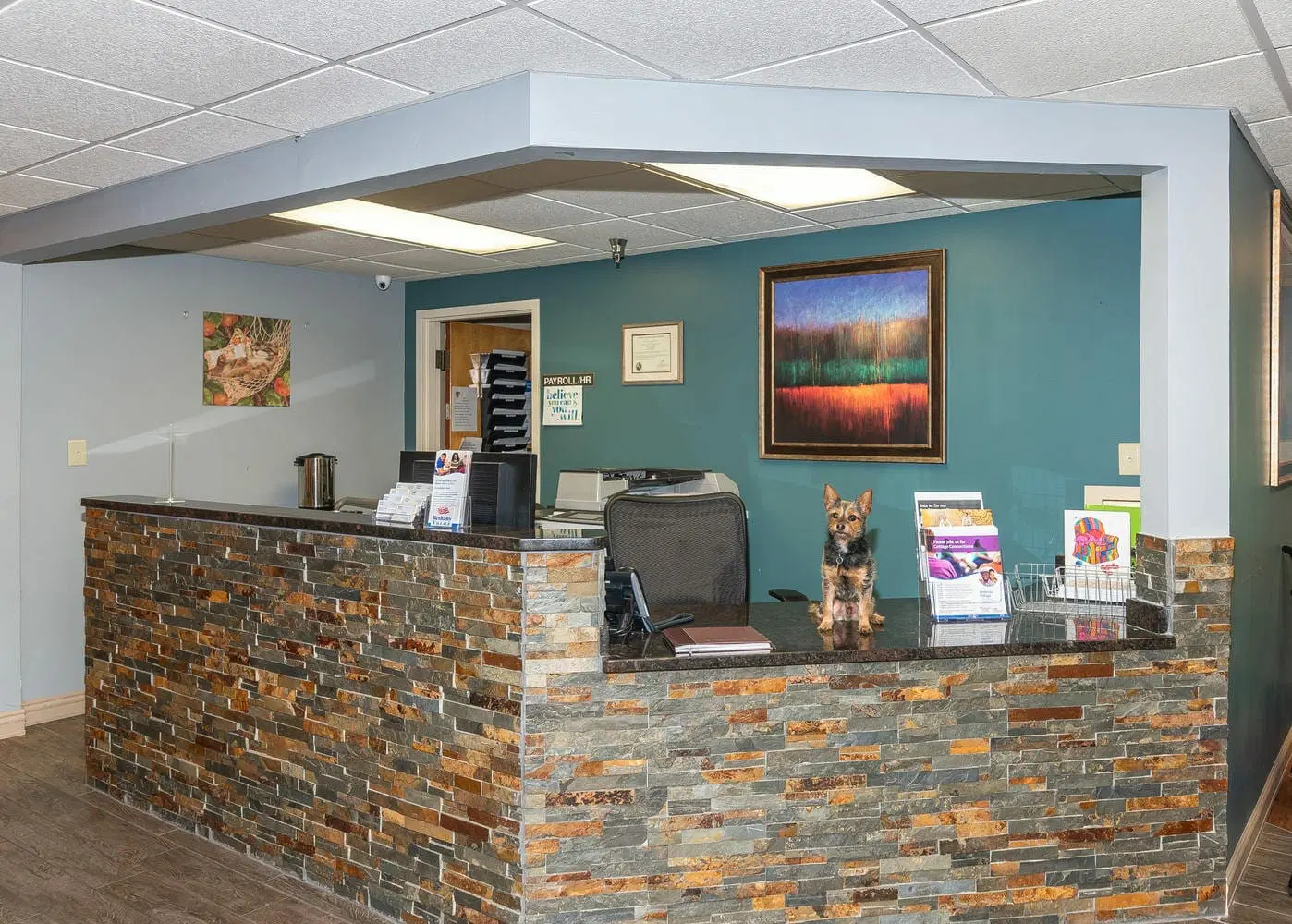
    A reception desk in an office with decorative stonework and artwork on the walls.
  • Trees

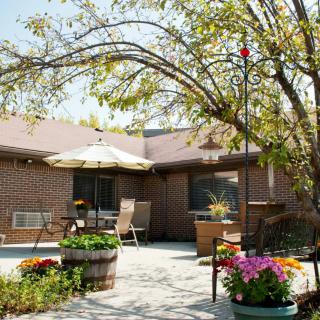
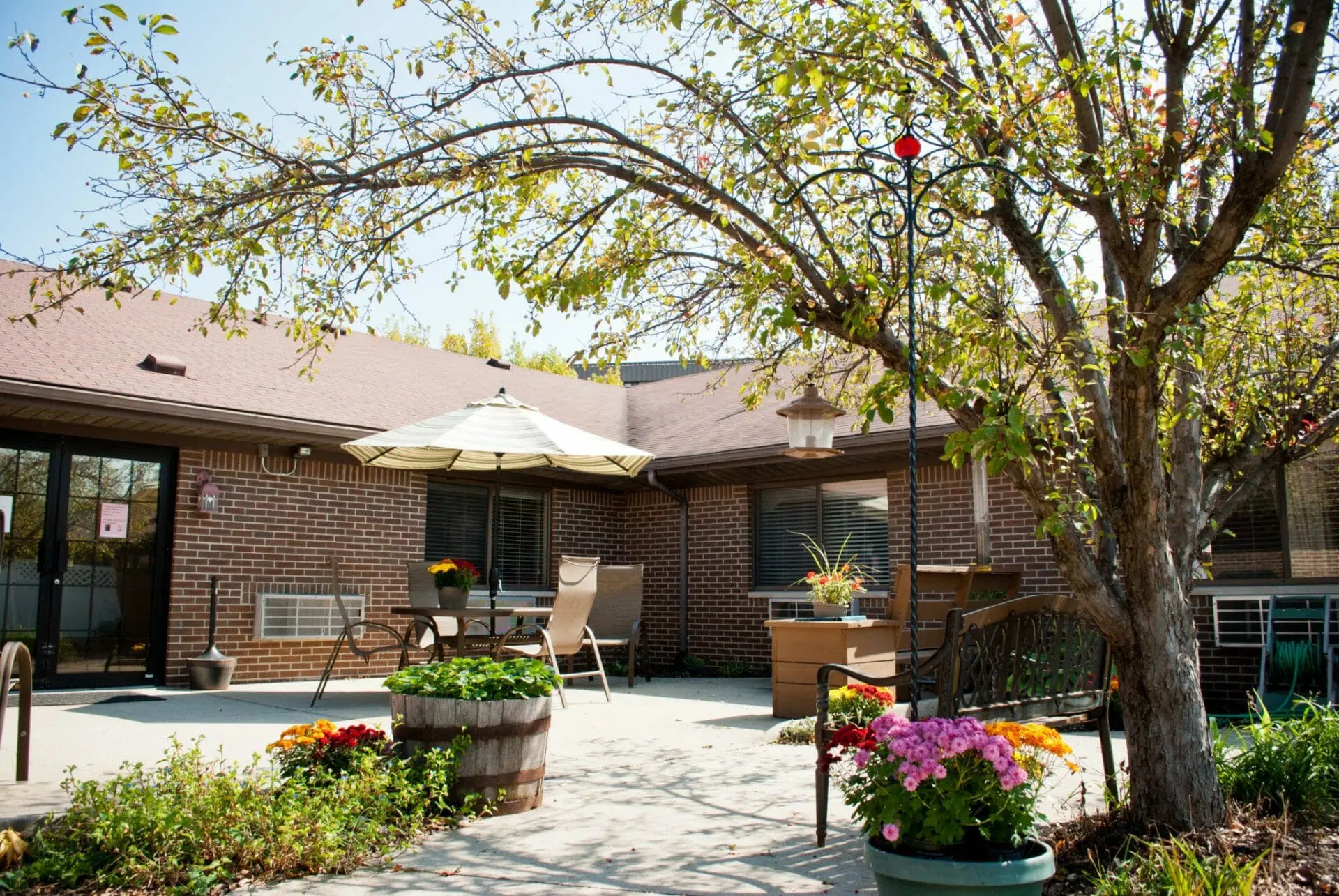
    A serene patio with comfortable seating, surrounded by vibrant flowers and lush greenery.
  • Dining

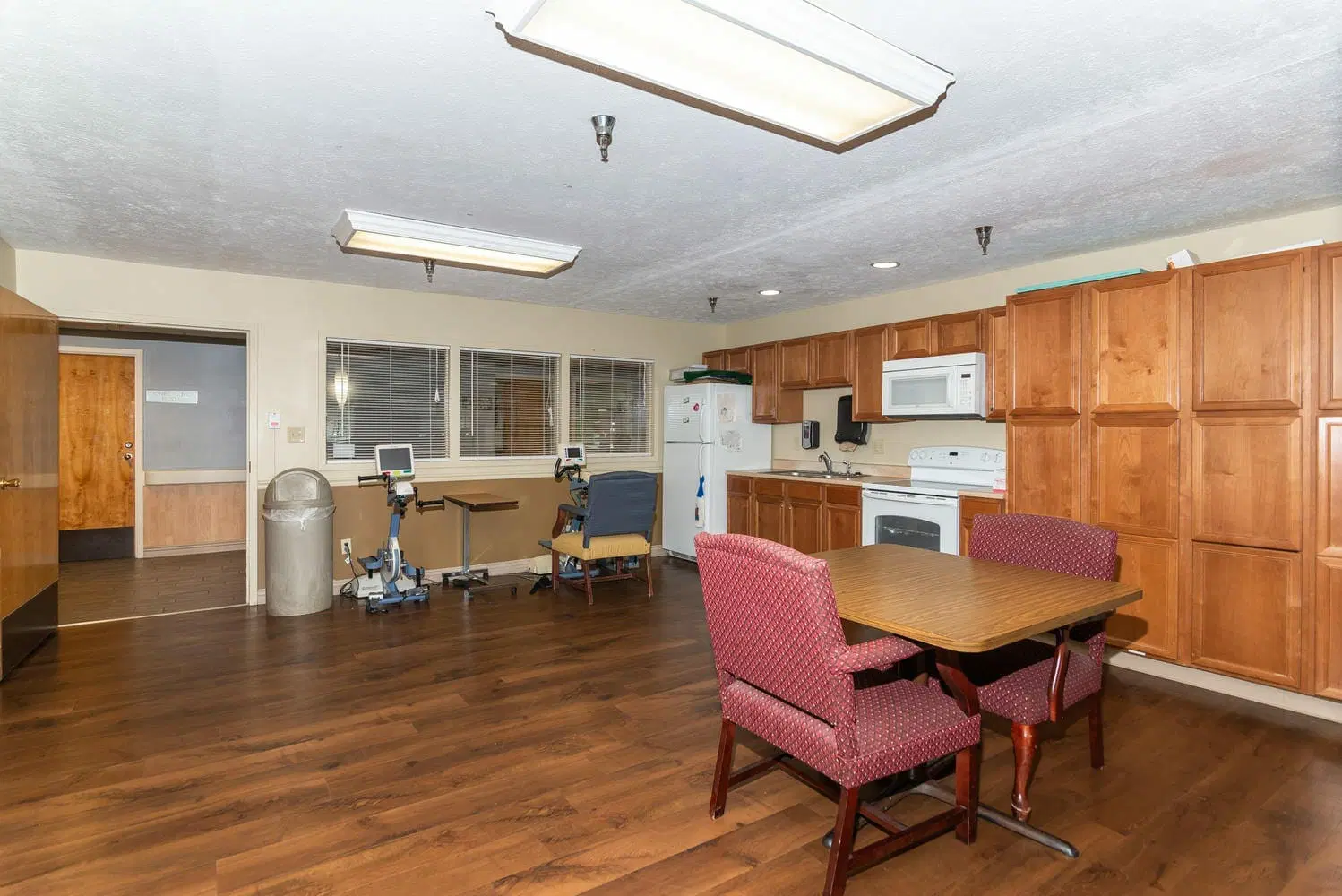
    A kitchen and dining area with wooden flooring, featuring a table with chairs, and equipped with appliances like a microwave, refrigerator, and oven.
  • Landscaping

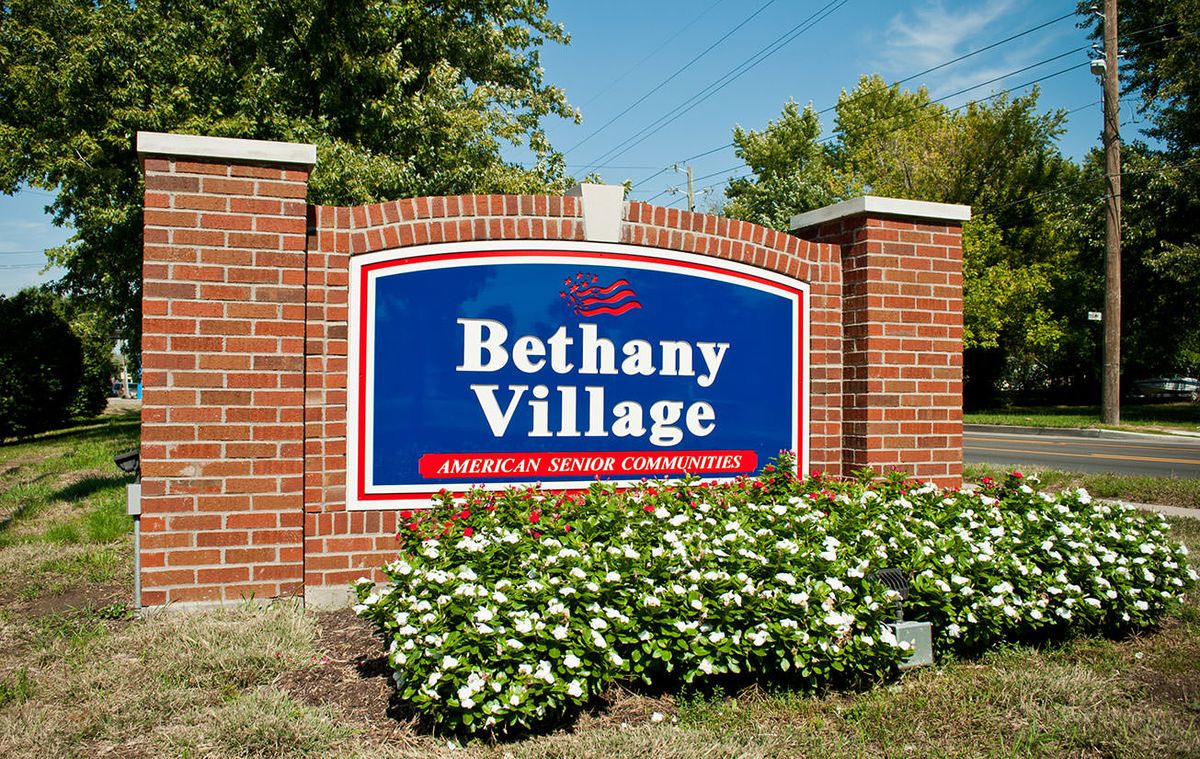
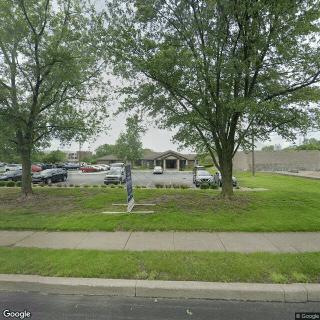
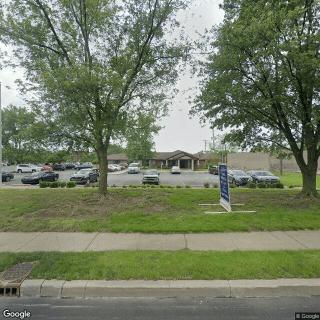
    Entrance sign for Bethany Village, a retirement community.

Bethany Village in Indianapolis, IN

3518 South Shelby Street, Indianapolis, IN 46227

For more information about senior living options: (844) 490-3973

3.9 from 91 reviews
5 stars
58
4 stars
8
3 stars
1
2 stars
4
1 stars
20

Assisted Living Memory Care Skilled Nursing Facility

Overall Review of Bethany Village

Pros

  • pro Bethany Village is an amazing community with caring staff and excellent services.
  • pro The environment is warm, clean, and well-maintained, with plenty of activities to engage residents.
  • pro The staff at Bethany Village are friendly, attentive, and treat residents like family.
  • pro The wound care and therapy teams are top notch, providing quality rehabilitation and care.
  • pro Neha, the Executive Director, is kind, knowledgeable, and a true patient advocate.
  • pro Madison, the Admissions Director, is informative, responsive, and keeps the team up to date.
  • pro Bethany Village has cared for residents for years with wonderful people from leadership to housekeeping.
  • pro The facility features therapy dogs that bring joy and positively impact residents' well-being.

Cons

  • pro The facility reportedly leaves residents lying on the floor for extended periods, with staff not noticing until repeatedly asked for help.
  • pro Care staff are described as understaffed and overwhelmed, resulting in neglected residents and delayed attention to those with special needs.
  • pro There are claims of medication errors and malpractice, including incorrect dosing and changes to medications without informing families.
  • pro Residents are said to be left in soiled conditions, not bathed, and rooms unsanitary.
  • pro Staff are described as rude, lazy, and uncaring at times, with residents being yelled at or ignored.
  • pro Families report poor communication: calls are not answered, messages dropped, and concerns not addressed.
  • pro Bedsores go untreated and equipment is broken or slow to be repaired, with long waits for basic needs like showers.
  • pro The environment is described as dirty and having strong odors, indicating poor cleanliness and sanitation.

Review

Bethany Village is best suited for families seeking a faith-centered, home-like environment in Indianapolis that leans into active rehabilitation and long-term care, with staff who often feel like extended family. The community shines for residents who value daily engagement, social connection, and religious or congregate activities as anchors of daily life. For families prioritizing a warm atmosphere, approachable leadership, and a robust therapy team that pushes for recovery, Bethany Village offers a clear, practical fit. The campus amenities - a friendly dog on site, a coffee bar, clean common areas, and an active activity calendar - reinforce a sense of belonging that many residents and families mention as a standout benefit.

But there are clear reasons some families will want to explore alternatives. The most persistent cautions cluster around staffing consistency and the ensuing day-to-day care quality. Night and weekend coverage is repeatedly identified as a weak point, with reports of delayed responses to call lights, missed hygiene tasks, and even gaps in monitoring that elevate risk for bedsores or rounds of discomfort. Memory-care experiences are particularly contested, with several families describing understaffed units, difficulties coordinating with management, and concerns about medication oversight. For families whose loved one requires meticulous medical oversight, continuous personal supervision, or a highly responsive team at all hours, alternatives with more pronounced 24/7 coverage and tighter clinical protocols may be prudent.

The strongest positives - dedicated, personable staff; an engaged leadership team; and a genuine sense that residents are treated like family - offset many of the structural concerns for a substantial subset of residents. Therapists and nursing staff are repeatedly praised for their competence and commitment, and the rehabilitation program is described as effective and goal-oriented, with residents often experiencing meaningful progress. The atmosphere of warmth, teamwork, and accessibility from executive leadership to frontline caregivers creates a reassuring backdrop for families who can stay involved, ask questions, and expect timely responses. When care teams are aligned and communication is proactive, the overall experience can feel markedly smoother and more compassionate than typical expectations of skilled nursing facilities.

Yet the cons are not easily dismissed. Several reviews recount episodes of neglect or delayed care, concerns about cleanliness or attention to basic needs, and troubling gaps in communication between staff, management, and families. Recurrent themes include inadequate response times, inconsistent supervision of aides, and situations where residents are left uncomfortable or unattended for extended periods. Food quality and consistency also receive mixed feedback, with some families praising meals and others describing offerings as subpar or misaligned with dietary needs. These patterns matter because they affect daily quality of life and can undermine confidence in the facility's ability to safeguard residents' health when issues arise. For families, the decisive question becomes whether the care gaps can be reliably anticipated and managed through close oversight or formal grievance pathways.

To mitigate risk, prospective residents should approach Bethany Village with a concrete plan: tour at different times to observe night and weekend operations, ask pointed questions about staffing ratios on each shift, verify the memory-care capabilities and current staffing levels in the unit, and review the facility's wound-care and medication-management protocols with the director of nursing. Engage admissions and therapy leadership early to align expectations on therapy intensity, length of stay, and discharge planning. Request references from families who have recent, relevant experiences, and insist on clear channels for daily updates and rapid escalation if concerns arise. If a loved one requires stringent daily monitoring, a facility known for variable responsiveness may not meet those needs without rigorous family involvement and a robust internal escalation process.

In the end, Bethany Village earns its credibility from a compassionate, capable core that resonates with families seeking a supportive, faith-aligned community and strong rehabilitation options. It is a compelling choice for those who can tolerate, or better, actively manage, the imperfect realities of a busy, multi-shift operation. For families where nightly responsiveness, flawless hygiene, and unambiguous medication safety are non-negotiables, Bethany Village should be weighed against alternatives with more consistent 24/7 coverage and stricter clinical governance. The decision rests on weighing the proven warmth and rehab strengths against the risk of care gaps; with diligent oversight, Bethany Village can be a dignified, life-affirming home.

Features

Housing

  • 100 resident community capacity 100 resident community capacity

Types of Care

  • Assisted Living Assisted LivingAssisted living facilities provide crucial support and care for seniors who may need help with daily tasks such as medication management, bathing, and meal preparation. These communities offer a safe and comfortable environment where seniors can maintain their independence while receiving the assistance they need to thrive in their golden years.
  • Memory Care Memory CareMemory care is crucial for seniors as it provides specialized support and services for individuals with dementia or Alzheimer's disease. These programs offer a safe and secure environment where residents receive personalized care, cognitive stimulation, and help with daily activities. Memory care helps seniors maintain their independence, quality of life, and dignity while also providing peace of mind for their families.
  • Skilled Nursing Facility Skilled Nursing FacilitySkilled Nursing Facilities are crucial for seniors as they provide round-the-clock medical care, rehabilitation services, and assistance with daily activities. These facilities ensure that seniors receive the specialized care they need to maintain their health and well-being as they age.

Amenities

  • Air-conditioning Air-conditioningAir conditioning is important for seniors as they are more vulnerable to heat-related illnesses and may have underlying health conditions that make it difficult for them to regulate their body temperature. It helps to keep them comfortable, safe, and healthy in hot weather.
  • Beauty salon Beauty salonBeauty salons are important for seniors because they provide a space for them to feel pampered, socialize, and maintain their personal grooming and hygiene. Regular visits to a beauty salon can help boost seniors' self-esteem and overall well-being.
  • Cable or satellite TV Cable or satellite TVCable or satellite TV is important for seniors because it provides entertainment, news, and companionship, helping to combat loneliness and boredom. It also offers a wide range of programming options tailored to different interests and preferences.
  • Computer center Computer centerA computer center is essential for seniors as it provides access to technology, communication tools, and resources that can enhance their daily lives. It allows them to stay connected with loved ones, engage in online activities, and learn new skills, ultimately promoting socialization and mental stimulation.
  • Dining room Dining roomDining rooms are important for seniors as they provide a space for socialization, connection, and nutritious meals. They offer opportunities for residents to bond over shared meals, foster a sense of community, and promote healthy eating habits. Dining rooms also ensure that seniors have access to well-balanced meals tailored to their dietary needs and preferences.
  • Fitness room Fitness roomHaving a fitness room in a senior living community is essential for seniors to stay active, maintain their physical health, and improve their overall well-being. Regular exercise can help prevent falls, reduce the risk of chronic diseases, and promote mental sharpness. It also provides social opportunities for residents to connect with others and enjoy a sense of community.
  • Fully furnished Fully furnishedFully furnished senior living communities are important for seniors because they provide convenience, comfort, and a hassle-free moving experience. Seniors can easily settle into their new living space without the stress of having to buy and move furniture. This allows them to focus on enjoying their new home and community.
  • Gaming room Gaming roomGaming rooms are important for seniors as they provide a fun and engaging environment for socializing, cognitive stimulation, and physical activity. Games can improve memory, problem-solving skills, and overall mental well-being while fostering friendships and reducing feelings of isolation.
  • Garden GardenGardens are important for seniors as they provide a peaceful and therapeutic environment for relaxation, physical activity, and socialization. Being in nature has been shown to reduce stress, improve mood, and promote overall well-being. Gardens also offer opportunities for seniors to engage in gardening activities, which can improve mobility, flexibility, and cognitive function. Additionally, gardens create a sense of community and connection with others who share a passion for plants and outdoor spaces.
  • Guasts at mealtime Guasts at mealtime"Guests at mealtime" offer seniors the opportunity for social interaction, companionship, and a sense of community during meals, which can help combat feelings of loneliness and isolation commonly experienced in senior living environments. It can also enhance their overall dining experience and improve their mental and emotional well-being.
  • Guest parking Guest parkingGuest parking is important for seniors because it allows their friends and family members to visit them easily and safely. Having convenient parking options can help combat feelings of isolation and loneliness, promote regular social interaction, and improve overall mental and emotional well-being for seniors in senior living communities.
  • Housekeeping services Housekeeping servicesHousekeeping services are important for seniors because they help maintain a clean and safe living environment, promote independence, and reduce the risk of accidents or illnesses. Additionally, having assistance with household chores can alleviate physical strain and allow seniors to focus on other aspects of their well-being.
  • Kitchenette KitchenetteKitchenettes are important for seniors living in senior living communities because they provide the convenience and independence of being able to prepare simple meals and snacks in the comfort of their own living space. This can help promote a sense of autonomy and well-being for seniors, allowing them to maintain some level of control over their dietary choices and daily routines.
  • Laundry LaundryLaundry services are important for seniors as they may have difficulty with physical tasks such as bending, lifting, or carrying heavy loads. Having access to laundry services can help seniors maintain personal hygiene, cleanliness, and independence in their daily lives.
  • Move-in coordination Move-in coordinationMove-in coordination is important for seniors because it helps ease the transition into their new living environment. It ensures that all logistics, such as packing, organizing movers, and setting up utilities are taken care of, allowing seniors to focus on settling in and adjusting to their new home. Having a smooth move-in process can alleviate stress and anxiety, making the transition smoother and more enjoyable for seniors.
  • Outdoor space Outdoor spaceOutdoor spaces are important for seniors as they provide opportunities for physical activity, social interaction, exposure to natural light and fresh air, and a sense of connection to nature. Having access to outdoor spaces can improve overall well-being and quality of life for older adults living in senior communities.
  • Private bathrooms Private bathroomsPrivate bathrooms are important for seniors in senior living communities because they provide independence, dignity, and comfort. Having a private bathroom allows seniors to maintain their personal hygiene routines without the need for assistance, promoting a sense of autonomy and privacy. Additionally, private bathrooms help prevent the spread of infections and provide a safe and clean environment for seniors to navigate safely.
  • Resident parking Resident parkingResident parking is crucial for seniors in a senior living community as it provides convenience, accessibility, and safety for residents who may have limited mobility or rely on personal vehicles for transportation. Having designated parking spaces ensures that seniors can easily access their homes without having to walk long distances or navigate crowded parking lots, ultimately enhancing their overall quality of life and sense of independence.
  • Respite or short term stays offered Respite or short term stays offeredRespite or short term stays provide seniors with a temporary solution when their regular caregiver is unavailable, offering them the opportunity to receive additional care and support during times of need, while also giving caregivers a chance to rest and recharge.
  • Restaurant-style dining Restaurant-style diningRestaurant-style dining is important for seniors because it allows them to enjoy delicious, nutritious meals in a social and upscale setting. This enhances their dining experience, promotes healthy eating habits, and fosters socialization with fellow residents, ultimately contributing to their overall well-being and quality of life.
  • Small library Small librarySmall libraries are important for seniors as they provide access to a variety of reading materials, including books, newspapers, and magazines. This can help stimulate their minds, keep them engaged, and provide a sense of community through book clubs and other social activities. Additionally, reading has been shown to improve cognitive function and overall mental well-being in older adults.
  • TV room TV roomTV rooms are important for seniors in senior living communities because they provide a space for social interaction, entertainment, and relaxation. Watching TV can help reduce feelings of loneliness and boredom, and create a sense of community among residents. Additionally, TV rooms offer a break from daily routines and can be a source of comfort and familiarity for seniors.
  • Telephone TelephoneTelephones are important for seniors as they provide a lifeline for communication with loved ones, emergency services, and healthcare providers. They offer a sense of security and independence, enabling seniors to stay connected and access assistance when needed.
  • Wellness center Wellness centerWellness centers are important for seniors because they offer a variety of programs and services that promote physical, mental, and emotional well-being. These centers provide opportunities for exercise, socialization, education, and relaxation, helping seniors maintain their overall health and quality of life.
  • Wi-Fi/high-speed internet available Wi-Fi/high-speed internet availableWi-Fi/high-speed internet is important for seniors to stay connected with loved ones, access online resources, and participate in virtual activities to combat feelings of loneliness and isolation. It also allows them to easily manage healthcare needs, access entertainment, and engage in lifelong learning opportunities.

Transportation

  • Indianapolis International (8 miles away) Indianapolis International (8 miles away)
  • Community operated transportation Community operated transportationCommunity operated transportation is crucial for seniors as it provides them with the means to access essential services, social activities, and medical appointments. It allows seniors to maintain their independence and quality of life by ensuring they can participate in activities outside of their homes. Additionally, community-operated transportation services offer a safe and reliable way for seniors to travel without having to rely on family or friends for assistance.
  • Transportation arrangement Transportation arrangementTransportation arrangements are crucial for seniors as they may face challenges with driving, mobility, or access to public transportation. Having reliable transportation services ensures that seniors can easily attend appointments, social activities, and maintain their independence and quality of life.
  • Transportation arrangement (non-medical) Transportation arrangement (non-medical)Transportation arrangements are essential for seniors as they provide access to essential services, activities, and social interactions outside the home. This service helps maintain independence, mobility, and overall well-being for seniors who may have limited transportation options.

Care Services

  • 12-16 hour nursing 12-16 hour nursing12-16 hour nursing care is crucial for seniors in order to ensure around-the-clock monitoring, timely medication administration, and prompt response to any health concerns or emergencies. This level of care helps to promote the overall well-being and safety of seniors living in senior living communities.
  • 24-hour call system 24-hour call system24-hour call systems are important for seniors because they provide peace of mind and immediate assistance in case of emergencies. This technology ensures that help is always available, promoting safety and security for elderly individuals living alone or in assisted living facilities.
  • 24-hour supervision 24-hour supervision24-hour supervision is important for seniors to ensure their safety, well-being, and access to immediate assistance in case of emergencies or health issues. This constant support provides peace of mind for both seniors and their loved ones, allowing them to age in place with dignity and security.
  • Activities of daily living assistance Activities of daily living assistanceActivities of daily living assistance are important for seniors because they provide essential support with tasks such as eating, bathing, dressing, and mobility. This assistance helps seniors maintain their independence, dignity, and overall quality of life as they age.
  • Assistance with bathing Assistance with bathingAssistance with bathing is crucial for seniors as it helps maintain personal hygiene, prevents infections, and ensures their overall well-being and comfort. It also provides a sense of dignity and independence for seniors who may struggle with this task on their own.
  • Assistance with dressing Assistance with dressingAssistance with dressing is important for seniors because it helps maintain their independence, promotes personal hygiene, prevents accidents and injuries, and improves overall quality of life. This service ensures that seniors can continue to dress comfortably and confidently, despite any physical limitations they may have.
  • Assistance with transfers Assistance with transfersAssistance with transfers is crucial for seniors as it helps prevent falls and injuries, maintains their independence, and ensures they can safely navigate their living environment. It also provides peace of mind for both seniors and their loved ones.
  • Coordination with health care providers Coordination with health care providersCoordination with health care providers is crucial for seniors to ensure proper medical care, medication management, and overall well-being. This collaboration helps prevent overlapping treatments, track progress more effectively, and provide comprehensive support tailored to individual needs.
  • Diabetes diet Diabetes dietA diabetes diet is crucial for seniors as it helps manage blood sugar levels, reduce risks of complications, and improve overall health and well-being. By following a balanced and nutritious diet tailored to their specific needs, seniors can better control their diabetes and enhance their quality of life.
  • Hospice care Hospice careHospice care is important for seniors as it provides specialized end-of-life support, pain management, and emotional comfort for both the senior and their loved ones. It allows seniors to maintain dignity, receive personalized care, and spend their remaining time in a peaceful and comfortable environment.
  • Meal preparation and service Meal preparation and serviceMeal preparation and service are crucial for seniors as they may have limited mobility or energy to cook nutritious meals. Having access to healthy and convenient food options can ensure they are getting the proper nutrition needed to maintain their overall health and well-being.
  • Medication management Medication managementMedication management is crucial for seniors to ensure they are taking the right medications at the correct dosages and times. This helps prevent adverse drug interactions, reduces the risk of medication errors, and promotes overall health and well-being. Proactive management also allows for adjustments as needed based on changing health conditions or new prescriptions.
  • Mental wellness program Mental wellness programMental wellness programs are essential for seniors as they promote cognitive stimulation, emotional support, and social engagement. These programs help prevent isolation, depression, and cognitive decline, ultimately enhancing the overall quality of life for older adults.
  • Mild cognitive impairment Mild cognitive impairment"Mild cognitive impairment" is important for seniors because it is an early stage of cognitive decline that can potentially progress to more severe conditions such as dementia. Recognizing and addressing mild cognitive impairment can help seniors receive appropriate care and support to maintain their quality of life and independence for as long as possible.
  • Physical therapy Physical therapyPhysical therapy is essential for seniors to maintain and improve their mobility, strength, and overall quality of life. It helps reduce pain, prevent falls, and enhance independence in daily activities. By promoting movement and function, physical therapy can help seniors stay active, healthy, and engaged in their communities.
  • Special dietary restrictions Special dietary restrictionsSpecial dietary restrictions are important for seniors because age-related changes in metabolism and health conditions can make it difficult for their bodies to process certain foods. By following a diet tailored to their specific needs, seniors can maintain their overall health and well-being, manage chronic conditions, and reduce the risk of complications such as malnutrition or food interactions with medications.
  • Specialized memory care programming Specialized memory care programmingSpecialized memory care programming is crucial for seniors with cognitive impairments such as dementia or Alzheimer's disease. These programs provide a safe and supportive environment tailored to the unique needs of individuals with memory loss, helping them maintain their independence, dignity, and quality of life.
  • Transportation arrangement (medical) Transportation arrangement (medical)Transportation arrangements for medical purposes are essential for seniors as they may have difficulty driving themselves to appointments or accessing public transportation. Having reliable and safe transportation options ensures that seniors can receive timely medical care and maintain their health and well-being.
  • Transportation to doctors appointments Transportation to doctors appointmentsTransportation to doctors' appointments is crucial for seniors as it ensures they have access to necessary medical care and support for their health needs. Without reliable transportation, seniors may struggle to attend important appointments, leading to potential delays in treatment and health complications. Providing transportation services helps seniors maintain their overall well-being and quality of life.

Dining

  • Diabetes diet Diabetes dietA diabetes diet is crucial for seniors as it helps manage blood sugar levels, reduce risks of complications, and improve overall health and well-being. By following a balanced and nutritious diet tailored to their specific needs, seniors can better control their diabetes and enhance their quality of life.
  • Room service Room serviceRoom service is important for seniors in a senior living community because it provides convenience and allows them to have their meals delivered directly to their room. This can be especially beneficial for seniors who may have mobility issues or difficulty accessing the dining area. Room service ensures that seniors are able to receive nutritious meals without having to navigate through the facility, allowing them to maintain their independence and overall well-being.
  • Special dietary restrictions Special dietary restrictionsSpecial dietary restrictions are important for seniors because age-related changes in metabolism and health conditions can make it difficult for their bodies to process certain foods. By following a diet tailored to their specific needs, seniors can maintain their overall health and well-being, manage chronic conditions, and reduce the risk of complications such as malnutrition or food interactions with medications.

Activities

  • Arts and crafts Arts and craftsEngaging in arts and crafts activities provides seniors with a creative outlet, promotes cognitive function, enhances dexterity and fine motor skills, fosters social interaction, and boosts overall well-being and mental health.
  • Community-sponsored activities Community-sponsored activitiesCommunity-sponsored activities are important for seniors as they provide opportunities for social interaction, mental stimulation, and physical activity. These activities can help improve overall well-being, combat loneliness and isolation, and promote a sense of belonging and purpose among older adults.
  • Concierge services Concierge servicesConcierge services are essential for seniors as they provide assistance with daily tasks and errands, enhance their quality of life by offering convenience and personalized care, and promote a sense of safety and security.
  • Educational speakers / life long learning Educational speakers / life long learningEducational speakers and lifelong learning opportunities are crucial for seniors as they provide mental stimulation, promote social engagement, and contribute to overall well-being. Continuous learning helps seniors stay mentally sharp, build new skills, and maintain a sense of purpose and fulfillment in their lives. It also allows them to stay connected to the world around them and fosters a sense of community within senior living facilities.
  • Fitness programs Fitness programsFitness programs are crucial for seniors as they help improve strength, flexibility, balance, and overall well-being. Staying active can reduce the risk of chronic diseases, improve mental health, and enhance quality of life in older adults.
  • Games GamesGames are an essential part of senior living as they help promote cognitive function, social interaction, and overall well-being. Playing games can improve memory, concentration, and decision-making skills while also providing a fun and engaging way to connect with others. Seniors who participate in games regularly tend to experience higher levels of satisfaction and happiness in their daily lives.
  • Live musical performances Live musical performancesLive musical performances can provide seniors with a sense of joy, nostalgia, and connection. Music has the power to evoke emotions and memories, improve mood and cognitive function, and foster social interaction among seniors. It can also serve as a form of therapy and stress relief for older adults, making it an important activity to include in senior living communities.
  • Planned day trips Planned day tripsPlanned day trips are important for seniors because they offer opportunities for socialization, mental stimulation, and physical activity. They provide a change of scenery and help seniors stay engaged and connected to their community, promoting overall well-being and quality of life.
  • Religious services Religious servicesReligious services provide seniors with a sense of community, support, and spiritual fulfillment, which can improve their overall well-being and mental health. It also offers them opportunities for socialization and connection with others who share their beliefs.
  • Resident-run activities Resident-run activitiesResident-run activities are important for seniors as they encourage social interaction, creativity, and a sense of autonomy. These activities empower seniors to stay engaged and active in their community while fostering meaningful connections with their peers.
  • Scheduled daily activities Scheduled daily activitiesScheduled daily activities are important for seniors because they provide structure, socialization, mental stimulation, and physical activity. Engaging in regular activities can improve overall well-being and quality of life for seniors living in a community setting.
  • Stories StoriesStories are important for seniors because they provide a sense of connection, stimulate memory and cognitive function, and offer entertainment and emotional engagement. Sharing stories can foster social interaction and create a sense of community among seniors, enhancing their overall well-being and quality of life.

Description

Bethany Village in Indianapolis, IN is an assisted living community that offers Memory Care and Skilled Nursing Facility services. Our residents enjoy a wide range of amenities including a beauty salon, cable or satellite TV, community operated transportation, a computer center, dining room, fitness room, fully furnished accommodations, gaming room, garden space, guests allowed at mealtime, guest parking, housekeeping services, kitchenette in every unit, laundry facilities on-site, move-in coordination assistance, outdoor spaces to relax and socialize in, private bathrooms for each resident, designated resident parking areas,respite or short-term stays are available, restaurant-style dining options for meals provided by our professional culinary staff,a small library and comfortable TV room for relaxation and entertainment purposes telephones provided in each unit. Wi-Fi/high-speed internet access is also available throughout the campus.

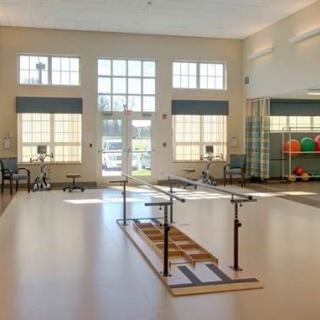
We provide a comprehensive range of care services including 24-hour call system and supervision to ensure the safety and well-being of our residents. Assistance with activities of daily living such as bathing and dressing is readily available. We coordinate with health care providers to meet any specific medical needs our residents may have. Specialized dietary plans can be accommodated including diabetes diets or other dietary restrictions as necessary. Medication management is provided by our trained staff. Mental wellness programs are offered to support cognitive health. Physical therapy services are available on-site as needed.

Our community offers various dining options including room service and special dietary restrictions are taken into consideration when planning meals. Residents can enjoy a variety of activities sponsored by the community such as fitness programs or educational speakers/life-long learning opportunities. Games and live musical performances are regularly scheduled events along with planned day trips for residents to explore the local area nearby parks,Hospitals/Pharmacies/Cafes/Physicians/Worship places/theaters etc.. Religious services are held regularly for those who wish to participate.Residents have the opportunity to run their own activities too and there are several scheduled daily activities to choose from. Stories are shared regularly to create a vibrant and engaging community atmosphere.

In addition, our location is conveniently close to two cafes, three parks, twelve pharmacies, five physicians, twenty-four restaurants and one place of worship. This ensures easy access to various amenities and services for our residents.

At Bethany Village, we strive to provide a warm and caring environment where our residents can thrive in the company of others while receiving the necessary assistance they need.

Nearby Places of Interest

Physicians

  • Oak Street Health (0.9 miles)
  • Indiana Kidney Specialists (2.1 miles)
  • Windrose Health Network (2.2 miles)
  • Dr Richard Stanley, DPM (3.9 miles)
  • Riley Pediatric Neurology - IU Health Simon Cancer Center (4.6 miles)
  • Johnstone Family Practice (5.3 miles)
  • Greenwood Orthopedics (5.3 miles)

Pharmacies

  • CVS Pharmacy (1.5 miles)
  • CVS Pharmacy (1.6 miles)
  • Walgreens (2.1 miles)
  • CVS Pharmacy (2.4 miles)
  • Dista Products Company (2.9 miles)
  • CVS Pharmacy (3.3 miles)
  • Walgreens (3.4 miles)

Restaurants

  • McDonald's (1.8 miles)
  • McDonald's (2.9 miles)
  • Anthony's Dugout (3 miles)
  • Tappers Arcade Bar (3.1 miles)
  • Yolk (3.3 miles)
  • Slippery Noodle Inn (3.4 miles)
  • The Crane Bay (3.4 miles)

Cafes

  • Starbucks (3.3 miles)
  • Starbucks (4.9 miles)
  • Starbucks (6.2 miles)

Places of Worship

  • Living Word Bible Church (3.5 miles)
  • Suburban Baptist Church (5.4 miles)

Parks

  • Meridian Woods Park & Neighborhood (3.7 miles)
  • White River State Park (3.9 miles)
  • Military Park (4.1 miles)
  • Watkins Park (6.1 miles)

Theaters

  • Living Room Theaters (4.5 miles)

Hospitals

  • Indiana University Hospital (4.6 miles)
  • Newborn Follow-Up Program, Riley Hospital for Children at IU Health (4.8 miles)
  • Simon Family Tower (4.8 miles)
  • Eskenazi Hospital (4.9 miles)
  • Sidney & Lois Eskenazi Hospital (4.9 miles)
  • Richard L. Roudebush Va Medical Center (5 miles)
  • St Francis Hospital Breast Center (5.1 miles)

Transportation

  • Greenwood Municipal Airport (6.3 miles)

Frequently Asked Questions

Where is Bethany Village?
Does Bethany Village provide care for residents with dementia or Alzheimer's disease?
What photos are available for Bethany Village in Indianapolis, Indiana?

Nearby Communities

  • Bethany Village Healthcare

    Bethany Village Healthcare

    Indianapolis, IN

    3.9 from 85 reviews
     

    pro Abundant nearby amenities and healthcare access.

  • Ide Management

    Ide Management

    Indianapolis, IN


    pro Excellent nearby access to healthcare, dining, parks, and cultural amenities.

  • Bethany Village Assisted Living

    Bethany Village Assisted Living

    Indianapolis, IN

    4.1 from 40 reviews
    $1,740 to $2,165 / month

    pro Friendly staff with comprehensive care options.

  • Bethany Village - Assisted Living

    Bethany Village - Assisted Living

    Indianapolis, IN

    4.2 from 36 reviews
     

    pro Caring, attentive staff focused on resident comfort and recovery.

  • Waters Of Indianapolis

    Waters Of Indianapolis

    Indianapolis, IN

    4.2 from 54 reviews
     

    pro Luxurious amenities with comprehensive care.

  • Fairway Village

    Fairway Village

    Indianapolis, IN

    4.3 from 25 reviews
     

    pro Comprehensive memory care and skilled nursing with 24/7 supervision and care coordination.

  • Altenheim Health & Living Community

    Altenheim Health & Living Community

    Indianapolis, IN

    3.6 from 129 reviews
     

    pro Beautiful, well-staffed facility with engaging activities.

  • Spruce Manor Apartments

    Spruce Manor Apartments

    Indianapolis, IN

    3.9 from 15 reviews
     

  • Churchman Woods

    Churchman Woods

    Indianapolis, IN

    3.1 from 20 reviews
    $550 to $650 / month

    pro Very affordable pricing ($550 1BR, $650 2BR) and pet-friendly; strong on-site and outdoor amenities.

Related Resources

  • does my mom have dementia quizFive Subtle Dementia Indicators to Observe: An In-Depth Guide to Understanding “Does My Mom Have Dementia?”

    The article presents five subtle indicators of dementia, such as memory lapses and mood swings, to help families assess cognitive decline in loved ones. It emphasizes early detection, open communication, and seeking professional help while providing practical support steps.

  • dementia paranoiaDementia, Paranoia, and Caregiver Guidance: Understanding the Connection

    Dementia encompasses progressive neurological disorders that impair cognitive functions and can lead to paranoia due to cognitive decline and emotional changes. The article discusses the triggers of paranoia in dementia, caregiver strategies for managing it, and the importance of distinguishing between dementia-related paranoia and other psychiatric conditions.

  • memory care activitiesEngaging Memory Care Activities That Enhance Quality of Life
    Memory care activities are essential for improving the quality of life of seniors with cognitive impairments, as they stimulate cognitive function, promote well-being, and encourage social interaction through tailored strategies. These activities combine structured exercises with spontaneous tasks, sensory engagement, physical workouts, creative pursuits, and intergenerational interactions to enhance emotional connection and a sense of purpose.