Anthology of Meridian Hills offers competitive pricing for its various room types when compared to both Marion County and the broader state of Indiana. For example, a studio apartment at Anthology is priced at $2,450 per month, significantly lower than the county average of $2,869 and the state average of $3,258. Similarly, residents seeking a one-bedroom option will find Anthology's rate of $3,710 to be higher than the local county average of $2,917 but still comparable to the state's average of $3,300. The semi-private rooms are priced at $5,510, which exceeds both county and state averages - $3,689 and $3,739 respectively - indicating a premium offering in this category. Finally, for those opting for two bedrooms, Anthology's cost of $5,850 also falls above local ($2,997) and state ($3,208) averages. Overall, while some offerings at Anthology reflect higher costs than local benchmarks - particularly in semi-private and two-bedroom options - the studio rates provide an attractive alternative amidst rising housing costs in the region.
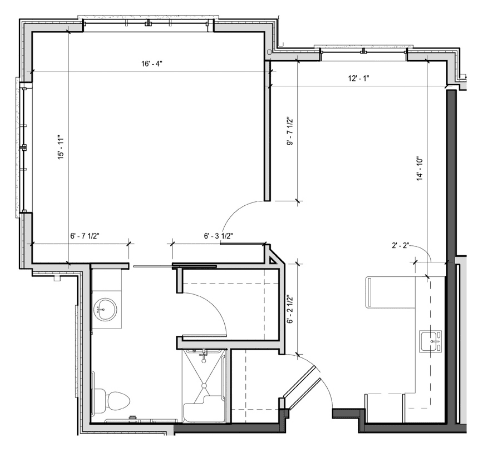
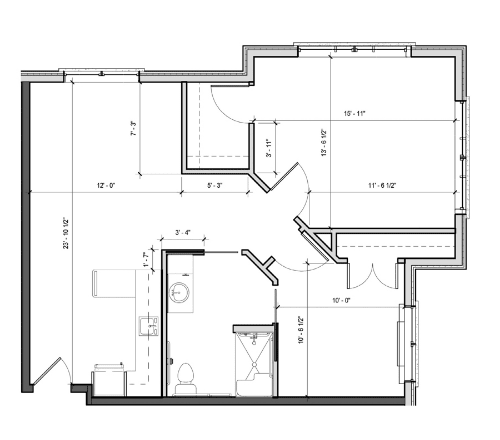
Floor plans
Anthology of Meridian Hills
Marion County
Indiana
Studio
$2,450
$2,869
$3,258
1 Bedroom
$3,710
$2,917
$3,300
Semi-Private
$5,510
$3,689
$3,739
2 Bedrooms
$5,850
$2,997
$3,208
Memory care communities with a similar price nearby
Dining stands out for quality food and attentive service.
Several residents and families praise the quality of the food and describe it as better than what they expected, including holiday meals. Reviews mention a more restaurant-style dining experience rather than institutional food, and at least one person highlights the chef’s recipes. The community also offers restaurant-style dining and room service, which aligns with the way residents talk about meal experiences.
common30 reviews mention this
Staff responsiveness and cleanliness
Residents describe consistently caring, communicative staff and a clean environment.
Across many reviews, families point to kind, professional staff who take their roles seriously and keep loved ones’ apartments clean and well maintained. People also describe staff as attentive to needs—such as proactively following up when supplies run low—and providing updates to families. One review notes the community smells fresh, and others mention a well-kept building and common areas. This lines up with the community’s offered housekeeping services and its focus on ongoing daily support through care services.
caveat11 reviews mention this
Memory care complaints are serious
Some memory-care reviews report understaffing and difficulty managing care needs.
A recurring concern in memory-care-focused reviews is that staffing and training were not adequate, leading to problems with medication handling, responsiveness to call-bell requests, and safe support during daily routines. Several reviewers describe negative outcomes that led to moving residents out or changing care plans, alongside claims of poor communication and insufficient collaboration across staff. While some residents describe memory care staff positively, the negative experiences are detailed and repeated, so it’s a theme worth weighing carefully. The community does offer memory care programming and specialized memory care services, but residents’ reports about performance vary significantly.
caveat2 reviews mention this
Night staffing gets criticized
A few reviews say night-time help is hard to find.
Some reviewers report limited availability at night, including being unable to find staff when help was needed. In at least one account, the nursing station is described as empty during night hours, contributing to long waits for assistance. Even when other aspects of care are praised, this is a clear operational complaint that comes up in separate reviews.
caveat3 reviews mention this
Higher pricing is a drawback
Multiple reviewers call the community pricey compared with alternatives.
A few reviews explicitly mention that the community is expensive, and one notes that pricing increased while service quality declined in their experience. The pricing comparisons provided for this listing also show rates running below county and state averages across unit types, but reviews still raise the concern that it feels costly day to day. If cost is a top priority, these accounts suggest confirming what’s included for the level of care your family needs.
How we summarize
Counts show how many written reviews mention each theme; a review can touch several themes, and only frequently mentioned themes are displayed.
Features
Housing
102 resident community capacity
1-bedroom apartments
2-bedroom apartments
Studio apartments
Types of Care
Assisted Living
Memory Care
Amenities
Activities off-site
Activities on-site
Air-conditioning
Beautician on-site
Beauty salon
Cable or satellite TV
Computer center
Devotional services off-site
Devotional services on-site
Dining room
Fitness room
Fully furnished
Gaming room
Garden
Ground floor units
Handicap accessible
Housekeeping services
Indoor common areas
Kitchenette
Move-in coordination
Outdoor common areas
Outdoor space
Private bathrooms
Respite or short term stays offered
Restaurant-style dining
Small library
Telephone
Wellness center
Wheelchair accessible showers
Wi-Fi/high-speed internet available
Transportation
Indianapolis International (15 miles away)
Community operated transportation
Transportation arrangement
Transportation arrangement (non-medical)
Care Services
12-16 hour nursing
24-hour call system
24-hour supervision
Activities of daily living assistance
Ambulatory care
Assistance with bathing
Assistance with dressing
Assistance with transfers
Coordination with health care providers
Dementia waiver
Diabetes diet
Diabetic care
High acuity care
Hospice waiver
Incontinence care
Meal preparation and service
Medication management
Mental wellness program
Mild cognitive impairment
Special dietary restrictions
Specialized memory care programming
Transportation arrangement (medical)
Transportation to doctors appointments
Dining
Anytime dining
Diabetes diet
Guest meals
Low / no sodium
Meals provided
Professional chef
Restaurant style dining
Room service
Special dietary restrictions
Special dining programs
Vegetarian
Activities
Art classes
Catholic services
Community-sponsored activities
Concierge services
Cooking classes
Day trips and outings
Devotional activities offsite
Devotional activities on-site
Educational speakers / life long learning
Fitness programs
Happy hour
Live musical performances
Live well programs
Planned day trips
Resident-run activities
Scheduled daily activities
Visiting chaplain or priest
Wine tasting
Nearby Places of Interest
This area of Indianapolis, Indiana offers a variety of amenities and services that may be appealing to seniors looking for a convenient and vibrant community. The proximity to healthcare facilities such as Indiana Neuroscience Associates, Hematology Oncology of Indiana, and St Vincent Hospital Trauma ICU ensures access to quality medical care. Additionally, there are several cafes and restaurants nearby including Starbucks, Panera Bread, and The Cheesecake Factory for dining options. Places of worship such as Second Presbyterian Church and St Luke Catholic Church provide spiritual support. Parks like Holliday Park and Central Park Playground offer opportunities for outdoor recreation. Overall, this area provides a mix of healthcare, dining, recreation, and transportation options making it a potentially ideal location for senior living in Indianapolis.
Physicians
Indiana Neuroscience Associates (0.8 miles)
Midwest Eye Institute (1.8 miles)
Hematology Oncology of Indiana (1.9 miles)
Indiana Hand to Shoulder Center (1.9 miles)
Avruc (2 miles)
Meridian Plastic Surgeons (2.1 miles)
Northwest Radiology Network (2.2 miles)
Cafes
Starbucks (1 miles)
Starbucks (1 miles)
Starbucks (2.8 miles)
Panera Bread (3.7 miles)
Starbucks (4.6 miles)
Homemade Ice Cream & Bakery Café (4.9 miles)
Panera Bread (5.9 miles)
Restaurants
McDonald's (1 miles)
Big Lug Canteen (1.1 miles)
Jimmy John's (1.1 miles)
Seasons 52 (2.4 miles)
The Cheesecake Factory (2.6 miles)
BRU Burger Bar - Keystone (2.7 miles)
Flatwater Restaurant (2.9 miles)
Places of Worship
Second Presbyterian Church (1.1 miles)
St Luke Catholic Church (1.3 miles)
Orchard Park Presbyterian Church (2.5 miles)
College Park Church (2.8 miles)
Holy Trinity Church (4 miles)
First Friends Church (4.1 miles)
Pharmacies
Walgreens (1.2 miles)
CVS Pharmacy (1.3 miles)
CVS Pharmacy (1.4 miles)
Market District Pharmacy (2.8 miles)
CVS Pharmacy (2.9 miles)
CVS Pharmacy (3.1 miles)
CVS Pharmacy (3.1 miles)
Hospitals
St Vincent Hospital Trauma ICU (2.1 miles)
Trauma /Neuro ICU (2.1 miles)
Franciscan St Francis Health (3.9 miles)
Orthoindy (5.9 miles)
Parks
Holliday Park (2.8 miles)
Central Park Playground (2.8 miles)
Gray Road Park (4.4 miles)
Meadowlark Park (5 miles)
Founders Park (5.5 miles)
Lakeside Park (5.8 miles)
Transportation
National Car Rental (3.6 miles)
U-Haul Moving & Storage at Michigan Rd (4.1 miles)
Anthology of Meridian Hills offers competitive pricing for its various room types when compared to both Marion County and the broader state of Indiana. For example, a studio apartment at Anthology is priced at $2,450 per month, significantly lower than the county average of $2,869 and the state average of $3,258. Similarly, residents seeking a one-bedroom option will find Anthology's rate of $3,710 to be higher than the local county average of $2,917 but still comparable to the state's average of $3,300. The semi-private rooms are priced at $5,510, which exceeds both county and state averages - $3,689 and $3,739 respectively - indicating a premium offering in this category. Finally, for those opting for two bedrooms, Anthology's cost of $5,850 also falls above local ($2,997) and state ($3,208) averages. Overall, while some offerings at Anthology reflect higher costs than local benchmarks - particularly in semi-private and two-bedroom options - the studio rates provide an attractive alternative amidst rising housing costs in the region.
The features offered by the Anthology of Meridian Hills are designed to create a supportive and nurturing environment for residents with memory challenges. With 24-hour supervision, residents receive constant monitoring that enhances their safety and security, while assistance with activities of daily living--such as bathing, dressing, and transfers--ensures their dignity and personal hygiene are maintained. Coordination with health care providers facilitates tailored medical oversight, complemented by medication management to ensure adherence to prescribed treatments. The incontinence care provided respects individual needs and promotes comfort, while meal preparation and service cater to specific dietary requirements, fostering both nutrition and social engagement during mealtimes. A mental wellness program addresses cognitive health holistically, supported by specialized memory care programming that utilizes best practices to stimulate cognitive function. Additionally, transportation arrangements for medical appointments eliminate logistical barriers that may affect access to care. Together, these comprehensive services promote not only physical well-being but also emotional support for individuals navigating the complexities of dementia or Alzheimer's disease.
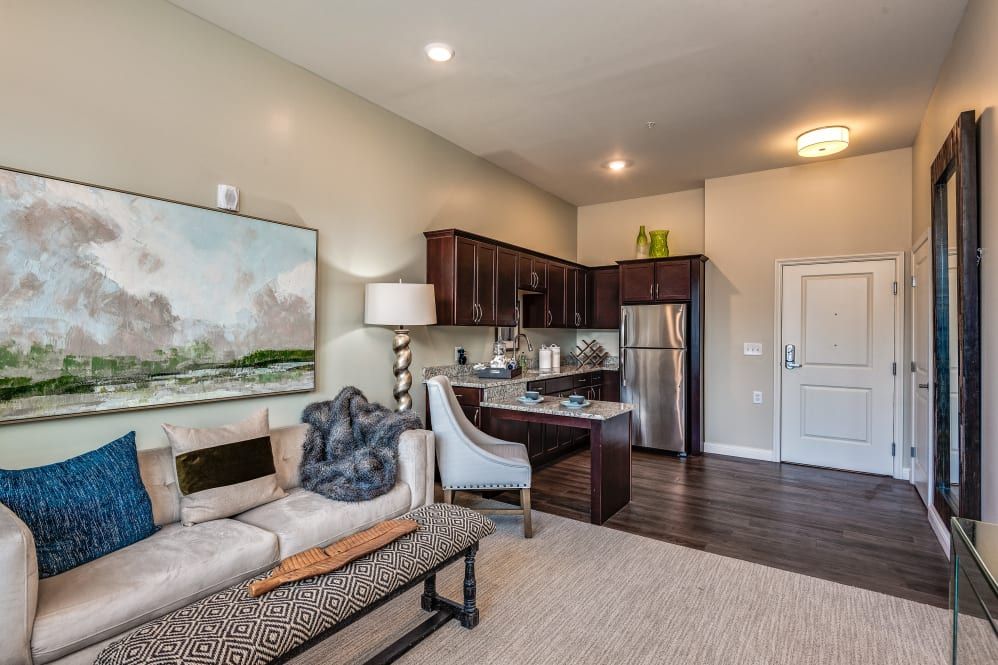
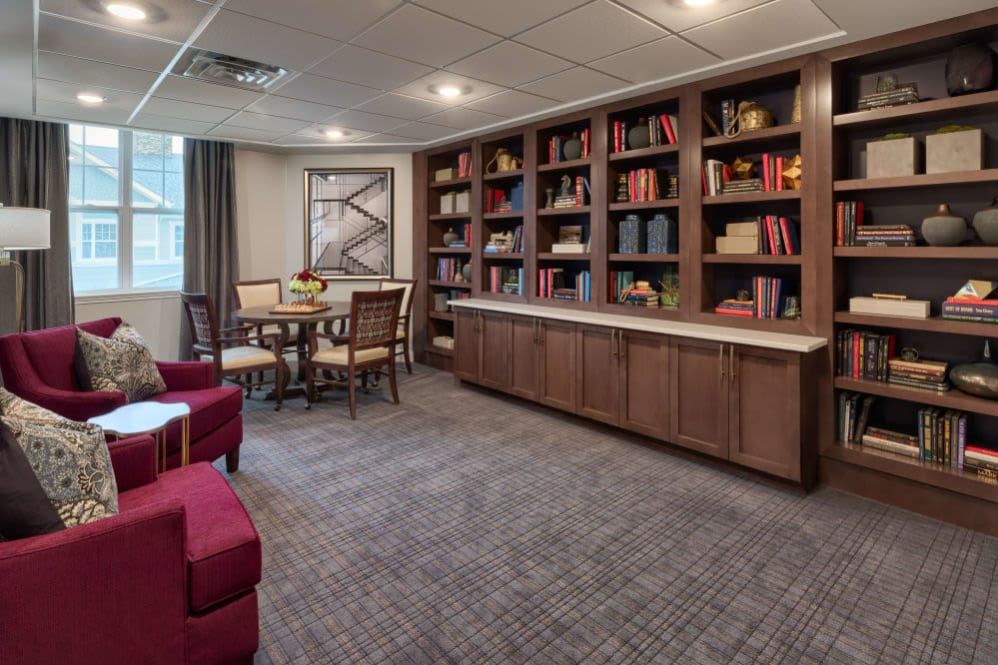
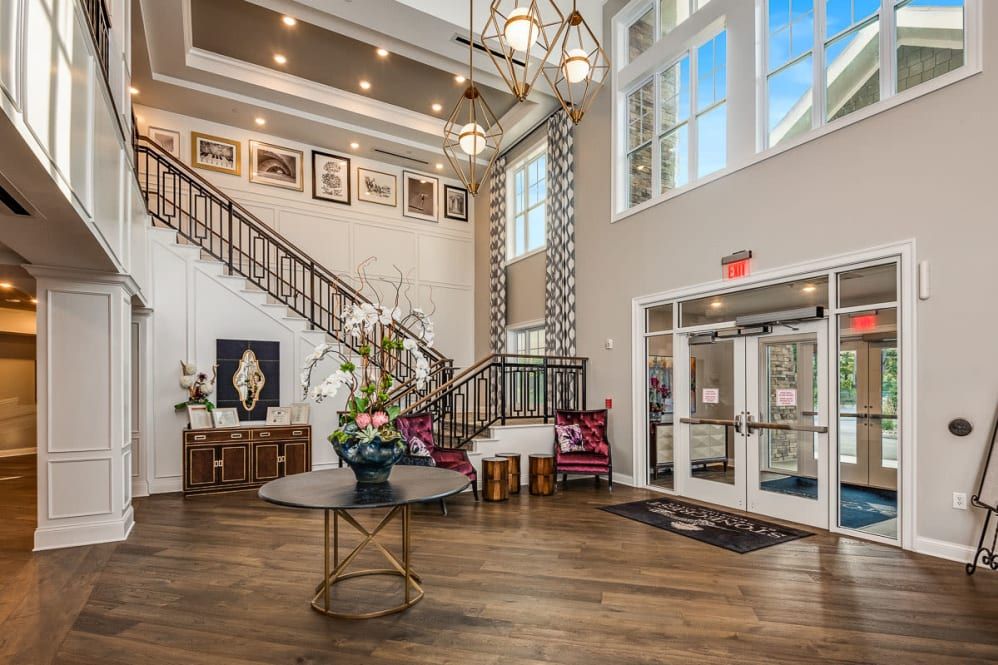
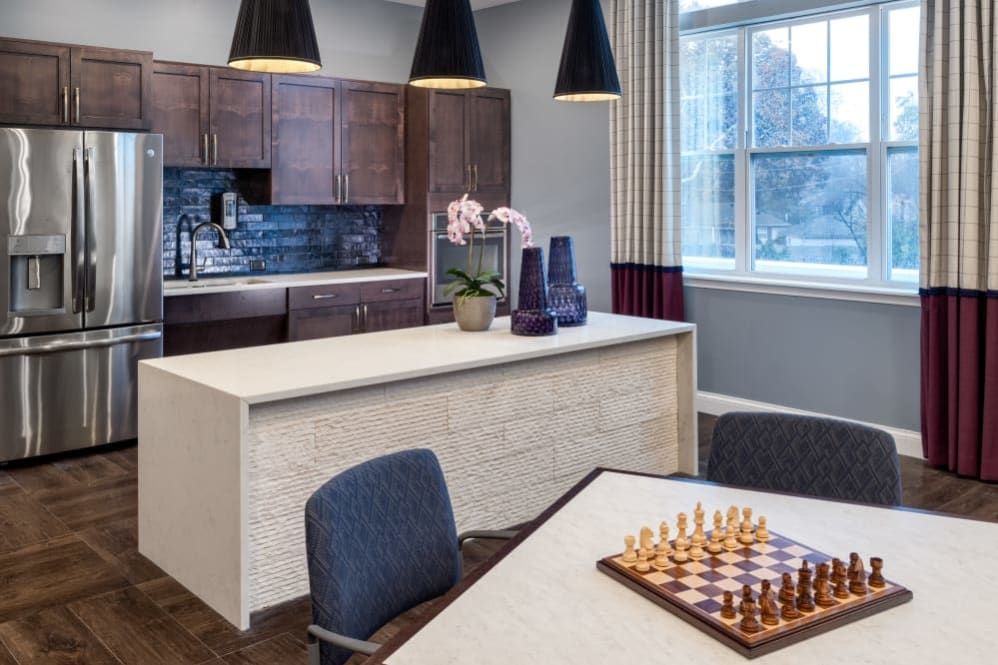
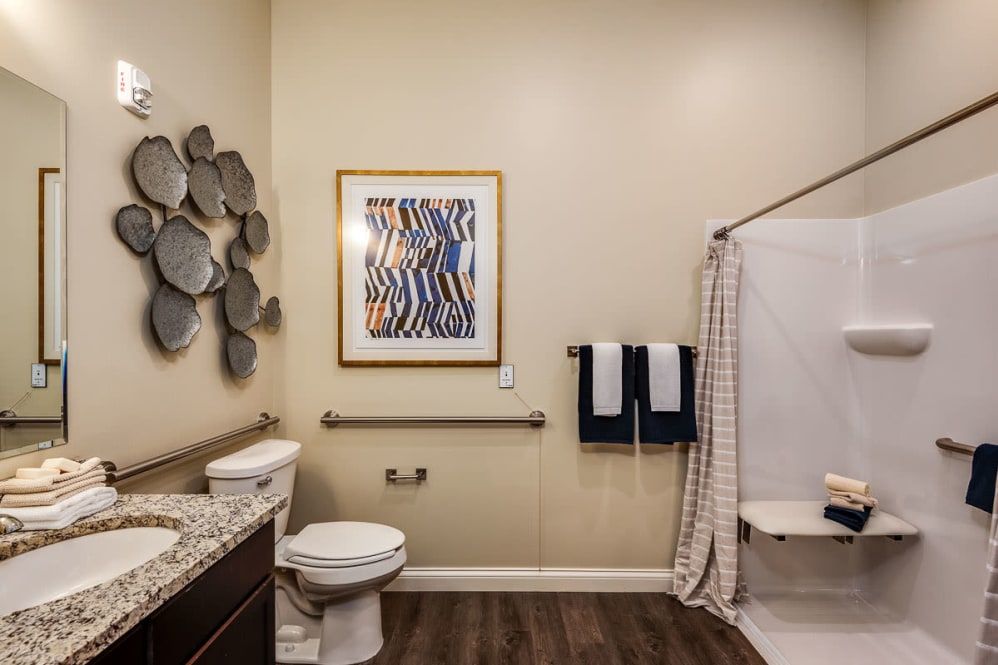
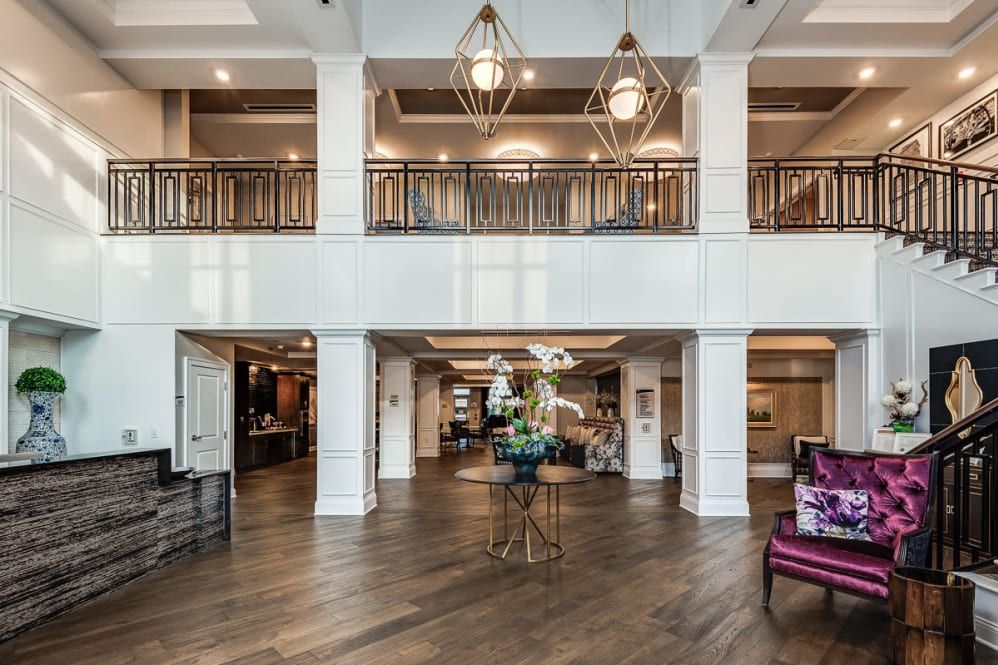
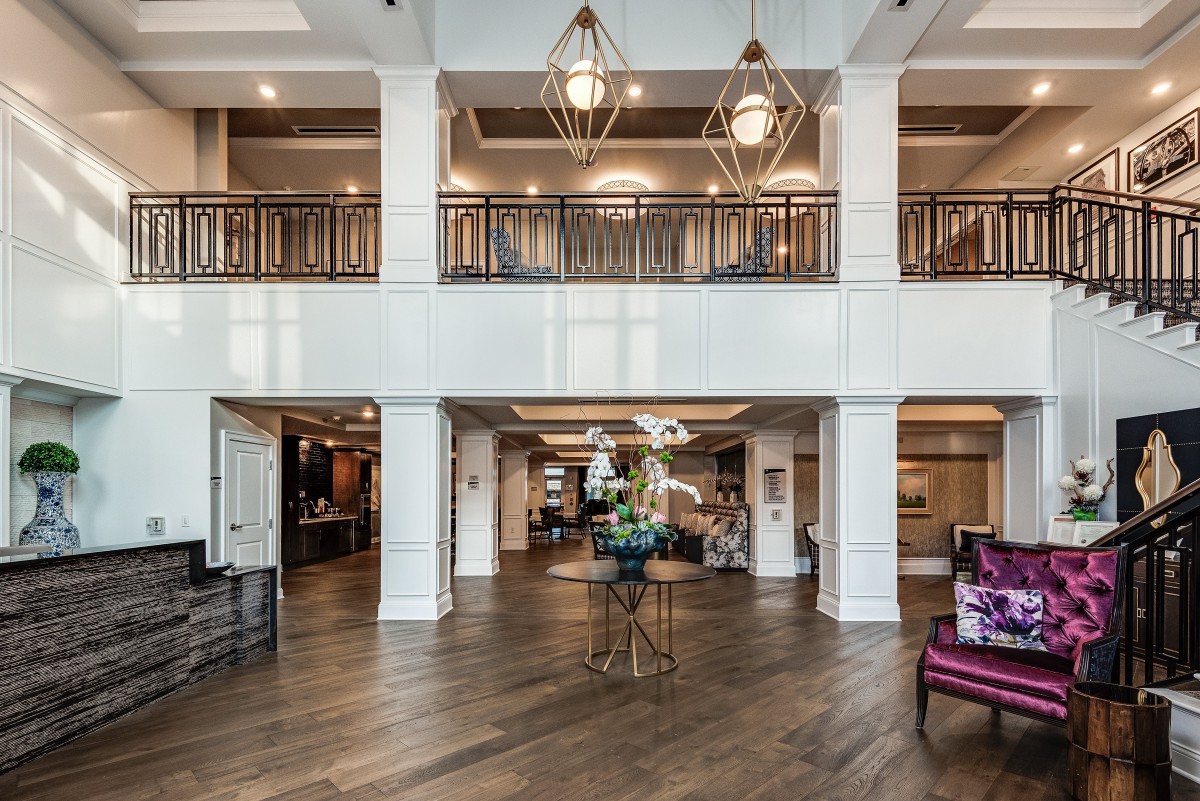
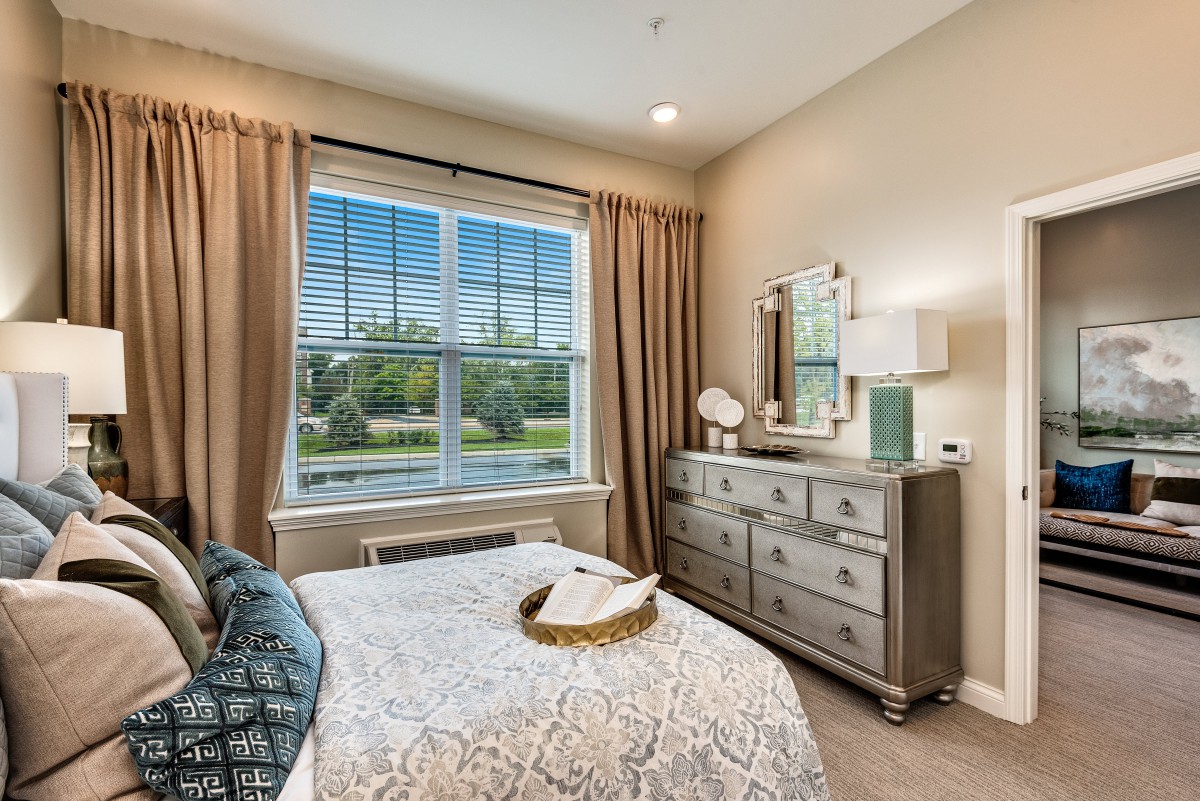
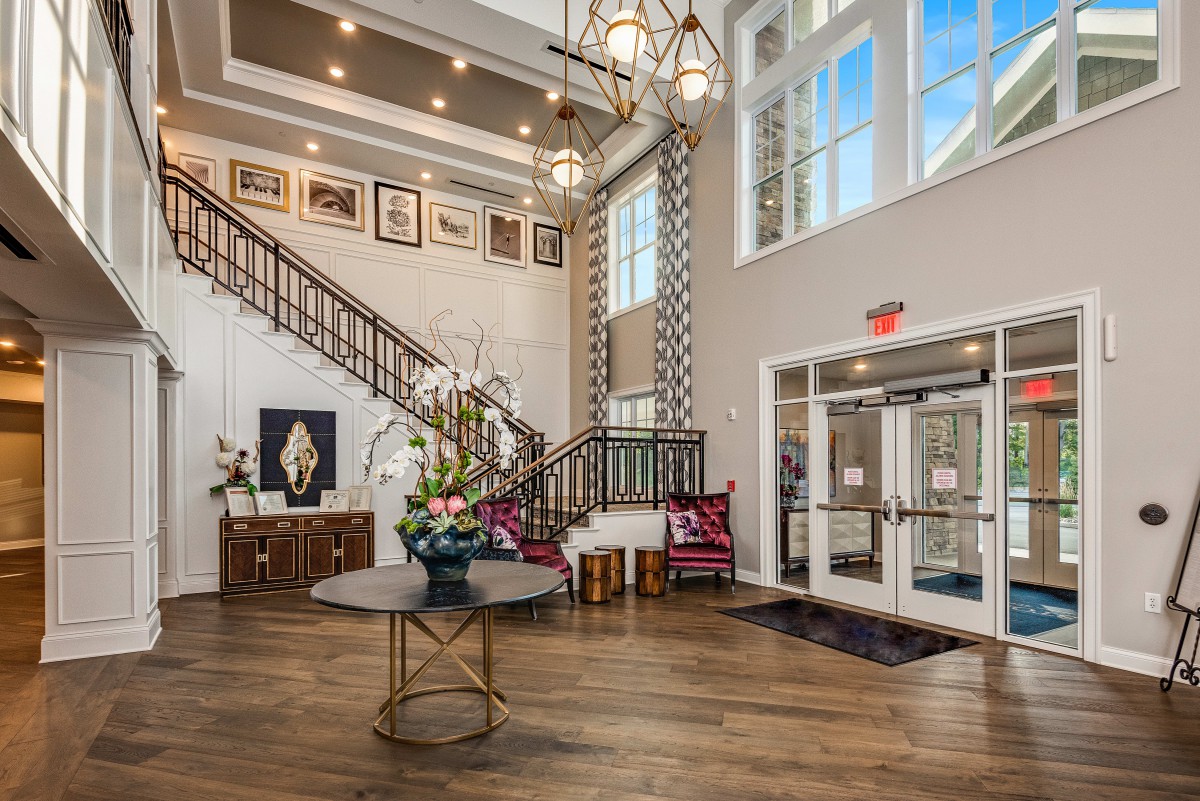
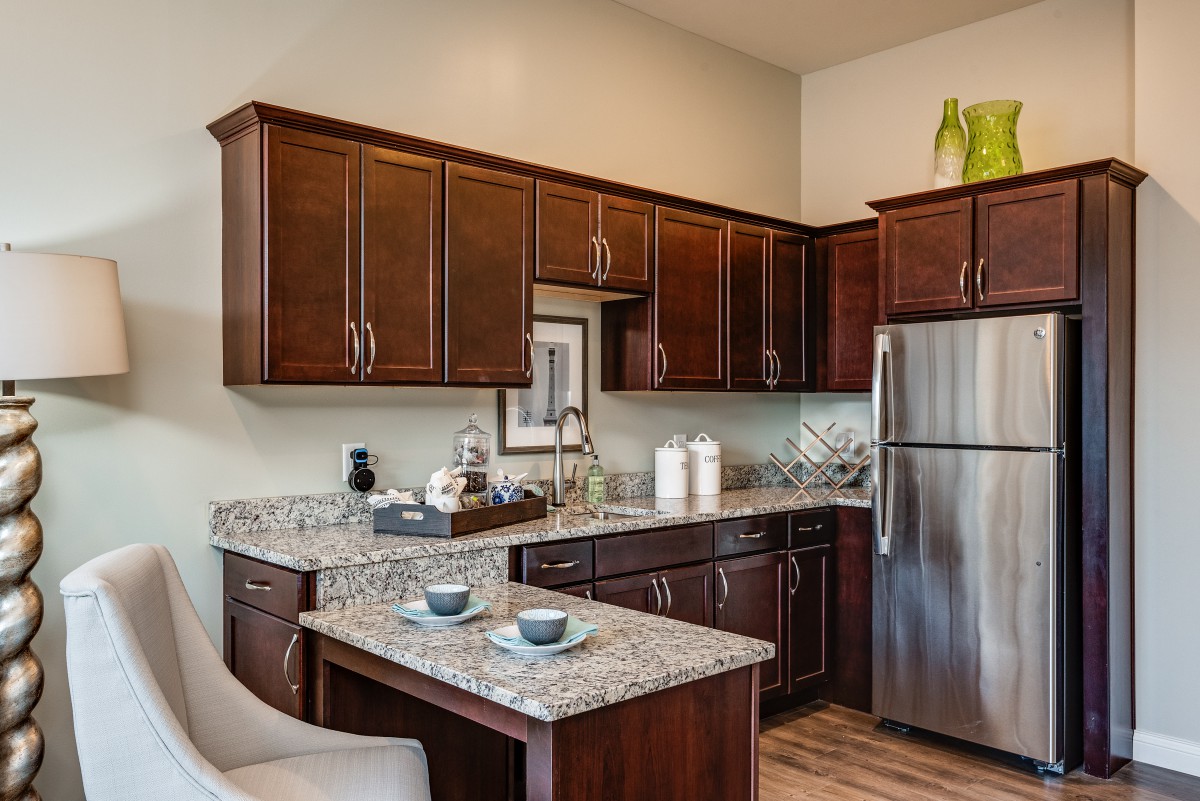
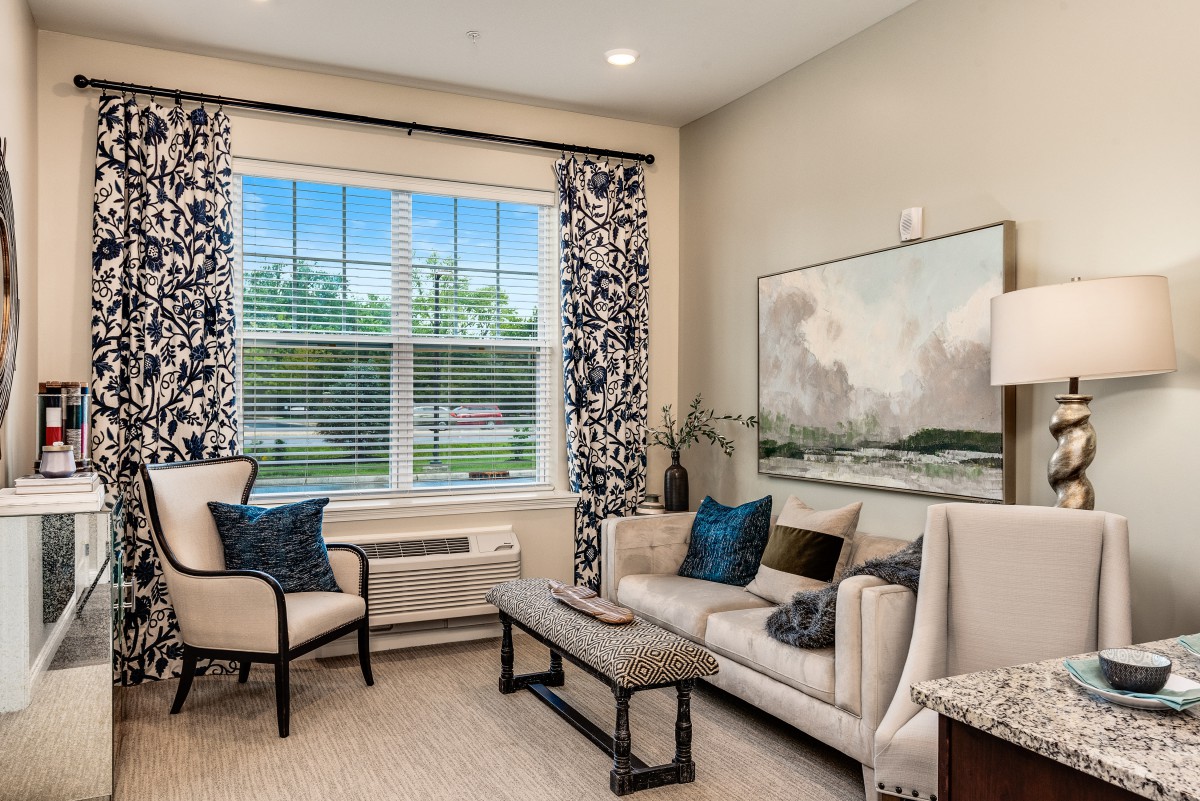
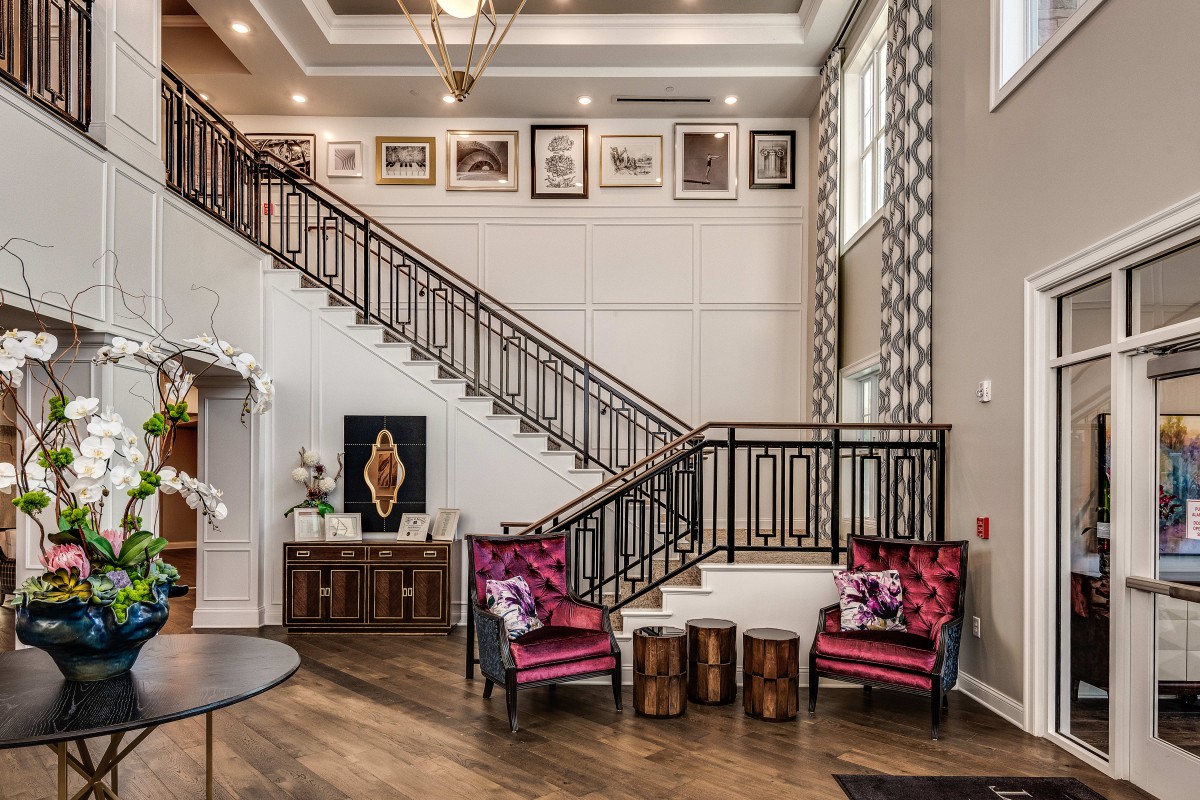
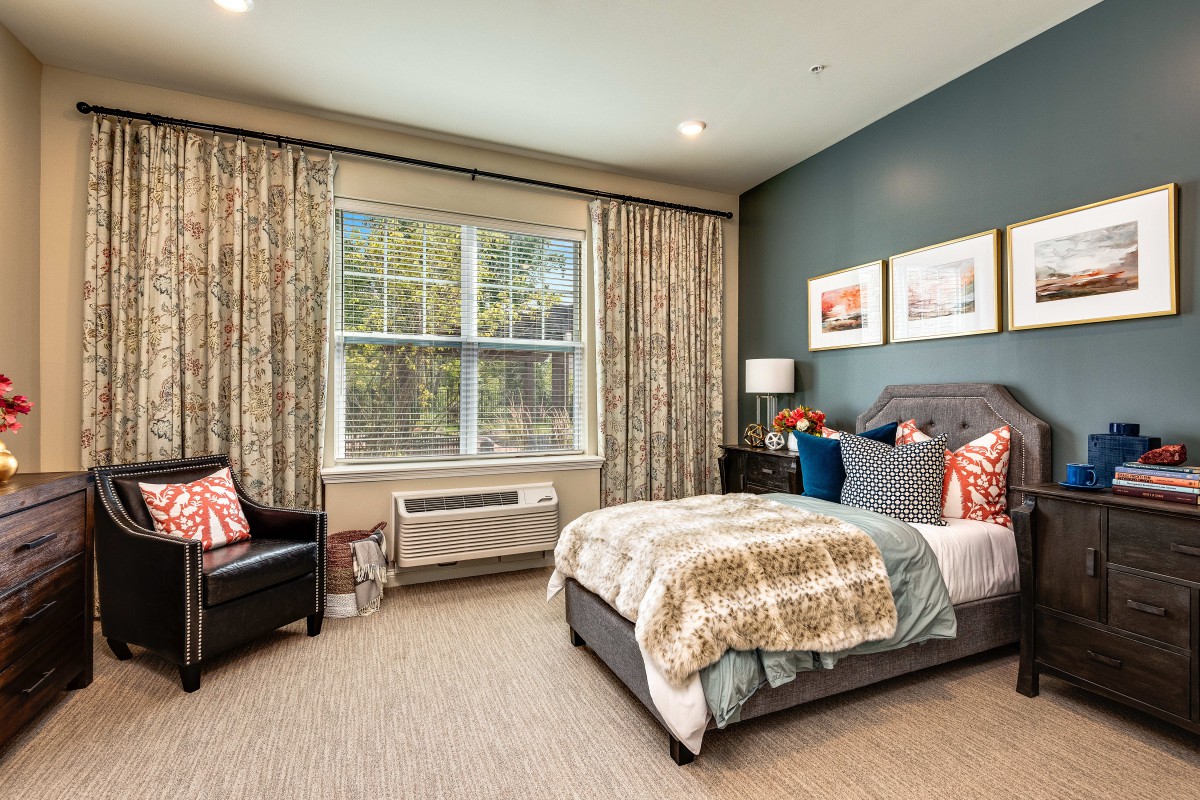
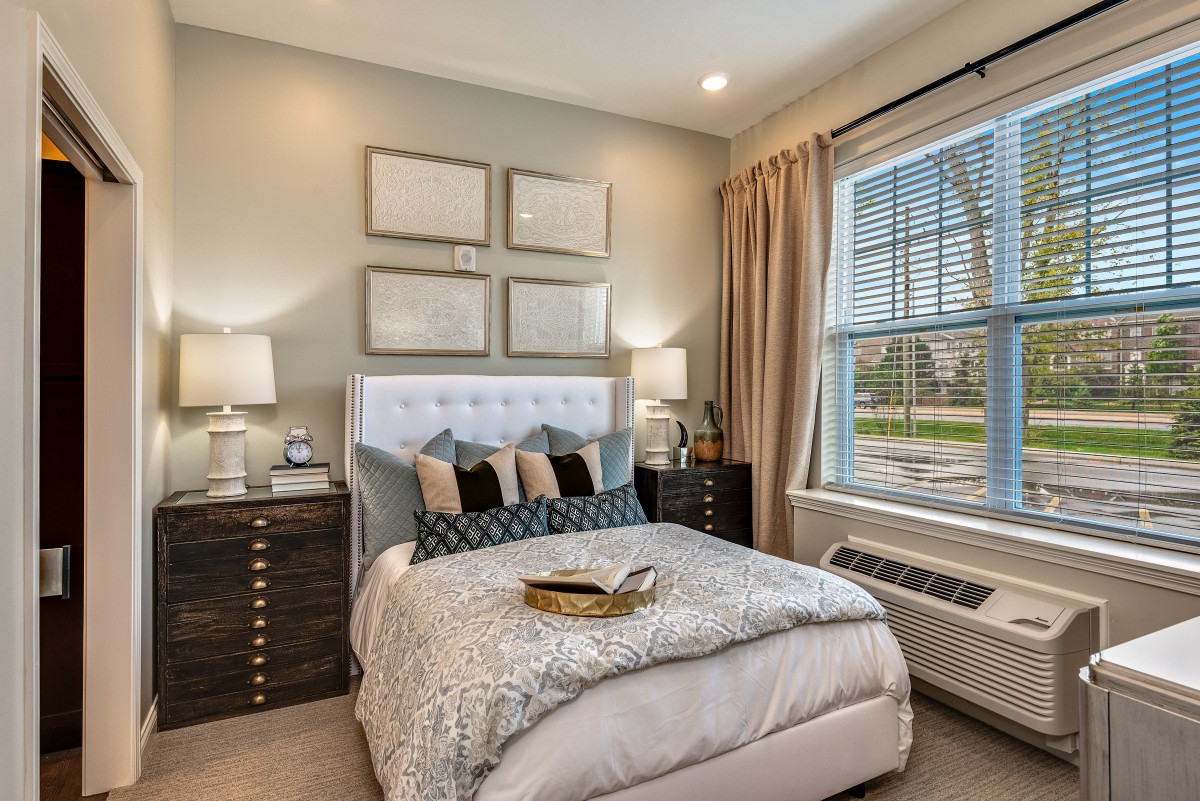
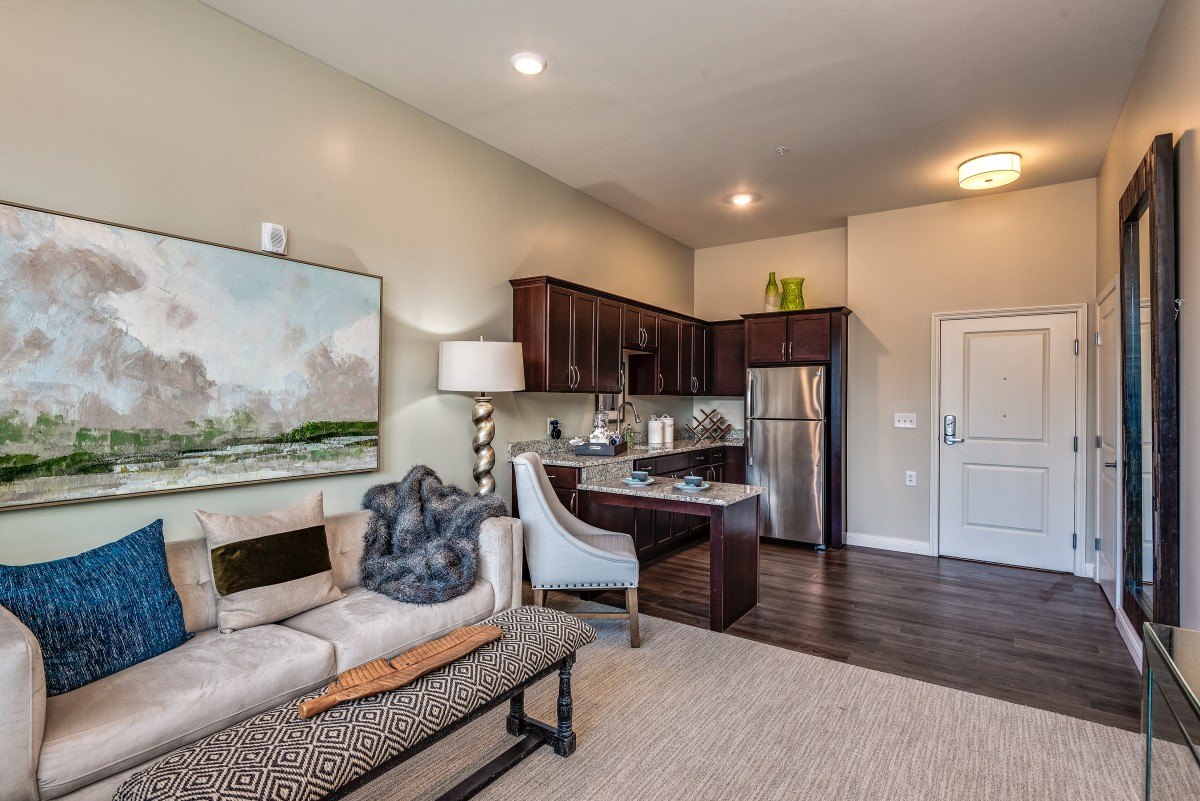
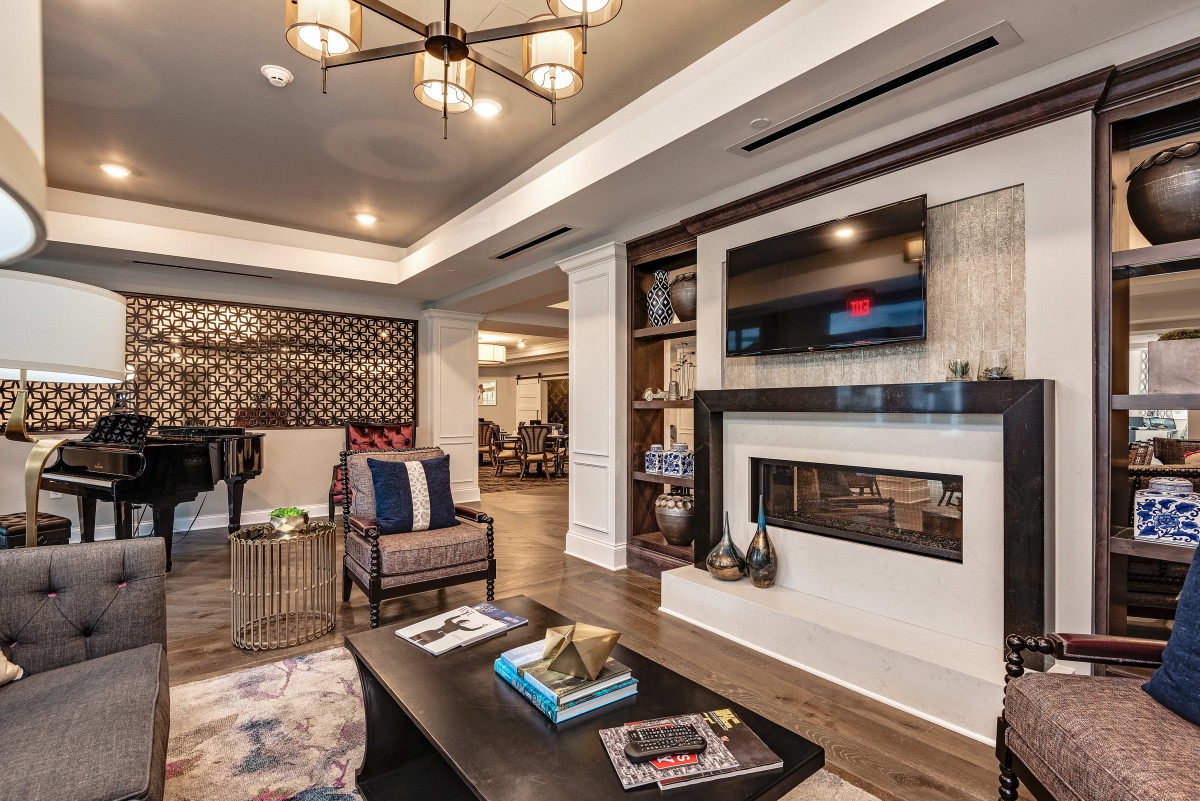
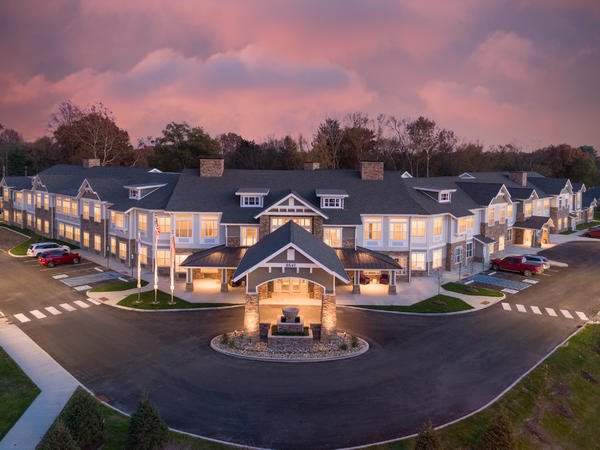
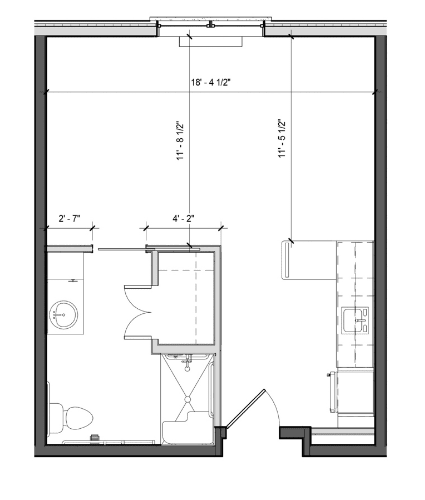
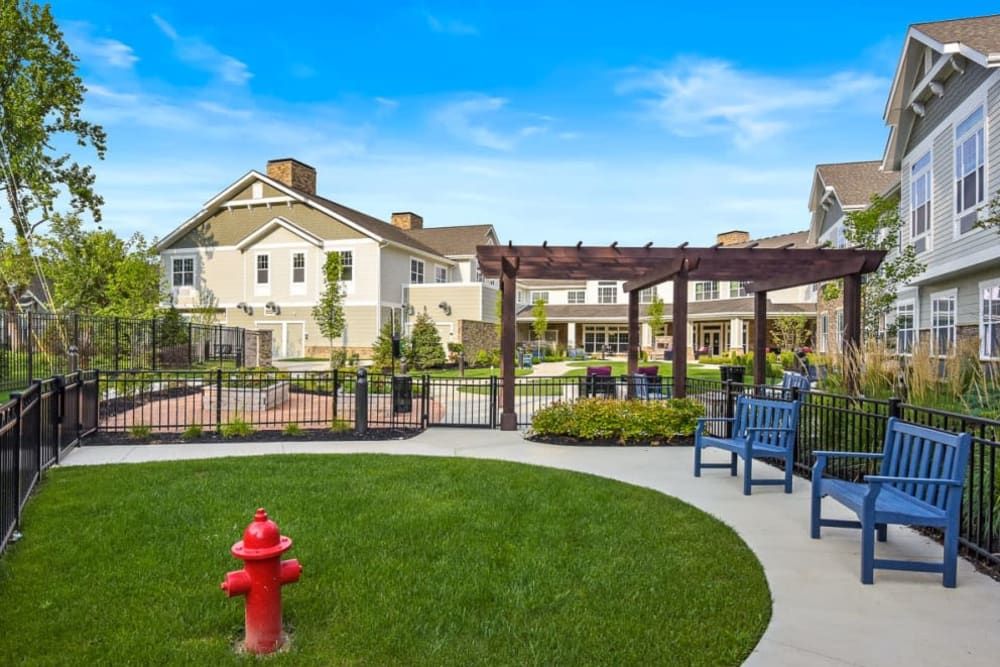
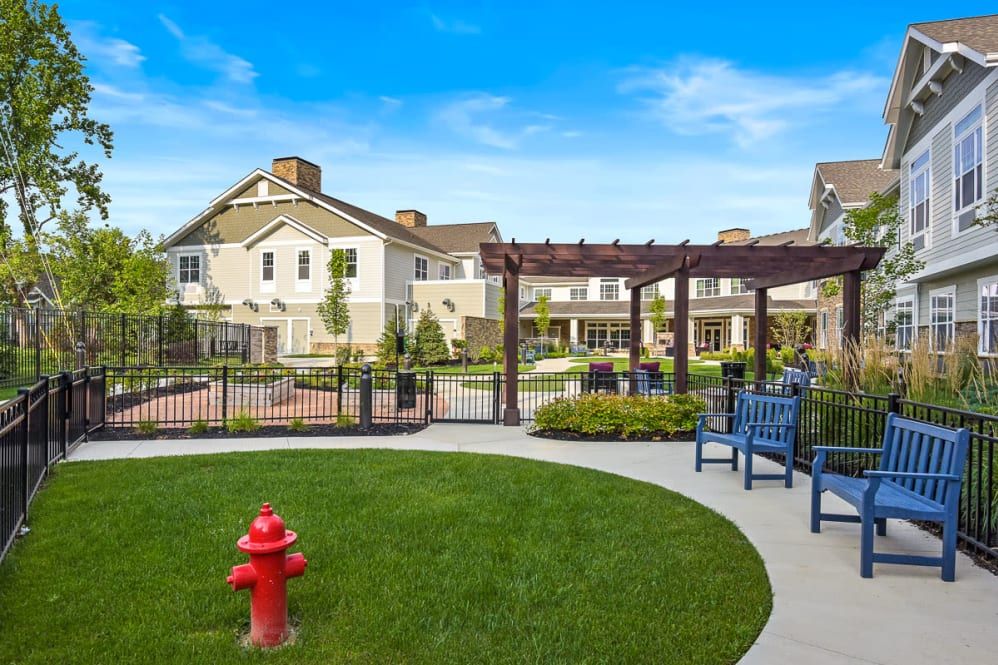
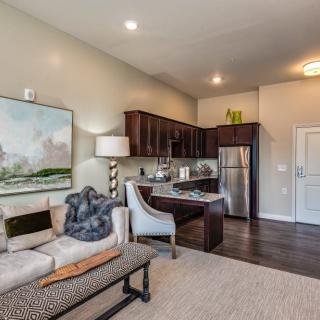
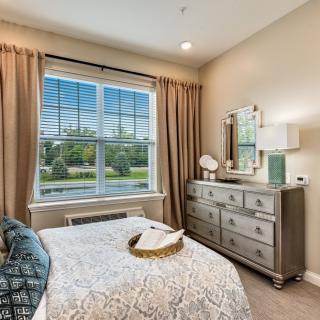
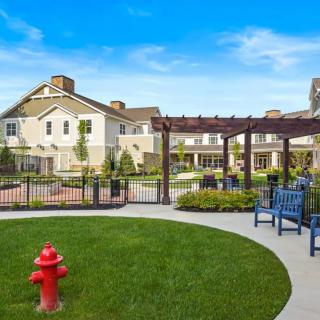
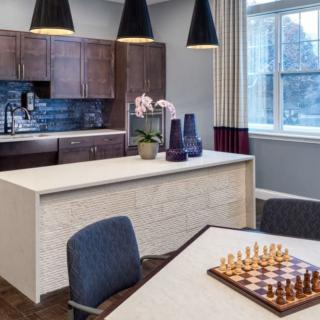
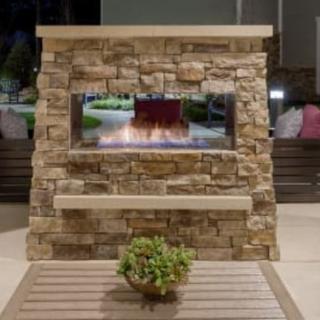
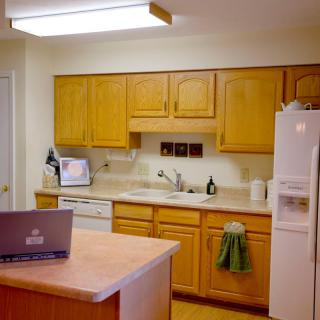
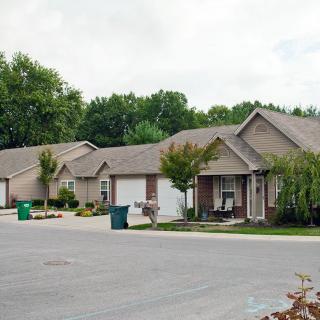
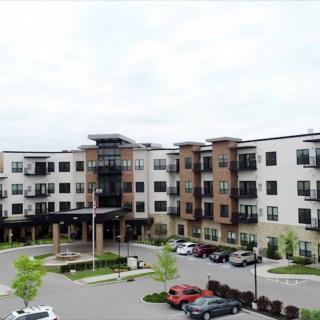
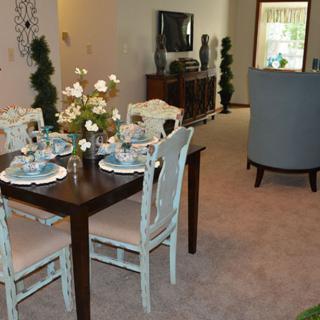
Anthology of Meridian Hills on seniors.fyi includes 34 photos including images showing interior, decor, floor plan, artwork, living room, bedroom, architecture, windows, and more.
Nearby Communities
ComForCare Home Care - Indianapolis, IN
Indianapolis, IN
4.8 from 140 reviews
Compassionate, respectful caregivers with open, responsive office support.
BrightStar Care of Indianapolis
Indianapolis, IN
4.1 from 19 reviews
On-time arrivals and transparent clock-in/out with well-matched, friendly caregivers.
Home Instead - Indianapolis North
Indianapolis, IN
4.9 from 49 reviews
$2,295 to $6,540 / month
A long-tenured, dedicated employee delivers standout service.
Nora Commons on the Monon
Indianapolis, IN
3.6 from 68 reviews
$859 to $1,083 / month
Spacious, clean, updated apartments with an active, friendly community.
Crestwood Village North Apartments
Indianapolis, IN
3.9 from 61 reviews
$564 to $790 / month
Clean, well-maintained environment with included utilities and active social events.
Crestwood Village Senior Communities - North
Indianapolis, IN
3.9 from 40 reviews
Extensive on-site amenities and care services (dining, wellness, transportation, beauty, housekeeping).
Story Cottage at Meridian Hills
Indianapolis, IN
$9,200 / month
Memory care available in a cozy, upscale assisted living setting with nearby amenities.
Rittenhouse Village At Northside
Indianapolis, IN
4.3 from 58 reviews
$2,125 to $3,270 / month
Friendly staff, clean facility, restaurant-style dining, and engaging activities.
Spring Mill Meadows
Indianapolis, IN
3.9 from 99 reviews
$1,175 to $1,740 / month
Friendly, responsive staff; clean, well-maintained facilities; pleasant environment with garden homes.
Dementia, including Alzheimer’s disease, is often mischaracterized in terms of lethality as it leads to complications that can be fatal rather than being a direct cause of death; it causes a progressive decline in cognitive and physical health, making patients vulnerable to infections and other health crises. Effective management of nutrition, hydration, and communication is crucial in patient care, with palliative care becoming vital in advanced stages to enhance comfort and quality of life while caregivers play a key role amidst the challenges posed by the disease.
Reminiscence therapy helps individuals with dementia recall past memories through structured discussions and meaningful objects, enhancing mood, relationships, and sense of identity while celebrating their lives. It can be practiced in formal settings or at home, requiring sensitivity to personal histories and cultural backgrounds.
Reminiscence therapy is a structured method for older adults, especially those with dementia, to share life stories using prompts and sensory cues, fostering emotional well-being, social engagement, and self-identity. It aims to improve quality of life by enhancing interpersonal connections and cognitive stimulation while requiring careful facilitation to avoid distressing memories.
Exercise Equipment, Gym, Mirrors, Bright Lighting, and Exercise Room
Appliances
Bookshelves, Library, and Living Space
Hardwood Floor
Plant
Shower
Balcony and Spacious
Lights
Pergola
Open Space and Wooden Flooring
Staircase
Architectural Drawing
Pendant Lights
Open Floor Plan
Modern Interior
Cozy Atmosphere
Bar Area
Get PricingAsk A QuestionSchedule A TourContact Senior Advisor
By clicking submit, you agree to our Partner's Terms of Use. You
also consent to receive calls and texts, which may be autodialed, from our Partner. Your consent is not a condition to
using our Partner's service. Please visit our Partner's Privacy Policy for information about their privacy practices.













 102 resident community capacity
 1-bedroom apartments
 Assisted Living
 Memory Care
 Activities off-site
 Air-conditioning
 Beautician on-site
 Cable or satellite TV
 Computer center
 Devotional services off-site
 Dining room
 Fitness room
 Fully furnished
 Gaming room
 Garden
 Ground floor units
 Handicap accessible
 Housekeeping services
 Indoor common areas
 Kitchenette
 Move-in coordination
 Outdoor common areas
 Private bathrooms
 Respite or short term stays offered
 Restaurant-style dining
 Small library
 Telephone
 Wellness center
 Wheelchair accessible showers
 Wi-Fi/high-speed internet available
 Indianapolis International (15 miles away)
 Community operated transportation
 12-16 hour nursing
 24-hour call system
 Ambulatory care
 Assistance with bathing
 Assistance with dressing
 Assistance with transfers
 Diabetes diet
 Diabetic care
 High acuity care
 Hospice waiver
 Incontinence care
 Medication management
 Mental wellness program
 Special dietary restrictions
 Transportation arrangement (medical)
 Art classes
 Catholic services
 Concierge services
 Cooking classes
 Day trips and outings
 Educational speakers / life long learning
 Happy hour
 Live musical performances
 Wine tasting
 Compassionate, respectful caregivers with open, responsive office support.
 Are Dementia and Alzheimer's Disease Lethal? A Comprehensive Exploration
 Exploring the Power of Reminiscence Therapy for Individuals With Dementia
 An In-Depth Look at Reminiscence Therapy in Dementia Care