
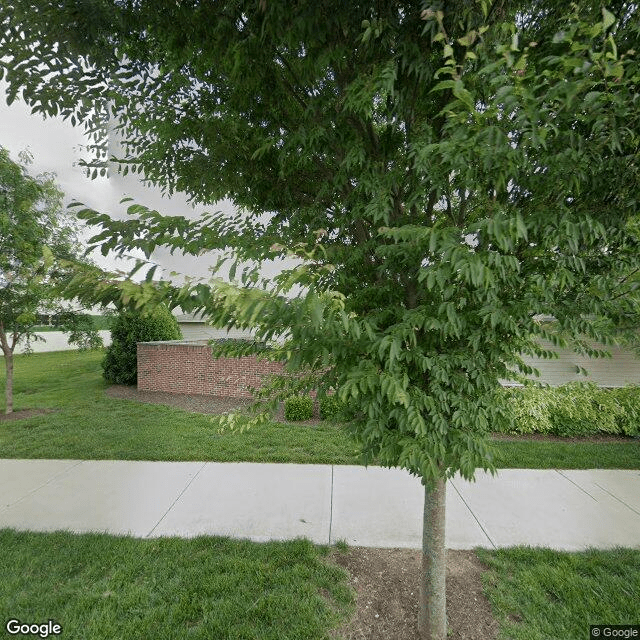
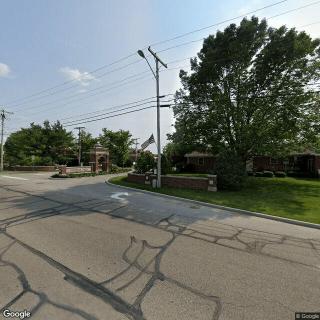
1500 13th Street, Columbus, IN 47201
To contact a resident: (812) 669-1439
For more information about senior living options: (866) 208-4318
Central Park Place Costs & Pricing
Central Park Place offers competitive monthly rental rates that stand out significantly when compared to both Jackson County and the broader state of Indiana. For instance, a one-bedroom unit at Central Park Place is priced at just $599, while similar accommodations in Jackson County average around $2,503 per month and can reach as high as $3,300 statewide. The value continues with two-bedroom apartments, retailing at $699 at Central Park Place, contrasting sharply with Jackson County's average of $2,588 and a state average of approximately $3,208. These figures illustrate not only the affordability of living at Central Park Place but also the substantial savings potential for residents seeking quality housing in today's market.
| Floor plans | Central Park Place | Jackson County | Indiana |
|---|---|---|---|
| 1 Bedroom | $599 | $2,503 | $3,300 |
| 2 Bedrooms | $699 | $2,588 | $3,208 |
Senior living communities with a similar price nearby
-
About the same
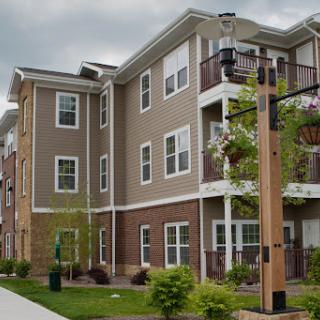
Willow Manor Senior Villas
$595 / month17.8 miles away
Overall Review of Central Park Place
Pros
 The residents love this place.
- The staff are wonderful and very caring.
- The apartment has a nice layout.
- The community is made up of wonderful people.
- The apartment is conveniently located near stores and the library.
- Management and maintenance are just a call away.
Cons
 Two floods have occurred, and recovery has been slow.
- Insurance requirements have been ignored.
- There are many challenges for residents there.
Review
Central Park Place in Columbus, Indiana is best suited for independents and semi-active seniors who prize a warm, people-forward living environment and a convenient, walkable location. The community appears to attract residents who value camaraderie and easy access to everyday amenities, grocery stores, the library, and other services within a short radius, and who are looking for a well-arranged apartment that feels comfortable from day one. It's a fit for those who want to be part of a neighborly atmosphere and who can tolerate some variability in maintenance and management responsiveness. Those who require a consistently flawless maintenance record, highly predictable service, or on-site assisted living support should look elsewhere, as the balance here tilts toward social living with occasional operational rough edges rather than enterprise-grade reliability.
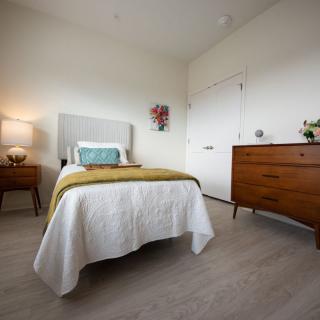
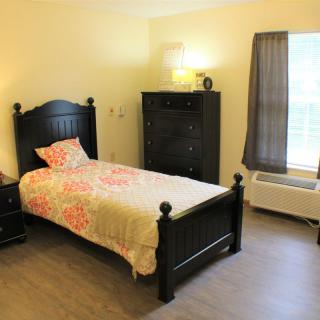
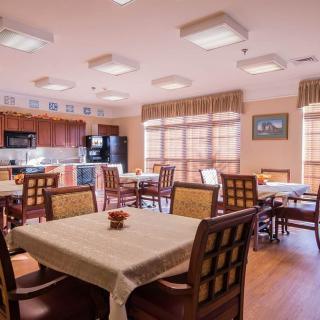
The strongest planks in Central Park Place are the lived-in feel of the apartments and the sense of community. Reviewers consistently point to attractive apartment layouts and a welcoming resident population, with residents and staff described as caring and approachable. The proximity to essential services, stores, the library, and other conveniences, emerges as a practical upside, reducing daily friction for residents and families. The sentiment that management and maintenance are reachable and responsive in many cases reinforces the impression of a community where problems can be addressed without prolonged friction. In other words, the place can feel like home quickly when conditions align with expectations, and the social environment can be a meaningful offset to the everyday realities of senior living.
Yet the experience is undeniably uneven, and the main red flags are substantial enough to influence the decision for risk-averse families. Several comments highlight maintenance and management inconsistencies, with specific notes about slow remediation after flood-related incidents and at times unclear handling of insurance requirements. Such experiences suggest a fragility in operational reliability, not catastrophic failure, but enough irregularities to disrupt routines and trust. When maintenance requests are not resolved promptly or when remedial actions lag during water-related incidents, the sense of ease that otherwise characterizes the residence can quickly erode. These variables matter, because a premium on predictable service is a legitimate expectation for anyone mapping out a long-term living plan.
The pros do offset the cons in practical terms for residents who prioritize companionship and a convenient urban-centric daily life. The social fabric, the people who live there and the staff who are described as genuinely caring, can create a sense of security and belonging that is hard to replicate in a facility with sterile routines. A strong neighborhood feel, combined with the apartmentā€™s comfort and the ease of access to everyday needs, helps mitigate the impact of slower responses to maintenance issues. For prospective residents who can absorb the occasional disruption without it spiraling into persistent problems, the positives can outweigh the negatives. It remains about individual tolerance for fluctuation in service quality versus the value of a warm, connected living environment.
Nevertheless, potential residents should consider alternatives if the primary goal is lockstep reliability or access to more robust, on-site care options. For families prioritizing consistent maintenance turnaround, tightly managed insurance processes, or guaranteed rapid remediation after any incident, it would be prudent to compare with communities that demonstrate clearer service level agreements and more uniform maintenance performance. Questions to probe include: what is the typical response time for non-emergency and emergency maintenance requests, how are floods and other water events handled, and what systemic steps are in place to ensure insurance compliance and transparent remediation timelines? If the answers reveal a pattern of delays or ambiguity, a different community may offer greater peace of mind.
In the end, Central Park Place presents a practical, affordable choice for active seniors who value a genuine sense of community and a convenient, home-like apartment experience. It rewards engagement with staff and neighbors and can deliver a satisfying daily rhythm when maintenance is responsive and issues are minimal. For families weighing this option, the recommendation is to prioritize a candid tour that includes a current resident conversation and a close read of maintenance history and incident logs. Seek concrete assurances about remediation timelines, and assess whether the social benefits of a warm, neighborly environment will compensate for the inevitable bumps that arise from operating a mid-market independent living setting. If the balance aligns, Central Park Place can be a strong, grounded choice; if the emphasis is on surgical precision in operations and near-perfect maintenance, alternatives should be pursued.
 Active Adult Communities (55+)

 Essential Knowledge on Pneumonia in Older Adults
 Exploring Palliative Care in the Home: A Comprehensive Overview
 Comprehensive Insights into Palliative Home Care: What It Is and What to Expect