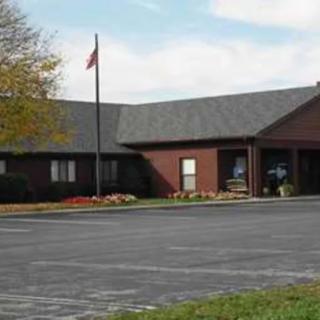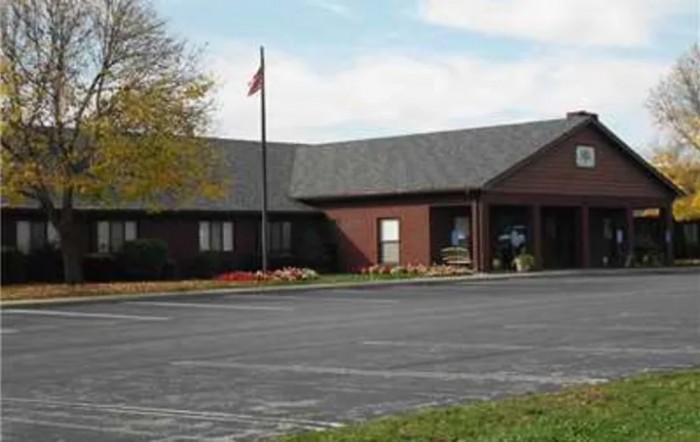

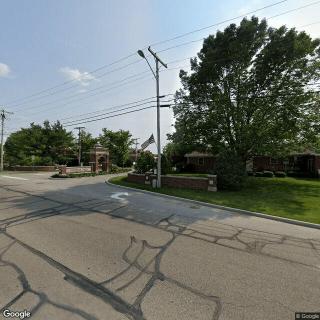
3550 Central Avenue, Columbus, IN 47203
For more information about senior living options: (866) 208-4318
Overall Review of Willow Crossing Health & Rehabilitation Center
Pros
 The staff makes every effort to take good care of the residents.
- The staff are amazing and very helpful, with Ashley highlighted for her kindness.
- The residents are happy and love the staff.
- They truly love their residents and take great care of them.
- Great staff who truly care about their patients like family.
- The new Memory Care wing is beautiful and state-of-the-art.
- The staff are compassionate and supportive during difficult times.
- The staff are friendly and always helpful.
Cons
 The facility is described as understaffed and extremely unprofessional, with residents enduring hours without bed changes and days without showers.
- Reviewers allege neglect on second and third shifts, with complaints ignored by bosses and staff left to do everyone else’s jobs.
- They claim the facility hires workers with felony drug charges.
- Medication errors and missed important doctor appointments are reported, with staff failing to give honest answers when questioned.
- Cleanliness is reportedly poor, with bathrooms not cleaned, floors not mopped, and a lack of proper sanitation.
- Food quality is criticized, with limited fresh fruit and meals described as subpar.
- Some reviewers strongly advise against sending loved ones to Willow Crossing, citing poor responsiveness and care.
Review
Willow Crossing Health & Rehabilitation Center in Columbus, Indiana is best suited for families that want a warm, caregiver-driven rehab environment where staff engagement and personal attention to recovery or memory care are the core selling points. The community shines when a loved one needs close nurse, aide, and therapy involvement, with genuine, daily effort from the team. The recently added memory care wing elevates the facility’s appeal for residents with cognitive needs, offering a more specialized, comfortable setting. This is not the right choice for families prioritizing flawless operations, unflagging scheduling reliability, and pristine, blemish-free day-to-day management every single day. For those requirements, it makes sense to compare options with a stronger, more consistently documented track record on routine care and maintenance.
On the positive side, Willow Crossing earns strong praise for its people. Numerous families report staff who care deeply, treat residents like family, and work hard to support recovery and quality of life. The text logs multiple accounts of “amazing” caregivers and therapy teams who were attentive, empathetic, and responsive to individual needs. Several families highlight how the care teams collaborate with loved ones, provide reassurance, and celebrate small gains during rehab. The memory care wing is frequently cited as a bright, tasteful improvement that signals a serious commitment to specialized dementia care. For families seeking a nurturing, relationship-forward atmosphere, these factors carry real weight.
Yet the bottom line cannot ignore consistent concerns raised by a sizable portion of reviewers. The most persistent complaints center on staffing gaps and the resulting practical problems: delays in basic tasks such as bed changes and showers, and periods when residents appeared to go long stretches without needed attention. A handful of comments describe neglect on second and third shifts, inconsistent medication management, and what feels like administrative gridlock when questions arise. Maintenance and cleanliness aren’t uniformly dependable in every unit, with some residents reporting unaddressed cleaning lapses and room turnover that feels disruptive rather than restorative. The contrast between affectionate caregiving and operational lapses creates a real risk calculus for families.
These pros and cons interact in meaningful ways. The strong, compassionate staffing can offset a lot of daily uncertainty if families stay actively involved, most notably in rehab progress and in-person reassurance for anxious residents. When care teams are aligned and communication channels are clear, families can achieve meaningful improvements in recovery timelines and comfort. However, the reliability gap, where staffing levels and consistent routines vary by shift, means safety and predictability cannot be taken for granted. For memory care residents, the new wing represents a genuine asset, but its benefits depend on consistent staff coverage and programming to prevent wandering, agitation, or missed cues.
For families weighing alternatives, the message is practical: if certainty around medication administration, timely care, and spotless daily hygiene are non-negotiable, it is prudent to compare Willow Crossing with other nearby options that emphasize steady staffing and proactive care management. The facility’s strengths, empathy, rehab-focused momentum, and a thoughtfully designed memory care space, are real assets, but they bloom best in a consistently staffed environment with rigorous oversight. Prospective families should request a meeting with the director of nursing, review recent incident and quality logs, and ask for a transparent staffing schedule and response plan to any lapses.
In the end, Willow Crossing stands out for its human-centered care and rehabilitative intent, reinforced by a modern memory care wing. It can be a strong fit for families who are prepared to partner closely with administration and care teams, insist on clear communication, and monitor care actively. It is less ideal for those who require unwavering day-to-day consistency and flawless operational control across all shifts. The next steps are clear: schedule a thorough tour, speak with direct caregivers and the nursing leadership, sample meals with the resident, and probe how any reported issues are tracked and resolved. If those checks align, Willow Crossing can be a compassionate, capable choice that delivers real rehab and quality-of-life gains.
 80 resident community capacity
 Assisted Living
 Skilled Nursing Facility
 Air-conditioning
 Beauty salon
 Cable or satellite TV
 Computer center
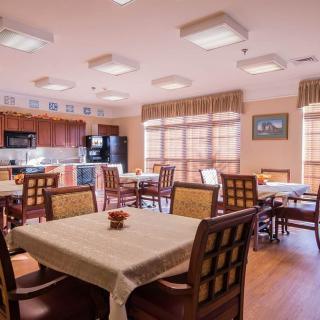
 Dining room
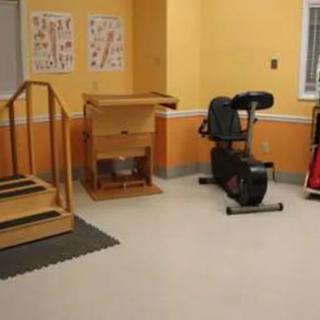
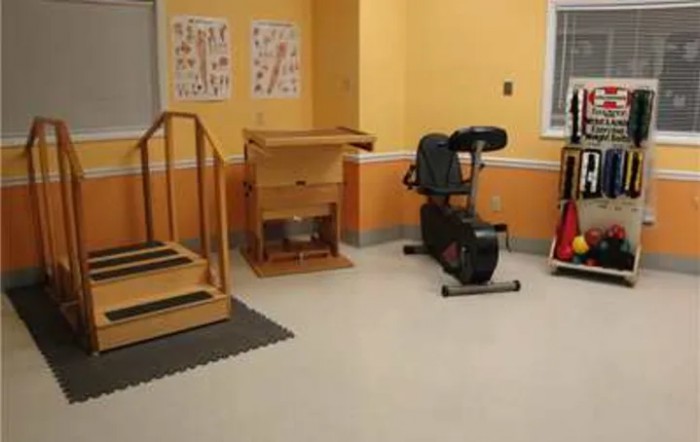
 Fitness room
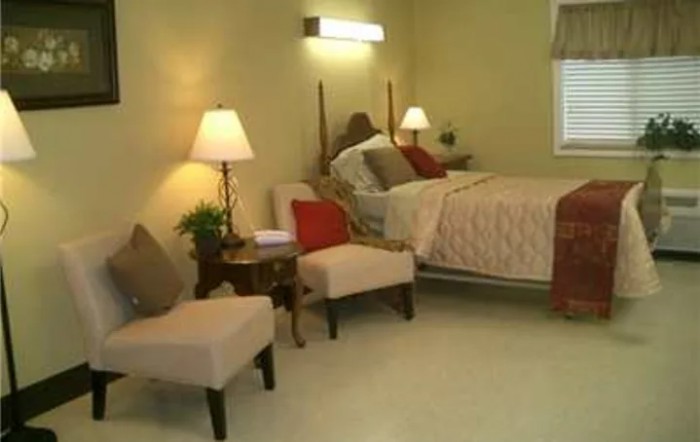
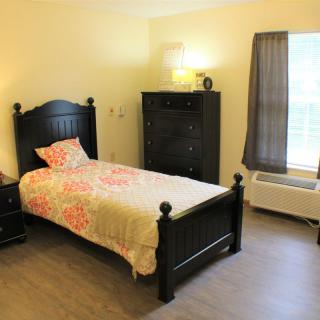
 Fully furnished
 Gaming room
 Garden
 Housekeeping services
 Kitchenette
 Move-in coordination
 Outdoor space
 Private bathrooms
 Restaurant-style dining
 Small library
 Telephone
 Wellness center
 Wi-Fi/high-speed internet available
 Community operated transportation
 24-hour call system
 Activities of daily living assistance
 Assistance with bathing
 Assistance with dressing
 Assistance with transfers
 Diabetes diet
 Medication management
 Special dietary restrictions
 Concierge services
 Planned day trips




 An Extensive Exploration of the VA Aid and Attendance Benefit
 Senior Transition Services: Understanding Their Role, Cost, and Importance
 Exploring the Path to Senior Living: A Comprehensive Look at Independent Living and Assisted Living