
690 State St, Franklin, IN 46131
To contact a resident: (317) 736-6141
For more information about senior living options: (866) 208-4318
Compass Park Indiana Masonic Home Costs & Pricing
Compass Park Indiana Masonic Home offers competitive pricing for its room types compared to both Shelby County and the broader state of Indiana. For a studio, residents can expect to pay $1,216 per month, which is significantly lower than the average costs of $2,790 in Shelby County and $3,258 statewide. The one-bedroom units are priced at $3,279, which remains slightly below the county's rate of $3,498 and closely aligns with the state's average of $3,300. Additionally, two-bedroom accommodations at Compass Park are offered at $3,551 - slightly higher than Shelby County's rate of $3,186 but still competitive compared to Indiana's average of $3,208. This pricing strategy reflects Compass Park's commitment to providing affordable living options while maintaining quality care for its residents.
| Floor plans | Compass Park Indiana Masonic Home | Shelby County | Indiana |
|---|---|---|---|
| Studio | $1,216 | $2,790 | $3,258 |
| 1 Bedroom | $3,279 | $3,498 | $3,300 |
| 2 Bedrooms | $3,551 | $3,186 | $3,208 |
Assisted Living communities with a similar price nearby
-
from +$107 / mo
Beech Grove Meadows
$1,323 to $2,887 / month17.7 miles away
Overall Review of Compass Park Indiana Masonic Home
Pros
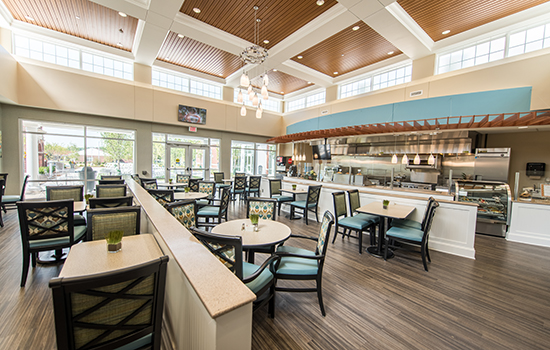
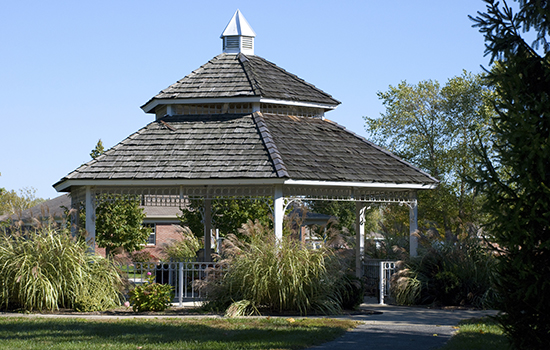
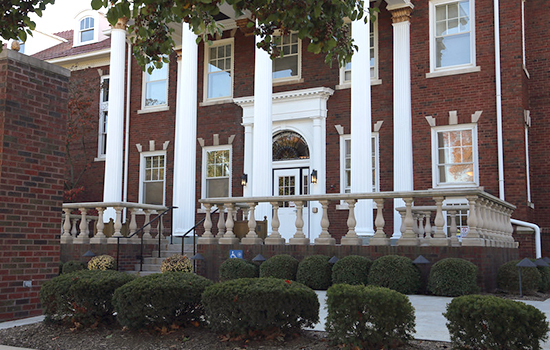
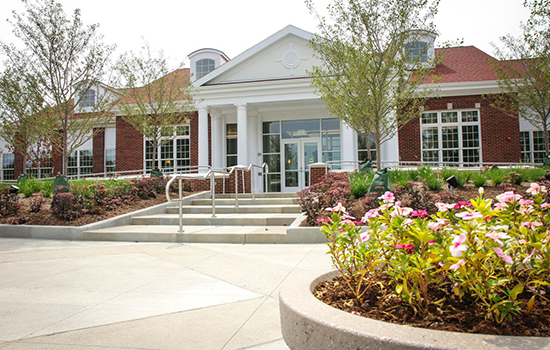
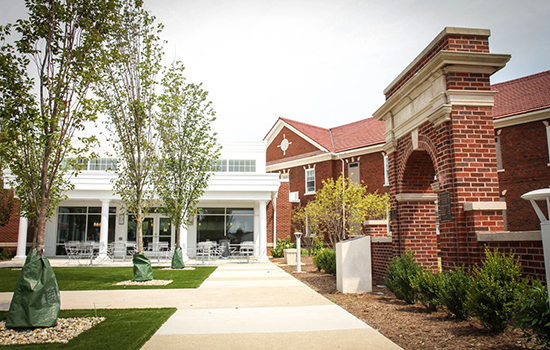
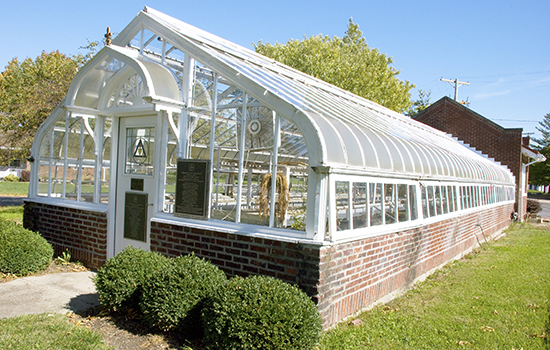
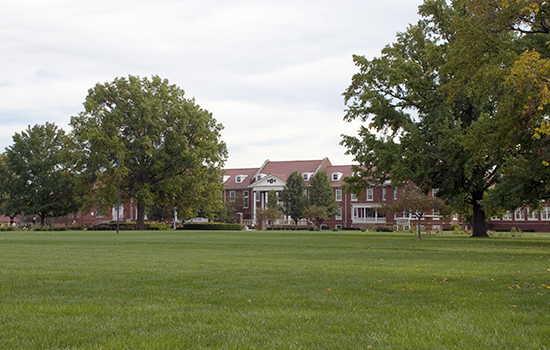
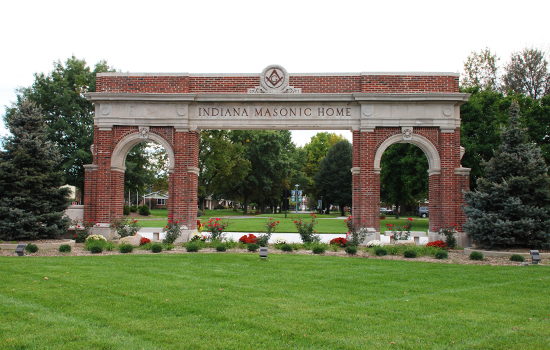
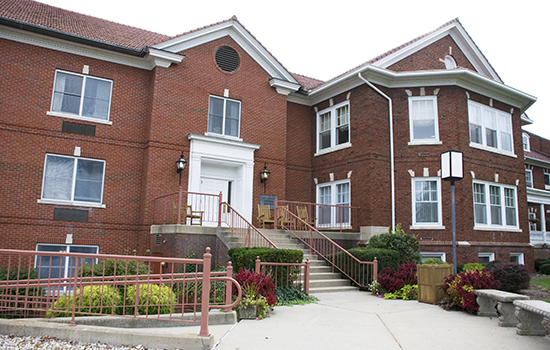
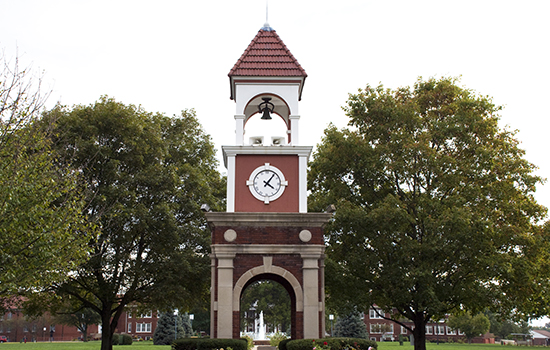
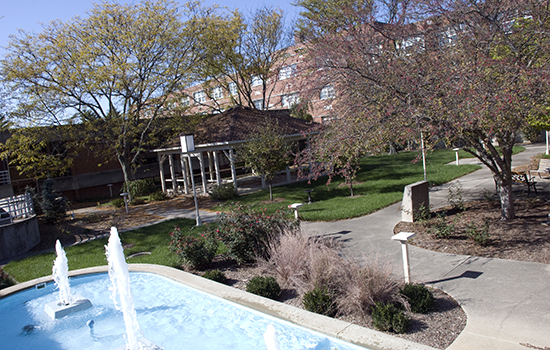
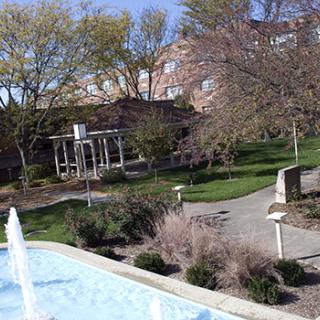
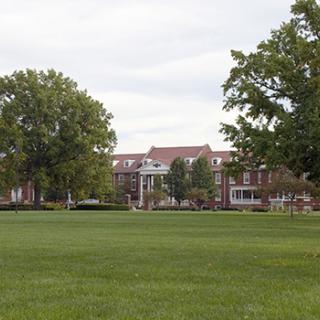
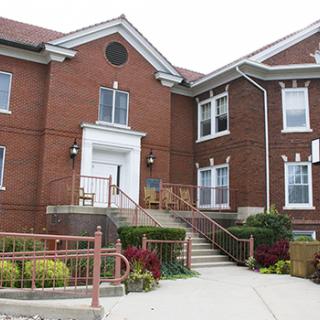
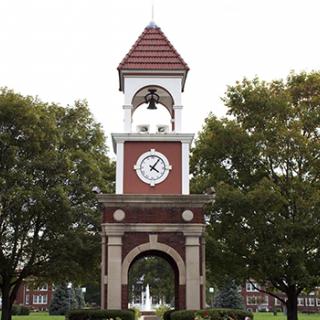
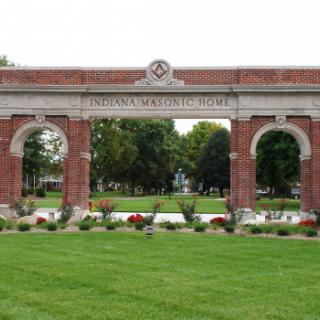
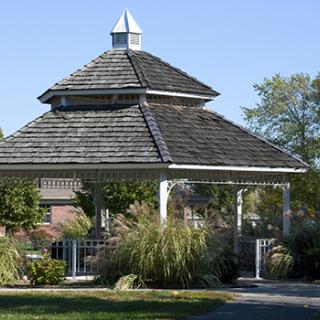
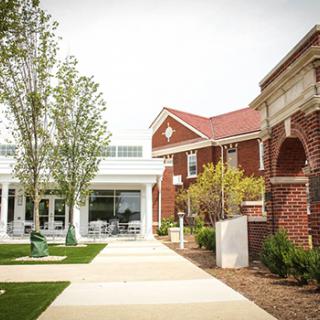
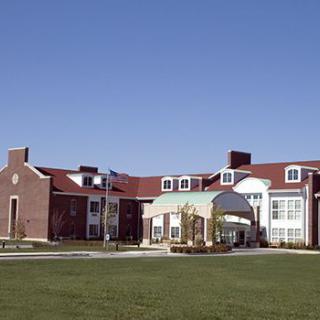
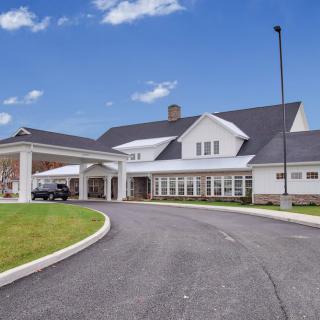
 The Compass Park Indiana Masonic Home campus is beautiful with large open spaces and newly renovated buildings.
- The staff are friendly, caring, and feel like family to residents.
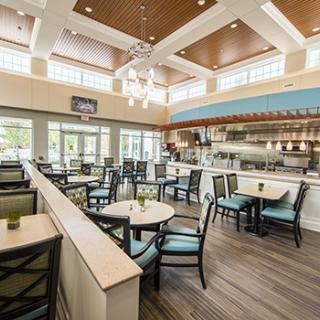
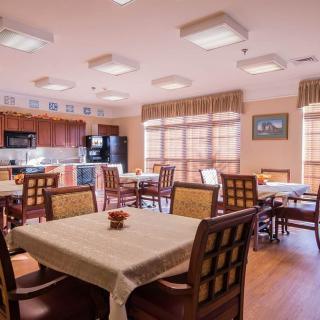
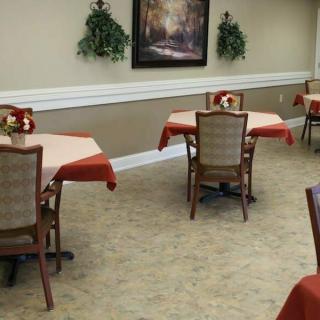
- There are many activities and outings, plus an on-site medical facility, group outings, football nights in the lounge, a pub, and spacious dining rooms.
- The food is amazing and dietary needs are carefully catered to, with kitchen staff aware of special meals.
- The campus offers assisted living, a full-time nursing center, independent housing, and cottages with equal benefits.
- It is highly recommended for its family-like atmosphere and resident-focused care.
- It is a great place to exercise, close to home, and open to the community for a small monthly fee.
- The building and staff are incredible; service is great and they go above and beyond.
Cons
 The facility has very poor staffing and an inadequate staff-to-resident ratio.
- The food quality is very poor, served cold in styrofoam boxes with cheap plastic utensils.
- The staff is a hodgepodge of agency hires who float between facilities, exhibit poor skills, and treat patients roughly.
- Call lights only illuminate at a nurse’s station far down the hall, making it impossible to alert an aide quickly.
- Aides reportedly hide or discard their beepers to avoid being bothered.
- There are patients screaming for help day and night with no response.
- The rooms are very small, not much larger than a walk-in closet.
- The patient rooms are drab and depressing, with cheap, ill-fitting curtains.
Review
Compass Park Indiana Masonic Home in Franklin is best suited for seniors who want a campus-style, community-centered experience where multiple care options are woven together on one site and where a warm, family-like atmosphere is a top priority. This community works well for residents who value robust social programs, on-site activities, and ready access to healthcare services without multiple transitions. The combination of assisted living, full nursing, independent housing, and cottages on the same campus can offer continuity for families planning transitions and trying to hold costs steady. However, this model hinges on reliable staffing, and for those who require very consistent, high-touch care or memory-care specialization, alternatives should be considered.
The campus itself is repeatedly described as a strength: beautiful, spacious, and well-maintained, with modern renovations and amenities that invite participation. Residents can engage in a wide array of activities, off-site outings, fitness opportunities, and social offerings that create a lively, home-like rhythm. The on-site medical facility and the opportunity to move between living options without leaving the community are meaningful advantages for families seeking continuity as care needs evolve. Staff who are genuinely friendly and appear invested in residents’ well-being further reinforce the sense of a supportive, almost familial environment.
Yet, the most persistent caveat centers on staffing. Reviews highlight very poor staffing ratios, with agency personnel rotating through shifts and often lacking consistency or specialized training. Behavior that borders on neglect is described in some accounts, including aides who fail to respond promptly or who appear disengaged, and call systems that do not reliably alert staff. The result can be distressing for residents who call for help and for families who rely on predictable responsiveness. These gaps underscore a structural risk: even on a strong campus, care quality can swing significantly depending on shift coverage and staffing stability.
Food service and room quality also surface as meaningful drawbacks, though they are not uniform. Several visits note meals that are undercooked, cold, or not up to the standards expected in a senior community, and some dining areas are described as pleasant while others reflect older infrastructure. Personal living spaces can feel cramped, with small rooms and decor that appears drab or utilitarian. Even the most engaged residents may confront the realities of limited space, minimal carpeting, and a dated aesthetic in certain wings, which can undermine comfort for those seeking a consistently luxurious or highly personalized environment.
The positive aspects, active programming, friendly staff in certain areas, and a genuine sense of community, can offset some drawbacks for residents who are independently mobile and whose families participate actively in care planning. The campus atmosphere, willingness to accommodate special dietary needs, and the broad range of services on one site offer real value to families prioritizing social engagement and convenience. When the care burden is managed with proactive oversight, these strengths can create a stable, livable baseline even as staff fluctuations pose ongoing concerns.
For families weighing options, alternatives become compelling if the resident requires steady, high-touch, nursing-level attention, especially with memory care or complex medical needs. Prospective residents who cannot tolerate variable call-response times, inconsistent staffing, or repeated dining disappointments should consider communities with demonstrated, consistent staffing models and more uniform care experiences. In the end, Compass Park Indiana Masonic Home remains a strong choice for those who prize community, affordability, and a comprehensive on-site ecosystem, but the decision hinges on the ability to oversee care quality daily and to engage the team actively to bridge staffing gaps.
 Assisted Living
 Independent Living
 Activities off-site
 Beautician on-site
 Devotional services off-site
 Indoor common areas
 Respite or short term stays offered
 Indianapolis International (22 miles away)
 Ambulatory care
 Diabetic care
 High acuity care
 Incontinence care
 Medication management
 Gluten-free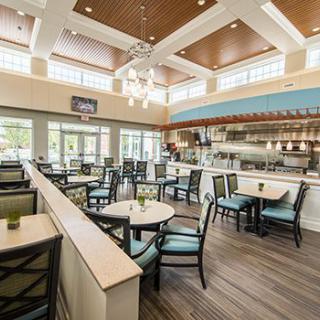



 Is Assisted Living Deductible on Your Taxes? Understanding the Complexities of Assisted Living Expenses and Deductions
 Assisted Living Support for Veterans: A Complete and Detailed Overview
 Exploring the Contrasts Between Assisted Living and Skilled Nursing