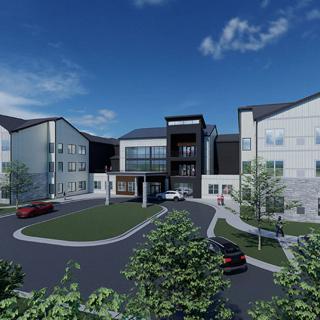
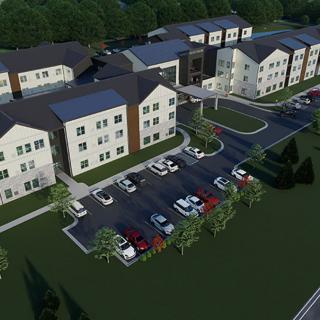
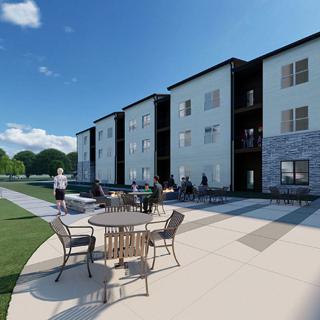
Astral at Franklin Costs & Pricing
Astral at Franklin offers a range of living options that reflect its premium amenities and services, with costs that are notably higher than average when compared to both Shelby County and the broader state of Indiana. For example, a one-bedroom unit at Astral ranges from $4,000 to $4,075, significantly exceeding the county's average of $3,498 and the state average of $3,300. Similarly, a studio apartment is priced at $4,070 - well above Shelby County's $2,790 and Indiana's $3,258. The 2-bedroom offerings also follow this trend, with monthly rates of $4,600 compared to just $3,186 in Shelby County and $3,208 statewide. Such pricing underscores Astral at Franklin's position as a premium choice for residents seeking high-quality living environments.
| Floor plans | Astral at Franklin | Shelby County | Indiana |
|---|
| 1 Bedroom | $4,000 to $4,075 | $3,498 | $3,300 |
| Studio | $4,070 | $2,790 | $3,258 |
| 2 Bedrooms | $4,600 | $3,186 | $3,208 |
Memory care communities with a similar price nearby
-
from -$405 / mo
Traditions of Columbus
$3,595 to $4,400 / month
20.7 miles away
-
from -$305 / mo
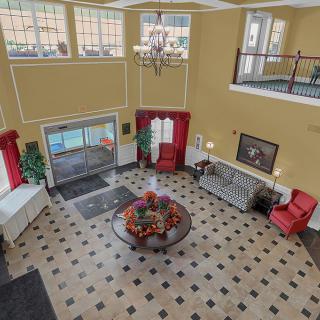
Magnolia Springs Southpointe
$3,695 to $7,195 / month
10.8 miles away
-
from -$350 / mo
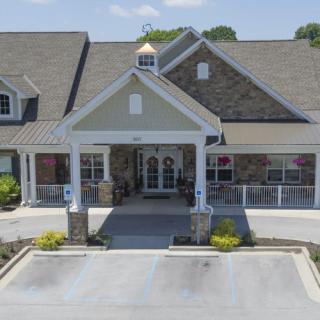
Bickford of Greenwood
$3,650 to $4,563 / month
9.5 miles away
-
from -$500 / mo
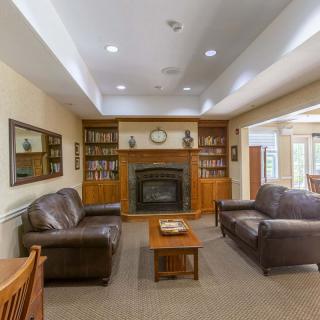
Independence Village of Greenwood
$3,500 to $5,700 / month
8.5 miles away
-
from -$280 / mo
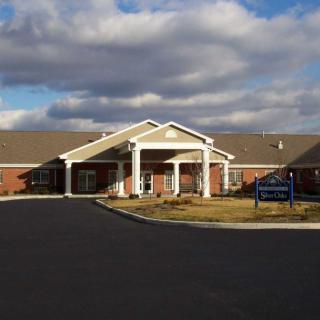
Silver Oaks Health Campus
$3,720 to $5,460 / month
18.6 miles away
Overall Review of Astral at Franklin
common
10 reviews mention this
Helpful, responsive staff
Residents and families repeatedly describe staff as kind and responsive.
Many reviews focus on staff being welcoming and attentive, with call-bell responsiveness and follow-through on questions or concerns. Several families describe the day-to-day experience as supportive, including staff who communicate updates and help residents settle in. Even among more critical feedback, the reviews still acknowledge strong performance from many staff members.
common
4 reviews mention this
Clean, well-kept spaces
Reviews consistently highlight cleanliness and upkeep across the building.
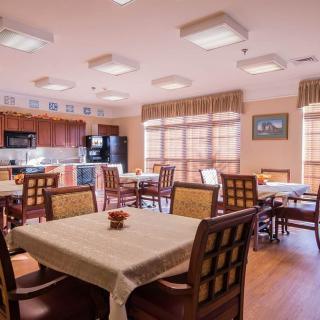
Residents and visitors mention a clean, bright environment with ongoing maintenance and a well-cared-for feel. Multiple reviews specifically call out spotless conditions and rooms that look and feel well maintained. One reviewer also discusses the pace of room turnover and repairs needed to prepare apartments for move-ins.
common
5 reviews mention this
Activities and social time
Activities are a frequent reason families choose Astral.
Several reviews say the community keeps residents engaged, with outings and structured activities rather than staying in front of the TV. Families mention social interaction that residents were not getting at home, plus activity highlights like movie days and gym-style events. A couple of reviewers note that they didn’t see activities during the specific period they visited, and one planning concern was raised about trips not yet being established.
common
6 reviews mention this
Restaurant-style dining is popular
Dining comes up often, including restaurant-style meals.
Reviews describe dining positively, including food quality and the ability to make meal suggestions. Multiple families mention restaurant-style dining, and one review highlights a chef who tries to increase nutrition. A reviewer also mentions the community changing up the menu and offering meals prepared on-site, while another notes a meal-plan approach during the move-in period.
caveat
5 reviews mention this
Cost and affordability concerns
Some families say the community’s pricing can be hard to manage.
While one review mentions upfront quotes and no hidden costs, other feedback points to affordability and billing disputes. One family describes an overcharge they had to push to get refunded, and another states they couldn’t afford the community despite trying with family incomes. A different review raises uncertainty about affordability for their parents, while another says they feel they get more than other places at a similar price point.
caveat
3 reviews mention this
Mixed staffing experiences
A few reviews raise concerns about staffing consistency and guidance.
Some reviews describe problems with staffing stability, including heavy use of agency employees and concerns about dementia training. Another reviewer mentions needing more guidance on the afternoon shift. Separately, one review discusses communication gaps around move-ins and equipment/requests, which affected day-to-day coordination.
How we summarize
Counts show how many written reviews mention each theme; a review can touch several themes, and only frequently mentioned themes are displayed.


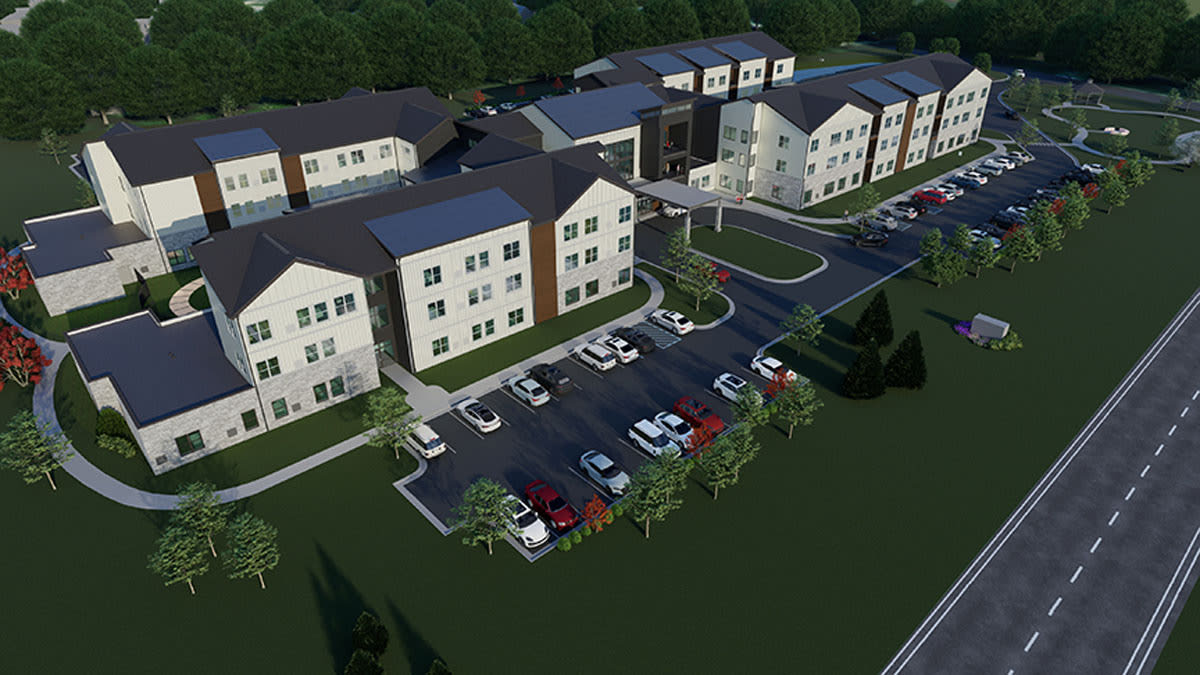
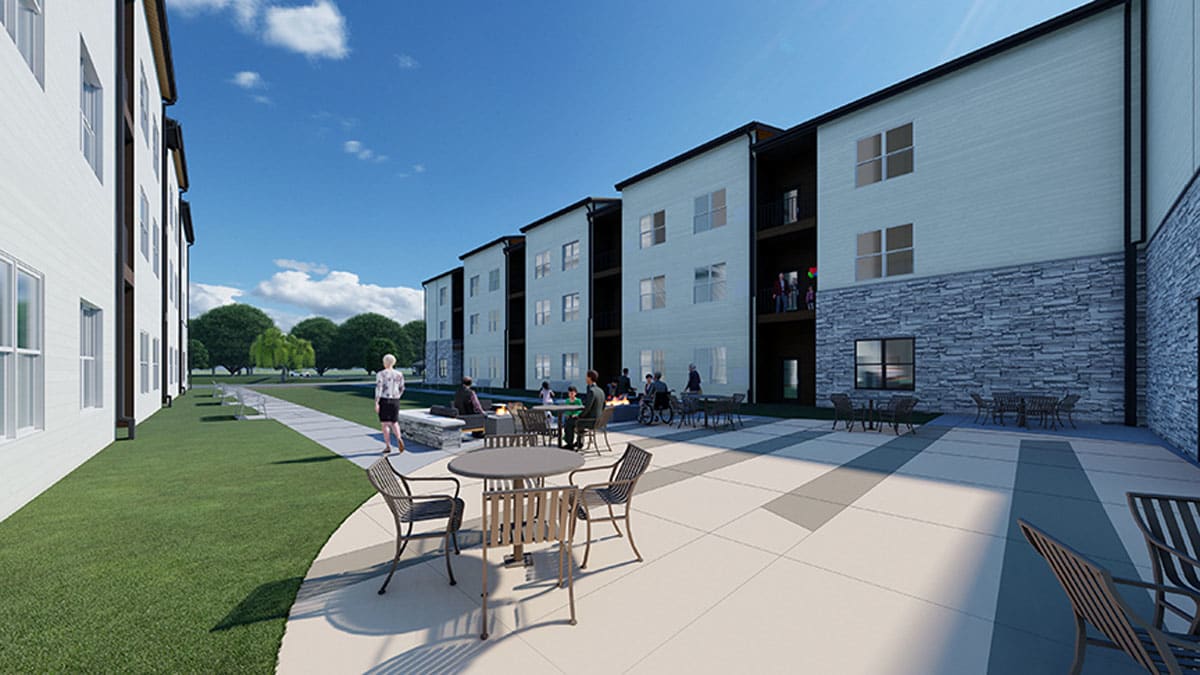


 Assisted Living
 Independent Living
 Memory Care
 Cats allowed
 Dogs allowed
 Activities on-site
 Devotional services off-site
 Indoor common areas
 Indianapolis International (20 miles away)
 Ambulatory care
 Diabetic care
 Meals provided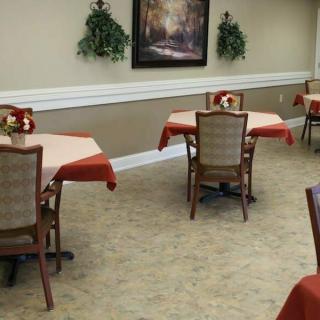
 Compassionate, well-trained staff and a clean environment.





 A Holistic Dementia Care Guide: Effective Strategies for Memory Support
 Memory Care Pathways: A Holistic Guide to Dementia Support
 Comprehending Evening Confusion in Dementia: Causes, Manifestations, and Support