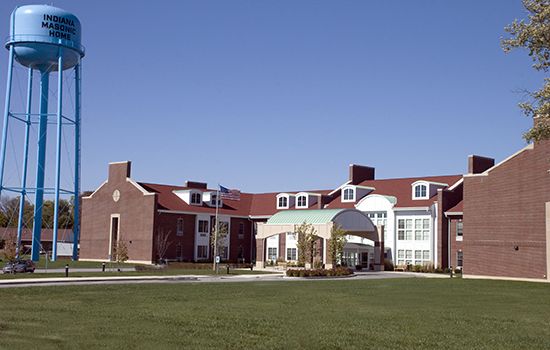

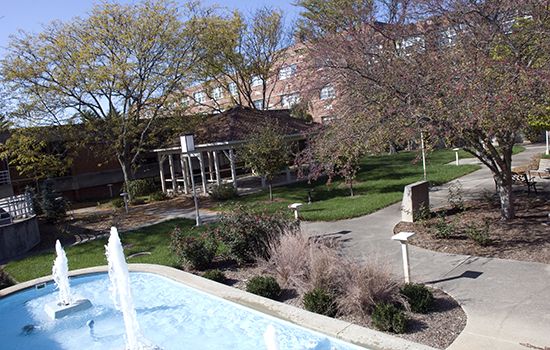

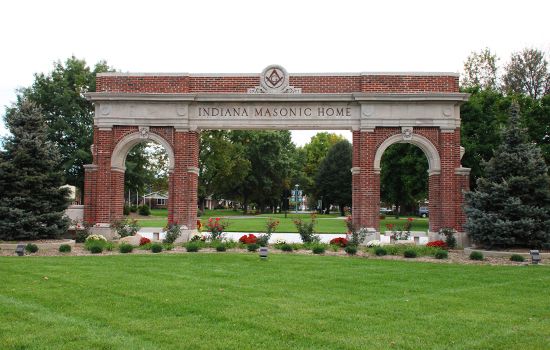





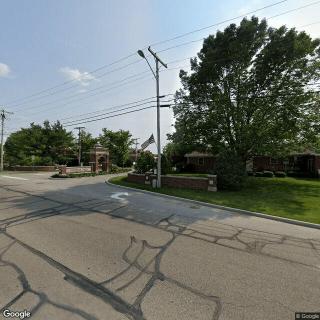
800 Freemason Parkway, Franklin, IN 46131
For more information about senior living options: (866) 208-4318
Overall Review of Indiana Masonic Home Health Center
Pros
 The company is amazing to work with.
- The staff are helpful and knowledgeable.
- They provide amazing care.
- The company is wonderful to work for.
- They serve compassionately and treat their clients like family.
- Comforcare is one big family.
Review
Indiana Masonic Home Health Center in Franklin is best suited for seniors who want a home-based care experience delivered with a genuine, family-like caregiving culture. This center excels when the priority is warm, responsive staff who are consistently knowledgeable and invested in compassionate care. Families that value continuity, trust in the caregiving team, and a cohesive, community-minded approach will find the strongest alignment here.
Those weighing alternatives should note a few practical boundaries. If the need centers on highly specialized medical management, a broad menu of therapies, or round-the-clock on-site supervision, other providers with larger networks and more formal, 24/7 structures may be more appropriate. For families prioritizing transparent pricing, rapid access to a wide array of clinical services, or a corporate-scale operation with standardized processes, exploring other options could yield clearer guarantees and more extensive service footprints.
The strongest positives center on the caregiving environment. Staff are described as helpful and knowledgeable, delivering care that appears to be both skilled and attentive. A culture that treats clients like family translates into higher trust, easier daily coordination, and a sense of security for both clients and families. In practice, such an atmosphere often means smoother communication, quicker problem resolution, and a lower likelihood of feeling like a burden or left in doubt about who is supervising care at any moment.
That family-first dynamic is not just about warmth; it translates into practical advantages for care continuity. A stable, closely knit team tends to reduce caregiver turnover, which is critical in home health where familiar faces and established routines matter for health outcomes and comfort. In situations where medical needs shift or routines must adapt, having a team that already “knows” the client can shorten response times and improve adherence to care plans. These advantages help offset the absence of a larger, more impersonal infrastructure often found in bigger networks.
However, the available public feedback is limited, which creates legitimate caveats. Only three reviews exist, all 5-star, offering a highly positive snapshot but leaving essential questions unanswered: how does the center handle complex cases, what are the exact service hours and coverage patterns, and how transparent are billing practices? The lack of a broader data pool means potential variability in experiences across shifts, caregivers, or seasons may not be fully captured. This is not a disqualifier, but it is a reason to probe further before committing.
Ultimately, decision-makers should pursue concrete, firsthand assurances. Schedule a visit to meet the care director and several caregivers, observe a home-visit scenario, and request a copy of the current care plan templates, caregiver-to-client ratios, and a sample billing statement. Clarify what medical services are available on-site, how flexibility is managed for changing needs, and how transitions to higher levels of care are handled. If the family’s priority is a trusted, compassionate, family-like caregiving team with strong interpersonal dynamics, Indiana Masonic Home Health Center stands out as a sensible, well-aligned option. If breadth of services, scale, or aggressive medical management takes precedence, consider alternatives that offer a larger clinical footprint and more formalized procedures.
 167 resident community capacity
 Assisted Living
 Air-conditioning
 Beauty salon
 Cable or satellite TV
 Computer center
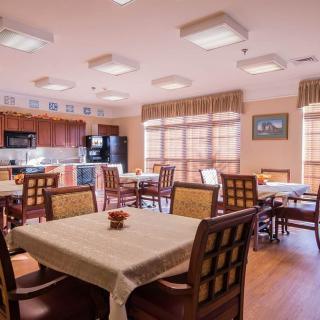
 Dining room
 Fitness room
 Fully furnished
 Gaming room
 Garden
 Housekeeping services
 Kitchenette
 Move-in coordination
 Outdoor space
 Private bathrooms
 Restaurant-style dining
 Small library
 Telephone
 Wellness center
 Wi-Fi/high-speed internet available
 Indianapolis International (22 miles away)
 Community operated transportation
 12-16 hour nursing
 24-hour call system
 Activities of daily living assistance
 Assistance with bathing
 Assistance with dressing
 Assistance with transfers
 Diabetes diet
 Medication management
 Mental wellness program
 Special dietary restrictions
 Concierge services
 Planned day trips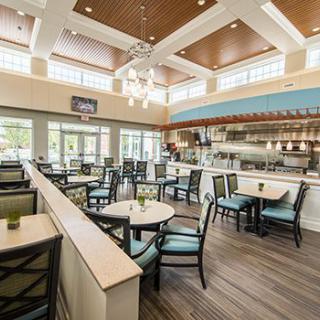





 Vibrant Senior Living: A Comprehensive Guide for Active Older Adults
 When to Transition from Assisted Living to Memory Care: Key Indicators, Steps, and Finding the Right Community
 Assisted Living and Memory Care: Understanding Their Core Differences