
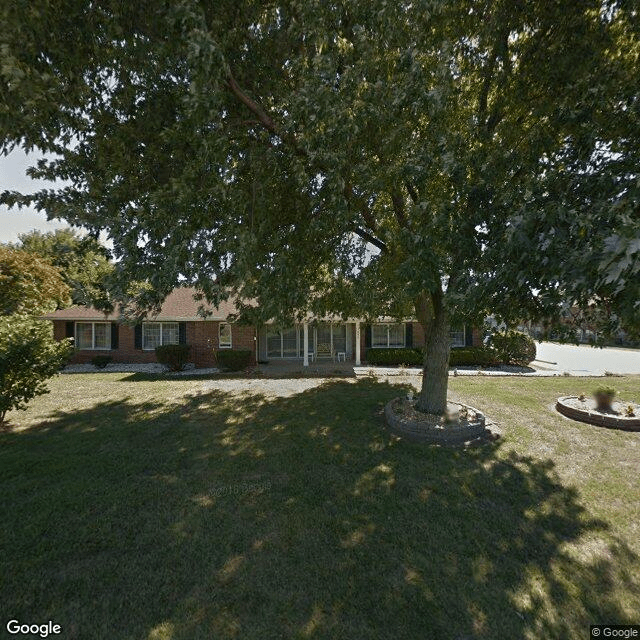
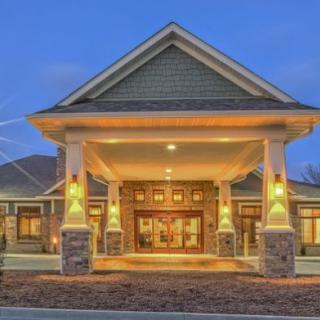
1450 Virginia Ave, Wood River, IL 62095
To contact a resident: (618) 259-2777
For more information about senior living options: (866) 208-4318
Overall Review of Thelma Terrace
Pros
 The staff at Thelma Terrace truly know the residents’ needs and treat them with kindness and respect.
- Thelma Terrace is a very well-run, compassionate operation.
- Residents are in excellent health, well-groomed, well-fed, and engaged in various weekly activities.
- The facility is clean and caring.
- Thelma Terrace is highly recommended for quality care of loved ones with special needs.
Review
Thelma Terrace is best suited for families seeking long-term, person-centered care for adults with special needs who require steady supervision, daily structure, and meaningful social engagement. The community earns trust through a staff that appears to know residents well, their preferences, routines, and health signals, and respond with kindness and respect. Observations from families describe residents who are well-groomed, well-nourished, and consistently supported in activities designed to keep them engaged. The setting comes across as well-run and compassionate, not transactional; a place where care feels tailored rather than scripted. For a loved one who benefits from predictable routines, regular meals, and a supportive, family-like atmosphere, Thelma Terrace offers a reliable home base that keeps daily life stable and dignified.
Explicitly, those who may want to consider alternatives are residents whose needs extend beyond daily care and social programming. If medical oversight must be highly visible, if complex memory care or intensive treatment plans are required, or if the family prioritizes a more clinical environment with broader on-site healthcare resources, a larger or more specialized community may be a better match. Likewise, families seeking a setting with more independence, more luxury amenities, or a wider array of campus services might prefer a different option. Thelma Terrace excels as a home-like, care-first environment, but its model is less about hospital-style intensity and more about steady daily life and personal attention.
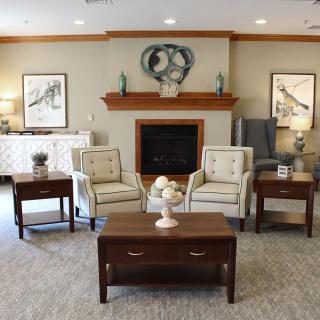
Key advantages surface in the intimate, attentive care approach. Staff who know residents personally reduce the risk of miscommunication and foster comfort during visits. This translates into consistent health signals, clean presentation, and appearances of good daily routines. Nutrition and grooming are reliably maintained, and weekly programming gives residents opportunities to socialize and stay mentally and physically active. Cleanliness and a calm, organized operation emerge as visible strengths, reinforcing safety and trust. In practice, this combination creates emotional security for families, which often outweighs the absence of a larger care footprint.
Where a potential concern could be a smaller scale operation with fewer high-tech or specialized services, the tangible pros compensate through reliability and depth of relationship. The most significant offset comes from staff familiarity: when caregivers know a resident’s quirks and triggers, care plans stay accurate, medications are managed smoothly, and visits remain meaningful. Cleanliness and daily structure help prevent neglect and confusion, while regular activities sustain engagement and mood. In short, the warmth and consistency of Thelma Terrace act as a buffer against the lack of expansive medical amenities, delivering a level of dignity and stability that families often prioritize over a broader facility footprint.
Families evaluating options should weigh daily life metrics alongside the emotional fit. Observe how staff interact with a resident during a visit, review how meal times are managed, and examine calendars for variety in programming. Confirm the process for updating care plans, physician involvement, and how transitions are handled if needs escalate. Thelma Terrace’s long-term presence, evidenced by decades of residency, suggests a stable, accountable operation, but families should still verify current staffing levels, emergency protocols, and inclusivity of family input. If independence, advanced clinical services, or a broader hospital network are pivotal, begin the search elsewhere while keeping this community in mind as a benchmark for compassionate, neighborly care.
For families seeking a compassionate, well-run home for adults with special needs who thrive on routine and social engagement, Thelma Terrace stands out as a practical, trustworthy option. Its strengths, person-centered staff, consistent care, clean environments, and meaningful activities, form a persuasive case for choosing it as a primary residence. Alternatives should be considered for those with heavier medical requirements or a preference for a more clinical or luxurious setting, but Thelma Terrace should be high on the shortlist for anyone prioritizing dignity, reliability, and a participatory, family-style atmosphere. The next step is to arrange a tour, meet frontline staff, and see how the daily cadence matches the loved one’s needs and personality.
 Board and Care Home
 Lambert-St Louis International (18 miles away)


 Essential Knowledge on Pneumonia in Older Adults
 Exploring Palliative Care in the Home: A Comprehensive Overview
 Comprehensive Insights into Palliative Home Care: What It Is and What to Expect