Residents consistently praise the therapy teams for attentive recovery support.
A recurring theme is how well residents describe physical, occupational, and speech therapy during rehab stays. Multiple reviewers say therapists were thorough, knowledgeable, and focused on helping them progress. Several also mention strong day-to-day support alongside therapy, including how staff helped manage pain and recovery plans.
common20 reviews mention this
Caring, responsive staff make a difference
Residents describe staff who are caring, respectful, and quick to respond to needs.
Across reviews, residents and families repeatedly highlight kindness, respect, and responsiveness from the people working there. Many mention timely help when they asked for assistance, and others describe teamwork across departments during a stay. One reviewer even calls out extra effort from an individual staff member in maintenance, which reflects the broader tone of supportive service.
common12 reviews mention this
Food is repeatedly called tasty
Food is a frequent positive, with residents describing it as tasty and delicious.
Dining shows up often in the reviews, with residents and families describing the food as tasty and enjoyable. A number of reviewers connect meals to overall satisfaction with the rehab experience, rather than treating food as an afterthought. The community also offers special diet support in categories tied to diabetes and other dietary restrictions, which aligns with residents mentioning food positively during care.
common3 reviews mention this
Wound care nurses get specific praise
Wound care is singled out as a strong point during rehab.
Some reviews get very specific about wound care. Residents mention daily wound care support and describe wound care nurses as excellent, including one review calling out a wound nurse by name. This shows up as a targeted strength within the broader recovery experience.
common7 reviews mention this
Clean rooms and private baths
Residents frequently mention cleanliness and private room or bathroom comfort.
Multiple reviews describe the community as clean and well kept, including during rehab and skilled care stays. Several also mention private room comfort and private bathroom features. One reviewer notes a private room setup with large windows, reinforcing the comfort-related details that come up in more than one review.
How we summarize
Counts show how many written reviews mention each theme; a review can touch several themes, and only frequently mentioned themes are displayed.
Features
Housing
28 resident community capacity
Types of Care
Assisted Living
Continuing Care Retirement Community (CCRC)
Memory Care
Respite Care
Skilled Nursing Facility
Amenities
Beauty salon
Cable or satellite TV
Fully furnished
Garden
Housekeeping services
Move-in coordination
Outdoor space
Private bathrooms
Transportation
Chicago O'Hare International (19 miles away)
Chicago Midway (23 miles away)
Transportation arrangement
Transportation arrangement (non-medical)
Care Services
24-hour call system
24-hour supervision
Activities of daily living assistance
Assistance with bathing
Assistance with dressing
Assistance with transfers
Diabetes diet
Meal preparation and service
Medication management
Special dietary restrictions
Dining
Diabetes diet
Special dietary restrictions
Activities
Community-sponsored activities
Scheduled daily activities
Nearby Places of Interest
Physicians
The Dermatology Institute (0.2 miles)
Northwestern Medicine Orthopaedics Warrenville (2.1 miles)
Northwestern Medicine Proton Center (2.3 miles)
Dreyer Medical Clinic-Fox Valley Villages (4.2 miles)
Rush Copley Physicians Office (6.6 miles)
Rush-Copley Center for Reproductive Health (6.6 miles)
Advocate Medical Dryer (6.7 miles)
Cafes
Starbucks (1 miles)
Peet's Coffee and Tea (3.8 miles)
Panera Bread (4 miles)
Starbucks (4 miles)
Starbucks (4.3 miles)
Moka North Aurora (6.4 miles)
Pharmacies
Walgreens (1.3 miles)
Walgreens (1.8 miles)
Walgreens (2.4 miles)
Walgreens (3.8 miles)
Walgreens (3.8 miles)
Walgreens (4 miles)
Walgreens (4 miles)
Restaurants
McDonald's (1.7 miles)
McDonald's (2.4 miles)
Solemn Oath Brewery (2.6 miles)
Portillo's Hot Dogs (2.9 miles)
Panda Express (3 miles)
Miller's Ale House - Aurora (3.1 miles)
Lazy Dog Restaurant & Bar (3.3 miles)
Parks
Cress Creek Park (2.5 miles)
Wil-O-Way Park (3.1 miles)
Burlington Park (3.2 miles)
East Street Park (4.7 miles)
Seven Gables Park (5.2 miles)
Illinois Prairie Path - Mile Marker Zero (5.7 miles)
Briar Knoll Park (5.8 miles)
Hospitals
Marianjoy Rehabilitation Hospital and Clinics (4.4 miles)
Central Dupage Hospital (4.9 miles)
Northwestern Medicine Central DuPage Hospital Sleep Health Center (4.9 miles)
Central Dupage Hospital - Mother & Baby Pavilion (4.9 miles)
The Springs At Monarch Landing offers a comprehensive suite of features specifically designed to support residents with dementia or Alzheimer's disease, enhancing their quality of life while promoting dignity and independence. Assistance with dressing and bathing provides individualized care tailored to each resident's needs, fostering a sense of personal hygiene and comfort. Medication management ensures that residents receive the correct dosages at the appropriate times, which is crucial for overall health stability. Meal preparation and service cater to dietary requirements while offering nutritional meals that can help maintain physical well-being. Activities of daily living assistance enables residents to engage in essential tasks like grooming and mobility, encouraging autonomy while providing necessary support. Moreover, assistance with transfers ensures safety and reduces the risk of falls, which is especially important for those experiencing cognitive decline. Finally, 24-hour supervision creates a secure environment where families can feel confident that their loved ones are monitored consistently, allowing for quick intervention in case of emergencies or behavioral changes.
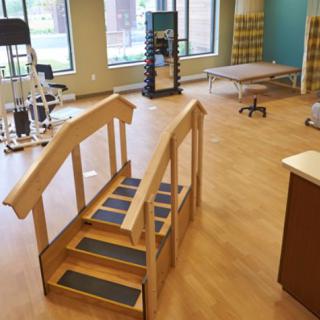
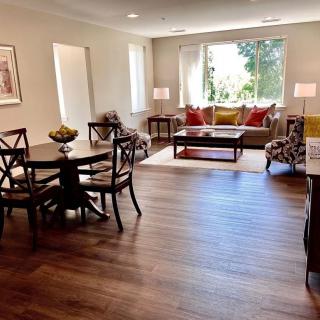
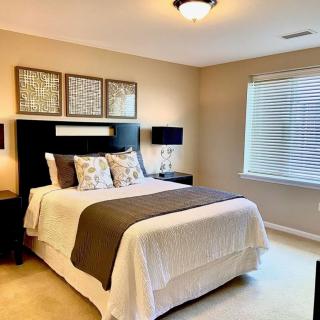
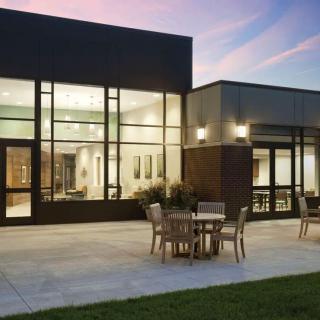
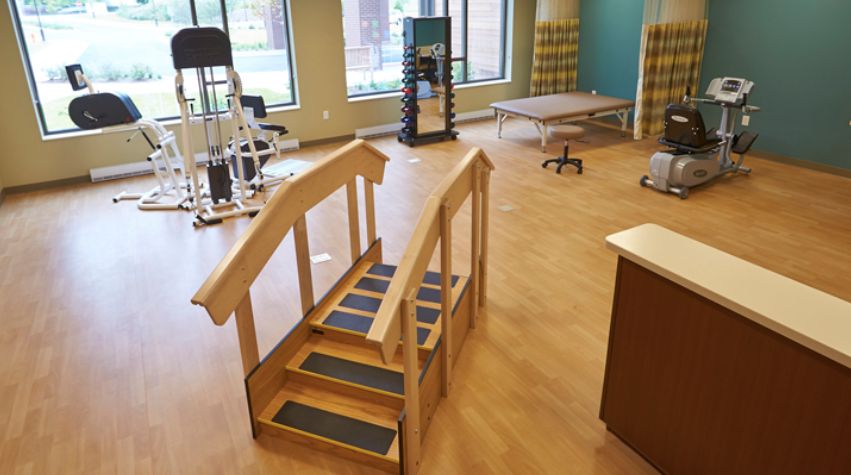
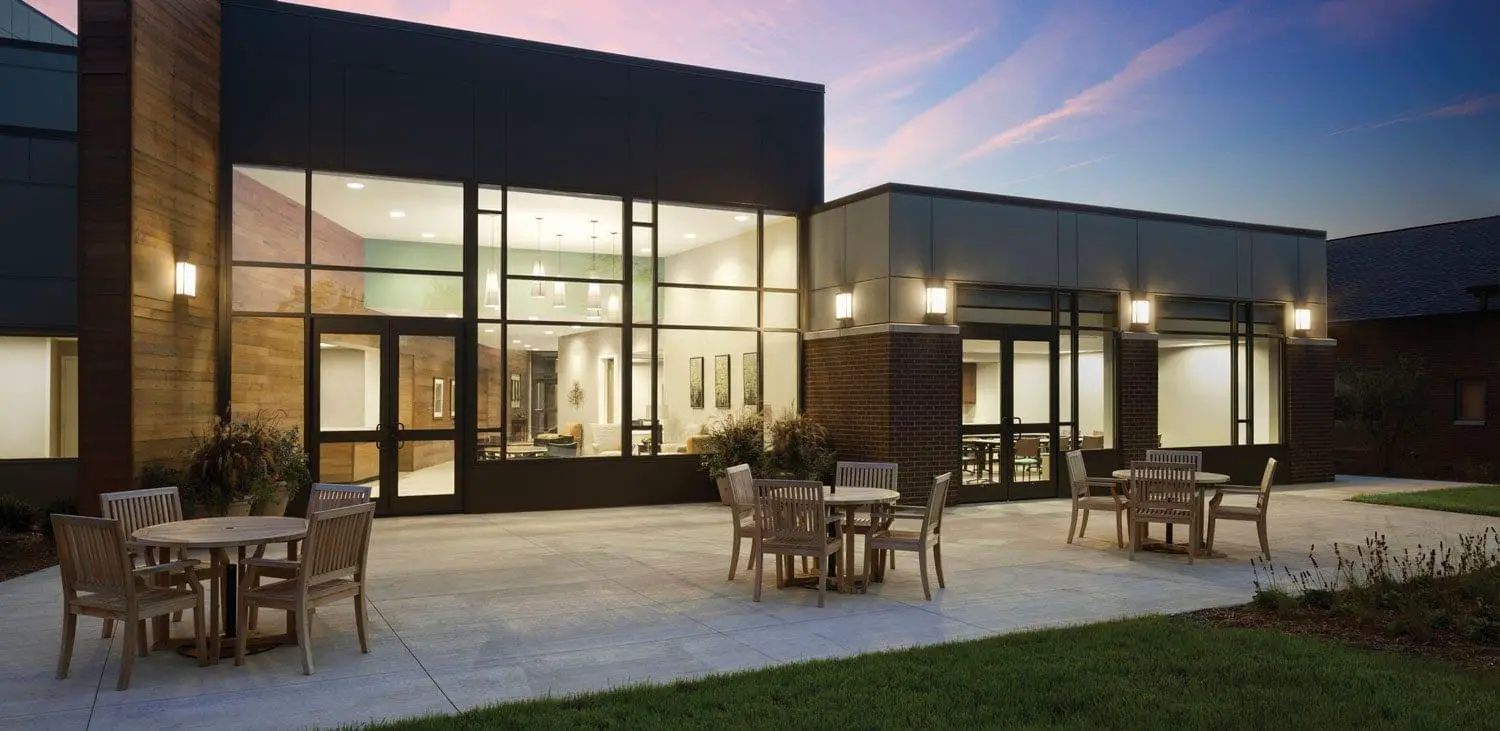
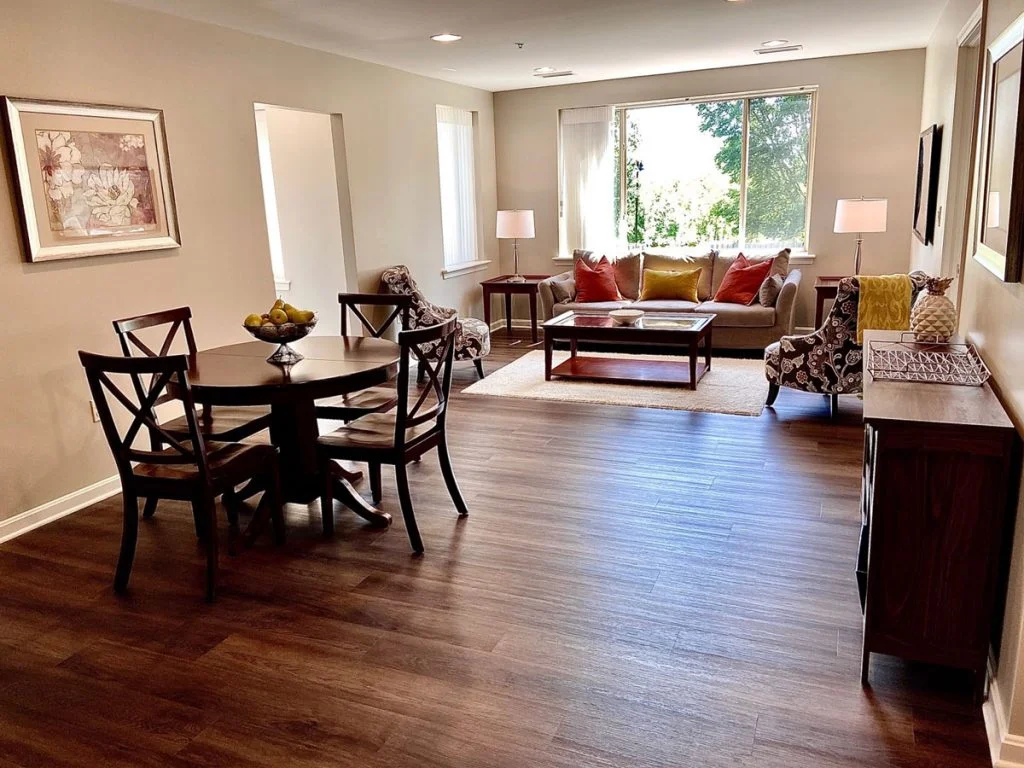
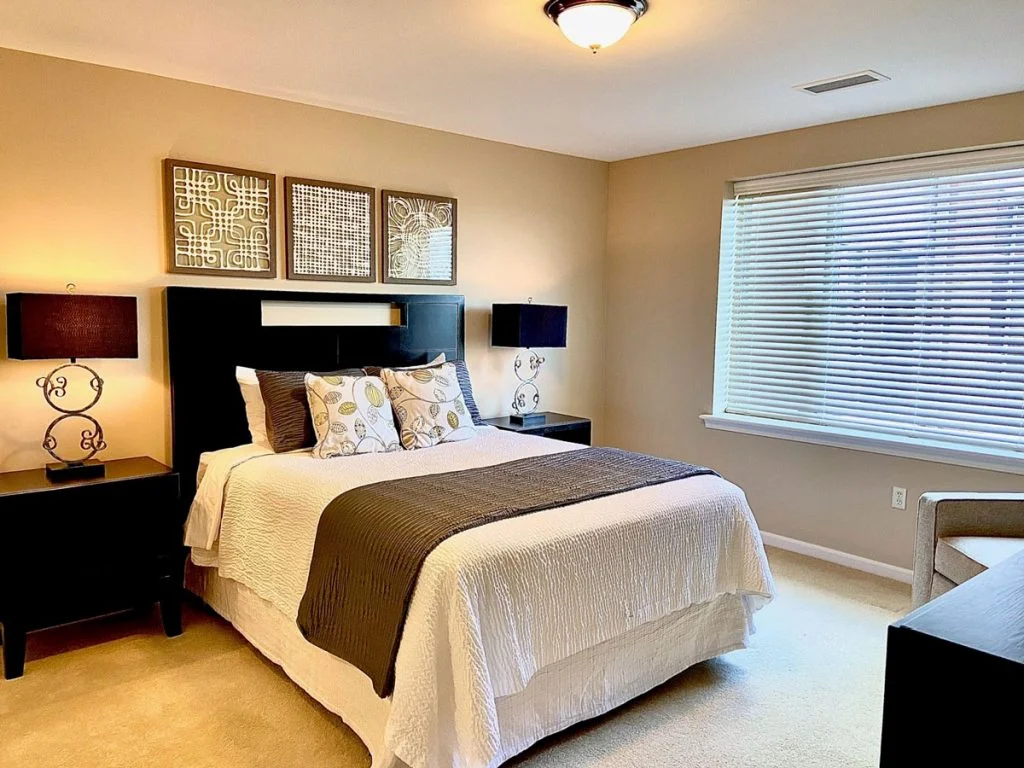
The Springs At Monarch Landing on seniors.fyi includes 5 photos including images showing interior, decor, dining, bedroom, windows, physical therapy, rehabilitation, exercise equipment, and more.
Nearby Communities
Monarch Landing
Naperville, IL
4.6 from 119 reviews
$2,548 to $2,992 / month
Comprehensive care options (CCRC) with extensive amenities and an active social calendar.
Maxim Healthcare Services Inc.
Naperville, IL
4.8 from 93 reviews
Prime Naperville location with abundant nearby amenities (parks, pharmacies, restaurants, and medical services).
Atwater Ranches
Naperville, IL
4 from 9 reviews
Comfortable accommodations with engaging activities and comprehensive care (meal preparation, medication management) plus Wi-Fi access.
Tabor Hills Health Care Facility
Naperville, IL
4.3 from 58 reviews
Attentive staff, clean environment, and a variety of activities.
Tabor Hills Healthcare
Naperville, IL
4.2 from 34 reviews
Caring staff, clean facility, and Medicaid acceptance.
A Loving Touch Home Care
Warrenville, IL
Warm, homelike environment with compassionate staff and easy access to nearby healthcare, dining, parks, and pharmacies.
St Patrick's Residence
Naperville, IL
4.3 from 79 reviews
Compassionate staff, clean facilities, and engaging activities with good dining.
StoryPoint Naperville
Naperville, IL
4.6 from 197 reviews
$3,884 to $4,643 / month
Caring staff and welcoming, well-maintained community with engaging activities.
The Springs at Monarch Landing
Naperville, IL
4.7 from 121 reviews
$8,350 / month
Strong nursing and therapy care in a clean, modern setting with engaging activities.
Dementia leads to cognitive impairment and can cause emotional and behavioral changes, including aggression that arises from frustration, confusion, or fear. Effective coping strategies for caregivers include understanding dementia's nature, recognizing triggers, using empathetic communication, and employing non-pharmacological interventions like music and art therapy.
Dementia causes cognitive decline and challenging behaviors that caregivers must manage, necessitating an understanding of the neurological basis of these issues. Effective strategies and self-care for caregivers can enhance support for those with dementia and improve their daily lives.
The content outlines five key early indicators of dementia, including significant memory loss and confusion about time and place, while emphasizing the need for professional evaluation and emotional support for both individuals showing symptoms and their caregivers. It encourages family members to monitor these signs closely and use online quizzes for initial awareness.
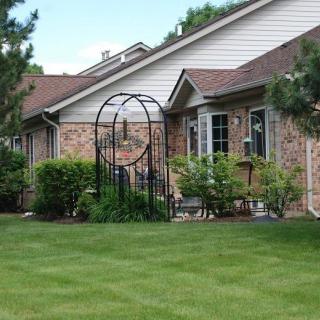
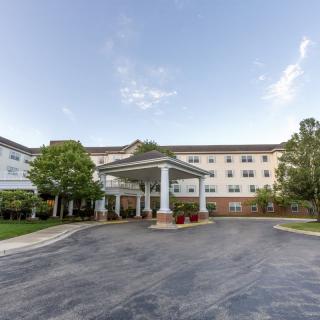
Patio, Outdoor Furniture, Modern Architecture, and Building Exterior
Exercise Equipment, Healthcare, Rehabilitation, and Physical Therapy
Get PricingAsk A QuestionSchedule A TourContact Senior Advisor
By clicking submit, you agree to our Partner's Terms of Use. You
also consent to receive calls and texts, which may be autodialed, from our Partner. Your consent is not a condition to
using our Partner's service. Please visit our Partner's Privacy Policy for information about their privacy practices.




 28 resident community capacity
 Assisted Living
 Continuing Care Retirement Community (CCRC)
 Memory Care
 Respite Care
 Skilled Nursing Facility
 Beauty salon
 Cable or satellite TV
 Fully furnished
 Garden
 Housekeeping services
 Move-in coordination
 Outdoor space
 Private bathrooms
 Chicago O'Hare International (19 miles away)
 Transportation arrangement
 24-hour call system
 Activities of daily living assistance
 Assistance with bathing
 Assistance with dressing
 Assistance with transfers
 Diabetes diet
 Meal preparation and service
 Medication management
 Special dietary restrictions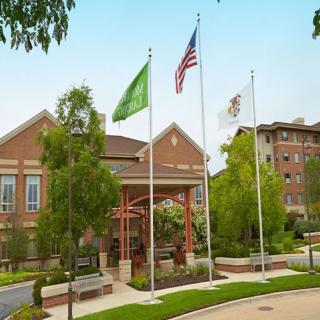
 Comprehensive care options (CCRC) with extensive amenities and an active social calendar.


 When Dementia Sparks Anger and Aggression: Understanding the Connection and Ways to Cope
 Dementia Behaviors: In-Depth Understanding and Effective Coping Strategies
 5 Early Indicators of Dementia and What You Can Do