For more information about senior living options: (866) 208-4318
3.8 from 77 reviews
5 stars
49
4 stars
6
3 stars
1
2 stars
3
1 stars
18
Victorian Village Costs & Pricing
Victorian Village offers a competitive pricing structure for its accommodations when compared to both Will County and the broader state of Illinois. For instance, a studio apartment at Victorian Village is priced at $2,470 per month, significantly lower than the county average of $4,185 and the state average of $4,028. This trend continues across all room types; the one-bedroom unit costs $3,130 while Will County and Illinois reflect higher rates of $3,636 and $3,527 respectively. Even for semi-private options and two-bedroom arrangements, Victorian Village maintains an attractive price point - $3,630 and $4,025 versus county rates of $4,676 and $4,719. Overall, Victorian Village stands out as a cost-effective choice for residents seeking quality living spaces without the burden of excessive expenses in comparison to regional figures.
Floor plans
Victorian Village
Will County
Illinois
Studio
$2,470
$4,185
$4,028
1 Bedroom
$3,130
$3,636
$3,527
Semi-Private
$3,630
$4,676
$5,146
2 Bedrooms
$4,025
$4,719
$4,208
Memory care communities with a similar price nearby
Many residents and families describe caring staff, but some reviews report slow responses during care needs.
In many reviews, families praise nurses, CNAs, therapists, and leadership as kind, professional, and attentive to daily needs. Several residents also mention being treated respectfully and feeling comfortable enough to ask questions or communicate with staff. At the same time, a recurring negative thread is that call lights and requests for help can take a long time, with some reviewers describing rushed or unavailable staff and poor communication when medical issues arise.
caveat11 reviews mention this
Rehab therapy quality is disputed
Rehab experiences are split between strong therapy praise and reports of infrequent or minimal therapy.
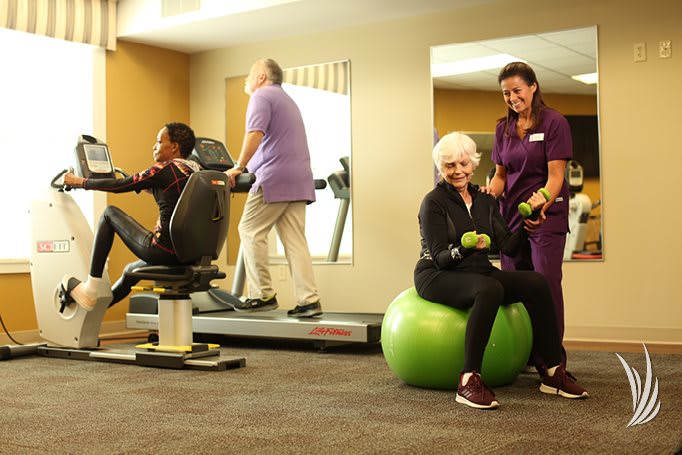
Some post-acute and rehab residents and families say physical and occupational therapy made a difference, with therapists described as engaged and care plans that supported recovery. Others report the opposite, describing therapy sessions as infrequent or minimal effort and saying the gym was often closed. Together, the reviews suggest rehab outcomes depend heavily on staffing and day-to-day execution.
caveat10 reviews mention this
Dining quality has mixed expectations
Residents describe meals that are sometimes excellent, but other reviews call out gaps in how meals are served.
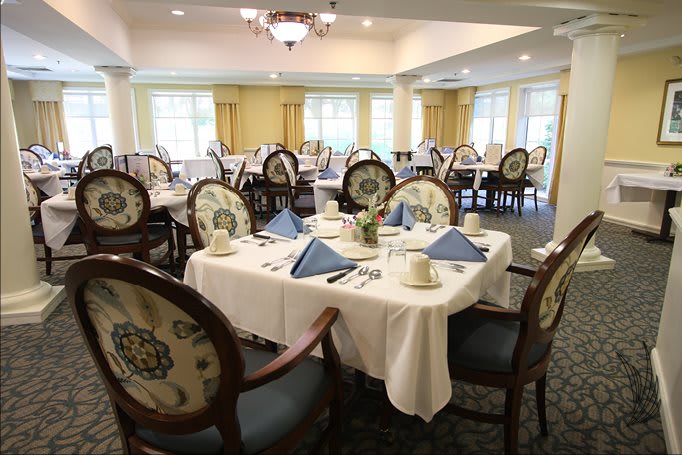
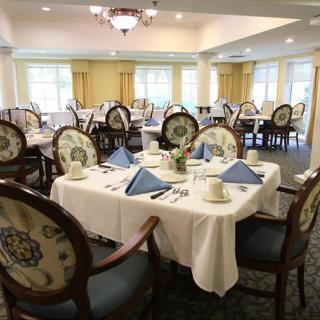
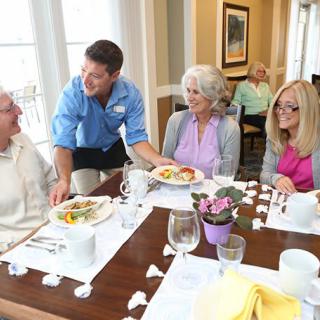
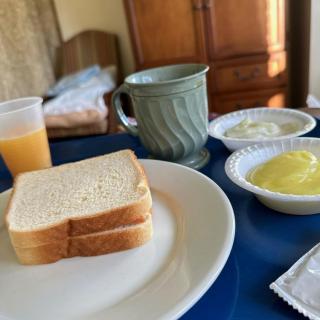
Several reviews say food is delicious, home-cooked, and plentiful, including mentions of menus, restaurant-style ordering, and meals prepared fresh. Other residents and families disagree, pointing to meals that do not match expectations around chef-prepared or restaurant-quality dining. A few reviews also describe weekends when residents are told to eat in apartments, and situations where dining-room meals were not consistently provided as expected.
common18 reviews mention this
Facility cleanliness and upkeep stand out
Cleanliness and well-kept spaces are mentioned frequently across reviews.
Many families and residents describe the building as clean, secure, and well maintained, including rooms and common areas. Even some less-favorable reviews acknowledge cleanliness while focusing their complaints on care delivery or staffing. Overall, upkeep appears to be a consistent positive theme in resident day-to-day impressions.
common10 reviews mention this
Activities and home-like routines help
Reviews highlight activities and a more home-like daily routine.
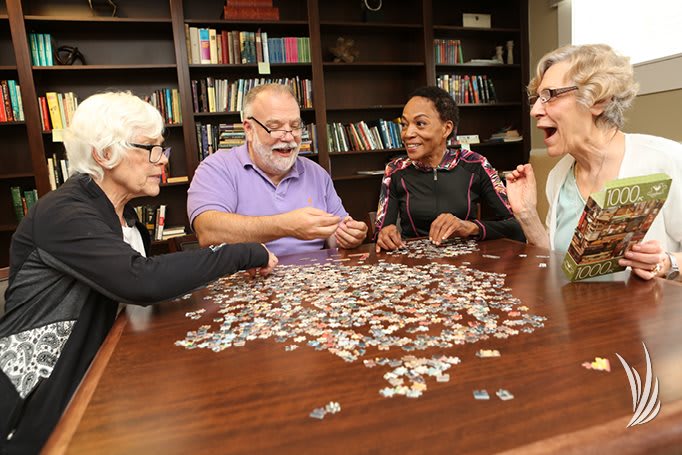
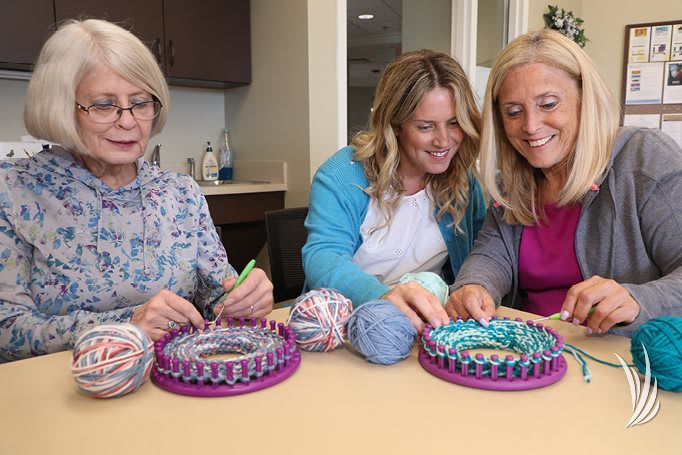
Residents and families often mention weekly programming and activities such as bingo, Wii bowling, fitness-related offerings, and live performances. Some also describe religious or devotional activities and off-site day trips as part of the routine. This lines up with the community’s broad mix of on-site and off-site activity offerings described in the listing.
caveat3 reviews mention this
Some care decisions raise safety questions
A few reviews raise concerns about security access and medical support follow-through.
One review questions independent living security, saying that anyone could walk in and expressing doubt about how residents are evaluated for suitability. Other negative accounts describe medical situations where help was delayed, including missed or forgotten medications and failure to respond promptly to breathing concerns. These complaints are not the majority, but they are specific enough to stand out as safety-related caveats.
How we summarize
Counts show how many written reviews mention each theme; a review can touch several themes, and only frequently mentioned themes are displayed.
Features
Housing
1-bedroom apartments
2-bedroom apartments
Studio apartments
Types of Care
Assisted Living
Independent Living
Memory Care
Amenities
Activities off-site
Activities on-site
Beautician on-site
Cable or satellite TV
Cafe
Devotional services off-site
Devotional services on-site
Dining room
Garden
Guasts at mealtime
Guest parking
Hiking trails
Housekeeping services
Indoor common areas
Kitchenette
Laundry
Outdoor common areas
Overnight guests
Party space
Resident parking
Respite or short term stays offered
TV room
Wheelchair accessible showers
Wi-Fi/high-speed internet available
Transportation
Chicago Midway (14 miles away)
Chicago O'Hare International (24 miles away)
Transportation & parking
Care Services
Ambulatory care
Diabetic care
High acuity care
Hospice care
Incontinence care
Medication management
Personal care assistants
Physical therapy
Dining
Gluten-free
Guest meals
International cuisine
Low / no sodium
Meals provided
No Sugar
Professional chef
Restaurant style dining
Room service
Vegetarian
Activities
Activities off-site
Art classes
Arts and crafts
Brain fitness
Cooking classes
Day trips and outings
Devotional activities offsite
Devotional activities on-site
Educational speakers / life long learning
Fitness programs
Forever fit
Games
Gardening club
Karaoke
Live musical performances
Live well programs
Religious services
Stretching classes
Tai Chi
Yoga / chair yoga
Videos
Nearby Places of Interest
This area of Homer Glen, Illinois offers a variety of amenities and services that cater to senior living. There are several places of worship nearby for spiritual fulfillment, as well as physicians' offices and medical centers for healthcare needs. Pharmacies are easily accessible for medication refills, and numerous restaurants provide dining options for residents. The local theaters offer entertainment options, while parks like The Forge: Lemont Quarries and Waterfall Glen Forest Preserve offer opportunities for outdoor recreation. Cafes such as Panera Bread and Starbucks are also available for social gatherings. In case of emergencies, Palos Community Hospital is located within a reasonable distance. Additionally, transportation via Metra is convenient for those looking to travel within or outside the area. Overall, this part of Homer Glen provides a well-rounded and convenient environment for seniors looking to settle down in a peaceful community with easy access to essential services and recreational activities.
Places of Worship
Our Mother Of Good Counsel (2.1 miles)
Parkview Christian Church (5.2 miles)
Palos Islamic Center (6.2 miles)
Trinity Lutheran Church (7.9 miles)
Mosque Foundation (9.1 miles)
Physicians
Rife & Associates (3.4 miles)
Children's Wellness Center (3.6 miles)
Loyola (3.7 miles)
Advocate Medical Campus Southwest (5.8 miles)
Advocate Medical Group (5.9 miles)
Fuentes, Henry Parkview Orthopaedic Group (6.4 miles)
Victorian Village offers a competitive pricing structure for its accommodations when compared to both Will County and the broader state of Illinois. For instance, a studio apartment at Victorian Village is priced at $2,470 per month, significantly lower than the county average of $4,185 and the state average of $4,028. This trend continues across all room types; the one-bedroom unit costs $3,130 while Will County and Illinois reflect higher rates of $3,636 and $3,527 respectively. Even for semi-private options and two-bedroom arrangements, Victorian Village maintains an attractive price point - $3,630 and $4,025 versus county rates of $4,676 and $4,719. Overall, Victorian Village stands out as a cost-effective choice for residents seeking quality living spaces without the burden of excessive expenses in comparison to regional figures.
Victorian Village's offerings, such as brain fitness programs, incontinence care, medication management, and physical therapy, are integral to enhancing the quality of life for residents with dementia or Alzheimer's disease. Brain fitness activities stimulate cognitive function and promote mental engagement, helping to slow cognitive decline while preserving memory. Incontinence care provides dignity and comfort, reducing anxiety and allowing residents to focus on their well-being rather than discomfort or embarrassment. Medication management ensures that residents receive their prescriptions accurately and on time, minimizing the risk of confusion or adverse effects from missed doses. Additionally, physical therapy supports mobility and strength, which can mitigate the physical challenges associated with dementia-related conditions, enabling residents to maintain independence for as long as possible while also promoting overall health. Together, these features create a holistic approach that addresses the multifaceted needs of individuals living with memory impairments.
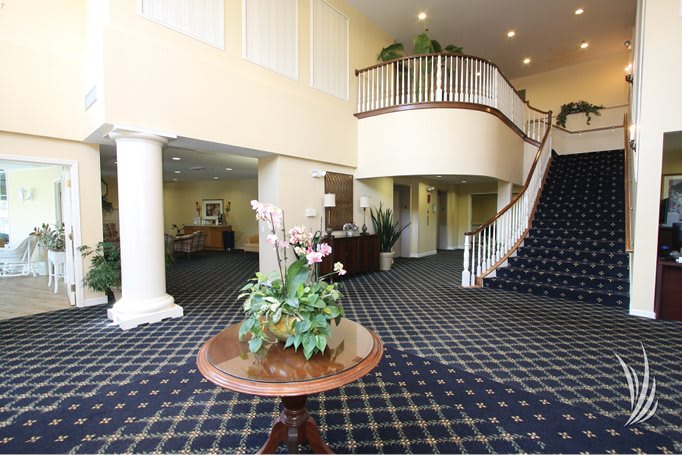
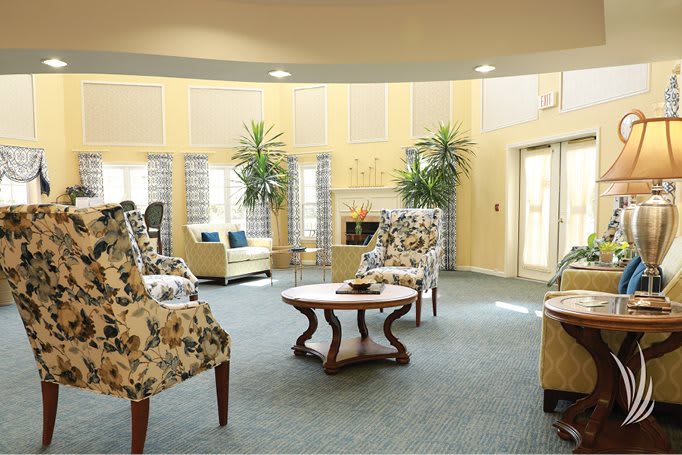
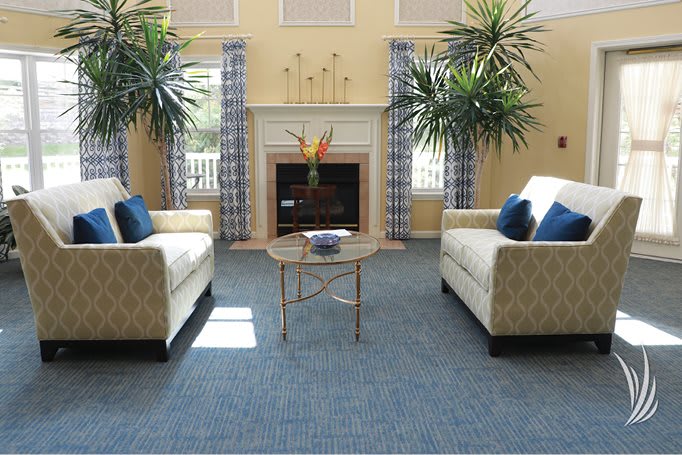
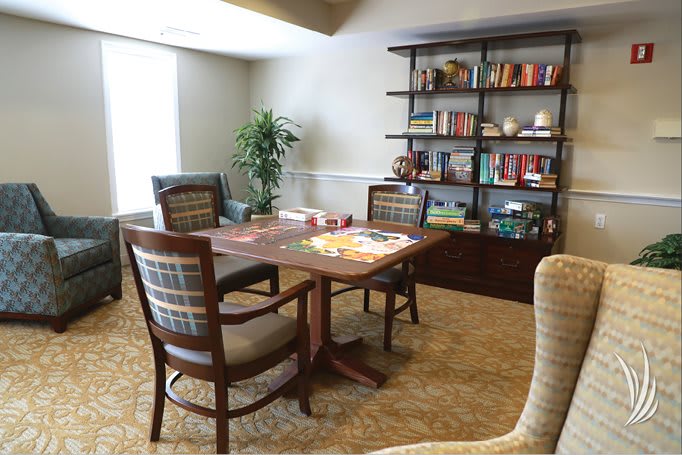
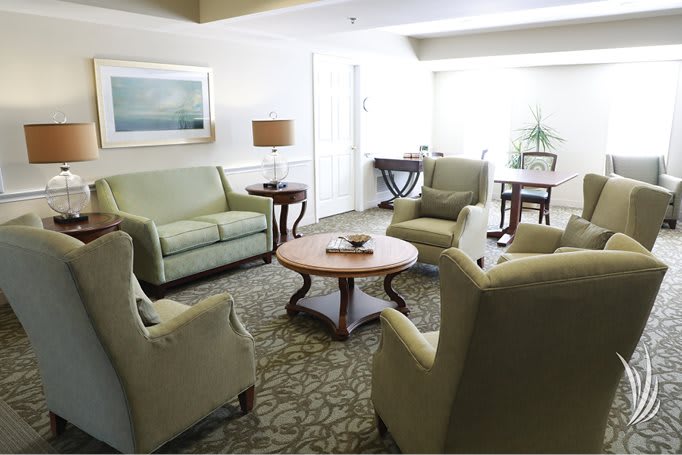
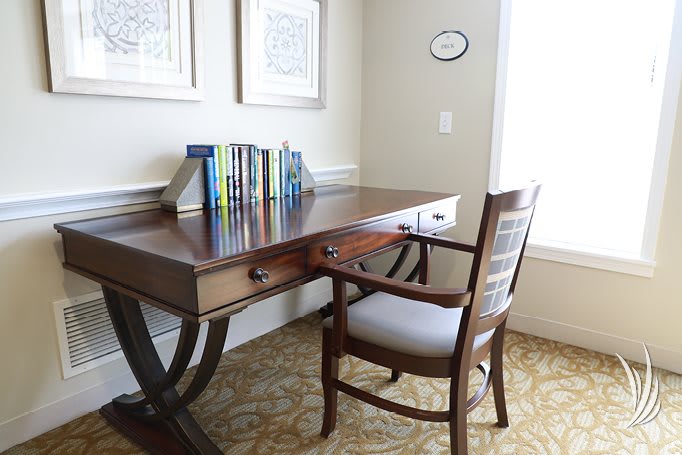
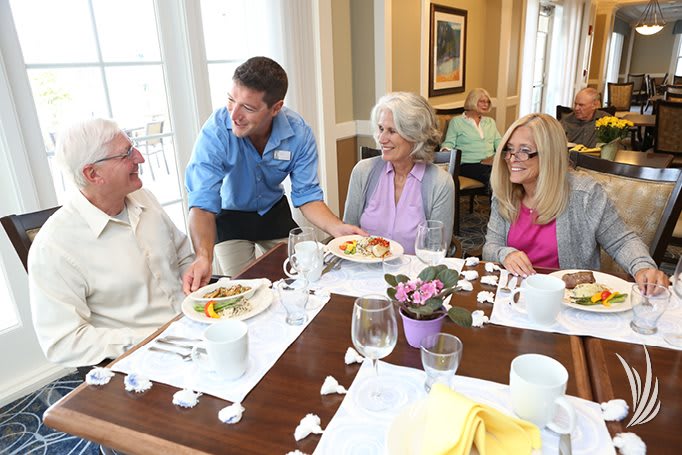
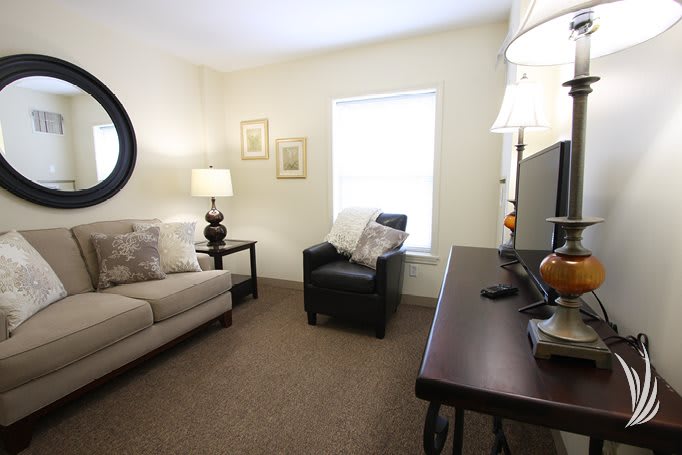
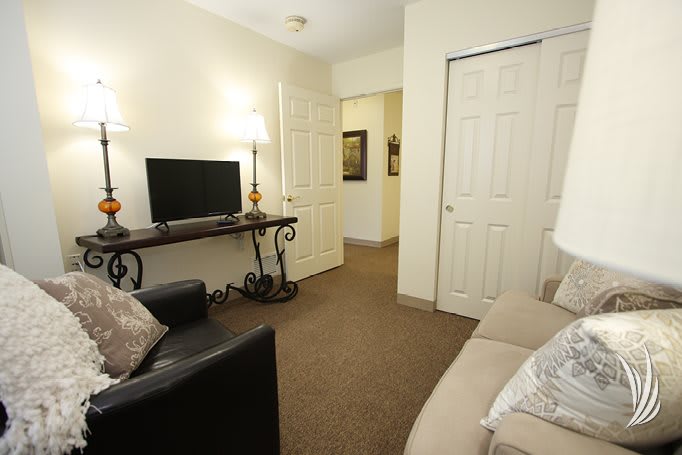
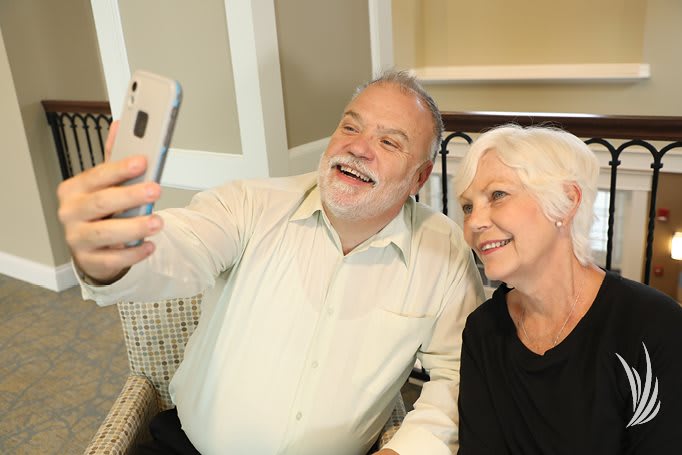
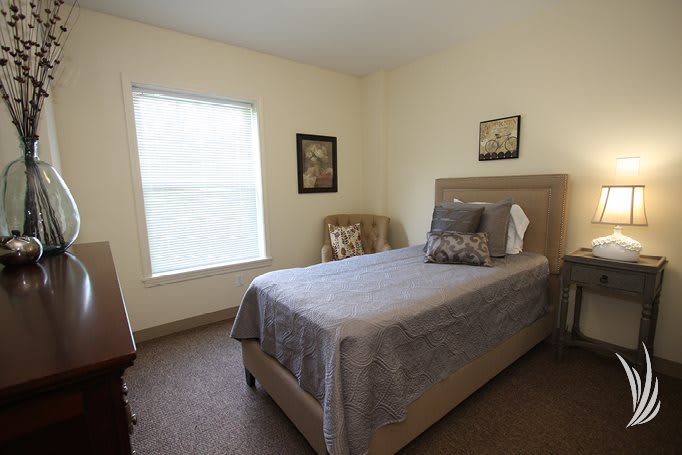
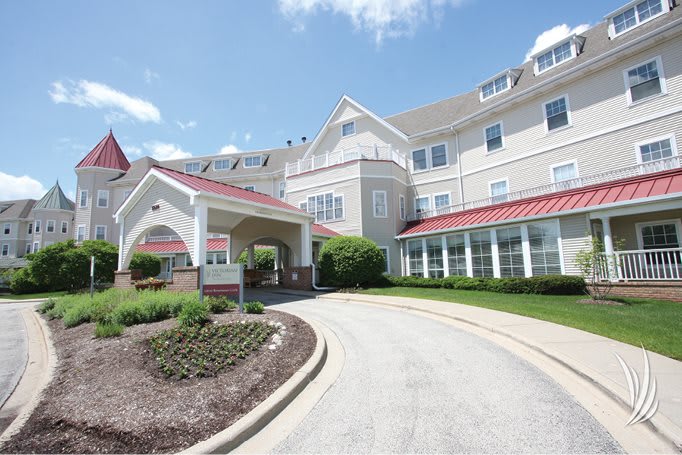
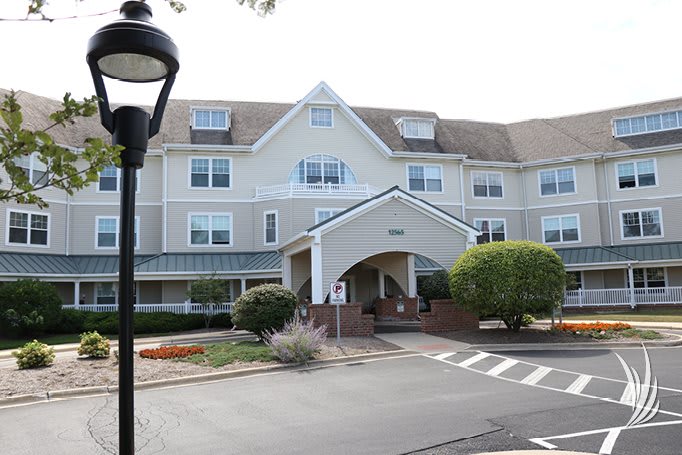
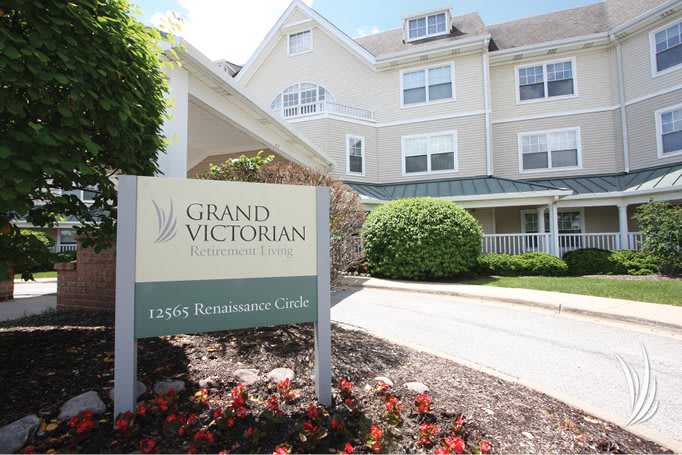
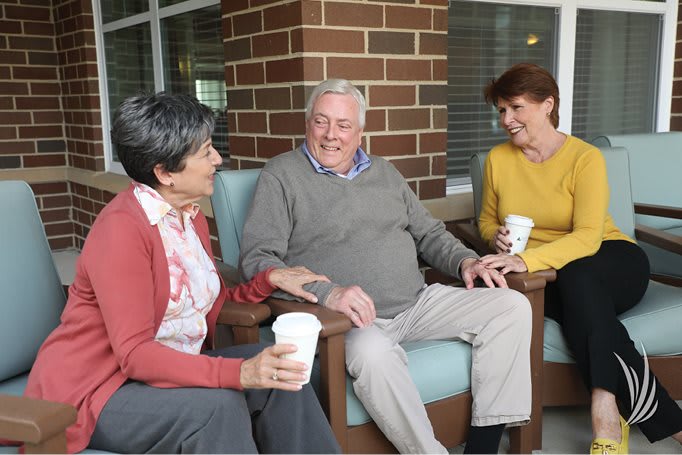
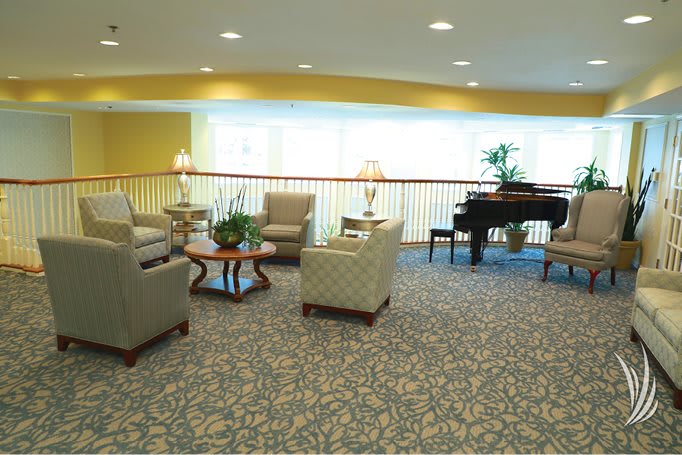
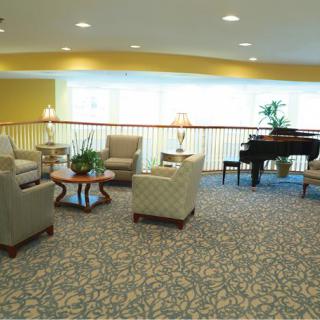
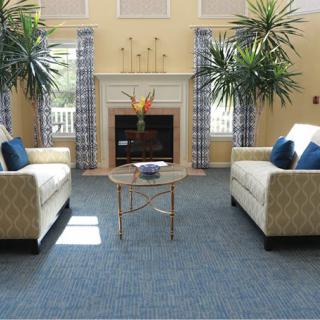
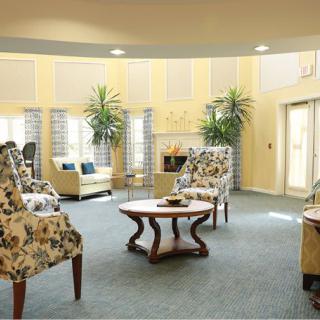
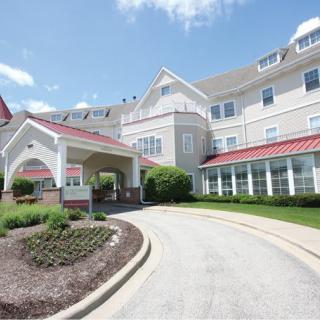
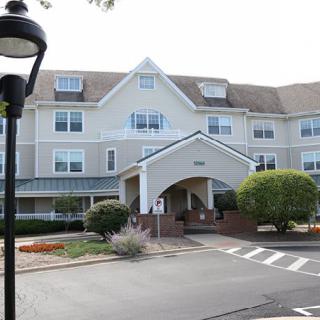
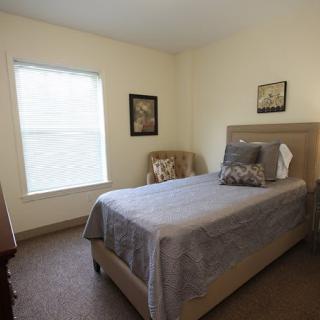
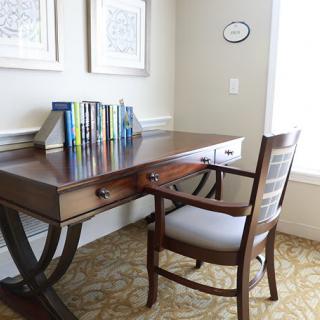
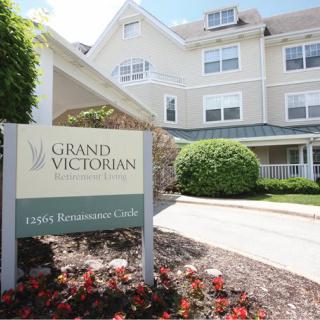
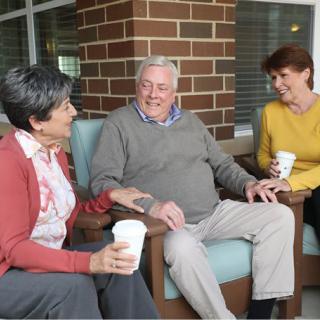
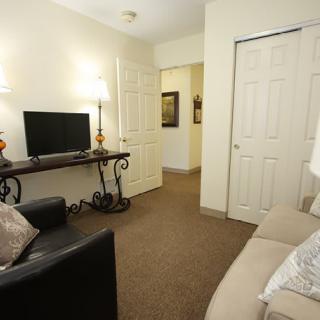
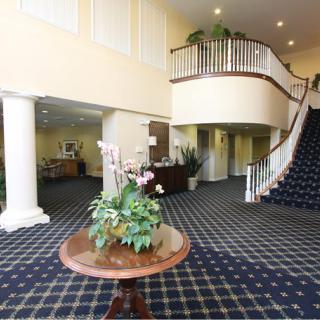
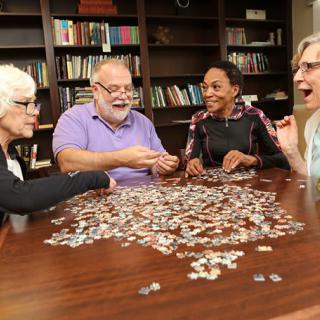
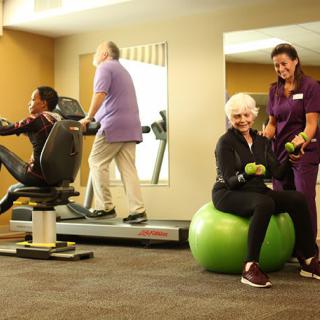
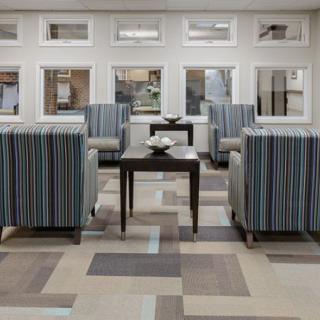
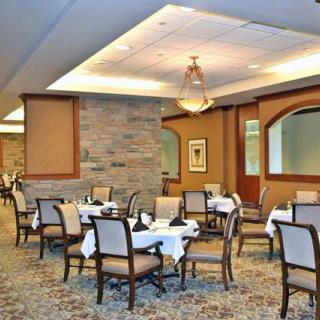
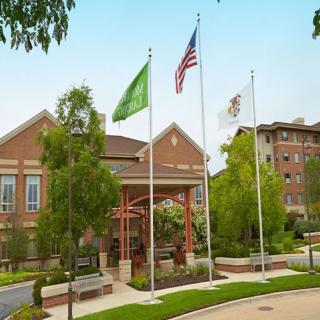
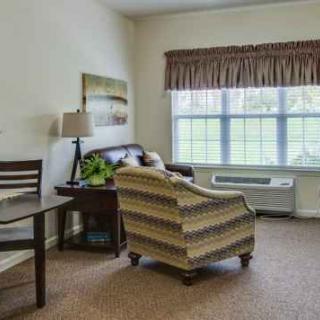
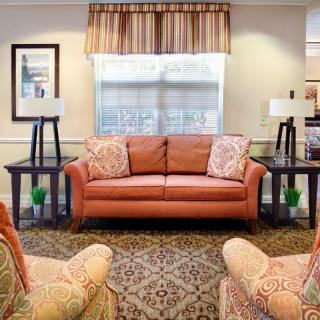
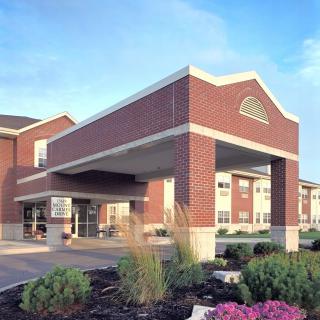
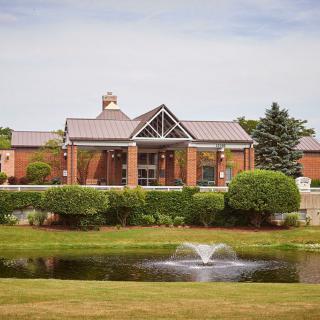
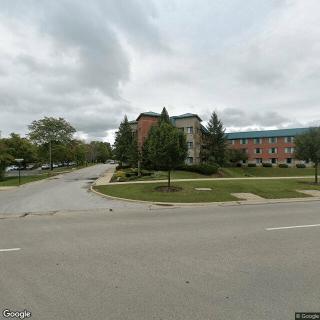
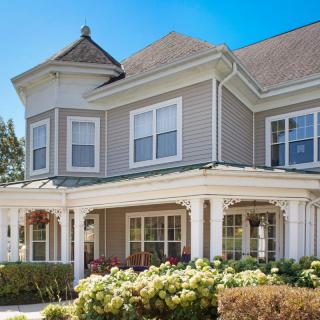
Victorian Village on seniors.fyi includes 22 photos including images showing interior, living room, decor, windows, dining, building, landscaping, architecture, and more.
Nearby Communities
Victorian Village Health & Well
Homer Glen, IL
3.9 from 22 reviews
Fully furnished apartments with restaurant-style dining and 24/7 supervision.
Homer Township
Homer Glen, IL
Close to cafes, parks, pharmacies, restaurants, worship venues, and theater.
Home Helpers
Homer Glen, IL
4.9 from 62 reviews
Caregivers are generally good and responsive to feedback, with good rapport with the resident.
Marian Village
Homer Glen, IL
4.3 from 57 reviews
$2,265 to $3,205 / month
Vibrant community with attentive staff, modern units, extensive amenities, and competitive pricing for the area.
Holy Family Villa
Palos Park, IL
3.5 from 73 reviews
Attentive staff with strong family communication in a spacious, activity-rich environment.
Peace Village
Palos Park, IL
4.4 from 86 reviews
$1,460 to $2,120 / month
Beautiful grounds with compassionate staff and strong dining/activities.
Lexington Of Orland Park
Orland Park, IL
3.4 from 119 reviews
Extensive amenities and 24/7 care support.
Warren Bar of Orland Park
Orland Park, IL
3.4 from 123 reviews
$6,480 to $7,440 / month
Compassionate, dedicated staff delivering attentive rehab and daily care.
Sunrise Of Palos Park
Palos Park, IL
4.3 from 80 reviews
$4,920 to $6,870 / month
Bright, open community with friendly staff and a variety of activities.
The article presents five subtle indicators of dementia, such as memory lapses and mood swings, to help families assess cognitive decline in loved ones. It emphasizes early detection, open communication, and seeking professional help while providing practical support steps.
Dementia encompasses progressive neurological disorders that impair cognitive functions and can lead to paranoia due to cognitive decline and emotional changes. The article discusses the triggers of paranoia in dementia, caregiver strategies for managing it, and the importance of distinguishing between dementia-related paranoia and other psychiatric conditions.
Memory care activities are essential for improving the quality of life of seniors with cognitive impairments, as they stimulate cognitive function, promote well-being, and encourage social interaction through tailored strategies. These activities combine structured exercises with spontaneous tasks, sensory engagement, physical workouts, creative pursuits, and intergenerational interactions to enhance emotional connection and a sense of purpose.
Get PricingAsk A QuestionSchedule A TourContact Senior Advisor
By clicking submit, you agree to our Partner's Terms of Use. You
also consent to receive calls and texts, which may be autodialed, from our Partner. Your consent is not a condition to
using our Partner's service. Please visit our Partner's Privacy Policy for information about their privacy practices.

 1-bedroom apartments
 Assisted Living
 Independent Living
 Memory Care
 Activities off-site
 Beautician on-site
 Cable or satellite TV
 Cafe
Cafe Devotional services off-site
 Dining room
 Garden
 Guest parking
 Hiking trails
 Housekeeping services
 Indoor common areas
 Kitchenette
 Laundry
 Outdoor common areas
 Overnight guests
 Party space
 Respite or short term stays offered
 Wheelchair accessible showers
 Wi-Fi/high-speed internet available
 Chicago Midway (14 miles away)
 Transportation & parking
 Ambulatory care
 Diabetic care
 High acuity care
 Hospice care
 Incontinence care
 Medication management
 Physical therapy
 Gluten-free
 Art classes
 Brain fitness
 Cooking classes
 Day trips and outings
 Educational speakers / life long learning
 Fitness programs
 Games
Games Karaoke
 Live musical performances
 Live well programs
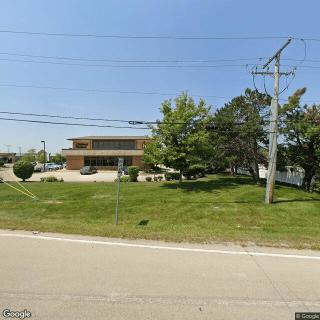
 Fully furnished apartments with restaurant-style dining and 24/7 supervision.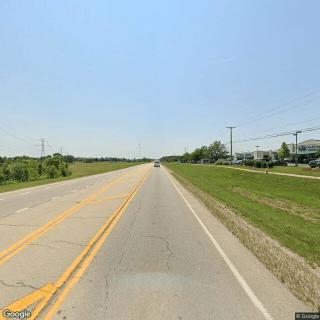

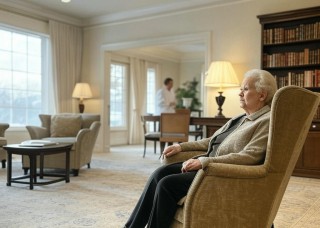
 Five Subtle Dementia Indicators to Observe: An In-Depth Guide to Understanding “Does My Mom Have Dementia?”
 Dementia, Paranoia, and Caregiver Guidance: Understanding the Connection
 Engaging Memory Care Activities That Enhance Quality of Life