The Pointe at Kilpatrick offers competitive pricing for its residents, particularly when compared to both county and state averages in Illinois. For a semi-private room, the monthly cost is $4,531, which is notably lower than the county average of $5,266 and the state average of $5,146. Studio apartments are priced at $5,179, which exceeds the county's more affordable rate of $3,380 but remains above the state average of $4,028. Meanwhile, one-bedroom accommodations are listed at $5,395; this figure surpasses both the county average of $3,934 and the state average of $3,527. Overall, while The Pointe at Kilpatrick is slightly above some local market rates for studio and one-bedroom options, its semi-private room pricing provides a valuable alternative relative to regional norms.
Floor plans
The Pointe at Kilpatrick
Illinois
Semi-Private
$4,531
$5,266
$5,146
Studio
$5,179
$3,380
$4,028
1 Bedroom
$5,395
$3,934
$3,527
Memory care communities with a similar price nearby
Residents and families consistently describe staff as kind and responsive.
Across many reviews, families highlight staff kindness, attentiveness, and a willingness to help with day-to-day needs and questions. Several reviewers also note communication updates when needs change. There are also reviews that specifically commend nurses and CNAs for compassion and respect, and others that describe the facility as feeling welcoming and well run.
common16 reviews mention this
Cleanliness and upkeep are praised
Multiple reviews emphasize a clean, well-kept environment.
Many reviewers describe the building as spotless, clean, and bright, with common areas that look well maintained. Some families also tie that cleanliness to feeling comfortable and reassured after a move or during a difficult transition. A smaller number of reviews go the other direction, describing dirty rooms or poor cleanliness in parts of the community.
common10 reviews mention this
Activities keep residents engaged
Residents are kept busy with a variety of planned activities.
Reviews repeatedly mention that there are lots of activities to choose from, with events that make it easier for residents to stay social and involved. Families specifically call out activities like bingo and live entertainment, along with group exercise and outings. Because multiple reviewers talk about engagement, it reads less like occasional programming and more like a regular part of life at the community.
caveat7 reviews mention this
Dining quality is mixed
Dining gets both compliments and notable complaints.
Some families say the meals are good, balanced, and help residents feel healthy and happy, with enough options even when daily specials are not preferred. Others describe the food as not homemade or suggest it has become more processed. A few reviewers also mention concerns with meal variety at certain times of day, even while still praising other aspects of the community.
caveat6 reviews mention this
Medication management needs consistency
Medication handling is the most repeated area of concern.
Several reviews raise issues around medication management, describing delays, needing medication oversight, or medication being handled differently than prescribed. Other reviewers mention nursing staff turnover and, in some cases, missed care that led to health setbacks or hospitalizations. At the same time, some reviews praise nursing support as part of overall care, so experiences appear uneven across residents and situations.
common4 reviews mention this
Pricing feels fair to some
A few reviews mention value for the cost of rent.
Some families describe the apartment cost as satisfactory for the services provided, and a few mention inclusive pricing. Pricing is also framed as something families evaluated during the move decision process. The reviews are not uniform, so cost-related feedback appears more supportive than fully consistent.
How we summarize
Counts show how many written reviews mention each theme; a review can touch several themes, and only frequently mentioned themes are displayed.
Features
Types of Care
Assisted Living
Memory Care
Amenities
Activities off-site
Activities on-site
Air-conditioning
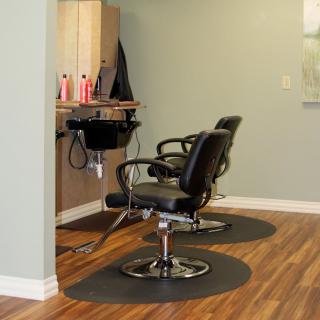
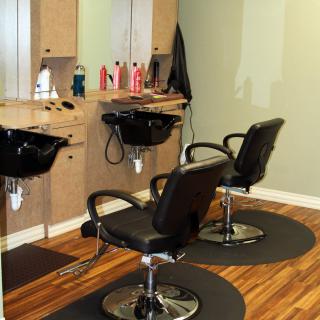
Beautician on-site
Devotional services on-site
Ground floor units
Handicap accessible
Indoor common areas
Kitchenette
Outdoor common areas
Wheelchair accessible showers
Wi-Fi/high-speed internet available
Transportation
Chicago Midway (11 miles away)
Care Services
Ambulatory care
Diabetic care
Incontinence care
Medication management
Dining
Gluten-free
Guest meals
International cuisine
Low / no sodium
Meals provided
No Sugar
Restaurant style dining
Activities
Art classes
Bible study group
Catholic services
Cooking classes
Day trips and outings
Devotional activities on-site
Educational speakers / life long learning
Happy hour
Karaoke
Live Musical Performa
Live well programs
Other religious services
Wine tasting
Nearby Places of Interest
Located in Crestwood, Illinois, this area offers convenient access to essential amenities for seniors. With multiple pharmacies within a few miles, including Walgreens and CVS, residents can easily access their medications. There are also a variety of dining options nearby, such as The Brazen Head and Portillo's Hot Dogs, providing choices for different tastes. For medical needs, hospitals like Ingalls Memorial and Palos Community Hospital are within a short distance. Additionally, there are places of worship for spiritual nourishment and transportation options like Metra stations for easy travel. Overall, this part of Crestwood provides a well-rounded environment with everything seniors may need within reach.
Pharmacies
Walgreens (0.7 miles)
Walgreens (0.9 miles)
CVS Pharmacy (1.1 miles)
CVS Pharmacy (2 miles)
Walgreens (2.3 miles)
Walgreens (2.7 miles)
Walgreens (2.9 miles)
Restaurants
The Brazen Head (0.9 miles)
Portillo's Hot Dogs (1.4 miles)
McDonald's (2.3 miles)
McDonald's (3.1 miles)
Cooper's Hawk Winery & Restaurant (3.6 miles)
Portillo's Hot Dogs (3.8 miles)
Brown's Chicken & Pasta (4 miles)
Cafes
Starbucks (2 miles)
Starbucks (3.7 miles)
Eggheadz Cafe (4.3 miles)
Corner Bakery Cafe (5.8 miles)
Panera Bread (6 miles)
Starbucks (6.1 miles)
Panera Bread (6.6 miles)
Hospitals
Ingalls Memorial (4.3 miles)
Palos Community Hospital (4.7 miles)
South Suburban Hospital (5 miles)
Advocate Christ Outpatient Pavilion (6 miles)
Advocate Children Hospital-Hope Pavilion (6.2 miles)
Little Company of Mary Hospital (6.5 miles)
Physicians
Family Christian Health Center (4.4 miles)
United Pain Services (4.9 miles)
Advocate South Suburban Hospital: Smith Sharon C MD (5.1 miles)
Dr Uppuluri, Dr Patel, Dr Chavin Urology (5.5 miles)
The Pointe at Kilpatrick offers competitive pricing for its residents, particularly when compared to both county and state averages in Illinois. For a semi-private room, the monthly cost is $4,531, which is notably lower than the county average of $5,266 and the state average of $5,146. Studio apartments are priced at $5,179, which exceeds the county's more affordable rate of $3,380 but remains above the state average of $4,028. Meanwhile, one-bedroom accommodations are listed at $5,395; this figure surpasses both the county average of $3,934 and the state average of $3,527. Overall, while The Pointe at Kilpatrick is slightly above some local market rates for studio and one-bedroom options, its semi-private room pricing provides a valuable alternative relative to regional norms.
Medication management at The Pointe at Kilpatrick ensures that residents receive their prescribed medications on time and in the correct dosages, which is crucial for maintaining overall health and stability in individuals with dementia or Alzheimer's disease. This structured approach not only minimizes the risk of medication errors but also helps to alleviate anxiety among residents and their families by providing consistent oversight. Incontinence care is another essential feature, as it addresses a common challenge faced by individuals with cognitive impairments. By offering compassionate and respectful assistance, staff can help maintain residents' dignity while ensuring their comfort and hygiene, which ultimately aids in reducing feelings of shame or frustration often associated with incontinence issues. Together, these features create a supportive environment that promotes well-being and enhances quality of life for residents.
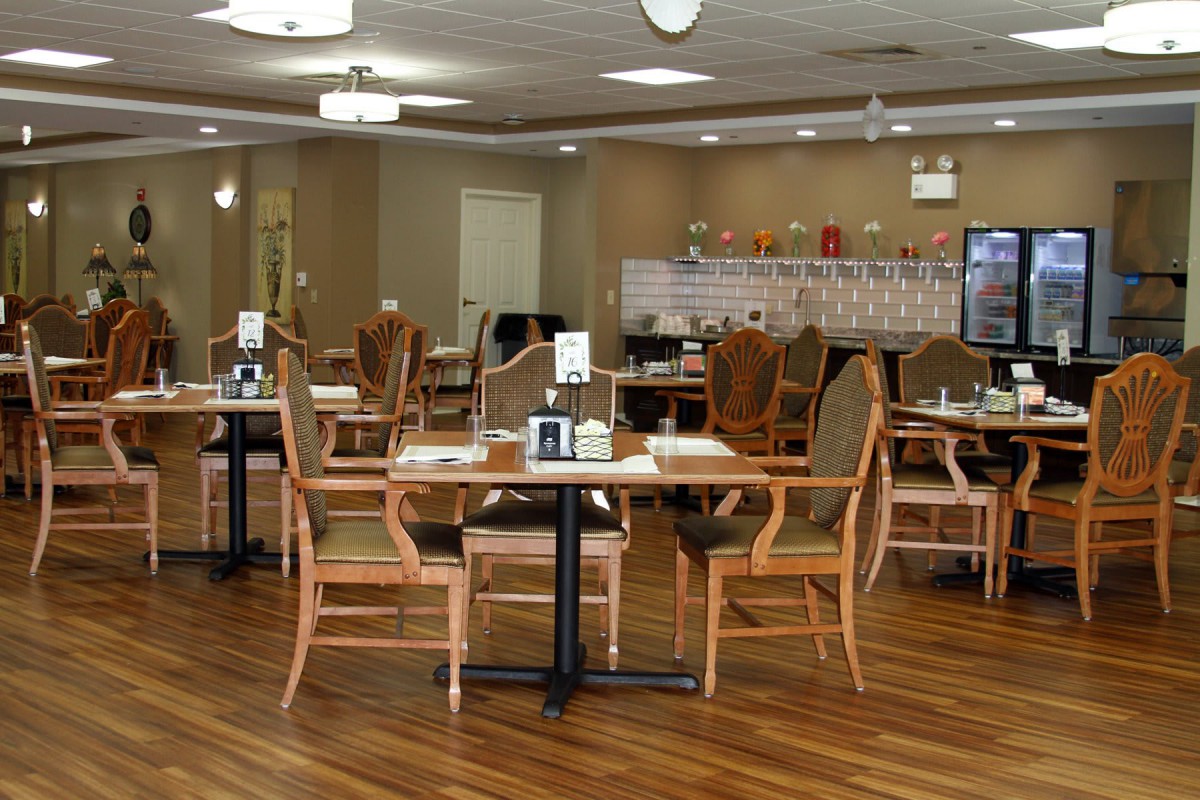
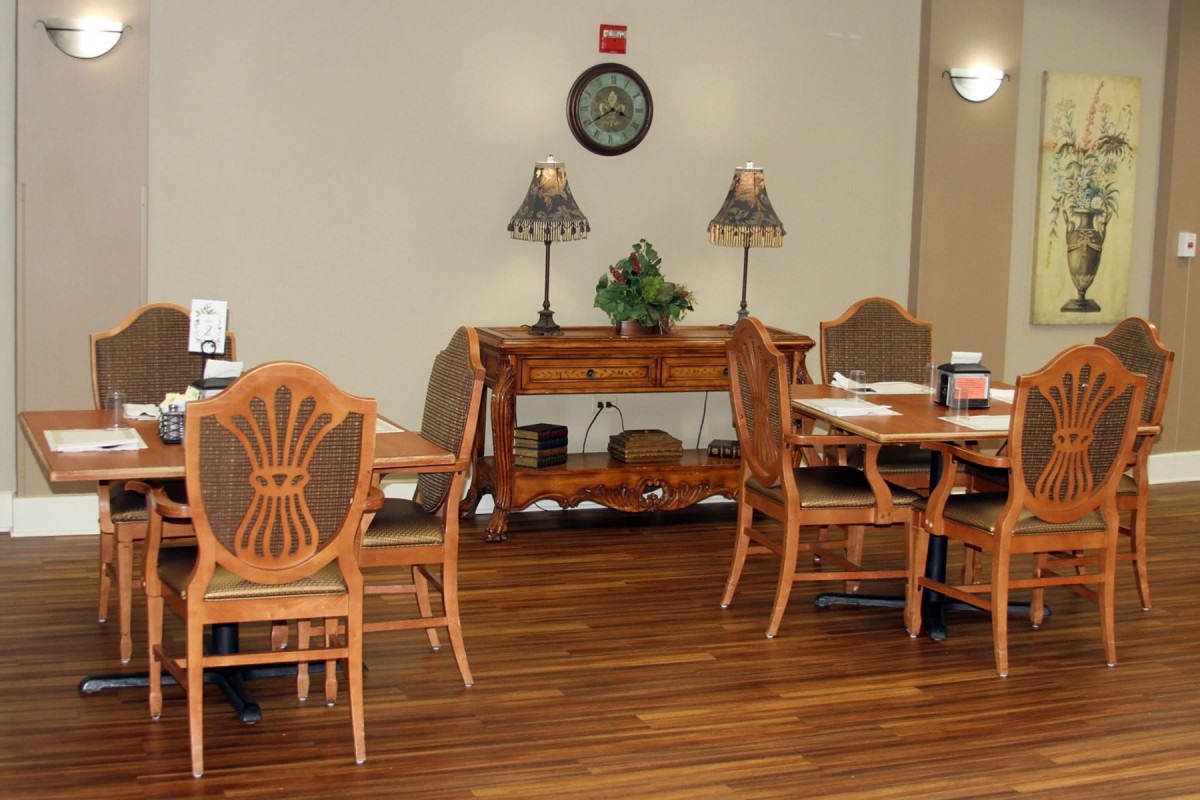
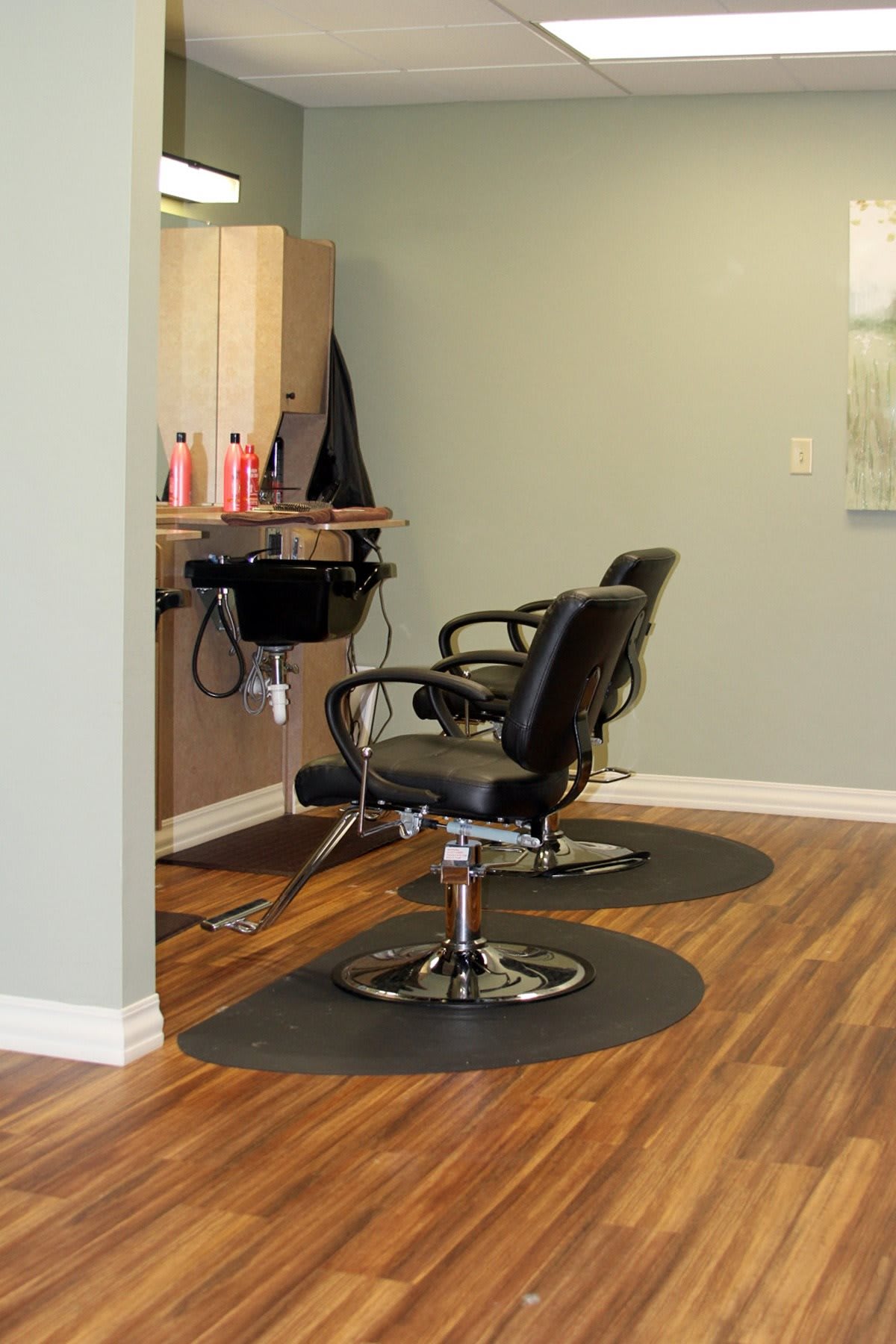
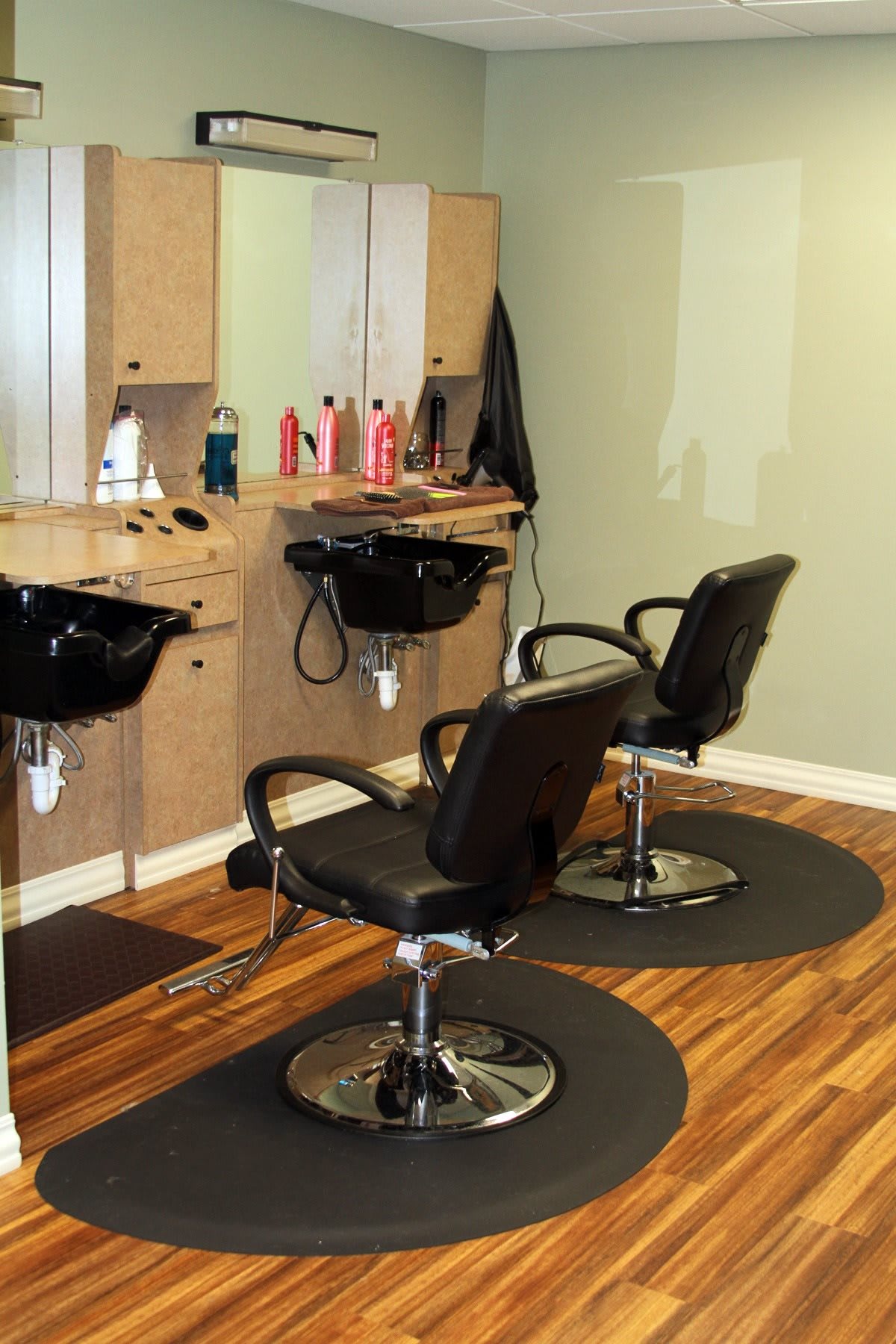
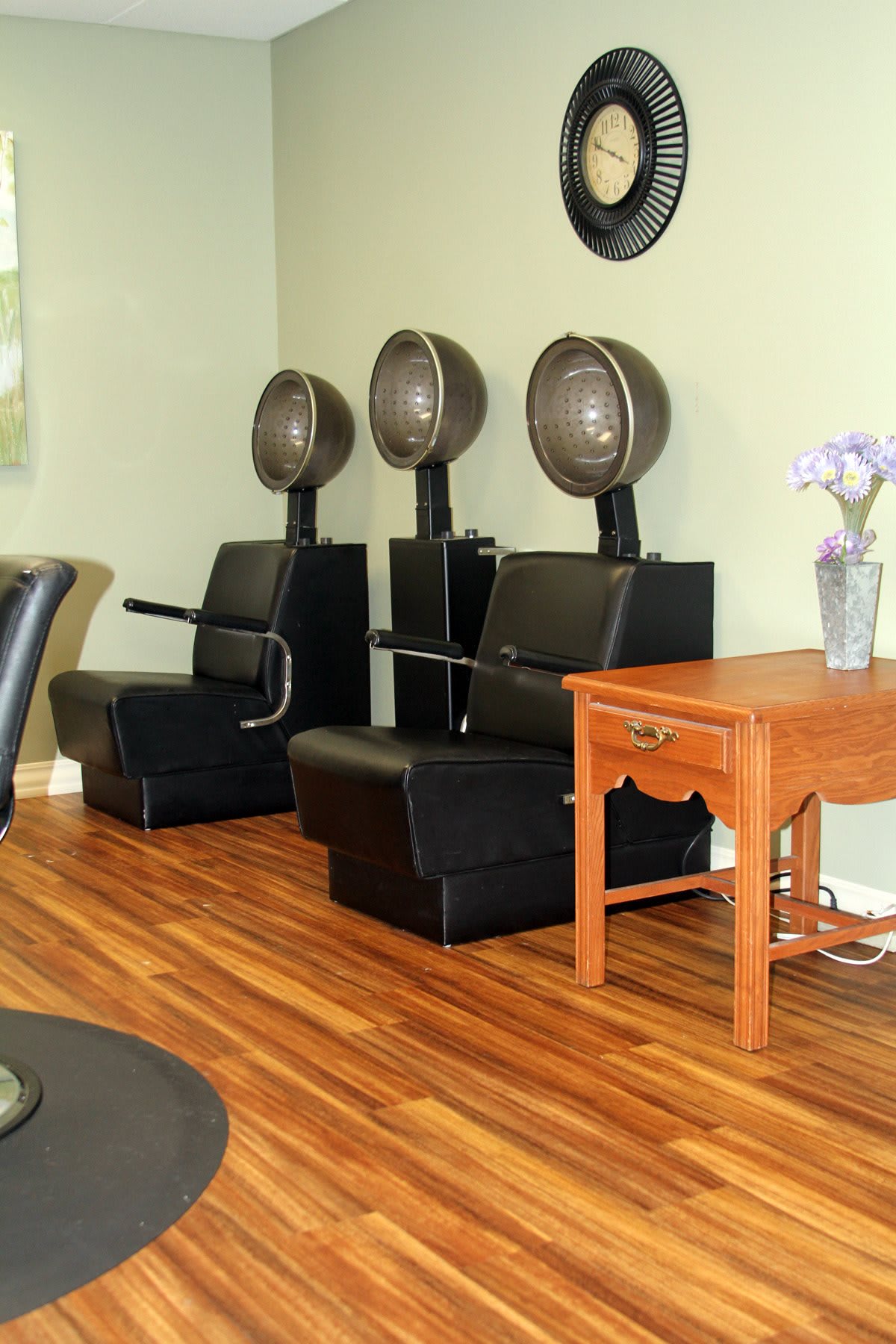
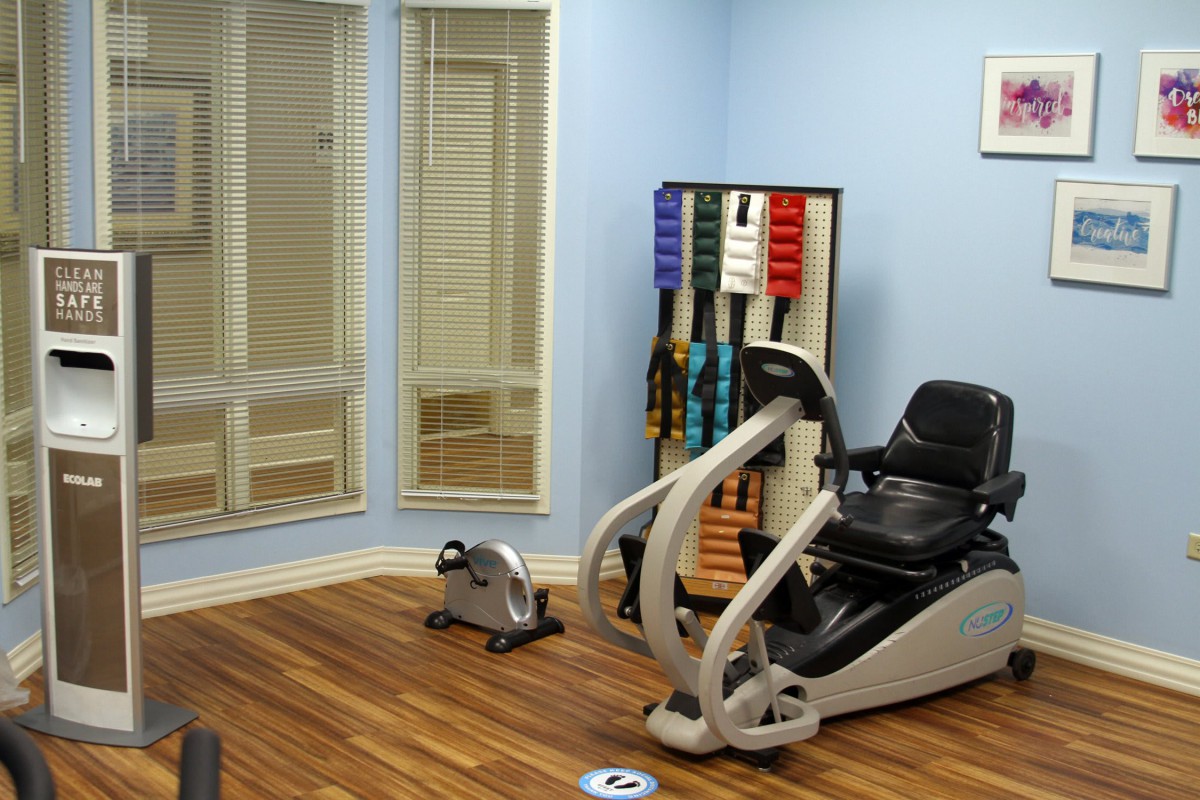
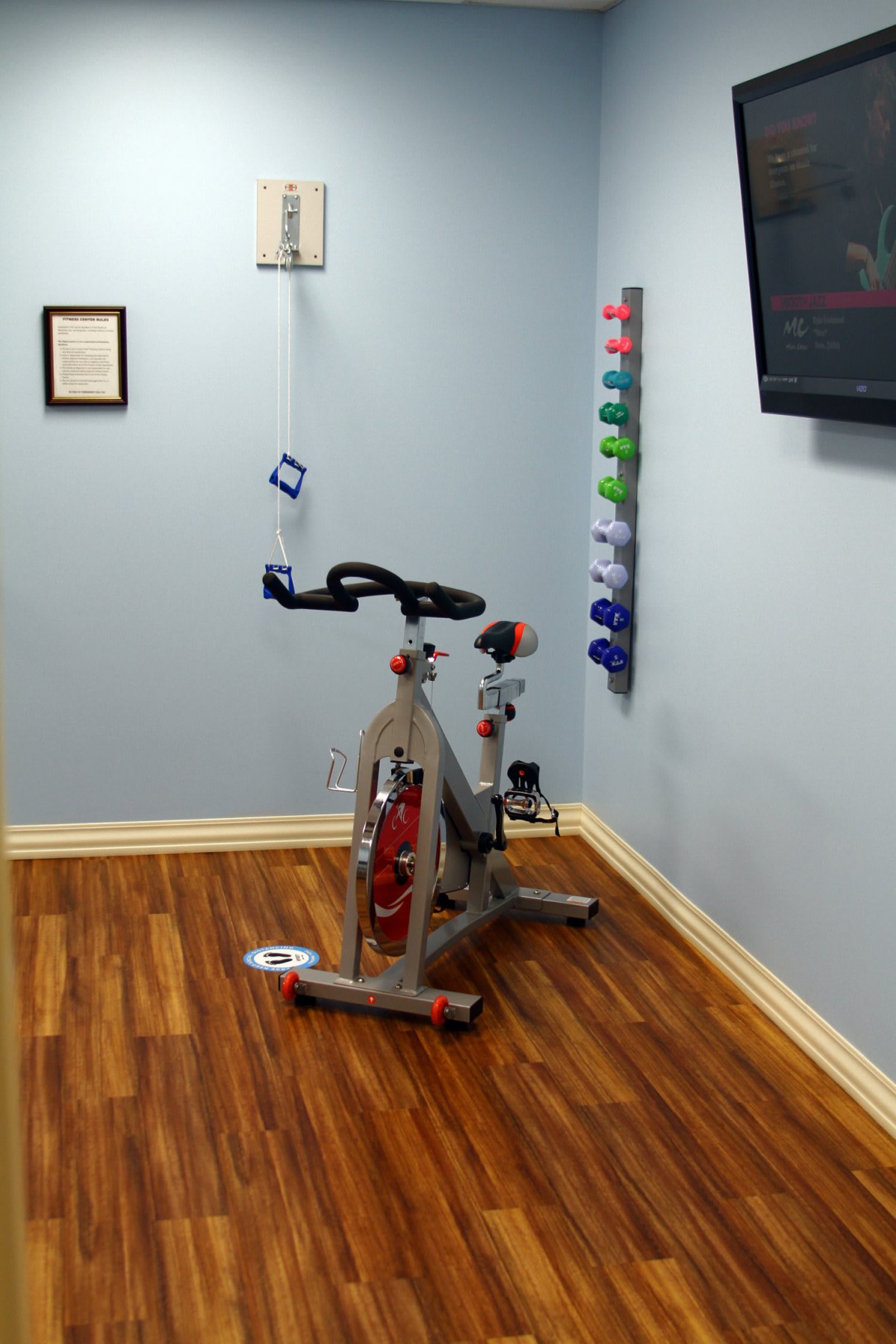
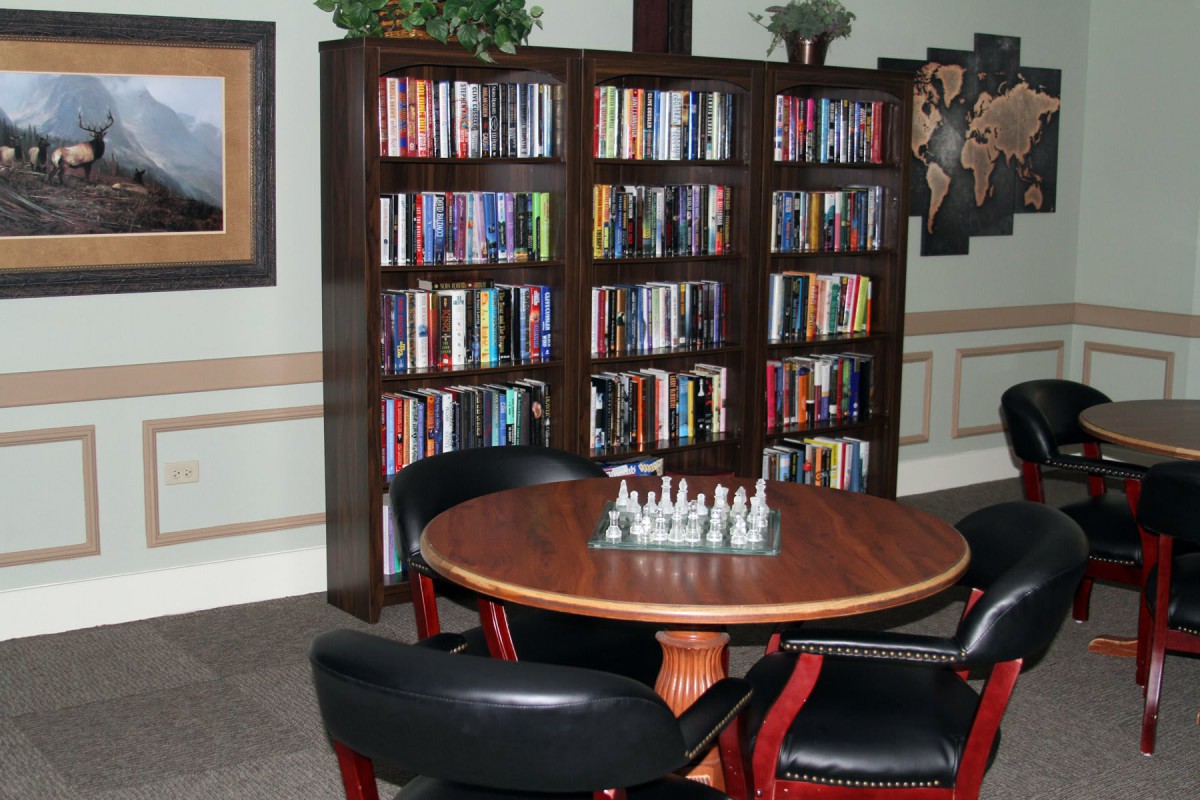
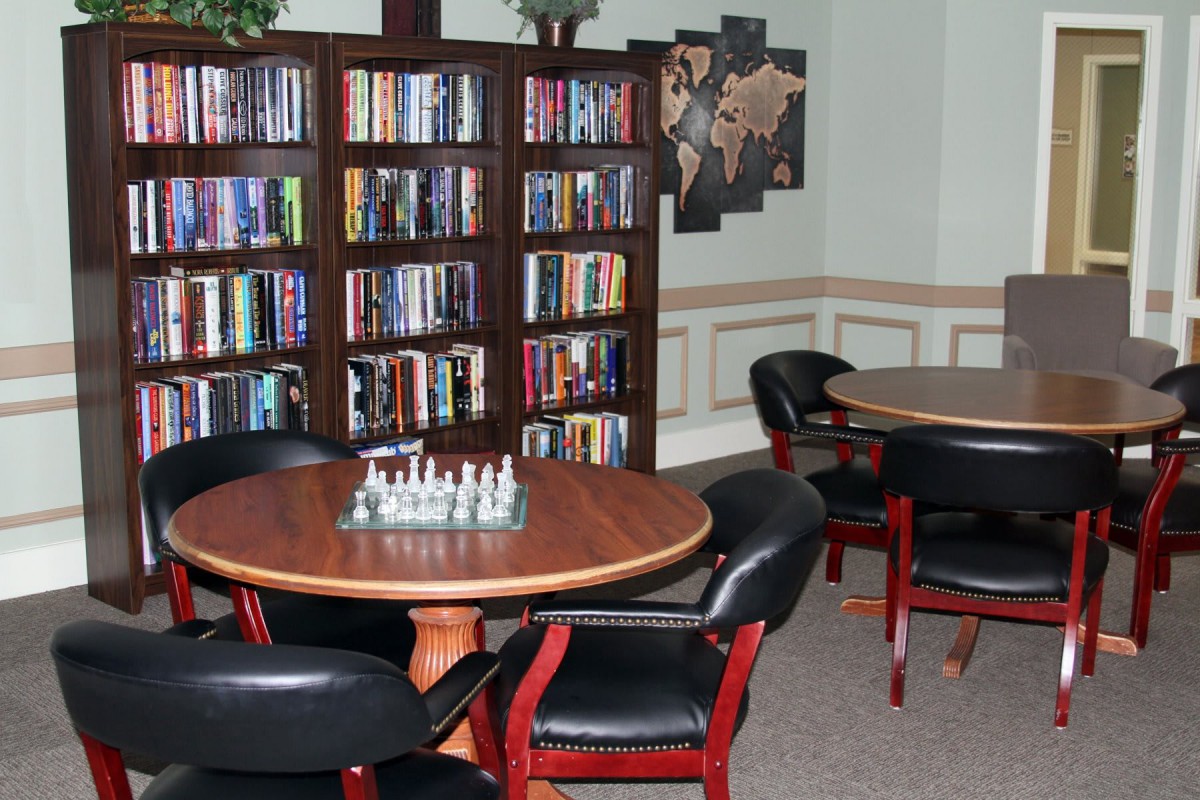
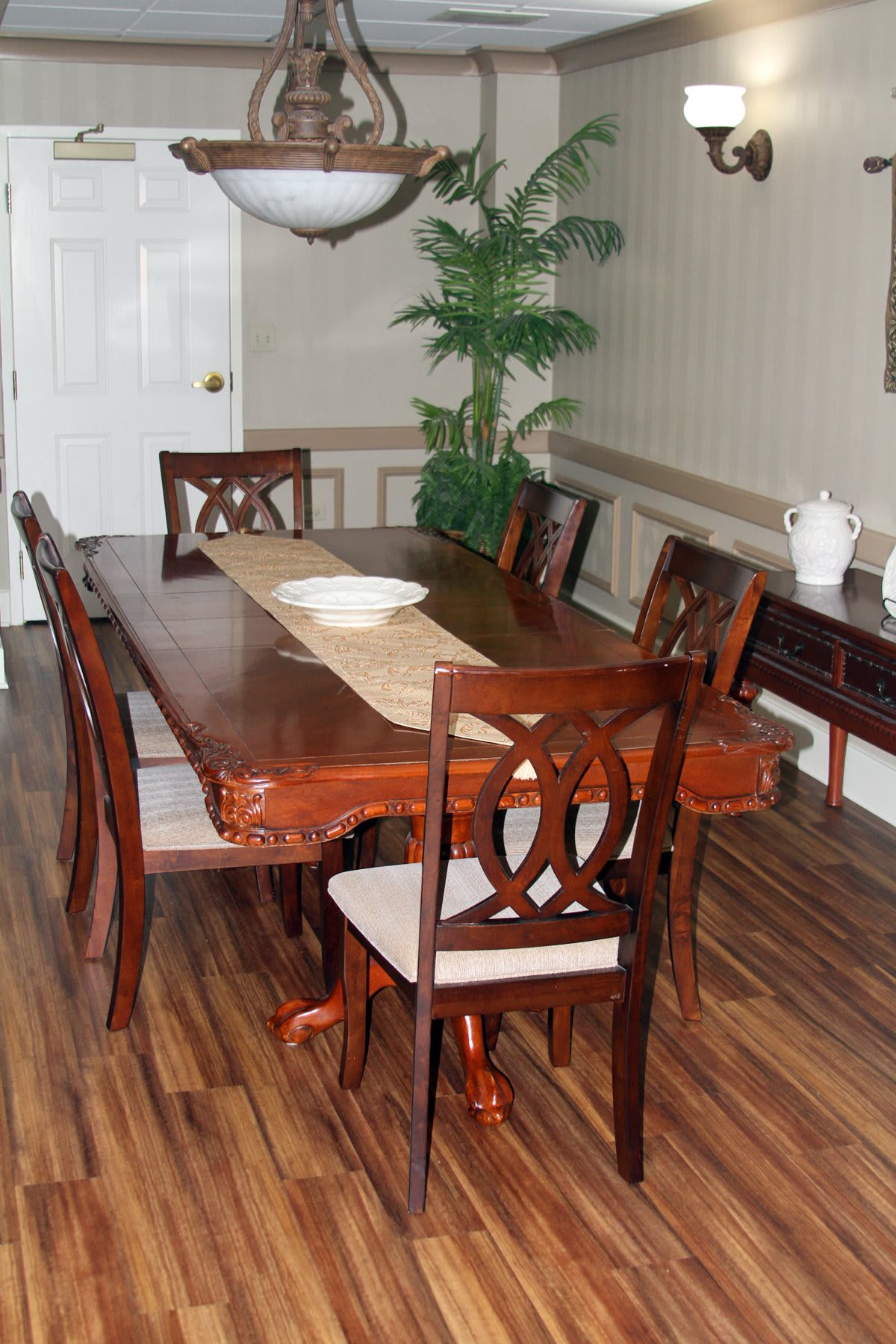
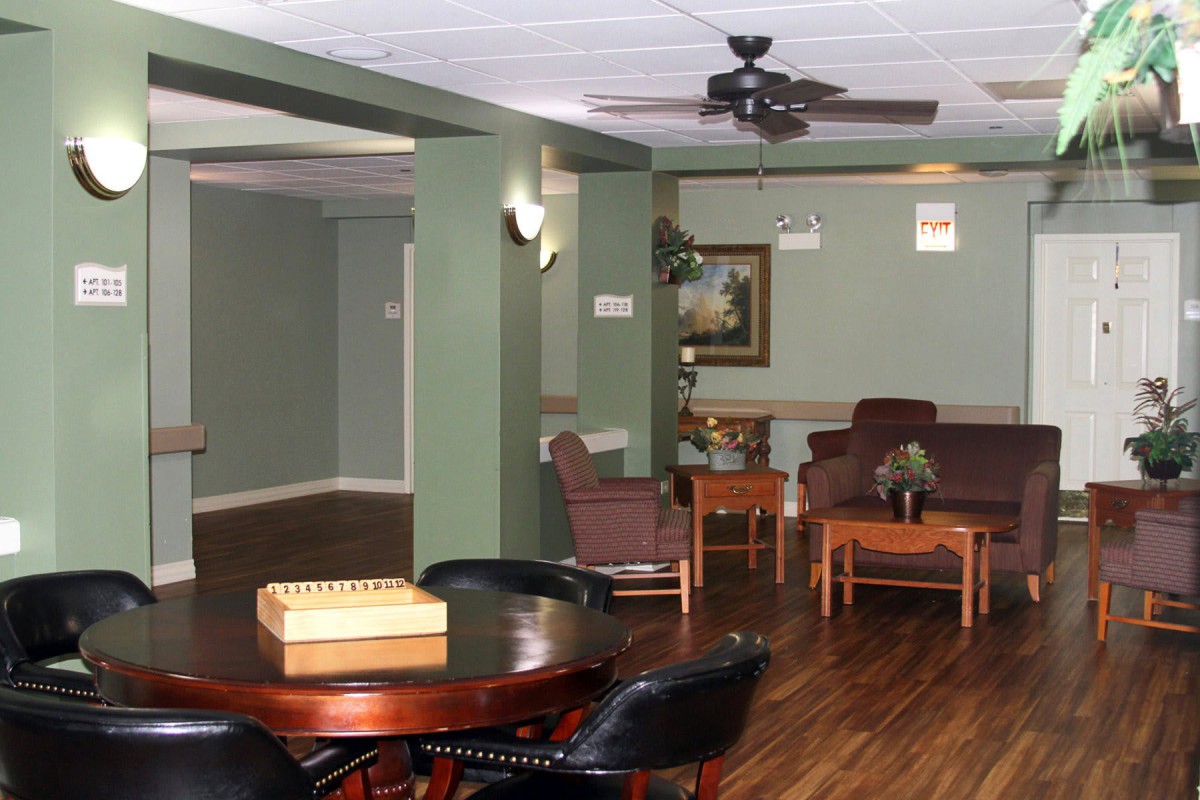
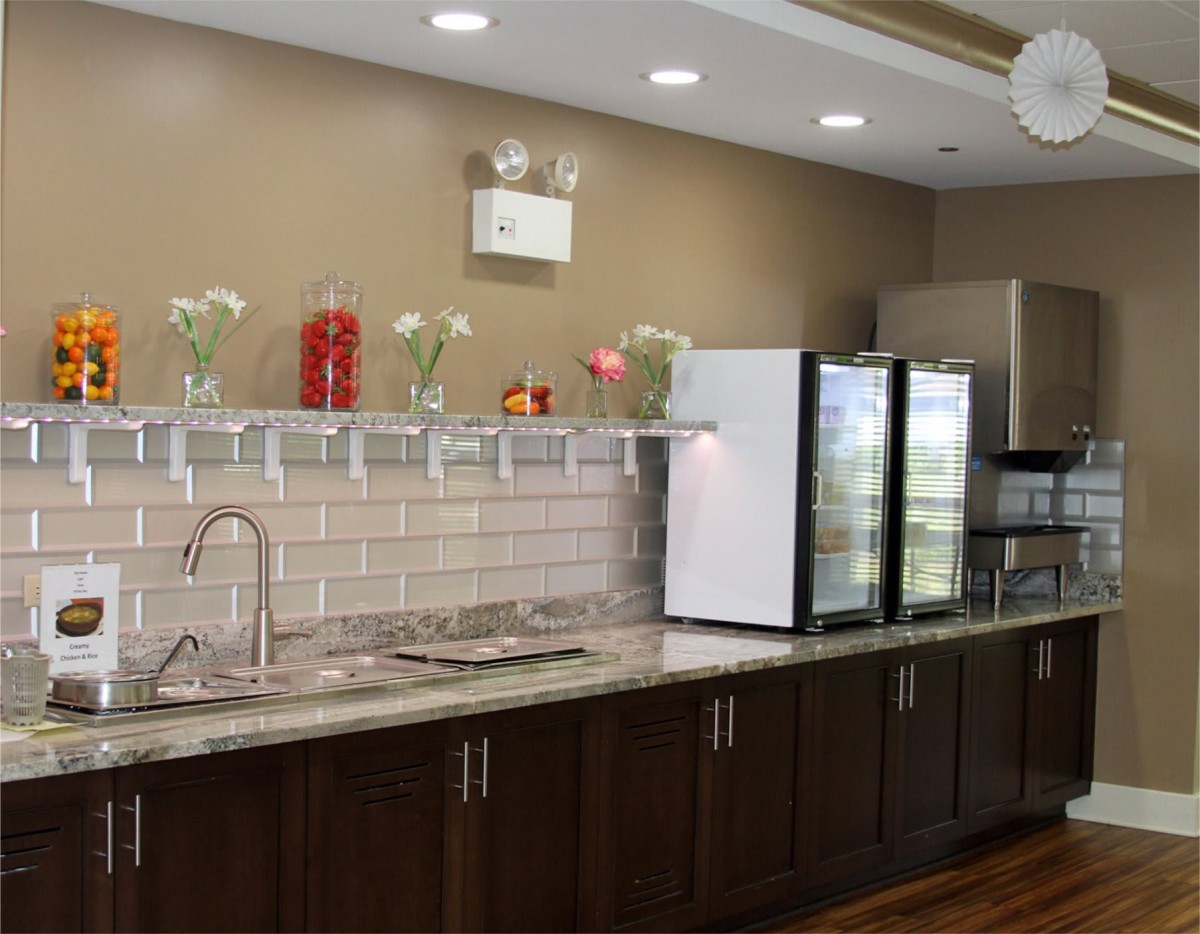
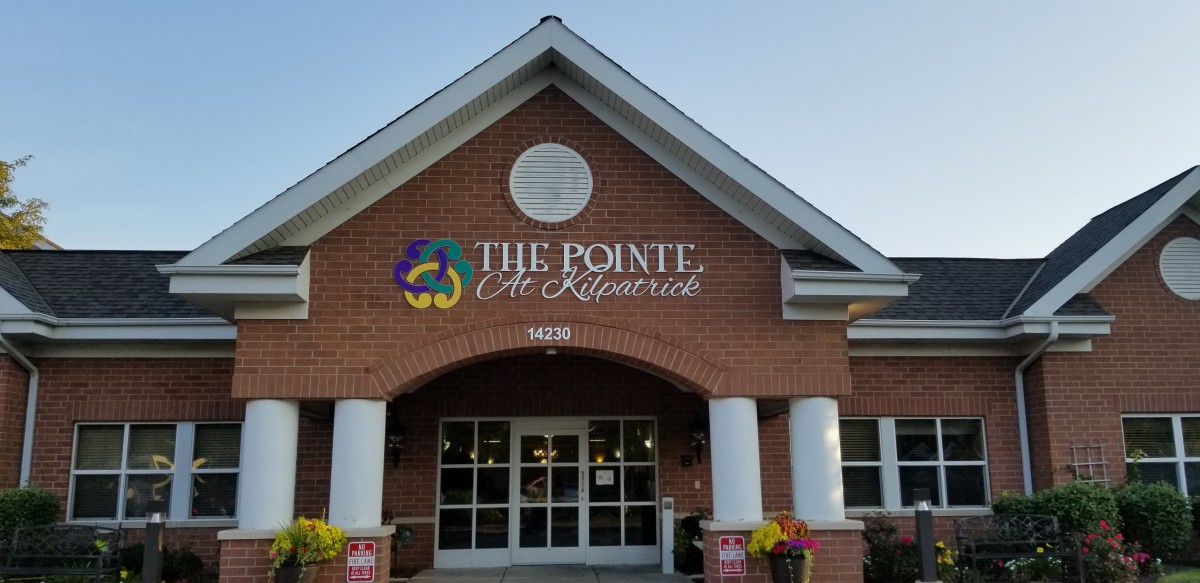
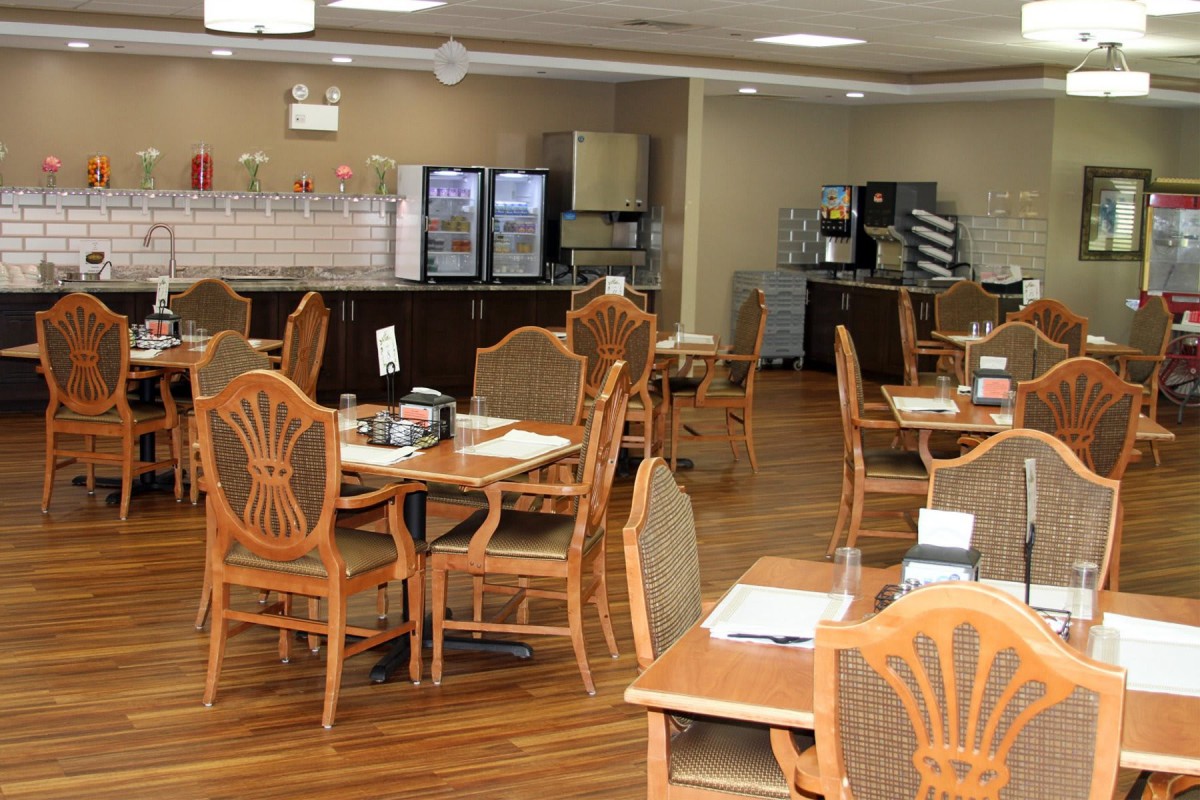
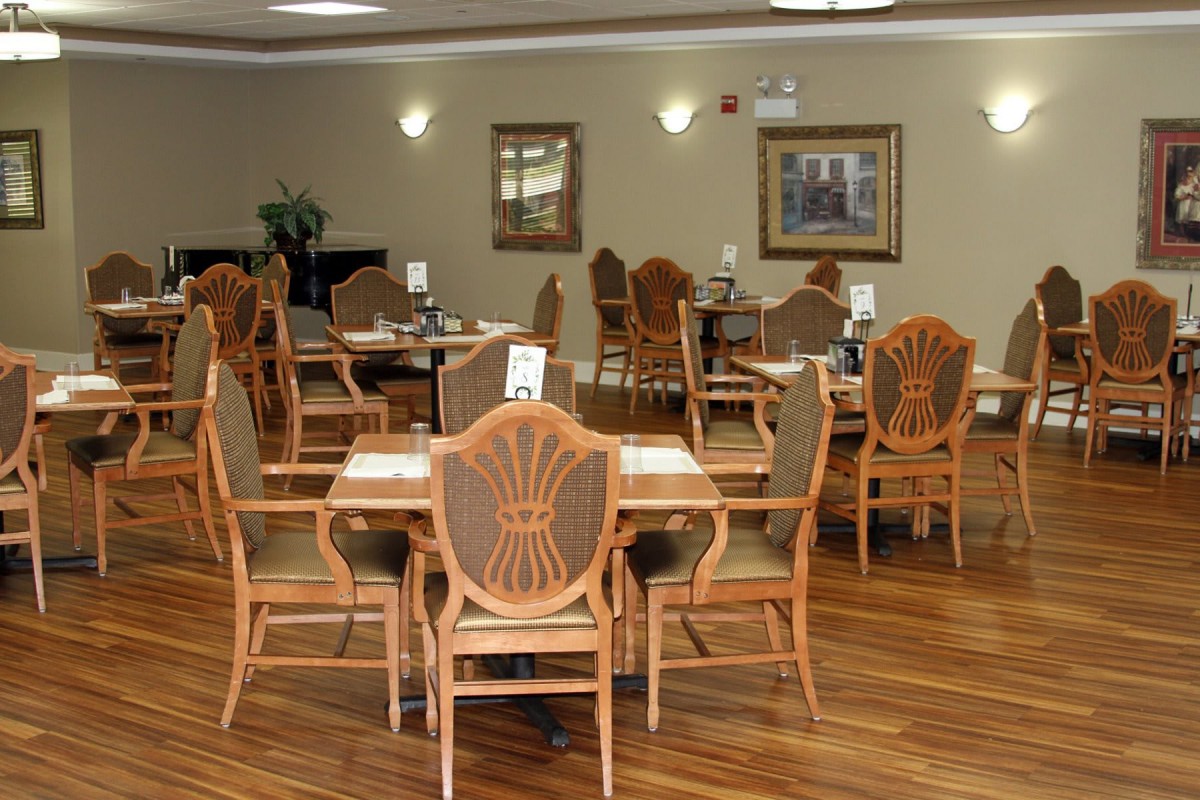
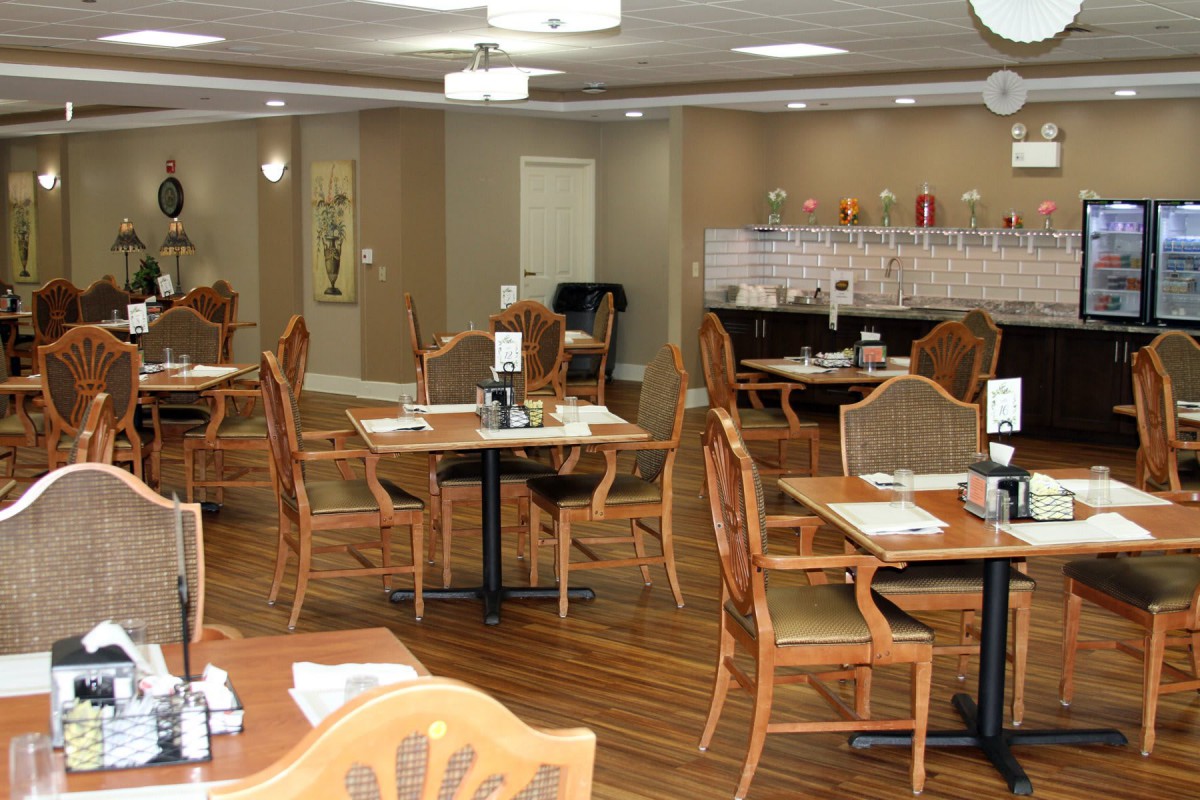
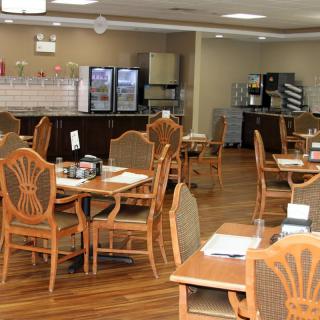
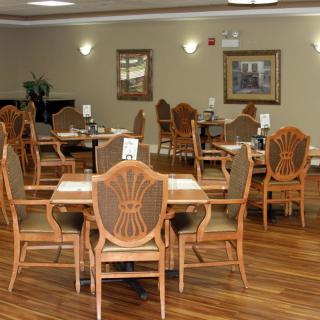
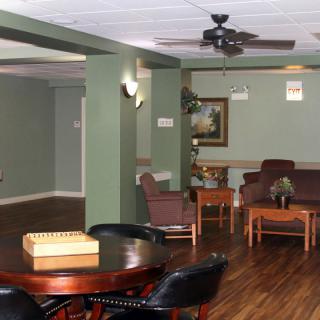
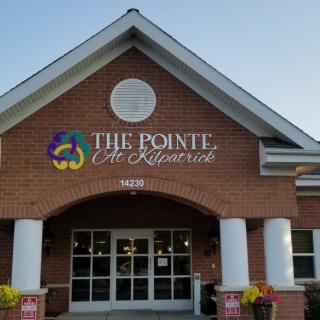
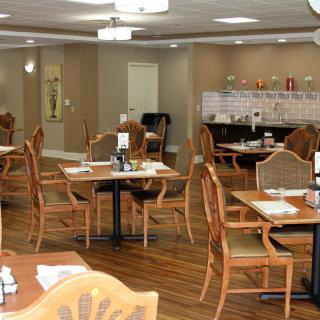
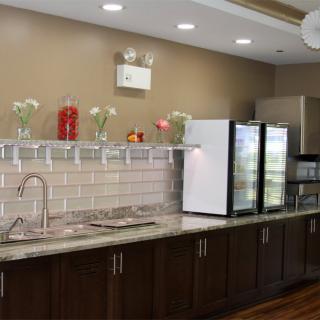
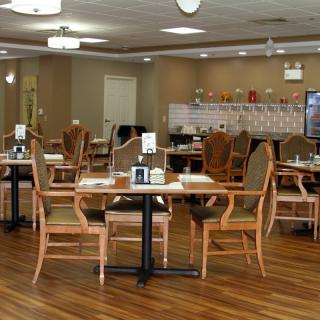
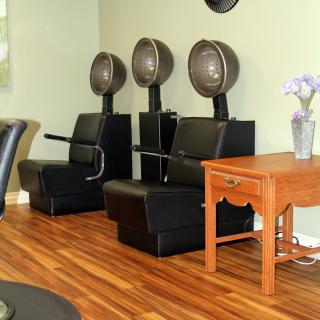
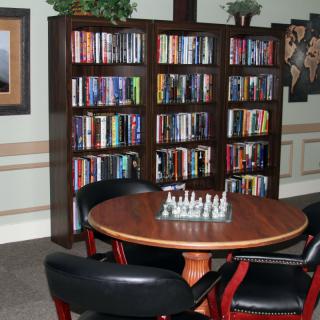
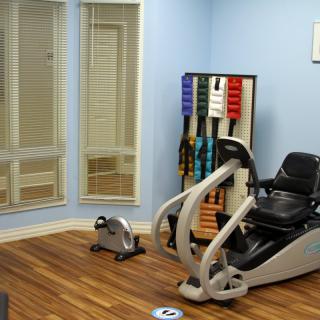
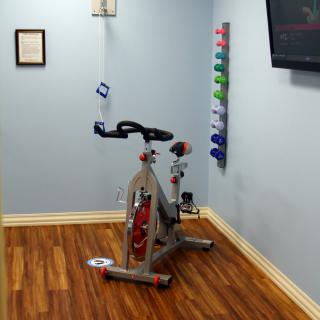
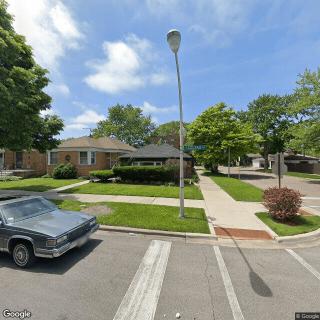
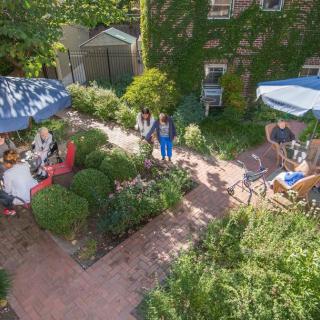
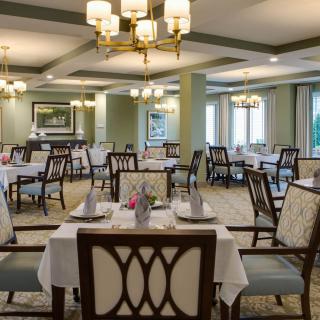
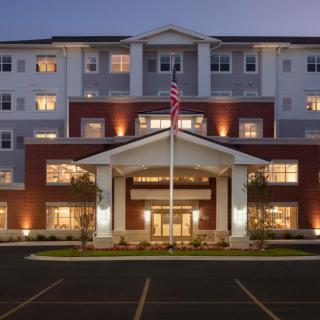
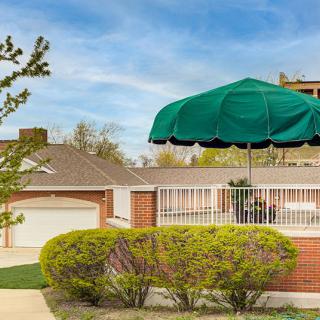
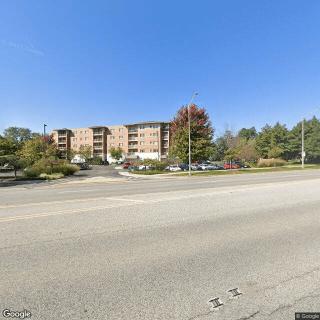
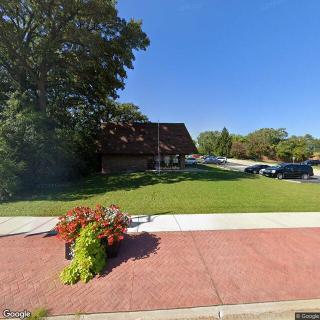
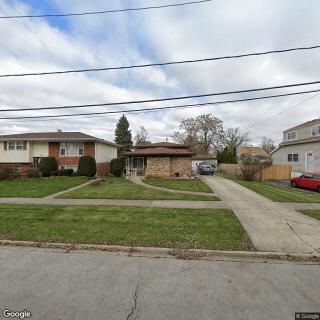
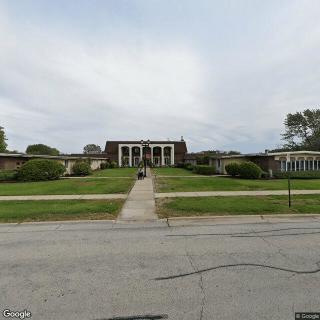
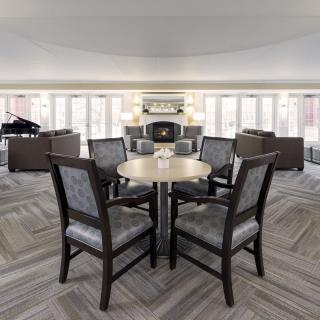
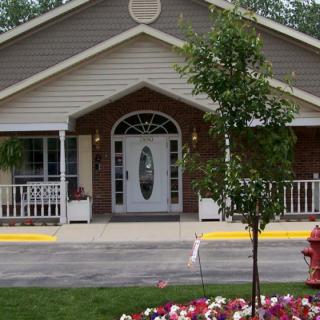
The Pointe at Kilpatrick on seniors.fyi includes 18 photos including images showing interior, dining, salon, exercise equipment, decor, library, lighting, mirrors, and more.
Nearby Communities
The Pointe at Kilpatrick
Crestwood, IL
3.9 from 54 reviews
Beautiful, well-kept, opulent environment with friendly staff and engaging activities.
Symphony Of Crestwood
Crestwood, IL
3.1 from 138 reviews
Clean, well-maintained environment with friendly staff and supportive administration; spacious dining and engaging activities.
Oak Forest Horizon
Oak Forest, IL
4.8 from 6 reviews
Well-equipped apartments with on-floor laundry, generous storage, and balconies, plus friendly staff.
Samland South
Oak Forest, IL
5 from 106 reviews
Quiet, residential setting with convenient access to cafes, pharmacies, physicians, restaurants, and hospitals nearby.
Prestige Residential Eldercare
Midlothian, IL
4 from 48 reviews
$3,000 / month
Affordable private rooms at $3,000/mo, well below Cook County and Illinois averages.
Crestwood Terrace
Crestwood, IL
3.6 from 60 reviews
Comprehensive amenities with 24/7 care and restaurant-style dining.
Tinley Court Catered Senior Living
Tinley Park, IL
4.5 from 64 reviews
$1,900 to $3,400 / month
Friendly, attentive staff; good meals; engaging activities.
Hanover Place
Tinley Park, IL
4 from 108 reviews
$2,015 to $2,359 / month
Warm atmosphere with friendly staff, spacious apartments, and engaging activities.
Arden Courts of Palos Heights
Palos Heights, IL
4.6 from 128 reviews
$7,400 to $8,130 / month
Specialized memory-care with compassionate, communicative staff and engaging activities.
Dementia causes cognitive decline and challenging behaviors that caregivers must manage, necessitating an understanding of the neurological basis of these issues. Effective strategies and self-care for caregivers can enhance support for those with dementia and improve their daily lives.
The content outlines five key early indicators of dementia, including significant memory loss and confusion about time and place, while emphasizing the need for professional evaluation and emotional support for both individuals showing symptoms and their caregivers. It encourages family members to monitor these signs closely and use online quizzes for initial awareness.
The article highlights eight indicators that a loved one with dementia may require specialized memory care, emphasizing the emotional and logistical challenges families encounter in this decision. It discusses signs such as difficulties with daily tasks, safety concerns, and caregiver burnout, suggesting that memory care facilities can provide the necessary support and structured environments for those experiencing cognitive decline.
Get PricingAsk A QuestionSchedule A TourContact Senior Advisor
By clicking submit, you agree to our Partner's Terms of Use. You
also consent to receive calls and texts, which may be autodialed, from our Partner. Your consent is not a condition to
using our Partner's service. Please visit our Partner's Privacy Policy for information about their privacy practices.



 Assisted Living
 Memory Care
 Activities off-site
 Air-conditioning
 Beautician on-site
 Devotional services on-site
 Ground floor units
 Handicap accessible
 Indoor common areas
 Kitchenette
 Outdoor common areas
 Wheelchair accessible showers
 Wi-Fi/high-speed internet available
 Chicago Midway (11 miles away)
 Ambulatory care
 Diabetic care
 Incontinence care
 Medication management
 Gluten-free
 Art classes
 Bible study group
 Cooking classes
 Day trips and outings
 Educational speakers / life long learning
 Happy hour
 Karaoke
 Live well programs
 Wine tasting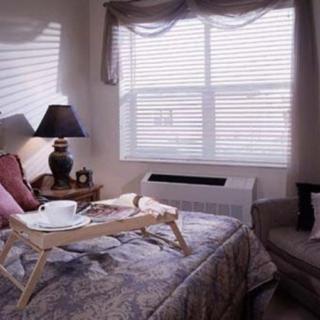
 Beautiful, well-kept, opulent environment with friendly staff and engaging activities.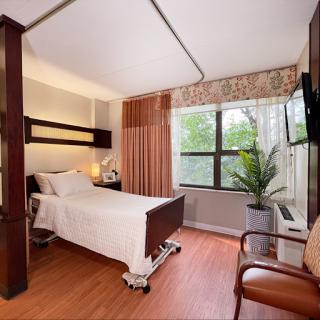

 Dementia Behaviors: In-Depth Understanding and Effective Coping Strategies
 5 Early Indicators of Dementia and What You Can Do
 8 Important Indicators That Memory Care May Be Necessary