Washington & Jane Smith Home in Chicago, IL
Save
Information last verified:
2315 W 112th Pl, Chicago, IL 60643
For more information about senior living options: (844) 490-3973
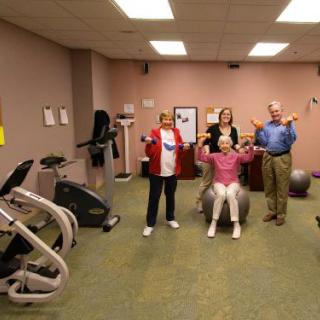
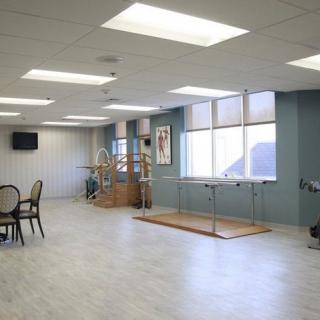
Washington & Jane Smith Home (Smith Village) is best suited for seniors who want a lively, tightly knit continuum of care in Chicago, with a strong emphasis on rehabilitation, compassionate staff, and robust social programming. The community shines for families seeking reliable assistance across assisted living and skilled nursing, where recovery from surgery or falls is supported by a seasoned rehab team and a consistently friendly front-line staff. It is especially appealing to those who value a warm atmosphere, well-maintained grounds and interiors, and a dining and activities program that keeps residents engaged. In short, this is the choice for families prioritizing daytime vitality, meaningful interaction, and dependable post-acute care within one campus. Those whose expectations center on stringent memory-care specialization, budget discipline, or ultra-precise admissions logistics may want to consider alternatives. For dementia-focused care, for example, another facility with a documented memory-care track may be a better fit. For price-sensitive families, the ongoing cost structure warrants careful scrutiny.
The strongest, most repeatable positives are impossible to miss: staff consistently described as kind, competent, and genuinely caring, from aides and nurses to the executive leadership. Several families note leadership under a capable director who sets a tone of professionalism and compassion. The environment itself supports this culture, the building is clean, well cared-for, and the common areas feel welcoming and orderly. Dining is frequently praised as well above average, with a team capable of delivering tasty, well-prepared meals, and the activity calendar offers a broad spectrum of events that keep residents socially connected and physically engaged. In the rehab arena, Smith Village earns high marks: families describe thorough, attentive rehabilitation services, with caregivers who go beyond routine duties to help residents regain independence after surgery or hospitalization. Reviews consistently highlight the care team’s ability to manage complex needs with warmth, which can make a real difference in outcomes and emotional well-being.
From a practical standpoint, the rehab-to-long-term continuum is where Smith Village earns its value proposition. Families cite successful transitions from assisted living into skilled nursing, with rehabilitative gains that translate to better daily functioning and a higher quality of life for residents during the recovery phase. The care teams, especially individual CNAs and therapists, are frequently praised for going the extra mile, making residents feel seen and valued. The social fabric matters too: residents form friendships in a setting that emphasizes community, and even visitors report a pleasant, non-clinical feel. For many families, these strengths offset the higher-end pricing and occasional service gaps by delivering tangible, ongoing benefits in recovery, stability, and day-to-day satisfaction. The result is a compelling value proposition for those who can afford it and who want a trusted, familiar place to live out a longer-term care plan.
Yet the community is not without its warts, and the most consequential concerns center on admissions logistics and care-capability gaps that can color the experience. Several reviews recount troubling experiences with front-end sales or marketing staff, including blunt or off-putting interactions that left prospective families feeling discouraged rather than welcomed. The perception that bed availability is treated as a bargaining chip, particularly when a discharge is imminent, creates mistrust and makes the planning process stressful. Pricing also emerges as a friction point: several reviewers reference high daily rates and unclear inclusions, plus occasional comments about insurance limitations and payer mix. These realities matter most for families evaluating affordability, especially when short-term stays or episodic care is anticipated.
A second cluster of concerns concerns the depth of memory-care capabilities. While Smith Village does offer memory-care components, multiple accounts suggest limitations in handling advanced dementia or aggressive behavioral symptoms. Families report episodes where residents with Alzheimer’s or related dementias were managed by routing them to emergency care rather than stabilizing behavioral issues on-site, and caregivers note variability in staff training and monitoring. This creates a real risk for families whose loved ones require specialized behavioral-activation strategies, consistent 24/7 supervision, and proactive memory-care programming. The net effect is that while Smith Village can serve as a capable continuum-care home for many autonomously functioning or mildly impaired residents, it may not be the best match for the highest-need memory-care cases.
Operational and staffing dynamics also surface in the broader critique. Some reviews cite pay and consistency issues among CNAs, and a few families point to occasional administrative or scheduling frictions. There are complaints about the responsiveness of certain departments and about differences in experiences across the campus’s buildings, with one sister facility’s upkeep and attention reportedly lagging behind the main site. Taken together, these factors suggest that while the core care culture remains strong, outcomes can hinge on individual staff assignments, leadership presence on the floor, and the specific unit a resident calls home. For families, this means a clear, ongoing conversation about staffing patterns, supervision, and escalation procedures is essential before placement.
The practical takeaway is straightforward. Smith Village serves best as a robust option for families seeking a trusted, caring continuum of care with a proven rehab track record and an active, socially rich environment. It is less suitable for those whose primary needs are strict, dementia-focused programming, or for those pursuing a tightly capped budget where every dollar must be accounted for in advance. Prospective residents should request a transparent, itemized price sheet, confirm what services are included in the daily rate, and verify the exact bed-availability dynamics for their intended move-in window. It is essential to speak directly with the rehab director and several frontline staff to gauge consistency of care, and to request candid feedback from current residents or families about memory-care capabilities and responsiveness in the skilled-nursing unit.
Ultimately, Smith Village earns its keep for families who prize care quality, staff empathy, and a genuine sense of community across a continuum of care. The combination of compassionate, capable caregivers, a strong rehab program, and a lively activity calendar makes it a compelling choice for post-acute recovery and ongoing senior living when memory-care needs are not the dominant factor or when budget accommodates the investment. For those who must rely on premier dementia-specific programming or who operate under tighter financial constraints, it is prudent to compare alternatives that specialize more deeply in memory care or offer lower-cost long-term options. A deliberate, in-person tour focused on the memory-care plan, admissions process, and concrete pricing will reveal whether Smith Village aligns with the family’s care philosophy and financial expectations, or whether a different path is warranted. The decision should prioritize long-term well-being, clear expectations, and a care team that can deliver both competence and compassion day after day.
The Washington & Jane Smith Home in Chicago, IL offers a range of care options including Independent Living and Skilled Nursing Facility services. The community provides a comfortable and nurturing environment for seniors who may require assistance with daily activities or medical needs.
Residents at this community have access to a variety of amenities to enhance their quality of life. Devotional services off-site are available for those who wish to maintain their spiritual well-being, and indoor common areas provide spaces for socializing and relaxation.
The Washington & Jane Smith Home also offers specialized diabetic care for residents with specific medical needs. Trained staff members are available to monitor blood sugar levels, administer medications, and provide necessary support to ensure the health and well-being of diabetic residents.
To promote an active lifestyle, the community organizes devotional activities offsite where residents can participate in meaningful experiences. Additionally, there are two cafes nearby for convenient dining options, as well as numerous pharmacies, restaurants, transportation services, places of worship, and hospitals located within close proximity.
Overall, the Washington & Jane Smith Home in Chicago, IL is dedicated to providing compassionate and personalized care in a warm and inviting environment. With its range of amenities and care services available, it aims to meet the unique needs and preferences of each resident while fostering a sense of community and independence.
This part of Chicago, Illinois offers convenient access to transportation options such as Metra stations and the Chicago Midway International Airport, making it easy for seniors to travel. The area is also home to a variety of restaurants offering diverse dining options, as well as places of worship for spiritual support. There are several pharmacies located nearby for easy access to medications, and hospitals within a short distance in case of medical emergencies. Additionally, there are cafes where seniors can enjoy a cup of coffee and socialize with friends or family. The neighborhood also boasts several parks for leisurely walks or outdoor activities. With physicians and healthcare facilities in close proximity, seniors can easily access medical care when needed. Overall, this part of Chicago provides a well-rounded community for senior living with convenient amenities and services available.
Washington & Jane Smith Home is located at 2315 W 112th Pl, Chicago, IL 60643 in Cook County, Illinois
A Detailed Exploration of Assisted Living Medicaid Waivers Across the United States

Medicaid waivers for assisted living services provide vital support for seniors and individuals with disabilities in need of long-term care, with varying state-specific eligibility criteria and benefits. These waivers cover personal care and case management but often do not fully cover room and board, leading to waiting lists for many applicants.
Comprehensive Residential Support and Assisted Living Solutions for Individuals with Disabilities
The article examines the complexities of assisted living for individuals with disabilities, emphasizing the need for tailored care solutions that enhance quality of life and social inclusion, while addressing financial challenges and advocating for community integration. It discusses various housing options, the importance of financial assistance through public benefits, and highlights trends towards integrated and technology-driven solutions in disability-focused housing.
Comprehensive Supportive Living Arrangements for Adults with Disabilities
Assisted living for adults with disabilities has transformed to provide personalized care and support services aimed at improving residents' quality of life while balancing independence and assistance. However, low-income individuals often face challenges in affording these services, requiring navigation of various financial resources and advocacy for better policies and solutions.