Smith Village a CCRC Costs & Pricing
Smith Village, a Continuing Care Retirement Community (CCRC), offers competitive pricing for its residents when compared to both Cook County and the broader state of Illinois. For instance, a one-bedroom unit at Smith Village is priced at $2,495 per month, significantly lower than the average cost of $3,256 in Cook County and $3,527 statewide. Similarly, those looking for more space will find that the two-bedroom option at Smith Village costs $2,891, which contrasts sharply with the county's average of $4,412 and Illinois' average of $4,208. These attractive rates not only highlight Smith Village's commitment to affordability but also reflect its dedication to providing quality care and services in a welcoming community environment.
| Floor plans | Smith Village a CCRC | Cook County | Illinois |
|---|
| 1 Bedroom | $2,495 | $3,256 | $3,527 |
| 2 Bedrooms | $2,891 | $4,412 | $4,208 |
Assisted Living communities with a similar price nearby
-
from +$405 / mo

Eden Supportive Living
$2,900 to $3,500 / month
18.7 miles away
-
from -$95 / mo
Presence Bethlehem Woods Retirement Community La Grange
$2,400 to $4,152 / month
14.2 miles away
-
from +$435 / mo

Bridgeway of Bensenville a CCRC
$2,930 to $3,530 / month
22.2 miles away
-
from +$85 / mo
Villa St. Benedict
$2,580 to $4,630 / month
22.2 miles away
-
from +$355 / mo
Towne Centre
$2,850 to $3,795 / month
21.7 miles away
Overall Review of Smith Village a CCRC
common
14 reviews mention this
Staff care and responsiveness stand out
Residents describe staff who are caring, respectful, and attentive to day-to-day needs.
Multiple residents and families describe staff as genuinely caring and respectful, including nurses and CNAs who go above and beyond. A number of reviewers also mention staff knowledge and responsiveness, and several emphasize how comfortable the team made their loved one feel. Even where families had serious concerns, other reviewers still highlight consistently kind interactions and helpful support.
differentiator
9 reviews mention this
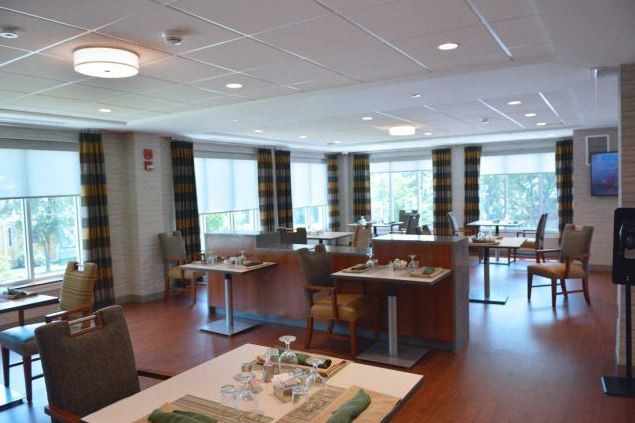
Dining feels restaurant-style
Dining is repeatedly described as restaurant-style with meals served and prepared on-site.
Reviewers frequently praise the food quality and the dining atmosphere, with several describing it as like a restaurant rather than a cafeteria. Families also mention features such as menus, special diet options, and the ability to request items when something isn’t on the menu. This lines up with the community offering restaurant-style dining, room service, and meal accommodations for specific dietary needs.
caveat
3 reviews mention this
Care for dementia is criticized
Several reviews raise concerns about memory care knowledge and handling of dementia-related behaviors.
Some families say the community was not a good fit for Alzheimer’s or dementia as the condition progressed. They describe staff being overwhelmed and indicate that residents were sent to a hospital emergency room for behavioral reasons, which they viewed as disruptive. Others also express that the memory care unit lacked compassion or expertise and advise asking detailed questions before moving in for dementia care.
caveat
7 reviews mention this
Pricing is a recurring drawback
Cost comes up often, with reviews calling the community very expensive and sometimes unaffordable.
Multiple reviewers comment that the community is costly, including concerns about monthly rates, entrance costs, and difficulty affording the option being discussed. Some families also describe choosing not to proceed after learning the likely level of care would require significant out-of-pocket expense. Pricing is shown as below county and state benchmarks for both 1-bedroom and 2-bedroom units, but reviews still reflect sticker-shock around fees and the overall cost of care.
caveat
3 reviews mention this
Tours and scheduling can frustrate
Some reviews describe frustrating or discouraging experiences when scheduling tours or discussing availability.
A few reviewers recount negative interactions during the initial contact or tour process, including a tour guide being condescending about availability and a sales counselor being curt when scheduling. One reviewer also describes being concerned about how Medicare or insurance questions were handled during discussion of placement. These issues appear more tied to the buying experience than day-to-day life for residents who end up there.
common
6 reviews mention this
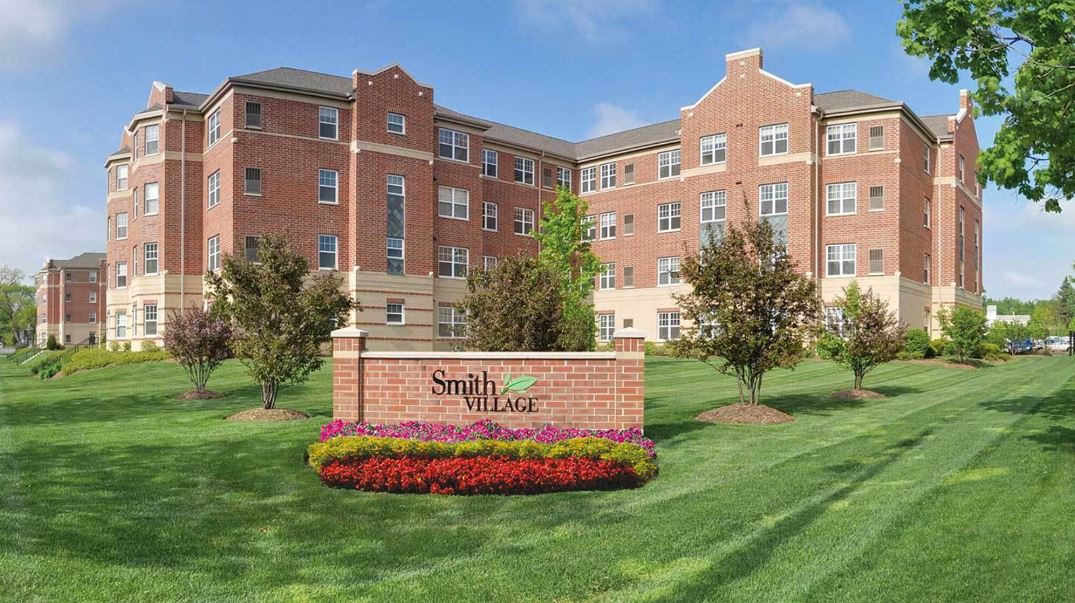
Grounds and rooms are consistently clean
Reviewers repeatedly note a well-maintained, clean environment and bright, attractive spaces.
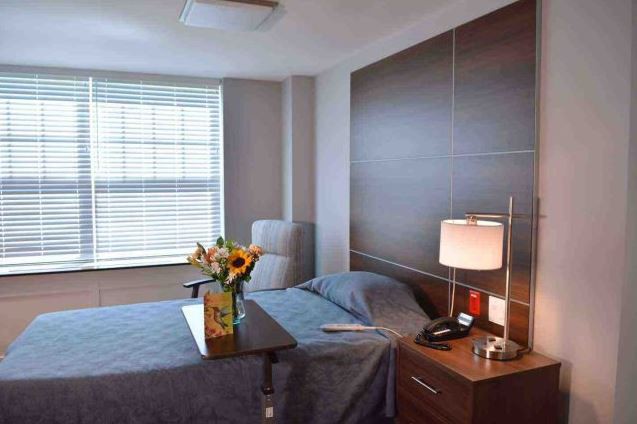
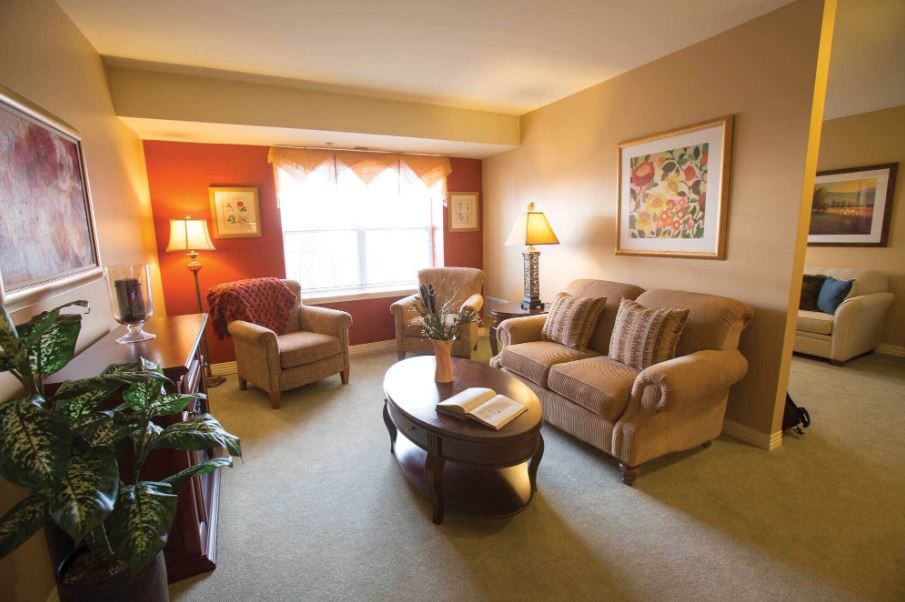
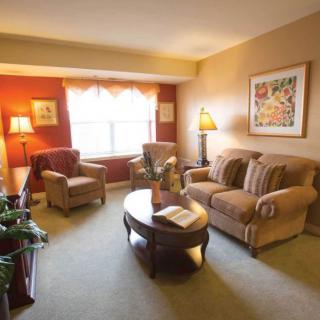
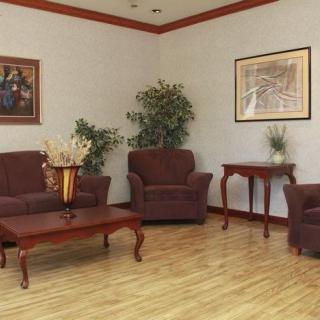
Several reviews praise cleanliness and maintenance, describing bright, well-kept buildings and apartments. Some also mention pleasant common areas and a resort-like feel, along with on-site spaces where residents can gather. Even when families had other reservations, they often still described the facility as clean and attractive.
How we summarize
Counts show how many written reviews mention each theme; a review can touch several themes, and only frequently mentioned themes are displayed.




 82 resident community capacity
 1-bedroom apartments
 Assisted Living
 Independent Living
 Memory Care
 Skilled Nursing Facility
 Cats allowed
 Dogs allowed
 Activities off-site
 Air-conditioning
 Bath tubs
 Beautician on-site
 Cable or satellite TV
 Computer center
 Devotional services off-site
 Dining room
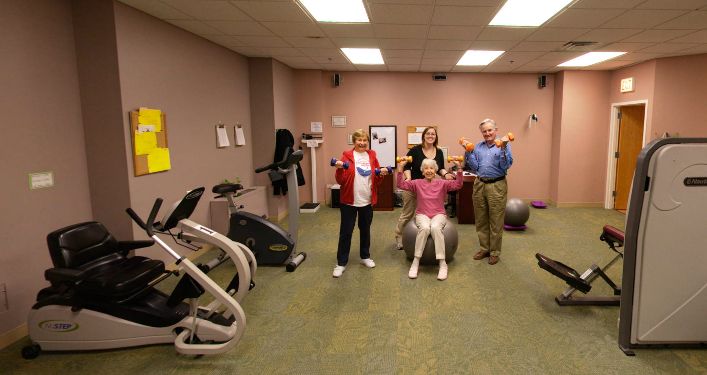
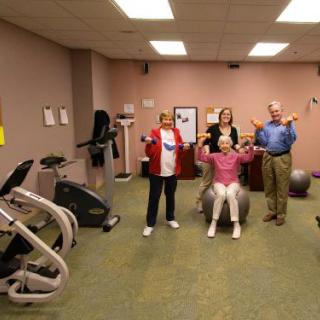
 Fitness room
 Full kitchen
 Fully furnished
 Gaming room
 Garden
 General store
 Ground floor units
 Guest parking
 Housekeeping services
 Indoor common areas
 Laundry
 Move-in coordination
 Outdoor common areas
 Party space
 Private bathrooms
 Respite or short term stays offered
 Restaurant-style dining
 Small library
 Spa
Spa Telephone
 Wheelchair accessible showers
 Wi-Fi/high-speed internet available
 Chicago Midway (8 miles away)
 Community operated transportation
 24-hour call system
 Ambulatory care
 Assistance with bathing
 Assistance with dressing
 Assistance with transfers
 Diabetes diet
 Diabetic care
 Incontinence care
 Medication management
 Physical therapy
 Special dietary restrictions
 Art classes
 Bible study group
 Concierge services
 Cooking classes
 Educational speakers / life long learning
 Games
Games Live musical performances
 Planned day trips
 Wii bowling
 English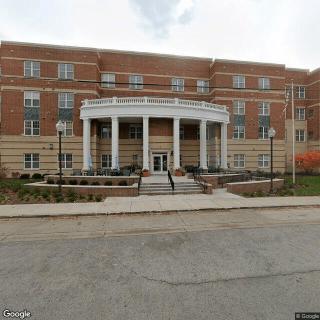
 Comprehensive care options (independent living to skilled nursing) with diabetic care and on-site dining plus indoor common areas.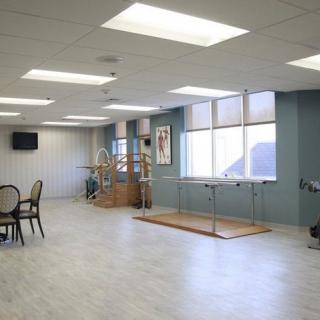




 Comprehensive Insights on the Late Stages of Dementia: What to Expect and How to Provide Care
 Medications Associated with Dementia Risk: A Comprehensive Overview
 Guiding Your Journey: Understanding Power of Attorney for Elderly Parents