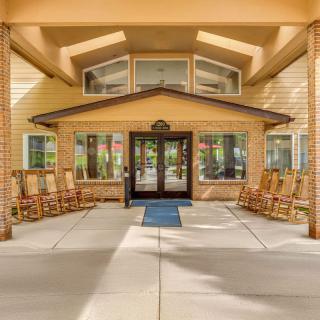
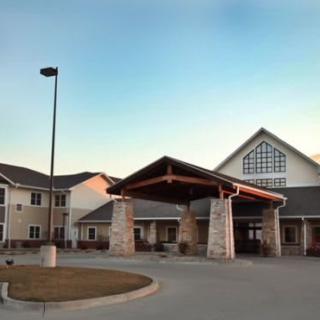
Meadows Mennonite Home in Chenoa, IL

Save
Meadows Mennonite Home Meadows Mennonite Home

Meadows Mennonite Home in Chenoa, IL

24588 Church Street, Chenoa, IL 61726

For more information about senior living options: (844) 490-3973

4.2 from 30 reviews
5 stars
22
4 stars
3
3 stars
0
2 stars
0
1 stars
5

Assisted Living Independent Living Memory Care Skilled Nursing Facility

Overall Review of Meadows Mennonite Home

Pros

  • pro Meadows Mennonite Home is a wonderful facility where the staff consistently go above and beyond to care for residents.
  • pro The staff at Meadows are amazing, incredibly accommodating, and creative in finding individualized solutions day by day.
  • pro Meadows is a wonderful community with loving and compassionate staff.
  • pro Meadows has brought dementia care to the next level for its community, with staff who have great heart and dedication.
  • pro The building at Meadows has been refurbished beautifully, the staff are always smiling, residents are engaged in activities, and the meals are consistently good.
  • pro Meadows is a welcoming environment where the staff are friendly and happy, and the facility is clean.
  • pro Meadows provides excellent care with dedicated staff who go out of their way to ensure residents are well taken care of and happy.
  • pro A 92-year-old resident is delighted with the care he is receiving.

Cons

  • pro The facility is an awful place for staff and residents, with nothing but yelling.
  • pro There is laziness and staff pushing their work off on others, abandoning team members or residents to chat with friends and smoke.
  • pro The facility treats its employees like trash.
  • pro There have been days when no qualified personnel are present, leading to safety concerns such as a resident falling from a wheelchair.
  • pro A staff member reportedly broke a resident's denture plate and hid it instead of reporting the incident.
  • pro There is a lack of respect for workers, with payment for maintenance work unpaid after six months.

Review

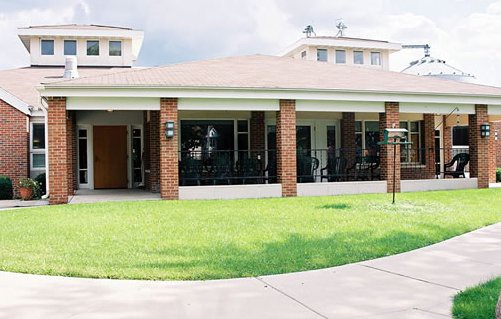
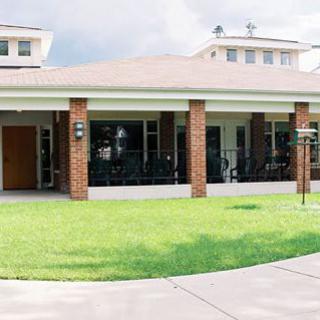
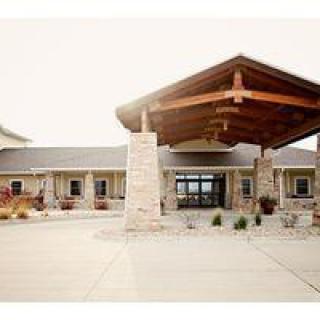
Meadows Mennonite Home in Chenoa, IL is best suited for families seeking a dementia-focused, compassionate senior living environment with a long-standing community footprint. The campus leans into memory-care expertise, offering familiar routines, personalized activity programs, and a home-like atmosphere that many families value. The newer wing and refurbished spaces provide a comfortable setting where residents can be engaged without feeling institutional, while still accessing skilled nursing and memory-support services as needs evolve. For families who prioritize a warm, person-centered approach to Alzheimer's and related dementias, Meadows presents a compelling fit.

Those who should consider alternatives are families for whom consistent staffing, flawless supervision, and risk management are non-negotiables. Several reviews raise red flags about staff morale and reliability, including reports of yelling, laziness, and work mismanagement. There are accounts of times when there appeared to be insufficient qualified personnel on duty, with serious implications for safety. Other anecdotes describe problems with accountability, such as a denture incident that wasn't promptly reported and a resident experiencing a fall during periods of low staffing. For families who need near-perfect consistency and zero tolerance for management lapses, these concerns warrant caution and additional investigation.

The strong points center on compassionate, knowledgeable dementia care and a staff culture that often shines in day-to-day interactions. Multiple reviewers highlight caring team members who think creatively about individualized solutions, with mentions of specific staff who made a meaningful difference. The facility is praised for its stability in providing activities, social engagement, and a sense that residents are truly part of a community. The building's refurbishment, accessible common areas, and the reassurance of Medicaid acceptance contribute to a practical, ready-to-use option for families navigating memory-care decisions. When the goal is to keep a loved one active, engaged, and treated with warmth, Meadows delivers.

Yet the positive impressions do not fully erase the concerns about staff reliability and supervision. Families weighing Meadows must consider how staffing patterns translate into daily safety and responsiveness. Observations of inconsistent oversight, and the absence of timely reporting in some troubling incidents, temper the otherwise strong care narrative. Prospective residents should probe into staff-to-resident ratios, training in dementia-specific needs, and the procedures for incident reporting and escalation. A firsthand tour is essential to assess whether the environment feels consistently well-supervised and whether the care team can maintain steady, attentive contact with residents throughout shifts.

From a decision-making standpoint, Meadows offers a clear value for families prioritizing dementia expertise, a supportive atmosphere, and a long history of service. The setting tends to reward those who want a community that treats memory care as a central specialty, not an afterthought. The caveat is that the care experience can be uneven if staffing gaps appear or if supervision lapses occur. For families with flexible expectations and a willingness to conduct thorough on-site due diligence - visiting with residents, asking pointed questions about staffing, and requesting a transparent review of safety protocols - Meadows stands out as a strong contender.

In the end, Meadows Mennonite Home is a solid, practical choice for seniors whose primary need is compassionate memory care in a warm, engaging community. It is well-suited to families who value a long-tenured provider with proven dementia experience, a renovated, comfortable physical environment, and a culture of engagement that regularly brings residents outside their rooms. Those with the highest sensitivity to staffing consistency or who have encountered or heard alarming safety concerns should approach with a rigorous vetting process and consider alternatives that offer stronger, verifiable supervision and staff stability. A deliberate on-site assessment - focusing on care plans, safety practices, and real-time interactions - will reveal whether Meadows aligns with the loved one's specific needs and family expectations.

Features

Housing

  • 130 resident community capacity 130 resident community capacity

Types of Care

  • Assisted Living Assisted LivingAssisted living facilities provide crucial support and care for seniors who may need help with daily tasks such as medication management, bathing, and meal preparation. These communities offer a safe and comfortable environment where seniors can maintain their independence while receiving the assistance they need to thrive in their golden years.
  • Independent Living Independent LivingIndependent living communities are important for seniors because they offer a safe and supportive environment where older adults can live independently while still having access to amenities and services that enhance their quality of life. These communities provide social opportunities, recreational activities, and assistance with daily tasks, promoting overall well-being and allowing seniors to maintain their independence for as long as possible.
  • Memory Care Memory CareMemory care is crucial for seniors as it provides specialized support and services for individuals with dementia or Alzheimer's disease. These programs offer a safe and secure environment where residents receive personalized care, cognitive stimulation, and help with daily activities. Memory care helps seniors maintain their independence, quality of life, and dignity while also providing peace of mind for their families.
  • Skilled Nursing Facility Skilled Nursing FacilitySkilled Nursing Facilities are crucial for seniors as they provide round-the-clock medical care, rehabilitation services, and assistance with daily activities. These facilities ensure that seniors receive the specialized care they need to maintain their health and well-being as they age.

Amenities

  • Activities on-site Activities on-siteActivities on-site are important for seniors because they provide opportunities for socialization, mental stimulation, physical activity, and overall well-being. Engaging in activities can help seniors stay active, maintain their independence, and improve their quality of life.
  • Air-conditioning Air-conditioningAir conditioning is important for seniors as they are more vulnerable to heat-related illnesses and may have underlying health conditions that make it difficult for them to regulate their body temperature. It helps to keep them comfortable, safe, and healthy in hot weather.
  • Beauty salon Beauty salonBeauty salons are important for seniors because they provide a space for them to feel pampered, socialize, and maintain their personal grooming and hygiene. Regular visits to a beauty salon can help boost seniors' self-esteem and overall well-being.
  • Cable or satellite TV Cable or satellite TVCable or satellite TV is important for seniors because it provides entertainment, news, and companionship, helping to combat loneliness and boredom. It also offers a wide range of programming options tailored to different interests and preferences.
  • Computer center Computer centerA computer center is essential for seniors as it provides access to technology, communication tools, and resources that can enhance their daily lives. It allows them to stay connected with loved ones, engage in online activities, and learn new skills, ultimately promoting socialization and mental stimulation.
  • Devotional services off-site Devotional services off-siteDevotional services off-site are important for seniors as they provide spiritual nourishment, social engagement, and a sense of community outside of the senior living facility. This can enhance overall well-being and help combat feelings of isolation and loneliness often experienced by older adults.
  • Dining room Dining roomDining rooms are important for seniors as they provide a space for socialization, connection, and nutritious meals. They offer opportunities for residents to bond over shared meals, foster a sense of community, and promote healthy eating habits. Dining rooms also ensure that seniors have access to well-balanced meals tailored to their dietary needs and preferences.
  • Fitness room Fitness roomHaving a fitness room in a senior living community is essential for seniors to stay active, maintain their physical health, and improve their overall well-being. Regular exercise can help prevent falls, reduce the risk of chronic diseases, and promote mental sharpness. It also provides social opportunities for residents to connect with others and enjoy a sense of community.
  • Fully furnished Fully furnishedFully furnished senior living communities are important for seniors because they provide convenience, comfort, and a hassle-free moving experience. Seniors can easily settle into their new living space without the stress of having to buy and move furniture. This allows them to focus on enjoying their new home and community.
  • Gaming room Gaming roomGaming rooms are important for seniors as they provide a fun and engaging environment for socializing, cognitive stimulation, and physical activity. Games can improve memory, problem-solving skills, and overall mental well-being while fostering friendships and reducing feelings of isolation.
  • Garden GardenGardens are important for seniors as they provide a peaceful and therapeutic environment for relaxation, physical activity, and socialization. Being in nature has been shown to reduce stress, improve mood, and promote overall well-being. Gardens also offer opportunities for seniors to engage in gardening activities, which can improve mobility, flexibility, and cognitive function. Additionally, gardens create a sense of community and connection with others who share a passion for plants and outdoor spaces.
  • Housekeeping services Housekeeping servicesHousekeeping services are important for seniors because they help maintain a clean and safe living environment, promote independence, and reduce the risk of accidents or illnesses. Additionally, having assistance with household chores can alleviate physical strain and allow seniors to focus on other aspects of their well-being.
  • Indoor common areas Indoor common areasIndoor common areas are crucial for seniors as they provide a space for socialization, recreation, and community engagement, promoting overall well-being and reducing feelings of isolation and loneliness.
  • Kitchenette KitchenetteKitchenettes are important for seniors living in senior living communities because they provide the convenience and independence of being able to prepare simple meals and snacks in the comfort of their own living space. This can help promote a sense of autonomy and well-being for seniors, allowing them to maintain some level of control over their dietary choices and daily routines.
  • Move-in coordination Move-in coordinationMove-in coordination is important for seniors because it helps ease the transition into their new living environment. It ensures that all logistics, such as packing, organizing movers, and setting up utilities are taken care of, allowing seniors to focus on settling in and adjusting to their new home. Having a smooth move-in process can alleviate stress and anxiety, making the transition smoother and more enjoyable for seniors.
  • Outdoor space Outdoor spaceOutdoor spaces are important for seniors as they provide opportunities for physical activity, social interaction, exposure to natural light and fresh air, and a sense of connection to nature. Having access to outdoor spaces can improve overall well-being and quality of life for older adults living in senior communities.
  • Private bathrooms Private bathroomsPrivate bathrooms are important for seniors in senior living communities because they provide independence, dignity, and comfort. Having a private bathroom allows seniors to maintain their personal hygiene routines without the need for assistance, promoting a sense of autonomy and privacy. Additionally, private bathrooms help prevent the spread of infections and provide a safe and clean environment for seniors to navigate safely.
  • Respite or short term stays offered Respite or short term stays offeredRespite or short term stays provide seniors with a temporary solution when their regular caregiver is unavailable, offering them the opportunity to receive additional care and support during times of need, while also giving caregivers a chance to rest and recharge.
  • Restaurant-style dining Restaurant-style diningRestaurant-style dining is important for seniors because it allows them to enjoy delicious, nutritious meals in a social and upscale setting. This enhances their dining experience, promotes healthy eating habits, and fosters socialization with fellow residents, ultimately contributing to their overall well-being and quality of life.
  • Small library Small librarySmall libraries are important for seniors as they provide access to a variety of reading materials, including books, newspapers, and magazines. This can help stimulate their minds, keep them engaged, and provide a sense of community through book clubs and other social activities. Additionally, reading has been shown to improve cognitive function and overall mental well-being in older adults.
  • Telephone TelephoneTelephones are important for seniors as they provide a lifeline for communication with loved ones, emergency services, and healthcare providers. They offer a sense of security and independence, enabling seniors to stay connected and access assistance when needed.
  • Wellness center Wellness centerWellness centers are important for seniors because they offer a variety of programs and services that promote physical, mental, and emotional well-being. These centers provide opportunities for exercise, socialization, education, and relaxation, helping seniors maintain their overall health and quality of life.
  • Wi-Fi/high-speed internet available Wi-Fi/high-speed internet availableWi-Fi/high-speed internet is important for seniors to stay connected with loved ones, access online resources, and participate in virtual activities to combat feelings of loneliness and isolation. It also allows them to easily manage healthcare needs, access entertainment, and engage in lifelong learning opportunities.

Transportation

  • Central Illinois Regional (19 miles away) Central Illinois Regional (19 miles away)
  • Community operated transportation Community operated transportationCommunity operated transportation is crucial for seniors as it provides them with the means to access essential services, social activities, and medical appointments. It allows seniors to maintain their independence and quality of life by ensuring they can participate in activities outside of their homes. Additionally, community-operated transportation services offer a safe and reliable way for seniors to travel without having to rely on family or friends for assistance.
  • Transportation arrangement Transportation arrangementTransportation arrangements are crucial for seniors as they may face challenges with driving, mobility, or access to public transportation. Having reliable transportation services ensures that seniors can easily attend appointments, social activities, and maintain their independence and quality of life.
  • Transportation arrangement (non-medical) Transportation arrangement (non-medical)Transportation arrangements are essential for seniors as they provide access to essential services, activities, and social interactions outside the home. This service helps maintain independence, mobility, and overall well-being for seniors who may have limited transportation options.
  • Transportation to doctors appointments Transportation to doctors appointmentsTransportation to doctors appointments is crucial for seniors as it ensures they have access to necessary medical care and support, promoting their health and well-being. It allows them to receive timely treatment, monitor existing conditions, and address any new health concerns efficiently. Additionally, transportation services can help seniors maintain their independence and quality of life by enabling them to stay connected with their healthcare providers.

Care Services

  • 12-16 hour nursing 12-16 hour nursing12-16 hour nursing care is crucial for seniors in order to ensure around-the-clock monitoring, timely medication administration, and prompt response to any health concerns or emergencies. This level of care helps to promote the overall well-being and safety of seniors living in senior living communities.
  • 24-hour call system 24-hour call system24-hour call systems are important for seniors because they provide peace of mind and immediate assistance in case of emergencies. This technology ensures that help is always available, promoting safety and security for elderly individuals living alone or in assisted living facilities.
  • 24-hour supervision 24-hour supervision24-hour supervision is important for seniors to ensure their safety, well-being, and access to immediate assistance in case of emergencies or health issues. This constant support provides peace of mind for both seniors and their loved ones, allowing them to age in place with dignity and security.
  • Activities of daily living assistance Activities of daily living assistanceActivities of daily living assistance are important for seniors because they provide essential support with tasks such as eating, bathing, dressing, and mobility. This assistance helps seniors maintain their independence, dignity, and overall quality of life as they age.
  • Ambulatory care Ambulatory care"Ambulatory care services provide essential medical support and treatment to seniors without requiring hospitalization, allowing them to maintain their independence and quality of life while managing chronic conditions or receiving routine medical care."
  • Assistance with bathing Assistance with bathingAssistance with bathing is crucial for seniors as it helps maintain personal hygiene, prevents infections, and ensures their overall well-being and comfort. It also provides a sense of dignity and independence for seniors who may struggle with this task on their own.
  • Assistance with dressing Assistance with dressingAssistance with dressing is important for seniors because it helps maintain their independence, promotes personal hygiene, prevents accidents and injuries, and improves overall quality of life. This service ensures that seniors can continue to dress comfortably and confidently, despite any physical limitations they may have.
  • Assistance with transfers Assistance with transfersAssistance with transfers is crucial for seniors as it helps prevent falls and injuries, maintains their independence, and ensures they can safely navigate their living environment. It also provides peace of mind for both seniors and their loved ones.
  • Diabetes diet Diabetes dietA diabetes diet is crucial for seniors as it helps manage blood sugar levels, reduce risks of complications, and improve overall health and well-being. By following a balanced and nutritious diet tailored to their specific needs, seniors can better control their diabetes and enhance their quality of life.
  • Diabetic care Diabetic careDiabetic care is crucial for seniors as they are more susceptible to developing diabetes due to aging and other health conditions. Proper management of diabetes can help prevent complications such as heart disease, vision loss, and nerve damage, improving the overall quality of life for seniors in senior living communities.
  • High acuity care High acuity careHigh acuity care is important for seniors because it provides specialized medical attention and support for individuals with complex medical needs. This level of care ensures that seniors receive the appropriate treatment and assistance to maintain their health and quality of life as they age.
  • Hospice care Hospice careHospice care is important for seniors as it provides specialized end-of-life support, pain management, and emotional comfort for both the senior and their loved ones. It allows seniors to maintain dignity, receive personalized care, and spend their remaining time in a peaceful and comfortable environment.
  • Meal preparation and service Meal preparation and serviceMeal preparation and service are crucial for seniors as they may have limited mobility or energy to cook nutritious meals. Having access to healthy and convenient food options can ensure they are getting the proper nutrition needed to maintain their overall health and well-being.
  • Medication management Medication managementMedication management is crucial for seniors to ensure they are taking the right medications at the correct dosages and times. This helps prevent adverse drug interactions, reduces the risk of medication errors, and promotes overall health and well-being. Proactive management also allows for adjustments as needed based on changing health conditions or new prescriptions.
  • Mental wellness program Mental wellness programMental wellness programs are essential for seniors as they promote cognitive stimulation, emotional support, and social engagement. These programs help prevent isolation, depression, and cognitive decline, ultimately enhancing the overall quality of life for older adults.
  • Special dietary restrictions Special dietary restrictionsSpecial dietary restrictions are important for seniors because age-related changes in metabolism and health conditions can make it difficult for their bodies to process certain foods. By following a diet tailored to their specific needs, seniors can maintain their overall health and well-being, manage chronic conditions, and reduce the risk of complications such as malnutrition or food interactions with medications.

Dining

  • Diabetes diet Diabetes dietA diabetes diet is crucial for seniors as it helps manage blood sugar levels, reduce risks of complications, and improve overall health and well-being. By following a balanced and nutritious diet tailored to their specific needs, seniors can better control their diabetes and enhance their quality of life.
  • Meals provided Meals provided"Meals provided" are crucial for seniors in assisted living communities as it ensures they have access to nutritious, balanced meals without the stress of meal planning and preparation. This can help promote overall health and well-being for seniors who may have limited mobility or cognitive abilities.
  • Special dietary restrictions Special dietary restrictionsSpecial dietary restrictions are important for seniors because age-related changes in metabolism and health conditions can make it difficult for their bodies to process certain foods. By following a diet tailored to their specific needs, seniors can maintain their overall health and well-being, manage chronic conditions, and reduce the risk of complications such as malnutrition or food interactions with medications.

Activities

  • Activities on-site Activities on-siteActivities on-site are important for seniors because they provide opportunities for socialization, mental stimulation, physical activity, and overall well-being. Engaging in activities can help seniors stay active, maintain their independence, and improve their quality of life.
  • Community-sponsored activities Community-sponsored activitiesCommunity-sponsored activities are important for seniors as they provide opportunities for social interaction, mental stimulation, and physical activity. These activities can help improve overall well-being, combat loneliness and isolation, and promote a sense of belonging and purpose among older adults.
  • Concierge services Concierge servicesConcierge services are essential for seniors as they provide assistance with daily tasks and errands, enhance their quality of life by offering convenience and personalized care, and promote a sense of safety and security.
  • Devotional activities offsite Devotional activities offsiteDevotional activities offsite are important for seniors because they provide social engagement, spiritual growth, and a sense of community outside of their living environment. This can improve overall well-being, mental health, and combat feelings of isolation or loneliness.
  • Fitness programs Fitness programsFitness programs are crucial for seniors as they help improve strength, flexibility, balance, and overall well-being. Staying active can reduce the risk of chronic diseases, improve mental health, and enhance quality of life in older adults.
  • Planned day trips Planned day tripsPlanned day trips are important for seniors because they offer opportunities for socialization, mental stimulation, and physical activity. They provide a change of scenery and help seniors stay engaged and connected to their community, promoting overall well-being and quality of life.
  • Resident-run activities Resident-run activitiesResident-run activities are important for seniors as they encourage social interaction, creativity, and a sense of autonomy. These activities empower seniors to stay engaged and active in their community while fostering meaningful connections with their peers.
  • Scheduled daily activities Scheduled daily activitiesScheduled daily activities are important for seniors because they provide structure, socialization, mental stimulation, and physical activity. Engaging in regular activities can improve overall well-being and quality of life for seniors living in a community setting.

Description

Meadows Mennonite Home in Chenoa, IL is a welcoming and vibrant assisted living community that offers a range of care services to meet the individual needs of its residents. With a focus on promoting independence and enhancing quality of life, Meadows Mennonite Home provides Independent Living, Memory Care, and Skilled Nursing Facility options.

The community boasts an array of amenities designed to create a comfortable and enjoyable living environment. Residents can relax in their fully furnished apartments with air conditioning and private bathrooms. They can also take advantage of the beauty salon, gaming room, small library, fitness room, and outdoor space for leisure activities. The on-site restaurant-style dining ensures that delicious meals are provided with special dietary restrictions taken into consideration.

To cater to the diverse interests and preferences of residents, Meadows Mennonite Home offers a variety of activities and services. Community-sponsored activities, resident-run activities, fitness programs, planned day trips, and concierge services keep residents engaged and entertained. Devotional services off-site are available for those seeking spiritual fulfillment.

Residents can rest assured knowing that their care needs are met around-the-clock with 24-hour supervision and a 24-hour call system. Assistance with daily activities such as bathing, dressing, transfers, medication management, diabetic care, and meal preparation is provided by compassionate staff members who prioritize the well-being of residents. Mental wellness programs are offered to support emotional health.

Additionally, Meadows Mennonite Home aims to enhance convenience for its residents by offering transportation arrangement services including non-medical transportation as well as transportation to doctors' appointments. Move-in coordination assistance is provided for those transitioning into the community.

Located conveniently near cafes, pharmacies, restaurants, and places of worship in the local area, Meadows Mennonite Home ensures that residents have easy access to essential amenities within close proximity.

Overall, Meadows Mennonite Home in Chenoa is committed to providing exceptional care in a warm and inclusive environment where residents can thrive and enjoy a fulfilling life.

Nearby Places of Interest

Restaurants

  • McDonald's (3.7 miles)
  • Brown Jug (4.2 miles)
  • Green Garden Restaurant (4.2 miles)
  • Kemp's Upper Tap (7.2 miles)
  • Ruth's Garden Tea Room (11 miles)
  • Wendy's (11.5 miles)
  • El Paso Mexican Restaurant (11.6 miles)

Cafes

  • Crossroads Cafe (4.3 miles)
  • Christo's of Lexington (7.2 miles)

Pharmacies

  • Chenoa Pharmacy (4.4 miles)
  • Flanagan Pharmacy (9.7 miles)
  • Doc's Drugs El Paso (11.1 miles)
  • Sartoris Super Drugs (12.1 miles)
  • CVS Pharmacy (12.1 miles)
  • Walgreens (12.3 miles)
  • Fairbury Pharmacy (14.9 miles)

Places of Worship

  • Presbyterian Church of Chenoa (4.4 miles)
  • Trinity Lutheran Church (4.4 miles)
  • Chenoa United Methodist Church (4.4 miles)
  • Salem Church (4.6 miles)
  • First Baptist Church (9.3 miles)
  • Christian Church Disciple S Of Christ (9.7 miles)
  • Flanagan United Methodist Church (9.8 miles)

Transportation

  • U-Haul Neighborhood Dealer (7 miles)
  • Innovated Industrial Service (11.7 miles)
  • Pontiac Station (12.8 miles)

Physicians

  • Crossroads Medical Associates (7.2 miles)
  • Crossroads Medical Associates (10.7 miles)
  • OSF PromptCare (10.9 miles)
  • Bard Optical - Pontiac (11.6 miles)
  • James Mccriskin MD (11.8 miles)
  • Samir Shah MD (11.8 miles)
  • Dory Jarzabkowski MD (11.8 miles)

Parks

  • Artesian Park (9.5 miles)
  • Elephant park (10.9 miles)
  • Jefferson Park(library park) (11.3 miles)
  • Pontiac Rec Plex (11.9 miles)
  • Livingston County 4-H Park (12.6 miles)
  • Fell Park (12.9 miles)
  • Humiston Riverside Park (12.9 miles)

Hospitals

  • OSF Saint James - John W. Albrecht Medical Center (10.9 miles)
  • Saint James Hospital (10.9 miles)
  • Renal Care Group (12.8 miles)
  • Saint James Hospital (13.2 miles)

Theaters

  • AMC Starplex Normal 14 (17.3 miles)

Frequently Asked Questions

Where is Meadows Mennonite Home?
Does Meadows Mennonite Home provide care for residents with dementia or Alzheimer's disease?

Nearby Communities

  • Flanagan Rehabilitation & Healthcare Center

    Flanagan Rehabilitation & Healthcare Center

    Flanagan, IL


    pro Restaurant-style dining with special dietary options and 24/7 supervision.
  • El Paso Health Care Center

    El Paso Health Care Center

    El Paso, IL

    4.4 from 88 reviews
     

    pro Clean, spacious rooms with varied activities and attentive medical staff.

  • Heritage Health El Paso

    Heritage Health El Paso

    El Paso, IL

    3.8 from 13 reviews
     

    pro Compassionate staff with engaging activities and a warm, home-like environment.

  • Heritage Manor

    Heritage Manor

    El Paso, IL


    pro Proximity to parks, a pharmacy, restaurants, transportation, and places of worship.

  • Good Samaritan - Pontiac

    Good Samaritan - Pontiac

    Pontiac, IL


    pro Extensive amenities and 24/7 supervision support independence.

  • The Pointe at Pontiac

    The Pointe at Pontiac

    Pontiac, IL

    4.7 from 63 reviews
    $4,000 to $4,550 / month

    pro Clean, well-maintained facility with friendly staff, engaging activities, and strong family communication.

  • Pontiac Towers

    Pontiac Towers

    Pontiac, IL

    3 from 19 reviews
    $600 / month

    pro Very affordable one-bedroom with convenient access to services.

  • Holiday Blair House

    Holiday Blair House

    Normal, IL

    4.5 from 117 reviews
    $2,439 to $4,849 / month

    pro Friendly staff, beautifully renovated apartments, excellent dining, and a vibrant activities program.

  • The Village at Mercy Creek

    The Village at Mercy Creek

    Normal, IL

    4.8 from 46 reviews
    $4,738 to $5,584 / month

    pro Clean, welcoming environment with attentive staff, engaging activities, and high-quality dining.

Assisted Living in Nearby Cities

Related Resources

  • does my mom have dementia quiz5 Early Indicators of Dementia and What You Can Do

    The content outlines five key early indicators of dementia, including significant memory loss and confusion about time and place, while emphasizing the need for professional evaluation and emotional support for both individuals showing symptoms and their caregivers. It encourages family members to monitor these signs closely and use online quizzes for initial awareness.

  • when should someone with dementia go into a care home8 Important Indicators That Memory Care May Be Necessary

    The article highlights eight indicators that a loved one with dementia may require specialized memory care, emphasizing the emotional and logistical challenges families encounter in this decision. It discusses signs such as difficulties with daily tasks, safety concerns, and caregiver burnout, suggesting that memory care facilities can provide the necessary support and structured environments for those experiencing cognitive decline.

  • what do dementia patients think aboutDelving into the Inner World of Dementia: Insights into Thoughts and Awareness
    Dementia, primarily caused by Alzheimer's disease but also linked to other conditions, leads to cognitive decline impacting memory and daily functioning, with individuals experiencing varied awareness of their impairments. Despite memory loss, emotional connections persist, enabling responses to familiar stimuli, highlighting the need for caregivers to provide compassionate support that recognizes both limitations and retained emotional depth.