
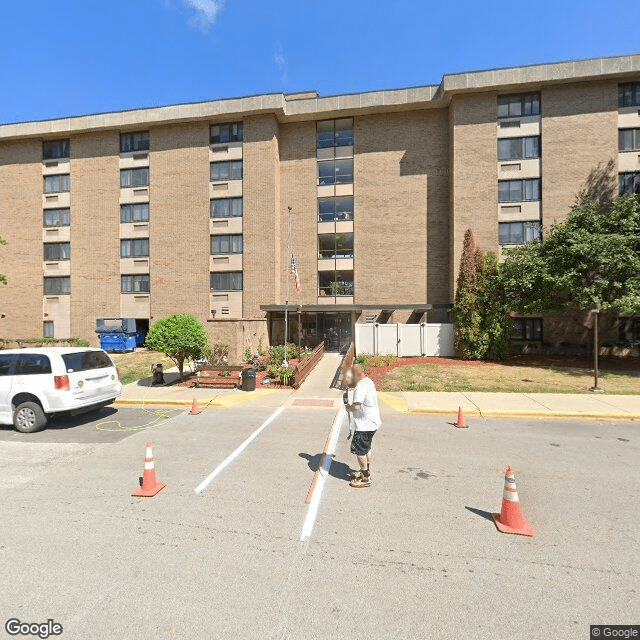
1011 West Washington, Pontiac, IL 61764
To contact a resident: (815) 842-2307
For more information about senior living options: (866) 208-4318
Pontiac Towers Costs & Pricing
Pontiac Towers offers a competitively priced one-bedroom option at $600 per month, which stands in stark contrast to the broader housing costs in Livingston County and the state of Illinois. In Livingston County, the average monthly rent for similar accommodations reaches approximately $3,322, while the state average escalates to about $3,527. This significant cost difference highlights Pontiac Towers as an attractive and affordable choice for those seeking one-bedroom living arrangements, making it a compelling option for budget-conscious residents in a region where rental prices can be considerably higher.
| Floor plans | Pontiac Towers | Livingston County | Illinois |
|---|---|---|---|
| 1 Bedroom | $600 | $3,322 | $3,527 |
Overall Review of Pontiac Towers
Pros
 They love it there.
- They have made some great friends.
- They love Pontiac Towers.
- Their apartment is beautiful.
- The office personnel are kind.
- The people in the building are the sweetest.
- They feel at home there.
Cons
 The management is bad about fixing things that need to be fixed.
- The washer and dryer have been broken for nearly a month despite multiple calls.
- A trim around the washer and dryer door came down and was never repaired.
- Framing around the laundry room door remains with pieces lying on the living room floor.
- The utility room door keeps popping out of its socket, and the maintenance man simply will not fix it.
- Bed bugs are everywhere in nearly 50 or more apartments and remain unaddressed despite monthly treatments.
- The landlord hates smoking, vaping, and dogs and infringes on residents' rights.
- They would not recommend living there; the place is described as slums and disgusting.
Review
Pontiac Towers is best suited for residents who want an affordable, socially oriented independent living option and are willing to tolerate inconsistent maintenance and variable management. The community can offer a sense of connection and an entry point for those who prioritize companionship and cost-conscious housing over top-tier upkeep or proactive, professional service. In practical terms, it works for tenants who can navigate a hands-off approach to repairs and who do not rely on the building to be consistently well-maintained.
Those weighing alternatives should note that this property may not be ideal for families or individuals who require reliable repairs, routine pest control, and consistently respectful management. Pet owners and residents with strong expectations about quiet, well-managed surroundings will likely want to explore other options with clearer policies and more predictable upkeep. Prospects seeking modern infrastructure, timely fixes, or a stable, reassuring landlord-tenant dynamic would be well advised to look at other communities before committing.
On the upside, several reviews highlight a social upside: office staff sometimes come across as kind, and residents can form meaningful friendships with neighbors, contributing to a bona fide sense of “home.” For those who value social opportunities and a budget-friendly footprint, these elements can be compelling, especially for long-term tenants who want stability in living costs and the chance to build a local support network. The willingness of some staff to engage positively provides a counterpoint to the otherwise mixed service experience.
The downsides, however, accumulate quickly and are hard to overlook. Maintenance is repeatedly described as slow or neglected, with concrete examples such as a washer and dryer that have been broken for weeks, door framing that remains unfinished, and components left lying around rather than repaired. Common-area upkeep and unit repairs appear inconsistent, which translates into ongoing frustration for residents who rely on functional appliances and safe, properly aligned doors. Even when complaints surface, responses are not always timely or thorough, leaving basic needs unmet and daily routines disrupted.
Pest control and property management emerge as the most troubling themes. Reports of bed bug infestations, despite monthly treatments, signal a significant quality-of-life risk that far surpasses routine maintenance irritants. Eviction notices and a reputation for harsh or unfair treatment from management further destabilize a living situation that already feels uncertain to residents. Additional friction around pet policies and landlord actions compounds the sense that this community is not a stable, predictable home environment. Taken together, these factors substantially offset any social benefits or lower rent, creating a high-stress, inconsistent living experience.
In sum, Pontiac Towers delivers affordability and genuine social potential, but the balance heavily tilts toward risk unless maintenance, pest control, and management reliability improve markedly. For families or individuals who cannot tolerate frequent maintenance delays, ongoing pest issues, and tense landlord relations, alternatives in the area will provide greater peace of mind and safer day-to-day living. If a decision leans toward remaining, a disciplined, written plan is essential: insist on documented repair timelines, request recent pest-control records and plans, clarify pet policies in writing, review the lease for eviction protections, and interview current residents about their daily experiences. This community is not a guaranteed home; it is a budget-conscious option that demands vigilance and a willingness to accept substantial variability in service and safety.
 Active Adult Communities (55+)
 Cats allowed
 Dogs allowed
 Activities on-site
 Devotional services on-site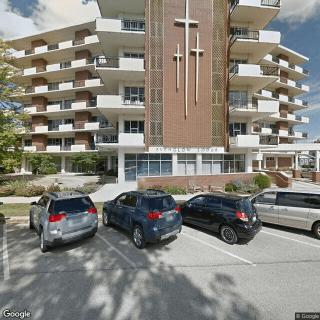





 Skilled Nursing Facilities vs. Nursing Homes: Making Sense of the Differences
 A Detailed Examination of Nursing Home Costs Across the U.S.
 Exploring Nonmedical Home Care: Understanding Services, Costs, and Financial Approaches