Information last verified:
19327 N 2100 East Rd, Pontiac, IL 61764
For more information about senior living options: (844) 490-3973
Home Helpers in Pontiac, IL is best suited for families seeking dependable, non-medical in-home care that emphasizes practical daily support, companionship, and flexible scheduling. The service shines for seniors who need help with everyday tasks, reminders, light housekeeping, laundry, groceries, and transportation to appointments, as well as for loved ones who require a steady, compassionate presence during memory-care transitions. The program also presents a clear advantage for veterans and their families, with staff who run aid-and-attendance supports efficiently and with a patient, capable touch. When a loved one’s needs include a consistent caregiver who can adapt to shifting routines and provide proactive engagement, this agency delivers concrete relief and reassurance.
Those who may want to consider alternatives are families that prioritize strict clinical oversight or 24/7 formal supervision, and those with the tightest compliance requirements or extremely high-risk profiles. A handful of reviews point to a need for rigorous administrative precision at the leadership level, and for families that must rely on flawless documentation and error-proof processes, this is a factor to weigh carefully. In such cases, exploring other providers with a more centralized governance model, extensive corporate safeguards, or specialties in high-risk memory-care protocols may be prudent. The balance between heartfelt, flexible in-home care and the confidence that comes with uncompromising documentation is the critical trade-off to consider.
The strongest pros here revolve around the caregivers themselves: punctual, patient, and genuinely proactive, with staff members who frequently go beyond what is asked. Reported experiences describe caregivers who anticipate needs, offer activities without prompting, and maintain a cheerful, respectful demeanor that steadies both the elder and the family. The ability to tailor hours, coordinate with family schedules, and respond to emergencies, often on short notice, creates real peace of mind. Couples of the most compelling testimonials note how caregivers integrate into the home as an extended, supportive presence, handling daily tasks, light housekeeping, and even safety checks with diligence. Memory-care scenarios are cited as well-handled, with care teams offering suggestions to improve daily life for the person and simplify family decision-making.
These strengths offset many concerns through proven reliability and a responsive, hands-on approach to care. The call for flexibility, combined with clear communication and regular updates, reduces the guesswork that often accompanies in-home arrangements. A recurring theme is that trusted aides become extensions of the family network, remembering routines, reporting on daily progress, and coordinating with family members on care goals. In situations where last-minute caregiving needs arise, this agency’s demonstrated ability to mobilize promptly, sometimes same-day or overnight, can be a decisive factor in maintaining continuity of care and preventing hospitalizations or caregiver burnout.
Nevertheless, the most cautionary note remains perceptible: a highly critical review alleging that the operator missed significant documentation and failed to read a key page. That warning cannot be dismissed, especially for families managing medications, safety plans, or high-stakes memory-care regimens. It underscores the reality that administrative diligence is essential, and a single oversight at the leadership level can undermine otherwise solid caregiving. The practical takeaway is not to discount the favorable caregiver record, but to insist on rigorous intake, explicit care plans, and documented oversight. Request to review the agency’s internal processes, ask for a sample care plan, and demand direct accountability from the owner or care coordinators.
Decision-making should hinge on a clear picture of the care needs and the comfort level with the agency’s governance in place. Prospective clients should seek an in-home assessment, insist on a written care plan, and request references from families with similar needs. Check that the provider can accommodate memory-care nuances, manage transportation and errands, and coordinate with veterans’ benefits when applicable. Confirm caregiver pairing strategies, ensure predictable scheduling, and verify the system for daily logs and family updates. Finally, inquire about trial periods or cancellation terms so the family can assess fit without long-term commitment if concerns surface.
In sum, Home Helpers represents a practical, compassionate option for families seeking reliable in-home support with a strong caregiver pipeline and flexible scheduling. It is particularly well-suited for those balancing daily living assistance, light housekeeping, and meaningful engagement for memory-care needs, with the added bonus of veteran-support expertise. For families where strict documentation control or governance is non-negotiable, or where risk tolerance for administrative missteps remains high, exploring alternatives with heavier clinical oversight may be warranted. The best path forward is a candid in-person evaluation, meet the care team, review the care plan, confirm the scheduling cadence, and confirm that the agency’s oversight mechanisms align with the elder’s safety and the family’s expectations.
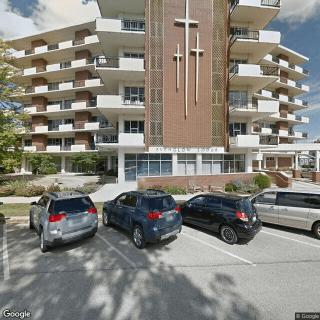
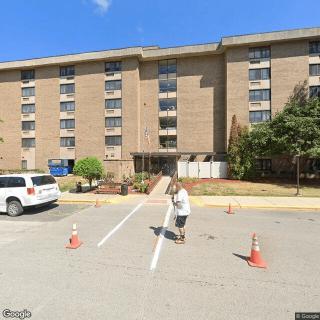
The Home Helpers assisted living community in Pontiac, IL is a warm and inviting place for seniors to call home. With a range of personalized care services and support, our dedicated staff is committed to providing the highest level of care and attention to our residents.
Located in a peaceful neighborhood, our community offers easy access to nature with a nearby park. Residents can enjoy leisurely strolls or sit outdoors to soak up the fresh air and natural beauty. The park provides an ideal setting for exercise, relaxation, and socializing with fellow residents.
For those seeking spiritual fulfillment, there are two places of worship conveniently located near our community. Whether residents follow a specific faith or simply desire a place for reflection and contemplation, these places of worship offer solace and connection within a supportive community.
At Home Helpers, we strive to create an inclusive environment that promotes independence, dignity, and overall well-being. Our compassionate caregivers provide assistance with daily activities such as bathing, dressing, medication management, and meal preparation, ensuring that each resident receives personalized care based on their unique needs.
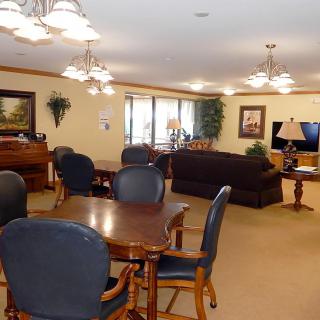
In addition to our exceptional caregiving services, we also offer various opportunities for social engagement and recreational activities. Our residents can participate in group outings, hobbies, games, exercises classes or simply relax in our comfortable common areas while enjoying the company of friends.
With our commitment to creating a safe and nurturing environment combined with the convenience of nearby parks and places of worship, Home Helpers in Pontiac presents an ideal living option for seniors looking for quality care in an enriching community setting.
Home Helpers is located at 19327 N 2100 East Rd, Pontiac, IL 61764 in Livingston County, Illinois
Weight Training for Seniors: Building Strength and Vitality

Weight training is vital for seniors to maintain muscle mass, bone density, and overall health, combating age-related declines through customized resistance exercises that enhance balance and well-being. Safe routines should start with realistic goals and proper form, while emphasizing gradual progress and consultations with healthcare providers to ensure safety and effectiveness.
Understanding the Sandwich Generation: Stress and Responsibilities for Multigenerational Caregivers

The Sandwich Generation comprises adults managing the dual responsibilities of caring for aging parents and raising children, leading to significant emotional, logistical, and financial challenges. This situation is exacerbated by longer life expectancies and cultural expectations, necessitating effective coping strategies and support resources to alleviate caregiver stress and burnout.
8 Essential Assistive Devices for Older Adults
The article highlights eight essential assistive devices that improve the independence and safety of older adults, addressing issues related to mobility, balance, vision, hearing, and dexterity. It emphasizes the importance of proper selection guided by healthcare professionals to enhance seniors' quality of life while allowing them to age in place.