
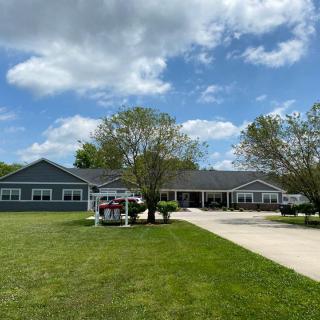
1381 Beechtree Road, Charleston, IL 61920
To contact a resident: (217) 345-5150
For more information about senior living options: (866) 208-4318
Overall Review of Addus Healthcare
Pros
 The home aides are top notch.
- The aide who helps the client's dad is the reason the client continues service.
- The people who work for the agency are excellent.
Cons
 The office staff and management are just the worst.
- They are uncaring, uncooperative, and constantly change what is authorized and requested, which is as bad as it gets.
- Their most recent efforts are likely to hinder a visit to see a son's naval graduation.
- Addus is a sorry excuse for Medicare home care; a high school freshman could run this better.
- When a complaint is made, they talk over customers and make excuses for their poorly run office.
- A caregiver claimed they were not home when they actually were.
- The homecare agency is the worst, with neglect experienced unless a family member intervened.
- Care is not guaranteed and last-minute changes have happened more than once.
Review
This community is best suited for families that can anchor care around a single, exceptionally capable home health aide and are prepared to actively manage persistent administrative gaps. If the primary goal is reliable, compassionate bedside care from a skilled caregiver, Addus Healthcare Charleston can deliver that piece, provided a steady caregiver is assigned and kept in place. It is not ideal for those who expect turnkey operations, predictable scheduling, and flawless plan administration without family involvement.
Those who should consider alternatives are families who require consistently smooth office coordination, transparent authorization management, and timely visits without frequent changes or pushback. If a predictable administrative experience and rigorous adherence to authorized plans are non-negotiables, this provider tends to fall short. Couples with multiple care needs or households that cannot sustain hands-on oversight may find the system too fragile to rely on for daily safety and comfort.
The strongest asset here is the caregiving talent. When the same aide is on duty, the quality of attention, responsiveness, and hands-on care stands out and can be genuinely transformative for a loved one. This is the factor that keeps some clients enrolled despite the rough edges elsewhere. A caregiver who shows up prepared, compassionate, and skilled can compensate for a great deal of administrative turmoil by delivering consistent, high-caliber personal care in the hours assigned.
However, the most damaging elements are systemic. Review patterns describe office staff as uncaring or uncooperative, with frequent changes to what is authorized that undermine trust and complicate planning. The repeated disruptions, whether last-minute cancellations, shifting schedules, or staffing gaps, create a volatile care environment. Miscommunications about whether someone is home for a visit or whether an appointment actually occurred feed a sense of unreliability and concern for safety. In the worst cases, these administrative failures have been described in terms that imply neglect when families are forced to step in to fill the gaps.
The decisive question for a prospective family is whether the caregiving strength can consistently outrun the administrative weaknesses. If a plan can be locked in with one dependable aide, a clear written schedule, and an established point of contact who remains accountable, the service can be satisfactory and even excellent for the right risk tolerance. But for households that cannot sustain vigilant oversight, or for those who expect seamless communication and guaranteed adherence to every authorized item without drama, the cons quickly eclipse the pros. The result is a service that feels dependable in the moment but unstable over time, a risk that families must weigh against the undeniable value of strong direct care.
For those choosing to pursue Addus, concrete steps can mitigate the downsides. Demand a dedicated supervisor and a committed care partner, with a written schedule and a guaranteed same-aide arrangement where possible. Establish explicit expectations for plan changes, and require timely written confirmations whenever alterations are needed. Implement a short-term trial, two to four weeks, with a formal review checkpoint to assess whether administration has improved and whether the caregiver consistently meets needs. Build in a robust backup plan: identify alternative providers or on-call supports for days when administrative lapses threaten care continuity. If these safeguards cannot be put in place, and the family cannot tolerate ongoing administrative volatility, exploring other Charleston-area home health options with stronger management credibility remains a prudent course.








 Supportive Employee Benefits That Help Caregivers Attain Better Work-Life Harmony
 Top Cars for Senior Drivers and Essential Safety Innovations
 A Closer Look at Private Pay Home Care