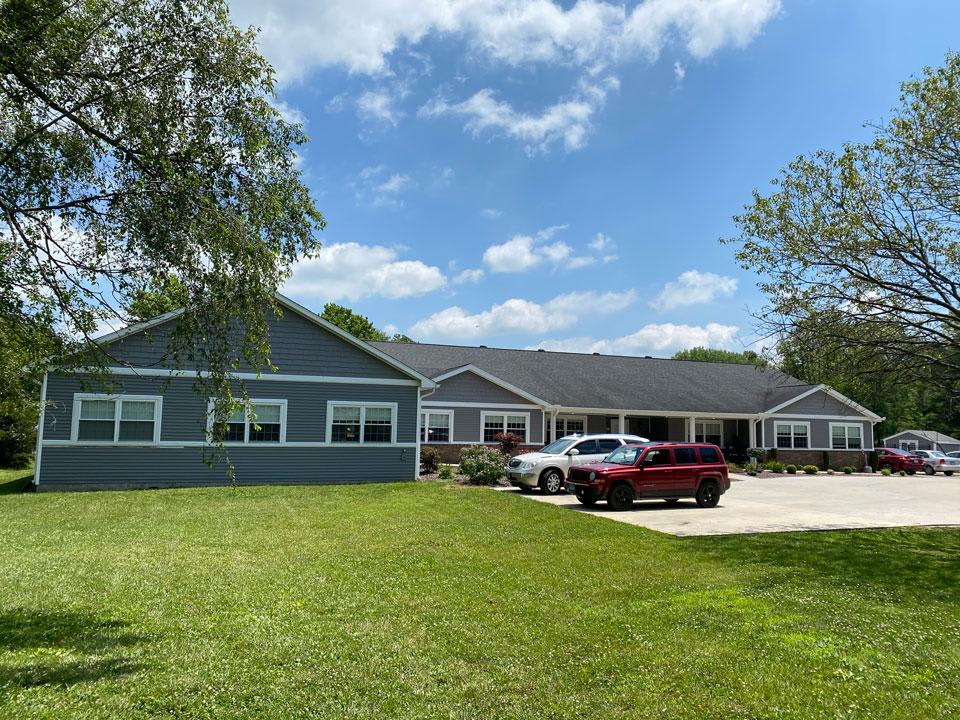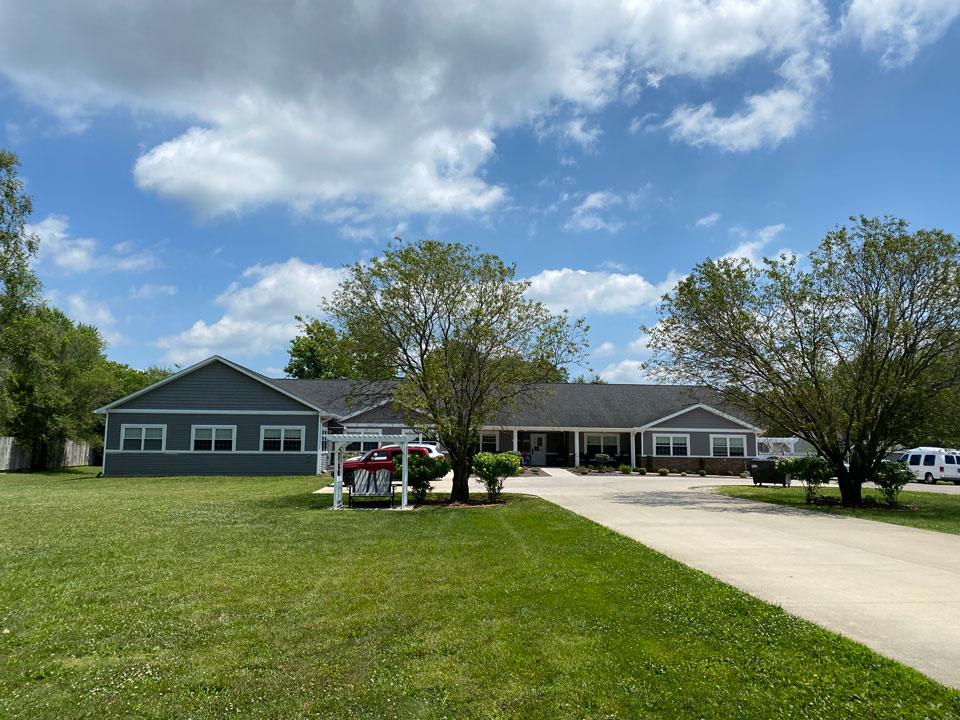
1911 18th St, Charleston, IL 61920
To contact a resident: (217) 512-2814
For more information about senior living options: (866) 208-4318
Arbor Rose of Charleston Costs & Pricing
At Arbor Rose of Charleston, the monthly costs for accommodations reflect a nuanced perspective when compared to Coles County and the broader state of Illinois. For a semi-private room, residents can expect to pay $5,500, which is notably higher than both Coles County's average of $4,938 and the statewide figure of $5,146. Conversely, the pricing for a one-bedroom unit at Arbor Rose stands at $6,500, significantly exceeding local and state averages of $3,453 and $3,527 respectively. These figures suggest that while Arbor Rose offers premium services and amenities appropriate for its pricing structure, potential residents should weigh these costs against their budgets and the value provided in comparison to other options available in the county and state.
| Floor plans | Arbor Rose of Charleston | Coles County | Illinois |
|---|---|---|---|
| Semi-Private | $5,500 | $4,938 | $5,146 |
| 1 Bedroom | $6,500 | $3,453 | $3,527 |
Memory care communities with a similar price nearby
-
from -$433 / mo
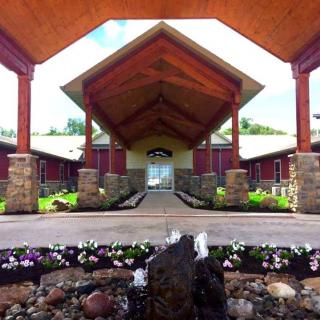
Copper Creek Cottages III
$5,067 / month9.1 miles away
Overall Review of Arbor Rose of Charleston
Pros
 Arbor Rose provides exceptional care that makes residents feel welcome and comfortable from day one.
- The staff, including Denise, are attentive and consistently engage with residents to meet their needs.
- The compassion and professionalism of the entire team noticeably improve residents' quality of life.
- The management at Arbor Rose is excellent.
- It is a great place for dementia patients, where residents are well cared for and families feel less stressed.
- The staff are wonderful.
- The small size of the facility enables more direct, personalized care, with true home-cooked meals twice daily.
- Arbor Rose of Tolono's staff are the best at what they do and understand each resident's needs.
- The staff are friendly and the environment is a loving, dementia- and person-centered home.
- The staff are very personable, go above and beyond for residents with unique needs, and take pride in their work.
- The community has a homey atmosphere with home-cooked meals, family-friendly meal times, and many activities; it comes highly recommended.
- It is an amazing Christian home with very friendly staff.
Cons
 One reviewer described the care as horrible and said the facility should be shut down.
- The reviewer reported inhumane wait times when calling for a nurse.
- They alleged that several services were not performed properly because the owners never pay their bills, resulting in services stopping.
- They warned others not to move their loved one there and urged others to learn from their mistake.
Review
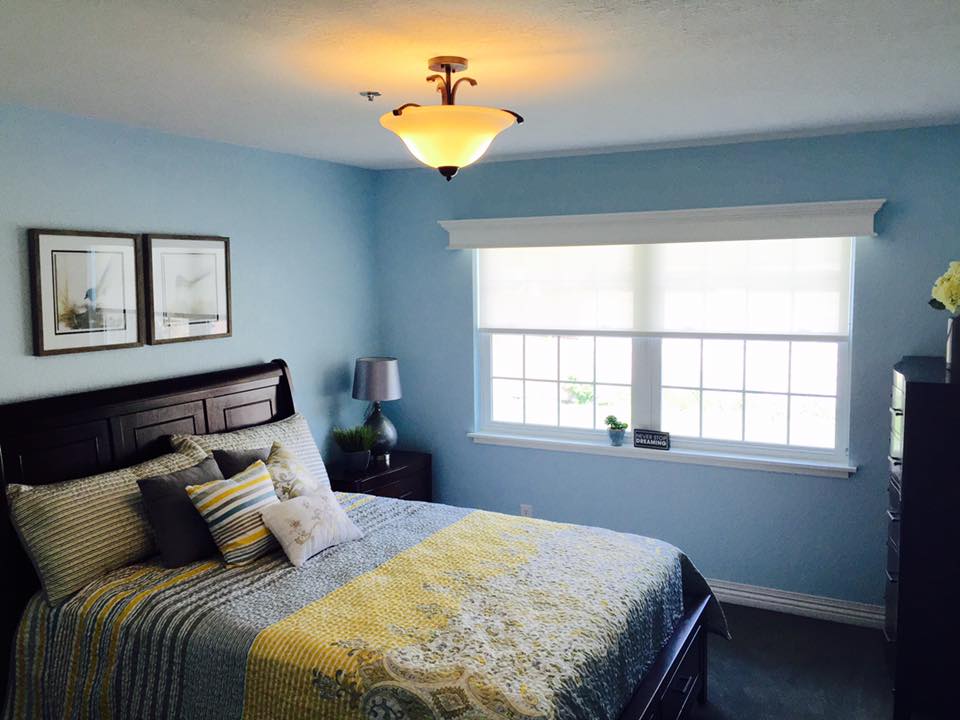
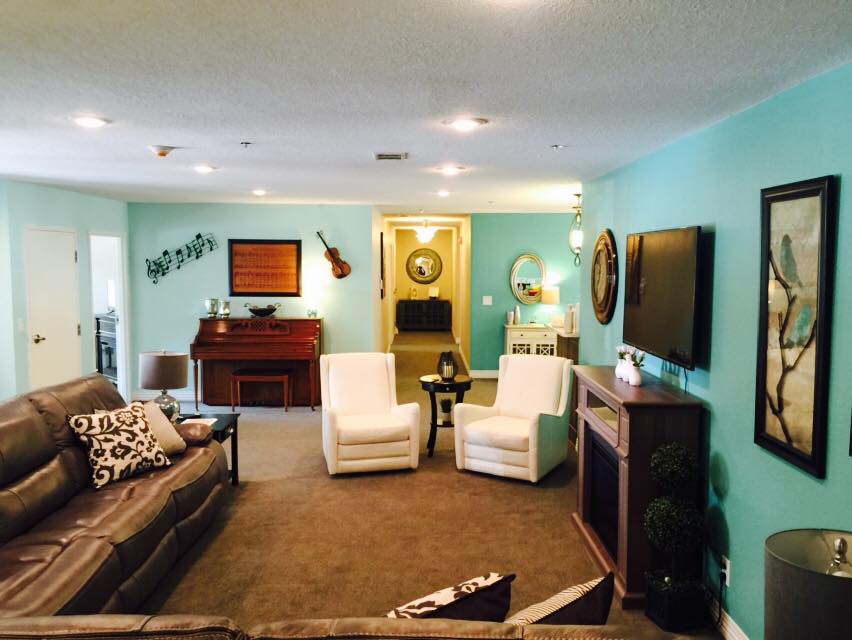
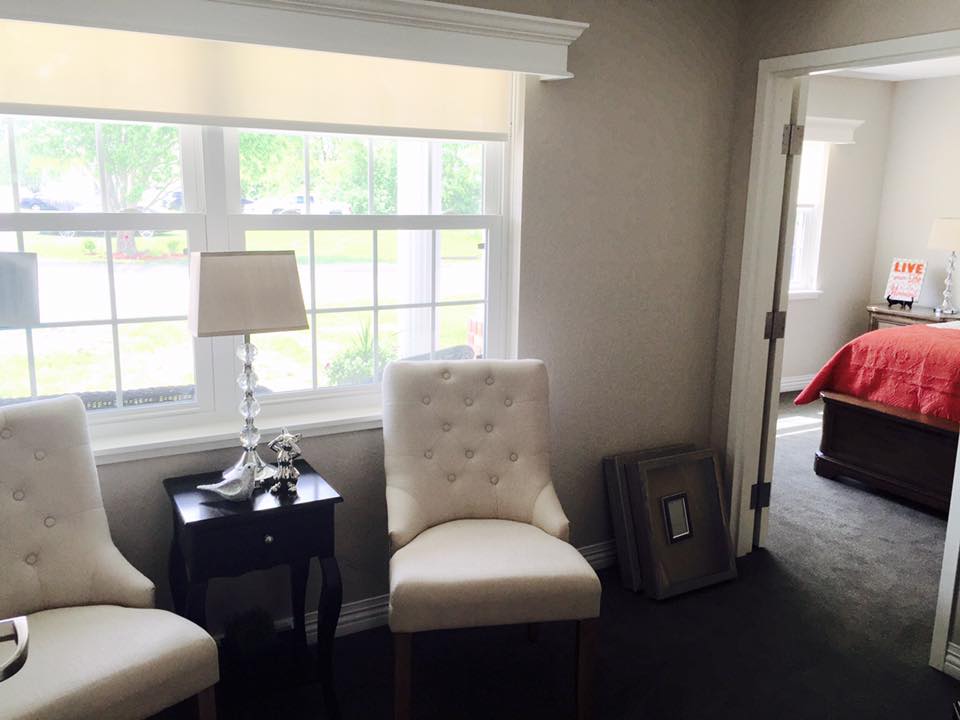
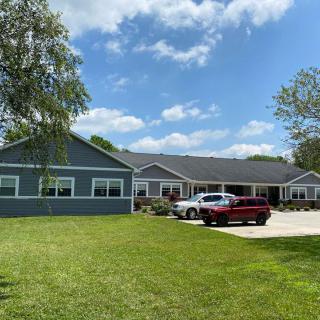
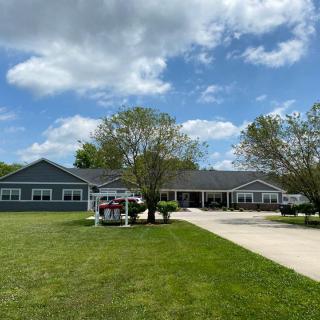
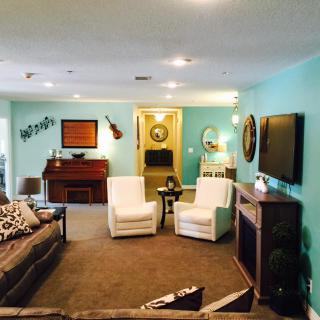
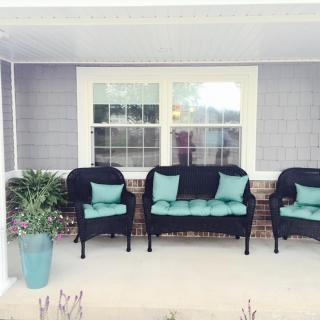
Arbor Rose of Charleston is best suited for families seeking a small, home-like setting that prioritizes dementia-focused, person-centered care and close daily engagement. The community excels when residents thrive on routine, meaningful interaction, and a atmosphere that feels more like a private home than a medical campus. Families will find highly attentive staff who actively involve residents in daily life, from individualized conversations to tailored activities, along with home-style meals that reinforce a sense of normalcy. For seniors who benefit from predictable rhythms, familiar surroundings, and strong family participation at meals and gatherings, Arbor Rose presents a compelling fit. The small footprint translates into a perceived reduction in impersonality that often accompanies larger campuses, making it easier to know who is caring for a loved one and how.
Those who should consider alternatives are families prioritizing aggressive medical oversight, rapidCallback responsiveness across all shifts, or the stability of a larger organization with formalized policies and billing controls. A standout caution comes from a one-star review describing inhumane wait times for nurse calls and concerns about services stopping when bills aren’t paid. While this represents an outlier, it signals the importance of verifying the facility’s current financial and staffing stability before committing. For residents who require 24/7 on-site physician management, frequent high-intensity medical interventions, or a campus with broad, hospital-like resources, a bigger, more centralized operation may align better with needs.
The strongest positives here revolve around the intimate care model. A smaller setting enables staff to know residents’ histories, preferences, and triggers, which translates into quicker de-escalation of behaviors and more precise, person-centered care for dementia. Reviewers consistently highlight compassionate, professional teams that go above and beyond to engage residents, celebrate progress, and maintain a warm, respectful tone. The emphasis on individualized attention is reinforced by remarks about staff’s ability to understand unique needs, adjust activities accordingly, and maintain a calm, supportive environment. In practice, this translates to residents who appear more settled, with staff readily available to assist, listen, and participate in daily routines.
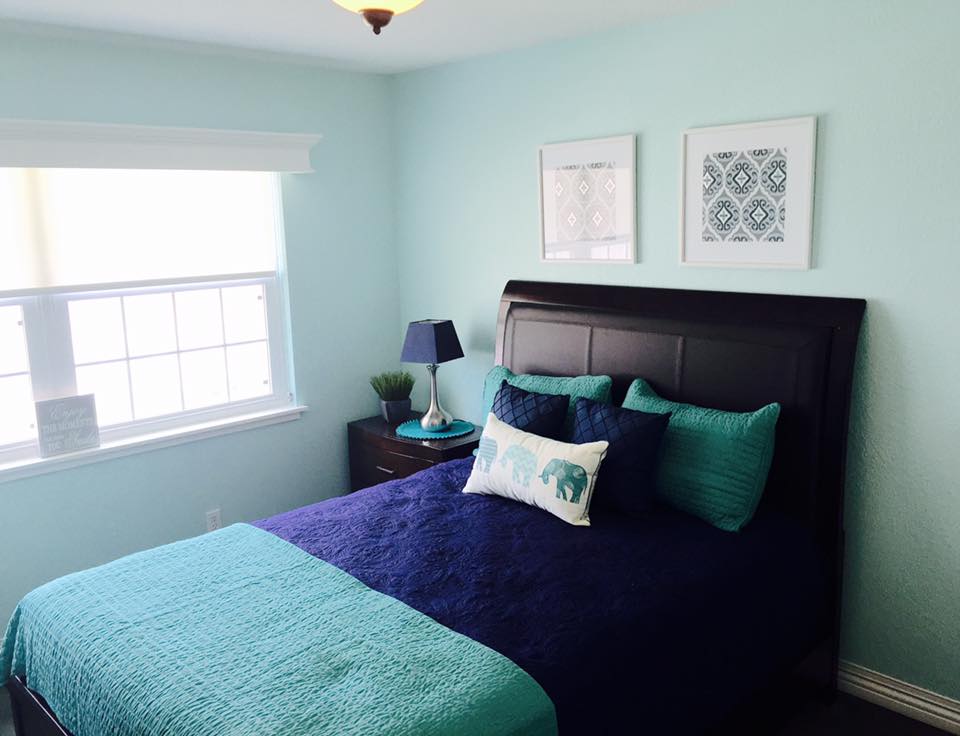
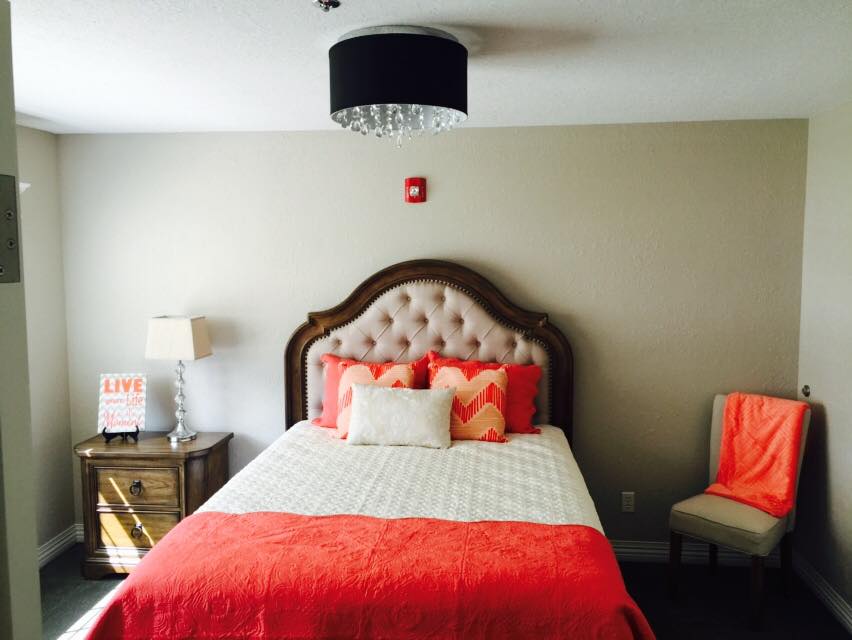
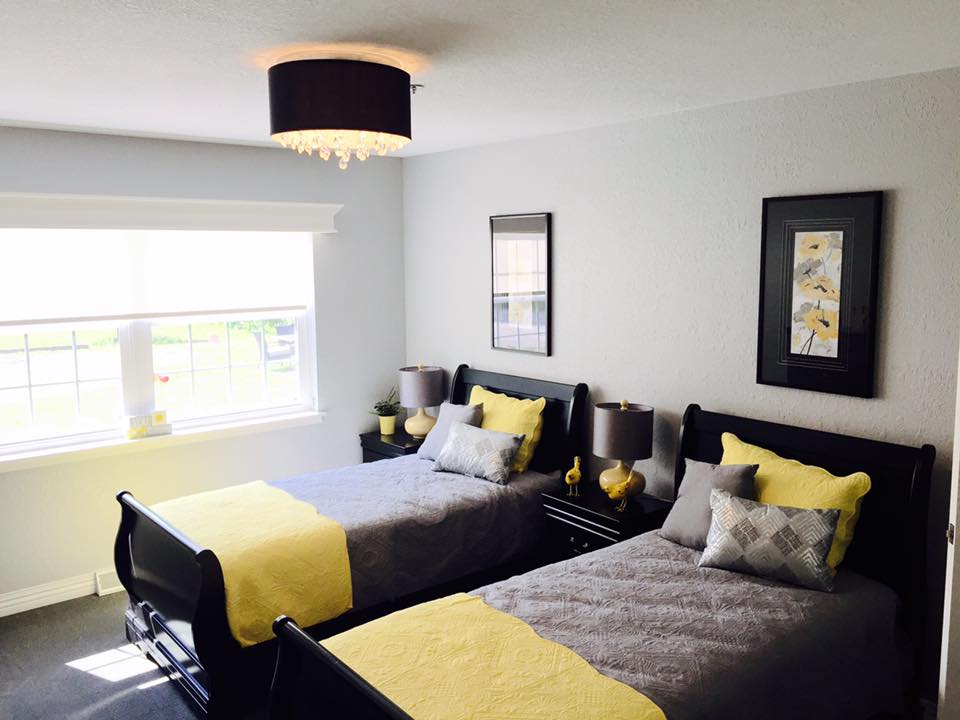
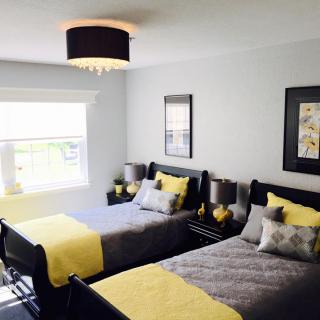
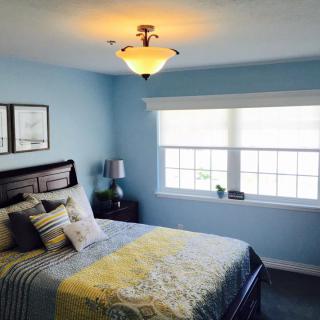
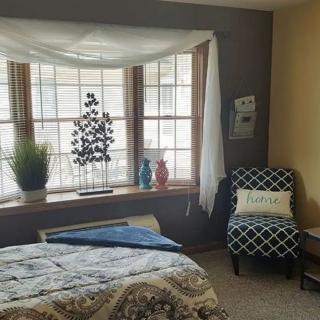
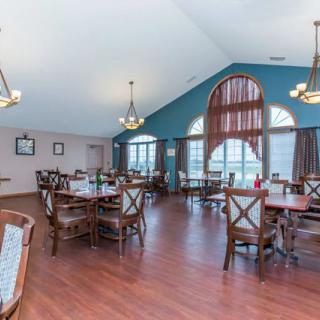
Meal quality and homeliness emerge as tangible benefits that offset some logistical downsides. Several families praise true home-cooked meals, two daily and a Sunday feast, that reinforce familiar routines and reduce the anxiety often associated with meals in care settings. The dining and living spaces reinforce a sense of belonging, with families encouraged to join in meals and activities, which further strengthens residents’ emotional well-being. The combination of a comfortable, lived-in atmosphere and regular, predictable social opportunities makes Arbor Rose feel less like a facility and more like a welcoming extension of home. For dementia care, this ambience can be a decisive factor in reducing agitation and promoting meaningful engagement.
On balance, the pros, high caregiver attentiveness, a genuinely home-like setting, strong dementia focus, and family-inclusive meals, tend to offset the primary concerns highlighted by that single negative review. The defense of the care model rests on consistent testimonies of staff who truly know residents, a size that supports direct accountability, and a culture that values compassionate, personalized approaches over procedural rigidity. When families walk through with questions about day-to-day responsiveness, they should expect candid answers about staff coverage, caregiver ratios, and how the team balances activities with rest. In a setting where trust rests on daily interactions, the quality of frontline care becomes the decisive factor, and Arbor Rose appears to deliver it with conviction.
For the final decision, Arbor Rose of Charleston makes the most sense for seniors with dementia or memory-care needs who will respond well to a tight-knit, home-like community that treats residents as individuals rather than positions. It suits families who want strong daily engagement, predictable routines, and meals that reinforce a sense of normalcy and belonging. It is less compelling for those requiring broad medical specialization, a larger campus footprint, or a facility with formal corporate systems and documented billing traffic. Prospective families should prioritize a transparent, hands-on tour: request to meet front-line caregivers, observe meal routines, and assess response times to call bells, especially during peak hours. Ask about RN coverage, shift patterns, and how services are maintained when staffing is stretched. Confirm ownership stability, billing practices, and how any past concerns have been addressed. With clear expectations set, Arbor Rose can be a powerful fit for those prioritizing warmth, individualized dementia care, and a home-like daily life.
 Studio apartments
 Assisted Living
 Day Program
 Memory Care
 Beautician on-site
 Devotional services off-site
 Dining room
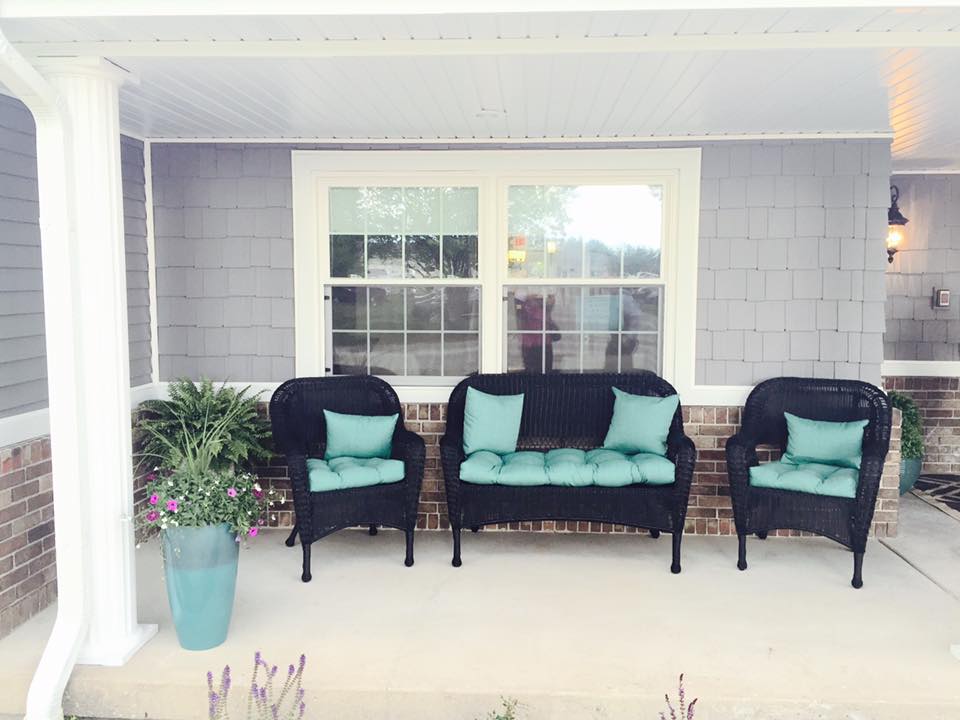
 Garden
 Guest parking
 Housekeeping services
 Indoor common areas
 Laundry
 Party space
 Respite or short term stays offered
 TV room
 Transportation & parking
 Ambulatory care
 Medication management
 Meals provided
 Arts and crafts
 Games
Games Live musical performances
 Stories

 A Thorough Discussion of Medications Potentially Linked to Dementia Risk
 Why Do Dementia Patients Sleep So Much? Understanding Oversleeping, Stages, and Care Approaches
 8 Key Indicators That Suggest It May Be Time to Transition from Assisted Living to Skilled Nursing Care