
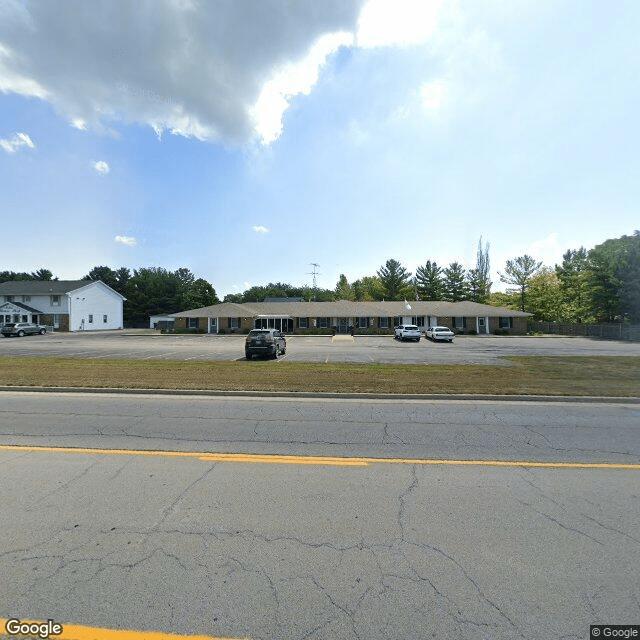
2127 18th Street, Charleston, IL 61920
To contact a resident: (217) 345-1212
For more information about senior living options: (866) 208-4318
Lakewood Village Costs & Pricing
Lakewood Village stands out as a cost-effective option for housing compared to the broader Coles County and the state of Illinois. For a studio unit at Lakewood Village, residents can expect to pay $1,450 per month, which is significantly lower than the average costs in Coles County at $2,698 and even more so when juxtaposed with the state's average of $4,028. This notable price difference not only highlights Lakewood Village's appeal as an affordable living solution but also reflects its commitment to providing accessible housing options without compromising on quality. Residents benefit from a more manageable cost of living while still enjoying the amenities and community features that make Lakewood Village an attractive place to call home.
| Floor plans | Lakewood Village | Coles County | Illinois |
|---|---|---|---|
| Studio | $1,450 | $2,698 | $4,028 |
Independent Living communities with a similar price nearby
-
from -$160 / mo

Jarman Center Senior Living
$1,290 to $1,820 / month23.7 miles away
Overall Review of Lakewood Village
Pros
 The staff are very welcoming to her and help make her comfortable during the transition of moving in.
- The mother seems to have no complaints about the apartment.
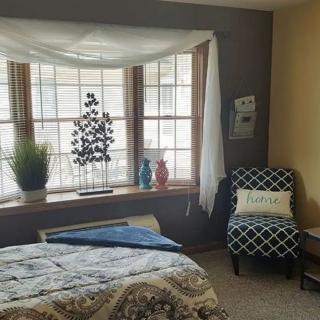
- She is loving the views from her windows.
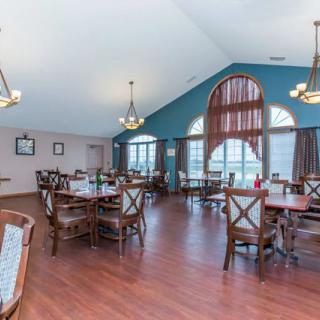
- The community provides a common activity center where residents can join in on events and games throughout the day.
- The contractors are described as nice.
Cons
 They can be slow to pay contractors.
Review
Lakewood Village in Charleston, IL is best suited for seniors who value a warm, person-centered environment where staff are approachable, transitions into care are managed smoothly, and daily life centers on social activity and comfortable living spaces. The community presents a home-like atmosphere with pleasant apartment surroundings and views that residents can enjoy from their own windows. It works well for families seeking reassurance that care is hands-on and that the resident will be supported through the move-in process with a sense of belonging and ongoing engagement.
Those considering alternatives should note that Lakewood Village may not be the right fit for anyone requiring aggressive maintenance discipline or highly transparent vendor management. The clearest red flag in the available observations is a pattern of slow payments to contractors, which can translate into slower-than-ideal upkeep or delayed project work. If rapid repairs, consistent upkeep, and tightly controlled vendor relationships are non-negotiables, other communities with stronger maintenance operations and clearer financial processes may be preferable. Also, for residents needing intensive medical oversight or highly specialized services, more medically integrated options could be a better match.
The strongest positives here center on care quality and daily life. Reviewers consistently describe attentive, welcoming staff who help ease the transition into the community and make residents feel comfortable in their new surroundings. The apartment experience is reportedly satisfactory, with residents appreciating the views and the comfort of their living space. A well-used common activity center anchors daily life, offering a steady stream of events and games that foster social interaction and reduce isolation. In short, Lakewood Village delivers a tangible, everyday quality of life that many families prize.
The primary drawback is the stated issue with how contractors are paid, described as slow. While this does not appear to impede the day-to-day care or resident contentment in the notes, it introduces a potential risk for maintenance responsiveness and project timelines. Prospective families should factor this into risk assessments, especially if ongoing repairs, timely facility improvements, or capital projects matter. The concern is concrete enough to warrant due diligence, asking for recent maintenance response times, typical turnaround for common-area repairs, and how vendor relationships are managed can clarify whether this is a one-off budgeting quirk or a pattern with broader implications.
Nonetheless, the key advantages largely offset the main con for most residents. The combination of compassionate, accessible care, a smooth move-in experience, and an engaging social calendar creates a compelling everyday living environment. The scenic views and comfortable apartments reduce relocation stress, while the activity center’s programming sustains a lively, connected community. This mix matters: for older adults who prioritize personal attention, companionship, and predictable routines, the positives can outweigh the risk of slower-than-ideal maintenance, provided expectations are managed and diligence is applied when evaluating vendor-related reliability.
Bottom line: Lakewood Village is a solid fit for families seeking a practical, welcoming setting where care quality and social opportunities anchor daily life. It excels for residents who value staff warmth, ease of transition, and ongoing activities, and who can tolerate the possibility of slower contractor payments affecting maintenance timelines. Those who cannot compromise on rapid upkeep, stringent vendor controls, or advanced medical coordination should compare other options more closely. A targeted pre-move checklist is recommended: confirm current maintenance response times, request recent examples of completed repairs, and review how monthly costs map to included services. This approach ensures the community’s strengths are aligned with personal expectations and care needs.
 Independent Living
 Cats allowed
 Dogs allowed
 Activities on-site
 Devotional services on-site
 Indoor common areas
 Outdoor common areas
 Meals provided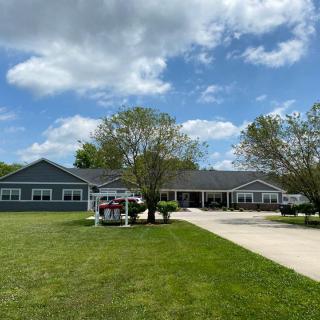





 Effective Strategies for Keeping Seniors' Minds Active: A Deep Dive into Brain Games and Apps
 In-Depth Look at the VA Aid and Attendance Program
 Nurturing Our Loved Ones: A Daughter's Journey in Caring for Her Mother