
85 East Burns Road, Bourbonnais, IL 60914
For more information about senior living options: (866) 208-4318
Overall Review of Riverside Senior Life at Bourbonnais
Pros
 The staff are very helpful with admissions and care.
- The food is very good and there are multiple dining options across several cafeterias.
- They offer engaging activities such as bingo, restaurant outings, and shopping trips.
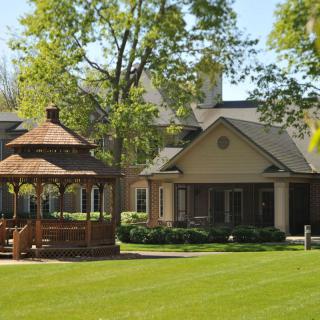
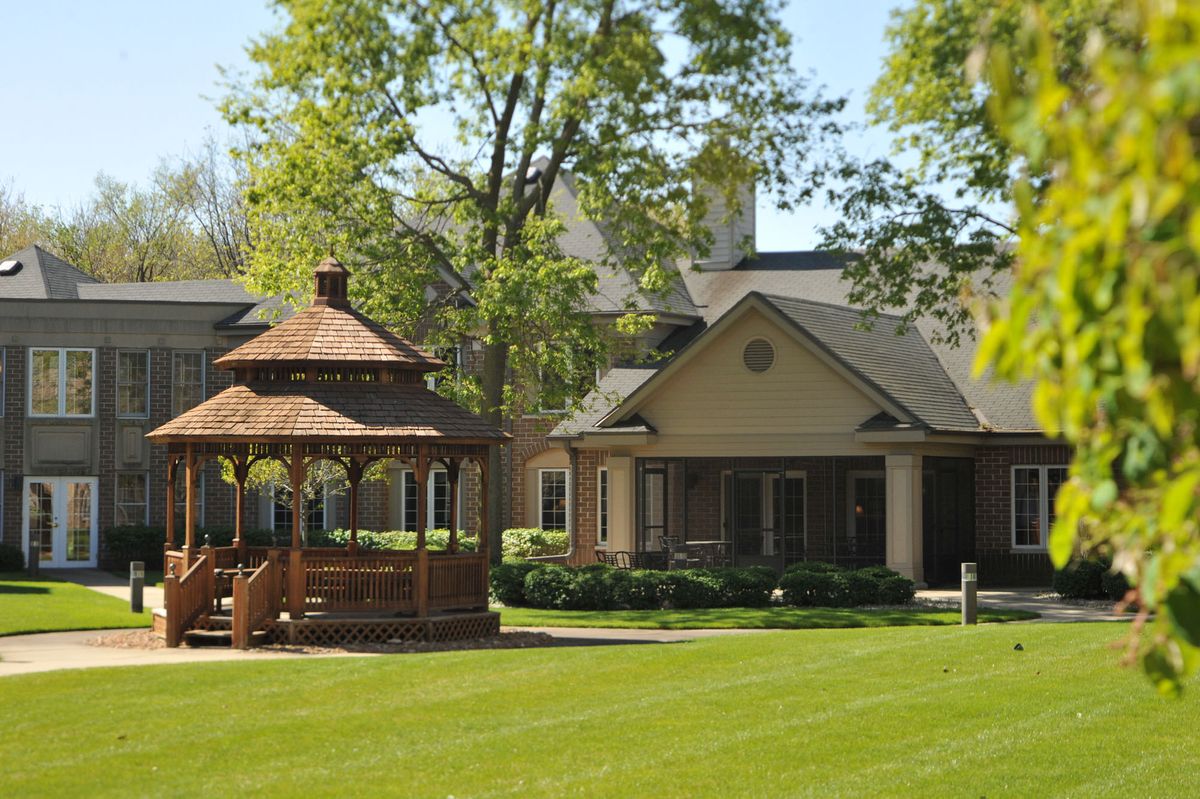
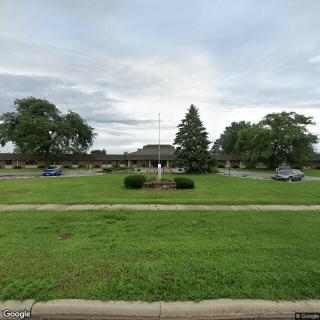
- The facility is beautiful with an attractive layout, vaulted ceilings, and pleasant first-floor views.
- The staff are top-notch, professional, and highly skilled in memory care.
- The facility is clean, well-maintained, and inviting.
- They provide a full continuum of care, including memory care and on-site specialists, with the option to move to skilled nursing if needed.
Cons
 The memory care portion seemed too institutionalized and hospital-like.
- Residents must move to memory care rather than staying in their current unit, which is viewed as a drawback.
- It wouldn’t work for the reviewer because the facility does not accept Medicaid; it’s private pay only.
Review
Riverside Senior Life at Bourbonnais is best suited for seniors who require a memory-care oriented, hospital-grade continuum of care in a comfortable, aesthetically pleasing setting, and for families who value medical integration and ease of access to specialists. The community shines for those who want a campus where social workers, physicians, and therapists are coordinated on-site, and where family members can leverage a close location to support network. It is especially attractive to private-pay families who appreciate a modern, clean environment with generous dining options and active social programming. However, it is not the right fit for those who need Medicaid coverage or for someone who expects memory care to be fully integrated within the same living space without any unit relocation(s).
Pros are broad and tangible: the campus feels hospital-built, with an integrated continuum of care that can accommodate shifts in health status without uprooting the resident. The on-site memory care team includes a dedicated social worker, regular access to internists and neurologists, and upcoming dental services, which translates into proactive, coordinated oversight. Families repeatedly note that staff are caring, responsive, and highly skilled; they tailor care to individual preferences, as evidenced by the personal touch with meals and activities. The dining program stands out, multiple cafeterias, diverse menu options, and four meals a day, paired with a lively schedule of bingo, outings to restaurants, and shopping trips when feasible. The physical plant is appealing, with well-kept rooms, vaulted ceilings, and attractive common spaces, reinforcing a sense of quality and comfort.
Yet a meaningful caveat emerges around memory care. At least one reviewer described the memory care wing as institutional or hospital-like, which clashes with the more home-like feel on the assisted-living side. The model separates memory care from general living, so when care needs escalate, movement to the skilled nursing portion may be necessary. That separation can undermine continuity for residents who value staying in place, and it can mean relocation if the course of memory decline accelerates. Still, the staff operating within memory care are praised as top-tier, and the facility’s design and programming overall aim to remain person-centered, which mitigates the concern for families who prioritize medical seriousness and structured support.
Financially, Riverside sits in the private-pay arena, a factor some families will weigh heavily. Reviewers consistently note price competitiveness relative to peers, but the lack of Medicaid acceptance is a real constraint for those with long-term care funding through state programs. For families who can budget for private payment, the value proposition, high-quality care, medical access on-site, and a polished environment, holds up well. The new-ness of the building adds to the appeal, with modern rooms and amenities, including a notable dining experience described as gourmet, which can be a meaningful quality-of-life factor for many residents and families.
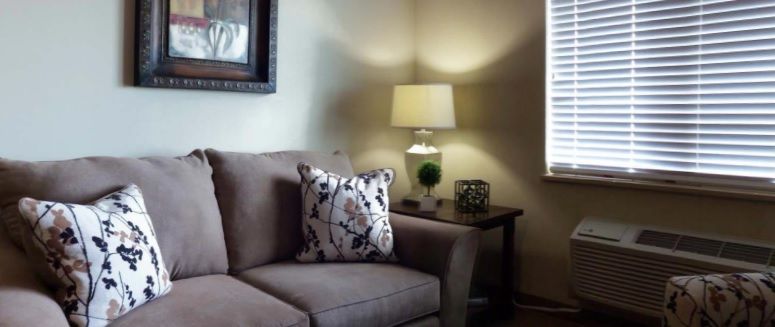
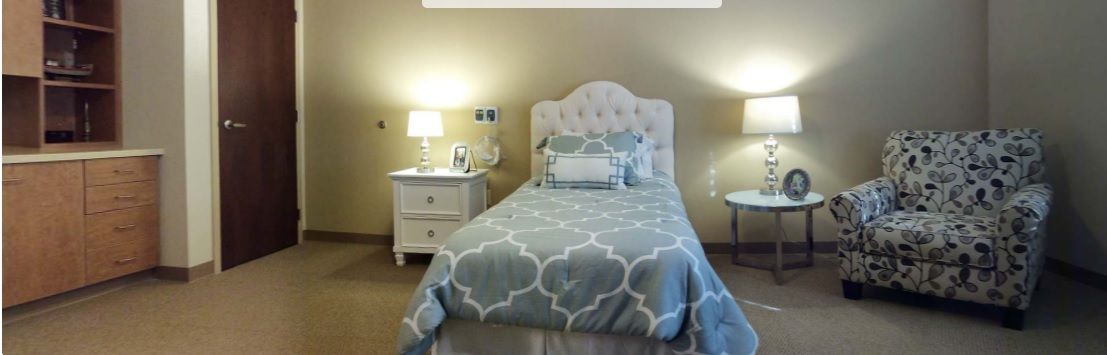
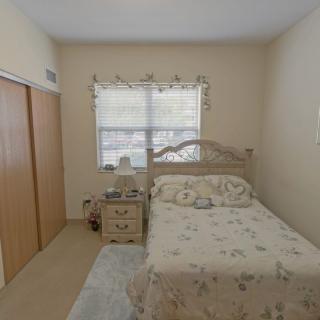
From the resident-family perspective, the qualitative experience reinforces the decision to consider Riverside. Families report genuine improvements in their loved ones’ social engagement, with residents forming relationships and staff going the extra mile to accommodate preferences (even recalling specific requests like grits). The rooms feel like real living spaces rather than hospital rooms, with private-feeling studio layouts that balance independence and support. The combination of clean, pleasant surroundings, responsive caregiving, and a schedule that blends structured activities with real-world outings creates a sense of security for families who want ongoing participation in daily life.
In weighing Riverside against alternatives, the central question becomes whether a continuum of medically integrated care without staying in place in memory care is acceptable. For families prioritizing on-site medical oversight, robust memory-care expertise, and a campus designed to support evolving needs, Riverside is a compelling choice. For those who must rely on Medicaid, or who require a more integrated memory-care experience without unit relocation, or who seek a simpler, lower-cost model, alternatives should be explored. The decision hinges on budget, anticipated trajectory of memory decline, and tolerance for potential memory-care relocation, the kind of choice that benefits from a candid tour and a frank discussion about how memory care would be managed on day-to-day realities long into the future.
 80 resident community capacity
 1-bedroom apartments
 Assisted Living
 Memory Care
 Air-conditioning
 Beauty salon
 Cable or satellite TV
 Computer center
 Dining room
 Fitness room
 Fully furnished
 Gaming room
 Garden
 Housekeeping services
 Kitchenette
 Laundry
 Move-in coordination
 Outdoor space
 Party space
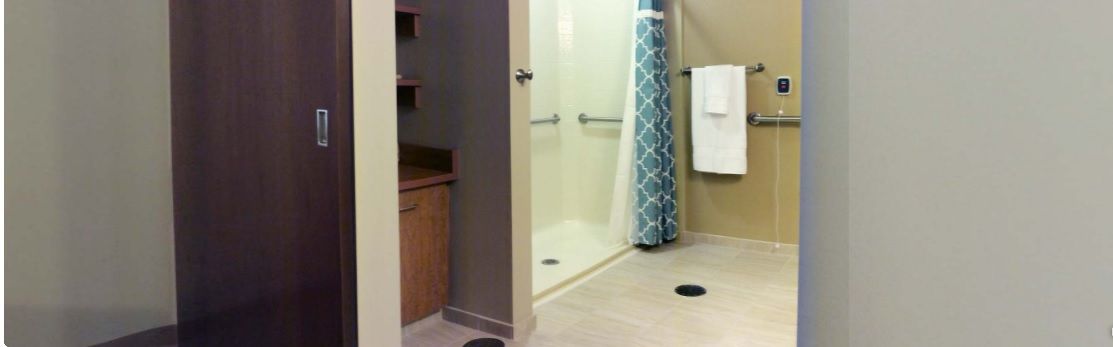
 Private bathrooms
 Restaurant-style dining
 Small library
 Telephone
 Wellness center
 Wi-Fi/high-speed internet available
 Community operated transportation
 12-16 hour nursing
 24-hour call system
 Activities of daily living assistance
 Assistance with bathing
 Assistance with dressing
 Assistance with transfers
 Diabetes diet
 Medication management
 Mental wellness program
 Physical therapy
 Special dietary restrictions
 Concierge services
 Planned day trips
 Religious services
 English




 Guiding Your Journey: Understanding Power of Attorney for Elderly Parents
 22 Remarkable Caregiver Support Groups Available Online and In-Person
 Understanding Medicaid Coverage for Assisted Living: A Comprehensive Guide