For more information about senior living options: (866) 208-4318
2.8 from 32 reviews
5 stars
10
4 stars
5
3 stars
1
2 stars
1
1 stars
15
Miller Health Care Center Costs & Pricing
Miller Health Care Center offers competitive pricing for various room types when compared to the broader Kankakee County and Illinois averages. For instance, a studio at Miller is priced at $3,535, which is notably lower than both the county average of $4,084 and the state average of $4,028. In terms of private rooms, Miller's rate of $3,995 sits slightly above Kankakee County's average of $3,663 but provides significant savings compared to the higher statewide average of $5,049. The center also presents attractive options for larger accommodations; its one-bedroom units are priced at $4,680 - higher than both local and state averages - while two-bedroom units at $5,200 are competitively positioned against county and state costs. Overall, Miller Health Care Center reflects a strategic approach to pricing that prioritizes affordability while maintaining high-quality care.
Floor plans
Miller Health Care Center
Kankakee County
Illinois
Studio
$3,535
$4,084
$4,028
Private
$3,995
$3,663
$5,049
1 Bedroom
$4,680
$3,917
$3,527
2 Bedrooms
$5,200
$4,510
$4,208
Skilled Nursing Facilities with a similar price nearby
Several residents and families describe the food as really good, including notes about snacks and varied selections. Others specifically mention favorites like shrimp and describe a cafeteria with attentive servers. The community also offers restaurant-style dining and meal preparation and service, with support for special dietary restrictions and diabetes diets.
common8 reviews mention this
Staff compassion is mixed
Many reviews highlight caring, respectful staff.
A number of reviews say the staff treats residents with dignity and respect, and several describe feeling the person was safe and not alone. Some reviewers also thank specific caregivers and mention consistent kindness from nurses, aides, and even drivers for appointments. At the same time, other reviews criticize staffing and care follow-through, so compassion shows up in reviews alongside concerns about whether help arrives when needed.
caveat11 reviews mention this
Call button response draws criticism
Response times for help are a recurring complaint.
A recurring theme is delayed assistance after calling for help, with reviews describing long waits for toileting support and situations where residents remained in distress. Some families describe pressing the call button and not receiving timely response, including reports of assistance taking an hour or more. This contrasts with other reviews that describe nurses and aides as “on top of things,” but multiple accounts focus on short-staffing and missed needs before help arrived.
caveat9 reviews mention this
Hygiene and cleanliness vary
Cleanliness and personal care quality are uneven in reviews.
Some reviews describe the facility as clean and say staff keep residents clean, with one family thanking the team for cleanliness during a stay. Others report problems such as missed showers, bedding not being changed, dirty floors, and items left behind after care. There are also accounts of residents left unattended in the bathroom or sitting in soiled conditions for long periods, which is where cleanliness and hygiene concerns become most serious.
How we summarize
Counts show how many written reviews mention each theme; a review can touch several themes, and only frequently mentioned themes are displayed.
Features
Housing
120 resident community capacity
Types of Care
Skilled Nursing Facility
Amenities
Air-conditioning
Beauty salon
Cable or satellite TV
Computer center
Dining room
Fitness room
Fully furnished
Gaming room
Garden
Housekeeping services
Kitchenette
Move-in coordination
Outdoor space
Private bathrooms
Restaurant-style dining
Small library
Telephone
Wellness center
Wi-Fi/high-speed internet available
Transportation
Community operated transportation
Transportation arrangement
Transportation arrangement (non-medical)
Transportation to doctors appointments
Care Services
12-16 hour nursing
24-hour call system
24-hour supervision
Activities of daily living assistance
Assistance with bathing
Assistance with dressing
Assistance with transfers
Diabetes diet
Meal preparation and service
Medication management
Mental wellness program
Special dietary restrictions
Dining
Diabetes diet
Special dietary restrictions
Activities
Community-sponsored activities
Concierge services
Fitness programs
Planned day trips
Resident-run activities
Scheduled daily activities
Nearby Places of Interest
Places of Worship
Southern Baptist Convention (0.2 miles)
First United Pentecostal Church (1 miles)
International Healing & Deliverance Center (1.3 miles)
St Patrick's Catholic Church (1.5 miles)
God's Lighthouse Church (1.5 miles)
Morning Star Baptist Church (1.6 miles)
Friendship MB Church (1.6 miles)
Physicians
Westwood Medical Arts (0.2 miles)
Rehabilitation Institute of Chicago (0.3 miles)
Neurosurgery Consultants (0.3 miles)
Family Medicine Associates' Healing Arts Center (0.3 miles)
David E. Krause, M.D., , FACS (0.3 miles)
Kankakee Valley Ob/Gyn (0.3 miles)
Hearing Things (0.3 miles)
Pharmacies
Riverside Family Pharmacy (0.3 miles)
Walgreens (0.7 miles)
Osco Drug, Bourbonnais, Pharmacy General (0.9 miles)
Miller Health Care Center offers competitive pricing for various room types when compared to the broader Kankakee County and Illinois averages. For instance, a studio at Miller is priced at $3,535, which is notably lower than both the county average of $4,084 and the state average of $4,028. In terms of private rooms, Miller's rate of $3,995 sits slightly above Kankakee County's average of $3,663 but provides significant savings compared to the higher statewide average of $5,049. The center also presents attractive options for larger accommodations; its one-bedroom units are priced at $4,680 - higher than both local and state averages - while two-bedroom units at $5,200 are competitively positioned against county and state costs. Overall, Miller Health Care Center reflects a strategic approach to pricing that prioritizes affordability while maintaining high-quality care.
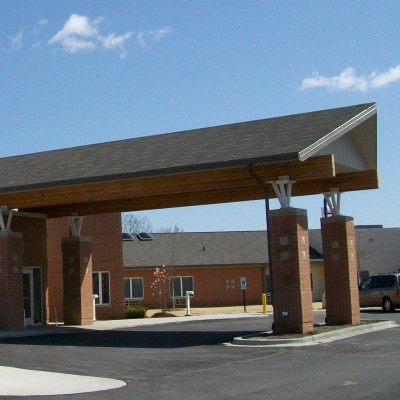
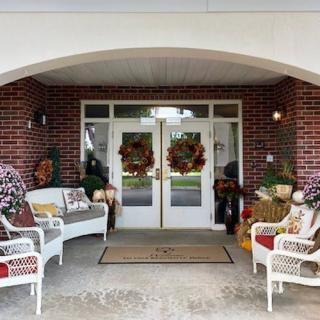
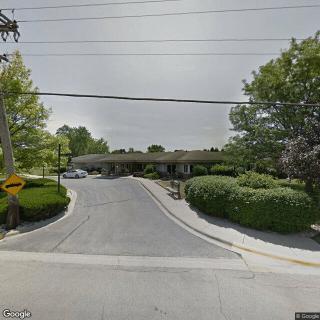
Miller Health Care Center on seniors.fyi includes 3 photos including images showing building, entrance, architecture, brick, outdoor, parking, interior, lounge, and more.
Nearby Communities
Miller Center
Kankakee, IL
2.7 from 24 reviews
Riverside Assisted Living & Memory Care, a CCRC
Kankakee, IL
4.5 from 11 reviews
$3,735 to $4,270 / month
Wide range of care options with robust amenities and competitive pricing for the area.
Riverside Senior Life at Kankakee
Kankakee, IL
4.7 from 12 reviews
Dedicated staff with strong memory-care focus and engaging intergenerational activities.
Citadel Care Center - Kankakee
Kankakee, IL
4.2 from 84 reviews
Extensive on-site amenities and care services
Presence Heritage Village
Kankakee, IL
4.6 from 101 reviews
24/7 care with restaurant-style dining and extensive on-site amenities.
Presence Heritage Lodge
Kankakee, IL
4.6 from 86 reviews
$2,100 to $3,330 / month
Affordable, multi-level care (independent, assisted, respite, skilled nursing) with restaurant-style dining and on-site amenities.
Bickford of Bourbonnais
Bourbonnais, IL
4.4 from 129 reviews
$3,346 to $6,200 / month
Friendly, accommodating staff with engaging activities in a clean, inviting setting.
Heritage Woods Of Manteno
Manteno, IL
4.3 from 33 reviews
$5,200 to $6,250 / month
Caring staff, clean facility, and engaging activities; Medicaid is accepted.
Village Woods Christian Retirement Community
Crete, IL
4.5 from 35 reviews
$2,675 to $4,040 / month
Friendly staff, engaging activities, and highly praised dining.
Linda's caregiving journey for her elderly mother, Joan, is marked by deep love and challenges as she navigates health changes, emotional support, and practical arrangements while learning to prioritize self-care and utilize community resources. Their evolving relationship highlights resilience and the universal themes of empathy and preparedness in caregiver experiences.
The article clarifies common misconceptions about Powers of Attorney (POA), highlighting the necessity of the principal's consent, the limitations on an agent's authority, and the importance of mental capacity when signing. It also distinguishes between various types of POAs, addresses concerns about potential abuse, and emphasizes the need for legal consultation to ensure valid and up-to-date documents.
Senior move management provides specialized support for older adults relocating by assisting with logistics, emotional challenges, and downsizing decisions to ensure a smooth transition to new living environments. These services address the unique needs of seniors and have become increasingly important as baby boomers retire and seek to downsize.
Get PricingAsk A QuestionSchedule A TourContact Senior Advisor
By clicking submit, you agree to our Partner's Terms of Use. You
also consent to receive calls and texts, which may be autodialed, from our Partner. Your consent is not a condition to
using our Partner's service. Please visit our Partner's Privacy Policy for information about their privacy practices.




 120 resident community capacity
 Skilled Nursing Facility
 Air-conditioning
 Beauty salon
 Cable or satellite TV
 Computer center
 Dining room
 Fitness room
 Fully furnished
 Gaming room
 Garden
 Housekeeping services
 Kitchenette
 Move-in coordination
 Outdoor space
 Private bathrooms
 Restaurant-style dining
 Small library
 Telephone
 Wellness center
 Wi-Fi/high-speed internet available
 Community operated transportation
 12-16 hour nursing
 24-hour call system
 Activities of daily living assistance
 Assistance with bathing
 Assistance with dressing
 Assistance with transfers
 Diabetes diet
 Medication management
 Mental wellness program
 Special dietary restrictions
 Concierge services
 Planned day trips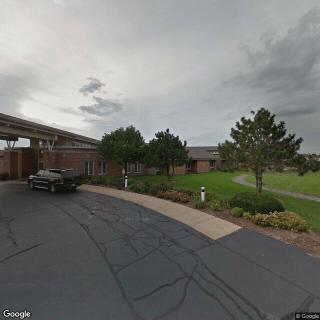
 Wide range of care options with robust amenities and competitive pricing for the area.




 Nurturing Our Elders: Linda's Journey of Supporting Her Mother
 A Comprehensive Exploration of Common Misunderstandings about Powers of Attorney
 Senior Move Management: Understanding the Role, Value, and Associated Costs