Syringa Place offers competitive pricing for its residents, particularly when compared to both Twin Falls County and the broader state of Idaho. For a studio apartment at Syringa Place, the monthly cost is $3,131, which is slightly higher than the county average of $2,993 but remains below the state average of $3,213. Similarly, the one-bedroom option at Syringa Place stands at $4,712, significantly above Twin Falls County's rate of $3,489 and also higher than Idaho's average of $3,774. These figures highlight that while Syringa Place might be positioned at a premium compared to local options for certain room types, it still offers value within the context of the state's housing landscape.
Floor plans
Syringa Place
Twin Falls County
Idaho
Studio
$3,131
$2,993
$3,213
1 Bedroom
$4,712
$3,489
$3,774
Overall Review of Syringa Place
common22 reviews mention this
Care team gets consistent praise
Residents and families consistently describe attentive, caring staff who are accommodating.
Many reviewers say the staff are warm, helpful, and attentive to residents’ needs. Several mention staff being professional and supportive with communication and day-to-day help. One review also specifically calls out staff compassion as going beyond basic needs, while another very negative review describes a lack of compassion during a difficult discharge moment.
common16 reviews mention this
Clean, well-kept facility feel
Multiple reviewers highlight a clean, well-kept building and rooms.
A number of families describe the community as very clean, well maintained, and pleasant to be in. Room and housekeeping upkeep also come up, including mentions of residents’ spaces being comfortable and clean. There are also a couple of contrasting reviews where cleanliness or upkeep concerns appear, including notes about being unkempt and about cleanliness not meeting expectations during a tour.
common14 reviews mention this
Plenty of activities and engagement
Residents can stay engaged with frequent activities and outings.
Reviewers repeatedly describe a busy schedule of activities, including exercise and social events, and they say residents can choose to participate. Some mention field trips and daily engagement, and others mention that staff encourage residents to join activities. A few reviews also note variety in on-site gatherings like arts and crafts and music or performances.
common10 reviews mention this
Food is a common plus
Meals get positive comments, with many describing good food.
Several families and reviewers say the meals are very good and enjoyable for residents. Some mention meals being on time and that residents consistently have access to dining in the community. There are also a couple of points where expectations aren’t fully met, but overall dining quality is frequently mentioned as a strength.
caveat6 reviews mention this
Pricing runs higher than expected
A recurring concern is that prices feel higher than the value delivered.
Multiple reviewers comment that the community’s cost ends up higher than expected or that it can feel overpriced compared with alternatives. One review contrasts the pricing with a need for dementia-specific support, and another mentions choosing a different community because budget mattered. While some reviews still call the price reasonable, the “higher than expected” theme comes up often enough to stand out.
How we summarize
Counts show how many written reviews mention each theme; a review can touch several themes, and only frequently mentioned themes become a section.
Features
Housing
20 resident community capacity
1-bedroom apartments
Studio apartments
Types of Care
Assisted Living
Skilled Nursing Facility
Amenities
Activities off-site
Activities on-site
Air-conditioning
Bath tubs
Beautician on-site
Beauty salon
Cable or satellite TV
Devotional services on-site
Dining room
Fully furnished
Garden
Ground floor units
Housekeeping services
Indoor common areas
Kitchenette
Laundry
Move-in coordination
Outdoor common areas
Outdoor space
Overnight guests
Respite or short term stays offered
Telephone
Wheelchair accessible showers
Wi-Fi/high-speed internet available
Transportation
Joslin Field - Magic Valley (8 miles away)
Transportation & parking
Care Services
24-hour call system
24-hour supervision
Activities of daily living assistance
Assistance with bathing
Assistance with dressing
Assistance with transfers
Coordination with health care providers
Diabetes diet
Diabetic care
Incontinence care
Meal preparation and service
Medication management
Mental wellness program
Personal care assistants
Special dietary restrictions
Transportation arrangement (medical)
Transportation to doctors appointments
Dining
Diabetes diet
Guest meals
Meals provided
Restaurant style dining
Special dietary restrictions
Vegetarian
Activities
Activities off-site
Art classes
Catholic services
Community-sponsored activities
Cooking classes
Day trips and outings
Devotional activities on-site
Educational speakers / life long learning
Happy hour
Karaoke
Live dance or theater performances
Live musical performances
Mormon/LDS services
Resident-run activities
Scheduled daily activities
Visiting chaplain or priest
Languages Spoken
English
Nearby Places of Interest
This part of Twin Falls, Idaho offers a mix of conveniences and amenities that cater to individuals looking for a comfortable and convenient living environment. With a variety of restaurants such as Black Bear Diner and Elevation 486 within walking distance, residents can enjoy delicious meals without having to travel far. The proximity of hospitals like St Luke's Magic Valley and pharmacies like CVS Pharmacy ensures easy access to healthcare services. Additionally, there are cafes like Dutch Bros Coffee and medical facilities such as Canyon Crest Eye Physicians nearby for those seeking leisurely activities or specialized care. The presence of parks like Centennial Waterfront Park and religious institutions like the Church of Jesus Christ of Latter Day Saints provides opportunities for relaxation and spiritual fulfillment. Overall, this area offers a well-rounded community with amenities suited for seniors looking to settle in a convenient and welcoming neighborhood in Twin Falls.
Restaurants
Black Bear Diner Twin Falls (0.2 miles)
Canyon Crest Event Center (0.2 miles)
Denny's (0.3 miles)
Culver's (0.4 miles)
Elevation 486 (0.4 miles)
Ketchum Burrito (0.5 miles)
Chick-Fil-A (0.6 miles)
Hospitals
Emergency Services at St Luke's Magic Valley (0.2 miles)
DaVita Twin Falls At Home (0.2 miles)
Blue Cross Of Idaho Twin Falls District Office (0.7 miles)
St Luke's Magic Valley Sleep Institute (1.2 miles)
Imaging at St Luke's Magic Valley Medical Center (1.3 miles)
St Luke's Magic Valley Medical Center (2.1 miles)
Cafes
Dutch Bros Coffee (0.3 miles)
Cafe la Falls (0.8 miles)
Moxie Java (0.8 miles)
Starbucks (0.9 miles)
Twin Beans Coffee (1.2 miles)
Capriotti's Sandwich Shop (1.6 miles)
Starbucks (1.7 miles)
Physicians
Tudor Janette Taylor Halverson Twin Falls (0.3 miles)
Canyon Crest Eye Physicians (0.3 miles)
Center For Plastic Surgery (0.4 miles)
Health Science And Human Services (0.6 miles)
Snake River Ear Nose & Throat Clinic (0.8 miles)
St Luke's Clinic Diabetes Management Center (0.8 miles)
St Luke's Clinic Family Medicine (0.8 miles)
Pharmacies
CVS Pharmacy (0.4 miles)
Walgreens (0.5 miles)
Natures Forum (0.8 miles)
Norco (0.8 miles)
Shopko Twin Falls Pharmacy (0.9 miles)
Medical Office Pharmacy (1 miles)
Bohm (1.4 miles)
Parks
Centennial Waterfront Park (0.5 miles)
Shoshone Falls Park (0.6 miles)
Northridge Park (1.1 miles)
Drury Park (1.6 miles)
Places of Worship
Church of Jesus Christ of Latter Day Saints (0.6 miles)
Church of Jesus Christ of Latter Day Saints (1.5 miles)
Twin Falls Idaho Temple (1.6 miles)
Church of Jesus Christ of Latter Day Saints (1.6 miles)
Syringa Place offers competitive pricing for its residents, particularly when compared to both Twin Falls County and the broader state of Idaho. For a studio apartment at Syringa Place, the monthly cost is $3,131, which is slightly higher than the county average of $2,993 but remains below the state average of $3,213. Similarly, the one-bedroom option at Syringa Place stands at $4,712, significantly above Twin Falls County's rate of $3,489 and also higher than Idaho's average of $3,774. These figures highlight that while Syringa Place might be positioned at a premium compared to local options for certain room types, it still offers value within the context of the state's housing landscape.
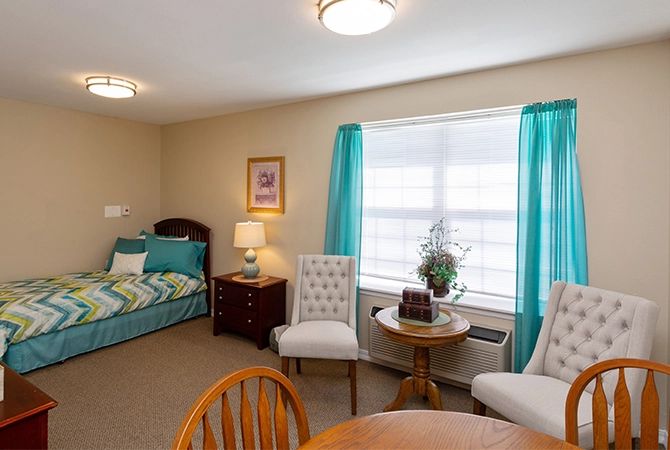
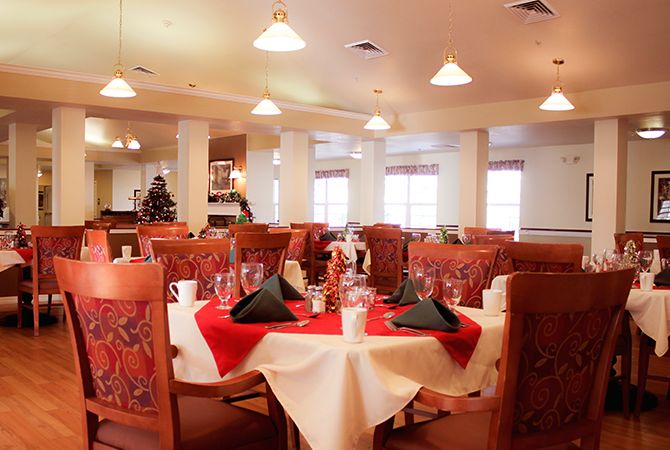
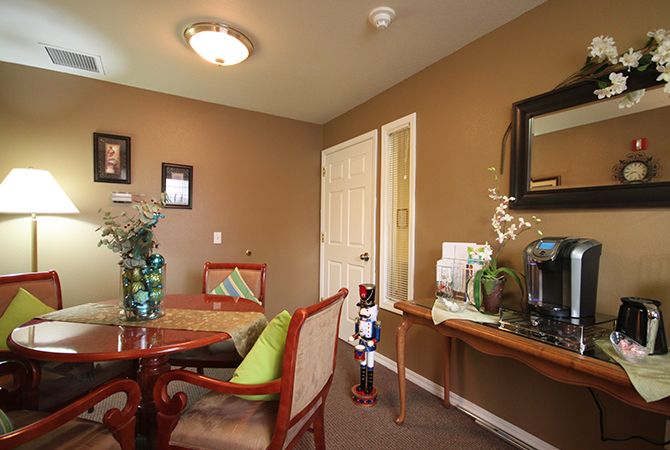
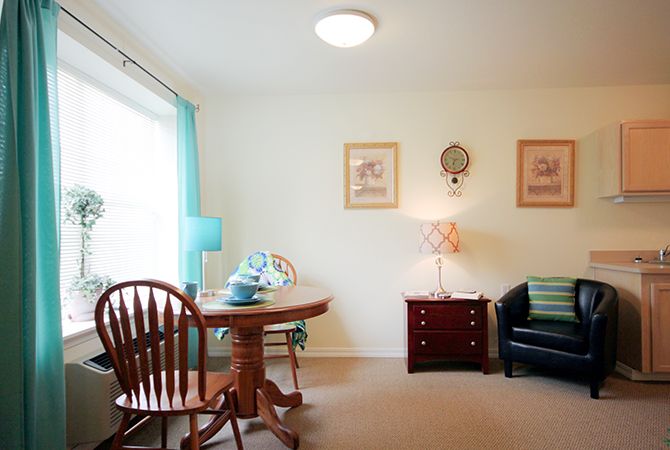
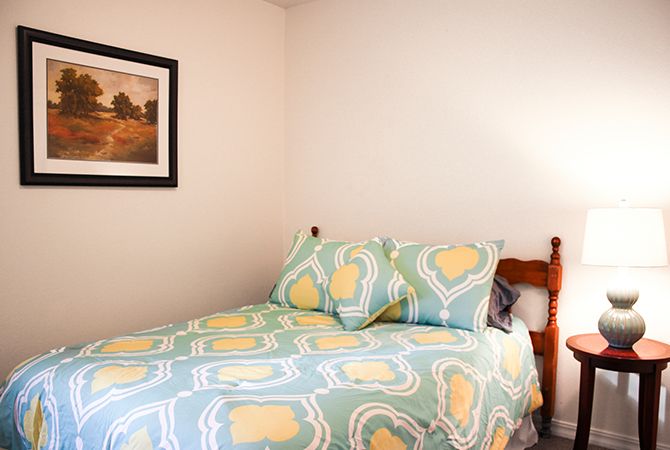
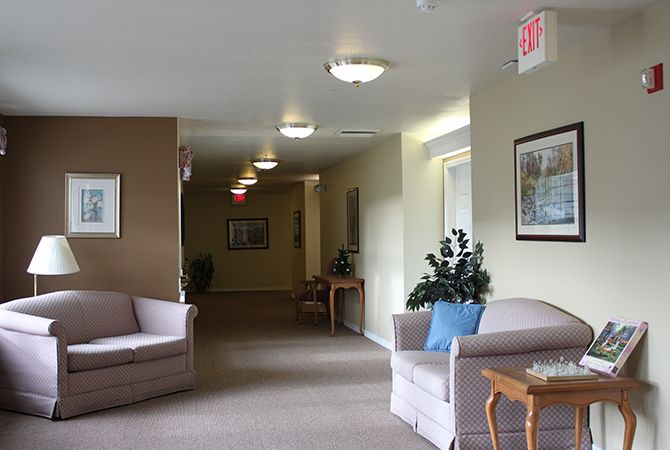
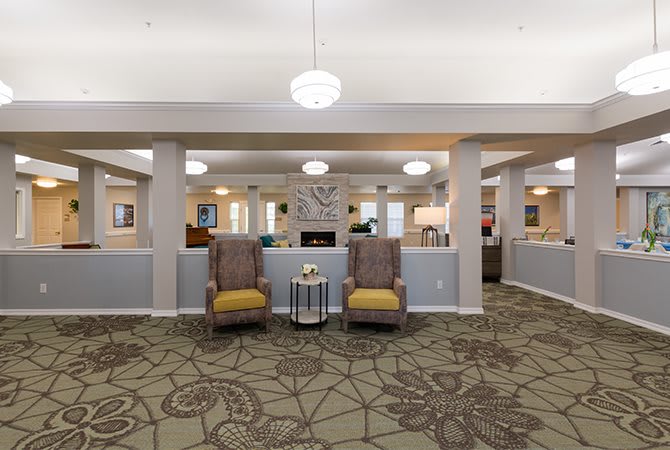
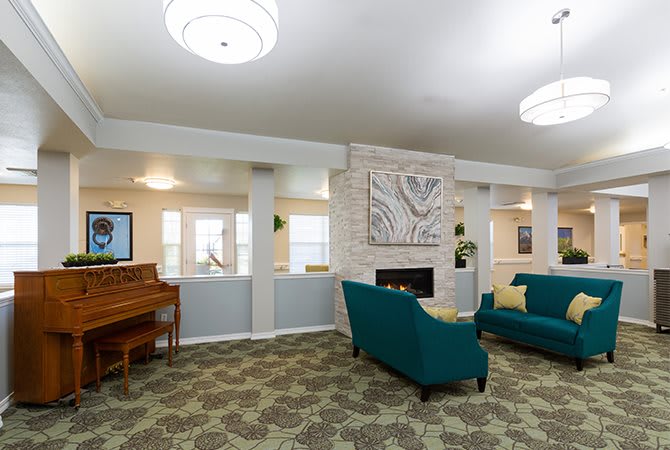
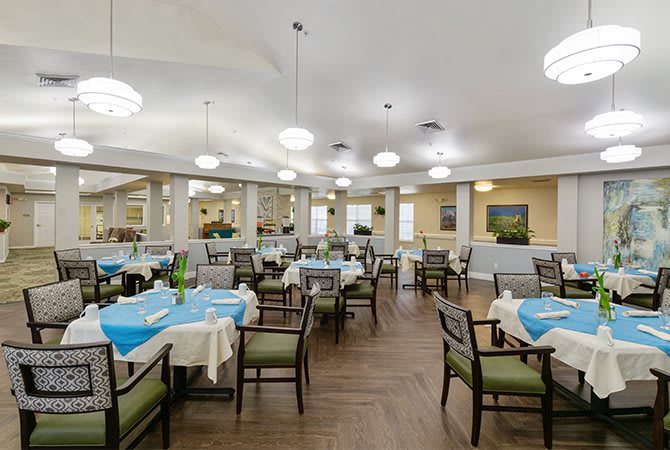
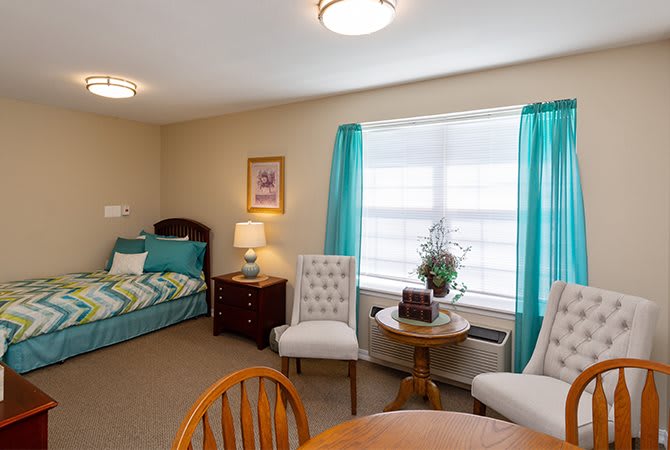
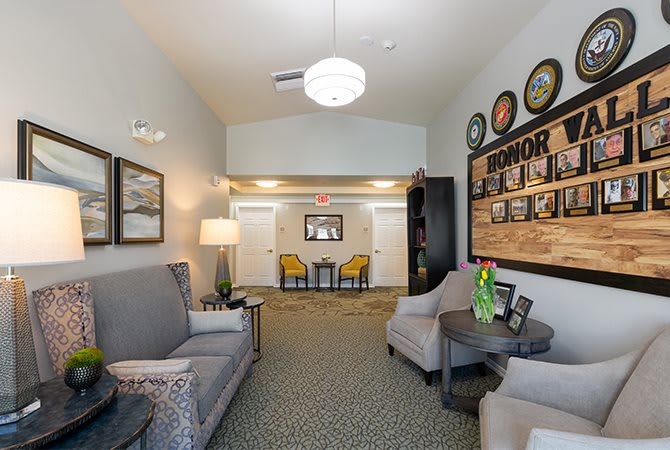
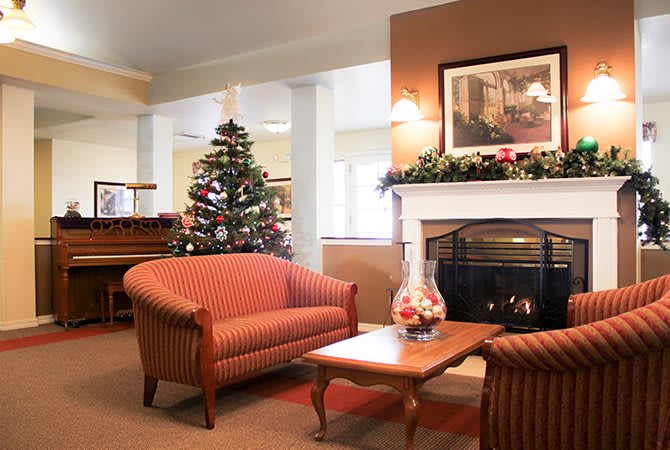
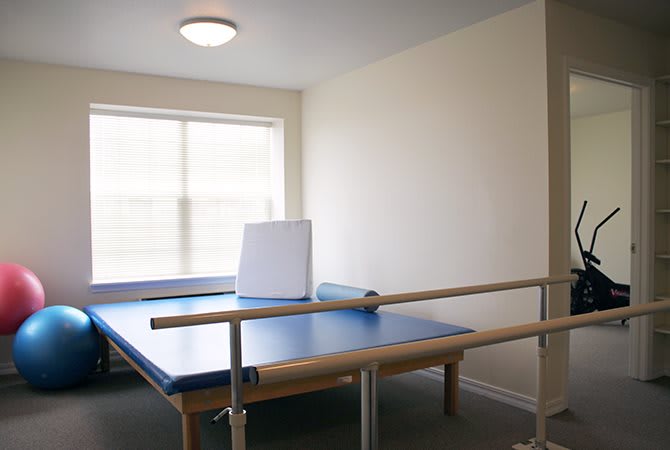
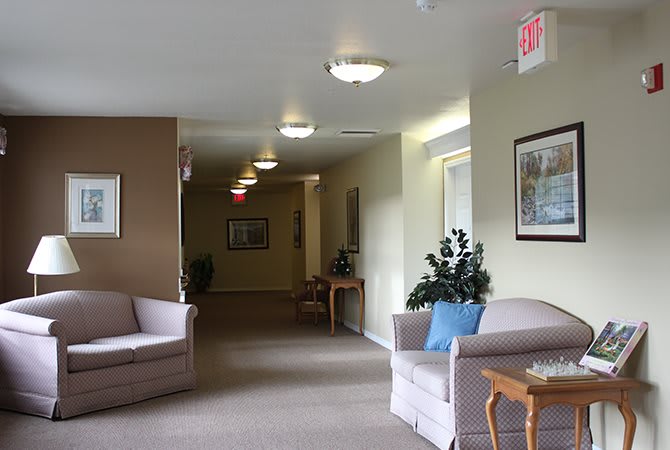
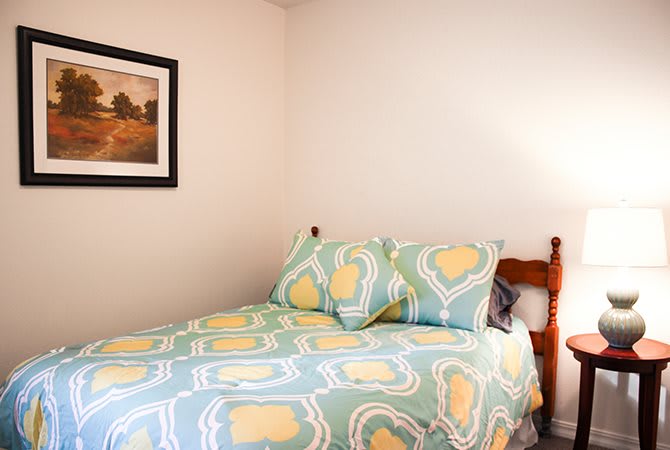
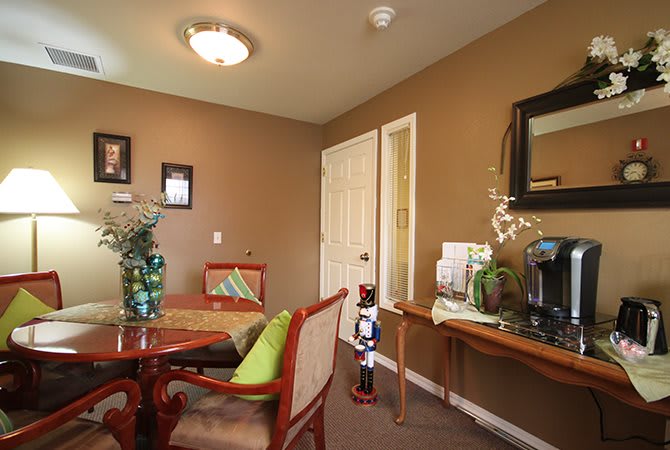
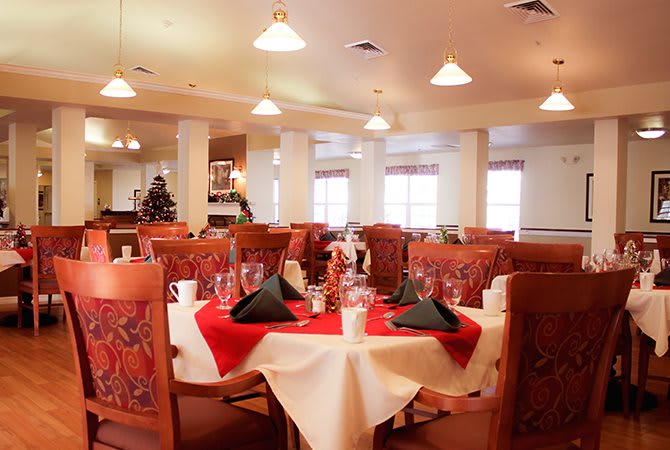
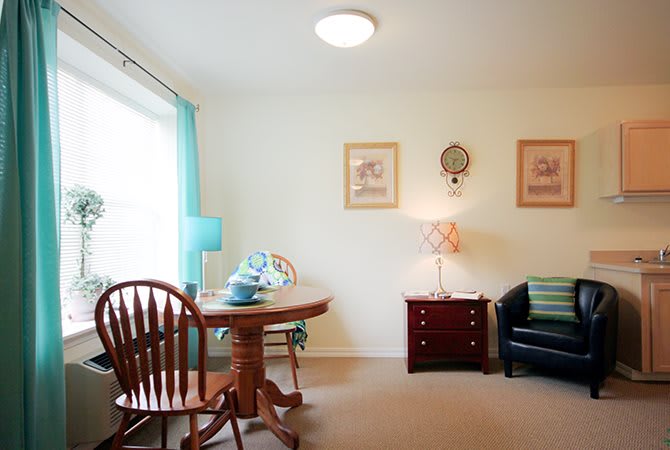
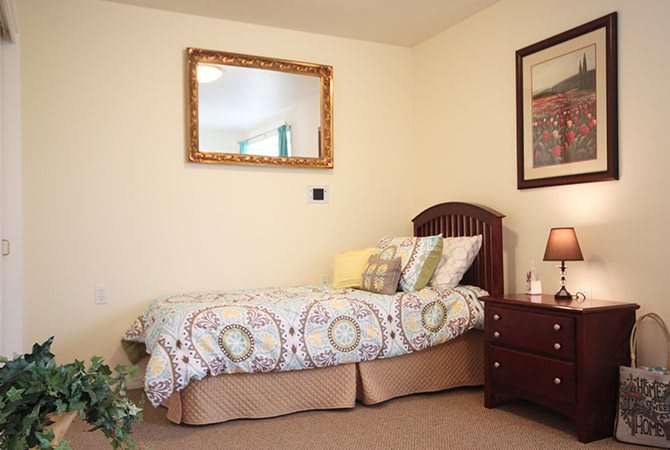
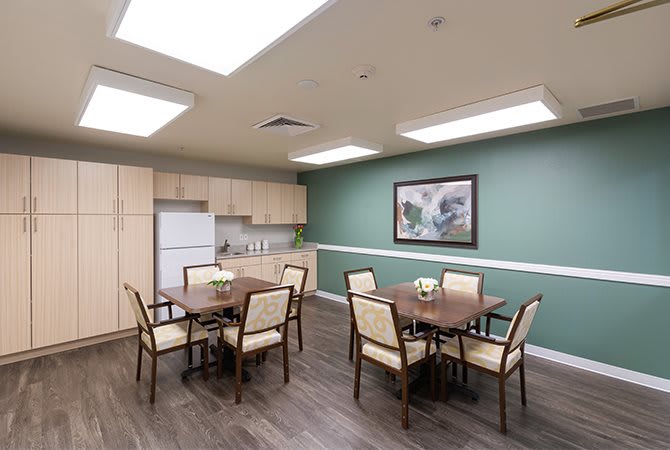
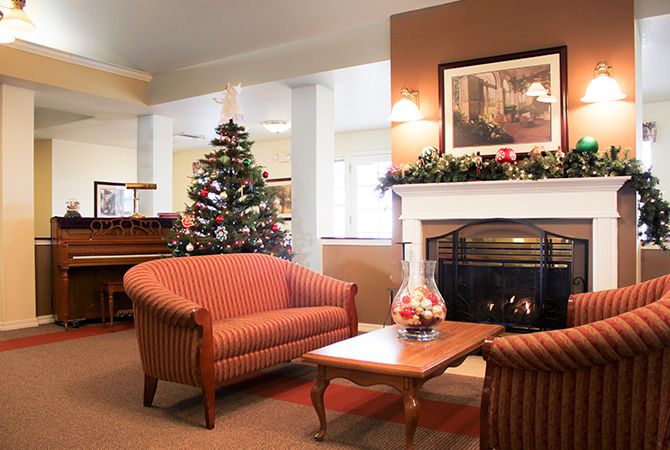
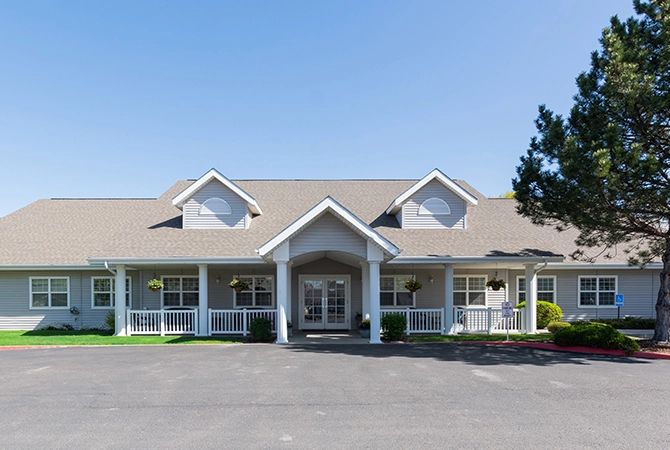
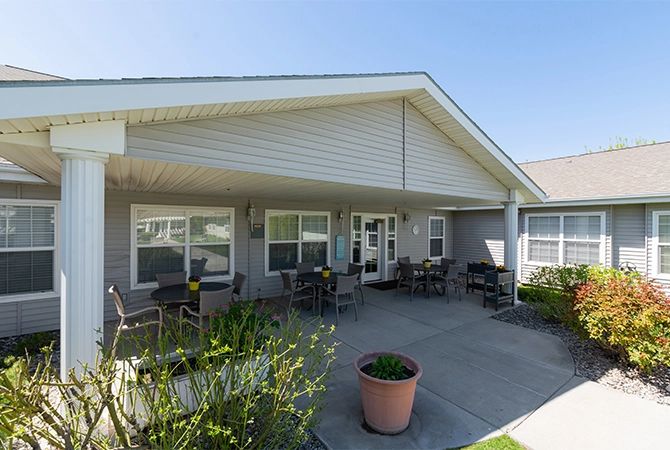
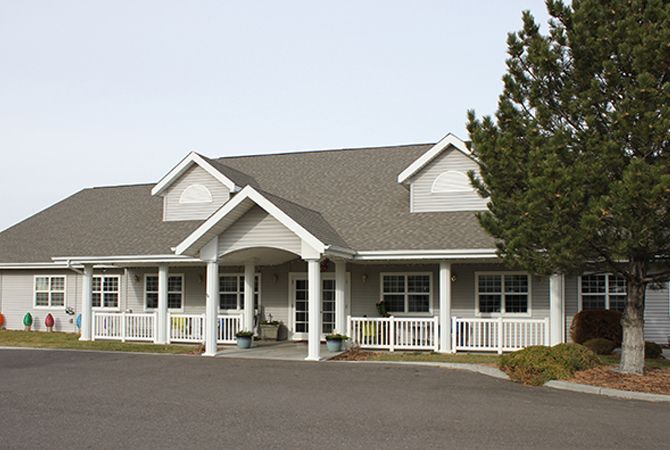
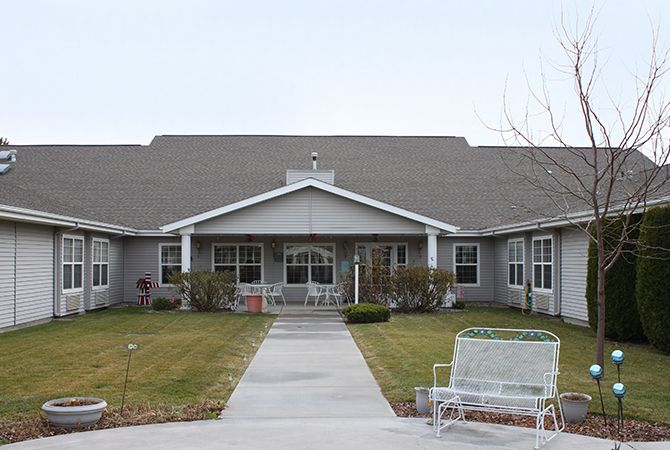
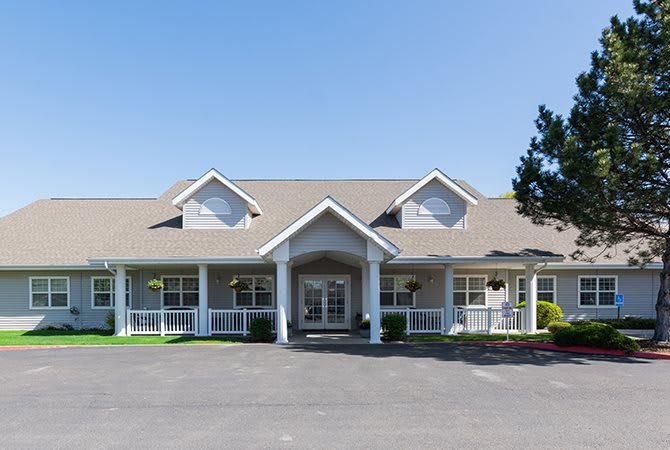
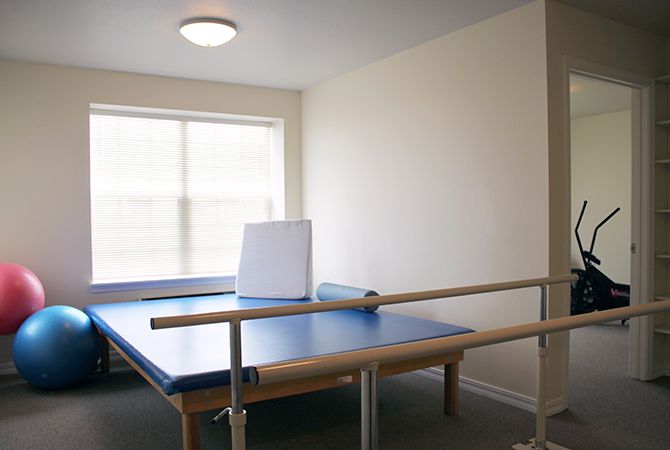
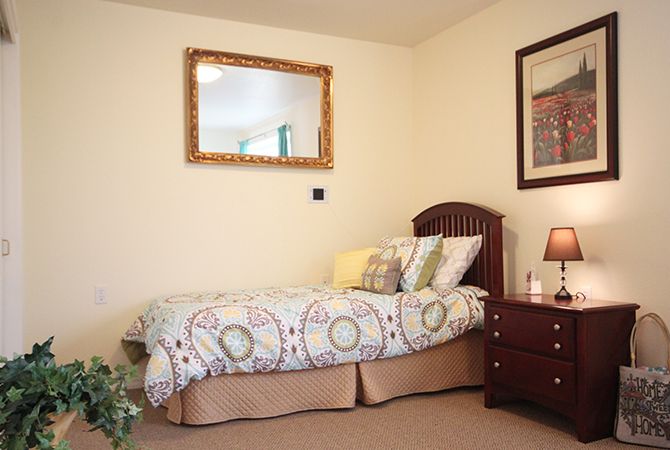
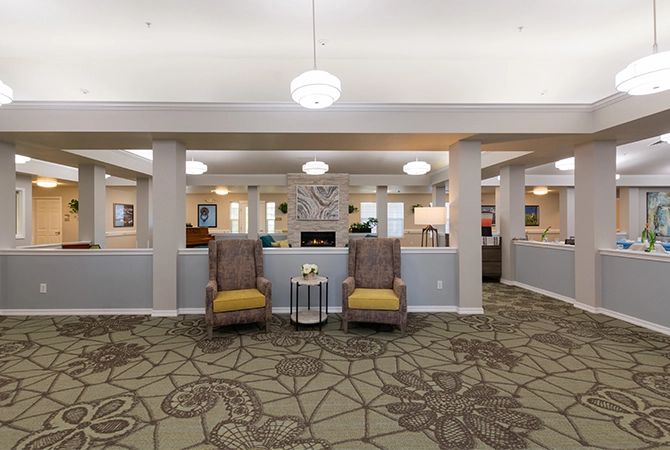
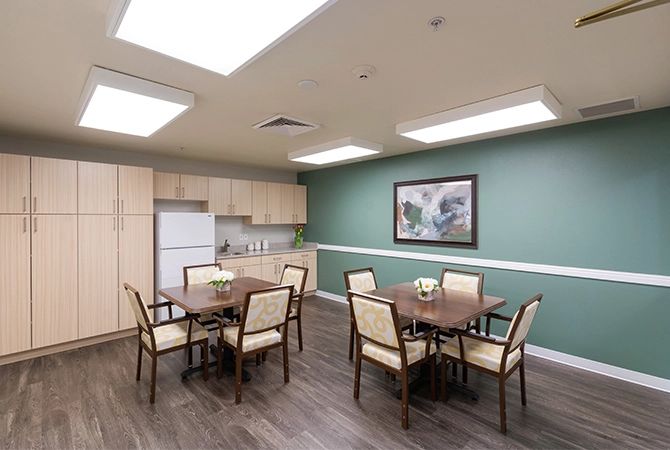
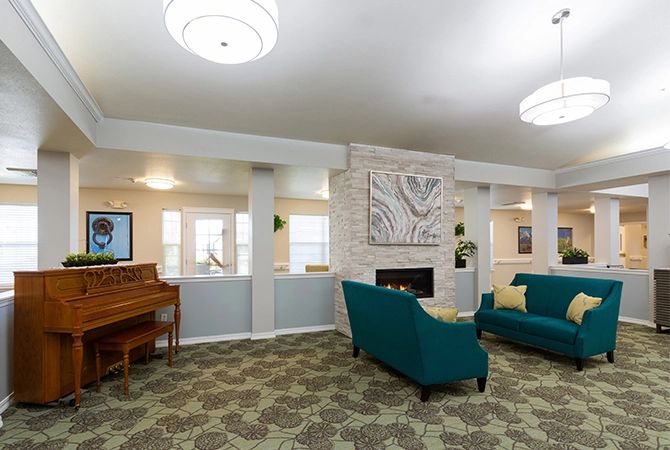
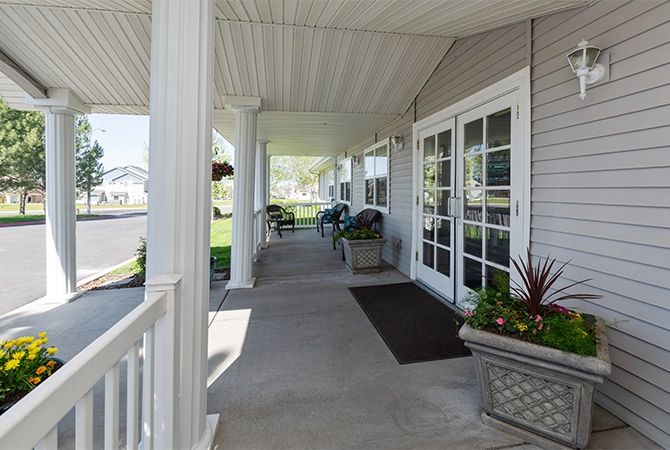
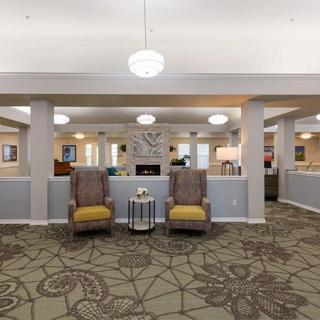
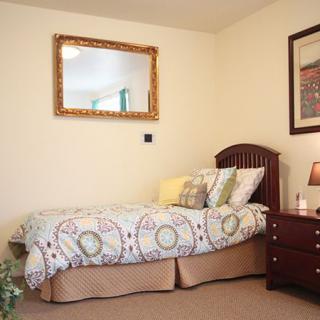
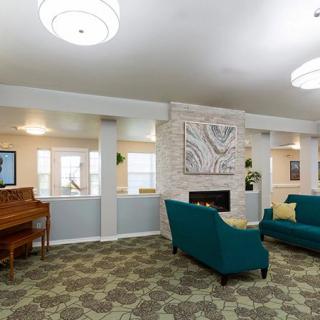
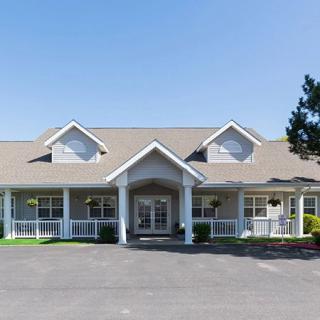
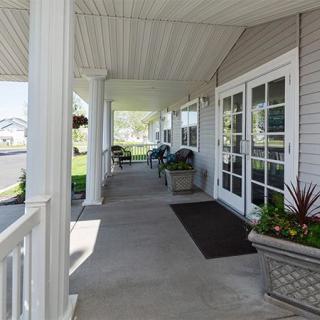
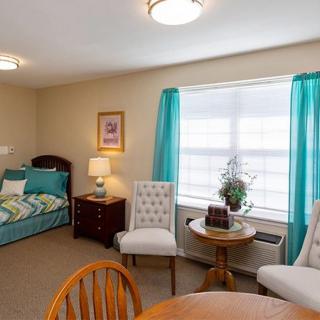
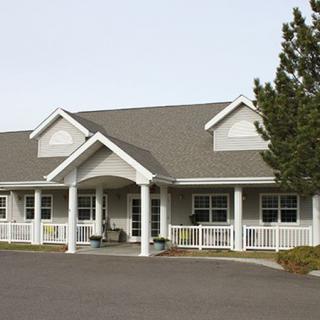
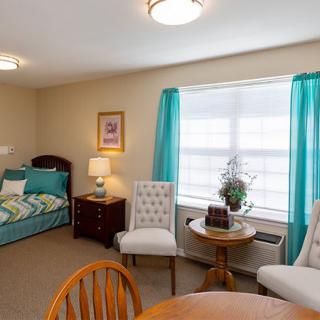
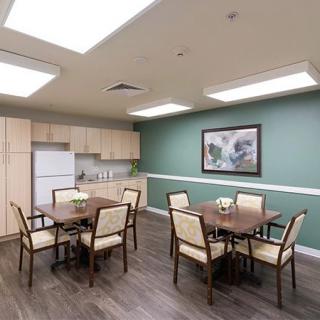
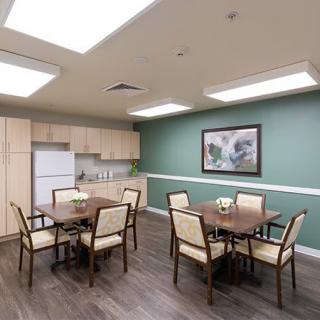
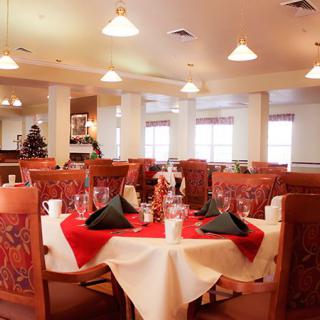
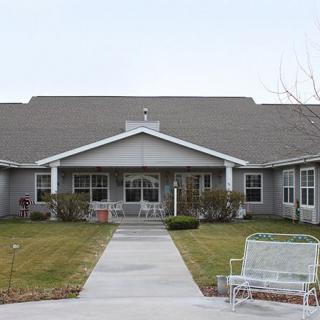
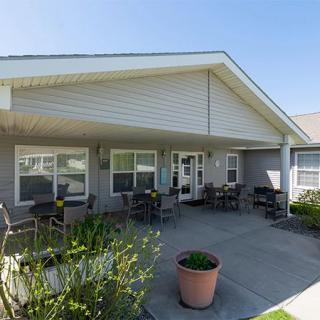
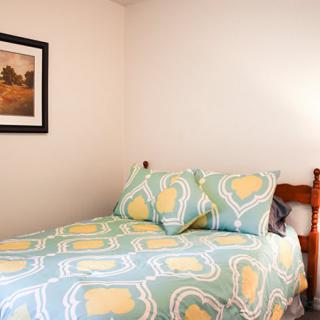
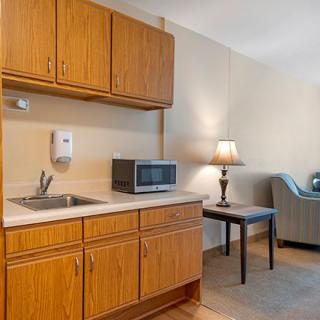
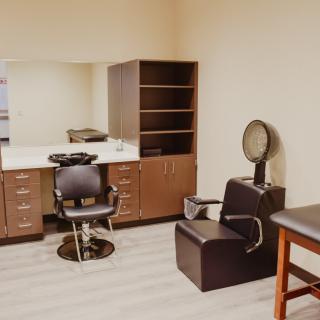
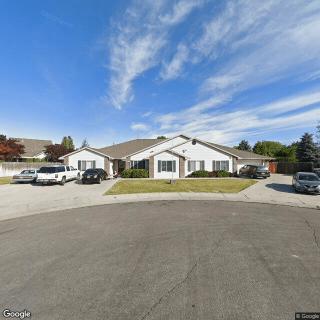
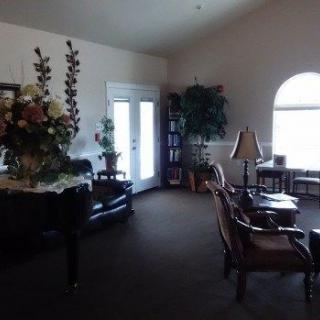
Syringa Place on seniors.fyi includes 33 photos including images showing interior, bedroom, decor, dining, lighting, living room, architecture, building, and more.
Nearby Communities
Ashley Manor - Parkview Drive
Twin Falls, ID
4.6 from 38 reviews
Specialized memory care programming with 24/7 supervision and cognitive support.
Ashley Manor - Parkview Drive
Twin Falls, ID
4.7 from 42 reviews
$3,800 / month
Compassionate, attentive staff in a clean, well-maintained setting.
Brookdale Twin Falls
Twin Falls, ID
4.3 from 51 reviews
$4,120 to $5,135 / month
Clean, attractive environment with friendly staff and engaging activities.
Grace Assisted Living at Twin Falls
Twin Falls, ID
4.4 from 63 reviews
$2,200 to $4,000 / month
Clean, welcoming environment with caring staff and on-site activities.
Bridgeview Estates
Twin Falls, ID
4.4 from 144 reviews
$1,995 to $2,595 / month
Friendly staff, engaging activities, and restaurant-style dining.
Grace At Twin Falls
Twin Falls, ID
4.4 from 50 reviews
Clean, well-maintained facility with professional staff, delicious meals, and engaging activities.
Serenity Healthcare
Twin Falls, ID
3.9 from 71 reviews
Caring staff and a clean, well-maintained environment with visible recovery progress.
Rosetta Of Twin Falls
Twin Falls, ID
4 from 24 reviews
Family-run, close-knit setting with 24-hour supervision and diabetes-focused care.
Medicaid coverage for assisted living varies by state and is primarily available to low-income individuals, with eligibility dependent on strict income and asset limits. Some states offer HCBS waivers for specific services in assisted living, but families must generally cover room and board costs, and should verify facility acceptance of Medicaid while considering potential waiting lists.
Medicaid waivers for assisted living services provide vital support for seniors and individuals with disabilities in need of long-term care, with varying state-specific eligibility criteria and benefits. These waivers cover personal care and case management but often do not fully cover room and board, leading to waiting lists for many applicants.
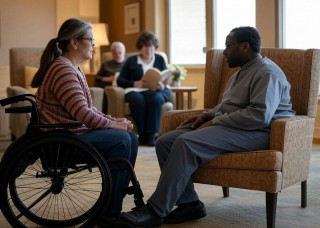
The article examines the complexities of assisted living for individuals with disabilities, emphasizing the need for tailored care solutions that enhance quality of life and social inclusion, while addressing financial challenges and advocating for community integration. It discusses various housing options, the importance of financial assistance through public benefits, and highlights trends towards integrated and technology-driven solutions in disability-focused housing.
Syringa Place photos
×
Interior
Decor
Living Room
Building
Architecture
Bedroom
Trees
Windows
Dining
Kitchen
Lighting
Garden
Entrance
Artwork
Interior
Decor
Bedroom
Dining
Living Room
Windows
Building
Architecture
Trees
Kitchen
Lighting
Garden and Nursing Home
Artwork
Fireplace
Seating Area
Outdoor and Covered Porch
Entrance
Patio and Outdoor Seating
Lobby
Exercise Equipment and Therapy Room
Wall Art and Painting
Hallway
Piano
Porch
Waiting Area and Indoor Plants
Rehabilitation and Physical Therapy
Exercise
Wooden Flooring
Get PricingAsk A QuestionSchedule A TourContact Senior Advisor
By clicking submit, you agree to our Partner's Terms of Use. You
also consent to receive calls and texts, which may be autodialed, from our Partner. Your consent is not a condition to
using our Partner's service. Please visit our Partner's Privacy Policy for information about their privacy practices.


 20 resident community capacity
 1-bedroom apartments
 Assisted Living
 Skilled Nursing Facility
 Activities off-site
 Air-conditioning
 Bath tubs
 Beautician on-site
 Cable or satellite TV
 Devotional services on-site
 Dining room
 Fully furnished
 Garden
 Ground floor units
 Housekeeping services
 Indoor common areas
 Kitchenette
 Laundry
 Move-in coordination
 Outdoor common areas
 Overnight guests
 Respite or short term stays offered
 Telephone
 Wheelchair accessible showers
 Wi-Fi/high-speed internet available
 Joslin Field - Magic Valley (8 miles away)
 Transportation & parking
 24-hour call system
 Assistance with bathing
 Assistance with dressing
 Assistance with transfers
 Diabetes diet
 Diabetic care
 Incontinence care
 Meal preparation and service
 Medication management
 Mental wellness program
 Special dietary restrictions
 Transportation arrangement (medical)
 Art classes
 Catholic services
 Cooking classes
 Day trips and outings
 Educational speakers / life long learning
 Happy hour
 Karaoke
 Live dance or theater performances
 Live musical performances
 English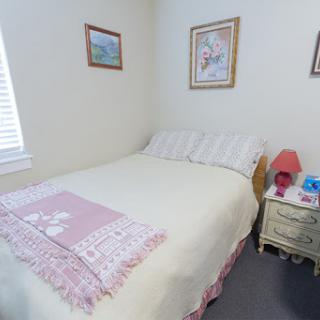
 Specialized memory care programming with 24/7 supervision and cognitive support.

 How and When Medicaid May Cover Assisted Living Costs
 A Detailed Exploration of Assisted Living Medicaid Waivers Across the United States
 Comprehensive Residential Support and Assisted Living Solutions for Individuals with Disabilities